How to resurrect a coral reef
vox.comI've had the good fortune to dive on Pickles Reef, as well as many other reefs on the Keys, so I've been able to see these coral restoration efforts first hand. I would always feel so happy whenever I came across these new groves of staghorn coral. They were small, but often healthy looking, and I just loved seeing them.
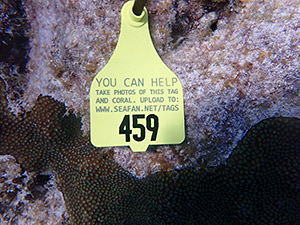
That said, the scale of coral death far surpasses the scale for growth. For example, a government group [1] has placed tags on natural coral groves (i.e. mostly not planted) inviting divers to take and share photos to help track the coral health over time [2]. Many of these tags were next to healthy looking sections of reef, but many others were next to dead lumps. I recall several sections around Looe Key in particular that were just graveyards of yellow tags.
These types of restoration efforts are working, and in some places they're working well. But it's a drop in the bucket and the coral is dying not thriving. More is needed.
1 - https://floridadep.gov/rcp/coral/content/seafan-southeast-fl...?
2 - https://floridadep.gov/system/files/media-folders/media-root...
Are these reefs open to recreational divers? I would love if it was possible to support dive operations that are supporting these efforts and see some beautiful reefs at the same time.
Many are! The Florida Keys National Marine Sanctuary is divided into zones [1], with each zone limited to different types of activities like diving / snorkeling, fishing, and research.
There are many good dive operators in the Keys who take recreational divers out to the approved reefs. If you want to get up close to the reef restoration part, the Coral Restoration Foundation also has a dive program to take divers out to their coral nurseries [2].
Coral restoration is not really fun work; a lot of mixing concrete.
Friends of mine are working on automating this process!
Just curious, what types of seagrass are they trying to plant? They mention heat resistant coral too, which I am particularly interested in (outside of tidepool varieties). Have they isolated any coral species that are accustomed to the phosphate/nitr*te issues from human waste and fuels?
Haha that reminds me of Neal Stephenson's "nitrates, nitrites, nitrotes and nitrutes".
Right now they're focused on the robotics/automation side of things. "Seedlings" come from several different partner organizations.
Big fan of Neal Stephenson :) take care of yourself, hope your friends do well
Edit: Guess I have to get Diamond Age in audiobook today, just noticed it missing from my collection.
Is the idea to use some kind of underwater robot to plant reefs? I couldn’t tell from the website.
That’s awesome! Happy to lend any ML/infra expertise to this effort
Here's the nonprofit mentioned in the article. I like hopeful people like David Vaughan
Isn't increased acidity killing most coral species en masse? I'm glad that there are ways to regrow the "hardier" species of coral faster, at least.
I think it's mostly human pollution. Coral has thrived in higher C02 environments previously.
Right now it is the temperature, but water acidity is a bigger problem actually.
please watch! fall in love with coral! https://youtube.com/watch?v=aGGBGcjdjXA
This is a great documentary