Your wrists are two of a kind
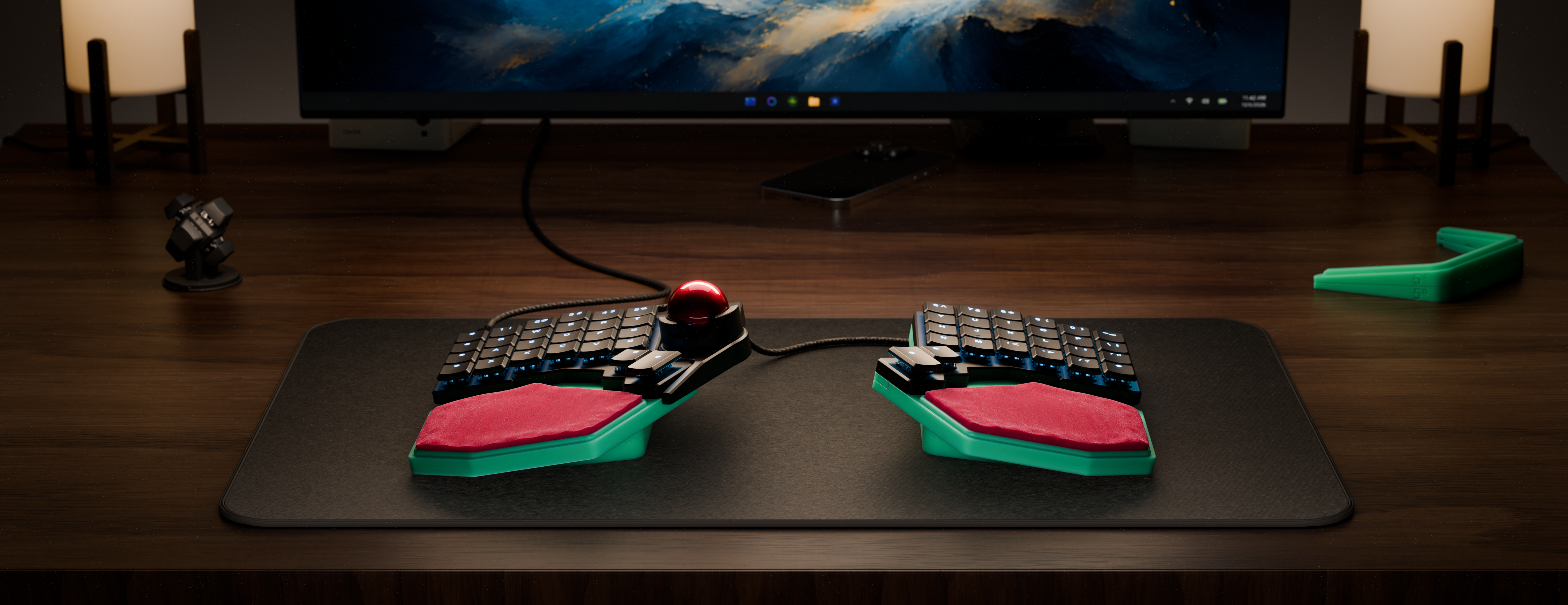
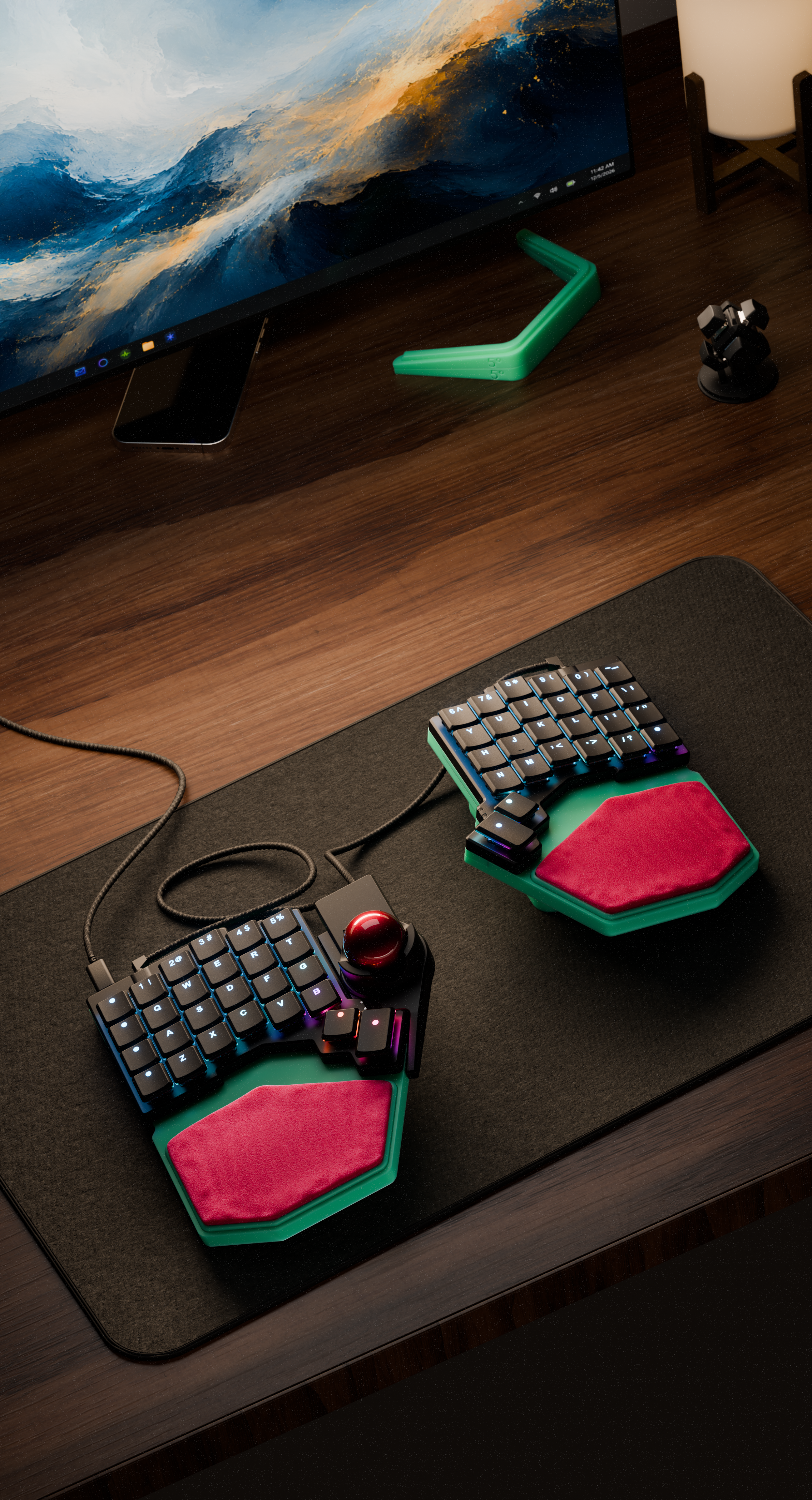
The Voyager does not come with wrist rests. It sits low on your desk, or high on a tripod, where wrist rests don't feel as necessary. But over the years, people have asked, and we decided it was time to do this right. The Voyager is meant to be customized to fit you, so its wrist rest couldn't be a one-size-fits-all generic solution.
We decided to do something traditional tooling would never let us do. Instead of one wrist rest, we created a powerful, complete system letting you craft the exact wrist rest that's perfect for you, using the power of 3D printing.
The System
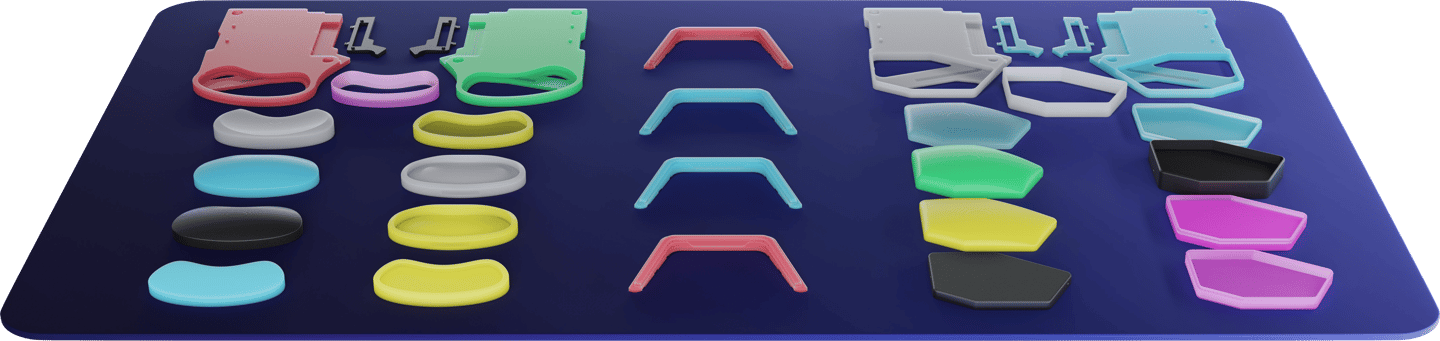
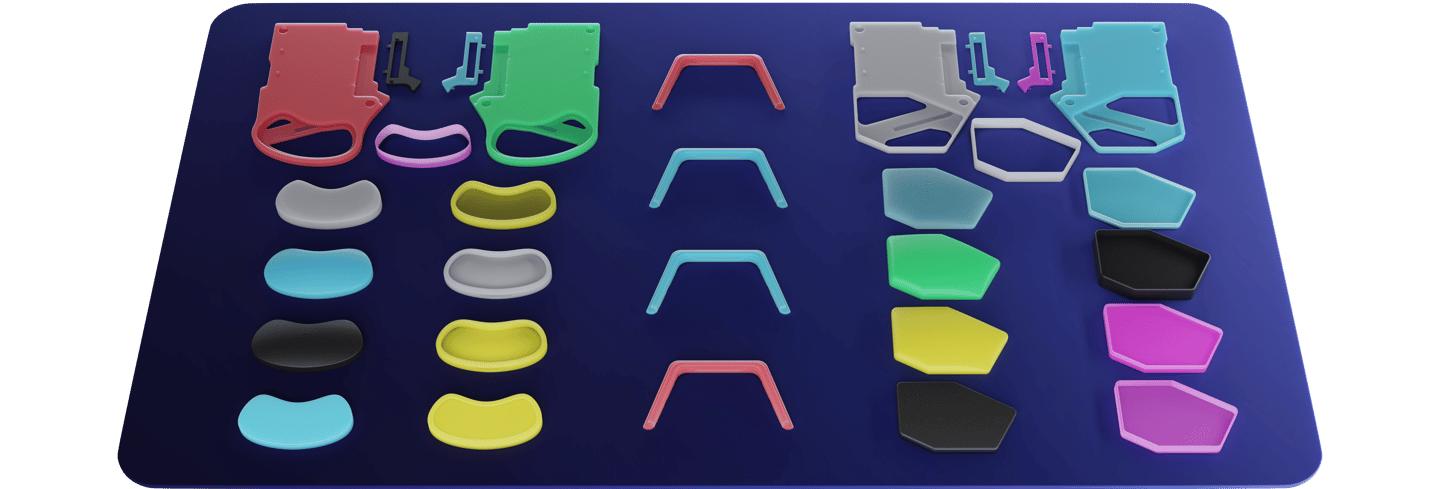
At release, we have 25 compatible parts for you to choose from and print. Why so many? So you can customize every aspect, and choose something that truly fits you.
Bases
Angular or rounded, each with a right and left version
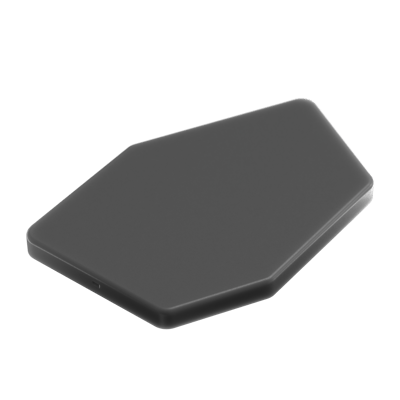
Angular Flat Solid
A solid-plastic flat wrist rest. Some people may like to use this one, but it is mainly here as a starting point to make other wrist rests.
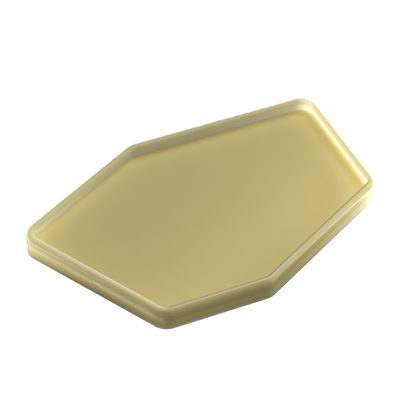
Angular Low (5mm Padding)
The lowest padded shell. This uses 5mm of padding set just at the base.
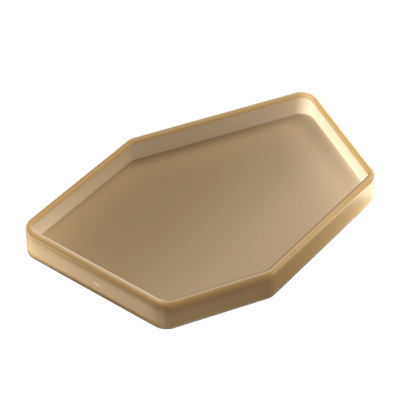
Angular Low (10mm Padding)
A lower shell for padded wrist rests. This uses thicker 10mm padding (like puzzle floor pieces) but puts it closer to the base.
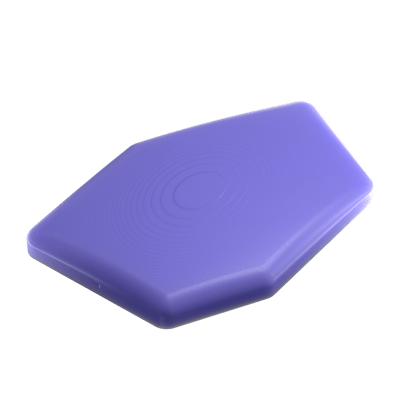
Angular Low Solid
A solid-plastic slightly convex wrist rest that curves up into your palm.
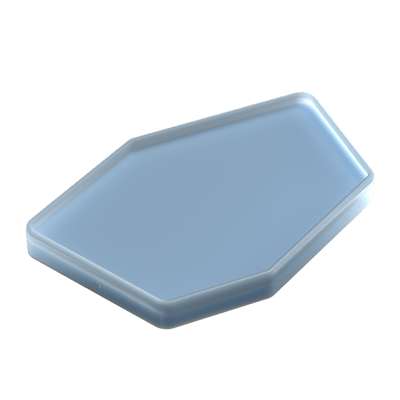
Angular High (5mm Padding)
A tall shell for padded wrist rests. This works best with padding around 5mm (one yoga mat), and raises it higher relative to the base.
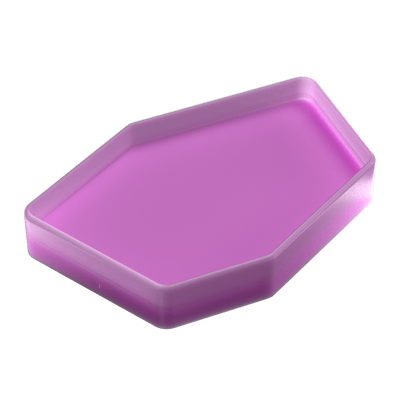
Angular High (10mm Padding)
A tall shell for padded wrist rests. This is for thicker padding (10mm or so), like you would get by cutting up a puzzle floor piece or two yoga mats stacked.
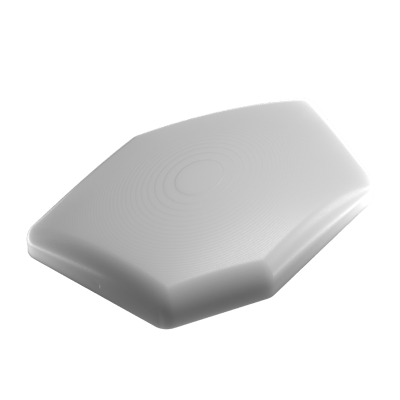
Angular High Solid
A solid-plastic convex wrist rest that is a bit taller.
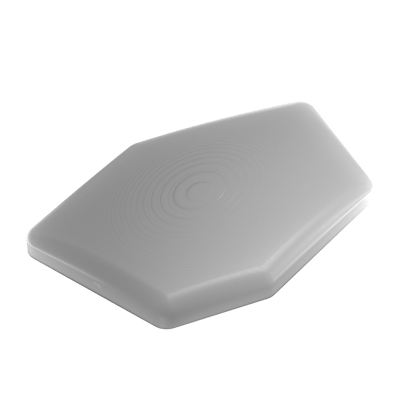
Angular Hollow
A solid but hollow, angular wrist rest that can flex slightly as you rest on it.
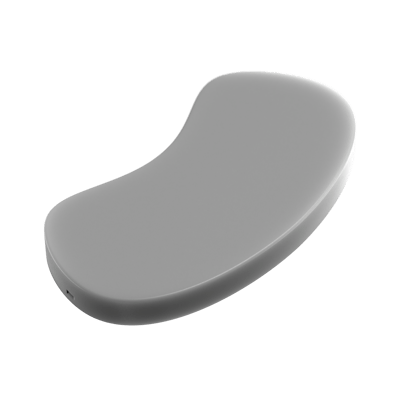
Bean Flat Solid
A solid-plastic flat wrist rest. Some people may like to use this one, but it is mainly here as a starting point to make other wrist rests.
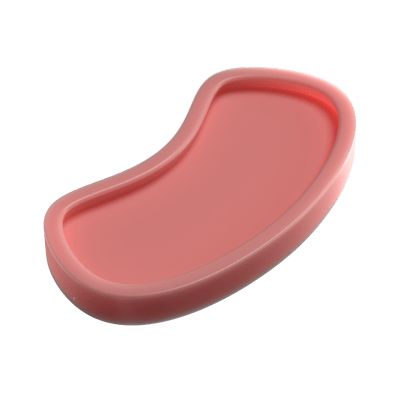
Bean Flat (5mm Padding)
A wrist rest shell with no built-in curve for 5mm padding. This will usually be the shortest padded wrist rest once assembled.
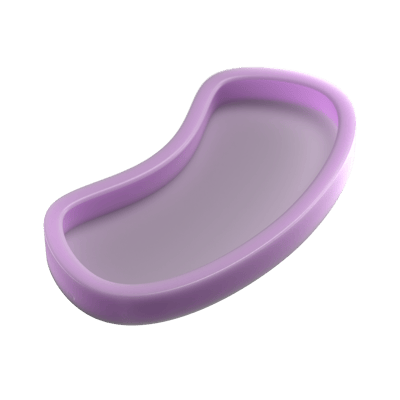
Bean Flat (10mm Padding)
A 10mm deep wrist rest shell with no built-in curve. A nice balance between a lot of padding while being a little shorter.
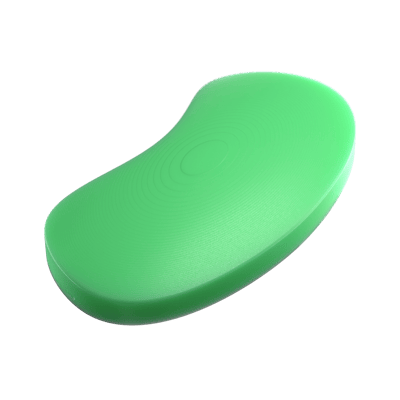
Bean Convex Low
A solid-plastic rest that is low profile and slightly convex.
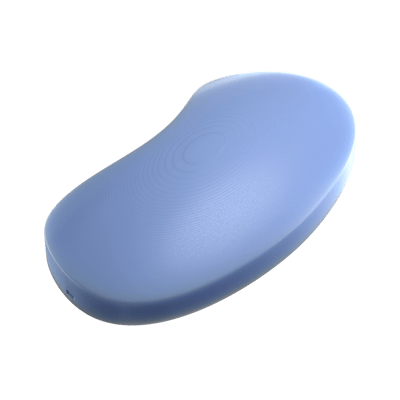
Bean Convex High
A solid-plastic rest that is more convex and taller.
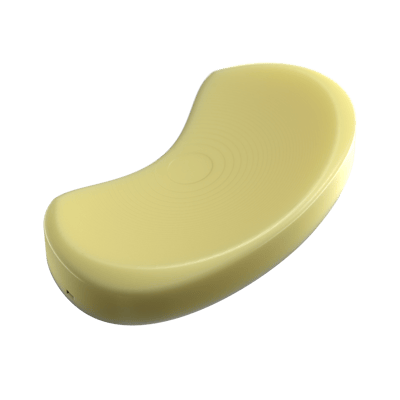
Bean Concave Solid
A solid-plastic rest that curves around the sides of your palm.
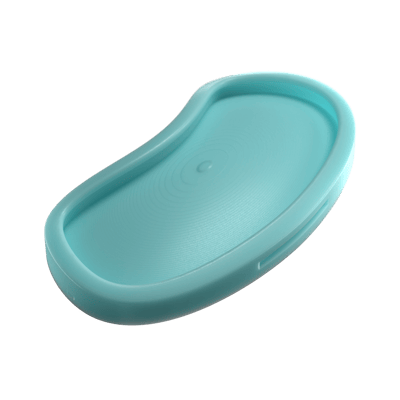
Bean Curved (5mm Padding)
A 5mm deep wrist rest shell with a built-in curve for about 5mm of padding. The built-in curve helps make sure your padding stays “plump”. A good option for lots of people.
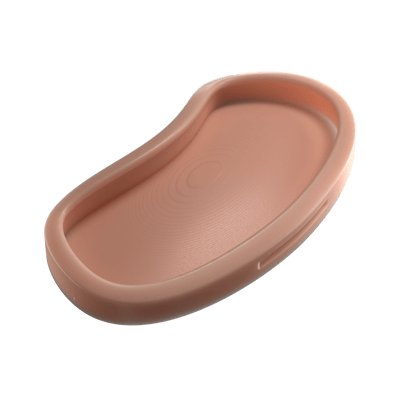
Bean Curved (10mm Padding)
A taller wrist rest that has a built-in curve and fits around 10mm of padding. This is the padded bean wrist rest to use if you want something as tall as possible.
Angular Flat Solid
A solid-plastic flat wrist rest. Some people may like to use this one, but it is mainly here as a starting point to make other wrist rests.
Angular Low (5mm Padding)
The lowest padded shell. This uses 5mm of padding set just at the base.
Angular Low (10mm Padding)
A lower shell for padded wrist rests. This uses thicker 10mm padding (like puzzle floor pieces) but puts it closer to the base.
Angular Low Solid
A solid-plastic slightly convex wrist rest that curves up into your palm.
Angular High (5mm Padding)
A tall shell for padded wrist rests. This works best with padding around 5mm (one yoga mat), and raises it higher relative to the base.
Angular High (10mm Padding)
A tall shell for padded wrist rests. This is for thicker padding (10mm or so), like you would get by cutting up a puzzle floor piece or two yoga mats stacked.
Angular High Solid
A solid-plastic convex wrist rest that is a bit taller.
Angular Hollow
A solid but hollow, angular wrist rest that can flex slightly as you rest on it.
Bean Flat Solid
A solid-plastic flat wrist rest. Some people may like to use this one, but it is mainly here as a starting point to make other wrist rests.
Bean Flat (5mm Padding)
A wrist rest shell with no built-in curve for 5mm padding. This will usually be the shortest padded wrist rest once assembled.
Bean Flat (10mm Padding)
A 10mm deep wrist rest shell with no built-in curve. A nice balance between a lot of padding while being a little shorter.
Bean Convex Low
A solid-plastic rest that is low profile and slightly convex.
Bean Convex High
A solid-plastic rest that is more convex and taller.
Bean Concave Solid
A solid-plastic rest that curves around the sides of your palm.
Bean Curved (5mm Padding)
A 5mm deep wrist rest shell with a built-in curve for about 5mm of padding. The built-in curve helps make sure your padding stays “plump”. A good option for lots of people.
Bean Curved (10mm Padding)
A taller wrist rest that has a built-in curve and fits around 10mm of padding. This is the padded bean wrist rest to use if you want something as tall as possible.
Angular Flat Solid
A solid-plastic flat wrist rest. Some people may like to use this one, but it is mainly here as a starting point to make other wrist rests.
Angular Low (5mm Padding)
The lowest padded shell. This uses 5mm of padding set just at the base.
Angular Low (10mm Padding)
A lower shell for padded wrist rests. This uses thicker 10mm padding (like puzzle floor pieces) but puts it closer to the base.
Angular Low Solid
A solid-plastic slightly convex wrist rest that curves up into your palm.
Angular High (5mm Padding)
A tall shell for padded wrist rests. This works best with padding around 5mm (one yoga mat), and raises it higher relative to the base.
Angular High (10mm Padding)
A tall shell for padded wrist rests. This is for thicker padding (10mm or so), like you would get by cutting up a puzzle floor piece or two yoga mats stacked.
Angular High Solid
A solid-plastic convex wrist rest that is a bit taller.
Angular Hollow
A solid but hollow, angular wrist rest that can flex slightly as you rest on it.
Bean Flat Solid
A solid-plastic flat wrist rest. Some people may like to use this one, but it is mainly here as a starting point to make other wrist rests.
Bean Flat (5mm Padding)
A wrist rest shell with no built-in curve for 5mm padding. This will usually be the shortest padded wrist rest once assembled.
Bean Flat (10mm Padding)
A 10mm deep wrist rest shell with no built-in curve. A nice balance between a lot of padding while being a little shorter.
Bean Convex Low
A solid-plastic rest that is low profile and slightly convex.
Bean Convex High
A solid-plastic rest that is more convex and taller.
Bean Concave Solid
A solid-plastic rest that curves around the sides of your palm.
Bean Curved (5mm Padding)
A 5mm deep wrist rest shell with a built-in curve for about 5mm of padding. The built-in curve helps make sure your padding stays “plump”. A good option for lots of people.
Bean Curved (10mm Padding)
A taller wrist rest that has a built-in curve and fits around 10mm of padding. This is the padded bean wrist rest to use if you want something as tall as possible.
Inserts
8 wrist rest inserts per base, to find the exact shape that works for your body
- 4 hard inserts meant to be printed with PLA
- 4 soft inserts that support commonly-available padding materials (yoga mats!)
5 Degree Tenting
Sturdy, stackable wedges to tent your board in 5-degree increments
Doesn't slide around!
Smooth plastic is slippery, but your keyboard shouldn’t be. The usual solution is stick-on rubber feet, which works, but we wanted something even more accessible, truly in the DIY spirit. That’s why each base comes with a channel that you can run a hot glue gun along. Don’t worry about being too neat; this is the underside of the base that won’t be on display. Give it a minute to dry, and you’ve got a sturdy, grippy base fit for the most brutal of key mashers.
Why 3D printed?
Because we didn’t want to decide for you. ;) We have a lot of ideas for wrist rests (as you can see from all these files), both internally and from the community, but anything we make officially is largely set in stone. So, instead of just picking one wrist rest and making it, hoping people will like it, we are making lots and lots of wrist rests. You can try them all and even remix your own design to find your personal perfect fit. Zero compromise.
Will we make this a “official” product one day? If there is a clear, outstanding rest that works excellently for many people we can consider it, so please let us once you've printed and are using yours.
A perfect fit for the
Voyager and for you
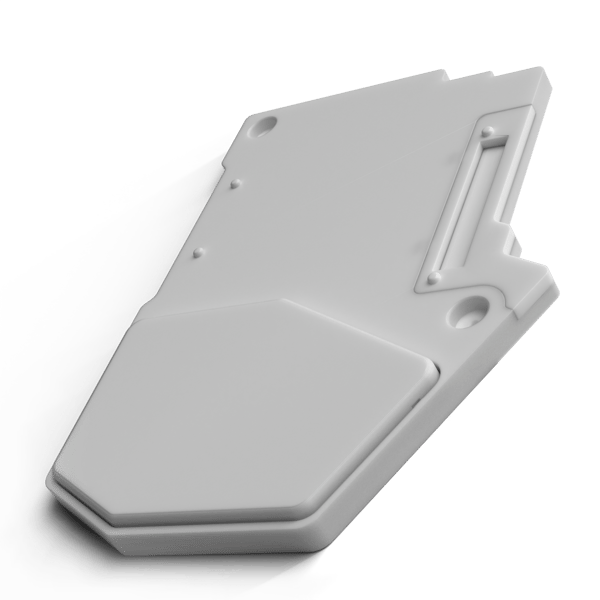
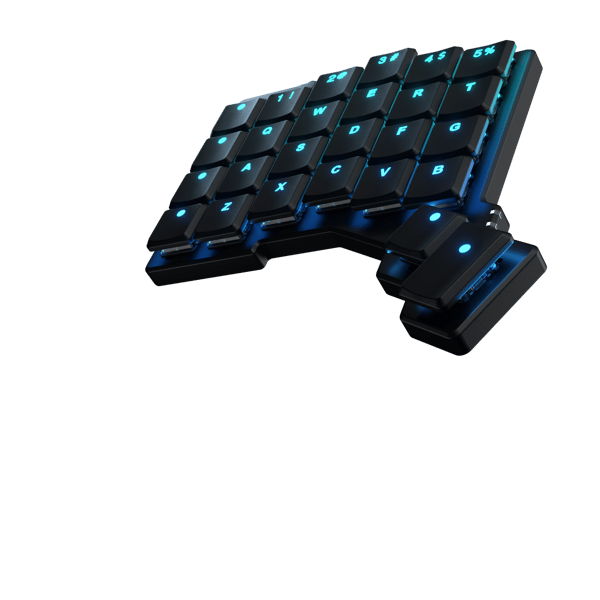
The wrist rest base supports the Voyager perfectly, with or without the Navigator. It uses a combination of orientation pins and optional magnets to ensure your Voyager sits exactly in the right spot and never shifts with use.
Thanks to the modular inserts, you only need one base per side. The inserts are small and quick to print, so you can experiment with many different options.
Creating padded inserts
One of our goals was to make it possible for people to make their own padded wrist rests for the Voyager using commonly available materials like yoga mats. Easy to source, repair, and customize.
The “padded” bases each include a cutting template. Use the template to cut out a yoga mat or “puzzle floor”, then pop the piece into the padded insert. It takes five minutes and you get a very nice fit.

Better for the planet
When you 3D print your own customized wrist rest out of this system, either yourself or at a nearby 3D printing facility that's local to you, you end up saving on shipping, packaging, and storage. That's a much lower overall carbon footprint compared to a piece of ABS or wood that's shipped from far away — all while being more custom to your own needs.
Also, this system works great when printed out of PLA, which is a plant-derived material and the default for most 3D printing.

One-time purchase, lifetime access
Over time, we may add more inserts and elements to the system. Buy it once, and you'd be eligible for any future updates.