For the first time in over a decade, snow fell near Chile’s ALMA Observatory in the heart of the Atacama Desert—experts warn climate change may make such extreme events more common
While Israel, the U.S., and much of the world bake under unusually high summer temperatures due to global warming, an extraordinary weather event stunned residents of northern Chile’s Atacama Desert, considered the driest desert on Earth. On Thursday, they woke to an unthinkable sight: the moon-like terrain of Atacama coated in snow.
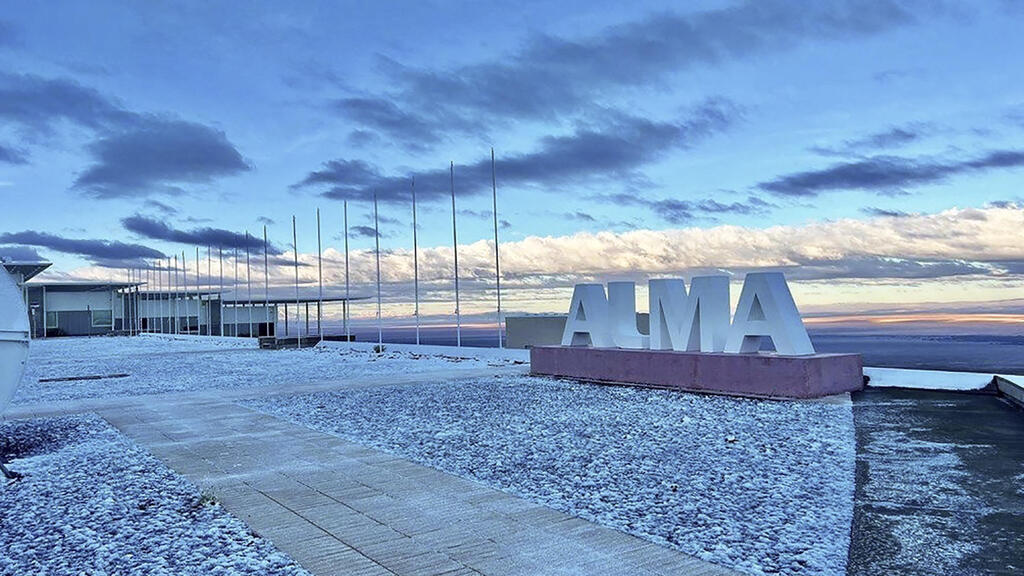
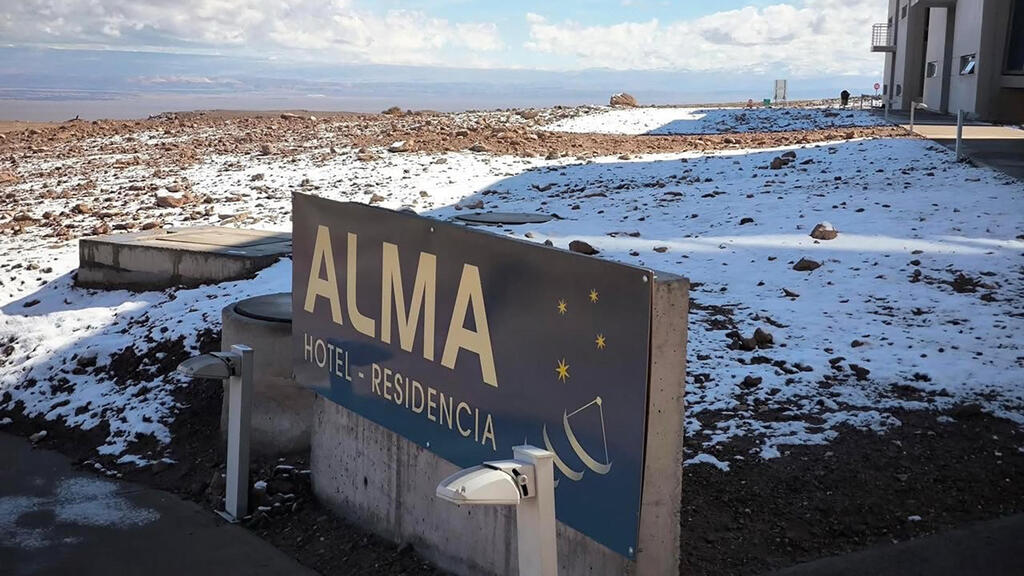
“This is incredible! The driest desert in the world is covered in snow,” the ALMA Observatory wrote on X, sharing a video of the vast desert landscape turned white. Located at 2,900 meters above sea level, the observatory reported that snow hadn’t fallen at its main facility in over a decade.
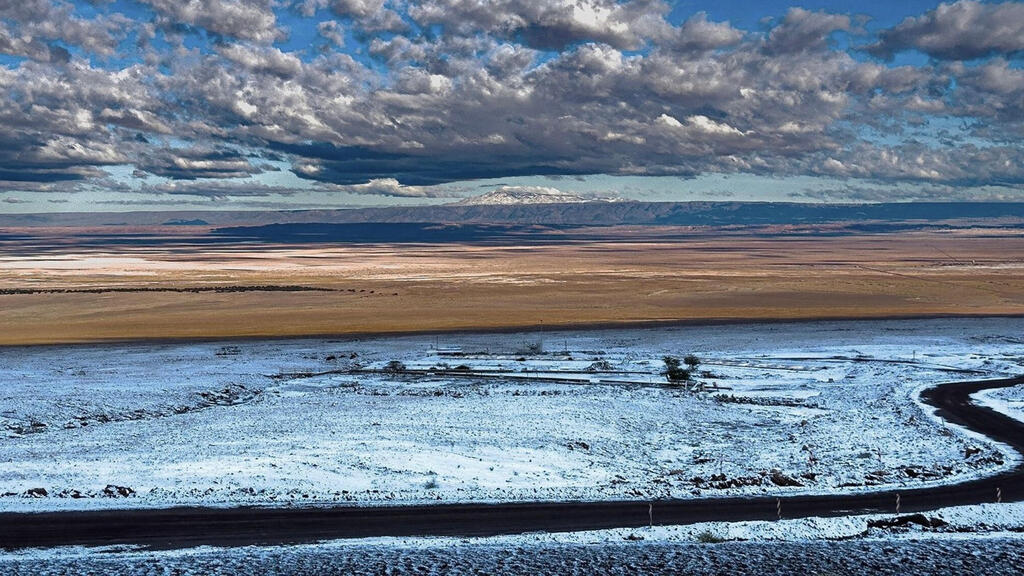
Raúl Cordero, a climate scientist at the University of Santiago, told AFP that it’s too early to directly link the snowfall to climate change. However, he noted that according to climate models, precipitation events in Atacama are expected to become more frequent as global temperatures rise.
Renowned for its pitch-dark night skies, the Atacama has long been a hub for cutting-edge astronomy. The ALMA telescope—developed by the European Southern Observatory (ESO), Japan’s National Astronomical Observatory, and the U.S. National Radio Astronomy Observatory—is one of the most advanced in the world.
Stretching over 105,000 square kilometers, the Atacama receives virtually no rainfall, with some areas remaining bone-dry for centuries. Trapped between the Andes Mountains and the Pacific Ocean, it has extreme conditions: salty soil, almost zero humidity, and UV radiation so intense that NASA uses the region to test Mars-bound space technologies.
Aside from space research, the desert is a global center for astronomy thanks to its cloudless skies and absence of light pollution. The ESO’s Paranal Observatory, home to the VLT (Very Large Telescope), is one of the most important facilities in the region.
Atacama is also rich in natural resources, hosting massive copper and lithium mines such as Chuquicamata. In recent years, the desert has seen a boom in renewable energy projects, with solar farms and wind turbines capitalizing on the region’s strong sun and steady winds.
Due to the harsh environment, Atacama is sparsely populated. Most residents live in the small oasis town of San Pedro de Atacama, located 2,407 meters above sea level. Known for its low-rise adobe homes, the town draws adventurous tourists from around the world, offering access to striking landscapes—from the vast Salar de Atacama salt flat to El Tatio geysers, the Valley of the Moon, and the Puritama hot springs.
Local residents, recognizing their unique location—even if not by choice—have built guesthouses, restaurants, and handicraft shops to support the growing tourism industry. But the true star of the region is nature itself: framed by majestic volcanoes, the Atacama delivers breathtaking views that, even when covered in snow, reveal the raw beauty of one of Earth’s most extreme places.