Saudi Arabia officially ended its 50-year 'Petrodollar' agreement with the United States, shifting to a multicurrency system for oil sales.
This transition allows the kingdom to sell oil in various currencies and is a welcome sign for those countries looking at options other than the dollar use.
Now, let's understand the Saudi-US deal for pegging the dollar for global oil sales.
Add WION as a Preferred Source
The dollar's dominance was influenced by an agreement between Saudi Arabia and the US in which the kingdom agreed to exchange US dollars for crude oil shipments.
So, after the historic deal in 1974, much of the world followed a dollar-based price in the international oil market.
The shift away from the so-called Petrodollar deal by Saudi Arabia would alter the global economic landscape and threaten the dollar's dominance in international trade, even though the kingdom has not officially acknowledged the shift away from the greenback completely.
&im=FitAndFill=(700,400))
‘History of B-52 crashes’: How many times has the US Air Force lost its iconic bomber?
&im=FitAndFill=(700,400))
Why Russian fighter jets show visible body rivets compared to US jets
&im=FitAndFill=(700,400))
Can a B-52 bomber really fly around the world without landing?
)
Mourners chant ‘death’ to America and Israel at Khamenei funeral; Trump says ‘gave them a week off’
)
World Bank upgrades Sri Lanka, Vietnam to upper middle income status; where does India stand?
&im=FitAndFill=(700,400))
'Billions in upgrades': Why is the US still investing billions in the B-52 bomber?
)
How Pakistani FM's grandson planned and gang-raped two foreign women after inviting them for business
&im=FitAndFill=(700,400))
Taylor Swift-Travis Kelce wedding: Inside the combined $2.09 billion net worth of the pop icon and NFL star
&im=FitAndFill=(700,400))
America turns 250: Who were the founding fathers behind US independence?
)
China's BIG statement after Japan PM Sanae Takiachi visits India
)
Taylor Swift-Travis Kelce wedding: Singer's aunt shares heartwarming details from inside the MSG celebration
)
Trump holds 90 mins 'frank' phone call with Putin over Ukraine war: End of hostilities soon?
)
Aamir Khan-Gauri Spratt wedding: Actor's Mumbai home lights up ahead of the intimate ceremony
)
‘Messi hugged me said…,’ Cape Verde goalkeeper Vozinha reveals chat with Argentine superstar
)
'Gang-rape, $1.5m ransom': Meet Pakistan's Foreign Minister, who's grandson abducted two foreign women in Lahore
&im=FitAndFill=(700,400))
The future of the B-52: How long will America's oldest bomber stay in service?
)
Erling Haaland's one word reply for a fan who backed Lionel Messi for the Golden Boot award
)
Kylian Mbappe's penalty seals win for France against Paraguay, sets up Morocco showdown
)
Australia probes chilling death threat ahead of PM Modi's Melbourne event
&im=FitAndFill=(700,400))
Why Russian heavy fighters use double nose wheels compared to US jets
)
The last time Iran buried a Supreme Leader, it descended into chaos
)
‘Pakistan’s politicians and military, not India, big part of its problems,’ says Singapore’s ex-envoy
)
Powerful comet shower from Oort Cloud racing towards Earth, study finds
&im=FitAndFill=(700,400))
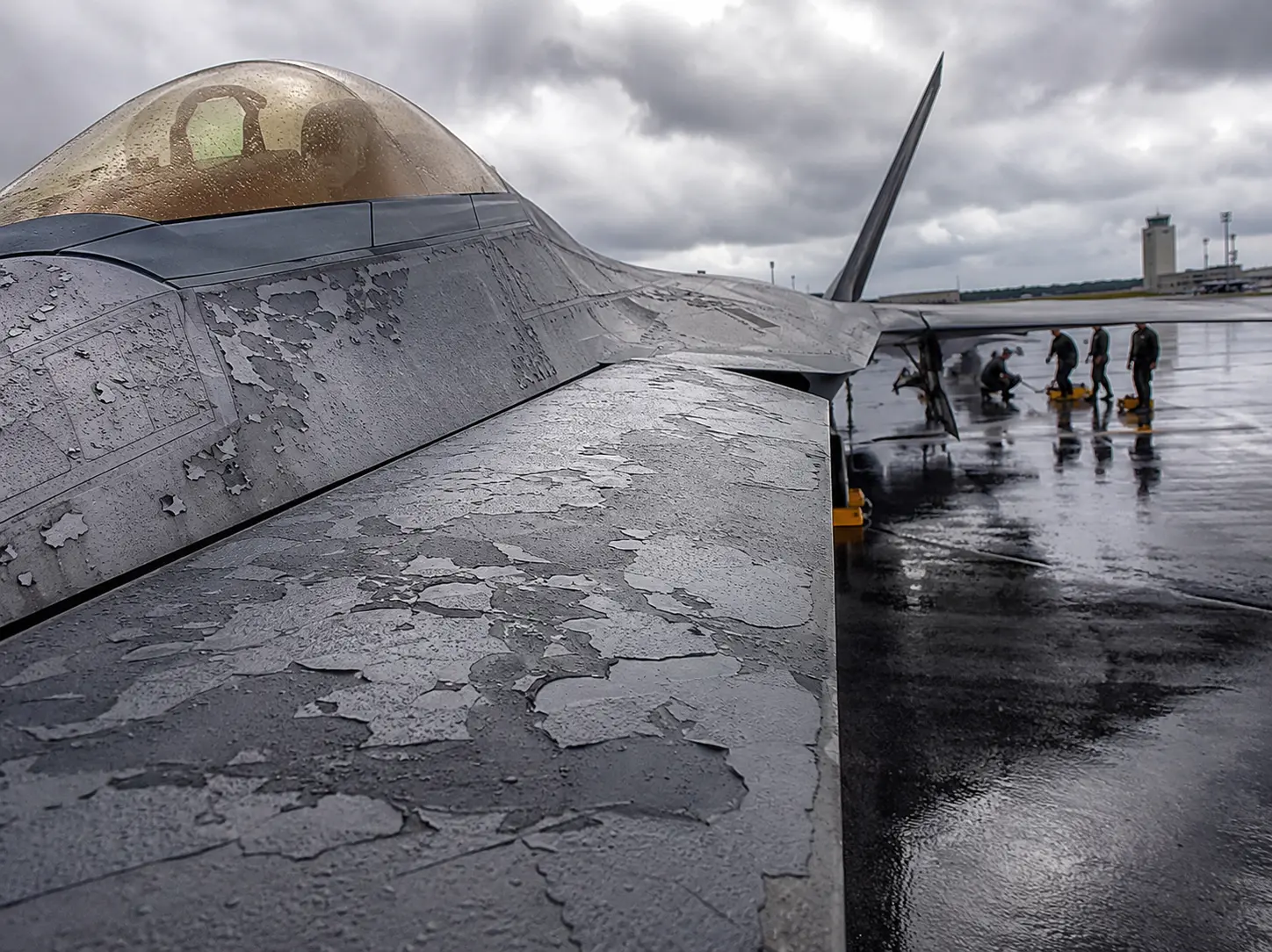
Why the F-22 fighter jet's special grey paint starts to peel in high humidity
)
Vijay's Jana Nayagan release: Fake A-rated CBFC certificate goes viral
)
Pakistan-occupied Kashmir man sent back month after he crossed border to meet Snapchat lover in J&K's Uri
&im=FitAndFill=(700,400))
Why the F-22 still carries a 20mm cannon despite rarely using it
)
Fact Check: Viral photo shows Trump leaning in for a kiss with Brigitte Macron. Here is the full truth
)
'Storms bring luck...': Trump's US 250 event venue evacuated ahead of his speech: Another threat or attack?
)
FSSAI busts expired food relabelling racket in Delhi, seizes 40,000 packets
&im=FitAndFill=(700,400))
How a B-52 Bomber can fly nonstop for 47 hours without burning its engine?
&im=FitAndFill=(700,400))
Why are the B-52 bomber's wings so long and flexible?
BRICS & multi-currency trade
This move coincides with Saudi Arabia's recent participation as a guest nation at the BRICS outreach ministerial meeting in Russia.
BRICS, now comprising 10 full members, including Saudi Arabia, Egypt, Iran, UAE, and Ethiopia, is pushing for greater use of local currencies in international trade and financial transactions.
The BRICS meeting, held for the first time since the group's expansion in 2023, emphasised the necessity for reforms in International Financial Institutions, including the IMF and World Bank.
Meanwhile, both China & Russia have called out the West for 'building walls' & disrupting global trade.
Why is this happening?
The broader rhetoric of financial sanctions as a geopolitical tool by the US is driving these decisions of countries trying to move away from the dollar for global trade settlements.
The recent sanctions by the US and its Western allies on Russia to isolate it from the global financial system are a significant reason, as other countries worry about similar consequences in the future.
While Russia has managed to trade and expand outside the dollar-denominated markets, the sanctions have weighed on its exports and imports.
'Weaponisation' of foreign exchange reserves?
According to a poll by the UBS Group, central bank reserve managers are increasingly worried about the safety of their foreign currency holdings.
The poll respondents attributed this rising worry to the rising global geopolitical risk.
The so-called "weaponisation" of foreign exchange reserves was deemed a high risk by one-third of the participants, double the number from the previous year.
For 87 per cent of the 40 central banks polled by UBS, the situation in West Asia, increasing tensions between China and the US, and the ongoing war between Russia and Ukraine were the top concerns.
With the risk that if hostilities intensify, central banks could face sanctions, seizures, or asset tapping, the viability of FX reserves as a viable option is being questioned.
The proposal to use the proceedings from Russia's frozen foreign-currency assets to aid in Ukraine's reconstruction endangers the usefulness of FX reserves, the safest and most liquid way for a nation to hold its money.
De-dollarisation jumps ahead?
If these worries cause people to flee dollar-denominated assets, the dominance of the US currency could be further challenged.
Global central banks, which manage the world's foreign exchange reserves, hold an average dollar amount of 55 per cent in their import war chest, which has remained relatively unchanged from 56 per cent a year ago.
However, that proportion has steadily declined from 67 per cent in 2021.
About 8 per cent of the respondents reported increasing their yen holdings, and 25 per cent said they increased their euro allocations in an attempt to diversify away from the dollar in their reserve mix.
As geopolitical risks rise, central banks are also increasing their gold reserves.
Some analysts think that political forces will use currency reserves as a weapon and that the dollar will suffer as a result.