
LAST UPDATE | 16 hrs ago
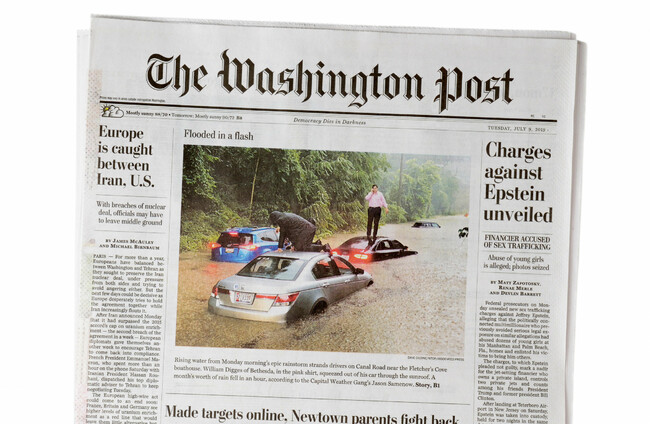
HAVING JUST SUFFERED another 300 newsroom layoffs, the closure of sections and bureaus, the exodus of many of its most venerable journalists, and the “moral infirmity” — in the words of a former editor — of transforming its editorial page into a Trumpist mouthpiece, The Washington Post is a dead newspaper walking.
It is far from alone in the graveyard.
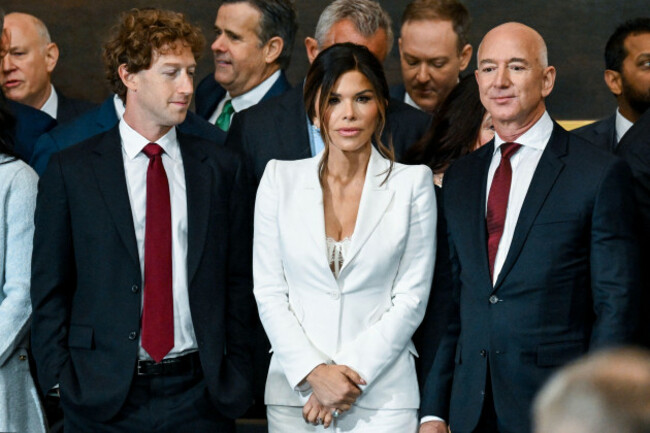
In the US, most newspaper chains are controlled by hedge funds milking them dry, or by billionaires — The Post’s Jeff Bezos or the Los Angeles Times’ Patrick Soon-Shiong — harpooning their souls.

Magazines, as a media genre, are a ghost of their former selves. In the US — unlike in Europe — broadcast radio has become irrelevant. Broadcast television’s audience is geriatric, and its owners are gutless media conglomerates.
Disney knuckled under to Trump and pulled Jimmy Kimmel off ABC. CBS is now in the clutches of mini Murdochs named Ellison and their agent of destruction, contrarianist Bari Weiss, who has turned the networks’ once revered nightly news into state media.
On shrinking cable, Fox News is the Murdochs’ political organ, MSNOW (née MSNBC) has been sloughed off onto a funereal ice floe by Comcast-NBC, and CNN is at risk of also falling under the Ellisons’ thumb.

Ah, but you say, at least America still has The New York Times. Yes, and there are good journalists doing good work there. But on the whole, The Times has failed to protect American democracy.
The paper constantly normalises the rabid insanities of the current administration as policy. It both-sides extremism, not merely opening the Overton window but smashing it.
Worst of all, The Times refuses to name and explain fascism. It says we are on the road to autocracy. Oh, we have arrived.
Though there are exceptions — independently owned newspapers and public media upholding journalistic values — it must be said that, on the whole, legacy, mass media is dead or dying.
An ever-evolving media
I say this with regret, for I have devoted my life and career to journalism and media at scale. And I have spent countless hours on journalism conference panels hypothesising new business models to save what was. Now I see that instead, we need to build what can be.
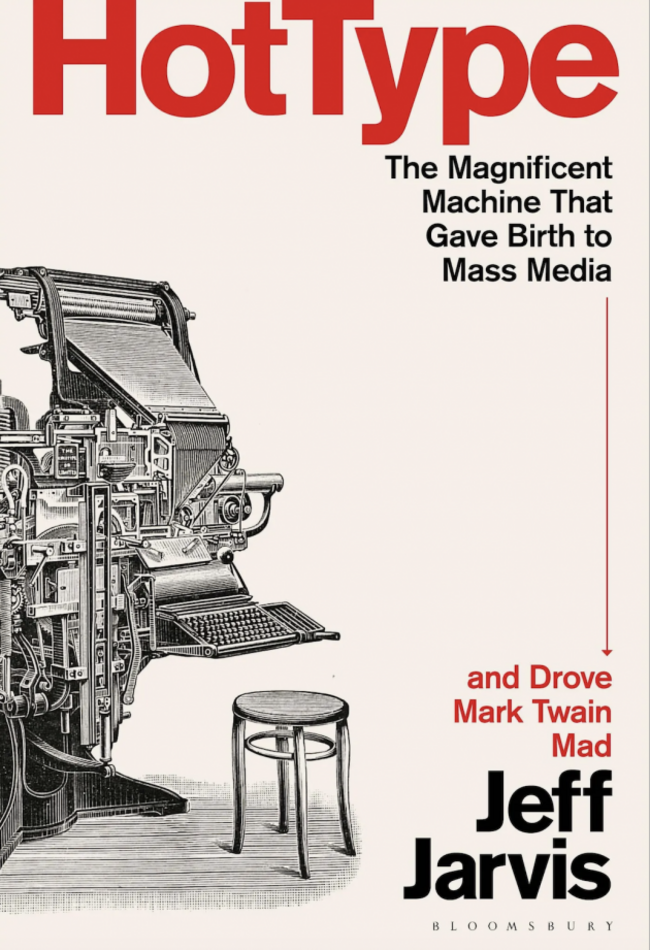
In my research on media history for my books The Gutenberg Parenthesis, Magazine, and Hot Type, one clear lesson emerged: that nothing in media or news is forever.
The newspaper was invented a century and a half after Gutenberg (at about the same time as the modern novel and the essay). It was reinvented with the introduction of steam-powered presses, the Linotype typesetting machine, and the telegraph.
With the mechanisation and industrialisation of publishing, media became the province of capital and corporations, which seek scale über alles. In the late nineteenth century, a new business model emerged: selling audiences to advertisers. It was a lovely and profitable oligopoly for the privileged few proprietors from the 1890s to the 1990s — until the internet co-opted and killed mass media’s attention economy.
What will replace the media that was? It is too soon to tell. In the late 19th century, it was unclear which media might persevere, in what form, performing what cultural functions.
Sunday newspapers published magazines. Magazines published books. Book publishers founded magazines. Today, it’s an open question which forms might emerge victorious: newspapers, magazines, and TV (if any survive) against blogs, newsletters, podcasts and social media. And then there’s AI, the literate machine, joining in public discourse.
But it’s not the form that will matter; it is, of course, the substance. There will still be demand for accountability, investigation and explanation — for journalism. But journalism can and must change to meet new needs and opportunities.
Look to Minneapolis, where witnesses perform critical acts of journalism. News must be defined more collaboratively. And I welcome the day when media return to human scale, no longer claiming to serve everyone the same, no longer requiring capital at scale to start and survive.
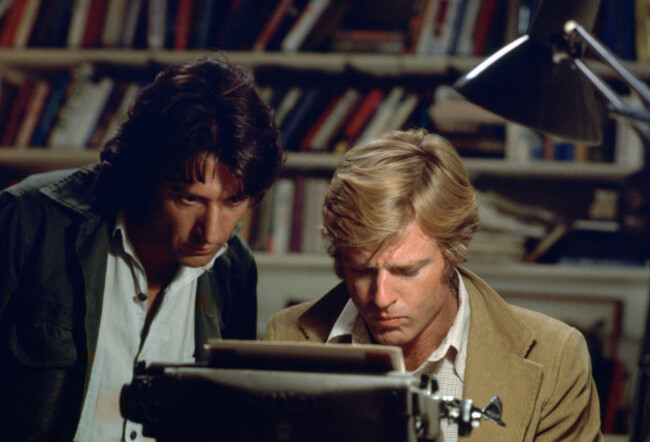
I do regret the passing of zombie The Washington Post, mostly because for a brief, impressive moment under the early ownership of Jeff Bezos and the editorship of the now-retired Marty Baron, it presented welcome competition to The New York Times, driving each to be better.
Now, its reputation is ruined, its talent gone, its audience deserting, its business in shambles. “Democracy dies in darkness” was its slogan. After chopping jobs and whole departments, Bezos’ hired henchman, publisher Will Lewis, announced he was leaving. He should turn the lights off on the way out.
To owner Bezos, the Post is a useful prop to please Trump for the sake of larger business interests.
To democracy, it is becoming all but useless. I hear no talk of anyone else rescuing The Post from its supposed saviour. The time has come instead to replace it.
Jeff Jarvis is a US journalist, author and editor. He is a journalism professor in New York and author of the upcoming book Hot Type: The Magnificent Machine that Gave Birth to Mass Media and Drove Mark Twain Mad. Find him at @jeffjarvis.