Smartphones have indisputably changed how we drive. While dodging distracted drivers playing Candy Crush at 70 MPH is a serious problem, the little slab of occasional horror in your pocket also brings convenience. Using voice controls to switch playlists is a whole lot easier than unzipping a binder full of CDs, finding the one you want, pressing eject, and swapping the new disc in. Hands-free calling lets you keep both hands on the wheel instead of one on a comically large car phone handset. However, the biggest advancement is that everyone now has GPS navigation with live traffic data everywhere they go. Unfortunately, if you’re an Apple Maps user, that navigation experience is about to get slightly worse.
This week, Apple announced a new way to make even more money. It’s called Apple Business, and it’s touted as a way of managing office tech and brand marketing alike. While some of the employee management and branding functions seem useful, there’s one mildly annoying feature in this set:


Beginning this summer in the U.S. and Canada, businesses will have a new way to be discovered by using Apple Business to create ads on Maps. Ads on Maps will appear when users search in Maps, and can appear at the top of a user’s search results based on relevance, as well as at the top of a new Suggested Places experience in Maps, which will display recommendations based on what’s trending nearby, the user’s recent searches, and more.
Apple certainly isn’t the only tech company to embed ads and promoted results in its navigation apps. Google Maps has done this for ages with mildly aggravating results, and Google-owned Waze will flash banner ads when you’re stopped if you’re using it on a mounted phone. It’s also worth noting that other navigation apps don’t flash ads through Apple CarPlay, and with no announcement on whether ads are coming to Apple Maps in CarPlay, don’t expect them to appear on your car’s built-in screen.
However, what if your car doesn’t have Apple CarPlay and you simply put your phone on a legal mount for navigation? For those of us without in-car infotainment, that’s just the way we avoid getting lost. If you’re an Apple Maps user based in the U.S. or Canada and drive something pre-2016, this means ads are probably coming to your dashboard in a roundabout way. Eww.
It all follows the familiar enshittification playbook: Launch a free-to-use service that’s clean and fast, then once users are hooked, start cluttering up the place with ads you didn’t want and top search results that aren’t necessarily what you’re looking for. Let’s say you have a loyalty card for, I don’t know, Shell. One fat-fingered move on an ad, and you might find yourself driving to an Esso. Or you might end up at the wrong combination Pizza Hut and Taco Bell miles from the one you promised to meet a friend at.
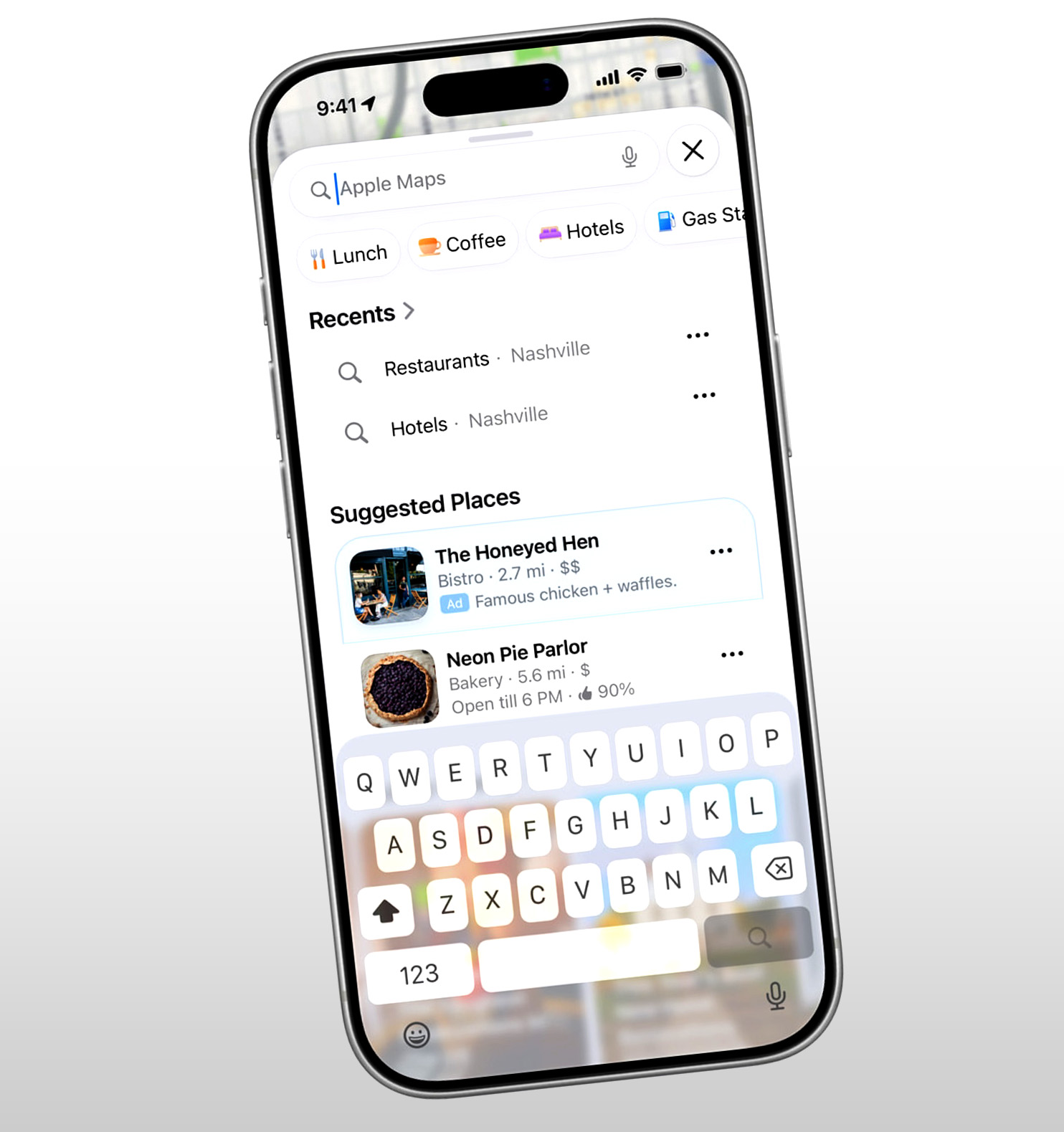
Granted, it does seem like there are some enhanced privacy measures at play. As Apple stated, “A user’s location and the ads they see and interact with in Maps are not associated with a user’s Apple Account. Personal data stays on a user’s device, is not collected or stored by Apple, and is not shared with third parties.” Still, the impending arrival of ads to Apple Maps means the number of clean, sleek navigation apps is dwindling.
There Are Still Alternatives
So what can we do? Well, you have a couple of options. You could throw up your hands and go with whichever ad-laden navigation app works best for driving. I still find that Waze works fairly well, although it doesn’t have the same route-you-through-someone’s-backyard-to-save-two-minutes verve it used to. However, if you’re not going to take that, you still have options.

Right off the rip, Organic Maps reminds me of the old internet, when someone would build something cool out of love, and PayPal donations would sustain it. Based on OpenStreetMap data, it can run entirely offline, has no ads or trackers, and goes one level deeper with stuff like parking garage entrance locations and park amenities, regardless of whether you’re driving, hiking, or cycling. The main downsides are that it doesn’t do live traffic, and it doesn’t always have the most up-to-date points of interest, but it’s slick and great for areas with patchy data service.
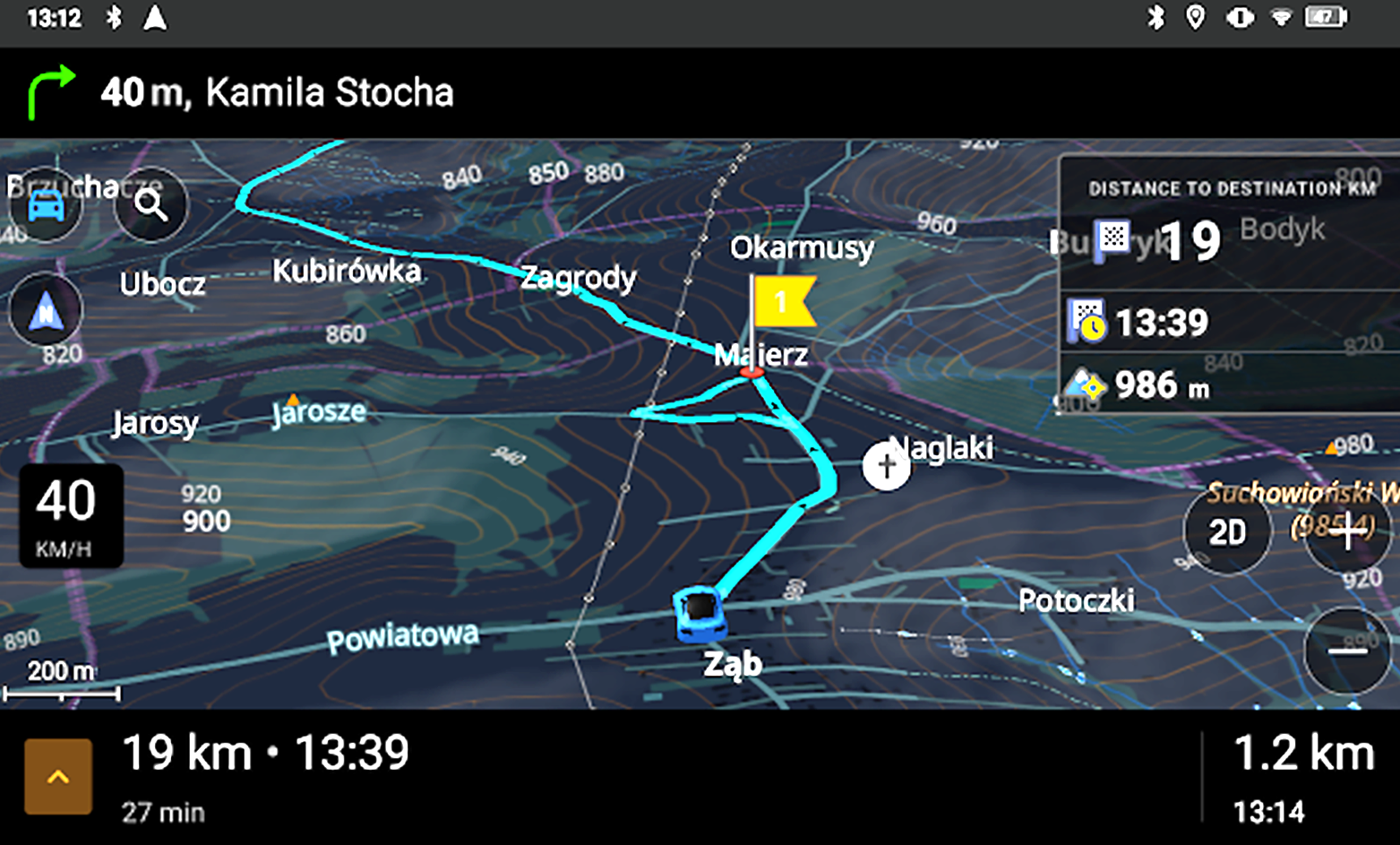
In a similar vein, OsmAnd is based on OpenStreetMap data, doesn’t have ads, and promises not to sell your location data. However, it charges a fee for certain features. Seven map downloads and offline navigation are free, but things like Apple CarPlay and Android Auto support, more frequent map updates, contour lines, and offline weather reports are locked behind premium tiers. Considering the app’s been supported for more than 15 years, this seems like an easy and solid option for those who just want to swipe a card. Then again, it’s also a reminder that these days, we often have to pay to not be the product.
Or maybe not, if you want to put in the work. Earlier this year, YouTuber Garage Tinkering published an incredibly cool video. You know how our favorite open-world racing games usually have mini-maps? Well, he made a fully functional mini-map on an ESP32 chipset using QGIS, survey map data, and OpenStreetMap data. It’s a bit of a long process, requiring breaking down maps into zillions of tiles. Garage Tinkering even wrote a little Python script to make things easier. Still, the end result is spectacular and something you could make for minimal coin if you’re resourceful.
Regardless, the impending arrival of ads to Apple Maps means navigating unfamiliar areas without being fed ads is about to get a little harder. Mildly annoying for those of us who drive older stuff, but annoying nonetheless.
Top graphic image: Apple