Elon Musk
The update was reportedly shared to Reuters by people familiar with the matter.

(Credit: T-Mobile)
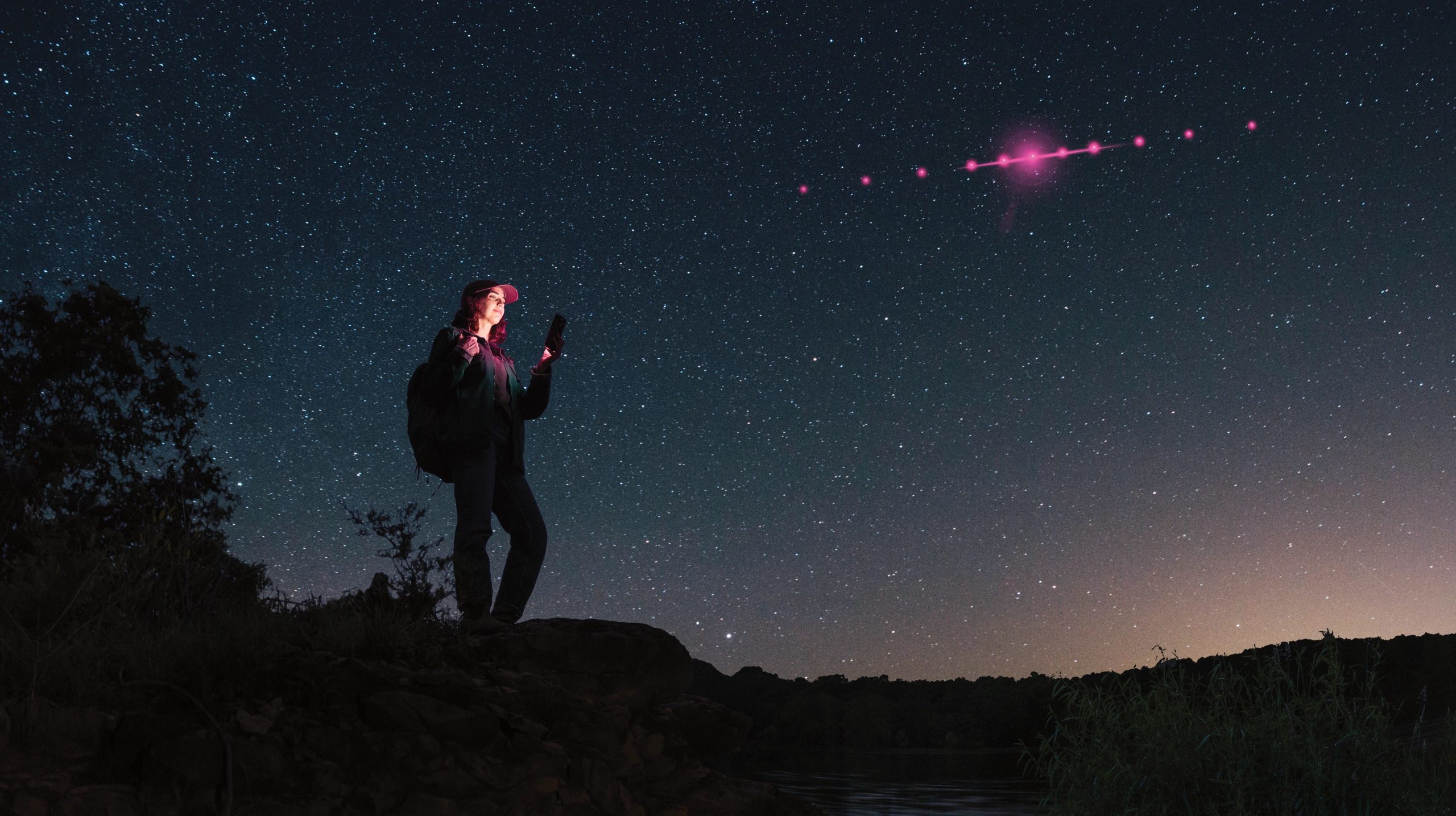
SpaceX is reportedly exploring new products tied to Starlink, including a potential Starlink-branded phone.
The update was reportedly shared to Reuters by people familiar with the matter.
A possible Starlink Phone
As per Reuters’ sources, SpaceX has reportedly discussed building a mobile device designed to connect directly to the Starlink satellite constellation. Details about the potential device and its possible release are still unclear, however.

SpaceX has dabbled with mobile solutions in the past. The company has partnered with T-Mobile to provide Starlink connectivity to existing smartphones. And last year, SpaceX initiated a $19.6 billion purchase of satellite spectrum from EchoStar.
Elon Musk did acknowledge the idea of a potential mobile device recently on X, writing that a Starlink phone is “not out of the question at some point.” Unlike conventional smartphones, however, Musk described a device that is “optimized purely for running max performance/watt neural nets.”
Not out of the question at some point. It would be a very different device than current phones. Optimized purely for running max performance/watt neural nets.
— Elon Musk (@elonmusk) January 30, 2026
Starlink and SpaceX’s revenue
Starlink has become SpaceX’s dominant commercial business. Reuters’ sources claimed that the private space company generated roughly $15–$16 billion in revenue last year, with about $8 billion in profit. Starlink is estimated to have accounted for 50% to 80% of SpaceX’s total revenue last year.
SpaceX now operates more than 9,500 Starlink satellites and serves over 9 million users worldwide. About 650 satellites are already dedicated to SpaceX’s direct-to-device initiative, which aims to eventually provide full cellular coverage globally.
Future expansion of Starlink’s mobile capabilities depends heavily on Starship, which is designed to launch larger batches of upgraded Starlink satellites. Musk has stated that each Starship launch carrying Starlink satellites could increase network capacity by “more than 20 times.”

Simon is an experienced automotive reporter with a passion for electric cars and clean energy. Fascinated by the world envisioned by Elon Musk, he hopes to make it to Mars (at least as a tourist) someday. For stories or tips--or even to just say a simple hello--send a message to his email, simon@teslarati.com or his handle on X, @ResidentSponge.

Elon Musk
County vote hands Elon Musk’s Vegas tunnel network a huge new target
Clark County approved 19 more Vegas Loop stations, pushing Boring Company’s entitled total to 123.

Published
14 hours ago
on
August 25, 2026
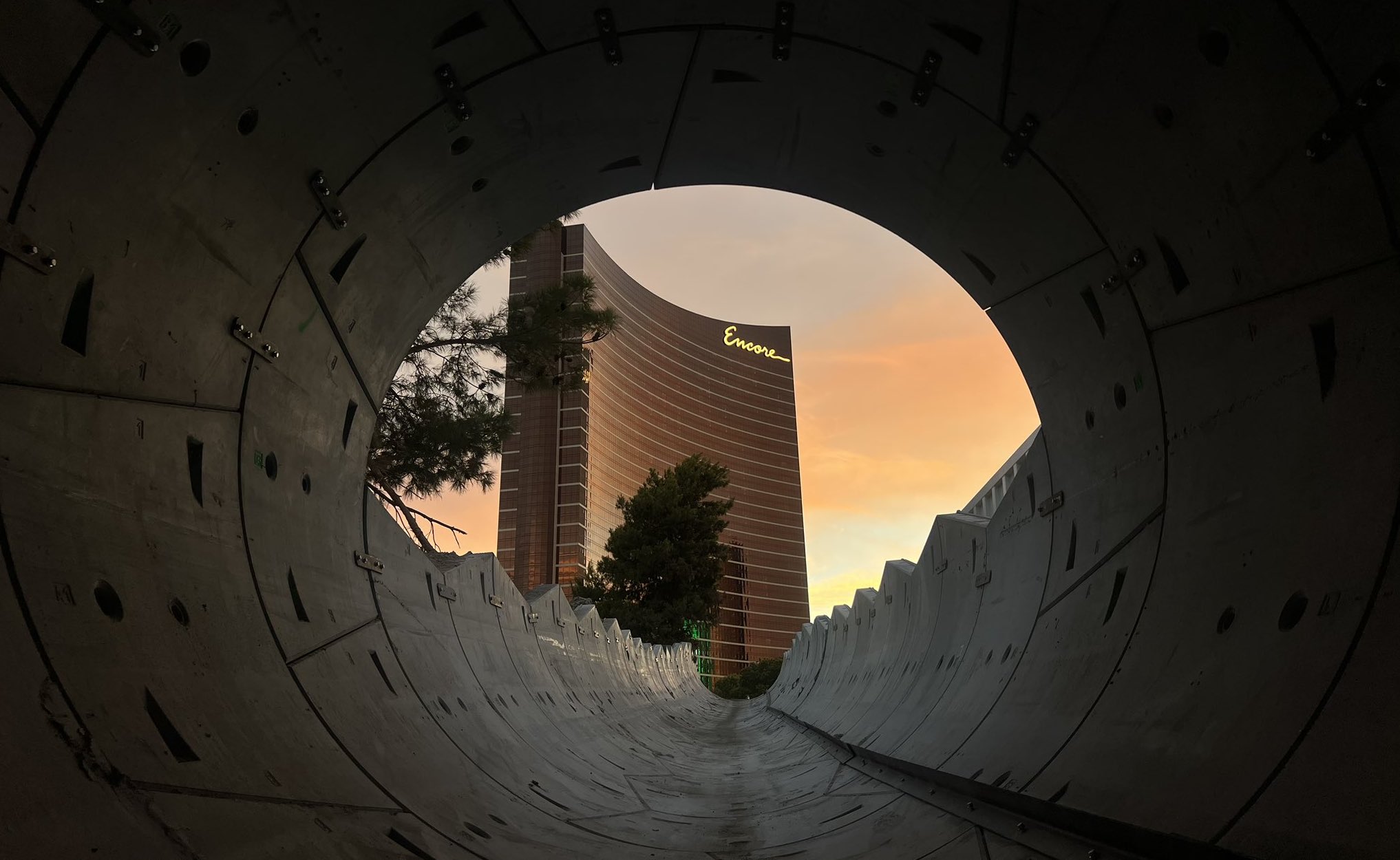
The Boring Company just got permission to nearly double how far Vegas Loop can reach. Clark County commissioners approved 19 additional stations for the underground transit system, bringing the total entitled to 123, the company said in a post on X thanking the county for the vote. Elon Musk’s tunneling company also flagged the direction it sees the project heading long term. “Because Loop is point-to-point with no intermediate stops, in the limit, one could have a Loop station in every driveway,” the company wrote.
That framing captures how far the ambitions have moved. The Vegas Loop opened its first stretch of tunnel in 2021 and has grown its footprint through a string of county approvals since. In 2023, commissioners signed off on 18 additional stations, part of a plan that later doubled the system’s target to 69 stations across 65 miles. By the end of that year the company was describing a build out closer to 93 planned stations. Last year the long term design called for 104 stations across 68 miles of tunnel. The new approval pushes that number to 123, another jump in a project that keeps outgrowing its own blueprints.
The Boring Company gets approval for more stations in Las Vegas

Station count on paper is still well ahead of what riders can actually use. As Teslarati reported earlier this month, the network has about 11 open stations and has carried more than 4 million passengers since it began running, with newer stops at Fontainebleau and Sahara among the latest additions to the Strip corridor. A tunnel connection to Harry Reid International Airport remains under construction and has already slipped past its original first quarter target. The company is also racing to finish a Westgate to Paradise Road segment that Las Vegas Convention and Visitors Authority CEO Steve Hill has said it hopes to have running in time for November’s Formula 1 race.
The gap between entitled stations and operating ones is where the real story sits. Regulatory approval gives Boring Company the legal runway to keep tunneling toward new resorts, residential pockets and eventually the airport, but building each connection still comes down to boring machines, fire safety sign offs and construction timelines that have slipped before. The company’s Prufrock series machines set an internal record in March with a 2.28 mile tunnel near Westgate, evidence that construction has been picking up even as the list of approved destinations grows faster than the tunnels themselves.
Musk’s driveway comment reads as aspirational rather than a near term plan, but it fits how Boring Company has talked about Vegas Loop from the start: treat every approval as a floor, not a ceiling, and keep pushing county officials for room to dig.
Elon Musk
SpaceX announces new Starbase for ‘thousands of Starship launches annually’

Published
1 day ago
on
August 25, 2026
Credit: SpaceX
SpaceX announced today that it would expand its launch capabilities into a new U.S. state: Louisiana.
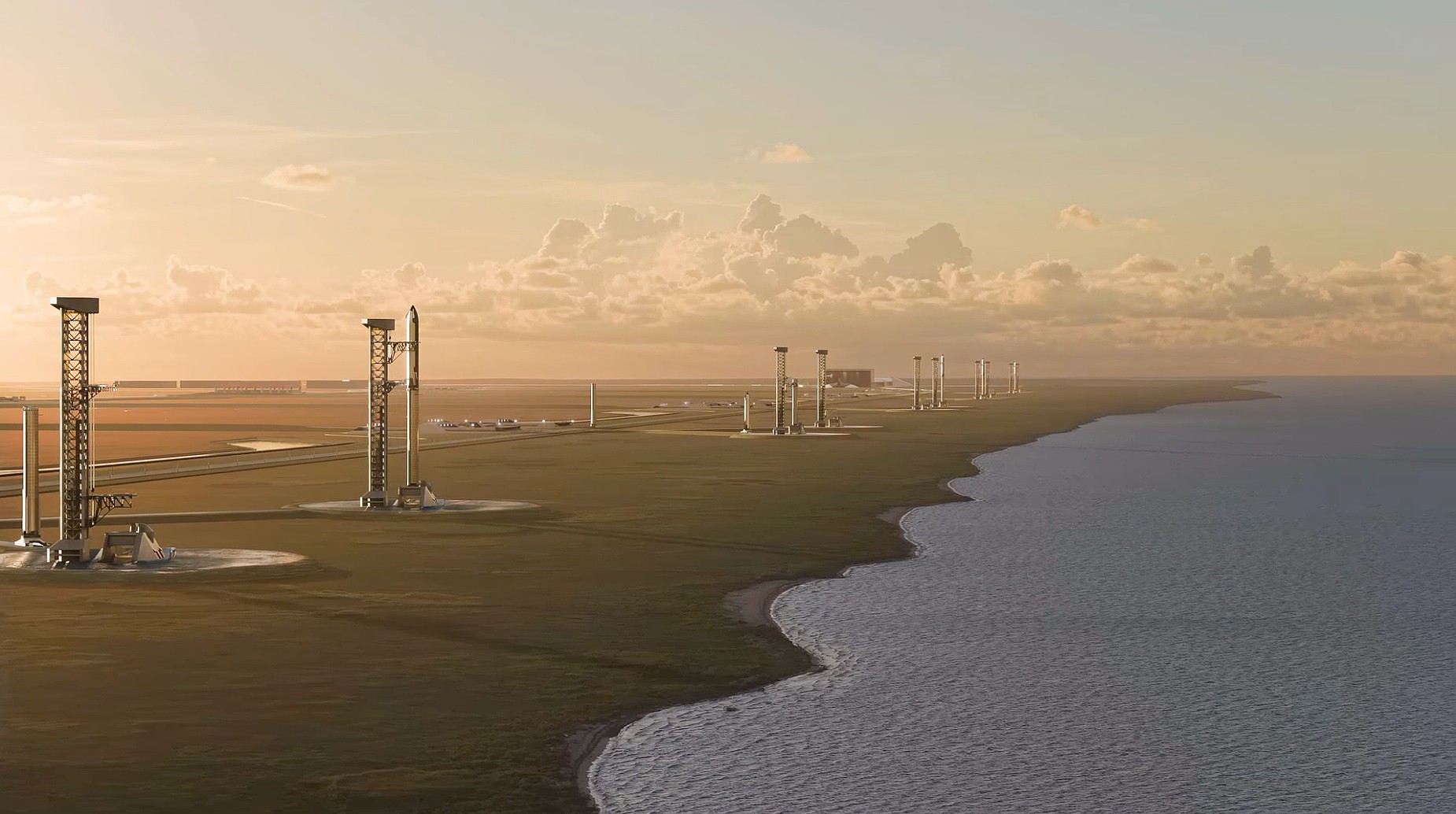
Today, SpaceX, in conjunction with the Louisiana Economic Development Office, said that it will establish a new launch facility, which it will call Starbase, Louisiana. It will be located near Vermilion Parish, supporting thousands of launches each year, at least eventually.
CEO Elon Musk commented by stating, “Starbase Louisiana will ultimately have over a dozen launch towers, enabling more than 30 Starship flights per day and making it the biggest launch site on Earth!”

Starbase Louisiana will ultimately have over a dozen launch towers, enabling more than 30 Starship flights per day and making it the biggest launch site on Earth!
SpaceX makes sci-fi real. https://t.co/C7Ht0U12ba
— Elon Musk (@elonmusk) August 25, 2026
The expansion is SpaceX’s latest move to push its launch cadence to be more frequent than ever. SpaceX said that Starbase, Louisiana, will be built to “support thousands of Starship flights a year,” with the first coming in 2029.
SpaceX announced the new facility in partnership with the Louisiana Economic Development Office as it will bring a major influx of jobs and investments into the area. Currently, it will produce more than 3,000 new jobs in Louisiana, and SpaceX plans to invest at least $100 billion into the entire facility, ensuring that many jobs are created as a result.
Environmental Responsibility
SpaceX acknowledges the impact launches could have on marshlands, local wildlife, and water sources. Here’s how the company plans to help with the issues in Vermilion Parish:
- Restoring the Shoreline: “In Vermilion Parish, the shoreline is eroding between 3.3 and 23 feet per year. We’re partnering with state and federal agencies to expand Louisiana’s Coastal Master Plan and Coastal Wetlands Planning, Protection and Restoration Act projects, including Gulf shoreline protection breakwaters designed to reduce wave energy and slow loss along the Gulf edge.”
- Rebuilding the Marshlands: “In working with the state, we’re planning thousands of acres of marsh creation using beneficial-use placement of dredged material and offshore sediment sources. Restoration will also include interior marsh bank stabilization and rebuilding marsh in remnant canals. These projects can reconnect fragmented wetlands, restore natural buffers against storms, and return habitat that has been lost to erosion and historic canalization.”
- Preserving Coastal Wildlife: “Pecan Island and nearby wetlands are high-value habitat for migratory waterfowl, shorebirds, wading birds, and other coastal wildlife. SpaceX is not developing the full footprint of the land and will preserve wetlands and wildlife habitat. At existing launch sites, waterfowl and other birds continue to use nearby habitat during operations. Working with wildlife agencies, landowners, and conservation groups, SpaceX will support monitoring and management so this habitat stays productive and hunting, fishing, birding, and other recreational activities that are part of this coast’s culture can continue.”
SpaceX shares rose about 2.5 percent on the news.
Elon Musk
Elon Musk just set a condition that could end Falcon 9 as we know it
Elon Musk says SpaceX will finally retire Falcon 9 once Starship flies reliably every week.
Published
3 days ago
on
August 23, 2026
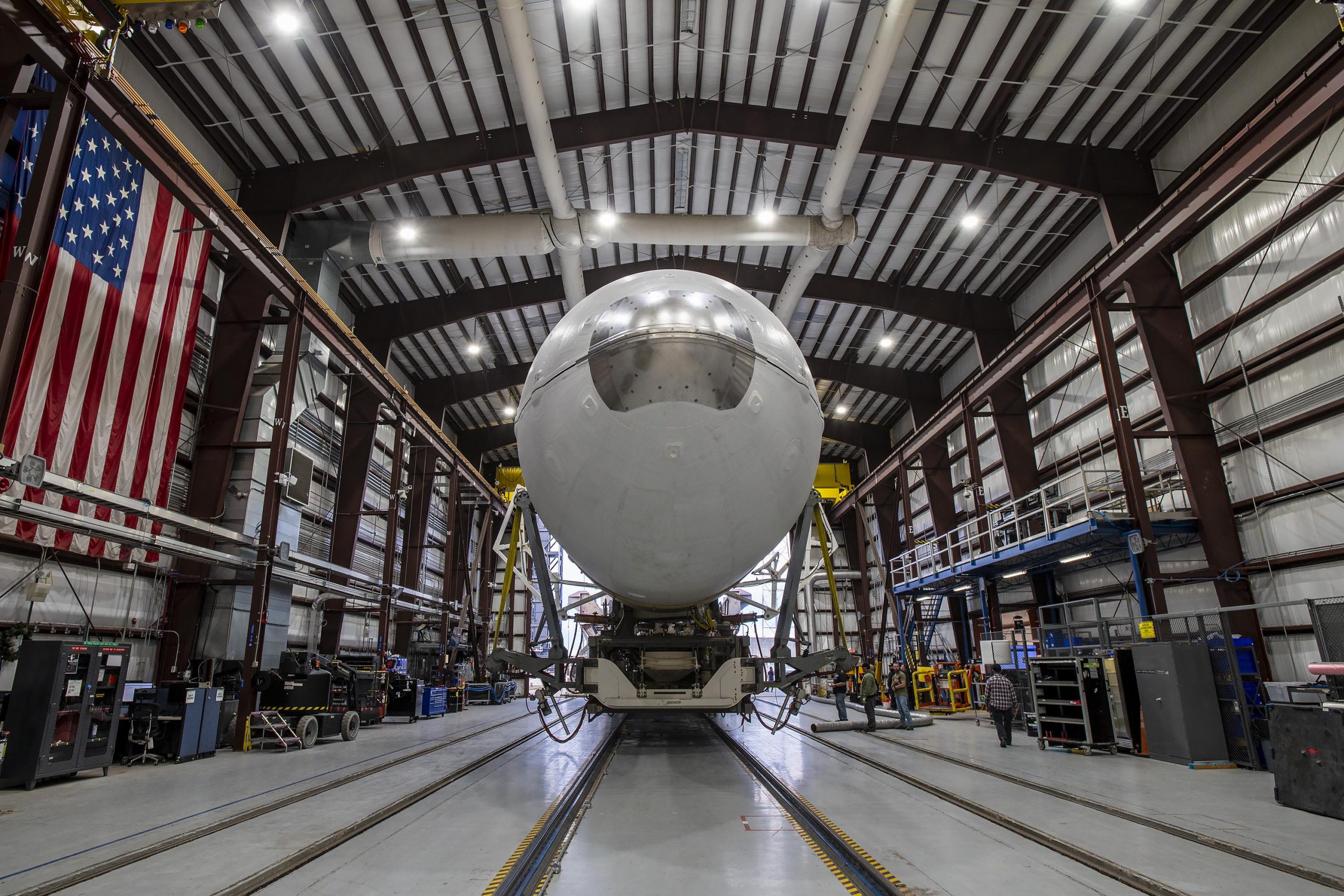
Elon Musk gave the clearest timeline yet for retiring Falcon 9, SpaceX’s workhorse rocket.
The comment came in a reply on X, where Musk wrote that “once Starship is flying reliably several times per week, it makes sense to shift super scarce SpaceX engineering and production resources to Starship to get launch rate to several times per day, which means winding down Falcon.” He was responding to physicist Casey Handmer, who noted that NASA is reportedly uneasy about SpaceX phasing out Falcon after building what Handmer called the most successful launcher ever, with the fleet nearing 1,000 total launches.
Now @SciGuySpace reports NASA is in a tizzy because after running the most successful launcher ever for more than a decade and nearing 1000 launches, @SpaceX is planning to retire Falcon in favor of Starship in a few years.

Sorry, NASA, you’ve had 15 years to burn down the… https://t.co/uCNoMwK0v9
— Casey Handmer (@CJHandmer) August 22, 2026
Falcon 9 is still SpaceX’s busiest vehicle by far. The company is on pace for roughly 140 to 145 Falcon flights this year, following 165 in 2025, president Gwynne Shotwell told Time earlier in 2026. She has already said Falcon flights would “tail off” as Starship comes online, while reports indicate that SpaceX has stopped booking new Falcon 9 launches past 2028 and halted production of some expendable Falcon hardware, according to Bloomberg.
It’s worth noting that Musk’s post is a condition, and not a countdown on when Falcon will retire. Starship has not yet flown weekly, let alone daily. Its most recent flight in July ended with a soft splashdown in the Indian Ocean, a milestone Musk pointed to earlier this month when he said the vehicle’s heat shield problem was effectively solved. SpaceX towed that ship to Christmas Island for inspection, and the next flight, Flight 14, is aimed at putting Starship into orbit for the first time. A tower catch attempt for the upper stage has been pushed back to what Musk has called “a few months” away.
SpaceX and a new Trump order that could rewrite the next decade of launches
The gap between Falcon’s role today and Starship’s promised role tomorrow matters most to NASA. Falcon and its Dragon capsule remain the only way the agency rotates astronauts to and from the International Space Station, and Starship is not certified to carry NASA crews. Musk’s post did not address how that handoff would work if Falcon winds down before a crew-rated Starship variant exists. The timing lines up with Musk’s other recent Starship comments. Two days before the Falcon post, he told a different X user that SpaceX is aiming for more than 30 Starship launches a day by 2030, or roughly 10,000 a year, a figure tied to the Trump administration’s new push for higher national launch cadence. Falcon, which took over a decade to reach its first 100 launches, was never built to approach that kind of volume.
For now, Falcon 9 keeps flying at a near-record pace while Starship works to prove it can do the job Musk has already picked out for it.