More
Does your country of residence offer an e-ID?
Switzerland will introduce a new e-ID system. Has your country of residence already introduced one?
· www.swissinfo.ch ·
Generated with artificial intelligence.
This content was published on
3 minutes

I write articles on the Swiss Abroad and “Swiss Oddities” as well as weekly briefings and press reviews. I also translate, edit and sub-edit articles for the English department and do voiceover work for videos. Born in London, I have a degree in German/Linguistics and was a journalist at The Independent before moving to Bern in 2005. I speak all three official Swiss languages and enjoy travelling the country and practising them, above all in pubs, restaurants and gelaterias.

I have been part of SWI swissinfo.ch's editorial board since 2015 and lead the English-language team and offering. I am also product owner for our news and our Swiss Film Selection. Before joining SWI swissinfo.ch, I worked as a business journalist for various Swiss media outlets. I graduated in New Media Journalism (Master of Arts, 2014, University of Leipzig) and economics (licentiate degree, 1999, University of Bern).
Español
Suiza acepta un sistema de identidad digital y dice adiós a una tasa de uso de propiedad residencial
Português
Suíços aprovam identidade digital e acabam com imposto predial
日本語
2025年9月28日スイス国民投票、デジタルID導入と「マイホーム家賃収入税」廃止はいずれも可決
العربية
في اقتراع وطني، الشعب السويسري يؤيد الهوية الإلكترونية ويلغي الضريبة الإيجارية
中文
9月28日公投结果:瑞士将废除“假定租金税”,并将引入电子身份证
Русский
Швейцария одобрила на референдуме электронный паспорт
Final figures show 50.4% of voters backed e-ID and 57.7% approved a reform of home ownership taxes. Although it’s not a surprise that both votes passed, the rental tax outcome was a lot clearer than predicted by the polls and the e-ID result was a lot closer – it was on course to be rejected until votes from the last canton, Zurich, were added.
Turnout is projected to be 50%, which is higher than expected.
>> Check out the latest results from the cantons:
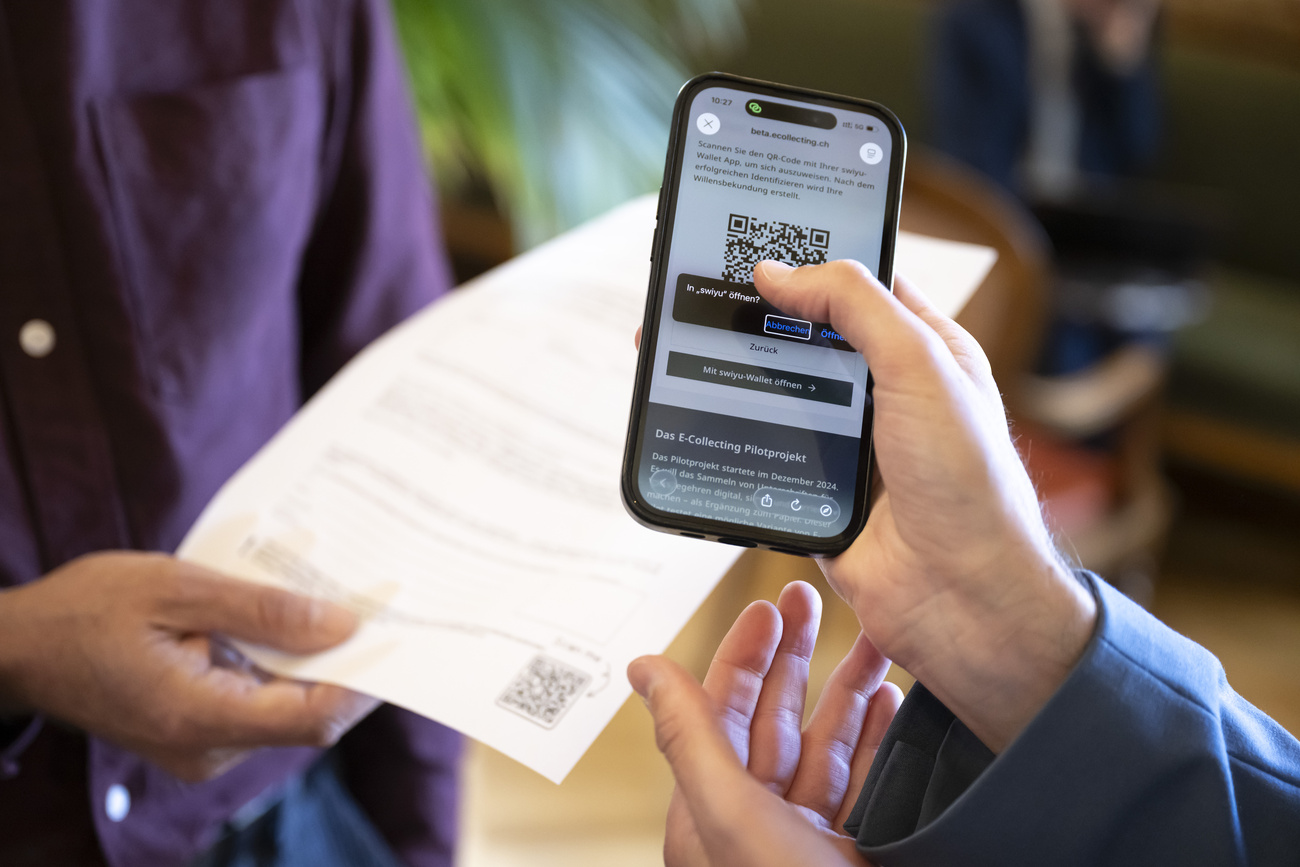
The e-ID bill had been supported by both chambers of parliament with a large majority. However, an opposing committee brought up concerns that privacy couldn’t be guaranteed. The committee collected over 50,000 signatures for a referendum against the law. For that reason, it went to the ballot box.
Interpreting the close result on Sunday, political scientist Lukas Golder told Swiss public television, SRF, that since the Covid pandemic he had observed a growing mistrust of state solutions, particularly in conservative regions.
Switzerland will introduce a new e-ID system. Has your country of residence already introduced one?
Olga Baranova, secretary general of the CH association, which campaigned in favour of the e-ID, believed the subject remained difficult to grasp for some sections of the population. “It’s now essential that the government commits itself to better explaining the challenges of digital technology in our country,” she said. She warned that without this effort, Switzerland risked falling further behind in this area.
Surprise at the closeness of the result is also palpable in the camp of those opposed to e-ID. “Guarantees were missing from this law, and a lot of people have realised this,” said Jonas Sulzer, a member of the referendum committee.
He pointed to the discrepancy between the vote in parliament, which was largely in favour of the project, and that of the people, who were much more divided.
>> Here is our explainer on the new e-ID law:
More

Swiss Politics
This content was published on A key step towards a digital society or a threat to data protection? On September 28, the Swiss will vote again on a new e-ID scheme.
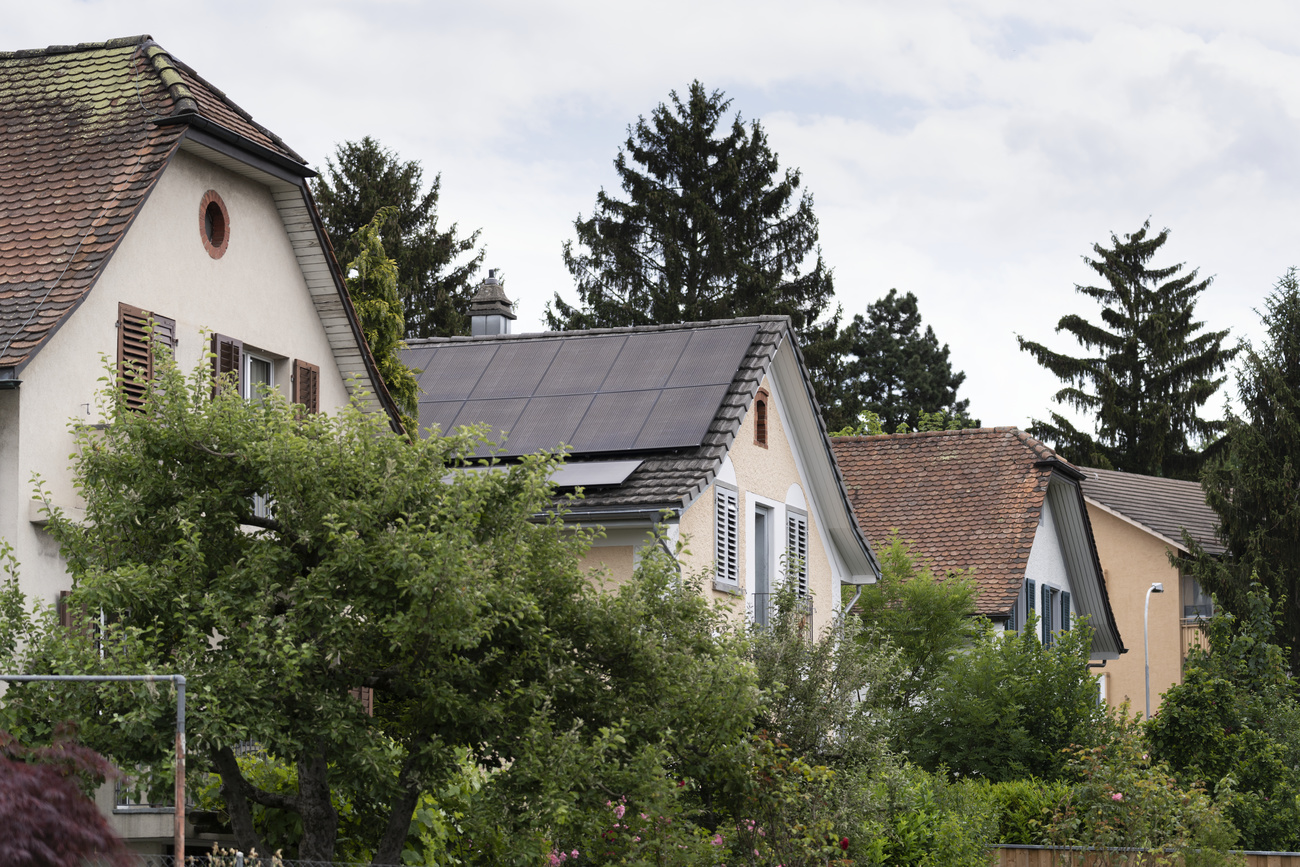
Read more: Swiss voters to decide – again – on introducing electronic IDThe reform of the home ownership taxes intends to abolish a tax homeowners have to pay on property they live in (imputed rental-value tax). To do this, the cantons will be compensated with an optional new tax on second homes. This move is in the sense of a compromise.
Both chambers of parliament and the government had supported the reform. Opponents, such as the left-wing Social Democratic Party and the Green Party, were concerned about the loss in tax revenue.
“There’s a very clear linguistic divide,” said political scientist Lukas Golder after the result was confirmed on Sunday. “In the German-speaking part of Switzerland there was a very clear mobilisation and appeal to people in rural areas.”
According to Golder, there was a conflict between owners and tenants in the vote. “But there are also some tenants who are hoping to inherit or buy their own property, and the majority of them also voted in favour.”
>> Read more on this tax change in our explainer:
More
Swiss Politics
This content was published on The Swiss imputed rental value system is complicated and provides opportunities for tax breaks. Citizens will vote on the issue on September 28.
Read more: Will Switzerland finally do away with imputed rental-value tax on homeowners?Swiss citizens can decide on national issues up to four times a year. Around 5.5 million Swiss are eligible to go to vote. Over the past ten years, the average voter turnout has been 41%-57%, according to the Federal Statistical OfficeExternal link.