You're buying a license, not a game

Ubisoft's 2014 racing game, The Crew, sits at a decidedly middling 61 on Metacritic. The game itself isn't what's interesting, though. What's interesting is that it was — by design — always online. This allowed it to have a persistent, shared world across all players.
But it was also a racing game that had a 20-hour-long solo campaign.
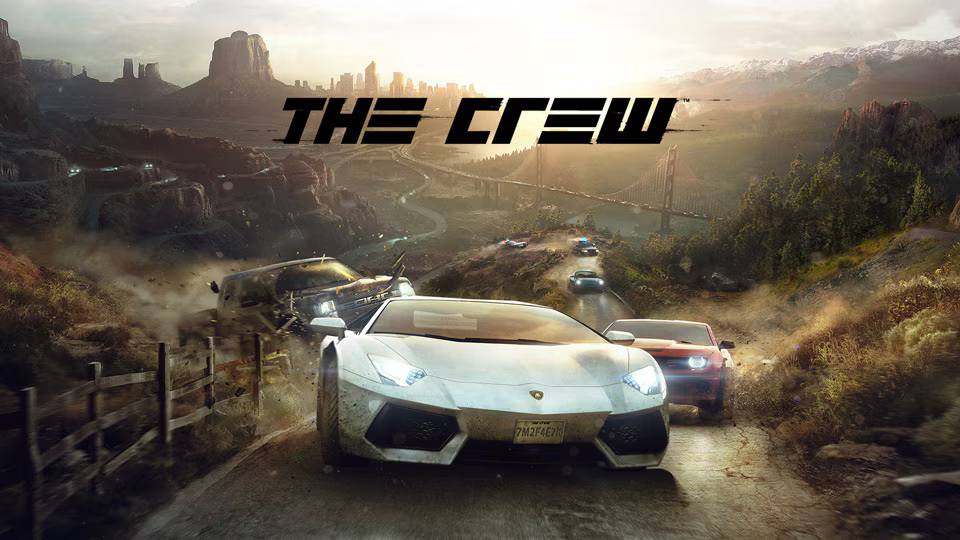
So what happens when, 10 years later, Ubisoft decides to turn off the servers for The Crew? Well, the game you paid $60 for is no longer playable. You still own the game. You still own the Xbox. You even still have an internet connection. But the game you own, for all intents and purposes, no longer exists. The death of The Crew launched the Stop Killing Games consumer movement and raised awareness for game preservation.
This is part of a societal shift that's been happening for most of this century. You can see it in ideas like software as a service (meaning you pay Adobe a subscription every month so you can continue to use Photoshop instead of buying it once and using it forever). You also see it in shifts like next year's impaired driving-detection law.
You also see it things like digital media libraries. When you buy a movie on Amazon, for example, you don't actually own that movie. You've bought a license to that movie for as long as Amazon has the rights to distribute it. But if Amazon loses those right — something that happens all the time on every streaming service — you no longer have access to the movie you "bought." There's actually a lawsuit about it.
And now all of these trends have arrived on the PlayStation Network. Starting just this week, any time you buy a game from PlayStation, you'll get, effectively, a 30-day license to the game.
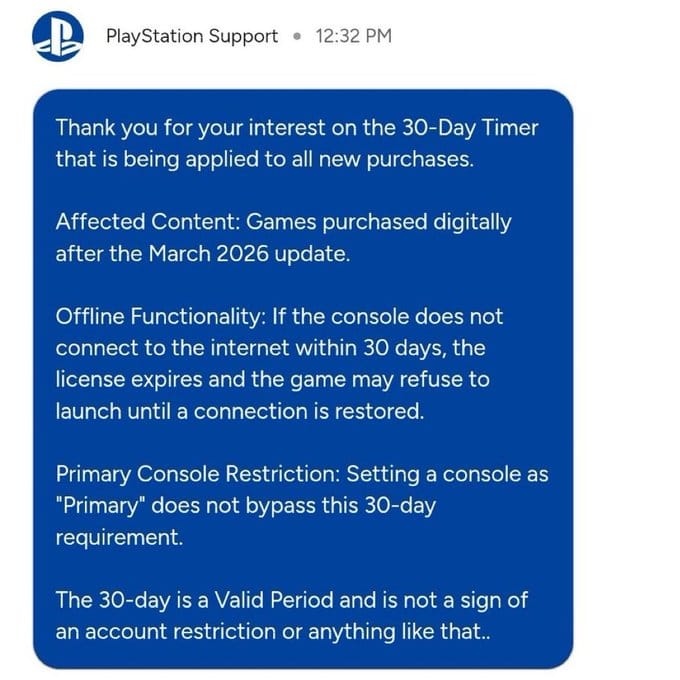
So long as your machine goes online sometime after day 14, that license will transform into a permanent one. If, however, your machine doesn't get online again, you'll lose access to the game.
For a lot of us, basically all of your tech being always online isn't really a question — hell, my dryer is always connected to the internet. (This is an admittedly privileged position to start from.) This does mean that for the vast majority of users, this new DRM policy is going to be a non-issue — something you might not even notice.

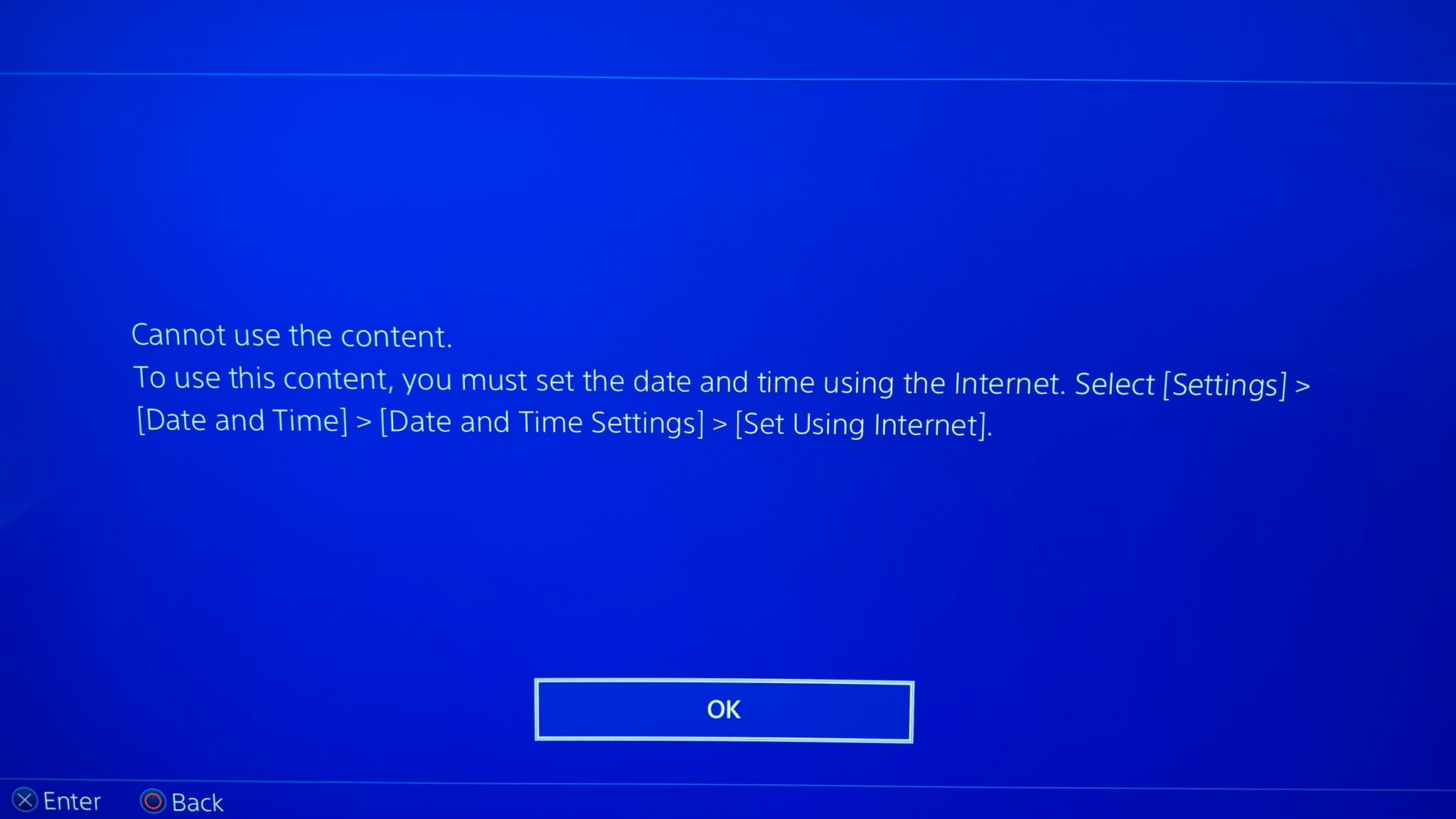
But what if something happens to your PlayStation? Destruction Games on X, for example, has confirmed that if the battery on your PlayStation's motherboard dies, you'll lose access to the game. Or, returning to the example of The Crew, as Hassam Nasir at Tom's Hardware points out:
"Such access is maintained via DRM that pings to the distributor's servers to ensure developer-side control. This means if the distributor/dev suddenly decides it doesn't want to support the software anymore, you're out of luck even though you did things the legit way."
In a world where paying for a live service game is a gamble, even buying a single-player, offline-only game doesn't guarantee you anything and "ownership" no longer means ownership.
This is a colossally insulting move that benefits no one but a multi-billion dollar company. Because it seems likely that this is a move to prevent people from buying a game, taking their PlayStation offline, getting a refund in the 14-day refund window, and then continuing to play the game in offline mode. Which is technically a way to "pirate" games, but … the effort and the effectiveness feels like it wouldn't be worth it.
Instead, this is a move that actively hurts everyday gamers by bringing the global slide into technofeudalism more sharply into the gaming space. Even if you don't notice the change and are never affected by it, this is an erosion of your rights as a consumer and puts the very concept of you owning something at the whim of that same multi-billion dollar company.