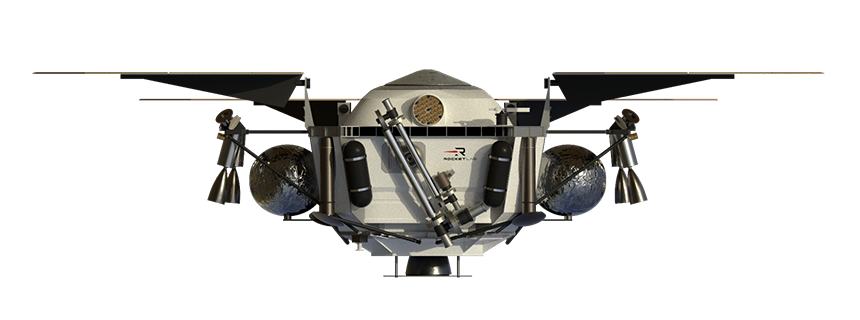
Mars Telecommunications Orbiter

The future of human mars
exploration begins with communications

Rocket Lab’s Mars Telecommunications Orbiter (MTO) is the foundational step toward establishing a sustained human presence on Mars. Designed to deliver robust, real-time communications and mission control capabilities, the MTO will be the backbone that enables the first astronauts to safely set foot on the Red Planet—and return – while maintaining close contact with Earth.

Rocket Lab was the only concept study to propose a dedicated Mars Relay asset as a core element of its commercial Mars Sample Return architecture. While past NASA flagship programs have faced costly delays and overruns, Rocket Lab offers a proven alternative—delivering fast, reliable, and affordable space solutions for both planetary science and future human exploration.

mars telecommunications orbiter

Why Mars Needs
the MTO Now

Before humans land on Mars, we must deploy the infrastructure for astronauts to
communicate back home. Rocket Lab is ready to deliver that solution.

Built with Humans in Mind

The MTO was submitted as an option for MSR with the intent to support future human missions. Rocket Lab’s MTO concept seeks to prioritize persistent, high-bandwidth connectivity between Mars and Earth to directly support the safety, autonomy, and operations of future astronauts on the surface.

Proven Affordability & Agility

Rocket Lab designed and delivered two satellites for NASA’s ESCAPADE mission, the first multi-spacecraft orbital science mission to the Red Planet, in just 3.5 years and on budget. ESCAPADE stands as a powerful example of NASA’s commitment to continued collaboration with commercial partners to move faster, lower costs, and build on the capabilities of U.S. industry.

Mars Focused Tech Investments

The Administration’s budget prioritizes accelerated development of Mars technologies ranging from space computing and surface power to next- generation science payloads. Rocket Lab’s MTO ensures these critical tech demonstrations have the infrastructure required to communicate their data back to Earth, supporting the initial capabilities, systems, and operations necessary to establish human presence and utilization on Mars.

What Makes
MTO Different?

Mars Relay Capability:

The MTO is designed to operate as a high-bandwidth relay, providing robust links between Mars surface assets and Earth, creating a true communication backbone at Mars for years to come.

Vertically Integrated System:

The MTO will be built using Rocket Lab’s vertically integrated components and subsystems that have long-standing heritage at the Red Planet. Our vertically integrated approach reduces complexity, controls cost and provides schedule certainty, all under a firm-fixed price.

Enabling a Persistent Martian Network:

The MTO will ensure resilient connectivity for existing and future Mars operations, from rovers like Perseverance to future sample return missions. This enables remote operations, faster data return, and greater crew safety.

Strengthening American
Leadership in Space

The MTO will be a national capability that embodies the Administration’s vision for a streamlined, innovative, and fiscally responsible path to America’s Golden Age of innovation and exploration. By advancing the nations critical communications infrastructure at Mars, the MTO keeps the U.S. ahead of its competitors to put the first humans and the first sustainable systems on Mars.

The Mars relay is the
first step to putting
Americans
on Mars

The Bridge to Mars Sample
Return and Beyond

The MTO is also the first step in Rocket Lab’s commercial architecture for a next-generation, cost-effective Mars Sample Return (MSR) campaign. Our MSR concept delivers returned samples to Earth faster, more affordably, and at a firm-fixed price.

Here's our concept.

Mission Overview

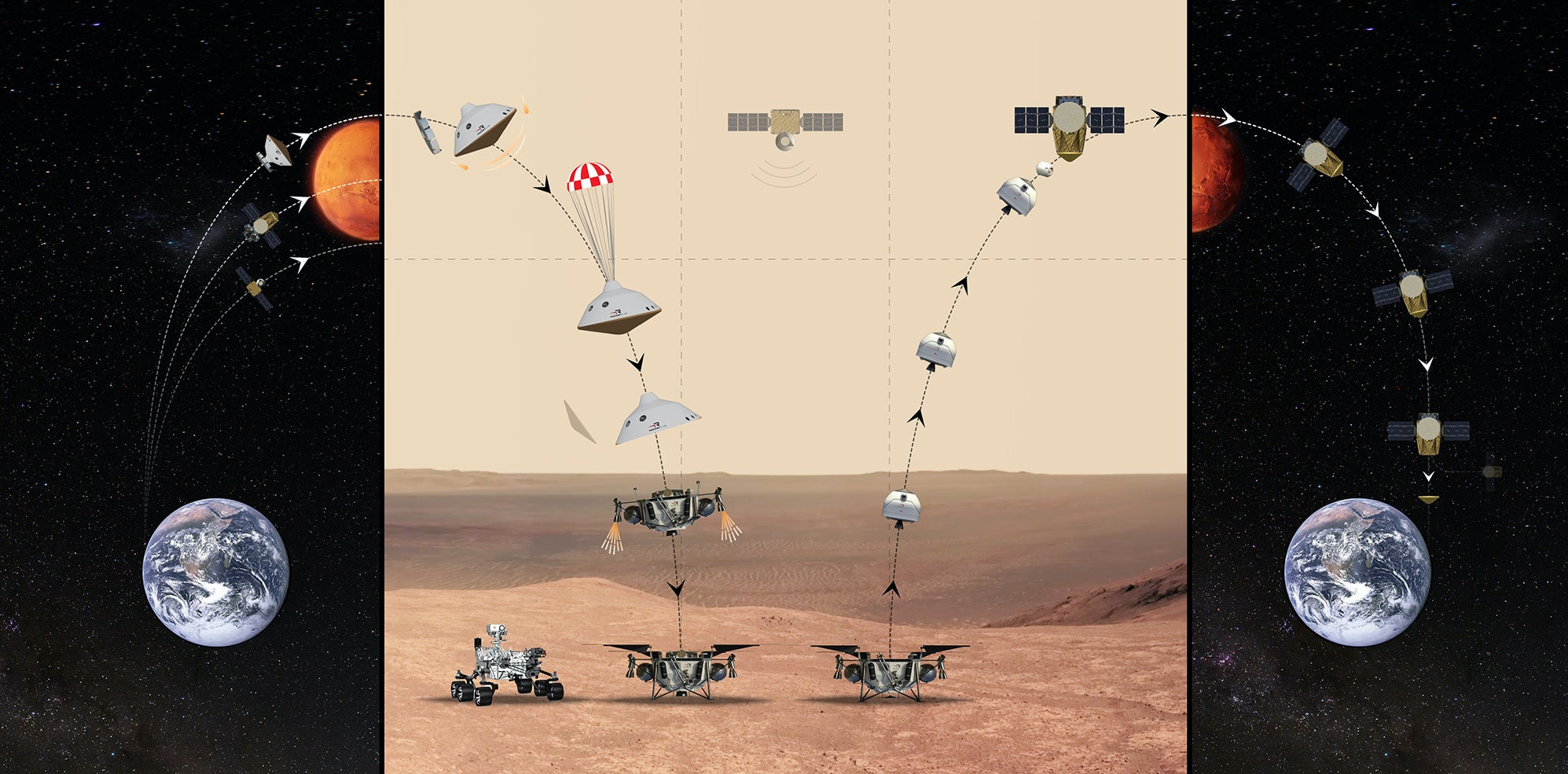
A round trip from Earth to Mars employing advanced
Rocket Lab technology every step of the way.

mars sample return overview

MSR VideoThumb

Advanced technology that builds on Rocket Lab's proven experience

MTO Studio Front sm Mars Telecommunications
Orbiter

4b MAV Thumb 400x320px Mars Ascent
Vehicle

4c ERO Thumb 400x320px Earth Return
Orbiter

4d MCS Thumb 400x320px Entry and Descent
System

4e MarsLander Thumb 400x320px Mars Lander +
Retrieval Vehicle

4f EMS Thumb 400x320px Earth Entry
System

1

Mars Telecommunications Orbiter

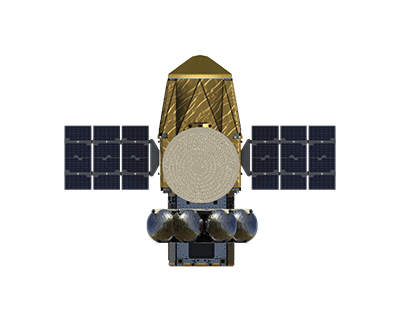
The Mars Telecommunications Orbiter (MTO) launches first to provide support for arrival of the Earth Return Orbiter and entry of the Sample Return Lander at Mars. The MTO will also serve an upgraded telecommunication relay asset for MSR surface operations and future missions.

MTO Artwork sm

2

Multi-Launch from Earth

Three dedicated launches to provide orbital and surface assets to Mars.

mars sample return steps multi launch

3

Entry and Descent System

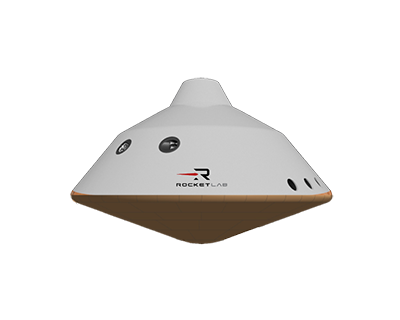
The Entry and Descent System will deliver Sample Retrieval Lander and Mars Ascent Vehicle to the surface of Mars.

mars sample return steps cruise stage

4

Mars Lander Vehicle + Mars Ascent Vehicle

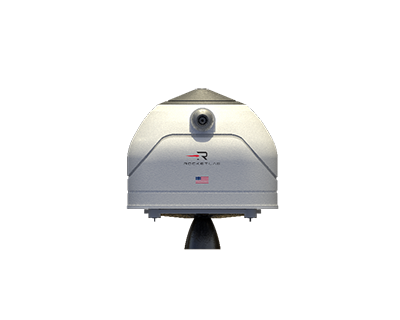
The Mars Lander Vehicle houses the Mars Ascent Vehicle (MAV) which will land on the surface of Mars and serve as the launch pad for the MAV.

The MAV includes the Orbiting Sample (OS) container which will house the carefully selected Martian samples. Once launched, the MAV will rendezvous with the Earth Return Orbiter to capture the OS.

mars sample return steps mlander

5

Earth Return Orbiter

The Earth Return Orbiter (ERO) rendezvous with and captures the OS, sterilizing and then containing it inside the Earth Entry System (EES) before returning to Earth.

mars sample return steps ero

6

Earth Entry System

Housed within the ERO, the Earth Entry System (EES) will safely and precisely deliver the Martian samples to Earth.

mars sample return steps ess

7

Earth re-entry capsule.

The EES ballistically enters and impacts in the Utah desert

mars sample return steps reentry

Our Experience On Mars

This is not our first encounter with the Red Planet.

The very rover already on Mars that has collected the samples for MSR carries our technology. Our solar panels provided power for NASA’s Perseverance Rover’s cruise stage spacecraft and again on the Mars Ingenuity Helicopter.

We’ve designed, built, and tested two Mars bound spacecraft in just under 3.5 years – at cost and on time. The orbiters, rovers, landers, and helicopters of Mars all bear Rocket Lab’s fingerprints.

8f ESC Twin ESCAPADE
Spacecraft

8e MSL Mars Science
Laboratory

8d MAVE Mars Atmosphere and
Volatile Evolution

8a Insight Mars Insight
Lander

8b Perseverance Mars Perseverance
Rover

8c Ingenuity Ingenuity Mars
Helicopter

Proven execution
on what matters

Bringing samples home from Mars requires complex capabilities.

We’ve executed them before.

Transfer &
Operations
9a Transfer 280x160px

Two spacecraft for Mars science already built and ready for launch with ESCAPADE.

9a Transfer2

Descent
& Landing
9b Descent 280x160px

Leaders in Guidance, Navigation, and Control & mission design, and our software powers Moon landers.

9b Descent2

Small Launch
To Space
9c SmallLaunch 280x160px

World leader in small launch. Flight proven small engine propulsion.

9c SmallLaunch2

Rendezvous
& Proximity
Operations
9d Rendezvous 280x160px

Enabling this with USSF Victus Haze and Astroscale missions.

9d Rendezvous2

Re-Entry
& Landing
9e Re Entry 280x160px

Rocket Lab is one of very few companies to have successfully achieved Earth re-entry.

9e Re Entry2