
The human being is an enjoyment-seeking creature. There’s a reason people are always trying to restrain themselves from excessive eating, drinking, scrolling, and shopping. It’s perfectly normal to pursue these and other pleasures even to the point of serious problems and early death.
Even though we are born enjoyment-mongers, we tend to overlook the greatest and most reliable source of enjoyment, which is our ability to consciously enjoy the stuff that happens anyway. We barely even talk about it.
For example, you probably sit down in a chair or on a couch ten or fifteen times a day. You can easily enjoy each of these instances of sitting down, if you make a point of it. It can feel great to relax into any decent chair. But how many times do you sit down without relishing it even a bit?
The pleasure of relaxing into a chair isn’t as intense as the pleasure of chocolate-coated hazelnuts or rapid-fire video memes. But it’s still more than worthwhile, and it’s free. You don’t have to go out of your way to access this source of pleasure, and it doesn’t gradually kill you or make you depressed. (I suspect it does the opposite.)
As far as I can tell, virtually every moment offers many such sources of enjoyment, if you can learn to enjoy things consciously and voluntarily. You can, if you intend to, enjoy the dappled light on the breakfast table, the gentle hug of your socks on your feet, or your smoothly-running vehicle — any aspect of the moment you recognize as welcome, helpful, pleasant, or beautiful.
Indulging in these pleasures does not require a special sentimental mood, or the conditions of your life to feel favorable in general. They only require a moment of voluntary appreciation for a single good thing.

You already know how to do this: you know how to enjoy a good stretch, to bask in the sun, to savor the smell of fresh bread. But we don’t make great use of this talent, for some reason. I think there’s something about our modern consumer-brains that regards pleasure as a thing to be acquired and consumed, often in such concentrated doses that conscious intention isn’t needed. Chocolate cookies, social media notifications, and Scotch whisky are so intensely dopaminergic that they dominate your attention the moment they enter your experience. The pleasures offered by the other 99% of life – the gleaming sky, the softness of your mattress, the hug of your scarf – have to be attended to on purpose or they usually don’t register.
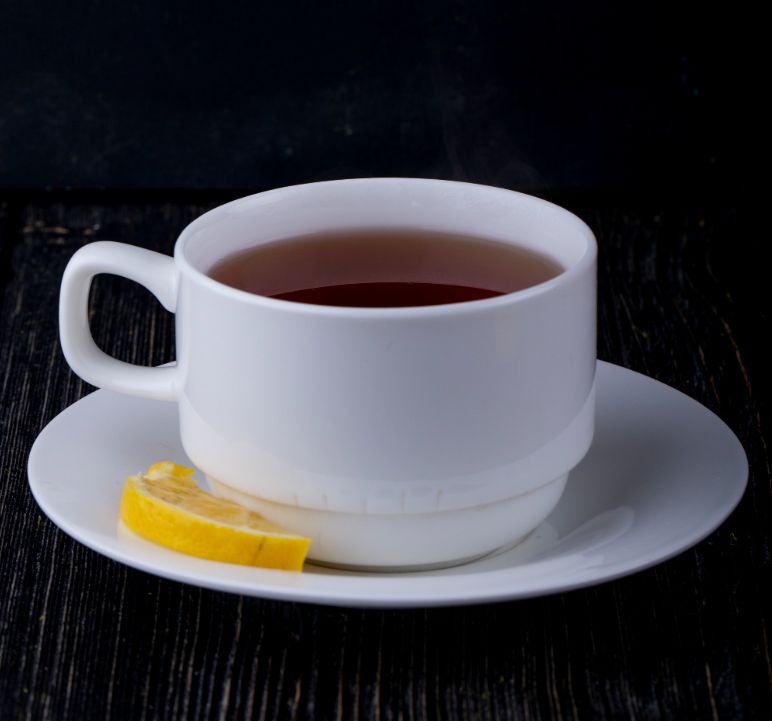
Sometimes life’s more subtle pleasures do force your attention this way, because of the circumstances of the moment. If you come in from the cold, and someone offers you a steaming cup of tea, it’s hard not to notice how great it is. Everything about it seems wonderful: the rich color, the scent of bergamot, the bloom of steam that warms your face when you take a sip.

A cup of tea always offers these same pleasures, but in most circumstances they won’t grab you by the lapels like that. In such a case, it only takes a small but conscious intention to look for its rich color and feel for the bloom of warmth rising up your face. The tea’s gifts are there already, awaiting your attention.
This sort of latent enjoyability often gets revealed whenever you slow down your consumption speed. I’ve remarked before on how elastic the enjoyability of food is, for example: if you eat at half the speed and pay more attention, you get far more enjoyment out of the same amount of food.
Enjoyment always requires attention. It’s just that some pleasures force your attention to them, and most don’t. Depending on these attention-forcing sources of pleasure leads to a preoccupation with the more intense ones, which tend to be sugary, intoxicating, mind-rotting, or costly in some other way.
Every moment offers pleasures
When you learn to cultivate enjoyment voluntarily, you don’t need to depend so much on those intense and costly pleasure sources. That’s because literally every moment offers many sources of enjoyment, if you’re looking for them.
Bare sense pleasures are a more obvious kind – the warmth in the room, the caress of clothing, the bright sky, the heat of fresh coffee. But you can also appreciate more subtle aspects of the moment in the same way: the presence of a person you trust, the great selection of books on your shelves, the full water bottle you have with you, your ability to read and write, your back being free of pain today. Even though they are subtle, they are concrete experiences that can be noticed and enjoyed, and they are abundant at all times.
How to enjoy things all day long
Here’s one reliable way to practice voluntary enjoyment. This was the most popular exercise in the recent Raptitude Field Trip group:
At any moment you can ask yourself: what is happening here and now that’s pleasant, beautiful, or helpful?
Don’t just identify it. Find the experience itself — the actual sight, sound or feeling, and consciously enjoy it.
This might sound like another dull gratitude exercise, but it’s not. You’re not just identifying a “positive” thing and telling yourself you’re lucky to have that. You’re locating the good feeling on offer in the present, and enjoying it on purpose.

Again, you already know how to do this. You know how to let the sunlight massage your skin. You know how to relish the feeling of pulling a blanket around your shoulders. You know how to appreciate the presence of a loved one.
You can do the same thing with ten thousand other things: your ability to stand up without pain, the multi-monitor setup that makes work so much easier, the walls keeping out the cold, the Zenlike presence of your cat, the incredible gang of smart colleagues in your Rolodex, a deep breath, a photograph on your wall, a window in your line of sight, and countless other gifts.
I reiterate that identifying these gifts is not enough. After you recognize one, you then consciously experience and enjoy it. You really can enjoy that you have a cup of water next to you. You can enjoy having clothes on your body. You can enjoy that you could text Jim any time and he’d try to help you.

Notice that your ability to appreciate these gifts does not depend on mood, or on any other condition being favorable in your life. You are always surrounded by countless favorable conditions that can be relished and enjoyed, regardless of the presence of unfavorable ones.
When you do this exercise, don’t try to appreciate every single favorable thing (not that you ever could). Just enjoy one or two of them and move on. It takes seconds.
But do it frequently. Become this more skillful kind of pleasure seeker, an enjoyer of the stuff that happens anyway. Never go to bed without properly basking in the glorious pleasure of lying in a bed under the covers. Everything is like that, all day long.
***
You can still join Raptitude Field Trip 2 if you want to learn this and other Raptitude exercises. The main group has finished but you can do it on your own. The forum is still open and some of us are always hanging around.