Over the past 25 years kids have been growing up playing Kirby games. The character first appeared in April 1992 when HAL Laboratory released Kirby's Dream Land for the Game Boy. It went on to sell five million copies and Kirby games have enjoyed regular releases for Nintendo hardware ever since. What nobody knew until now, however, was HAL developed that first Kirby game without the use of a keyboard.
The revelation comes courtesy of Masahiro Sakurai, who designed and developed the game. Source Gaming recently translated an interview Sakurai gave with Japanese blog GAME Watch where he explained the setup.

Today, there are several games development tools that use visual programming rather than written code to create games. But Kirby's Dream Land was developed in 1992 when such software didn't really exist. Sakurai explained that he developed the game using a Twin Famicom with trackball input and an on-screen keyboard.
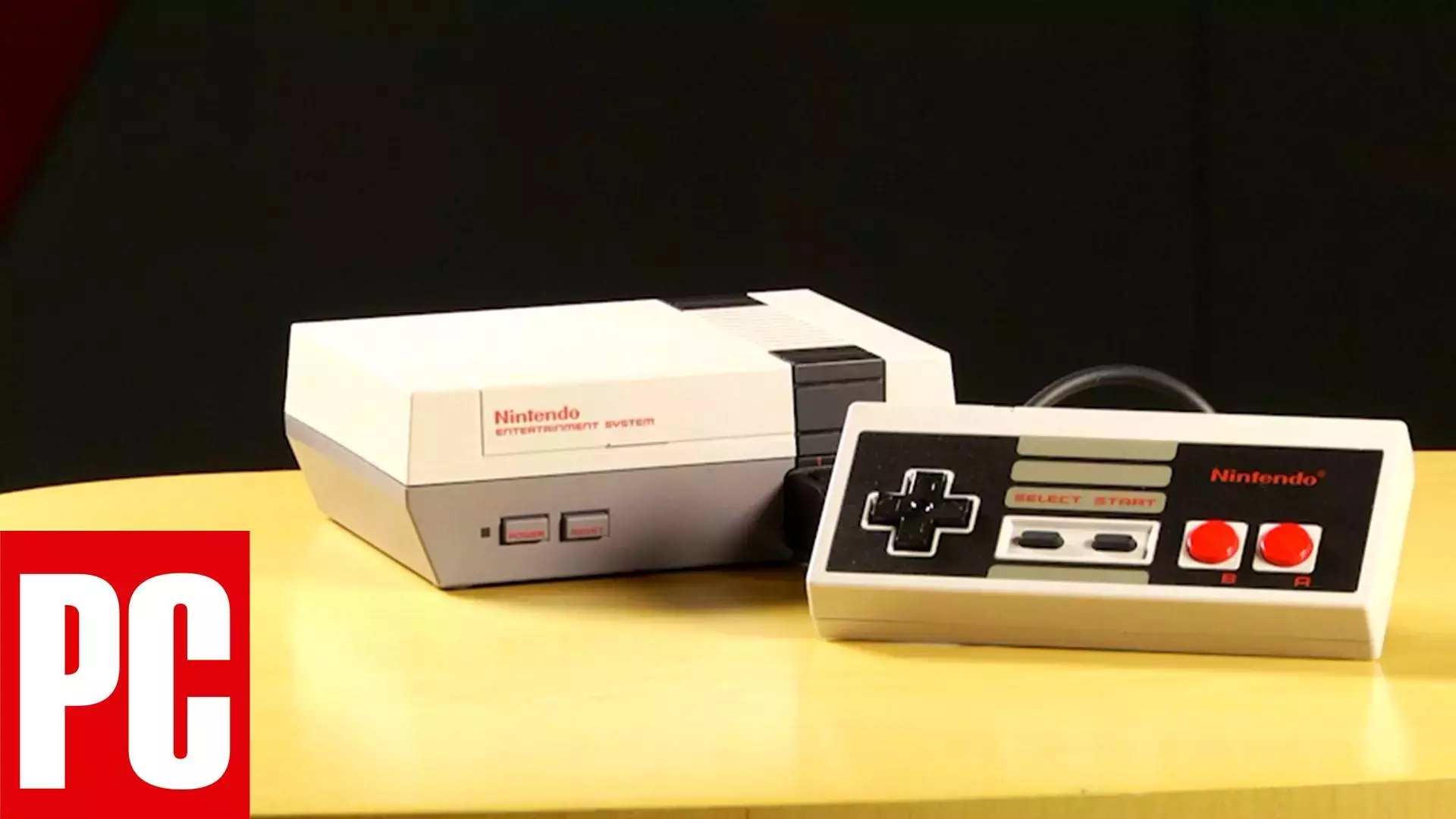
The Twin Famicom is a system that combined a Famicom (NES) and Famicom Disk System and had gamepad and trackball input. For development, a visual tool created by HAL when developing Metal Slader Glory was used with an on-screen keyboard for entering values. Projcts were saved to floppy disc. As it was a Game Boy title, the whole game had to fit in roughly 512Kbits of space.
At the time, Sakurai was a 20-year-old rookie and just assumed this was the way you made games. In fact, in some ways he believed it helped make for smooth movement of the characters and made it easier to work with the data. In other words, the system was constrained, but that also removed complexity allowing him to focus on making a game rather than fighting the system or bugs.
I can't imagine using any software today on a PC, however visual, without access to a physical keyboard. Making an entire game and relying only on a trackball and on-screen keyboard is an impressive feat of patience let alone skill.
Recommended by Our Editors

Sakurai also explained that another Kirby game was made in this way. It was the platformer called Kirby Super Star, which eventually saw a release on the SNES. However, the version created using the Twin Famicom visual tool ended up just being a prototype for internal use.

NES Classic Edition Review
About Our Expert

Matthew Humphries
Former Senior Editor
Experience
I started working at PCMag in November 2016, covering all areas of technology and video game news. Before that I spent nearly 15 years working at Geek.com as a writer and editor. I also spent the first six years after leaving university as a professional game designer working with Disney, Games Workshop, 20th Century Fox, and Vivendi.
I hold two degrees: a Bachelor's degree in Computer Science and a Master's degree in Games Development. My first book, Make Your Own Pixel Art, is available from all good book shops.
PC components and system building
Raspberry Pi
Software development
Storage technology
Video games and gaming hardware
Latest By Matthew Humphries