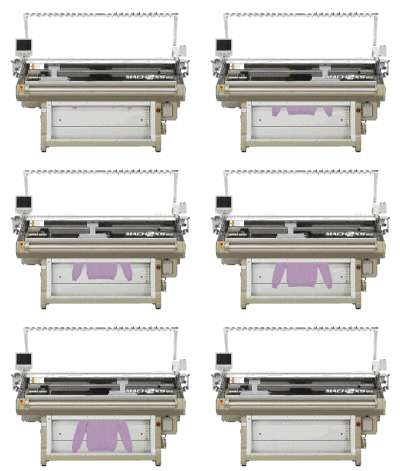
What Is 3D-Knitting?
Completely seamless, removing waste while increasing strength and comfort.

Seamless
Prints whole sweaters.

Zero Waste
No wasted materials.

Durability
No points of breakage.

Comfort
Forms to your body.

Inventory-less
0 inventory, 0 waste.

Finesse
Customize any sweater.

What Is 3D-Knitting?
The term itself sounds sci-fi, so what exactly do we mean by 3D-knitting? Well, this method of garment making relies on the world's most advanced computerized knitting machines, known as Wholegarment machines. It's in the name; these machines are capable of knitting a whole garment seamlessly with little to no human input. The process begins with a three-dimensional digital model, similar to what you'd encounter in a CAD (computer-aided design) program. Once a design is created, it can be transferred, downloaded, and knit on any 3D-knitting machine, anywhere. Simply put, the machines work by utilizing 4 beds of needles. The computer reads the program and determines which needle needs to do what as we run yarn across the top of each bed. One of the beds might be knitting the arm, while another knits the body, while another connects the body with the arms. This approach allows us to use 99% of the material intended for the sweater.

Why Use 3D-knitting?
If you're anything like us, you've probably watched the rise of fast fashion with a knot in your stomach. Yes, the mechanization of clothing manufacturing has allowed everyday consumers to enjoy more choices than ever, but it also carried a decrease in quality and an immeasurable negative impact on the environment. In the next 10-20 years, we think the world will look back on fast fashion with a great degree of disgust and bafflement. The era of slow fashion is upon us, ushered in by Wholegarment technology or, as we like to call it, 3D-knitting. Imagine if we could make clothing on demand that's more comfortable, stronger, and better fitting, all while producing less than 1% waste. That's what 3D-knitting enables, and here's what you should know about the future of fashion.
- Without seams, 3D-knitting produces garments with superior durability.
- The finesse of 3D-knitting machines adjusts every stitch for ideal style/fit.
- At 99% efficiency, 3D-knitting is far more sustainable than cut-and-sew.

Seamless
Smooth, continuous knit construction.
<1% Waste
Knit as 1 entire piece. No wasted materials.
Lightweight
10% lighter without added seam weight.
When Was 3D-Knitting Invented?
The concept of 3D-knitting was first envisioned and then developed by the Japanese company SHIMA SEIKI. They launched their first WHOLEGARMENT knitting machine at the ITMA trade fair in 1995. This was an incredible achievement because, unlike 3D-printing of a solid structure, 3D-kniting involved creating a product with dynamic stability and multiple planes that must work together flawlessly. The founder of SHIMA SEIKI, Masahiro Shima, known as the "Thomas Edison of Wakayama", received a patent for a glove knitting machine at the age of 16. This machine proved to be the inspiration for the first wholegarment machine some 40 years later. SHIMA SEIKI continued to hone its technology over the next quarter-century. The result of their quest is that, here at Oliver Charles, we are able to create beautiful products for you using the 5th generation of their advanced 3D-knitting machines, affording expressive designs and seamless clothing with sustainable silhouettes as never before.
What Are Some Of The Alternatives To 3D-Knitting?
Let's explore 3D-knitting's predecessors and why we believe it's destined to be remembered as the apparel industry's next evolutionary step.
Scroll ➡
| 3D-Knitting | Cut-And-Sew | Flatbed Knitting | Circular Knitting | |
|---|---|---|---|---|
| Knit Cost/Unit | High | Low | Mid-Level | Very Low |
| Waste Created | Very Low | High | Low | Low |
| Labor Intensity | Low | Very High | Very High | Mid-Level |
| Durability | Very High | Mid-Level | Mid-Level | High |

Pros And Cons Of Traditional Cut-And-Sew
Pros: cut-and-sew manufacturing is very cheap when used to produce large quantities of garments. Typically 30% of the fabric is wasted. When quality is not prioritized, garments can come apart quickly. Everything breaks at the seams.
Cons: cut-and-sew techniques are very labor-intensive, requiring assembly lines of generally underpaid workers. These operations generate a lot of waste because they require a pattern cut out of a rectangular piece of fabric.

Pros And Cons Of Flatbed/Fully Fashioned
Pros: flatbed knitting, otherwise known as 2D-knitting, involves far less waste than cut-and-sew production because each garment component is created to size and shape. 2D-knitting is a cheap way to produce in large quantities.
Cons: because each item is made from several flat parts, the challenges of low-quality seams and human error remain. Also, similar to cut-and-sew, it's also very labor intensive requiring large assembly lines.
Popular Seamless Sweaters

All-Season Waffle Knit
Yak/Merino, Everyday Wear
$265


Summer Crew Neck
Seaweed, Lightweight
$149


All-Season Boat Neck
Yak/Merino, Everyday Wear
$250

All-Season Quarter Zip
Yak/Merino, Everyday Wear
$275

Summer Cardigan
Seaweed, Lightweight
$175
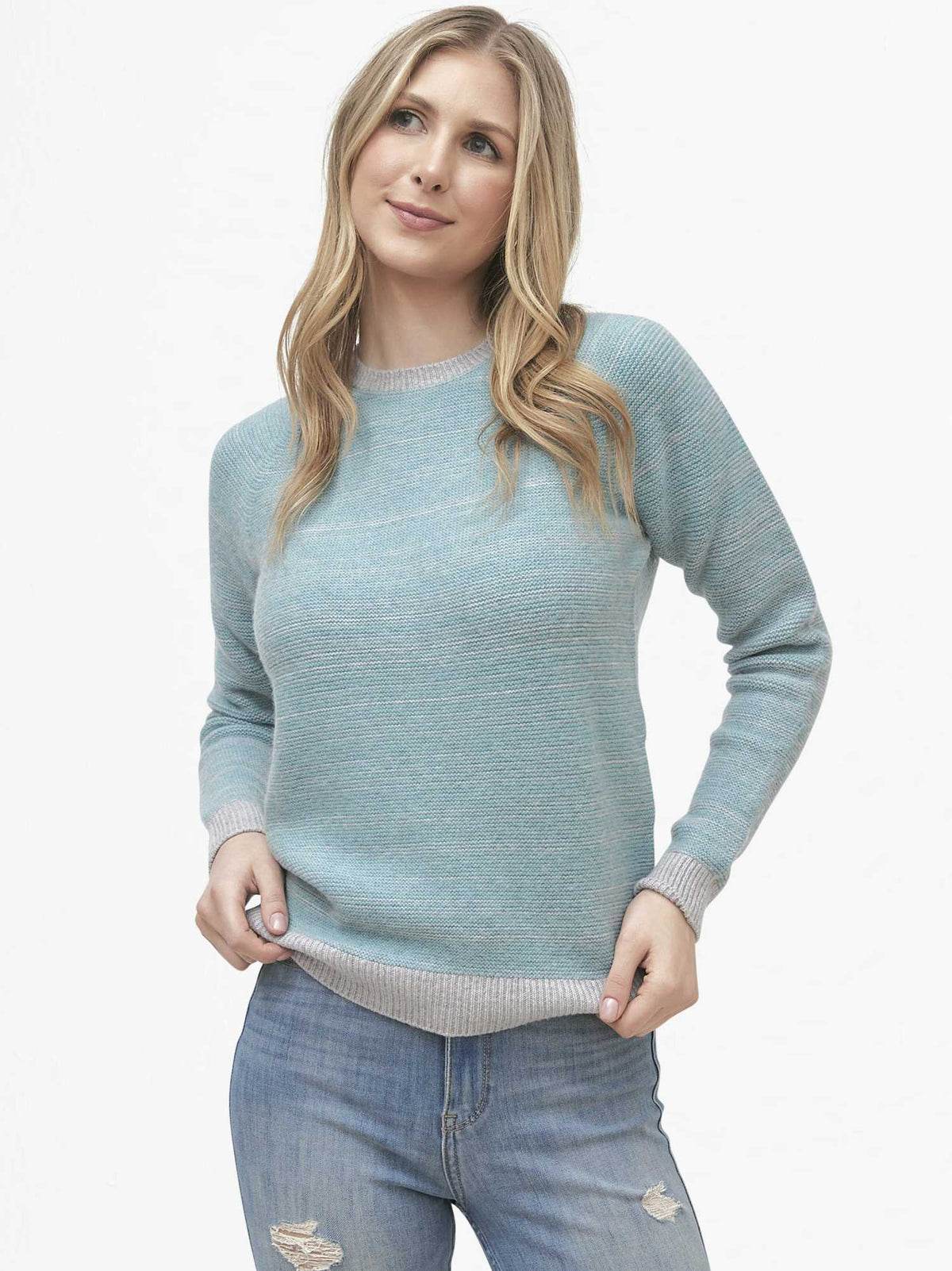
All-Season Marled Crew
Yak/Merino, Everyday Wear
$250



Summer Tunic
Yak/Merino, Everyday Wear
$250

All-Season Henley
Yak/Merino, Everyday Wear
$275
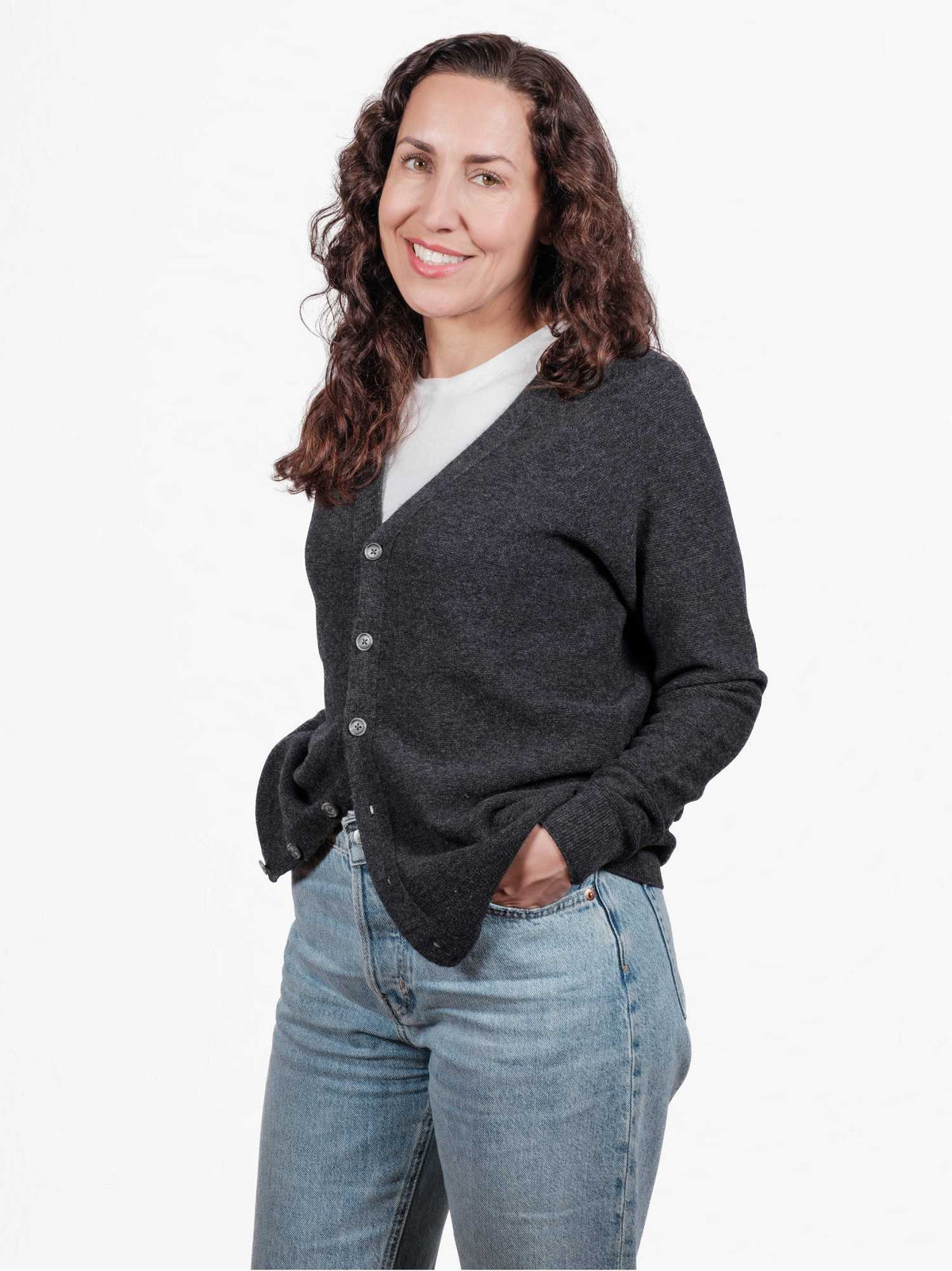
All-Season Cardigan
Yak/Merino, Everyday Wear
$280

All-Season Hoodie
Yak/Merino, Everyday Wear
$275

All-Season Swing Dress
Yak/Merino, Everyday Wear
$280

All-Season Crew Neck
Yak/Merino, Everyday Wear
$250
See more ➡

Pros And Cons Of Circular Knitting
Pros: circular knitting creates tubes of fabric, like a sock or a sweater body, resulting in a stronger garment with fewer vulnerabilities thanks to the fewer seams.
Cons: circular knitting tends to create generic fits due to fixed machine sizes, plus seam vulnerability continues where the garment is joined, for example, in the addition of sleeves.

Is 3D-Knitting Better For The Consumer?
We mentioned that 3D-knitting creates stronger seamless clothing, but what makes this technology so exciting? Well, with this tool, we can explore endless design capabilities because various stitches can be placed within a single garment. For example, a jersey knit, rib knit, or jacquard knit can transition into a mesh knit to create targeted ventilation—and just about any other permutation imaginable, whether functional or purely aesthetic. Traditional clothing manufacturing often yields flawed results due to inconsistent cuts caused by shifting fabric layers, raw edges unraveling due to improper hemming, and seam pinching due to imprecise sewing. In contrast, 3D-knitting technology facilitates perfectly realized garments that are, on average, 10% lighter than their seamed counterparts. Ultimately, consumers can enjoy higher-caliber apparel with a clear eco-friendly conscience. Most important 3D-knitting offers the promise of customization, or as we call it, In the next few years, maybe even months, we'll be able to solve that problem for good. Since 3D-knitting allows us to knit on demand, we'll soon be able to offer every size imaginable in every style, material, and color.

Inventory-Less Knits
We imagine a future where we switch to producing only what we need, when we need it, and nothing more. Through 3D-knitting, on-demand production is possible. It works like this:
- After careful consideration, you order a comfortable 3D-knit sweater.
- Our 3D-knitwear partners in Brooklyn get pinged the details.
- The 3D-knitting machine starts its engine and knits your sweater.
- After seamlessly knitting your sweater, it’s plucked and beautifully packaged.
- Without ever sitting as inventory, the sweater is off to become your go-to.

Does 3D-Knitting Cost More?
3D-knitting can't compete with the cost of manufacturing most throw-away fast fashion products on the shelves, which is a good thing. Companies like ours that invest in creating beautiful, zero waste seamless clothing for forward-looking customers are driving the accessibility of 3D-knitted garments for everyone. We anticipate that a 3D approach will soon exceed 2D-knitting in realizing better-quality clothing with greater longevity for less. As the transition towards the future of fashion progresses, 3D-knitting is projected to save up to 40% of production costs compared to flatbed 2D-knitting. Excitingly, price points have already become very competitive when we compare 3D-knitted products to those of similar character from a more traditional outlet. For example, around 150 garments are brought to life in our 3D-knitting factory daily with only a six-person team. In contrast, the same number of items made at a cut-and-sew facility would call for roughly 30 operated sewing machines!

How Sustainable Is 3D-Knitting?
3D-knitting requires less raw material, produces less waste, and opens the door to an inventory-less future. The technology plays an important sustainability role because 35% of material in the global supply chain ends up as waste. That equates to approximately 36 billion pounds of lost fabric potential, which is 50x as heavy as the Empire State Building! In addition to waste reduction, 3D-knitting factories are far more energy efficient, requiring 43% less electricity than a traditional cut-and-sew facility. This is just the beginning; if you think 3D-knitting is futuristic, wait until you encounter 4D knitting and even 5D knitting. These technologies will facilitate things like knitting electrical wiring, sensors, composites, and other components into designs or creating fabrics that can change from one form to another and then back again. So there you have it—a new era of clothing manufacturing is upon us! Quality seamless clothing that is zero waste, durable, and exceptionally wearable is not just on the way; it's already arrived. And if you thought fast fashion was the end of the line, take heart because there is so much more yet to explore.
Tour Our 3D-Knitting Factory In Brooklyn, NY
We 3D-knit our sweaters in Industry City, Brooklyn, supporting the resurgence of US knitwear manufacturing.

Welcome!
We knit our sweater with the world's leading 3D-knitting manufacturer and bold inventor of on-demand manufacturing.

Small But Mighty
Our 3D-Knitting factory is small, especially compared to the number of knitted garments produced here daily.

Starts With Programming
Highly skilled professionals use special software to manipulate each individual stitch - like building LEGO blocks.
Setting Up The Machine
Meticulously precise arms feed yarn into the machines ever so slightly, automatically adjusting the tension, quantity, and color.

3D-Knitting The Design
The "carriage" intakes the yarn and guides it over the various beds of needles. With each pass, a knitted sweater grows by one row.

The Sweater Takes Shape
A sweater emerges! Reusable yarn on the base of the knit gives information on the size and style of the newly printed sweater.

Finishing The Knit Sweater
A worker removes the yarn at the base and mends the tie-on and tie-off points to seamlessly blend in with the rest of the knit.

Inspecting For Defects
We check by pulling the sweater over a large light. Defects typically occur when a stitch is dropped or the yarn breaks in the machine.

Fixing Defects
Defects are fixed with a mend or re-knit. For sweaters that are beyond repair, we unwind them and use the yarn to make beanies.

Washing Finished Sweaters
Each sweater is washed on a specific cycle to remove a wax that protects yarn as it runs through the 3D-knitting process.

Dried And Pressed
After washing, the sweaters are dried and measured to ensure they meet the correct specs. Then set aside to await labels.

Tacking On Labels
We use a conventional sewing machine for this step. After that, they are ready to be shipped off to lucky customers worldwide.

Ships In Eco-Friendly Tubes
The final step is rolling the sweater and sliding it neatly into a tube to protect it from the vastness of the global supply chain.

Future Of Knitwear
About 6 people are involved in the whole process; from programming to shipping, it's a highly automated and sustainable operation.
{"themeColor":"#574CD5","iconColor":"#574CD5","showLogo":true,"topBottomPosition":10,"rightLeftPosition":10,"iconSize":"small","iconCustomSize":64,"position":"middle-right"}