ⓘ Corsair
If Asia is any indication, other parts of the world could see memory prices fall further. After U.S. and European buyers noticed fluctuations, TrendForce found sharp declines in retail DDR5 RAM costs in China. Yet, critical DRAM manufacturers insist that demand from AI data centers remains steady.
Recently, DDR5 prices at multiple storefronts have become slightly more affordable. There has also been speculation that Google’s TurboQuant will ease the memory shortage. A new TrendForce article shows that price drops are even more notable in China. However, analysts caution that the change may be only a temporary fluctuation.
How the memory market is evolving
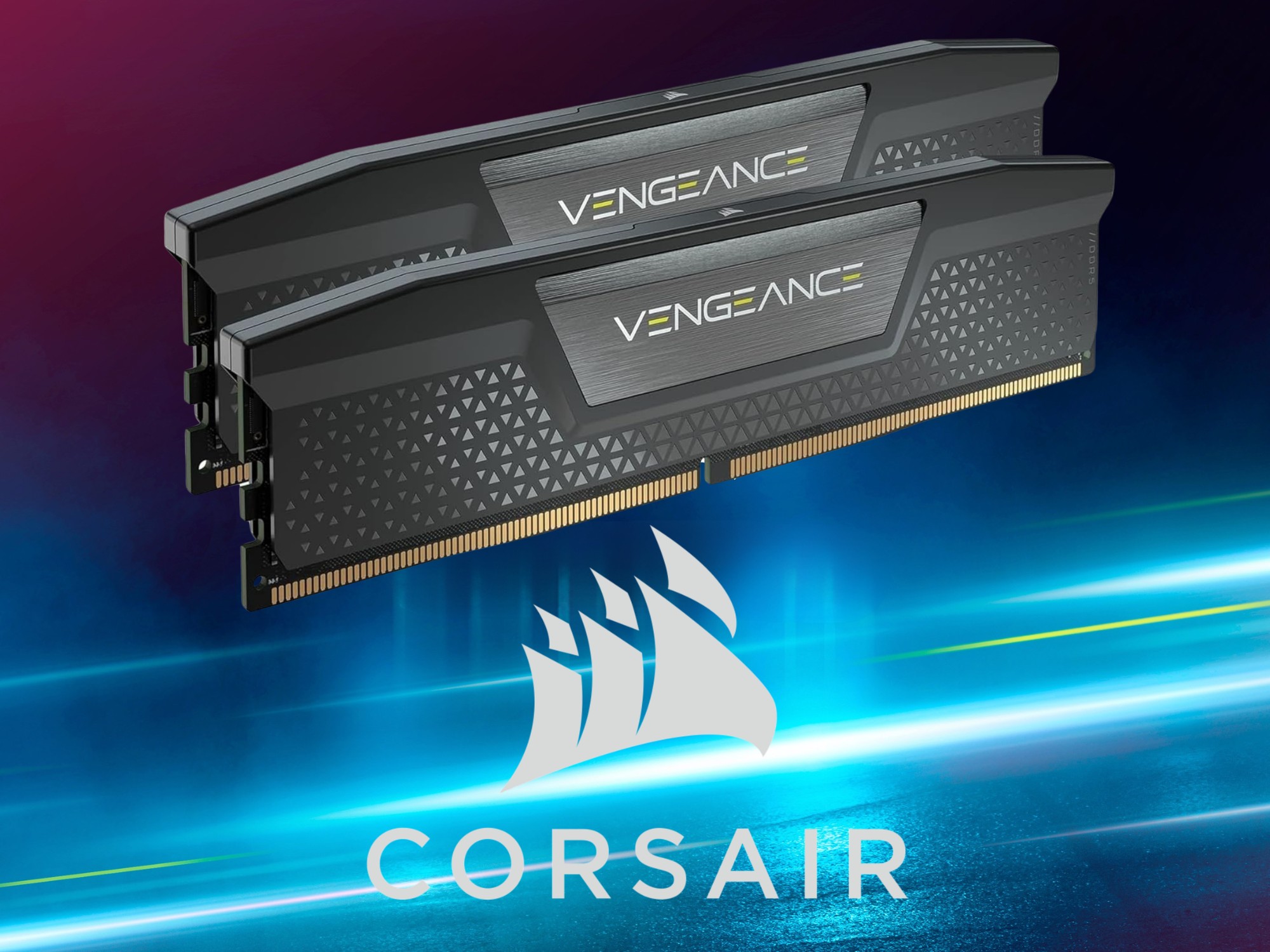
TrendForce explains that U.S. and European buyers have begun to notice DRAM costs falling. In one case, a Corsair Vengeance 32GB DDR5 RAM kit fell to $379.99, its lowest Amazon sale price in months. Still, memory prices in some Asian markets have seen even larger corrections.
In China, 16GB DDR5-5600 and DDR5-6000 sticks from recognizable brands are selling for 25-30% below their high points. While a more severe decline than on average, a 32GB module went from CNY 3,000 to CNY 1,950. After roughly converting to USD, the fortunate buyer acquired the component for $283.
Stocks for chip giants like SK Hynix and Samsung have dipped in recent days. Nevertheless, the report claims that the manufacturers aren’t rattled by the developments. According to Taiwan-based sources, “contract prices from major memory suppliers have remained completely stable.”
Consumers need DRAM for PC builds, but demand is mainly driven by the AI boom. The models run in data centers require copious amounts of High Bandwidth Memory (HBM). Fixed-price, long-term agreements with companies like Nvidia give suppliers some security.
Hopes for more affordable DRAM
Despite their confidence, some observers find the news surrounding OpenAI to be a positive development. Allegedly seeking 40% of the global stock, the company was blamed for triggering the memory shortage. Yet, new reports suggest it’s cutting back on orders compared to an earlier meeting with suppliers.
The optimization provided by TurboQuant may also be causing investors to pause. Google’s AI algorithm promises to significantly reduce DRAM and HBM consumption. That said, the fear is that models will grow more complex, monopolizing an even greater number of modules.
TrendForce concludes that the DDR5 price drops are a “consumer-driven, short-term adjustment.” Analysts will be watching for any signs of a wider market shift.
Related Articles

I became interested in technology at a young age and enjoyed discovering the latest innovations. While earning college degrees in publishing, I created several PC hardware and gaming websites. My passion has always been to guide readers on what products can truly improve their lives. After many years as a Tech Writer for Game Rant, I'm anxious to share my knowledge with a new audience at Notebookcheck.
Adam Corsetti, 2026-03-31 (Update: 2026-03-31)