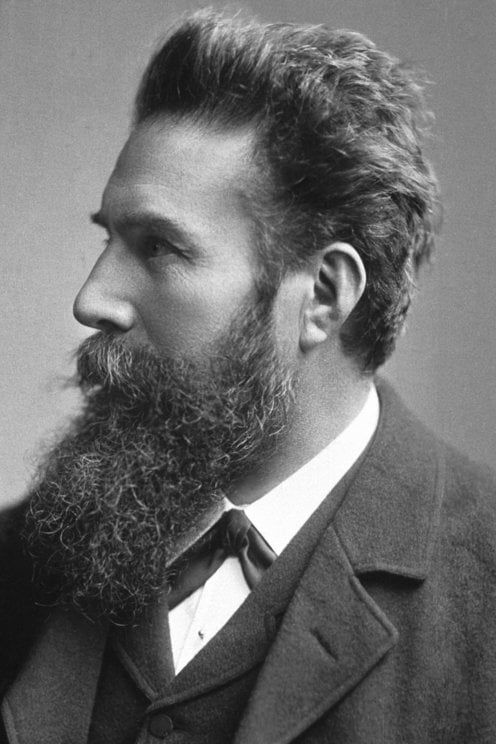
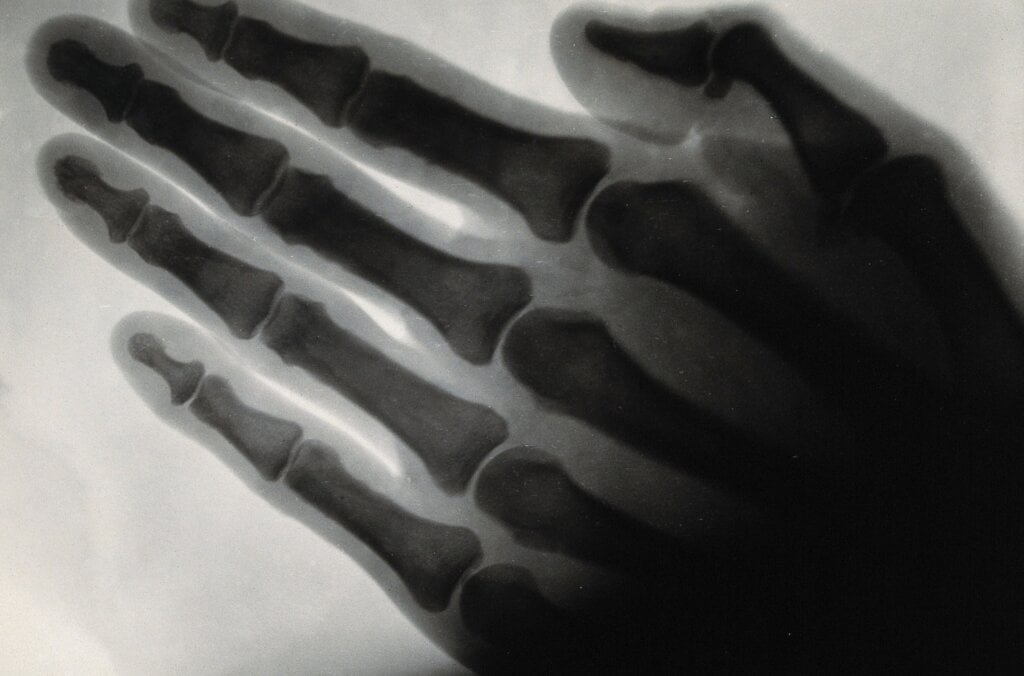
Awarded the first Nobel Prize in Physics, Wilhelm Röntgen discovered X-radiation. This X-ray tube became a frequently used instrument in medicine after this discovery.
A major question in physics is the maximum size of a system that can demonstrate quantum mechanical effects. This year’s Nobel Prize laureates conducted experiments with an electrical circuit in which they demonstrated both quantum mechanical tunnelling and quantised energy levels in a system big enough to be held in the hand.
This year’s Nobel Prize in Physics has provided opportunities for developing the next generation of quantum technology, including quantum cryptography, quantum computers, and quantum sensors.
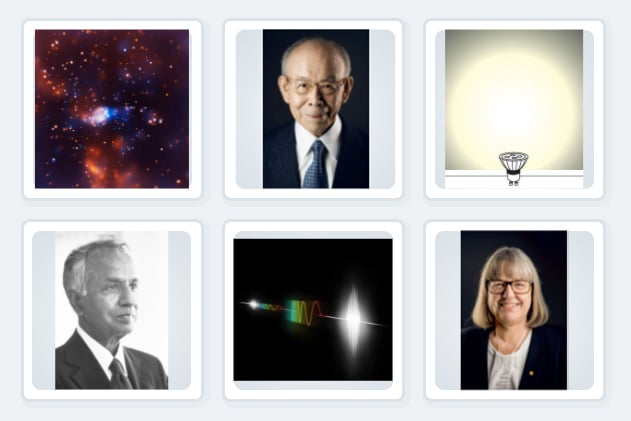
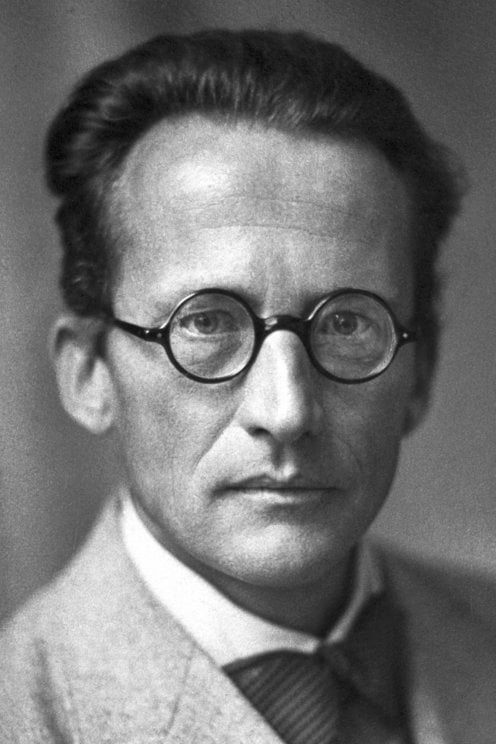
Can you match the right physics laureate with the right discovery? Have a try!
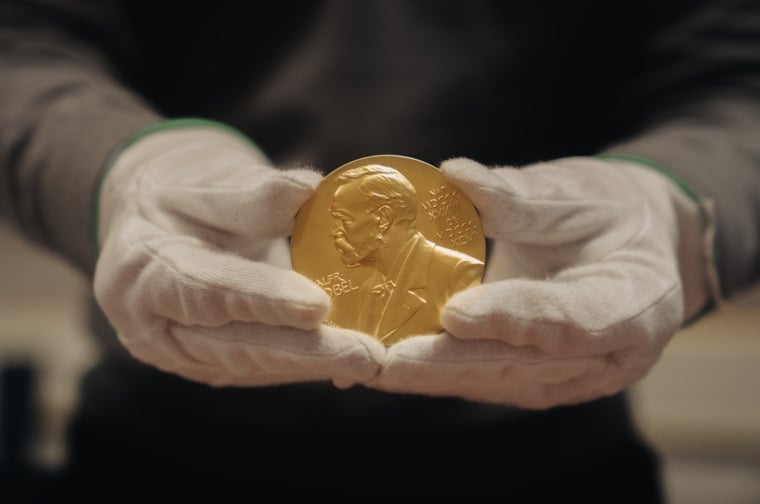
The Nobel Prize categories are physics, chemistry, physiology or medicine, literature and peace and were laid out in the will of Alfred Nobel. Find out more in the FAQ.
Nobel Prize in Physics 1901 in recognition of the extraordinary services he has rendered by the discovery of the remarkable rays subsequently named after him.
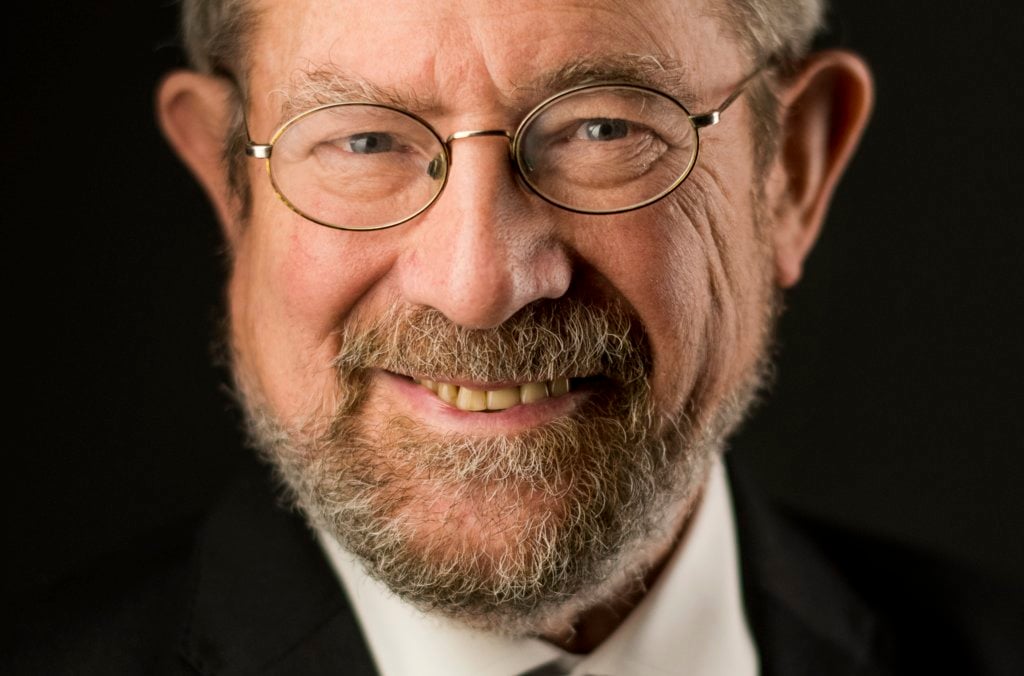
“I want to take this space to tell any budding scientist that, however bleak the future may seem due to illness or other problems, one cannot say you will not be successful.” Kosterlitz was diagnosed with MS in 1978.
J. Michael Kosterlitz, Nobel Prize in Physics 2016
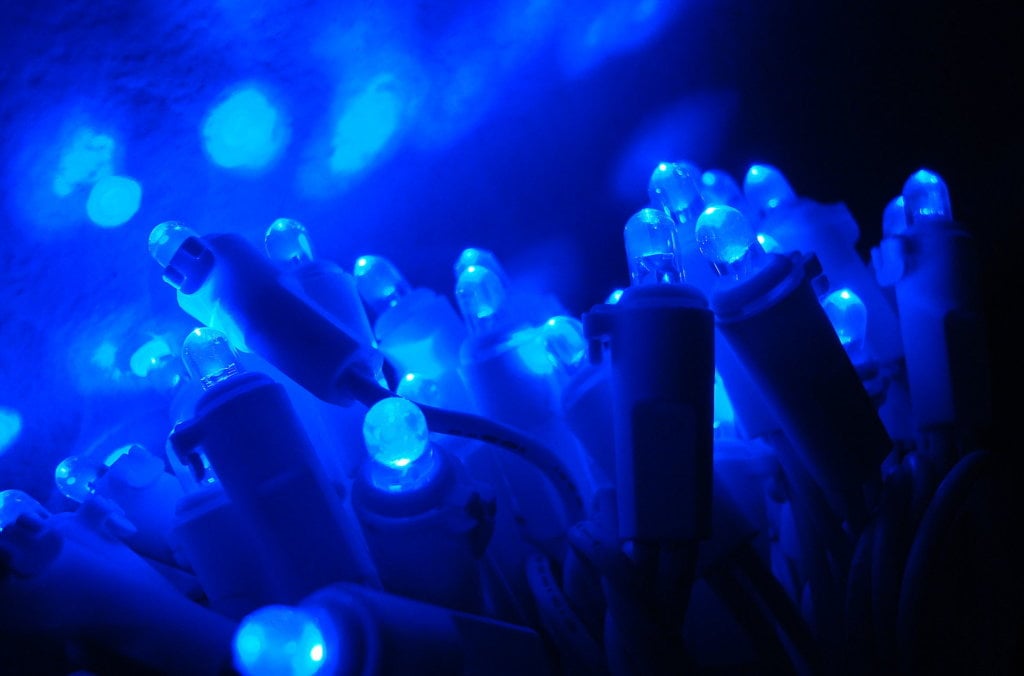
Discover how the 2014 physics laureates tamed the unruly semiconductor gallium nitride, paving the way for blue LEDs. This efficient, versatile light source has been a boon to areas without electricity grids.
The blue LED: an energy- efficient, environmentally-friendly light source
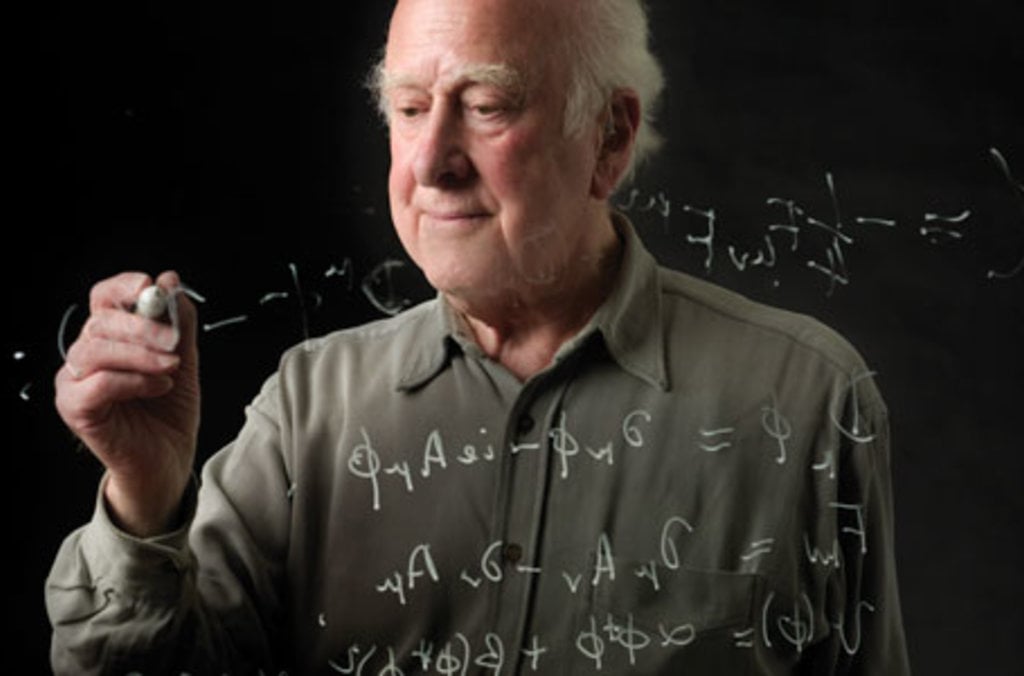
Read what caused the Royal Swedish Academy of Sciences to exclaim, “Here, at last!” The Higgs particle completed the Standard Model of particle physics which describes building blocks of the universe.
Portrait of Peter Higgs, during a visit to CERN in 2008
The very first Nobel Prize in Physics was awarded to Wilhelm Röntgen for his discovery of X-rays. They are still used to diagnose bone fractures, locate embedded bullets and more.
Credit: Wellcome Collection.
Nobel Prize in Physics 2009
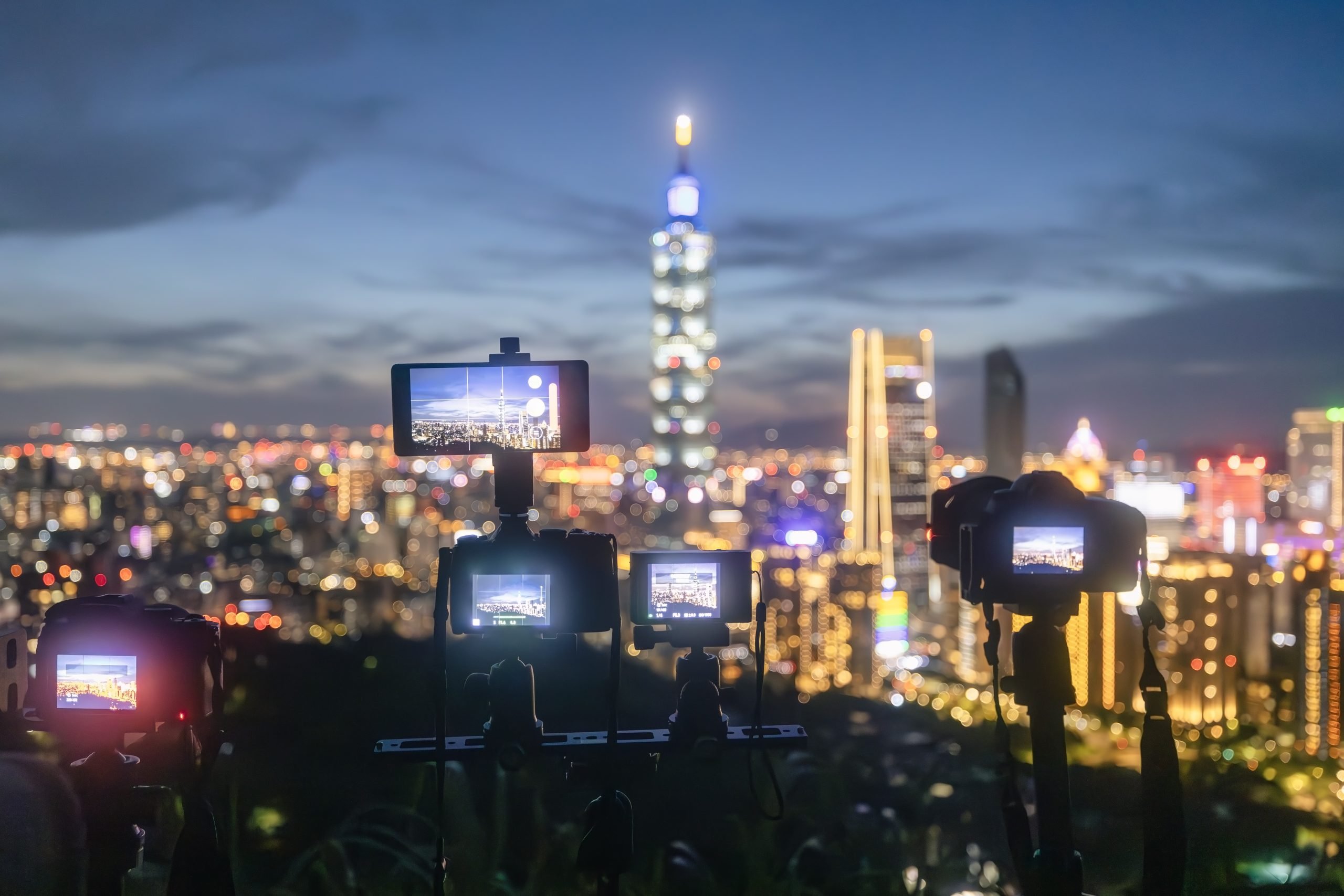
The charge-coupled device invented by Willard Boyle and George Smith was a breakthrough for digital camera technology, and continues to play a crucial role for scientific imaging.
Group of cameras on tripod during photographing urban skyline at twlight. View from Elephant Mountain in Taipei.
Credit: Jaromir/Getty Images
Sign up for the monthly newsletter
Join thousands of global subscribers enjoying the free monthly Nobel Prize highlights, trivia and up-to-date information.