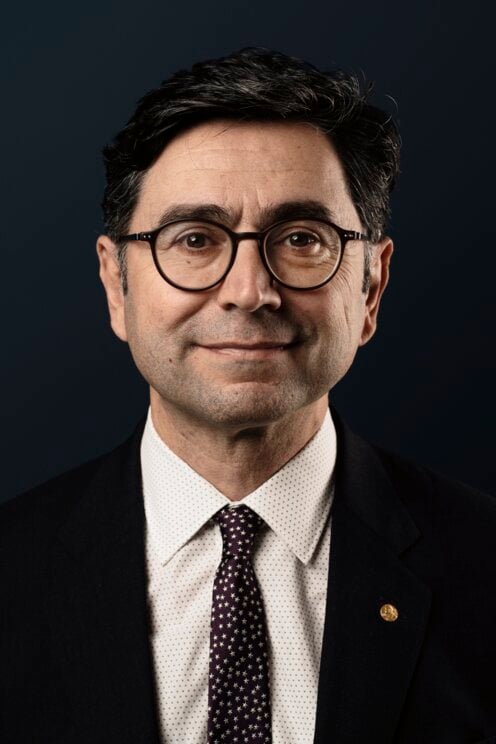
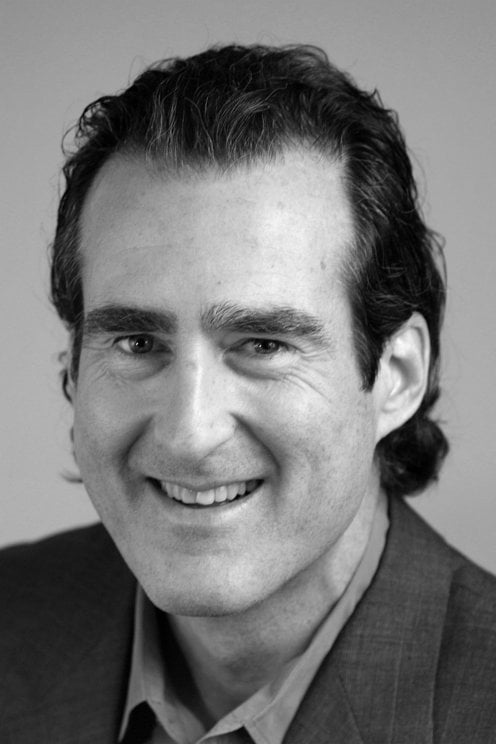
To understand how the brain forms memories, feelings and behaviours has long been a dream for researchers. Karl Deisseroth, Peter Hegemann and Georg Nagel have been awarded the 2026 Nobel Prize in Physiology or Medicine for discoveries leading to optogenetics, which makes it possible to switch on, or off, the activity of individual nerve cells in a living brain. This method is now being used in laboratories around the world to reveal the brain’s mysteries.
The Nobel Assembly at Karolinska Institutet has decided to award the 2026 Nobel Prize in Physiology or Medicine jointly to Karl Deisseroth, Peter Hegemann and Georg Nagel “for their discoveries concerning light-gated ion channels and optogenetics.”
Hegemann and Nagel discovered channelrhodopsin, a protein with unique properties. They found that regardless of which cell they put the protein in, those cells became light sensitive. Deisseroth introduced the gene for channelrhodopsin into nerve cells from rats. By illuminating the cells with blue light, he was able to trigger a nerve signal. Later, he made this light-controlled switch for nerve cells work in the brains of living mice.
This method for controlling nerve signals with light is now called optogenetics, and it has rapidly gained global impact.
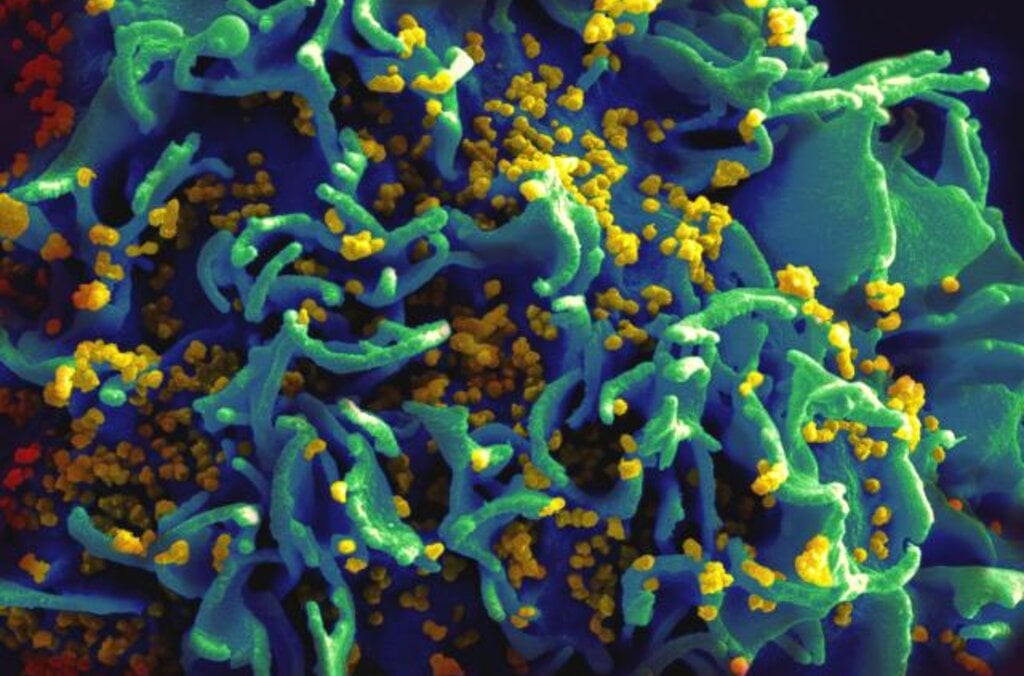
Françoise Barré-Sinoussi and Luc Montagnier discovered the human immunodeficiency virus (HIV) in patients with swollen lymph glands, radically improving treatment methods for people with AIDS.
Scanning electron micrograph of HIV particles infecting a human H9 T cell.
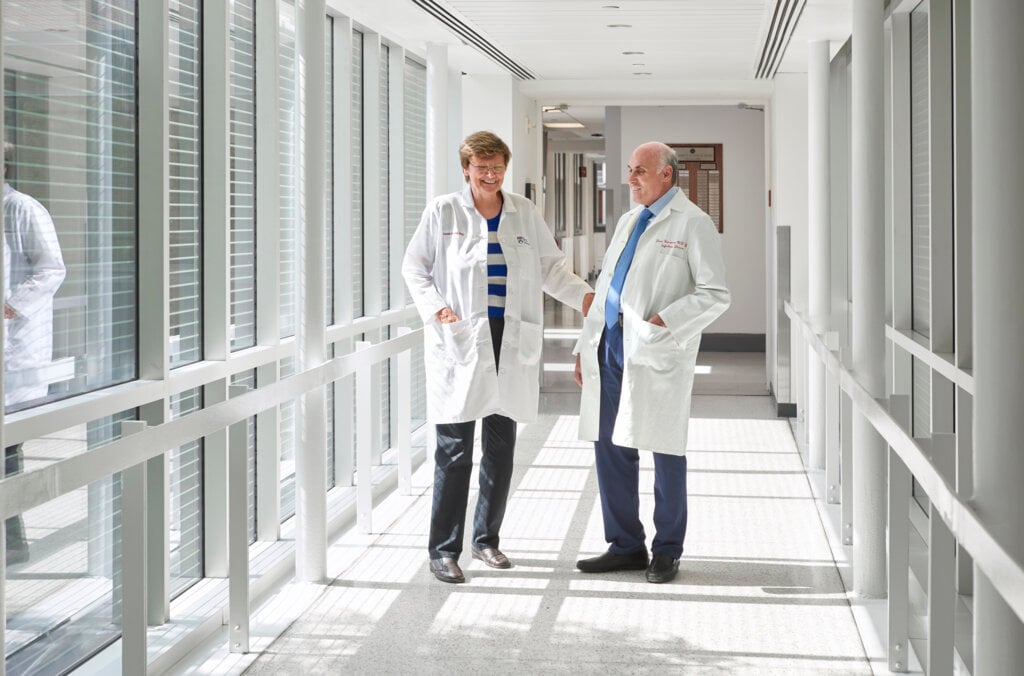
Katalin Karikó and Drew Weissman developed mRNA vaccines against COVID-19, contributing to the unprecedented rate of vaccine development during the pandemic.
Katalin Karikó and Drew Weissman.
Courtesy of Penn Medicine, Photography: Peggy Peterson
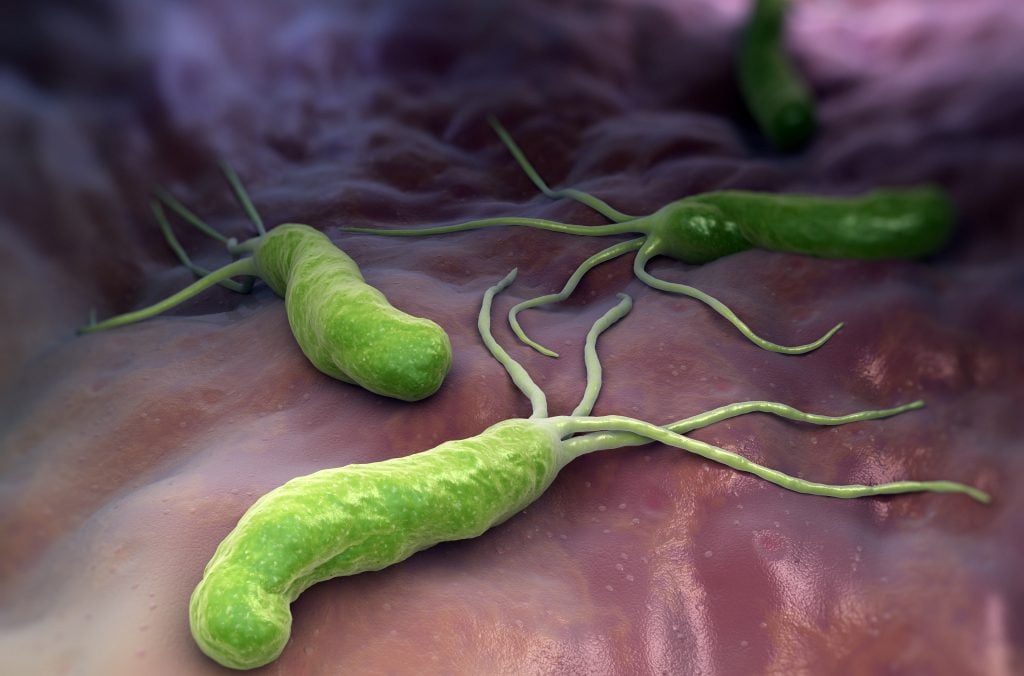
Barry Marshall and Robin Warren worked together to discover that stomach ulcers are an infectious disease caused by a bacteria called helicobacter pylori.
An illustration of helicobacter pylori.
iLexx via Getty Images
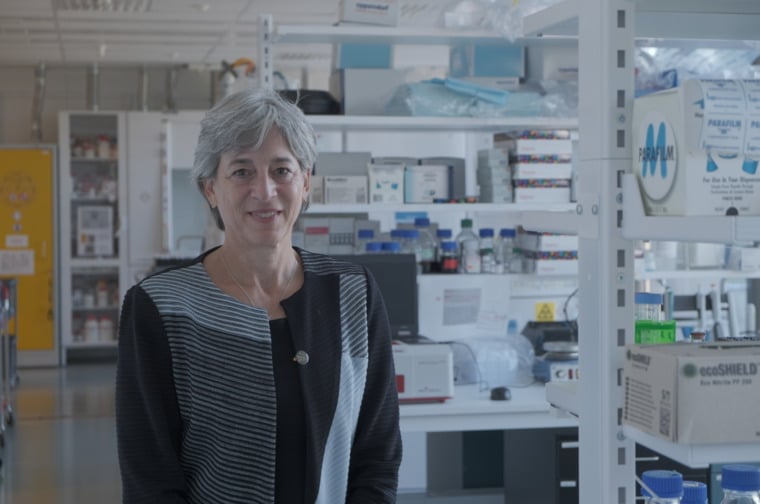
Learn more about how the Nobel Prize in Physiology or Medicine is decided and awarded in this interview with medicine prize awarder Juleen Zierath.
Follow a doctor’s mission to prevent amputations caused by diabetes.
Ishrat Rahim persists in trying to convince her city’s residents of the benefits of the vaccine.
This microbiologist is devoted to finding new medical treatments for infectious diseases.
Can you match the right medicine laureate with the right discovery? Have a try!
The Nobel Prize categories are physics, chemistry, physiology or medicine, literature and peace and were laid out in the will of Alfred Nobel. Find out more in the FAQ.
How do we know where we are? How can we find the way from one place to another? Thanks to the discovery of the brain’s “inner GPS” we now have a better understanding for how we manage to orient ourselves in space.
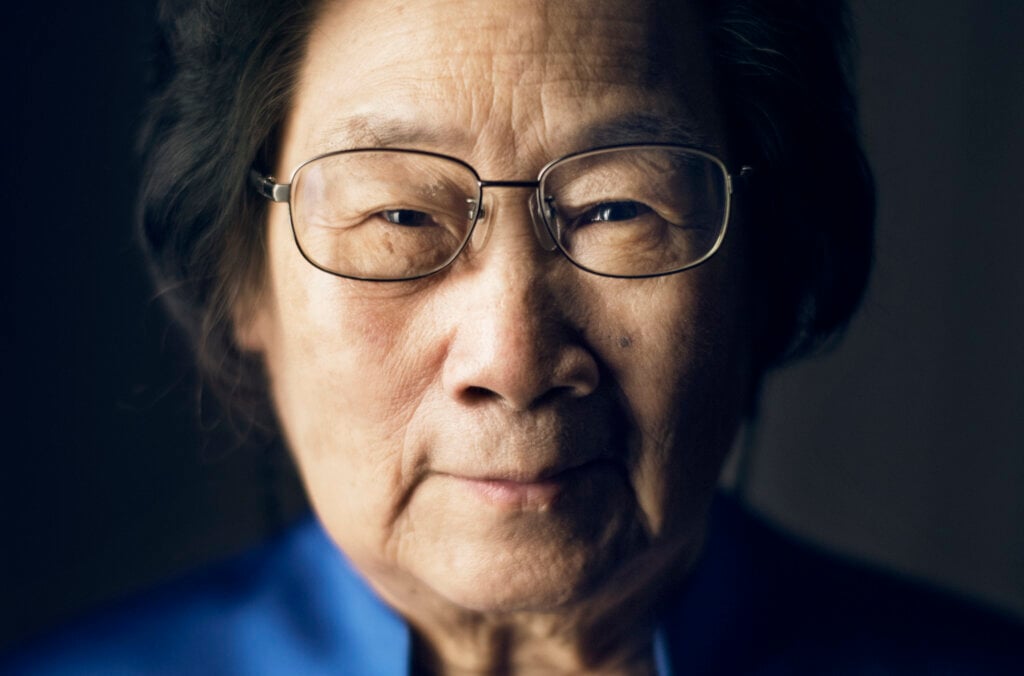
Tu Youyou scoured ancient literature on herbal medicine in her quest to develop novel malaria therapies. A key insight into how to preserve the active ingredient during processing led to the discovery of artemisinin, which has saved many lives.
Tu Youyou, Nobel Prize in Physiology or Medicine 2015.
Follow how the discoveries Yoshinori Ohsumi made in baker’s yeast led to a new understanding of how our own cells recycle their contents. Autophagy, or ‘self-eating’ refers to the way our cells can degrade and then re-use their own contents.
Illustration depicting autophagy
Image: The Nobel Assembly at Karolinska Institutet
Sign up for the monthly newsletter
Join thousands of global subscribers enjoying the free monthly Nobel Prize highlights, trivia and up-to-date information.