Thousands of student loan borrowers are likely to see their wages garnished in a matter of days as the Trump administration buckles down on those in default.
The Education Department said it would send notices to around 1,000 borrowers early this month, but more notices are scheduled for the following months.
Why It Matters
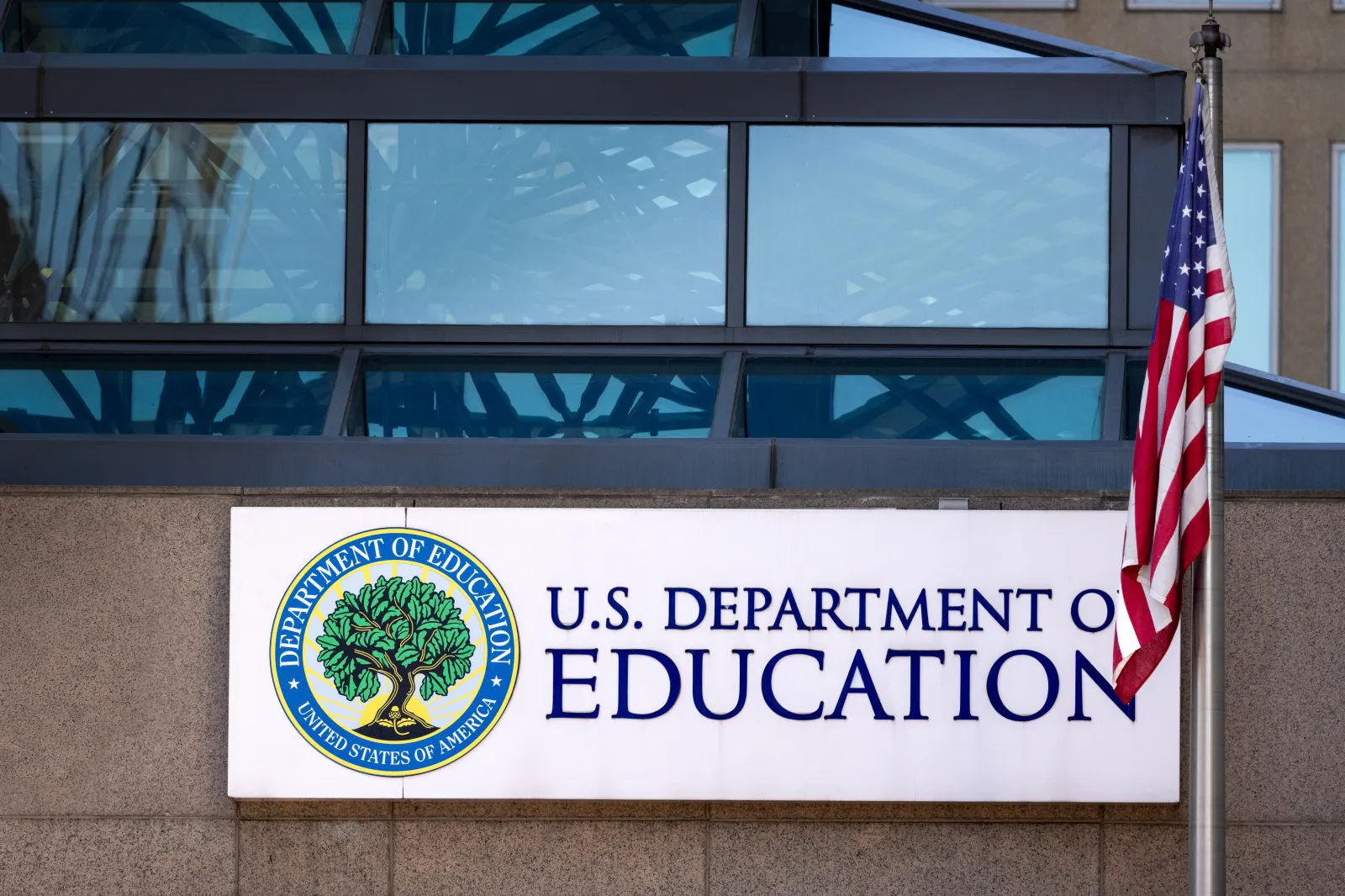
The Department of Education has overseen many changes under the Trump administration.
While 8 million federal student loan borrowers saw a surge in costs last August as the U.S. Department of Education ended the pandemic-era, interest-free forbearance period, the department also got rid of the SAVE plan, which lowered monthly payments for roughly 7 million borrowers.
What To Know
Around 1,000 borrowers will receive notices about their wage garnishments beginning in early January.
To date, millions of borrowers are in default, which means they are 270 days past due on their payments. The Education Department is required to give 30 days notice to borrowers before wages are garnished.
The actual garnishments take place “only after student and parent borrowers have been provided sufficient notice and opportunity to repay their loans,” according to the department.
Wage garnishments were paused during the pandemic and the Biden administration extended this period of leniency and offer widespread student loan forgiveness through plans like SAVE.
“This applies to borrowers who are in default, meaning their federal student loans are 270 days past due. These borrowers may begin to see wage garnishments resume,” Kevin Thompson, the CEO of 9i Capital Group and the host of the 9innings podcast, told Newsweek.
Also starting this month, student loan forgiveness granted through income-driven repayment plans will once again be considered taxable income. This could create higher costs for borrowers who previously relied on tax-free relief.
However, forgiveness through Public Service Loan Forgiveness remains tax-free as long as they met those eligibility requirements.
According to the Education Data Initiative, 42.5 million people owe federal student loans, with total balances nearing $1.7 trillion.
What People Are Saying
Alex Beene, a financial literacy instructor for the University of Tennessee at Martin, told Newsweek: “If you're a student loan borrower in default, this is a pivotal moment. Borrowers in default are those who haven't made a payment in 270 days or more. The current plan is to start wage garnishment for those borrowers that have yet to make a payment, with the first 1,000 coming this month and others being phased in shortly thereafter. Borrowers will receive notice 30 days before the garnishment process begins. To avoid wage garnishment, now is the time to start making a plan to make payments and, if needed, apply for the new assistance program offered.”
Kevin Thompson, the CEO of 9i Capital Group and the host of the 9innings podcast, told Newsweek: “Borrowers should be aware that the government is legally required to provide at least 30 days’ notice before any wage garnishment begins. If you’ve received that notice, action is no longer hypothetical.”
What Happens Next
Experts say wage garnishment is just one avenue of collection that the government could pursue against those in default on their loans.
“It’s also important to understand that wages are not the only lever,” Thompson said. “If there are no wages to garnish, the government can pursue other avenues, including intercepting tax refunds and offsetting certain federal credits or payments. For retirees with defaulted loans, the government will garnish your social security check or even go as far as intercepting SSI in some cases.”