Americans are pledging to stop making any purchases for a full 24 hours on February 28.
The national economic blackout is scheduled as a way for Americans to boycott major retailers that have pulled back on diversity, equity and inclusion (DEI) policies as a response to President Donald Trump.
Why It Matters
Early into his presidency, Trump ended several DEI initiatives in the federal government. He issued an executive order that funds could be frozen for companies that do not comply, and Trump also outlawed any messaging that promotes inclusion-based language.
The orders have caused PBS to close its DEI office, while major companies like Amazon, Target and Google are taking steps to dissolve DEI initiatives.
What To Know
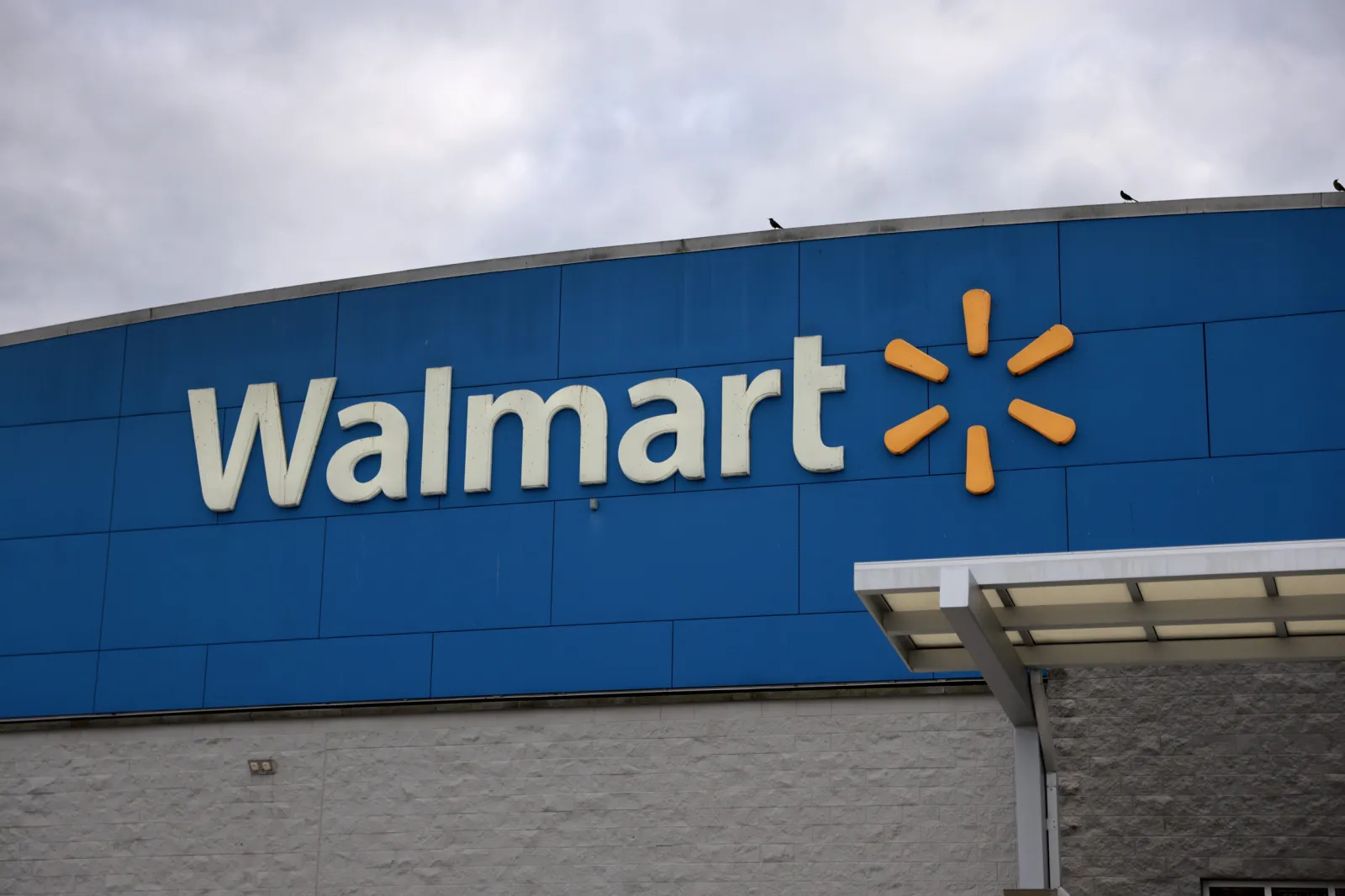
While the nationwide economic blackout applies to all discretionary spending, the organizers are targeting some retailers in particular.
This includes:
- Amazon
- Walmart
- Best Buy
But participants are also asked to refrain from spending money on fast food or gas.
The group pushing for the economic blackout is called The People's Union USA. If people do have to spend money, the group urges, focus on supporting small local businesses.
"If we disrupt the economy for just ONE day, it sends a powerful message," the group wrote on its website.
"The People's Union is not just about resisting corruption, it is about exposing it. For decades, corporations, politicians, and industries have worked together to rig the system against the American people."
Newsweek reached out to Amazon, Walmart and Best Buy for comment via email.
What People Are Saying
Amazon VP of Inclusive eXperiences and Technology (IXT) Candi Castleberry, in December: "As a large, global company that operates in different countries and industries, we serve hundreds of millions of customers from a range of backgrounds and globally diverse communities. To serve them effectively, we need millions of employees and partners that reflect our customers and communities. We strive to be representative of those customers and build a culture that's inclusive for everyone.
"In the last few years we took a new approach, reviewing hundreds of programs across the company, using science to evaluate their effectiveness, impact, and ROI – identifying the ones we believed should continue. Each one of these addresses a specific disparity, and is designed to end when that disparity is eliminated. In parallel, we worked to unify employee groups together under one umbrella, and build programs that are open to all. Rather than have individual groups build programs, we are focusing on programs with proven outcomes – and we also aim to foster a more truly inclusive culture."
Alex Beene, financial literacy instructor for the University of Tennessee at Martin, told Newsweek: "The focus of the February 28 Economic Blackout is to halt spending on items from major corporations like Amazon, Wal-Mart, and other major big-box and fast-food retailers in protest to recent changes to hiring policy and standards that have seemingly been triggered by the new administration. The protest is urging those who participate to only purchase essentials if necessary and try to support small businesses instead. While protests of retailers for social and political purposes are nothing new, their frequency and business impact has increased over the last decade. At the end of the day, it's hard to see one event having a tremendous impact on any of these major entities. However, if follow-up events form a trend, it could lead to a more lasting dent in sales over time."
Kevin Thompson, finance expert and founder/CEO of 9i Capital Group, told Newsweek: "The retailer boycott and economic blackout are centered around major retailers like Walmart, Best Buy, and Target, which are perceived as aligning with the current administration's policies. The immediate financial impact of a single-day boycott is likely to be minimal, as consumers may compensate by purchasing more in the days before or after. However, the significance lies in the message rather than the actual financial loss."
What Happens Next
Thompson said if the messaging around the February 28 economic blackout gains popularity, there could be widespread consumer shifts.
"The real question is whether this movement gains traction and leads to longer-term behavioral shifts among consumers. If it evolves beyond a symbolic protest, it could create further disruptions, affecting not just these companies but the broader retail sector."
Update 2/13/25, 4:35 p.m. ET: This story was updated with comment from Candi Castleberry.