Flock Safety's network of Automated License Plate Reader (ALPR) cameras has expanded rapidly across the United States, with the company saying its technology is now used by thousands of law enforcement agencies and communities nationwide.
Privacy-focused mapping site FlockHopper, which tracks Flock and other ALPR cameras, currently identifies more than 120,000 camera locations across the U.S., showing the sheer scale of the growing surveillance network.
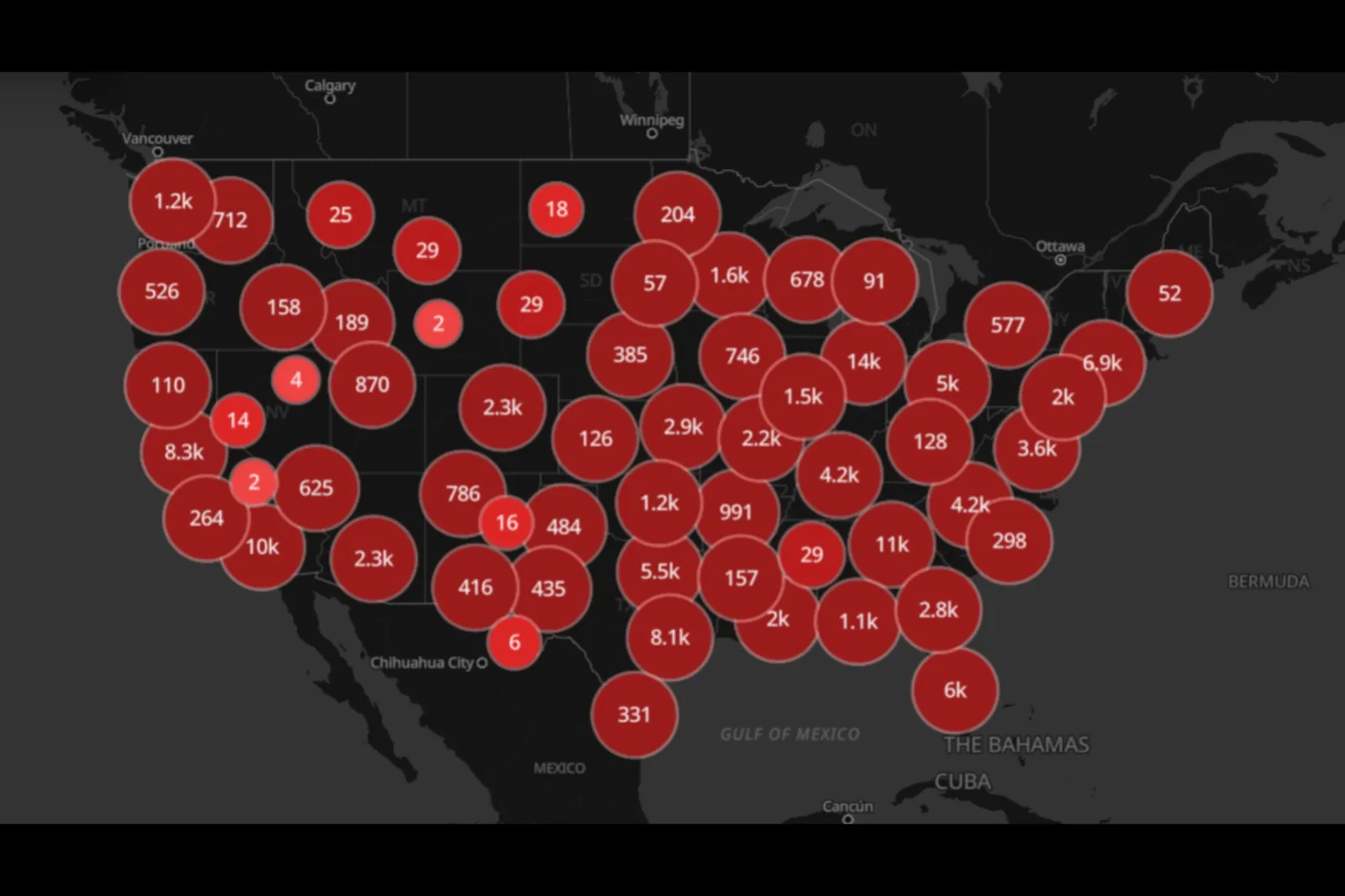
But as the network grows, so too does resistance from privacy advocates, civil liberties groups and some local residents, with critics arguing that the cameras constitute intrusive mass surveillance.
The debate has intensified in recent months as some cities and agencies have reconsidered their use of the technology. At the same time, reports of vandalism and camera removals have emerged from multiple states.
What Are ALPR Cameras
In simple terms, an ALPR camera is a high-speed surveillance camera that automatically photographs vehicles as they pass and uses optical character recognition technology to read license plates.
The systems typically record:
- License plate numbers
- Vehicle make and model
- Vehicle color
- Distinguishing features such as bumper stickers, roof racks, or damage
- The date, time, and location where the vehicle was seen
The information is then stored in a searchable database that law enforcement can use during investigations to help with tasks such as recovering stolen vehicles, tracking suspects connected to crimes, locating missing people, identifying vehicles seen near crime scenes, and generating alerts when a wanted vehicle passes a camera.
What Is a Flock Camera?
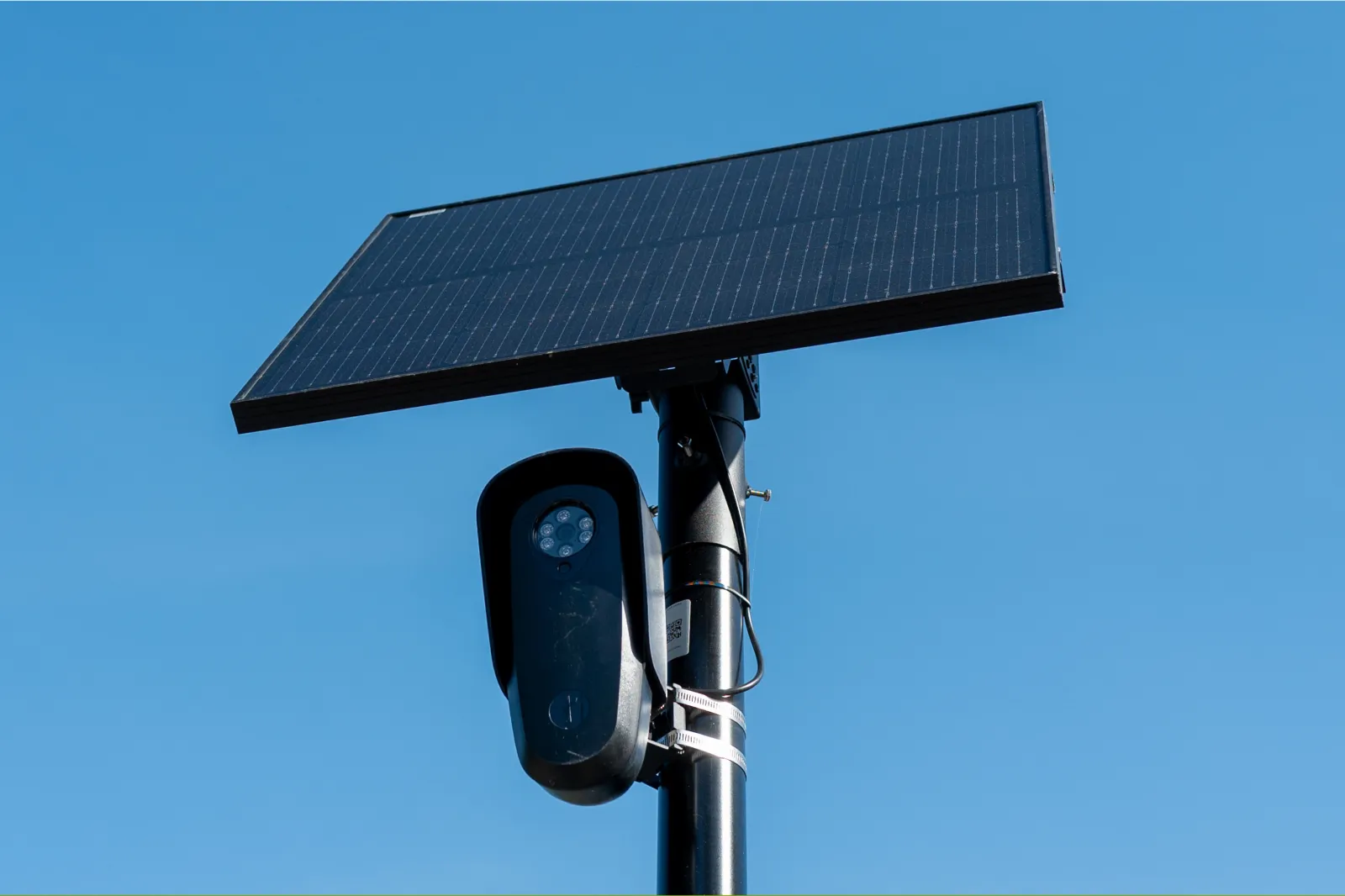
A Flock camera is typically a black camera mounted on a pole, usually alongside a solar panel. They are one of the most widely used ALPR systems in the U.S. According to Flock Safety and reports from Government Technology, the company works with thousands of law enforcement agencies and has deployed well over 100,000 cameras across nearly every U.S. state.
Atlanta-based Flock says its system captures "point-in-time" images from public roadways and is not designed for continuous tracking, while critics argue that a sufficiently dense network can still reveal a person's travel patterns.
Supporters argue that the cameras have become an important investigative tool, helping police solve crimes that might otherwise go unsolved.
The Backlash Against Flock Cameras
Despite those benefits, opposition to Flock cameras has grown significantly.
Privacy advocates argue that widespread deployment allows authorities to build detailed records of people's movements without a warrant.
Deflock, a privacy-focused project that maps the locations of Flock Safety cameras and other ALPR systems across the United States, contends that Flock cameras can be used to track vehicle movements and that data may be shared among participating agencies. The group argues that such surveillance raises civil-liberties concerns, including the potential for misuse, wrongful identification, or profiling.
Several lawsuits have challenged ALPR technology, with critics arguing that the systems can create searchable records of drivers' historical movements—including people not suspected of any crime—raising concerns about unreasonable searches under the Fourth Amendment.
For instance, in a recent, ongoing case—Schmidt v. Norfolk—civil liberties groups including the American Civil Liberties Union (ACLU) and Electronic Frontier Foundation are challenging Norfolk's use of Flock cameras, arguing that the technology creates searchable records of drivers' movements and amounts to warrantless surveillance that violates privacy rights.
Concerns have also focused on how data may be shared among agencies. Critics fear information collected by local police departments could ultimately be accessed by federal authorities, including immigration enforcement agencies. Those concerns have prompted some cities, including Los Angeles, Mountain View, and Santa Cruz, to pause, suspend, or reconsider their contracts with Flock.
Growing skepticism has also become increasingly visible online.
In a recent Reddit discussion linked to a viral TikTok video about people disabling Flock cameras, commenters expressed support for efforts to remove the devices.
Similar conversations across Reddit and other social media platforms frequently describe the cameras as invasive, while others question whether the crime-fighting benefits outweigh the privacy tradeoffs.
One Reddit user commented, "When a local town buys a Flock contract and gets cameras installed, not only do they have access to the data from their local cameras, but other flock cameras other towns have installed. This has resulted in abuse—people stalking their exes, tracking competing business competitors, and false arrests from errors in Flocks AI facial recognition."
Another commenter on X argued that a Flock camera installed in a local park appeared inconsistent with the company's assurances that its technology is designed to identify vehicles, not people.
Flock said in a recent blog: "Flock ALPRs do not and cannot track vehicles, much less individual people. ALPRs take a point-in-time image of the rear of vehicles on public roadways. They are incapable of tracking the whole of anyone’s movements."
The social media post echoed concerns raised by privacy advocates about the reach of automated surveillance systems.
How and Why Are People Destroying Flock Cameras?
While much of the initial backlash played out online, concerns have now increasingly moved offline.
According to recent reporting by The Guardian, a growing number of activists and self-described privacy campaigners have begun disabling or vandalizing Flock cameras in several U.S. states.
Methods reportedly include cutting wires, covering lenses with tape or paint, disabling solar panels and, in some cases, removing cameras entirely from their poles.
Reports have documented damaged or destroyed cameras in states including Oregon, Virginia, and Michigan.
Some activists say their actions are motivated by concerns about privacy, surveillance and government overreach. The Guardian reported on individuals who view the cameras as symbols of an expanding surveillance state and believe traditional political channels have failed to address their concerns.
Key Takeaway
As the growing footprint of Flock cameras continues to circulate online and opposition movements gain traction, the debate over where public safety ends and surveillance begins appears likely to intensify.
Contact Newsweek editors on this story: John Fitzpatrick and James Debens