Every major technology company wants to become part of your health care journey.
They want to monitor your heart rhythm, analyze your sleep, track your blood sugar, interpret your symptoms, and increasingly, answer your health questions with artificial intelligence.
Whether they succeed or not, they have already changed something fundamental about medicine: The patient visit no longer begins in the exam room.
Long before a physician walks into the office, many patients have already begun searching for answers. A smartwatch flags an irregular heart rhythm. A continuous glucose monitor reveals unexpected patterns. An AI assistant suggests possible diagnoses. An online search raises new questions. Days, or even weeks, of alerts, scores, trend lines, and recommendations shape what patients think is happening before they ever schedule an appointment.
By the time they arrive, they aren't bringing symptoms alone. They're bringing data, research, and expectations. In many cases, they've already begun forming conclusions about what those findings mean, and what should happen next.
This isn't simply changing how patients prepare for a visit. It is transforming what physicians are expected to do.
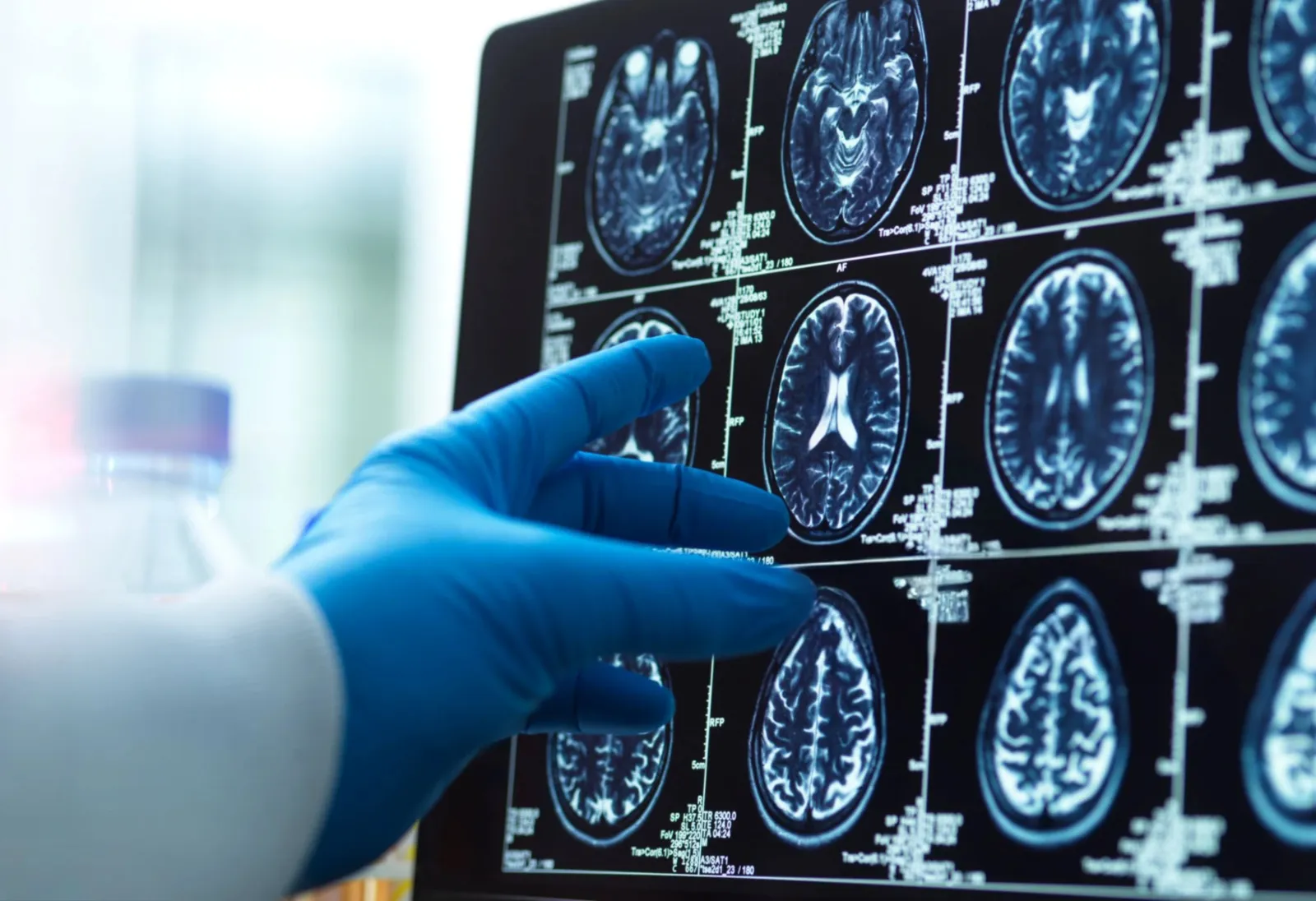
For generations, medicine's advantage was access to information. Today, information is everywhere. The scarce resource has become interpretation.
Every new source of health information creates a greater need for clinical judgment. Does a wearable alert reflect disease or normal variation? Is an AI-generated recommendation clinically meaningful or simply plausible? Which findings warrant additional testing, and which call for reassurance rather than intervention?
Data can raise those questions. It cannot answer them.
That is where physicians become even more essential.
The physician's role is evolving from being the primary source of medical information to helping patients make sense of an unprecedented amount of it. Clinical judgment, context, and experience have become the bridge between information and action.
Our recent international survey of physicians on wearable-generated health data illustrates just how quickly this transformation is occurring. Nearly every physician reported reviewing data from patients' wearable devices. Yet fewer than six percent said that information is fully integrated into their routine clinical workflow.
The problem isn't physician interest. It's that our health care system was built for a different era.
Clinical workflows, reimbursement models, documentation requirements, and quality measures still assume that care begins when a patient checks in for an appointment. Increasingly, it begins days, or even weeks, earlier.
Medicine has entered an era of continuous care. Our health care system is still organized around episodic visits.
That disconnect places growing demands on physicians. They are asked to evaluate information they didn't order, didn't generate, and often didn't request. They help patients distinguish meaningful findings from false alarms, identify which recommendations deserve action, and explain why some data points matter while others do not.
That work is not ancillary to patient care. It is patient care.
Yet it remains largely invisible within the way we organize and pay for health care.
If we want technology to improve care rather than simply generate more information, our health care system must evolve with it. We should recognize interpretation as a core clinical service. We should integrate patient-generated data into clinical workflows rather than forcing physicians to navigate disconnected streams of information. And we should design digital tools that reduce cognitive burden instead of adding to it.
Technology has fundamentally changed when care begins. Now it is time for health care to change as well.
The appointment is still on the calendar. But it is no longer the beginning of the patient visit. It is one moment in a much longer conversation; one that increasingly starts at home, continues between visits, and depends more than ever on the judgment of a trusted physician.
John Whyte, MD, MPH, is chief executive officer of the American Medical Association.