- NEWS
Results from massive, ‘eagerly awaited’ initiative reinforce concerns about the credibility of science — but raise hope for solutions.
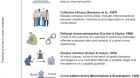
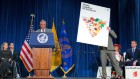
A massive seven-year project exploring 3,900 social-science papers has ended with a disturbing finding: researchers could replicate the results of only half of the studies that they tested1.
Access options
Access Nature and 54 other Nature Portfolio journals
Get Nature+, our best-value online-access subscription
$32.99 / 30 days
cancel any time
Subscribe to this journal
Receive 52 print issues and online access
$199.00 per year
only $3.83 per issue
Rent or buy this article
Prices vary by article type
from$1.95
to$39.95
Prices may be subject to local taxes which are calculated during checkout
doi: https://doi.org/10.1038/d41586-026-00955-5
References
Tyner, A. H. et al. Nature 652, 143–150 (2026).
Miske, O. et al. Nature 652, 126–134 (2026).
Aczel, B. et al. Nature 652, 135–142 (2026).
Brodeur, A. et al. Nature 652, 151–158 (2026).
Mody, F. et al. Preprint at MetaArXiv https://osf.io/preprints/metaarxiv/vgyed_v1 (2026).
Rajtmajer, S. et al. Preprint at MetaArXiv https://osf.io/preprints/metaarxiv/bdmte_v1 (2026).
Related Articles
-
 Huge reproducibility project fails to validate dozens of biomedical studies
-
 Half of top cancer studies fail high-profile reproducibility effort
-
 ‘Publish or perish’ culture blamed for reproducibility crisis
-
 Replication games: how to make reproducibility research more systematic
 ‘Doing good science is hard’: retraction of high-profile reproducibility study prompts soul-searching
 Is AI leading to a reproducibility crisis in science?