Under Artemis, NASA will send astronauts on increasingly difficult missions to explore more of the Moon for scientific discovery, economic benefits, and to build on our foundation for the first crewed missions to Mars.
Quick Facts
Artemis II, the first crewed Artemis flight, marks a key step toward long‑term return to the Moon and future missions to Mars.

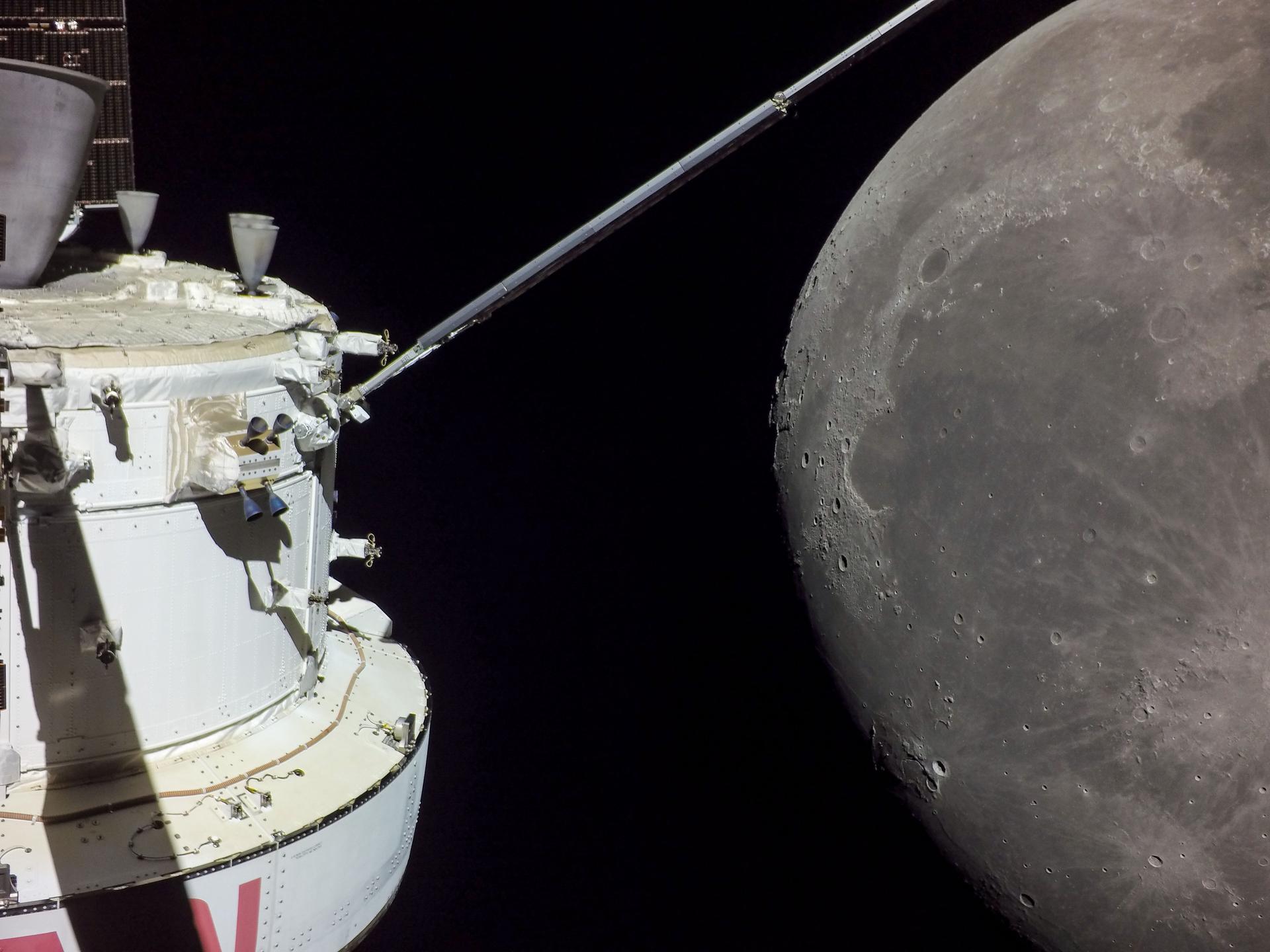
During Artemis I, the SLS (Space Launch System), roared into the night sky and sent the Orion spacecraft on a 1.4-million-mile journey beyond the Moon and back.
NASA, in coordination with the U.S. Department of State and seven other initial signatory nations, established the Artemis Accords in 2020.
Lunar Exploration
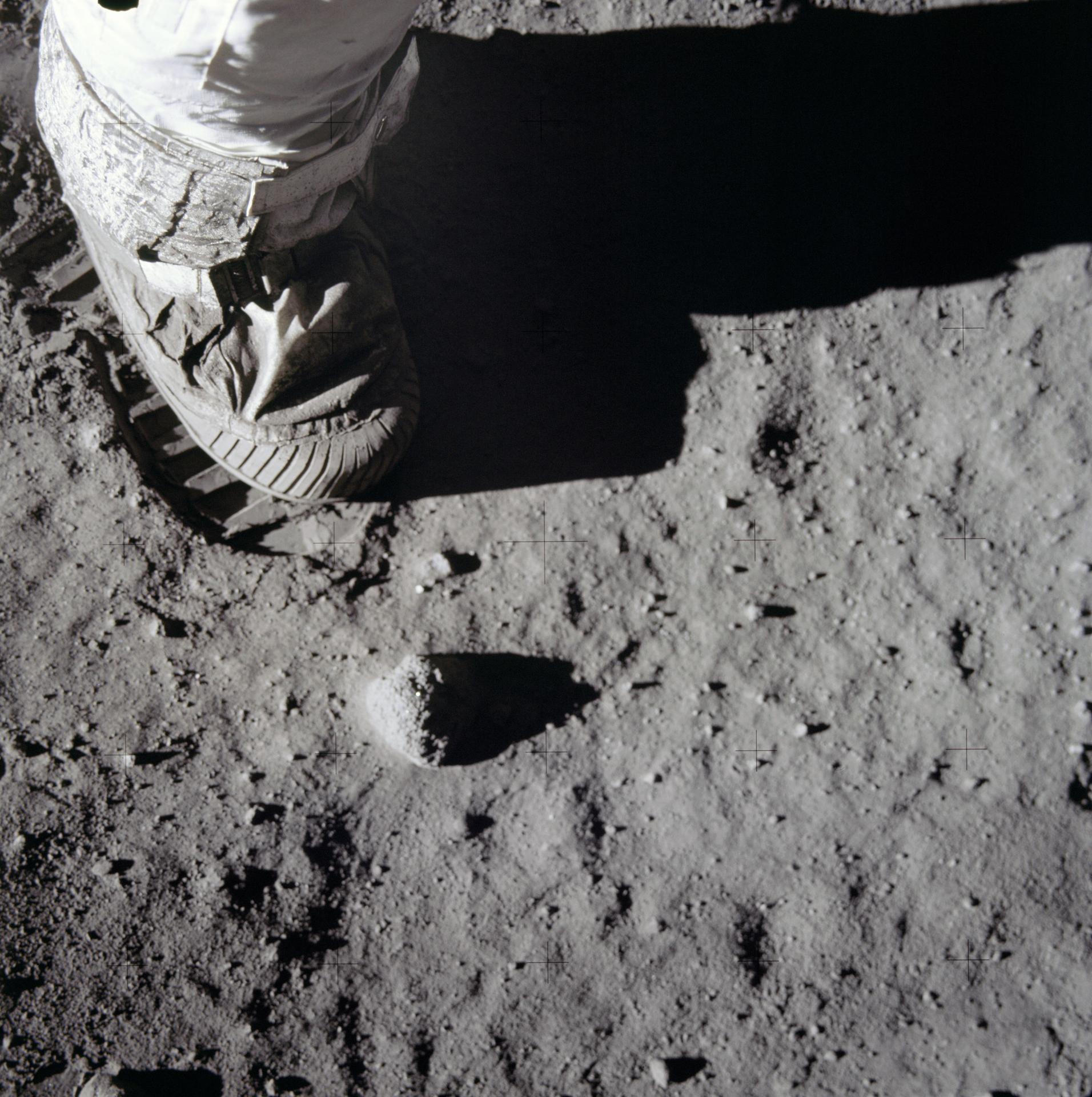
The Moon is a 4.5-billion-year-old time capsule.
We’re going back to the Moon for scientific discovery, economic benefits, and inspiration for a new generation of explorers. While maintaining American leadership in exploration, we will build a global alliance and explore deep space for the benefit of all.
Missions
Artemis I
Launched in 2022, Artemis I was the first in a series of increasingly complex missions that will enable human exploration at the Moon and future missions to Mars.
Artemis II
The first crewed Artemis flight marks a key step toward long‑term return to the Moon and future missions to Mars.
Artemis III
Scheduled for 2027, this new demonstration mission in low Earth orbit will test one or both commercial landers from SpaceX and Blue Origin, respectively.
Artemis IV
NASA continues to target early 2028 for the first Artemis lunar landing, a date that has remained unchanged since mid‑2025. After reaching lunar orbit, the crew will transfer from Orion to a commercial lunar lander for their descent to the Moon’s surface.
Artemis V
Using the standard SLS (Space Launch System) rocket configuration, NASA expects to launch this lunar surface mission by late 2028, with subsequent missions planned roughly once per year.
Media Resources
Artemis II Press Kit
Artemis II Reference Guide
Artemis II Resources for Media
Carrying Humanity to the Moon
Orion is developed to be capable of sending astronauts to the Moon and is a crucial step toward eventually sending crews on to Mars.
The Orion spacecraft will serve as the exploration vehicle that will carry and sustain the crew on Artemis missions to the Moon and return them safely to Earth. Orion will launch on NASA’s new heavy-lift rocket, the SLS (Space Launch System).
Learning Resources
Join Artemis
Find your place in space.
Make, launch, compete and learn. Find your favorite way to be part of the Artemis mission.
Start Exploring about Join ArtemisKeep Exploring