
If dead internet theory posits that the internet will eventually become only bots, alive internet theory proclaims we will never let the open internet die.
It’s controversial to have hope for the internet these days. Dead internet theory, stating that the internet is being overtaken and, eventually, will only be inhabited by bots, is entering mainstream discourse as AI social accounts multiply and compete for what flavor of slop comes after Italian brainrot. People are arguing with fake people, and creators have to clarify that they didn’t use AI to make the work they share. Culture commenters are writing about the death of the open internet as people retreat from this phenomenon into dark forests, private spaces like group chats that aren’t discoverable from the web.
In the midst of all this uncertainty, many blame AI companies for unleashing the beast. But in the end, those abusing this technology for botting are just playing the game set by the owners of the modern-day internet. Instagram, Reddit, and other major social platforms are built to prioritize audience capture and engagement, not community wellness. The AI is just doing what computers do best—optimizing for a given constraint, and the platforms sell more ads off their virtual backs.
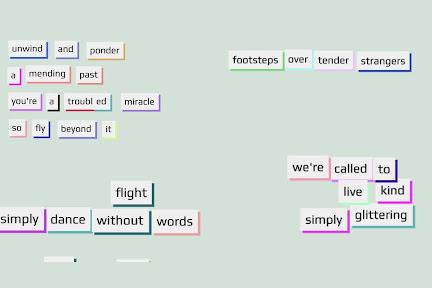
With all this happening, it’s easy to forget there’s still so much life thriving on the open Internet. From rural forums, towns, and fridge walls to community-run encyclopedias and maps, pockets of humanity continue to flourish despite (& perhaps now, in part, in spite) of these existential fears. Messages tossed into the void come back as real friends, collaborators, partners. Strangers meet up spontaneously after shared struggle. Earnestness shines through even in “content” manufactured for spread.
To believe in each other, we must believe in the open Internet.
If dead internet theory posits that the internet will eventually become only bots, alive internet theory proclaims we will never let the open internet die. We will always find a way to look for each other, to answer a call for help, to share a laugh and an argument right after one another. If there’s one trait of the human race that every apocalypse movie agrees on, it’s our will to survive.
But survival doesn’t have to be where we stop. What might happen if we tried to thrive? How can we make the open internet more resilient, vibrant, and collaborative than ever?
When the Internet was first introduced, it felt like a magical place you could visit from the comfort of your home. There was a ritual to enter: checking all the connections, dialing into your service provider, and deciding what website you would start from.
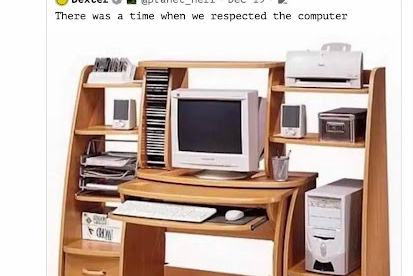
The Internet is still a place, but it’s been overdeveloped and undergoverned. Like cities that have prioritized cars over people, visiting the internet now entails controlled apps and search engines, designed for extraction. There’s nowhere to rest because the benches are covered in spikes. All we can do is sink into the feed and run along the scrollbar until our eyes bleed.
Something went wrong and your signup wasn't completed. Please try again later.
So what would it take to reclaim the Internet as our space?
Maybe it starts with having places where we can go to just hang out?
Not to status signal, scheme a job, or consume content.
Just a place where we can sit for a while, watch the virtual scenery change, and see cursors flutter by.
There is a virtual place where this has existed for a long time. As a kid, I loved spending time hanging out in video games like Runescape, just watching the pixelated environment and other players pass on the way to new adventures. We already have so much richness available in the existing environment of the internet. Why can’t we claim it as our public space?
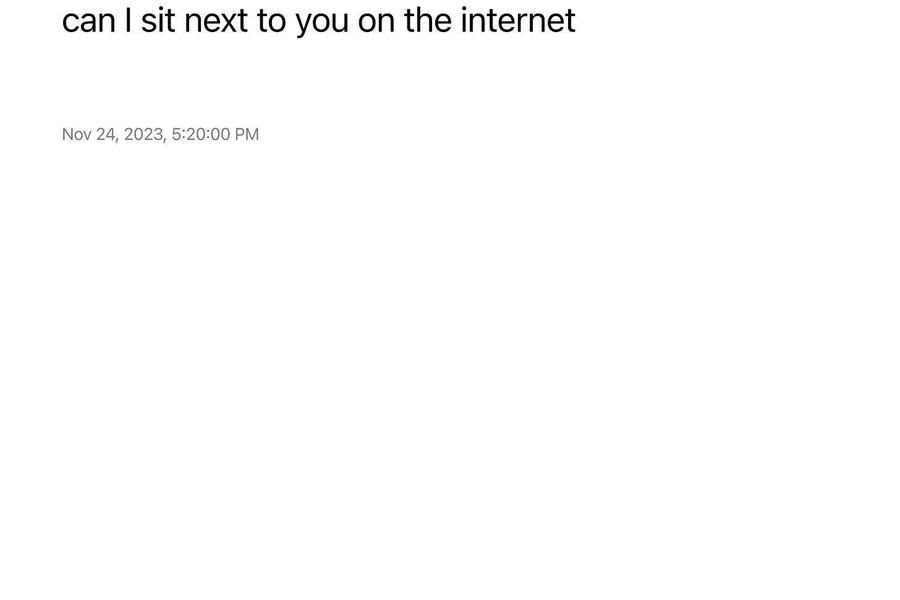
Where can we sit together on the internet? Where do we go for a stroll? Where do we find the digital equivalent of the remote hot spring up in the mountains, or that hidden hike to the waterfall? How do we discover a new neighborhood, shelter under a bodega awning during a summer shower, sit quietly at a cafe and work among the chatter of strangers?
We are all so online, yet being online feels so solitary. I can’t feel the people across the feeds from me. Social media is designed for consumption of content, distribution of branding, broadcasting of prestige, not spontaneous encounters or the warm, funny, and weird moments that happen when humans simply exist together.
But what if we had the tools to reshape it? We could make our own public parks, cafes, bodegas, waterfalls, and mountains. We could carve out spaces that we inhabit and maintain, becoming active stewards rather than just users.
That’s the intent behind playhtml, an open-source tool for turning websites into living, shared spaces. From sharing a single sheet of graph paper to coloring every minute of the day, it’s been exciting to see and create new ways of sharing space with others online in expressive experiences that break the mold of traditional feed-based social media. In our class “Building Benches for the Web,” 40+ students built their own tiny social websites, from a message board for worms and composting messages to a cyber hospital to commiserate with others when you’re sick and so many more.
playhtml just had its three-year anniversary, and now, it’s bridging these interactions across websites to form a kind of social media that lives on the open web. we were online is a browser extension that turns everyday browsing into a space for spontaneous encounters with others and reveals the life unfolding on the internet all the time. From commuting to websites as you browse to sharing found browsing materials with your favorite websites, it starts to break our notions of a solitary browsing experience to make the entire internet feel more like a public space that we inhabit.
I dream of a future of millions of tiny internet spaces, each personal, expressive, and full of life, rather than the handful of large platforms we rely on today. Will you join me in creating it?
Spencer Chang
Spencer Chang is an artist and toymaker who makes software you can touch. Working across internet spaces, interactive sculpture, and creative infrastructure, he activates the care, creativity, and intimacy in our everyday interactions with and through technology. These works leverage subversive play to interrogate our systems, invite different imaginations, and provide the means to reinvent them. He is interested in how we inspire new forms of technology and how these inspire us to discover new versions of ourselves. Spencer is the creator of playhtml, an open-source platform for creating communal websites, and Computing Shrines, a public art installation in Golden Gate Park. Spencer's work has created commissions for Hyundai Artlab, Alserkal Avenue, the Internet Archive, and Wikipedia and been supported by the San Francisco Arts Commission and Rhizome. A NEW INC Y11 member, their projects have been featured in MIT Tech Review, The Cut, It's Nice That, and Frieze.