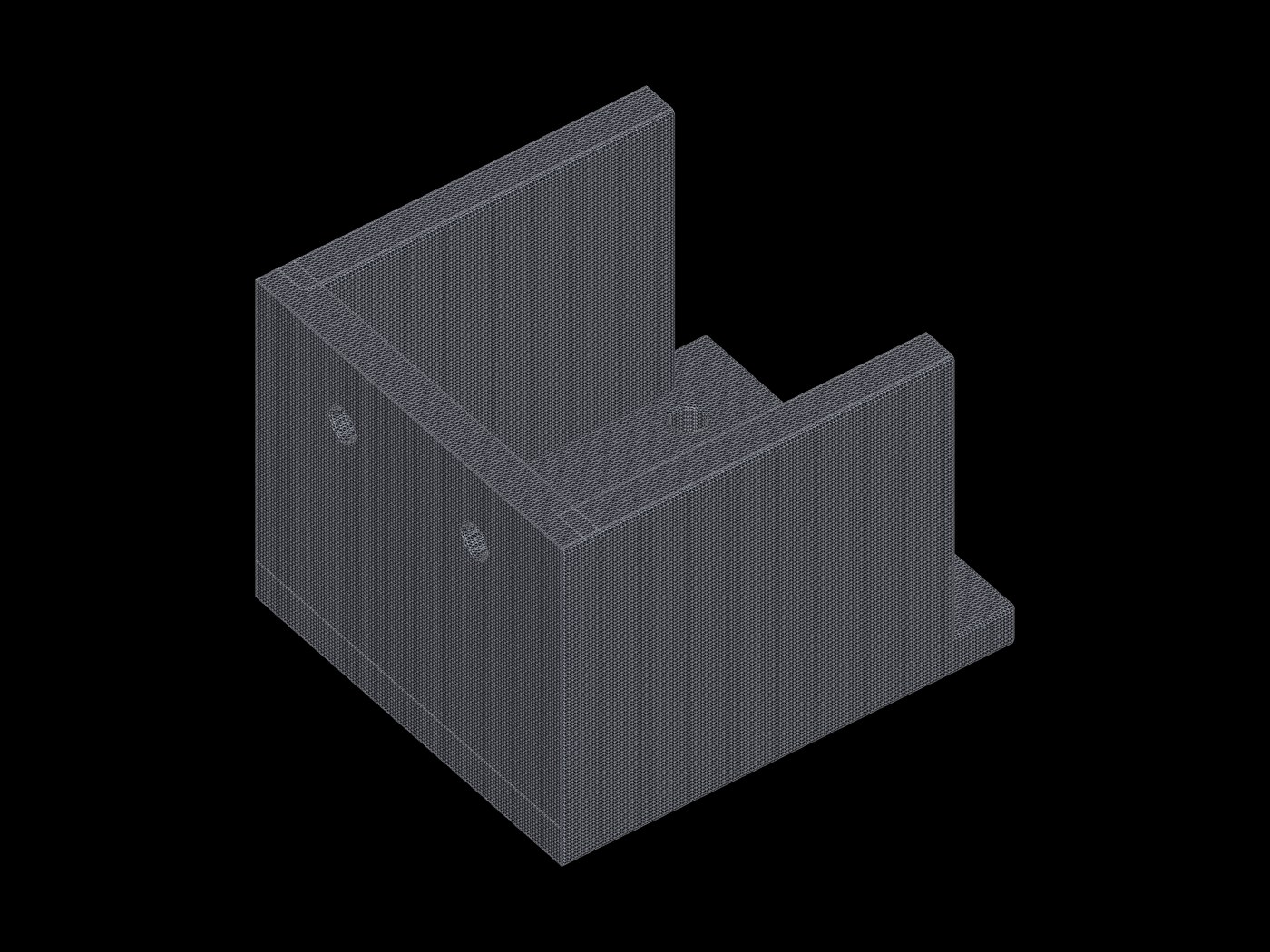
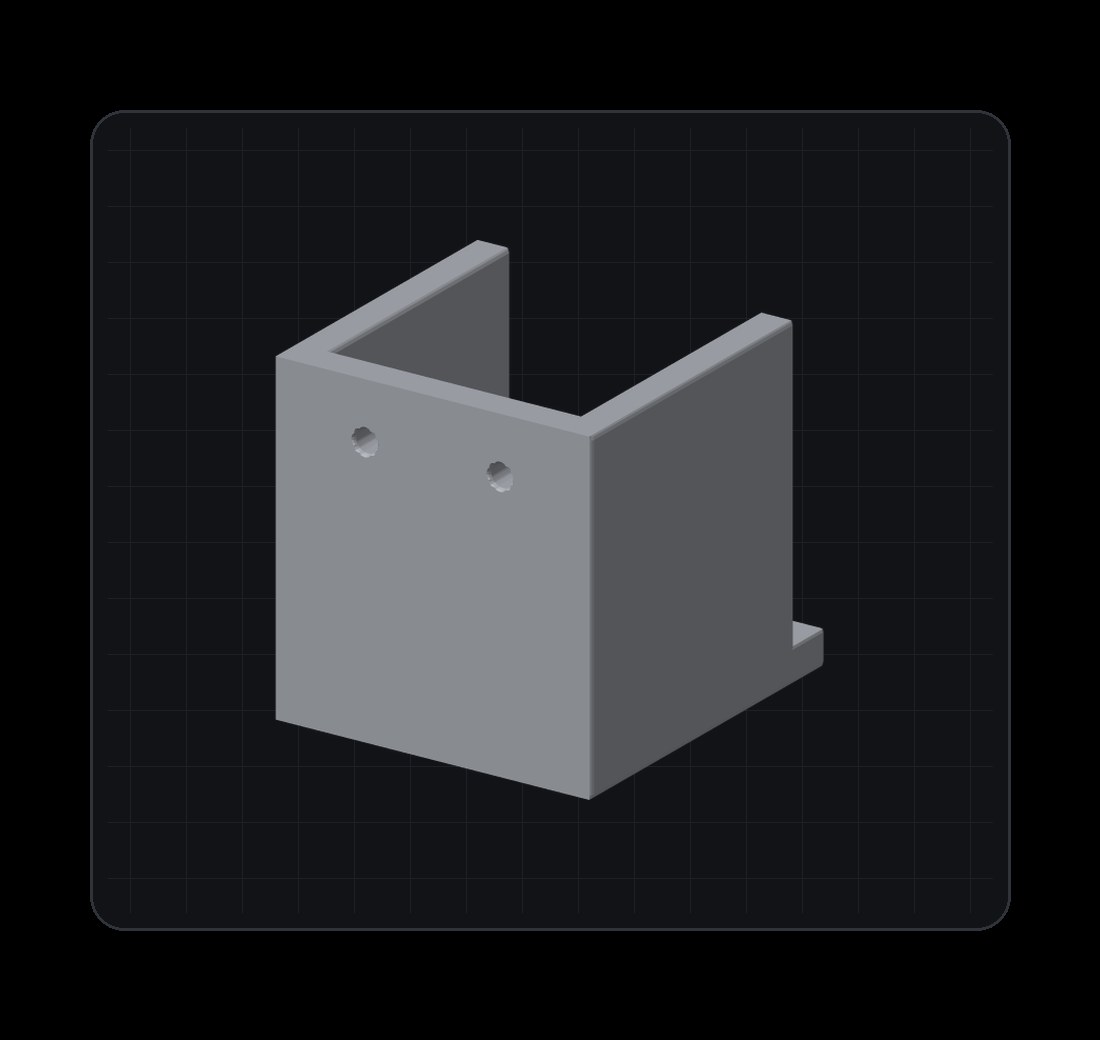
Requirements,designand simulationat AI speed.
Define the engineering requirements. Meltred builds the computational model, designs the part and simulates it.
Working load9.8 kN
Stroke30 mm
Outer diameter≤ 100 mm
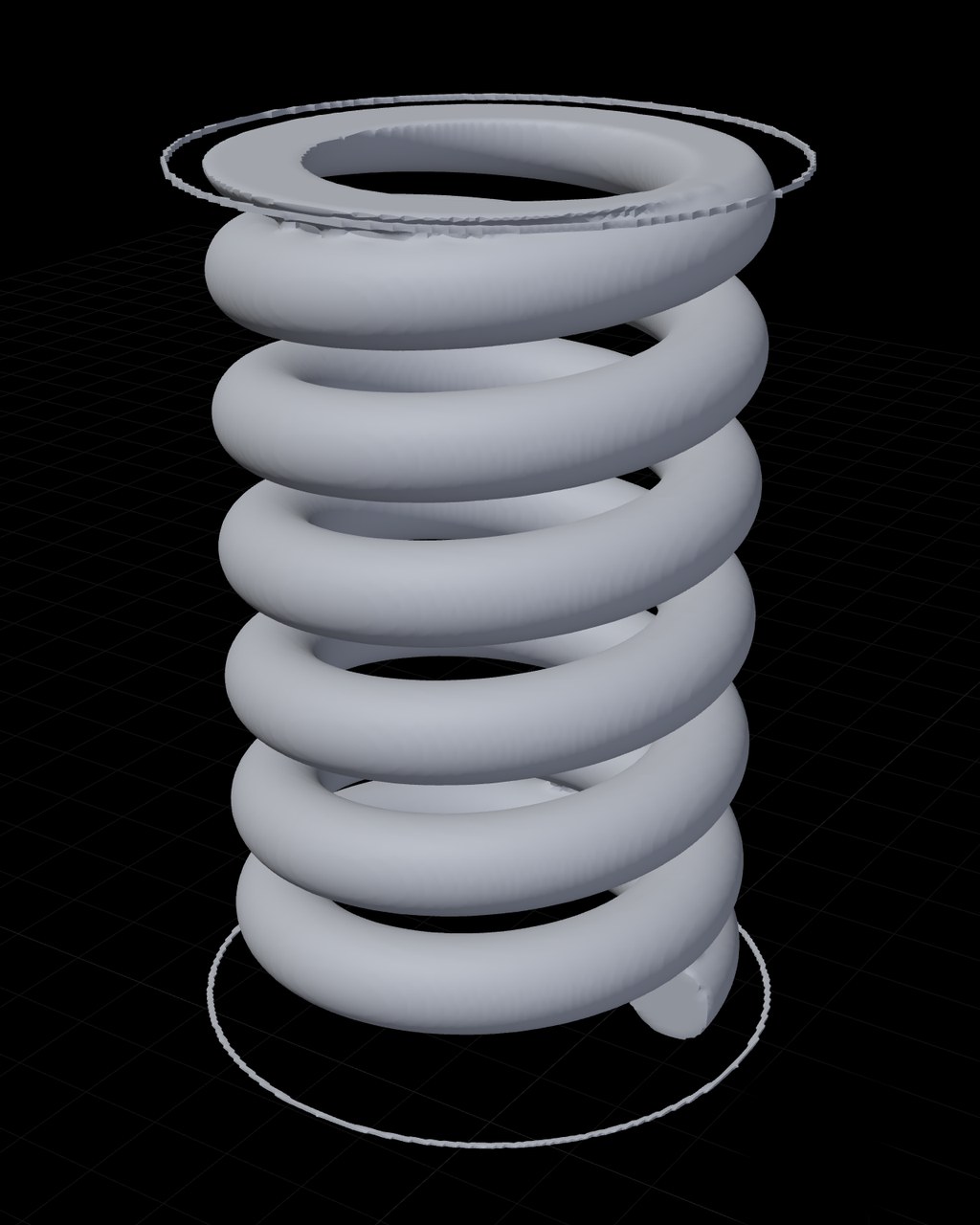
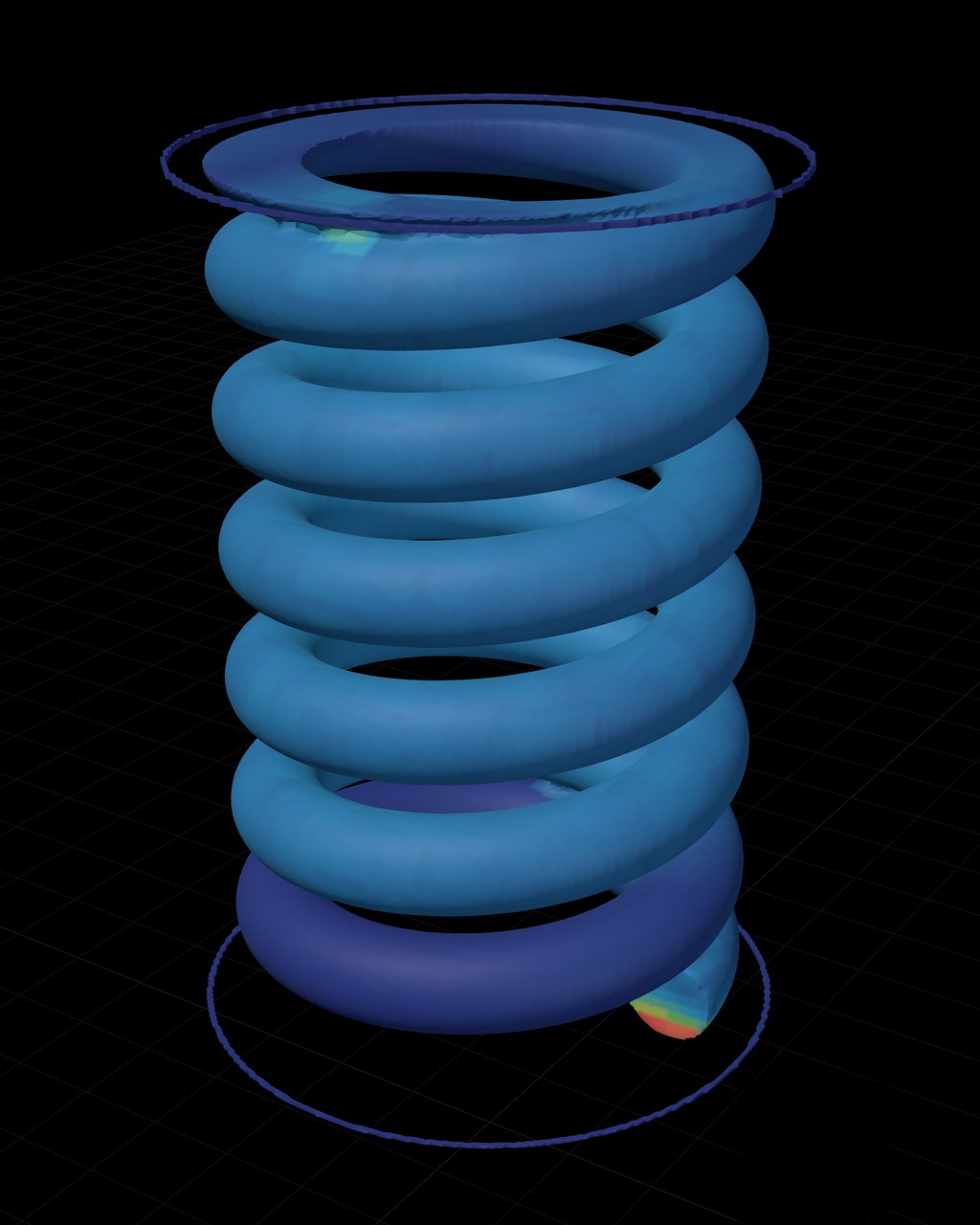
Requirements
From requirements to a verified design.
Computational engineering models turn requirements into geometry, then test it in simulation.
Requirements
400 Wheat load
≥ 300 Hzfirst mode
50 m/scruise speed
One model. The whole design space.
Change a requirement. The model regenerates the geometry, sizes it and checks every limit.
30 mm28.9 gall limits met
40 mm37.9 gall limits met
55 mm54.6 gall limits met
70 mm66.0 gfirst mode below limit
Stand-off heightMassStatus
Minutesper variant
No redrawgeometry comes from the model
Every limitchecked on every variant
Multiphysics verification on every build.
Supports, loads and mesh come from the model. No manual setup.
StructuralModalBucklingFatigueThermalTransient thermalCFDTransient CFD
Verified against analytical solutions.
Each solver is benchmarked before it runs on a customer part.
0.02%column buckling
0.09%fin heat transfer
0.3%beam deflection
0.4%beam natural frequency
Review-ready documentation.
Every result, check and field plot in one report.
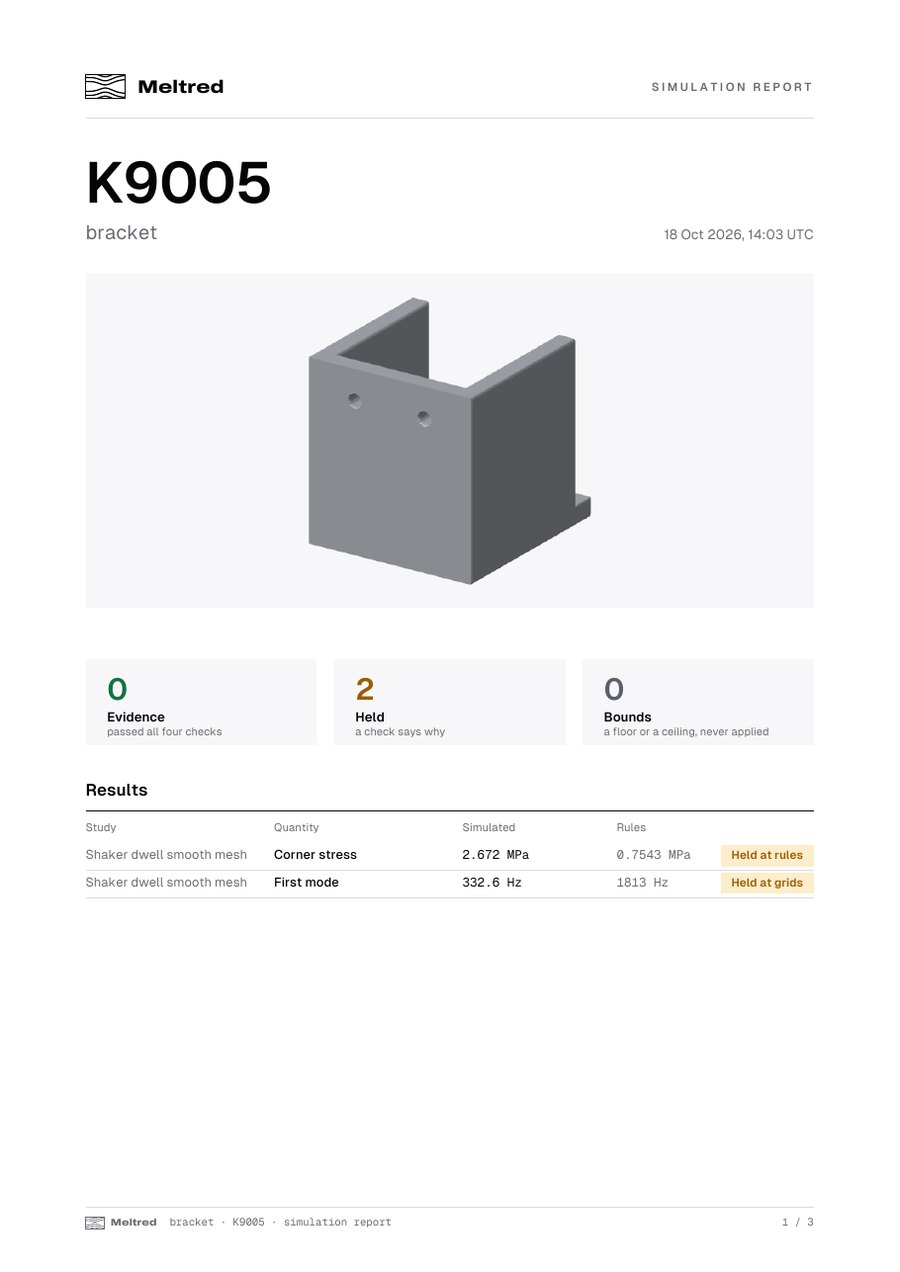
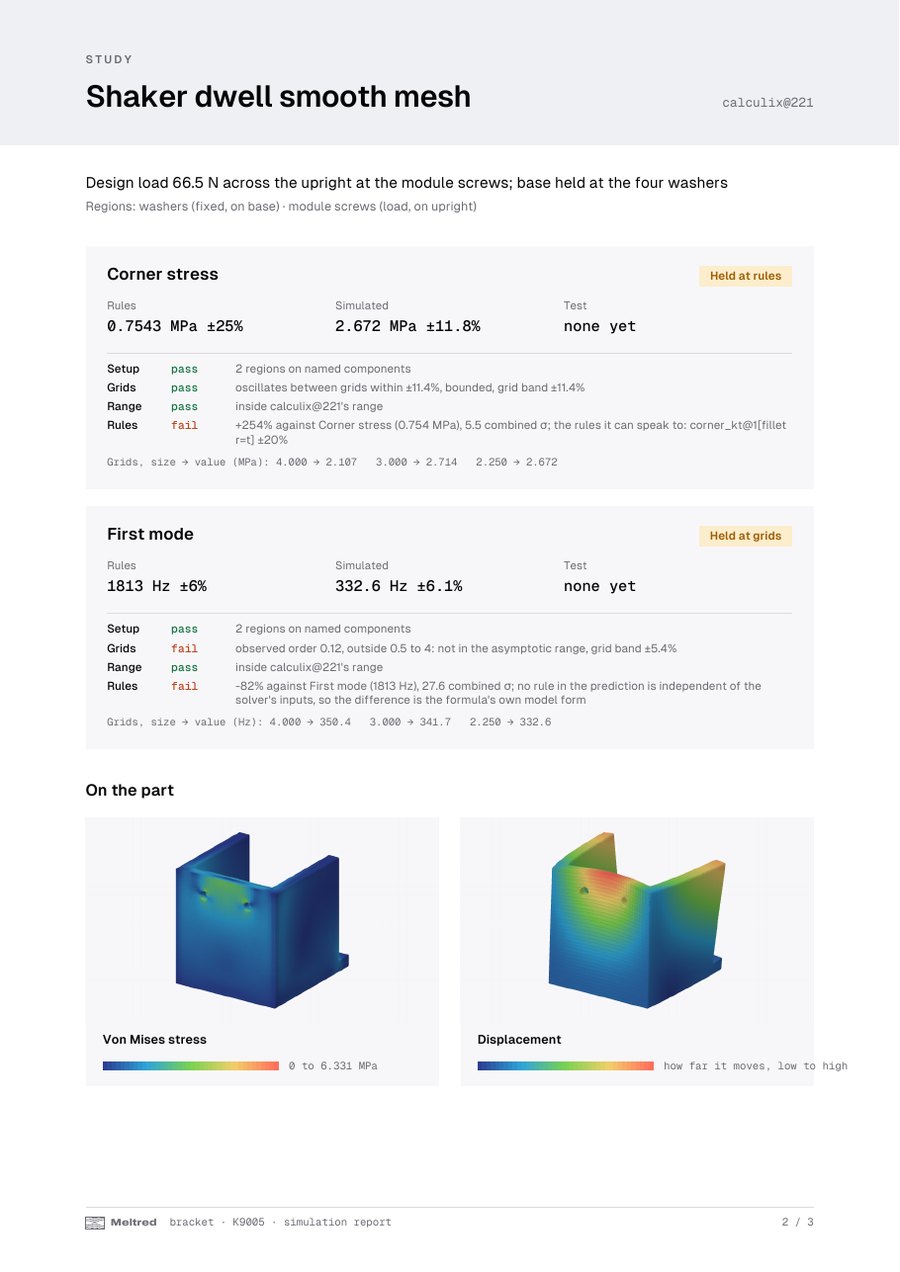
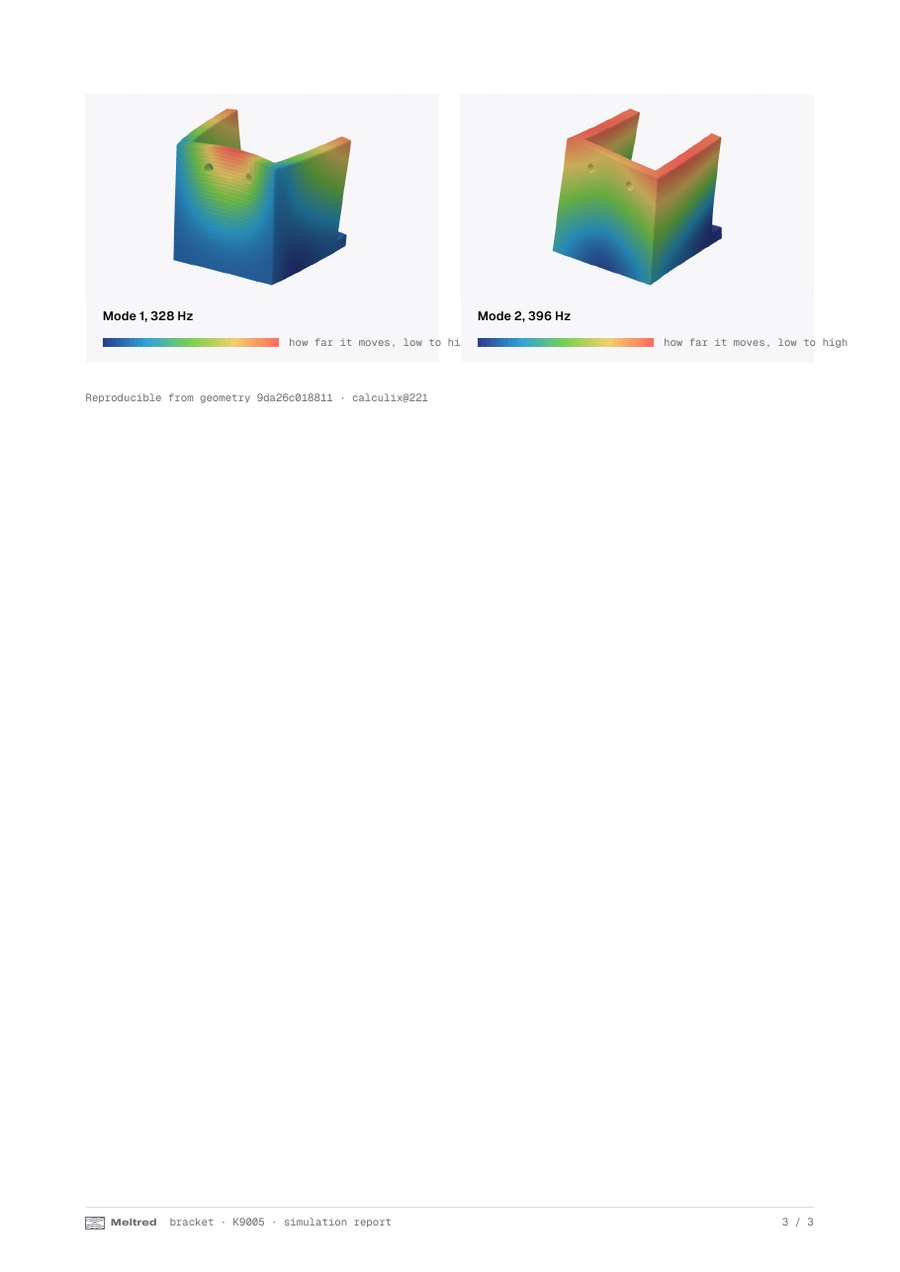
Manufacturing-ready output.
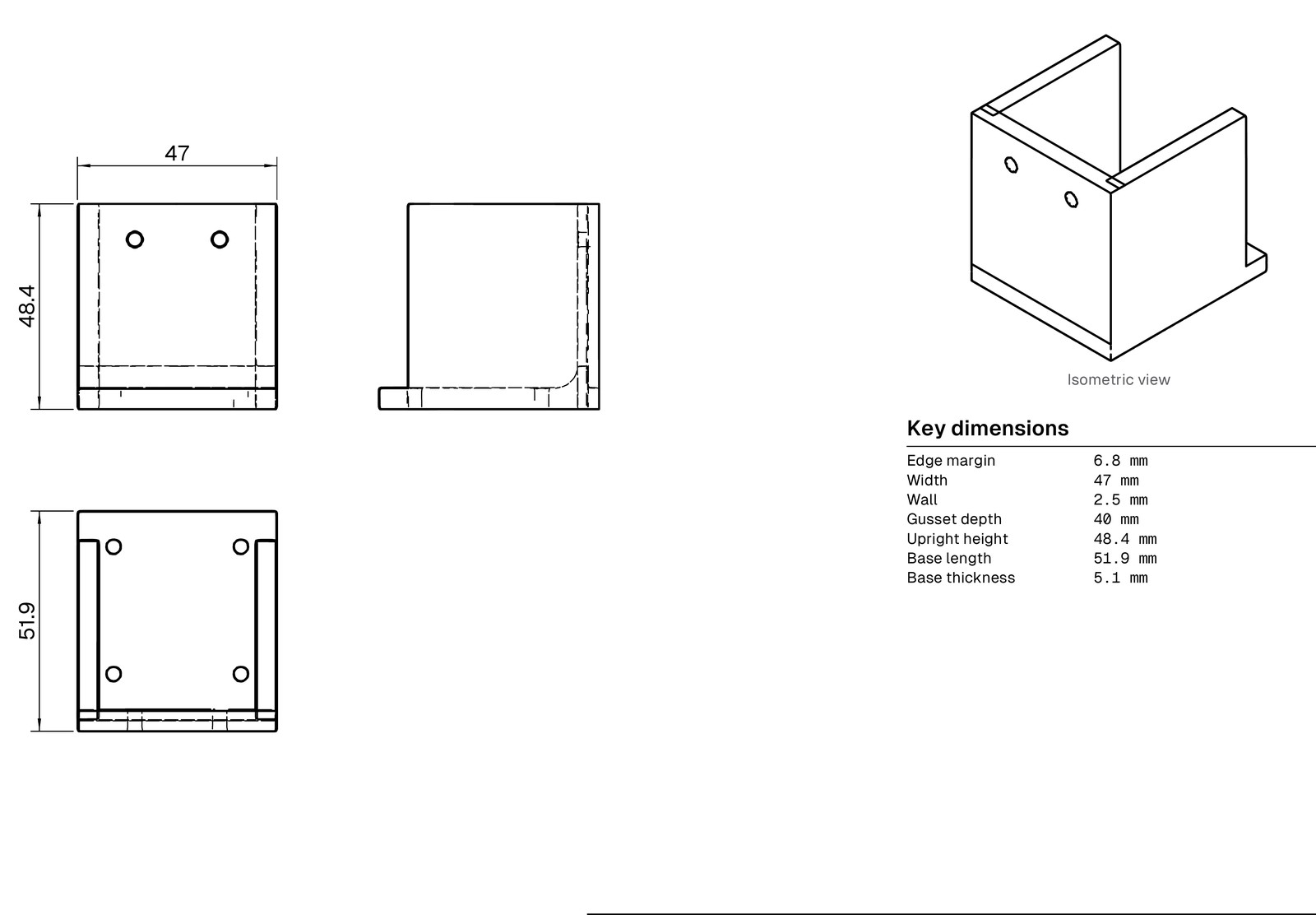
Every design exports as a print mesh, a print job and an engineering drawing.