Sexually transmitted diarrhea? What to know about the infection that's becoming increasingly treatment resistant
A sexually transmitted infection is on the rise in the United States and the United Kingdom, particularly among the LGBTQ+ population – and it's become increasingly resistant to treatment, according to a Centers for Disease Control and Prevention report.
Shigellosis, an infection caused by the Shigella bacterium, can cause severe diarrhea among other symptoms; it can be spread through contaminated water or feces – and can lead to dysentery.
Related video above: Why are infection rates for some STDs at an all-time high?
In recent years, it has increasingly spread through sexual contact, particularly among men who have sex with men, according to reports.
The CDC's report noted that Shigella is becoming increasingly drug-resistant. While the infection can clear up on its own, antibiotics are prescribed in severe cases.
"Most infections resolve without requiring treatment with antimicrobial agents; however, antibiotics are indicated for severe illness or to reduce transmission in high-risk settings," the CDC wrote in the April report.
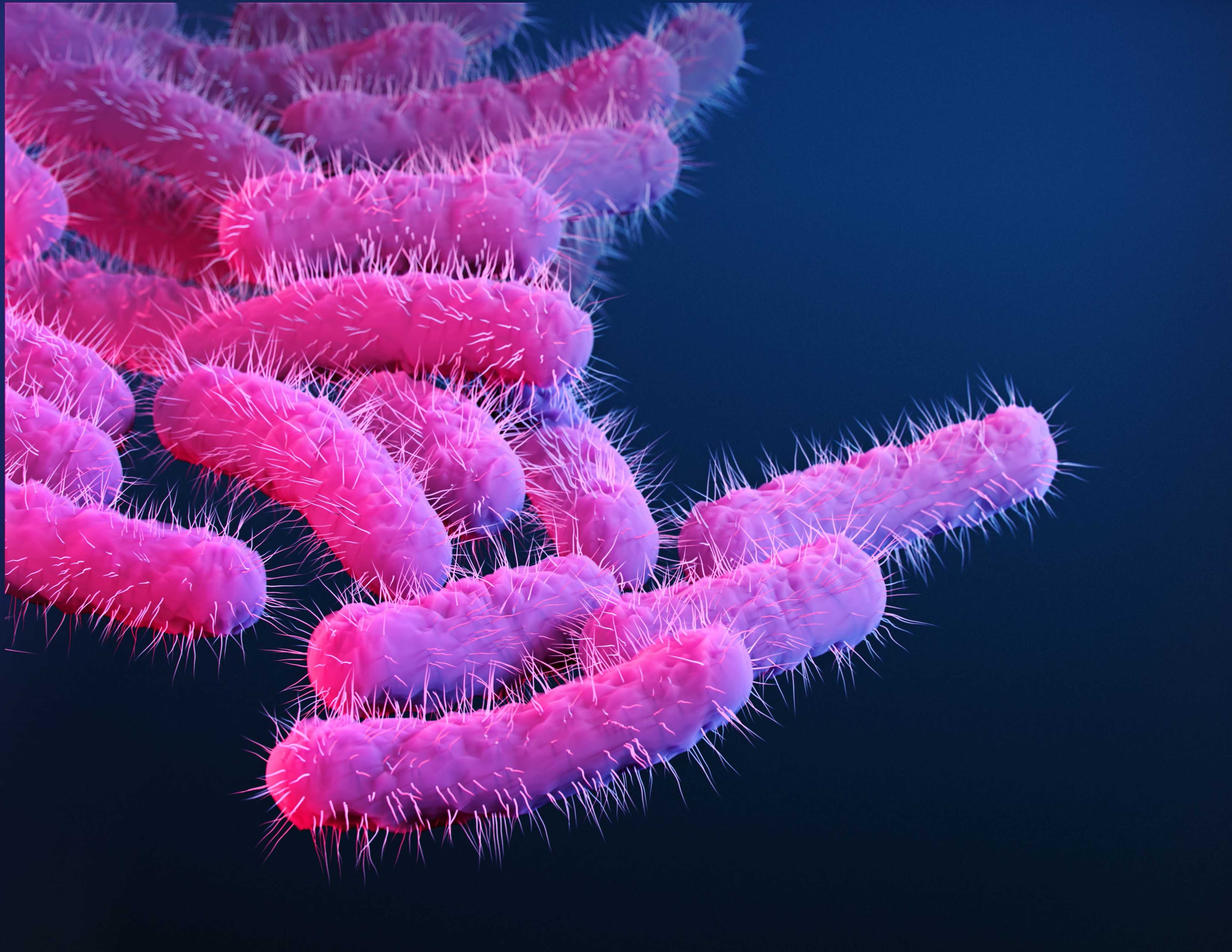
Smith Collection/Gado/Getty Images
A medical illustration depicts drug-resistant Shigella.
In 2011, drug resistance was found in 0% of lab samples, which the CDC called isolates; by 2023, drug resistance was found in 8.3% of submitted lab samples, according to the CDC report. The CDC referred to the drug-resistant isolates as XDR cases.
"Earlier U.S. outbreaks involved drug-susceptible strains and primarily affected children; national surveillance data indicate that most XDR cases occurred among adult men," the CDC report wrote.
The Center for Infectious Disease Research and Policy spoke with an epidemiologist who was one of the authors of the CDC report.
"Together, it's a very concerning pattern of XDR Shigella strains that are being seen among vulnerable populations," Dr. Naeemah Logan told CIDRAP News.
Meanwhile, another study from the University of Cambridge published in July also shows the infection becoming increasingly drug-resistant in the United Kingdom.
There were more than 2,500 cases in the UK that were potentially acquired during sexual contact last year, the University of Cambridge study noted, citing the UK Health Security Agency.
"The study used techniques deployed during the pandemic to track COVID-19 variants through DNA sequencing, only this time for bacteria instead of a virus," according to the Cambridge study. "It shows sexually transmitted Shigella spreads much faster and is growing drug-resistant much quicker than non-sexually transmitted infection (STI) strains."
In the cases evaluated in that study, about 70% of sexually transmissible Shigella strains were resistant to at least one relevant antibiotic.
What is shigellosis?
Shigellosis, which is an infection with the shigella bacteria, can cause diarrhea and other digestive symptoms, including vomiting, fever and stomach pain, according to the Cleveland Clinic.
It can be spread through contaminated bodies of water, contaminated food or direct contact with feces, which can happen while changing diapers or during sex.
Men who have sex with men are among those who are at higher risk of getting the infection, according to the Cleveland Clinic. Children under the age of 5 in daycare settings and those experiencing homelessness are also more susceptible to being infected.