
System-wide dark mode is an awesome Android feature, but it’s not perfect. One of the big limitations is automation—your options are a rigid schedule or sunrise/sunset. With a simple app, you can make dark mode (and light mode) switch with the lighting around you.
The app is called “Adaptive Theme: Auto Dark Mode,” and while it’s not as simple as toggling a switch, you can set it up in less than two minutes. All you need is a USB cable and a secondary device with the Chrome browser (it can even be another Android phone). Let’s get started.
Automatically switch Android’s dark mode using your light sensor
It’s easier than you might think
Begin by downloading “Adaptive Theme: Auto Dark Mode” from the Play Store on your Android device. Open the app and tap “Start Setup.” The first thing you need to do is enable Developer Options if you haven’t already—tap “Open Settings” to do so. Once that’s done, you’ll need to enable “USB Debugging” in the Developer Options.
Next, you need a second device with a Chromium-based browser. This can be a PC or another Android device, and Chrome or Microsoft Edge will work. Connect the devices with a USB cable and tap “Continue” in the app. You’ll be instructed to go to lexip.dev/setup on the secondary device.
Once you’re on the setup page in the browser on your secondary device, select “Start Setup.” A pop-up menu with available devices will appear—choose your phone and “Connect.” You’ll be asked to “Allow USB debugging” on your primary device. Then, back in the browser, select “Grant Permission,” and you’re all ready to go.
Customizing the lighting threshold
Decide the brightness levels for dark and light mode
After the setup process is done, you’ll be kicked back to the main screen in the Adaptive Theme app. Toggle it on if it’s not already. Now, it’s time to decide how the themes will switch with the “Brightness Threshold” slider. A higher threshold means dark mode will be enabled in most conditions, whereas lowering the threshold makes it easier for light mode to be enabled.
The “Current Brightness” scale shows the real-time ambient brightness—use this to figure out when you might want light mode to kick in. Simply find somewhere with ambient lighting that’s bright enough for when you want light mode, then match the slider to that Lux number. Tap the three-dot menu in the top right to enter “Custom threshold.”
One thing to keep in mind is the second sentence on the app’s main screen:
Changes only occur immediately after the screen is turned on, provided the sensor is not covered.
This means you won’t see the theme change instantly while using your phone. The app takes a reading from the light sensor when you wake the screen, and then the theme is adjusted accordingly. However, the theme doesn’t change if the light sensor is covered.
That’s it! You just have to decide if you want a primarily dark or light experience. Personally, I prefer light mode unless it’s almost completely pitch dark. So, my threshold is set to 30 lx. However, if you prefer dark mode except under direct sunlight, you’d want a threshold more like 1,000 lx. Now you have the power to choose how it works!
-
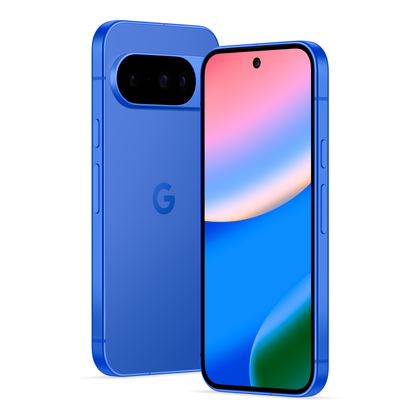
Google Pixel 10
$599 $799 Save $200
- Brand
- SoC
- Google Tensor G5
- Display
- 6.3-inch Actua OLED, 20:9
- RAM
- 12 GB RAM
- Storage
- 128 GB / 256 GB
Looking to upgrade to a Pixel but not sure if you need all the bells and whistles of the more expensive models? You won't be disappointed with the standard Pixel 10 model. Coming in striking colors, Gemini features, and seven years of updates, you can't go wrong with this purchase.
-
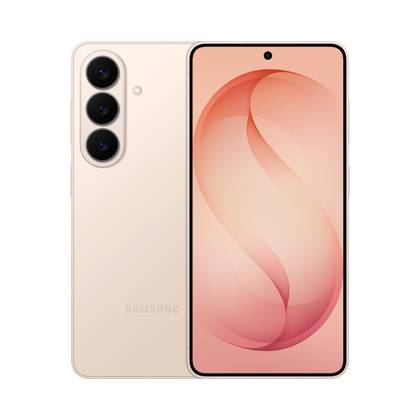
Samsung Galaxy S26
- SoC
- Snapdragon 8 Elite Gen 5
- Display
- 6.3-inch Dynamic AMOLED 2x
- RAM
- 12 GB
- Storage
- 256 or 512 GB
- Battery
- 4,300 mAh
- Operating System
- Android