
Linux is one of the most prolific operating systems in the world—except when it comes to desktop PCs. Yet lovers of Linux hold on to the idea that one of these years, Linux will reach the tipping point and become the most popular desktop operating system—the year of the Linux desktop.
While this could absolutely happen, the way that Linux as a whole has been developing over the years isn't always conducive to making the world's Windows and macOS users convert en masse. Linux is always winning a new battle, but are they the right ones?
The Myth of the “Year of the Linux Desktop”
The idea of "The year of the Linux desktop" is less a prediction of something, and more like a prophecy. Like a belief that a messiah will one day come and whisk us all away to Linux heaven.
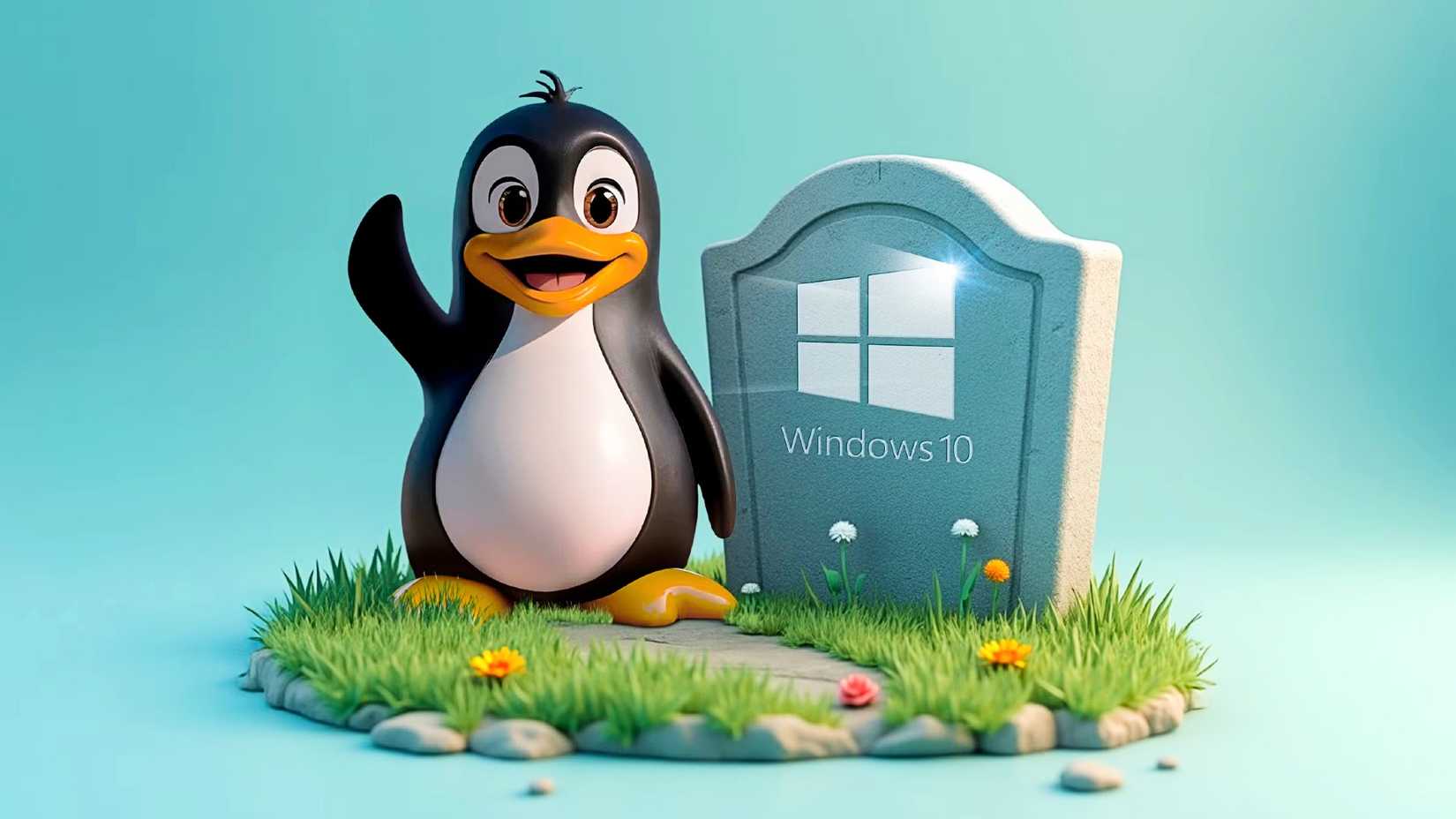
Every time a new computer that ships with Linux makes waves, or there's a promising new user-friendly distro, you'll hear that this is the year Linux makes its mark on the desktop market.
Where Linux Actually Wins
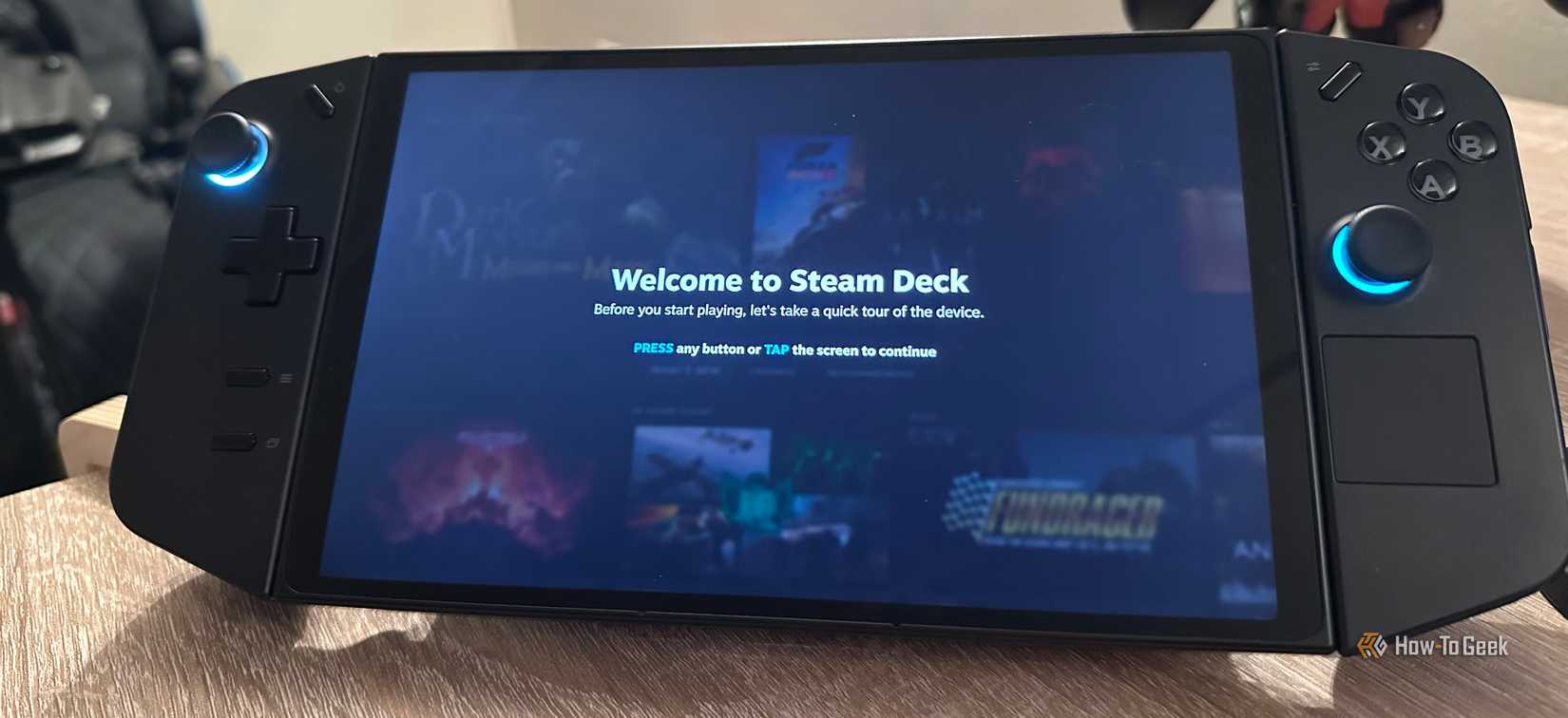
If you look closely, Linux is making gains—just not the ones that get splashy headlines. Gaming support has improved dramatically thanks to initiatives like Proton and Steam Deck’s Linux-friendly ecosystem. Hardware compatibility has gotten better, with manufacturers finally shipping devices that don’t require endless driver hacks. Polished distros like Pop!_OS, Fedora, and Ubuntu have made Linux more approachable for newcomers.
The problem is that these are "wins" because they bring Linux closer to Windows or macOS. In some cases, it's literally about making Windows software work on Linux, which is impressive and arguably necessary, but that's a rather pyrrhic victory, don't you think?
We get desktop environments more like Windows, and Linux laptops are just laptops that usually ship with Windows. Nothing bespoke the way that Apple does it, for example. In short, Linux is "winning' by chasing other operating systems rather than leading.
The Wrong Battles
Meanwhile, the Linux community spends enormous energy on debates that rarely affect mainstream adoption. Consider the “init wars,” where systemd sparked endless flame wars (and memes) about the proper way to boot a Linux system.
Desktop Environment rivalries—KDE versus GNOME versus XFCE—consume attention and fragment effort. Packaging formats and distribution philosophies generate near-religious arguments.
None of this matters to the regular folks who could actually make the "year of desktop Linux" happen. They don't care about Snap or Flatpack, they care that their favorite apps will work, that updates won't break anything (which Windows does all the time), and that they don't have to learn a list of text commands to make basic changes to their computers.
Focusing on these technical minutia isn't gaining Linux any ground in this particular war for desktop dominance.
The Battles That Matter
Real desktop adoption comes down to four areas: usability, applications, hardware partnerships, and user experience.
People want an operating system that feels coherent, and that simply runs the software they need without any friction. This isn't just a Linux problem, of course. Look at how quickly Windows for Arm crashed and burned when people realized that their favorite Windows apps wouldn't run, or would run very poorly. Contrast that with Apple's Rosetta 2, where not a single macOS user needed to know what it is, how it works, or do anything special. Their old Intel macOS apps almost always just worked. Usually better than before.
Basically, Linux (and maybe even Windows, at this point) has a distinct leadership problem, and no unified direction of development. I understand that the open-source, community-based nature of Linux makes this difficult, but we've seen it happen to some extent.
Companies like Valve have demonstrated that strategic vision and thoughtful integration can make Linux viable for large audiences. The Steam Deck proves that Linux can deliver a polished, cohesive experience—when someone decides to focus on the battles that actually matter.
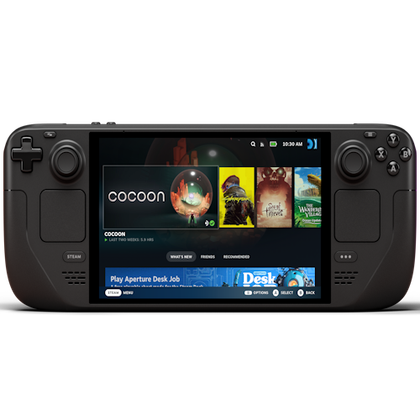
Steam Deck OLED
- Power Source
- 50Whr battery
- What's Included
- Console, charger, carrying case
What It Would Take to Truly Win
For Linux to really win that coveted spot as most popular desktop OS, it needs more than just software that does the job. It would require coordination with hardware and software vendors, and some sort of coherent leadership.
Until then, Linux will continue to excel in servers, embedded devices, and niche gaming rigs, all while the desktop remains a fragmented playground of technical victories that don't really have any true impact on whether people will switch from the operating systems they're already using.