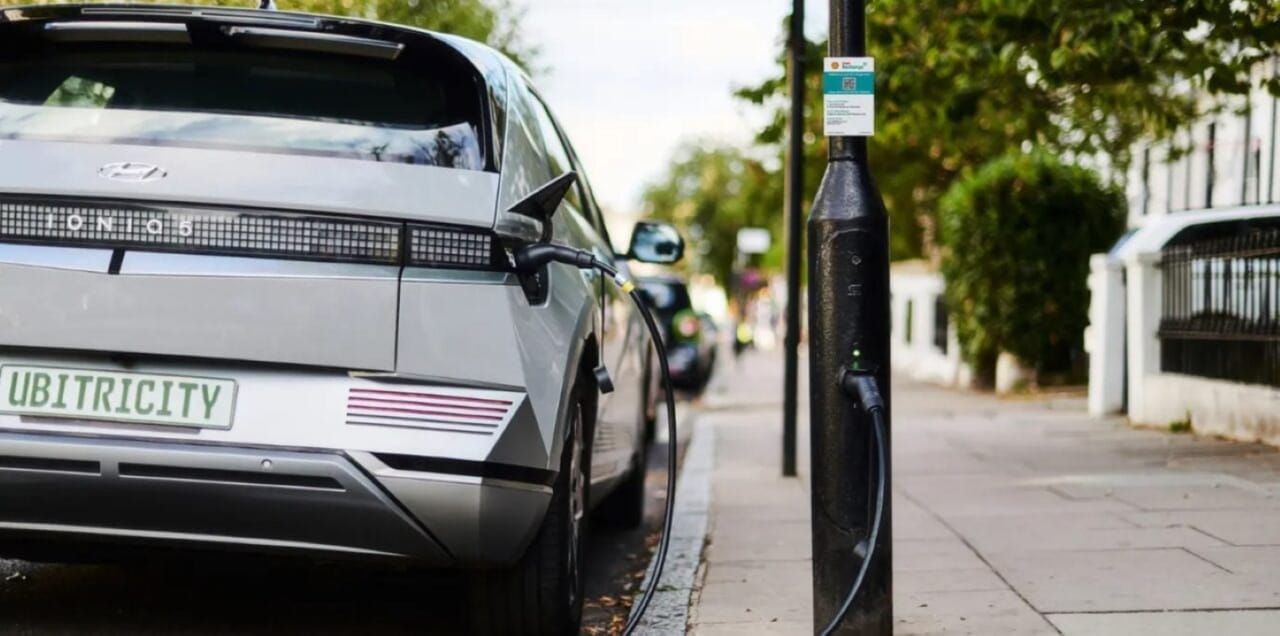
MG reclaimed its position as the most popular new electric car brand on Autotrader in April.Image: UKPN.
New electric vehicles (EVs) are now cheaper to buy than petrol cars on average for the first time in the UK, according to data from Autotrade.
The average new electric car listed on the UK's largest automotive marketplace is priced at £42,620 (US$57,659) after discounts, compared with £43,405 for a new petrol model, resulting in a £785 difference in favour of electric.
The shift has been driven by government grant support and sustained manufacturer discounting as carmakers work to meet Zero Emission Vehicle (ZEV) mandate targets.
Average discounts on new electric vehicles eased slightly to 11.7% in April, following a record high of 12.8% in March, but remain well above typical levels. Across the wider new car market, discounts averaged 10% in April, up from 8.7% a year earlier, reflecting continued pricing competition among manufacturers.
Bex Kennett, performance director at Autotrader, said the electric car market is becoming increasingly competitive, and that support from the government's Electric Car Grant, alongside historically high levels of discounting earlier this year, has brought EV prices to a point where they now undercut petrol cars on average.
Related:New developments from Pod, EDF, and Octopus Energy encourage UK EV adoption
She added that broader geopolitical uncertainty, including the situation in Iran, has pushed fuel costs and energy security back to the front of buyers' minds, driving a noticeable uptick in interest in both new and used electric cars on the marketplace.
Consumer interest in new cars has risen around 20% in April compared with the same period last year, with improved affordability, government grant support and the arrival of '26 plate' vehicles all contributing to increased buyer engagement.
Retailers have responded by increasing the volume of new cars advertised on Autotrader by 13% in April.
Market dynamics and ZEV mandate pressure
The pricing shift comes as the UK automotive industry faces mounting pressure to meet ZEV mandate targets, which require 33% of new car sales to be zero-emission in 2026, rising to 80% by 2030.
EV sales reached a record high of 86,120 battery electric vehicles registered in March, representing a 24.2% market share and marking the strongest month for EV registrations on record. However, this remains below the 33% target, prompting calls from some industry figures for an urgent review of the mandate.
Colin Walker, head of transport at the Energy and Climate Intelligence Unit (ECIU), said the news comes at a moment when interest in EVs is surging as drivers look to move away from paying rocketing pump prices resulting from conflict in the Middle East.
Prior to the conflict, EVs already offered annual savings of over £870, a figure that has jumped to over £1,000 since the conflict started, he noted.
Walker described the development as a major moment in the shift to net-zero emissions, as clean technology becomes cheaper, cutting bills and carbon emissions.
With EVs now cheaper to buy than a regular petrol car and interest in them soaring, the government has an opportunity to reduce the UK's dependence on volatile oil markets by accelerating its transition to vehicles increasingly powered by electricity generated in British wind and solar farms, he said.
Analysis from the ECIU suggests that if oil prices jump to US$100 per barrel, the price of petrol could rise from 135p per litre to 150p, costing drivers doing 8,000 miles a year almost £140 more annually.
At US$120 per barrel, petrol could reach 170p per litre, increasing annual fuelling costs by over £320. Meanwhile, price caps on electricity until June will shield EV drivers from shocks in global energy markets.
The pricing milestone follows a period of strong growth in the UK EV market, with March 2026 seeing double-digit year-on-year growth of 22%-24% for battery EVs, according to data from both New AutoMotive and the Society of Motor Manufacturers and Traders (SMMT).
Related:UK roundup: EV charging deployment continues as petrol prices rise
The UK government has also backed domestic EV battery development with over £600 million in grant funding through the DRIVE35 programme and Battery Innovation Programme, including a £380 million grant for the Agratas gigafactory in Somerset, which will have a 40GWh capacity once commissioned.
Recent research has also highlighted the importance of consumer engagement in driving adoption.
A report from communications agency JBP Associates found that quality, clarity and consistency of communications and engagement are the driving forces behind consumer confidence, rather than technology alone, with clear messaging and hands-on experience identified as key factors in accelerating uptake.
Chinese brands gain ground
MG reclaimed its position as the most popular new electric car brand on Autotrader in April, accounting for 11.7% of all new electric car enquiries, ahead of Renault at 7.5% and Kia at 7.3%.
The Renault 5 E-Tech Electric emerged as the most in-demand electric car among consumers, accounting for 6.4% of all enquiries, finishing ahead of the Jaecoo 5 at 3.4% and MG S5 at 3.1%.
Chinese-made vehicles continue to make notable headway among consumers, with the Jaecoo 7, MG S9, Omoda 5, Chery Tiggo and MG HS all featuring in the top ten most in-demand models across all fuel types.
The Volkswagen Golf continued its strong run, topping the rankings for the third consecutive month with 3.4% of enquiries, ahead of the Jaecoo 7 at 3.1% and the Land Rover Defender 110 at 2.4%.
At a brand level, BMW was the most in-demand brand across all fuel types, with 9.9% of enquiries, ahead of MG at 8.7% and Land Rover at 8.2%.
About the Author
.jpg?width=400&auto=webp&quality=80&disable=upscale "George Heynes")
Senior Reporter
George joined Solar Media in August 2022, writing for our UK sites, Solar Power Portal, and EV Infrastructure News'.
After a spell as Editor for the UK sites, George relocated to Sydney, Australia, to support our APAC expansion.