MNT Research
Laptops & PCs
OSH Park
The open source DIY laptop for hacking, customization, and privacy
$539,569 raised
of $115,000 goal
469% Funded! Order Below
Recent Updates
- Mar 10, 2023 New Peripherals & Community Gatherings
- Jan 12, 2022 Pre-orders Shipping Update
- Oct 08, 2021 Post-Campaign Orders
- May 24, 2021 May 2021 Shipping Update
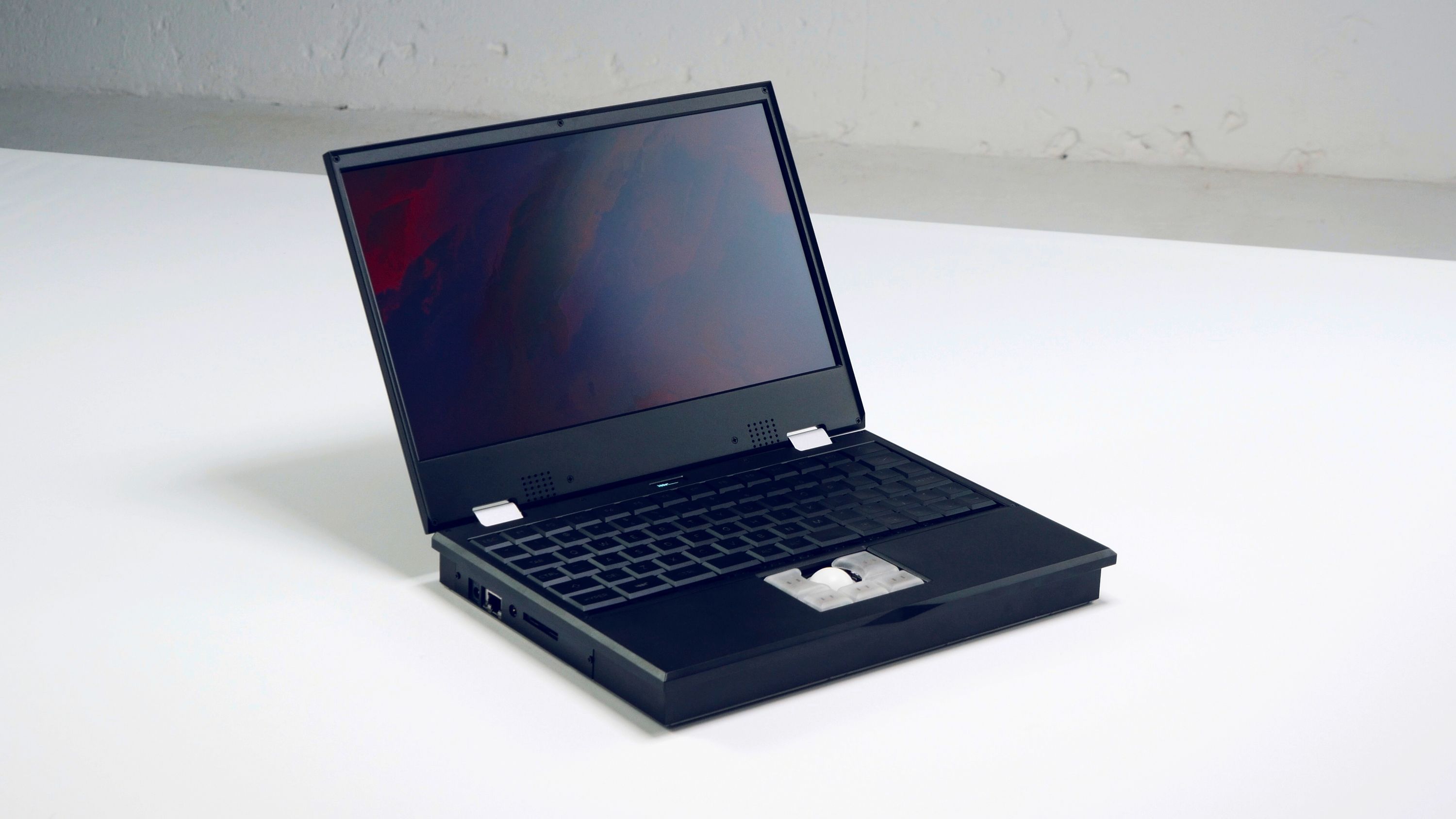
Introducing the Much More Personal Computer
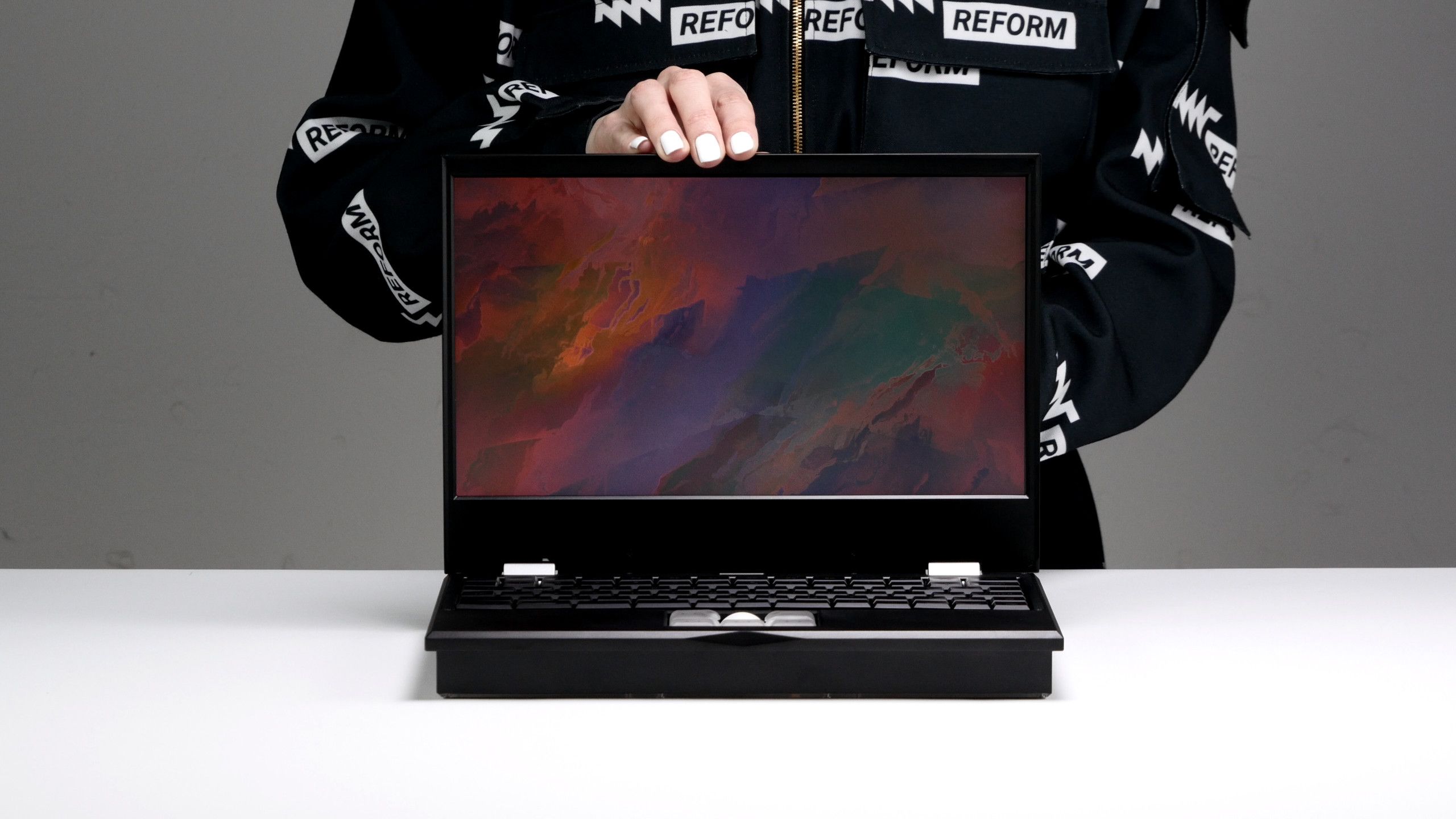
Mobile personal computers are becoming more and more opaque, vendor controlled, and hard to repair. Modern laptops have secret schematics, glued-in batteries, and components not under user control, like the Intel Management Engine or the Apple T2 security chip. Many people decide to tape over the built-in cameras of their laptops because they don’t know if they can trust the device or the software running on it.
Reform goes in the opposite direction. It is designed to be as open and transparent as possible, and to support a free and open source software stack from the ground up. It invites you to take a look under the hood, customize the documented electronics, and even repair it yourself if you like. The Reform laptop has no built-in surveillance technologies, cameras, or microphones, so you can be confident that it will never spy on you. Built not around Intel technology, but NXP i.MX8M with 64-bit ARM Cortex-A53 cores, Reform has a much simpler architecture than conventional laptops. This simplicity also makes for a more pleasant developer experience.
Use Cases
A computer that is really yours
Reform is designed to stay with you for a long time. From open hardware input devices to user-swappable 18650 battery cells, we designed it to be the most repairable and best documented portable computer. We selected its components to strike a good balance between open source and usability.
Reform is not bound to any cloud services, contracts, user agreements, or tracking. You can extend it and customize it as you like, and join the official forum at https://community.mnt.re/ to get support, contribute ideas, and collaborate with fellow users.
A more private computer
Reform doesn’t have any microphones or cameras built in, and Wi-Fi is provided by a removable PCIe card. You can even install your operating system or sensitive work data on an SD card that you can simply eject before travelling. Full-disk encryption is easy to set up with LUKS, and the system has no "management engine" or other remote control features that could be used to attack you.
A great writing machine
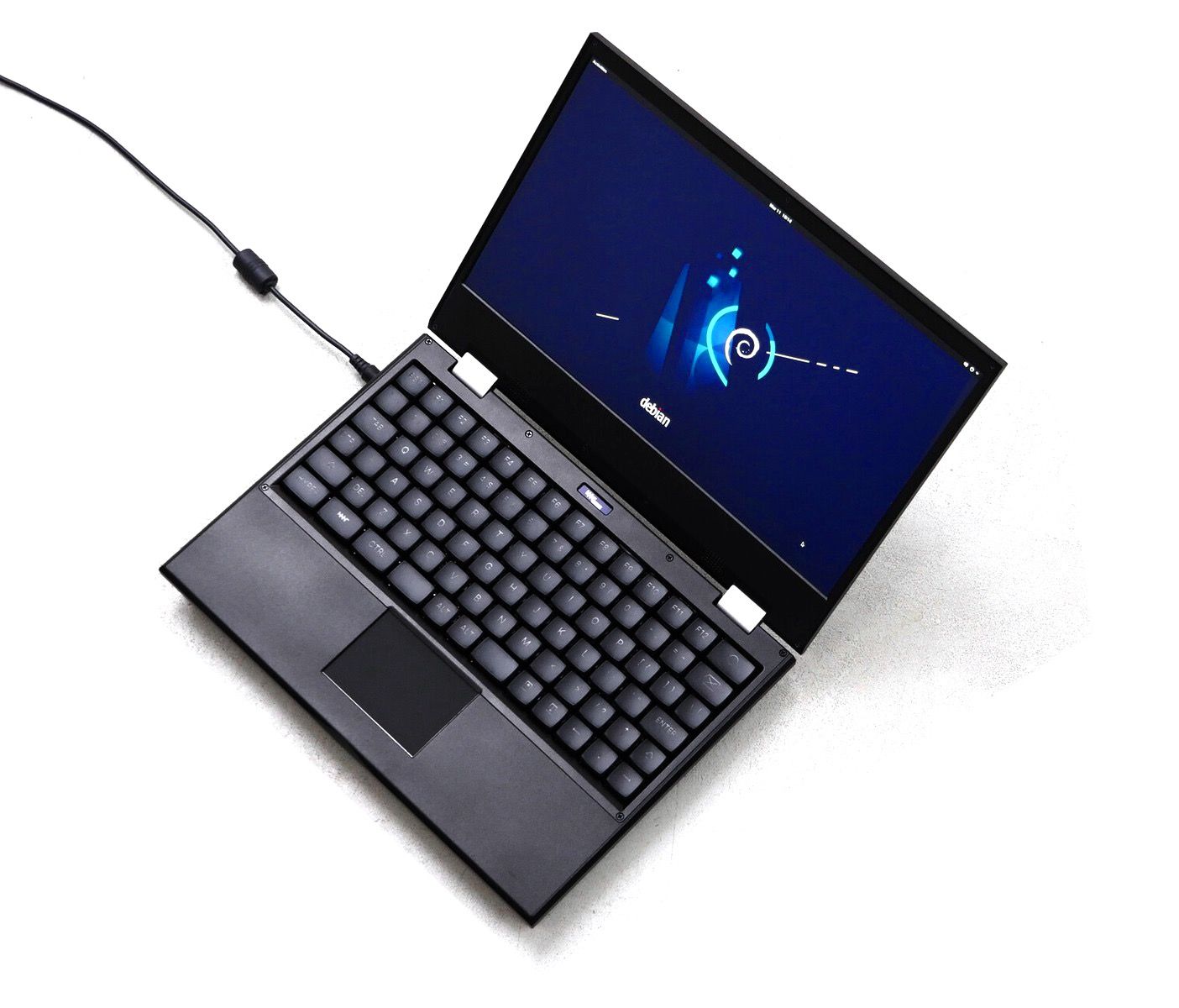
Instead of following the trend of making ever thinner and smaller devices and sacrificing the typing experience, we decided to put a mechanical keyboard into Reform. Our open-hardware keyboard uses Kailh Choc Brown switches with 3 mm travel and 50 g operating force with n-key rollover and fully customizable firmware.
A mobile office
Reform runs a wealth of free productivity software like LibreOffice and Firefox, Inkscape, Scribus, and GIMP that have matured to easily rival the feature sets of their commercial counterparts while requiring significantly less system resources.
An industrial computer
The main SoC family of Reform (i.MX) is well known as an industrial and automotive workhorse that doesn’t easily give up in a bit warmer or colder environments. The modular design of the notebook and a trackball that can be used with gloves makes Reform adaptable to workflows on field sites or in factories.
An ARM 64-bit development tool
Emulation and cross-compiling are nice, but Reform has enough performance to be used for editing and compiling software on the "real thing", and is a more convenient all-in-one package than a Single Board Computer with a bunch of dongles.
An open-source digital art and audio playground
The GPU in Reform supports OpenGL ES 2.0 through the open-source etnaviv driver that is part of the Linux kernel, and high fidelity audio is delivered by a Wolfson DAC on the motherboard. Reform’s rugged construction and repairability makes it a good fit for live environments.
A teaching tool
Because Reform is designed to be taken apart, studied, and reassembled, and our production process is unusually open, it can be a useful prop for teaching electronics engineering (with KiCAD), applied computer science, or lean manufacturing.
Resources and Documentation
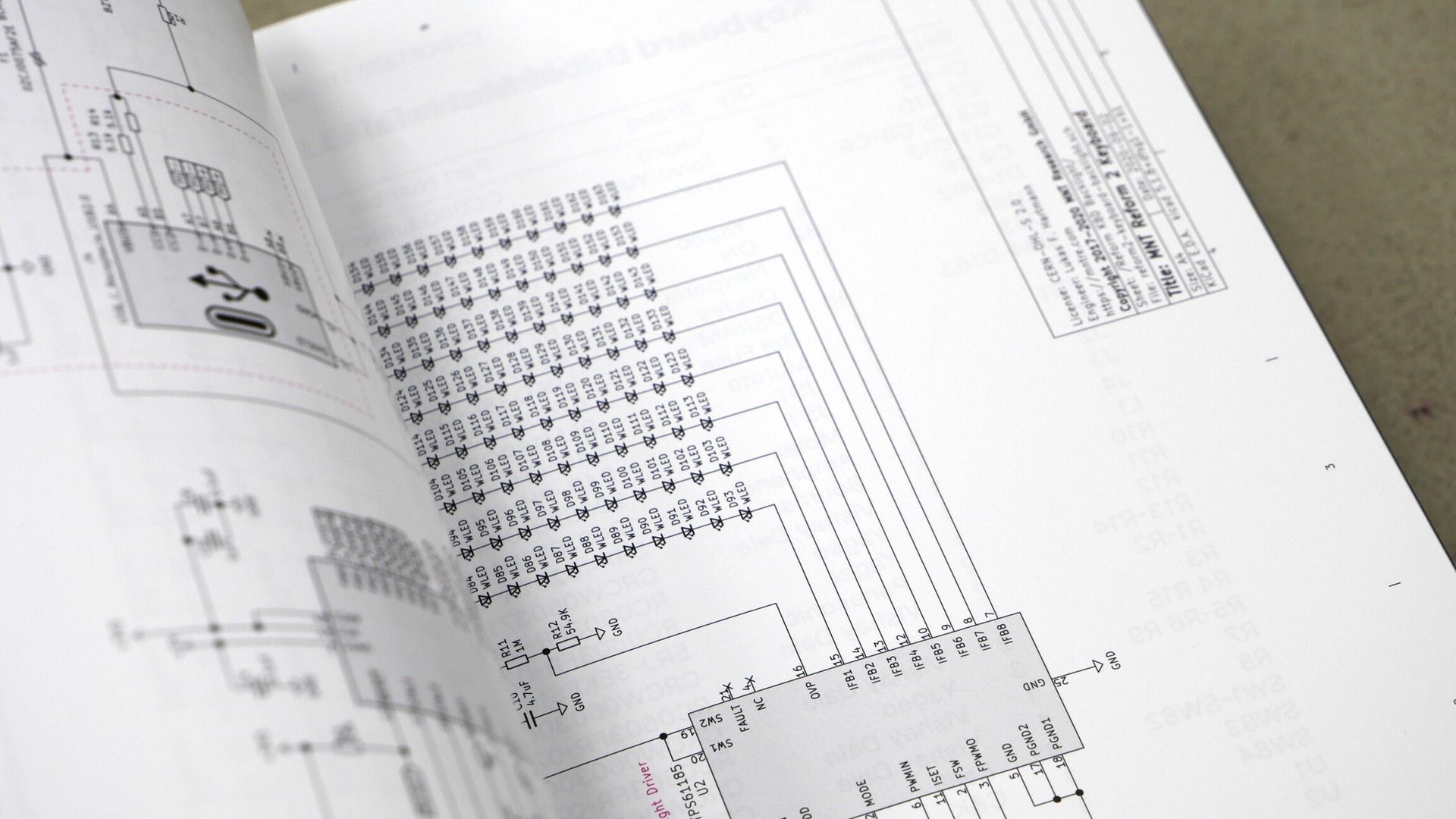
- The official hardcopy MNT Reform Operator Handbook covers everything from Linux basics to mechanical parts and electronics schematics:
- MNT Reform Operator Handbook: Online version
- MNT Reform Operator Handbook: PDF version
- All sources for hardware, software and firmware can be found in this main repository
- DIY Assembly Manual
- Official Community Forum
Features & Specifications
- CPU: NXP/Freescale i.MX8MQ with 4x ARM Cortex-A53 cores (1.5 GHz), 1x Cortex-M4F core. CPU and RAM are on exchangeable SO-DIMM sized module.
- RAM: 4 GB LPDDR4 memory
- GPU: Vivante GC7000Lite GPU with mainline Linux drivers and OpenGL 2.1, ES 2.0
- Display: Full HD (1920x1080 pixels) 12.5" IPS eDP display driven via MIPI-DSI. Optionally-enabled HDMI port. 128 x 32 pixel system control OLED
- USB: 3x USB 3.0 ports external (Type-A), 2x USB 2.0 internal (for input devices)
- Networking: Gigabit Ethernet port. miniPCIe Wi-Fi card included in Reform Max pledge level.
- Storage: Internal M.2 M-key socket for NVMe SSD. Full size SD card slot.
- PCIe: 1x miniPCIe socket (PCIe 2.0 1x), 1x M.2/NGFF socket M-key (PCIe 2.0 1x)
- Keyboard: Reform mechanical USB keyboard with Kailh Choc Brown Switches, dimmable backlight, open firmware
- Trackball (Option): Reform optical USB trackball with 5 mechanical switches (Kailh Choc Brown), open firmware
- Trackpad (Option): Reform capacitive USB trackpad, open firmware
- Enclosure: Modular case from CNC-milled, bead-blasted, black-anodized 6061 aluminum. Bottom cover milled from semi-transparent acrylic.
- Sound: Wolfson WM8960 ADC/DAC, stereo speakers, 3.5" headset/microphone jack (no internal microphone)
- Camera: No camera. Internal MIPI-CSI connector
- Battery: LiFePO4 battery technology - which is more fire-safe and has more charge-cycles than LiPo battieries. 8x owner-serviceable 18650 cells totalling 12 Ah/3.2 V. 5 h approximate battery life
- System Controller: NXP LPC11U24 ARM Cortex-M0 chip with open firmware and hackable expansion port
- Manual: Operator Manual incl. system schematics and full parts list
- Sources: KiCAD sources for motherboard, keyboard, trackball, trackpad, STEP/STL/FreeCAD files for case parts, C sources for all firmware (input devices and system controller), build scripts for boot & system image
- OS: Preloaded with Debian GNU/Linux 11, Linux 5.x mainline kernel
- Dimensions: 29 x 20.5 x 4 cm
- Weight: ~1.9 kg
Motherboard
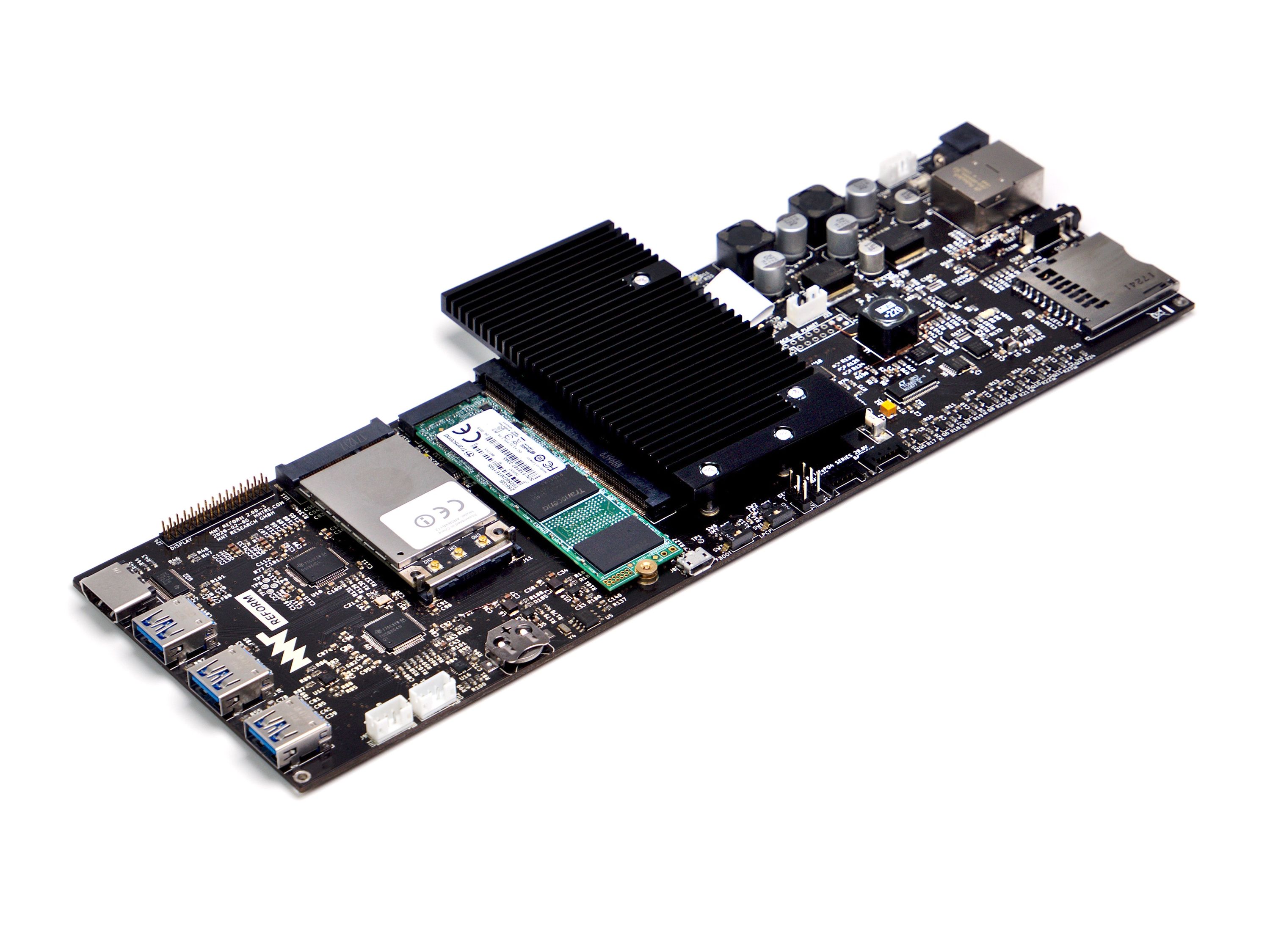
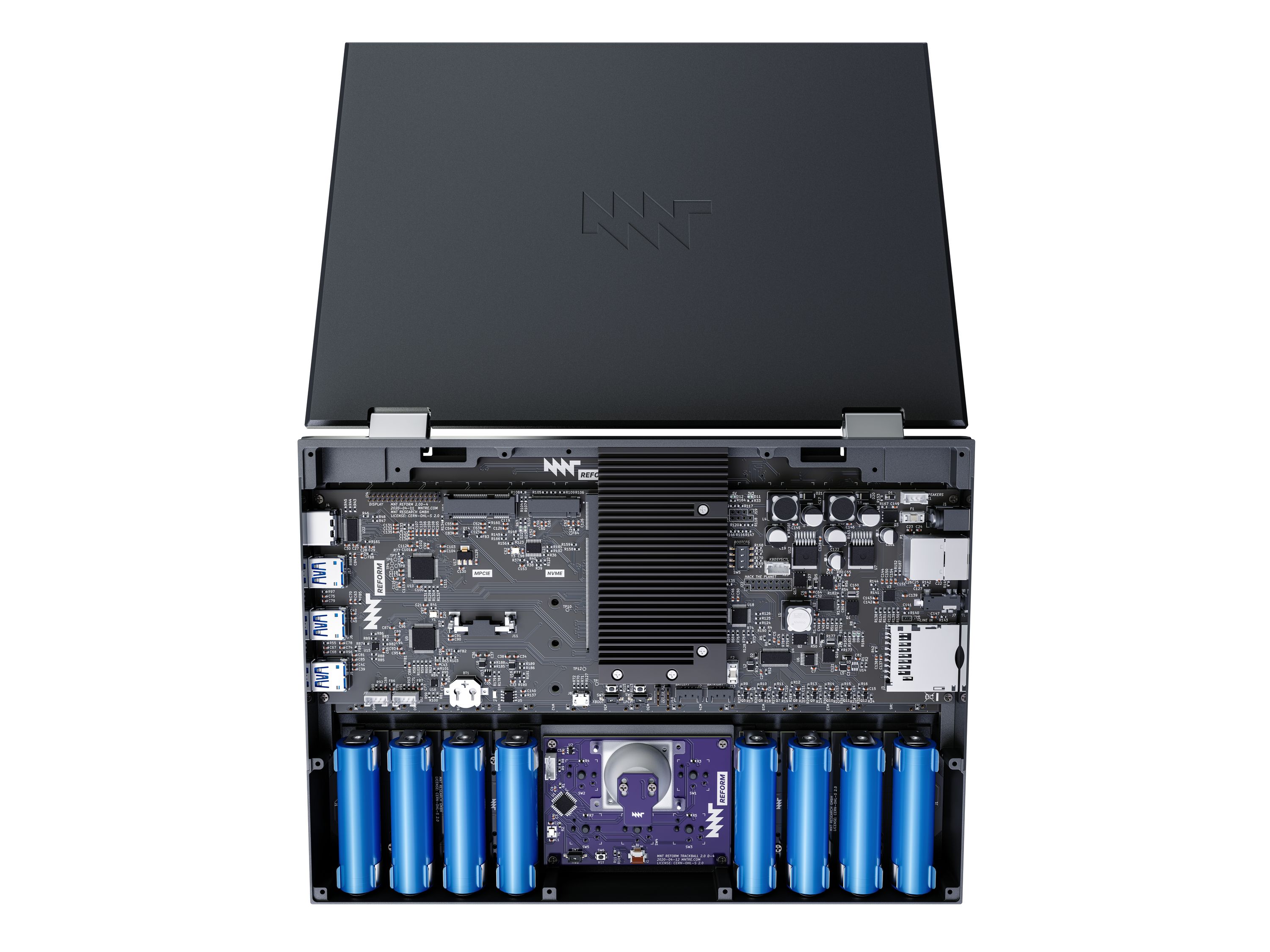
The motherboard spans the complete inner width of the device (around 27 cm) and ends with external ports on both sides. It has the following features:
- Power system: includes a charger for LiFePO4 cells and seamlessly switches between wall and battery power.
- System controller: coupled to the power system, an NXP LPC11U24 Cortex-M0 MCU controls an analog monitor chip for the eight battery cells as well as the charger. It is connected to the SoM via SPI, and has GPIO lines to the main power rail switchers in the system. It has a UART (serial port) that the keyboard can talk to directly for issuing power on/off commands and battery status queries.
- DSI to eDP converter: it was an important goal for us to make the main display path for Reform blob-free, so we couldn't use the existing HDMI/DisplayPort block in i.MX8M to drive the internal display, because this needs a chunk of firmware related to content protection. Instead, we're using the MIPI DSI output and convert its signal to eDP using a Texas Instruments SN65DSI86 chip. All involved drivers are open and in mainline Linux.
- USB 3.0 hub: i.MX8M has 2x USB 3.0 controllers. As we need two internal USB ports for the keyboard and trackball (or trackpad) and wanted to provide three external USB ports, we put a Texas Instruments TUSB8041 USB hub chip on the board that provides the extra ports. We have USB load switches on each external port to protect from too much current draw.
- Sound system: the Reform motherboard features a Wolfson/Cirrus WM8960 audio DAC (digital-to-analog converter)/amplifier interfacing to the headphone/microphone jack and powering two speakers housed below the main display.
- M.2 slot: a PCIe clock synthesizer on the board provides a reference clock for one or both PCIe 2.0 controllers in i.MX8M. We put one M.2 M-key slot on the board that can house a high-speed NVMe SSD.
- mPCIe slot: the other PCIe controller drives an mPCIe connector that you can use for expansions like a Wi-Fi card (included in the Reform Max pledge level), an embedded graphics card or an FPGA board, for example.
The Reform motherboard is open source hardware designed with the free KiCAD EDA. You can find the sources here:
System on Module (SoM) and Heatsink
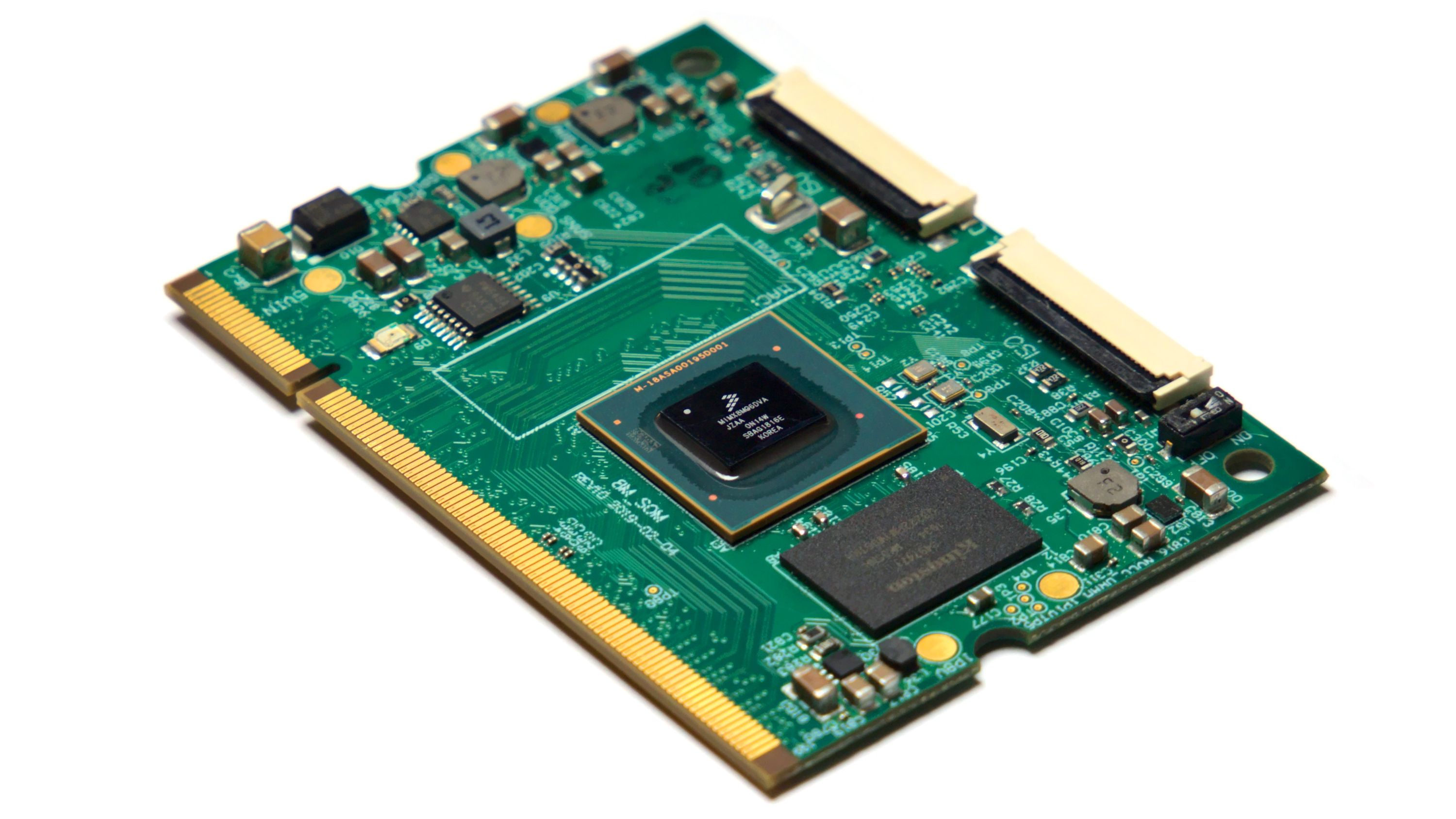
The CPU, GPU, and hardware implementations of standard interfaces like USB 3.0, PCIe, and MIPI DSI are all located in the NXP i.MX8M, which is called a System-on-Chip (SoC). This SoC supports LPDDR4 memory, which in our case has 4 GB capacity. The SoM features an Atheros Ethernet PHY chip (AR8035). Both SoC and memory chips sit on a System-on-Module (SoM) that we source from Boundary Devices, a US company that specializes in i.MX reference designs. We selected their "Nitrogen8M SOM" module for Reform because it is the only available module for which you can download the complete schematics and understand what every component does. The SoM plugs into the Reform motherboard’s central 200-pin SO-DIMM connector. This means that anyone will be able to design a replacement SoM to power Reform with a completely different CPU or an FPGA, for example.
We developed a custom aluminum heatsink for the i.MX8M that allows Reform to run fully passive-cooled, eliminating the need for a fan.
Case
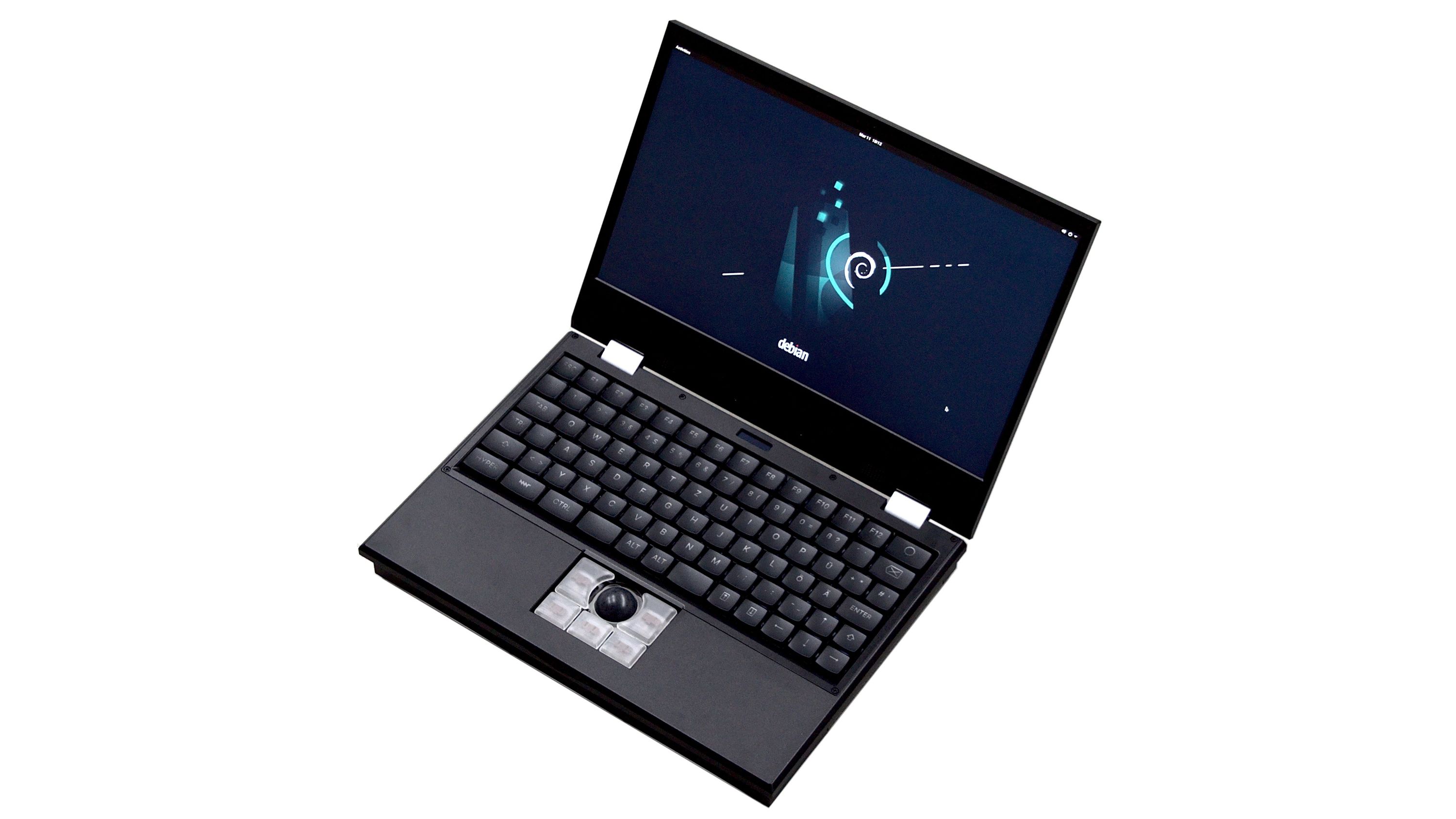
The black-anodized and sand-blasted aluminum case, designed by industrial designer Ana Dantas, is one of the aspects of Reform we’re the most proud of. We made one more iteration to improve haptics and assembly ergonomics/speed and ended up with 5 CNC milled parts:
- Screen back: housing the display and upper half of hinges
- Screen front: housing speakers and providing display bezel
- Main box: to which all PCBs (printed circuit boards) are attached via M2 screws: The keyboard from the top and motherboard, trackball/trackpad, and battery boards from the bottom. The lower half of the hinges and the system controller OLED PCB are mounted from the top as well.
- Main box top: a thin part that provides a bezel for the keyboard and the system controller OLED
- Main box bottom: the bottom lid that is either milled from clear acrylic or aluminum
For easy (dis)assembly, Reform uses only M2 screws with Phillips-head everywhere (with one exception: M4 on the hinges).
When closed, the case is held shut by 8 little neodymium bar magnets which are located in the front edge of the screen enclosure and in the front of the main box.
Ports
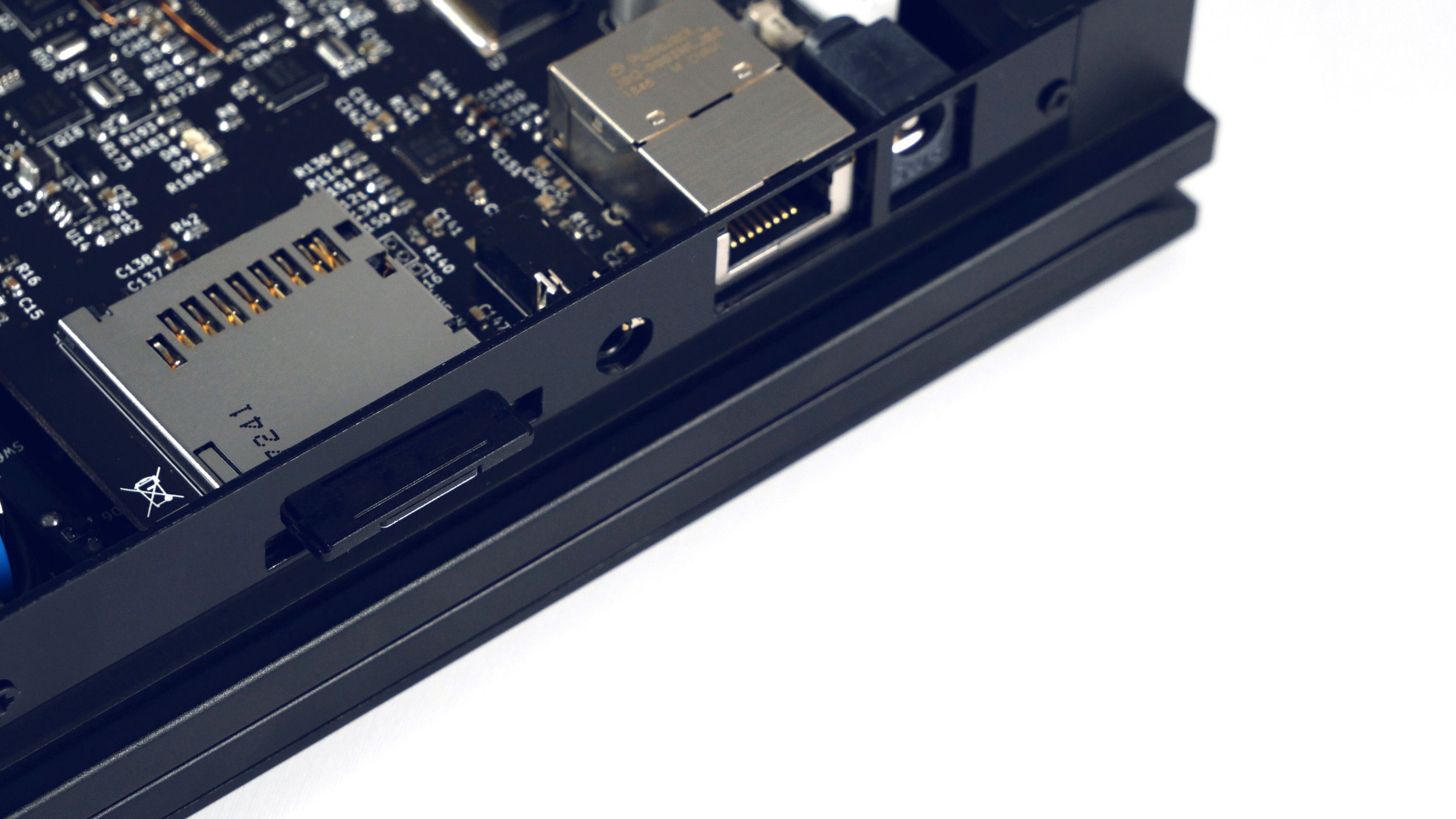
The port arrangement features on the left side:
- Barrel jack (power input)
- Gigabit Ethernet
- 3.5 mm TRRS headphone/microphone jack
- Full-size SD card port (bootable)
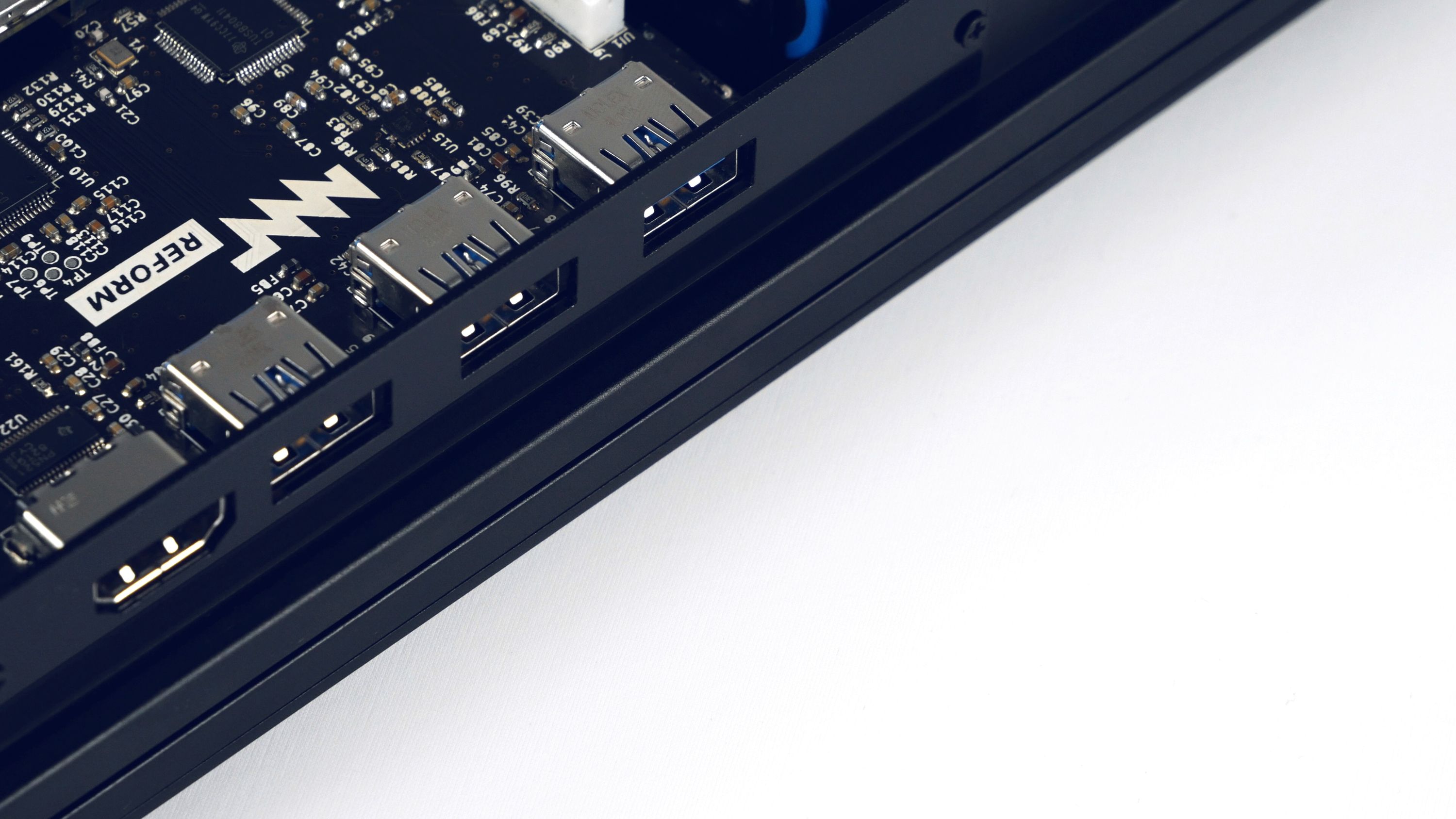
On the right side:
- HDMI port (on i.MX8M, requires an optional HDMI TX firmware blob to work)
- 3x USB 3.0 Type-A SuperSpeed ports
Power System
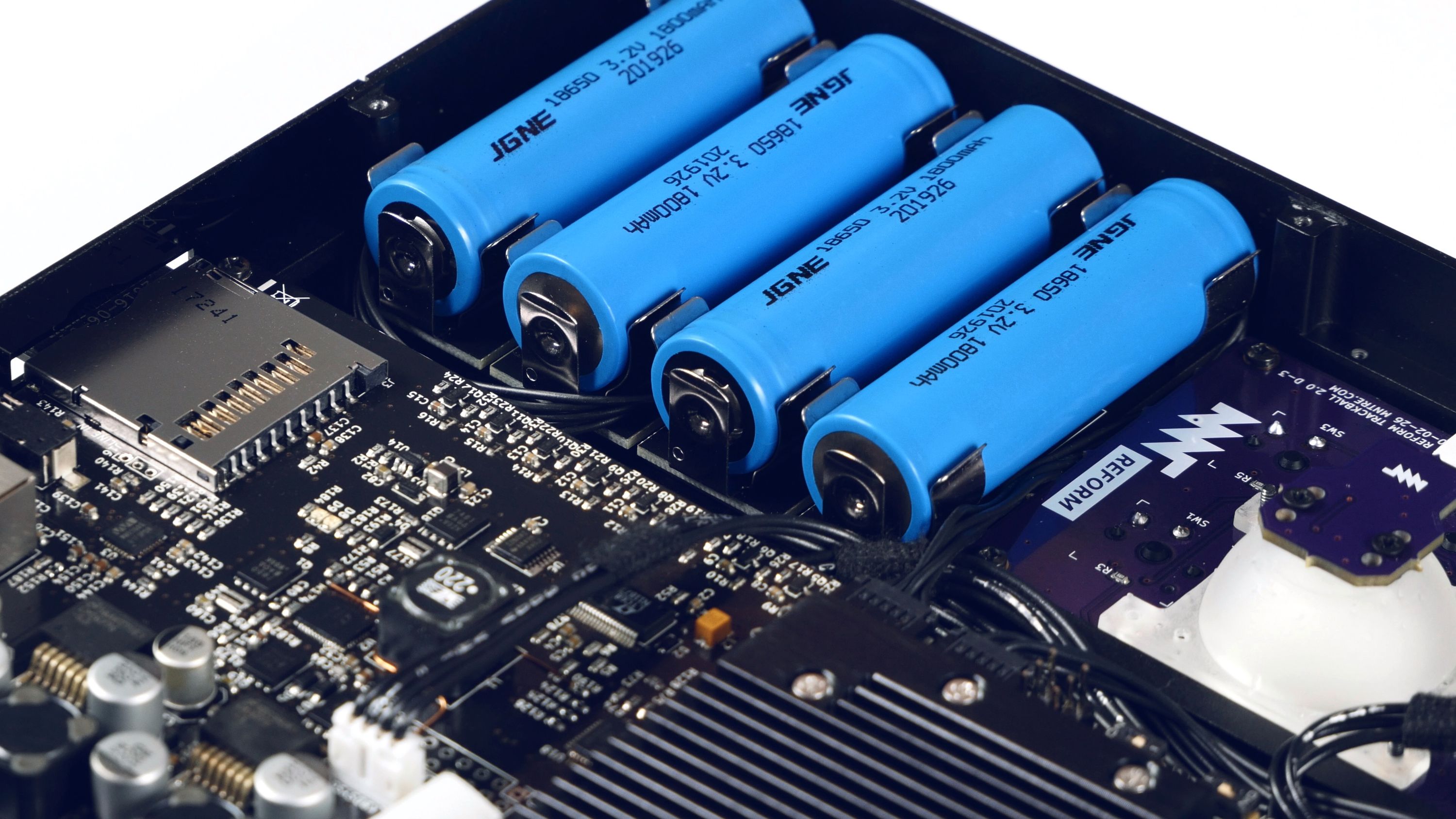
When not connected to a wall adapter, Reform is powered by 8x 18650 LiFePO4 battery cells. Each has a nominal voltage of 3.2 V, and all cells are linked in series, which means an operating voltage of 28.8 V. This arrangement has the upside that we can monitor and balance each cell individually. You don’t have to factory-match cells like you would have to in a parallel arrangement. You can buy replacement cells for Reform for around 2.50 EUR each. The LiFePO4 chemistry trades some energy density for many advantages:
- High-current source capability with no thermal runaway (the cells don't get hot)
- Relatively high number of charge cycles without degradation (around 2000)
- Smaller environmental impact
We have teamed up with Fully Automated Technologies to help us optimize Reform’s power system for the final motherboard revision. Our goals were to be able to charge from a wide range of voltage inputs and to squeeze out more efficiency from buck voltage conversion.
Hinges
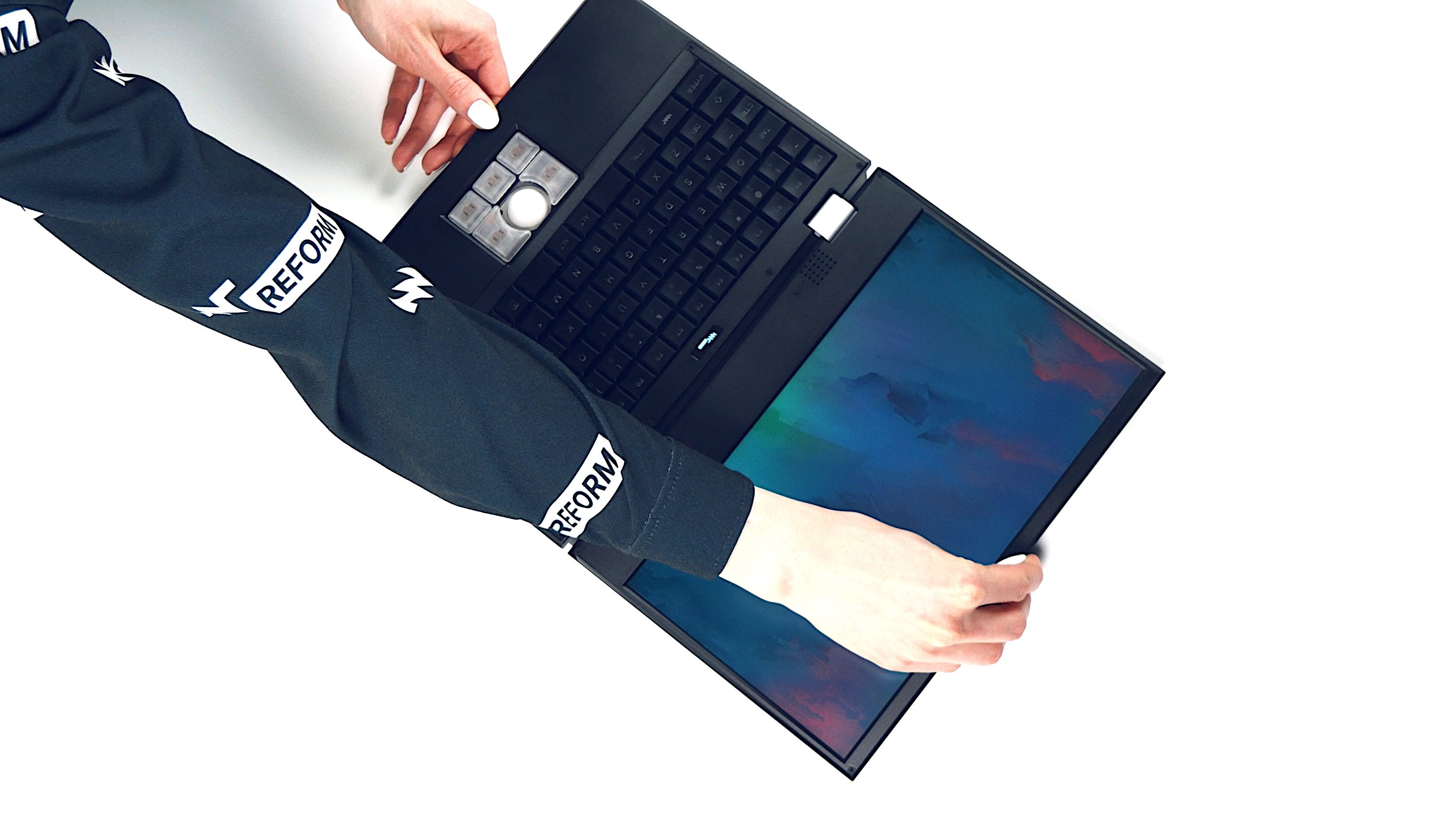
The hinges for Reform are made by Smooth Group, model number SMS-ZZ-219. These are the same that we used in Reform version 1. They are very robust and allow the Reform screen to be opened to an angle of over 180 degrees.
Keyboard
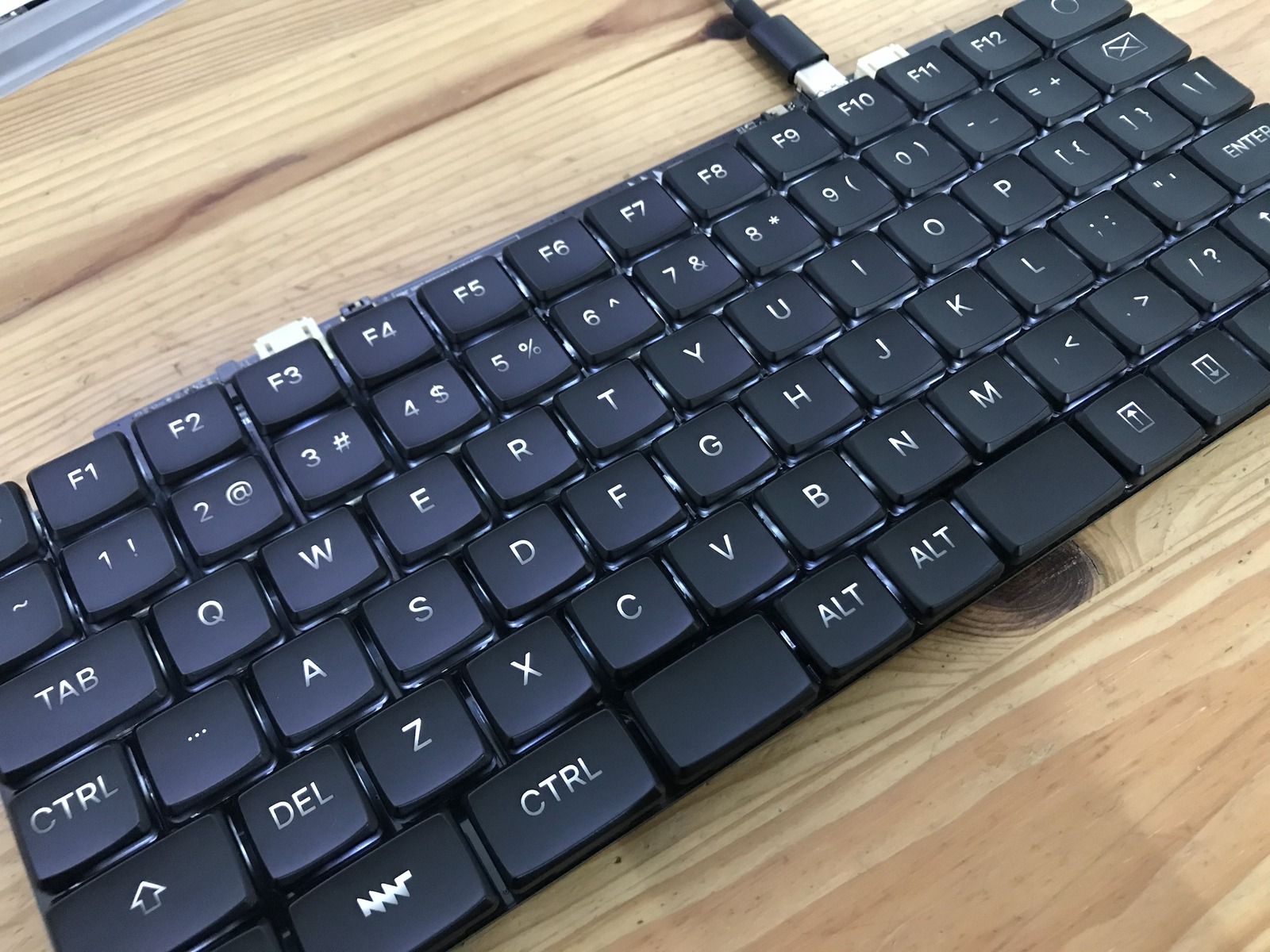
We iterated on the keyboard several times to arrive at a layout that is a successful tradeoff between ergonomics and cost:
- 82 mechanical, low-profile Kailh Choc switches
- A new layout based on ANSI that uses a split spacebar and only two different keycap sizes, 1U and 1.5U. This allows us to get rid of stabilizer wires and create custom molded or 3D-printed keycaps in the future requiring only two shapes.
- Each keyswitch has a diode to prevent ghosting and allow for n-key rollover.
- 80 dimmable LEDs illuminate all keycap symbols.
- Blank keycaps are sourced from Kailh and then carefully laser engraved to allow the keyboard backlight to illuminate the letters.
System Control OLED
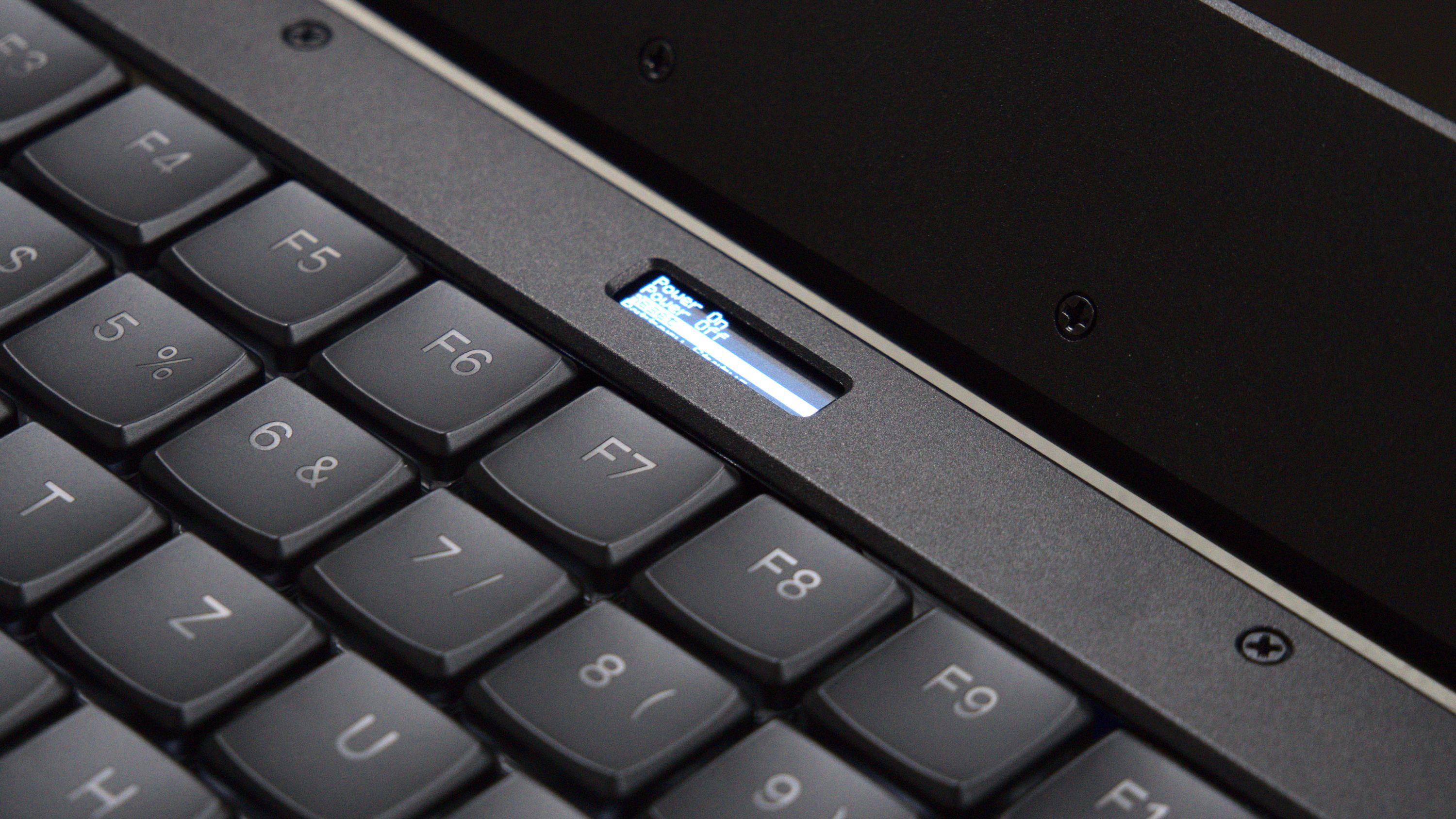
The keyboard not only works as a USB HID device, but it also has a direct UART cable connection to the system controller on the motherboard. By pressing the circle key, you can interact directly with the system controller, bypassing the main SoC. To give you visual feedback for this interaction, we added a tiny 128 x 32 pixel OLED on top of the keyboard. From here, you can check charger and battery cell status/health without any operating system support on the main SoC (even while you’re still installing an OS). The keyboard OLED and direct interaction mechanism has more potential future uses, like a password manager/wallet or notification display.
Keyboard Sources:
Display
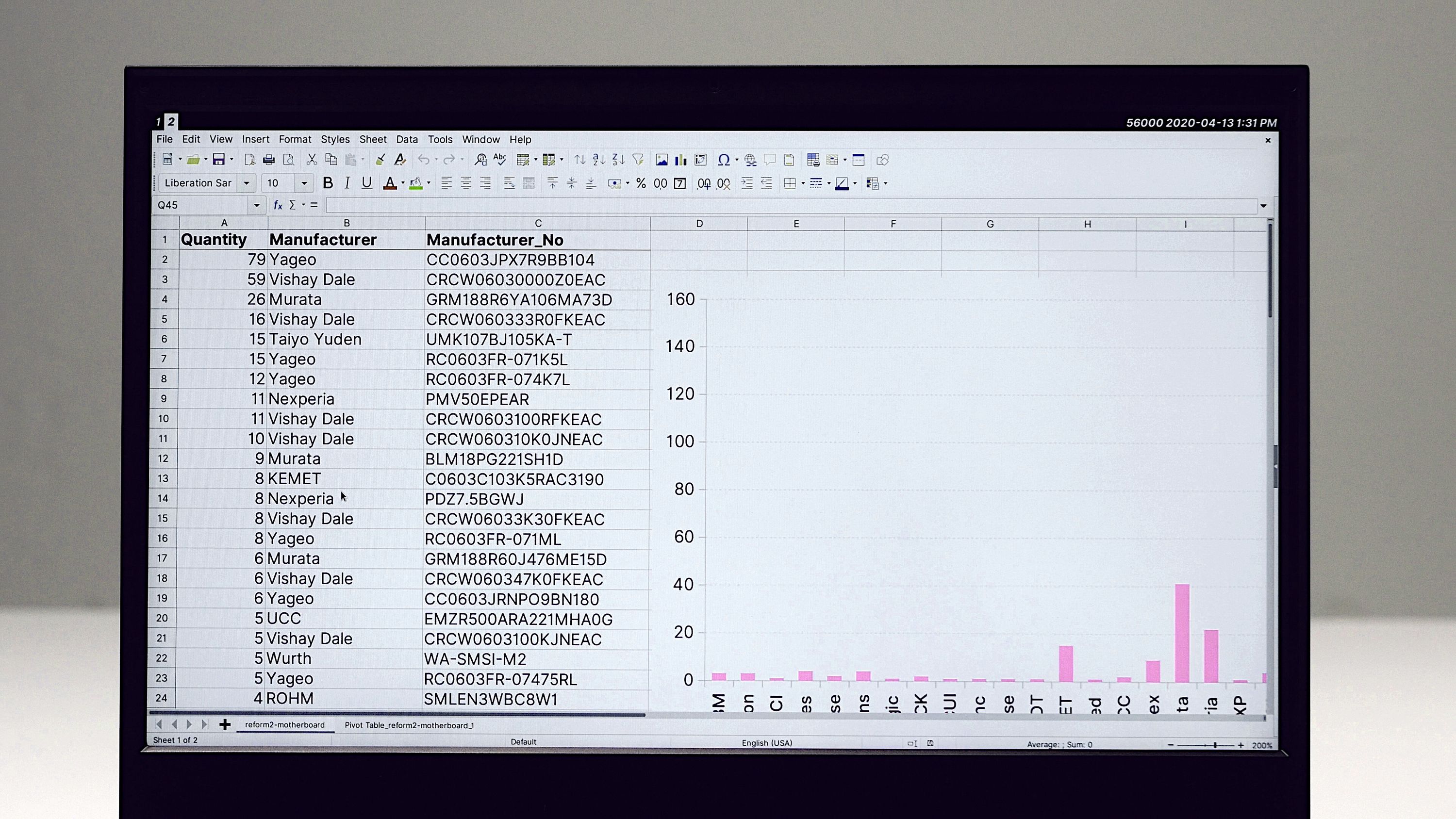
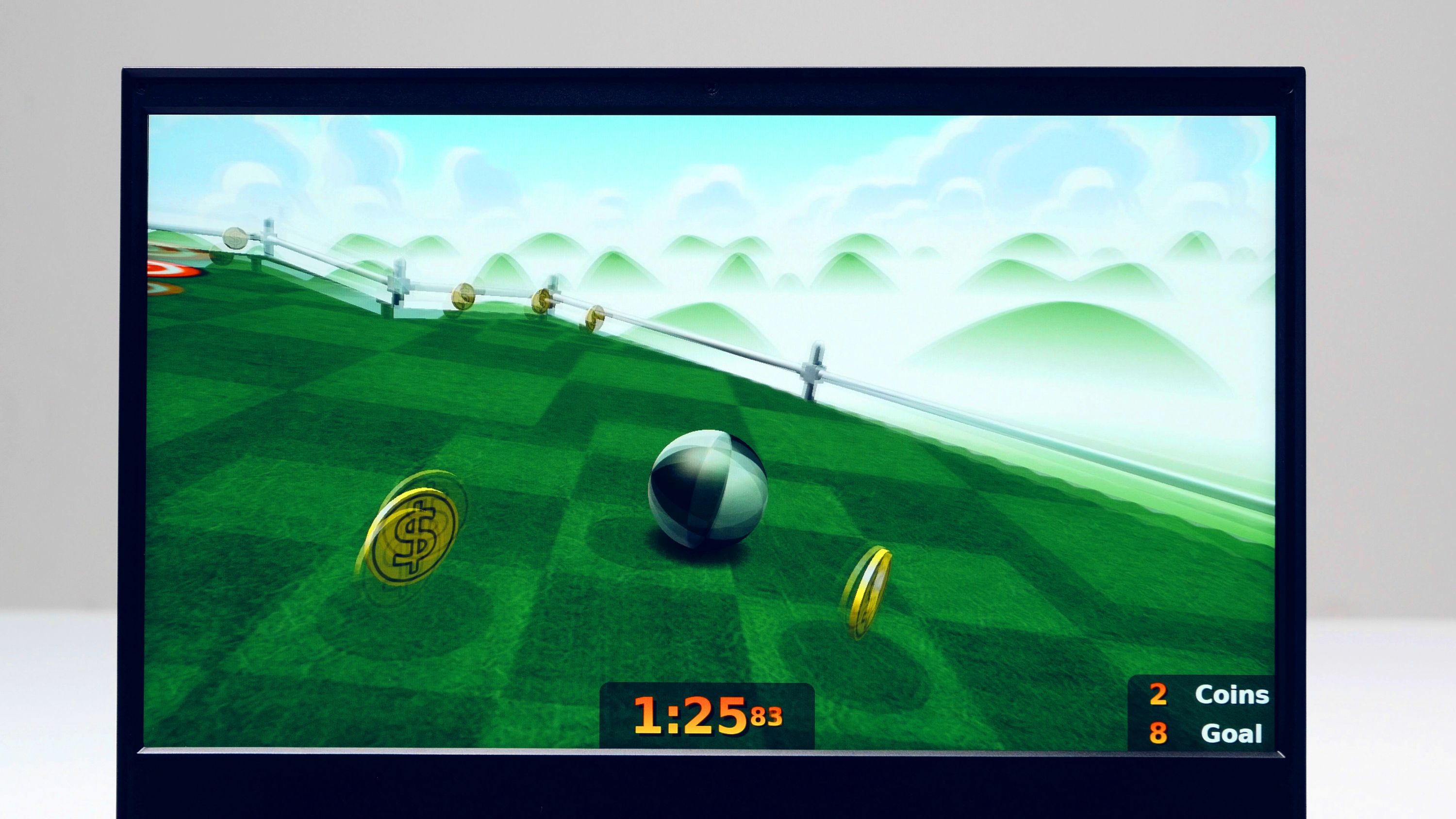
The display used in Reform is a 12.5" IPS eDP (embedded DisplayPort) panel from Innolux, model number N125HCE-GN1, with 24-bit color and 1920 x 1080 pixels. It is sharp, bright, and a pleasure to do text work on. It has a great color gamut for watching movies, as well. We ordered custom 30 pin I-PEX cables to connect it to the motherboard’s eDP 2 mm DuPont header. Brightness is controlled directly by a PWM output pin of i.MX8M and works with standard Linux backlight drivers/tools.
Speakers
We employ two 1 W mobile speakers by PUI Audio (AS01808AO-3-R). These are mounted directly below the display.
MNT Reform Optical Trackball Module
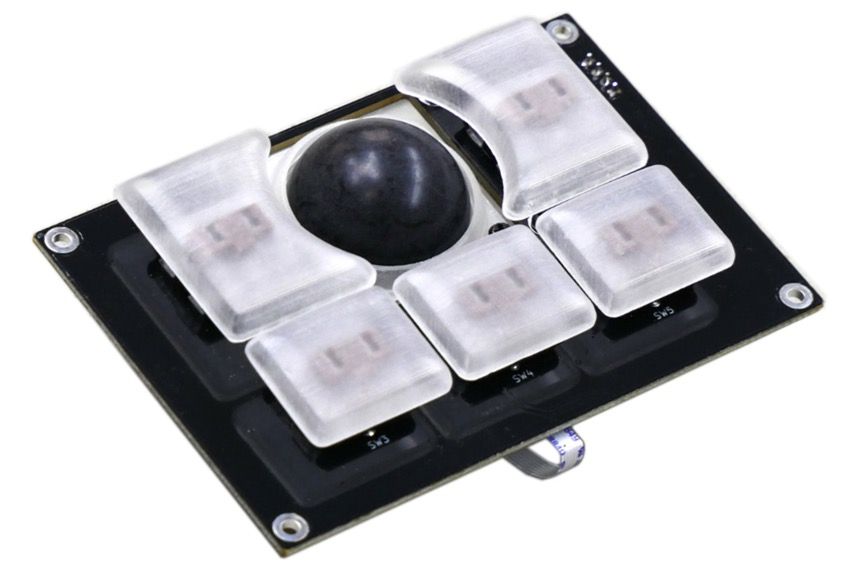
This is the optical trackball module for the MNT Reform. In addition to precise X/Y tracking of the POM ball, it features five buttons (three mouse buttons and two wheel mode buttons). The keyswitches are Kailh Choc Browns. The controller is an ATmega32u2 with open source firmware that presents the trackball to the system as a USB HID mouse. The USB signals are on a 4-pin JST-PH connector. Includes fitting JST-PH cable to connect to MNT Reform internal UI1 or UI2 header.
As a maker, you can also use this module to easily add a trackball to your own project. The trackball is fully open source hardware.
Check the MNT Reform Operator Handbook for more detailed information on the trackball.
MNT Reform Capacitive Trackpad Module
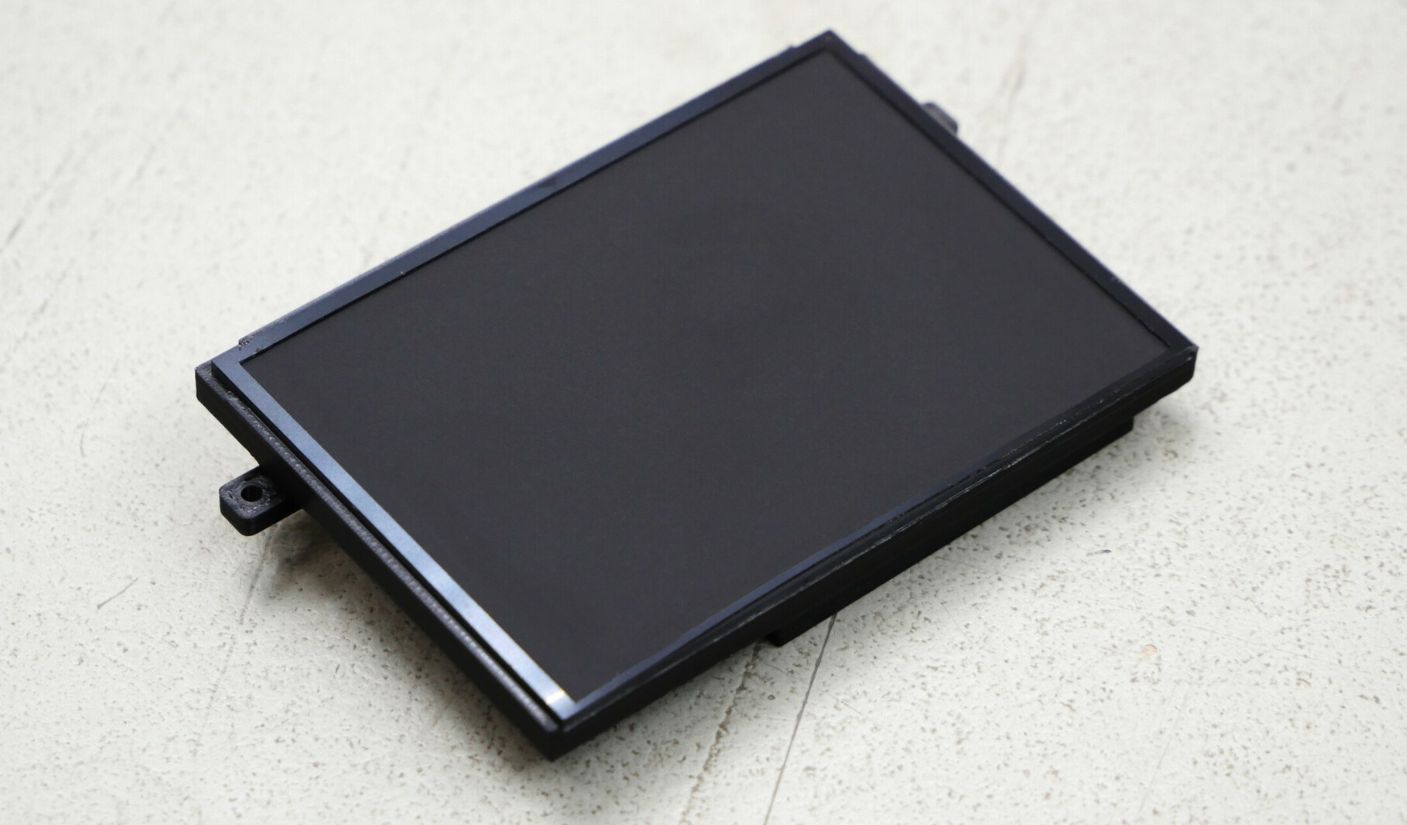
This is the multitouch capacitive trackpad module for the MNT Reform. The tracking is performed by an Azoteq TPS65-201A-S module. The controller is an ATmega32u2 with open source firmware that presents the trackpad to the system as a USB HID mouse. The USB signals are on a 4-pin JST-PH connector. Includes fitting JST-PH cable to connect to MNT Reform internal UI1 or UI2 header.
The surface of the module is smooth frosted glass with a black backprint. A rubber gasket on three sides protects the glass from forces when inserted into the aluminum casing of MNT Reform.
As a maker, you can also use this module to easily add a trackpad to your own project. The trackpad, except for the Azoteq module itself, is open source hardware.
Check the MNT Reform Operator Handbook for more detailed information on the trackpad.
Certifications
Reform is open source hardware certified by OSHWA (Open Source Hardware Association): DE000017.
Licenses are:
- CERN OHL-2.0-S (hardware)
- GPL 3.0 (software, firmware)
- CC-BY-SA 4.0 (documentation, artwork)
What is Included?
MNT Reform
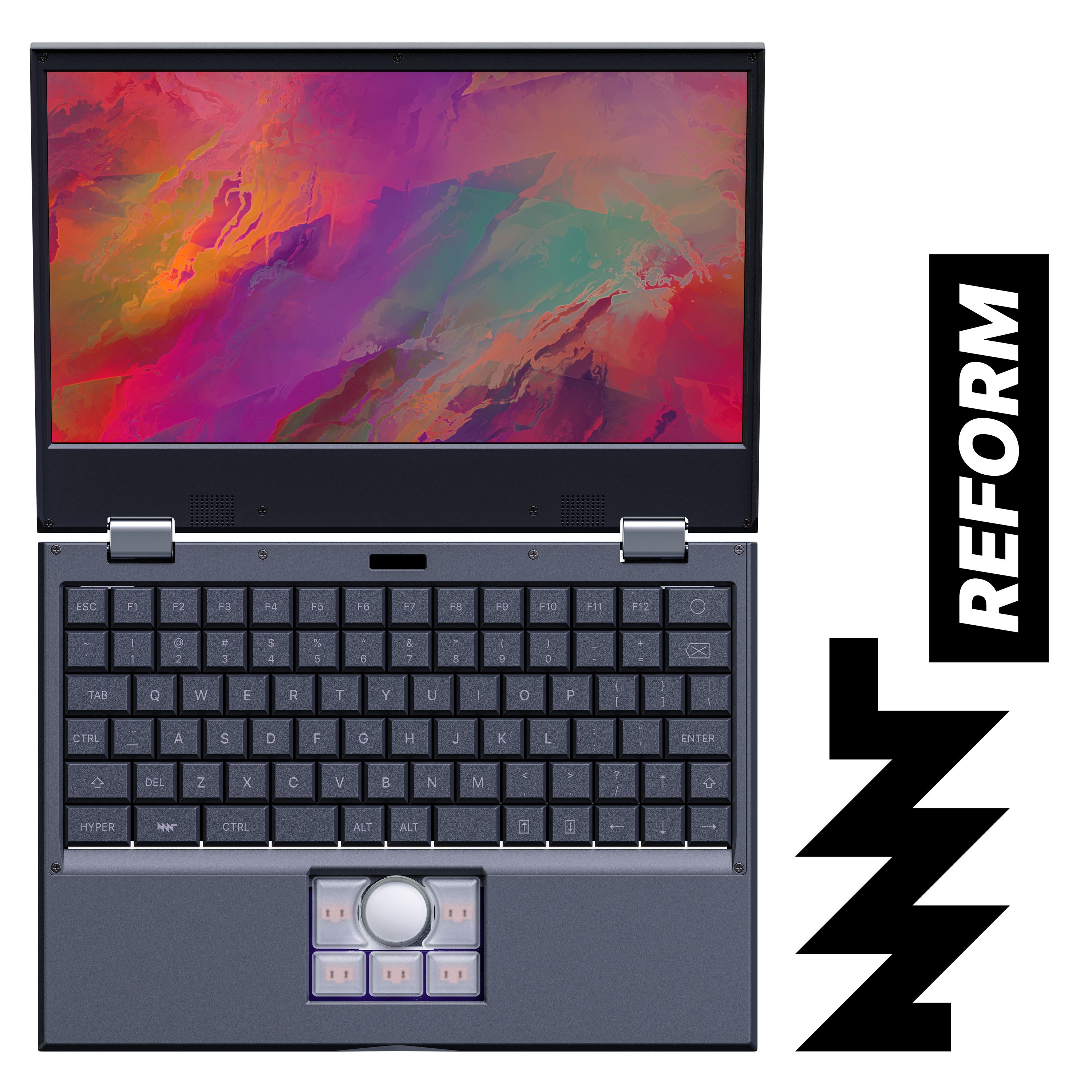
A ready to go, open hardware MNT Reform laptop, Debian GNU/Linux 11 on SD card, and 110/230 VAC power supply (power outlet cords sold separately). Comes with QWERTY-US keyboard and a Trackball module. Not included: Wi-Fi card, Wi-Fi antenna, SSD, or power outlet cord.
Contains:
- MNT Reform Laptop, i.MX8M with 4x 1.5 GHz, 4 GB LPDDR RAM
- Enclosure: CNC-milled, bead-blasted, black-anodized 6061 aluminum and semi-transparent acrylic.
- Bootable SD card with Debian GNU/Linux 11 installer and all sources and schematics
- 24 V 2 A power supply (110/230 VAC)
- Keyboard: QWERTY-US
- Trackball
Does not contain:
The default MNT Reform does not include a Wi-Fi card, Wi-Fi antenna, SSD, or power outlet cord. Please order these items separately if needed.
MNT Reform DIY Kit
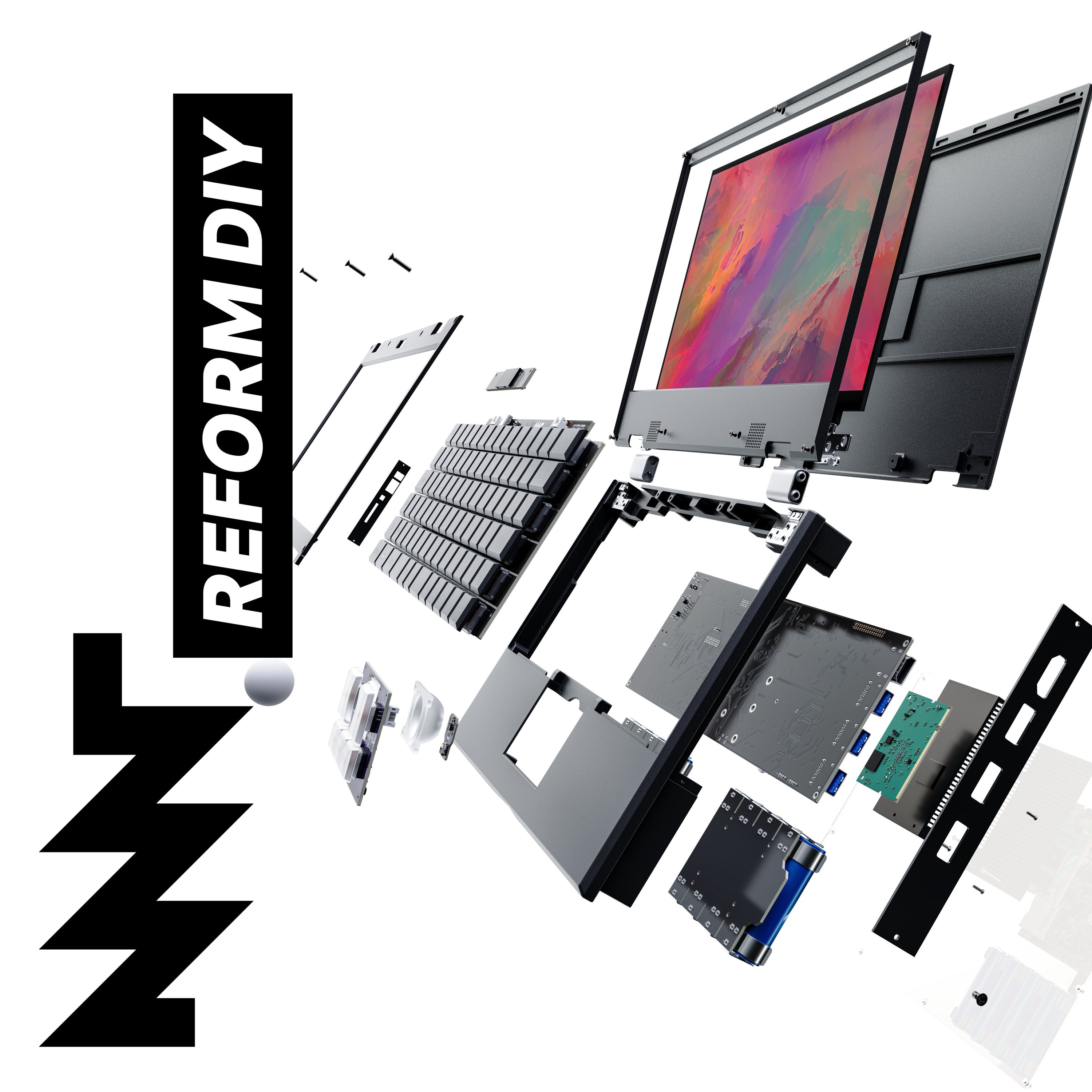
You assemble MNT Reform yourself from the individual boards, display and case parts, and print the manual on your own (if you want). All circuit boards are populated; no soldering required. Save some money and have a great learning experience building your own laptop. Not included: Trackball or Trackpad module, Wi-Fi card, Wi-Fi antenna, SSD, or power outlet cord.
Contains:
- Partly-assembled top case and display, with speakers, battery holders, and hinges installed
- Motherboard with heatsink and SoM preinstalled
- Keyboard with engraved keycaps preinstalled (QWERTY US)
- OLED module
- Cables (2x internal USB cable, 1x internal UART cable, 1x display cable, 1x OLED FPC cable)
- Aluminum keyboard frame
- Milled acrylic bottom plate
- Laser-cut acrylic port covers (left and right)
- Clear rubber feet
- All required screws (Phillips M2 and M4)
- Serial number label
- Bootable SD card with Debian GNU/Linux 11 installer and all sources and schematics
- 8x 18650 LiFePO4 1800 mAh cells
- 24 V 2 A international power supply (110/230 VAC)
- Assembly instruction sheet
Does not contain:
The MNT Reform DIY Kit does not include a Trackball or Trackpad Module. If you order the DIY Kit, please order a Module to go with your Reform.
The MNT Reform DIY Kit does not include a Wi-Fi card, Wi-Fi antenna, SSD, or power outlet cord. Please order these items separately if needed.
MNT Reform Accessories & Optional Add-Ons:
- Keycap Upgrade Set (international options)
- Official Handbook (hardcopy)
- Black Piñatex Leather Sleeve
- ath9k Wi-Fi Card
- Flexible Wi-Fi Antenna - I-PEX
- Transcend NVMe SSD
- Trackpad Module
- Trackball Module
- Power outlet cables for your location
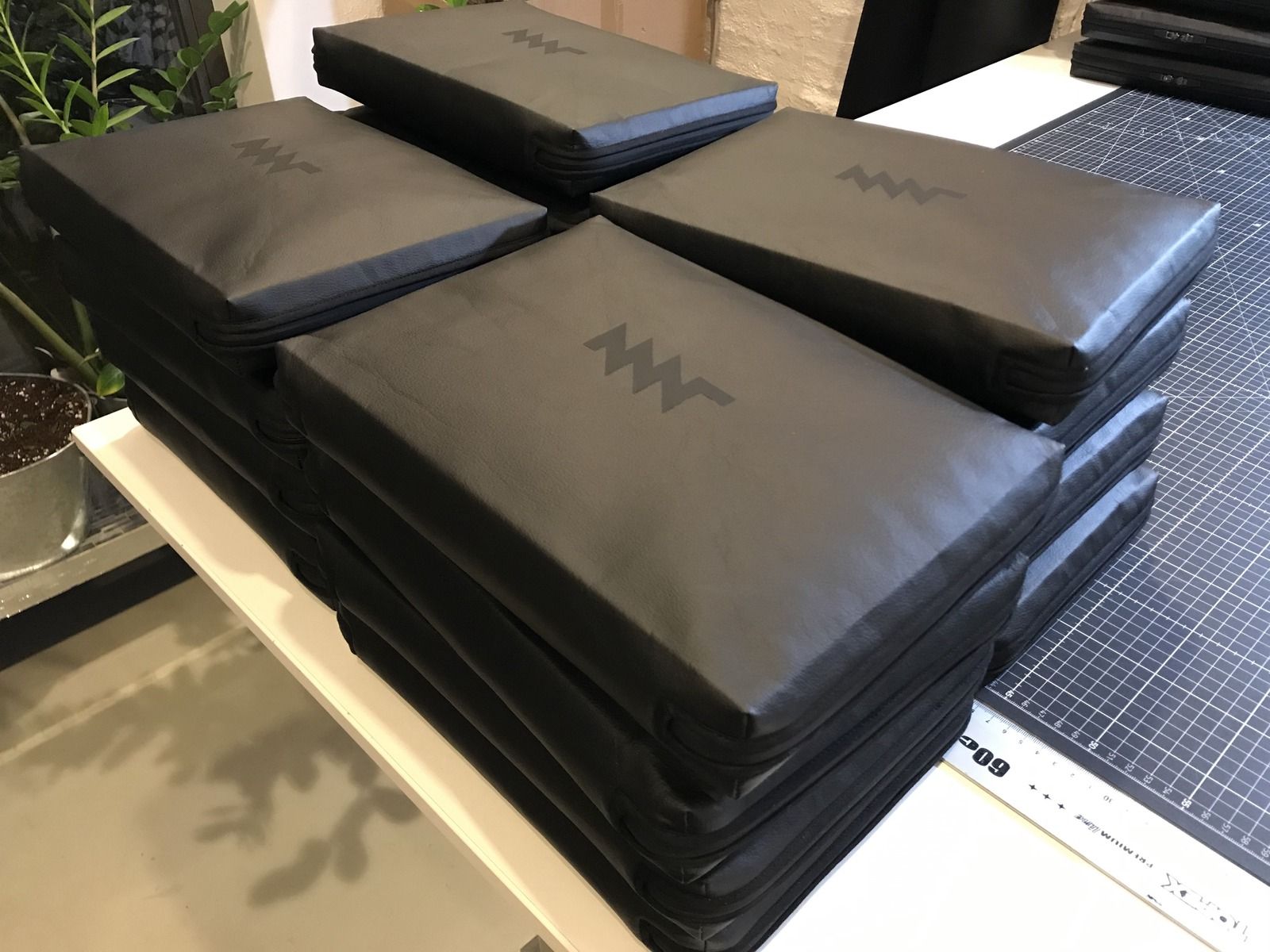
The black Piñatex leather sleeves.
Manufacturing Plan
- Keyswitches and keycaps are sourced directly from the manufacturer, Kailh.
- PCBs for motherboard, keyboard, and trackpad/trackball are made and assembled by PCBWay. We'll source most components and ship them to them. We've successfully tested this process with a previous product, ZZ9000.
- While keyboard switches are soldered by PCBWay, keycaps are installed by us in Berlin. The keycaps are labelled by laser engraving locally in Berlin. This process is validated as well.
- In parallel, CNC body parts (aluminum and acrylic) are made by a contractor of our partner Neuform in Shenzhen. We did this already for multiple Reform beta versions.
- i.MX8M modules are sourced from Boundary Devices (California).
- Hinges are supplied by Smooth Technology (Shenzhen). Innolux displays are supplied by one of several suppliers. Internal display cables are sourced from Sino-Media in Hong Kong.
- LiFePO4 battery cells are sourced from JGNE via NKON (Netherlands).
- Screws, packing material, printed manuals, etc. are sourced locally by us.
- The final assembly and packaging of the devices will be done by our team in Berlin.
Risks & Challenges
- We have done all that we can to mitigate the affects of the COVID-19 pandemic, but it's impossible the extent of issues that may arise in the future.
- Reform has over 400 electronic components. We tried to pick them so that there will be enough stock when we get around to manufacturing the boards, but it's always possible that there could be a sudden component shortage or increase in price. If that should happen, we would have to reengineer the affected PCB and exchange the part, causing a delay in continued production.
- Reform doesn't yet have EMI compliance testing, which is a costly process that we will tackle immediately after a successful campaign. In the unlikely case that there are major EMI problems requiring a major redesign of PCB(s), this could cause approximately 6-8 weeks of delay for the reengineering and testing.
- Should any situation arise that would delay the estimated shipping timeline, backers will be informed promptly via project updates.
Credits & Attributions
- Video Concept: MNT Research and Philipp Dikmann
- Renders and 3D CGI Sequence: Paul Klingberg
- Costume Design and Model: Greta Melnik
- Voiceover: Leah Arscott
- Video Previz: Froyo Tam, Felix Bayer
- Music: The Alphabet Zero: Teenage Feeling (Arcade High Remix) (Instrumental), licensed through Marmoset
- MNT Reform Industrial Design: Ana Dantas
- MNT Reform Wallpaper Visual: Michael Christophersson
- MNT Reform Font: Inter by rsms
In the Press
Ask a Question
Produced by MNT Research in Berlin, Germany.
Sold and shipped by Crowd Supply.
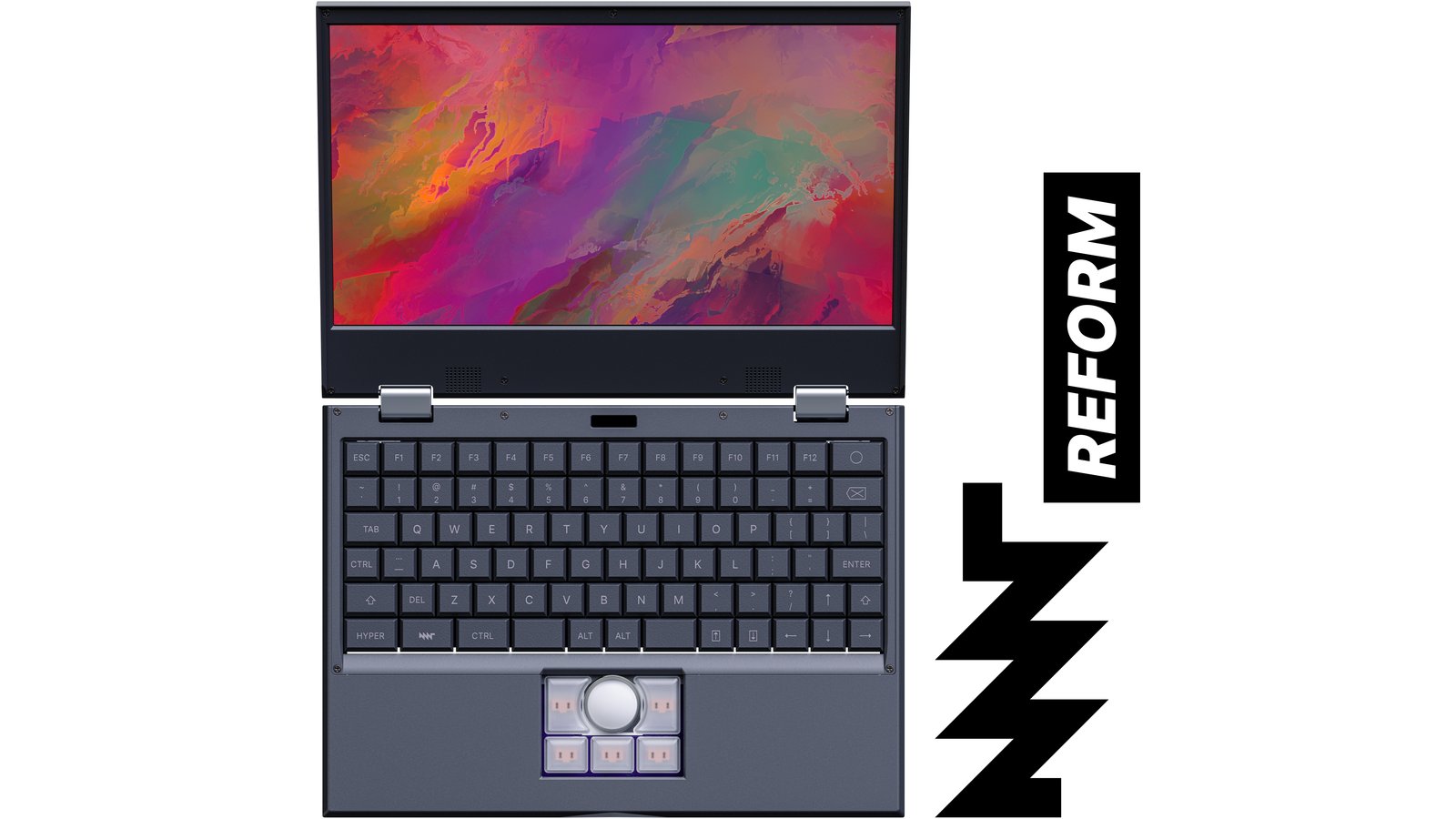
MNT Reform with Trackball
A ready to go, open hardware MNT Reform laptop, Debian GNU/Linux 11 on SD card, and 110/230 V power supply (power outlet cable sold separately). Comes with QWERTY-US keyboard and Trackball module pre-installed. NOT INCLUDED: Wi-Fi card, SSD, power outlet cable.
$1,550 Free US Shipping / $20 Worldwide
In stock
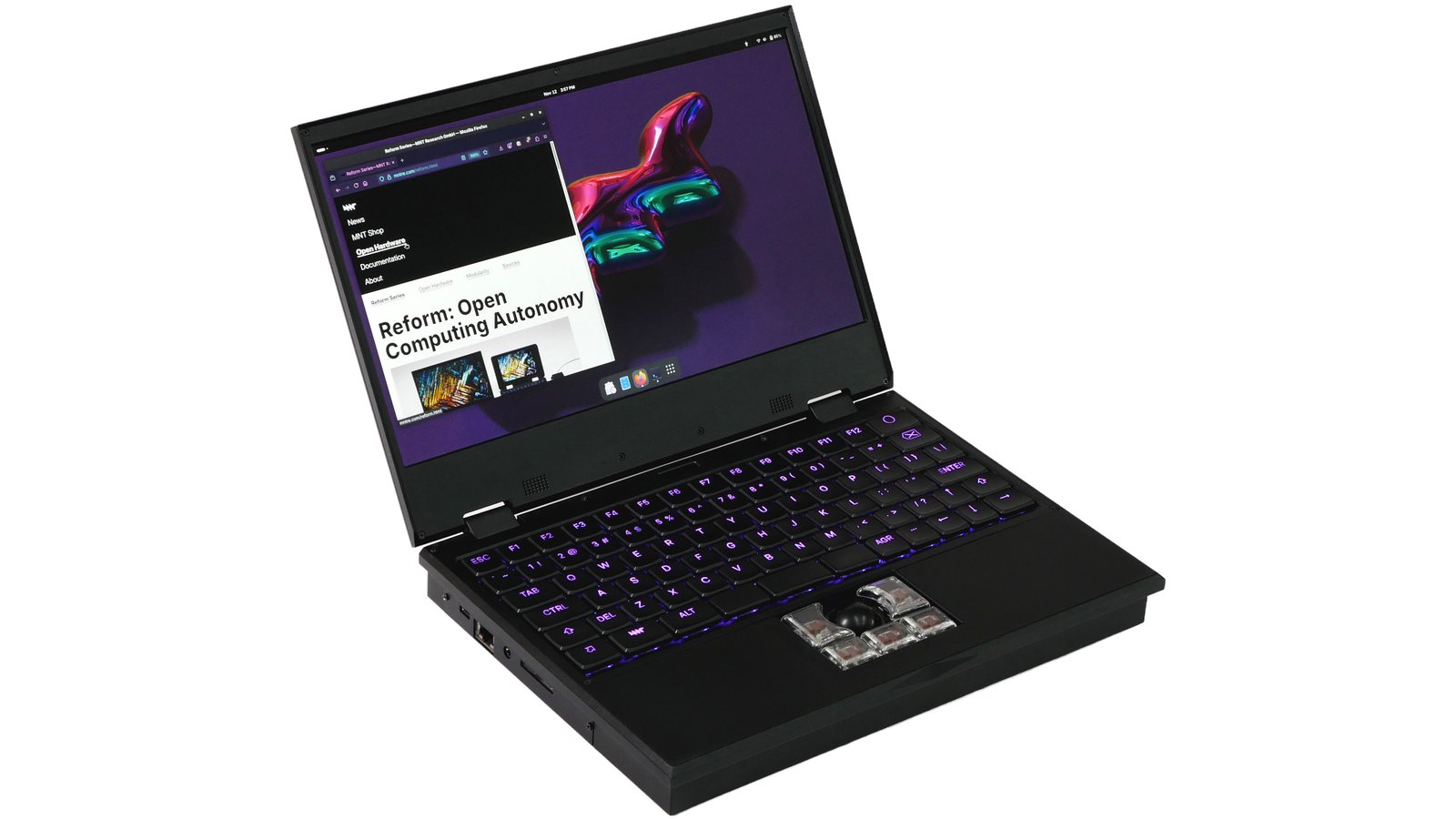
MNT Reform 3.0
An upgraded and improved version of the original MNT Reform laptop. New feature highlights: MNT RCORE Module with Firefly iCore-3588Q (16 GB), custom milled heatsink, Wi-Fi 6E + BT 5.3, keyboard with RGB backlight, motherboard 3.0, USB-C Power Delivery, battery boards with integrated protection chips for each cell, and steel port covers.
$1,495 Free US Shipping / $20 Worldwide
Orders placed now ship Mar 31, 2026.
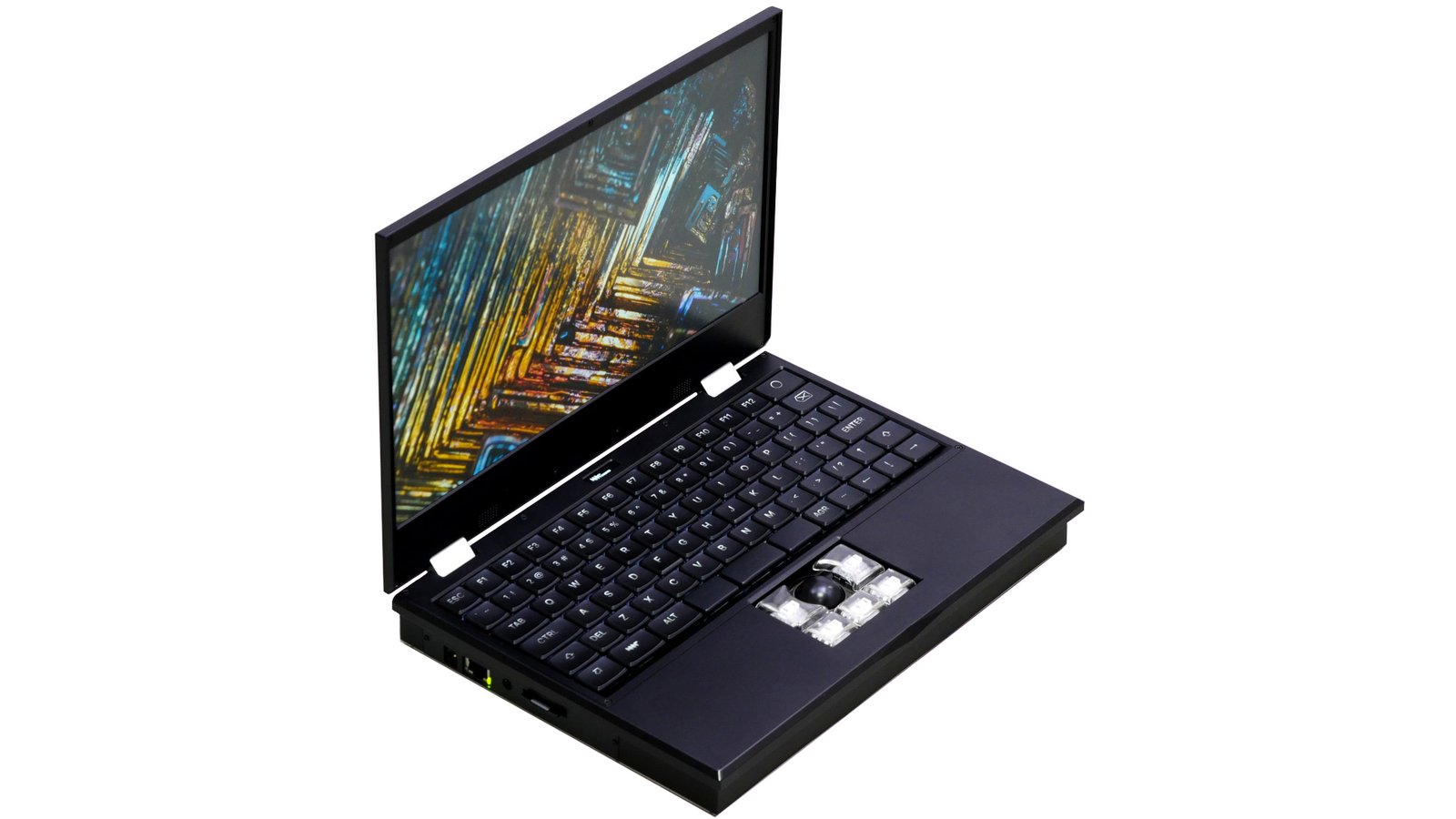
MNT Reform with A311D Processor (Assembled, Trackball, QWERTY-US)
An upgraded and improved version of the original MNT Reform laptop. New feature highlights: - Amlogic A311D hexacore processor with 2-3x performance and ARM Mali GPU with GLES 3.1 - WiFi 5 + BT 5 integrated - A new keyboard layout with traditional stagger, homing keycaps, and anti-flexing bars - Motherboard V2.5 with small fixes and improvements - Battery boards with integrated protection chips for each cell - Steel port covers
$1,499 Free US Shipping / $20 Worldwide
No longer available
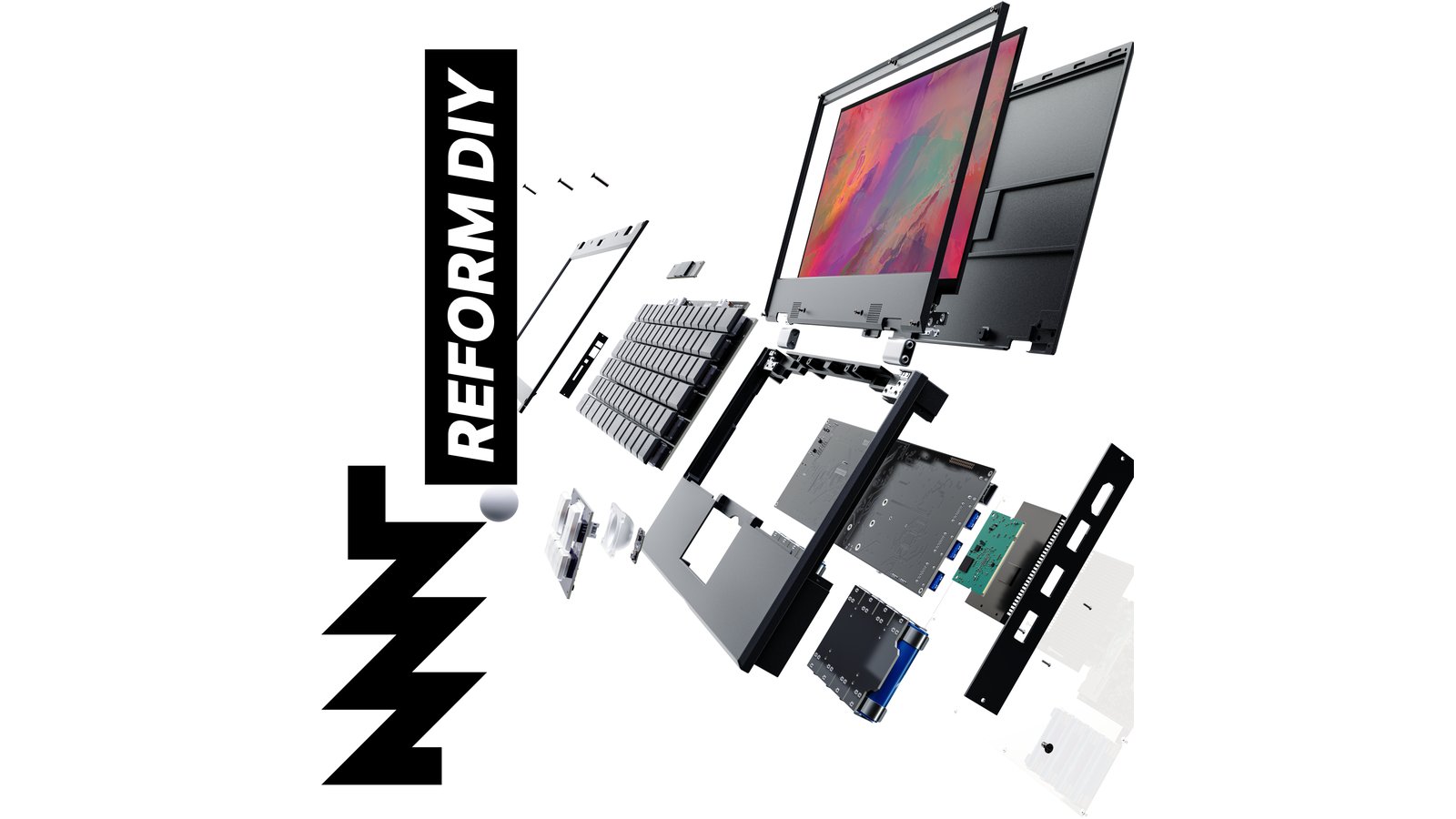
MNT Reform DIY Kit
You assemble MNT Reform yourself from the individual boards, display, and case parts. All circuit boards are populated; no soldering required. Ships with a QWERTY-US keyboard (keycap sets with other printing sold separately), a 110/230 V power supply (power outlet cables sold separately), and batteries. NOT INCLUDED: Trackpad or Trackball module, Wi-Fi card, SSD, power outlet cable.
$1,299 Free US Shipping / $20 Worldwide
In stock
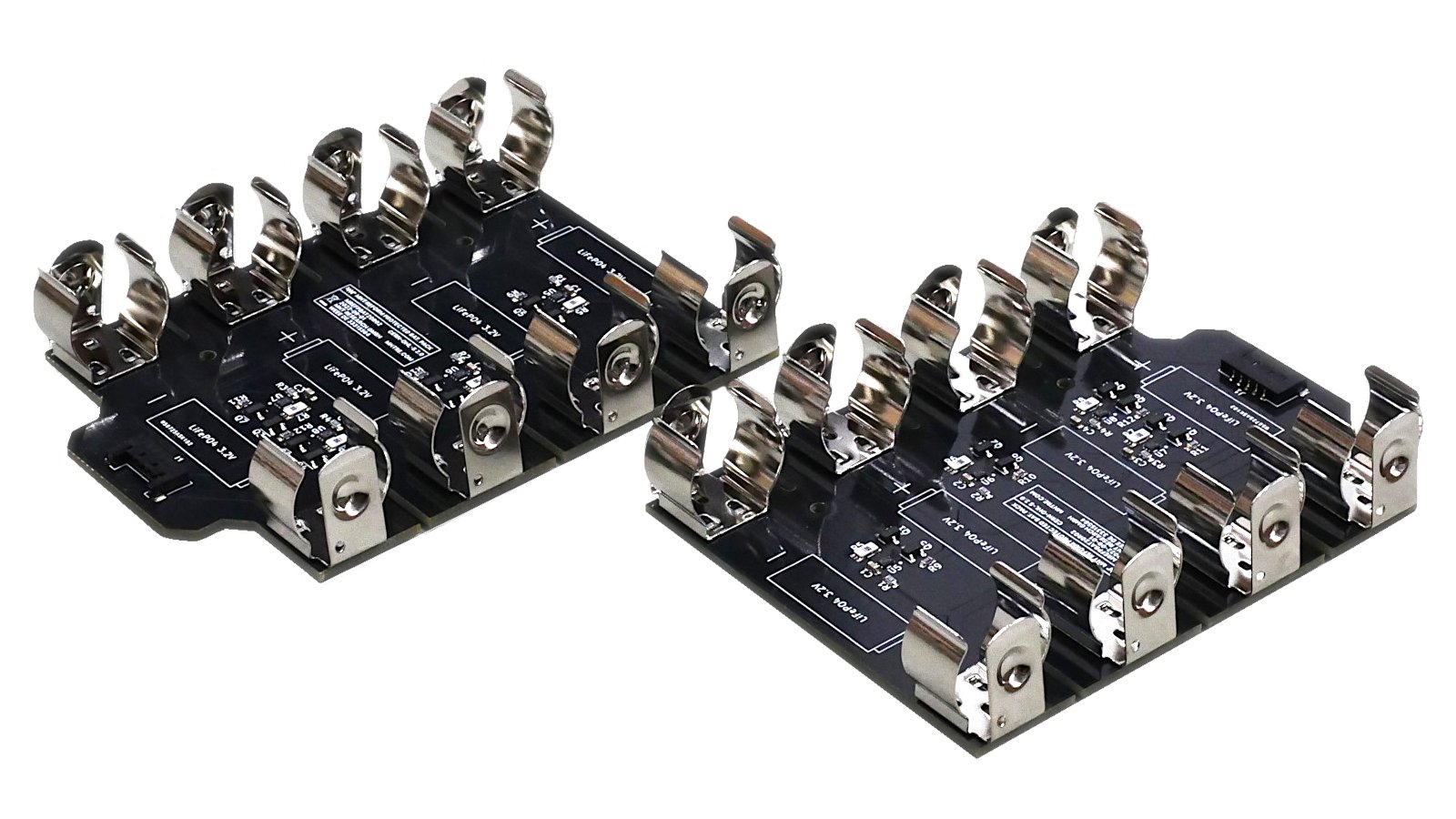
MNT Reform Protected Battery Board (Pair)
Protects your LiFePO4 cells and gives you peace of mind when leaving MNT Reform uncharged for a longer time. Features: Undervoltage, overvoltage, overcurrent protection. Drop-in replacement. 1 pair (2 pieces).
$27 $12 US Shipping / $20 Worldwide
In stock
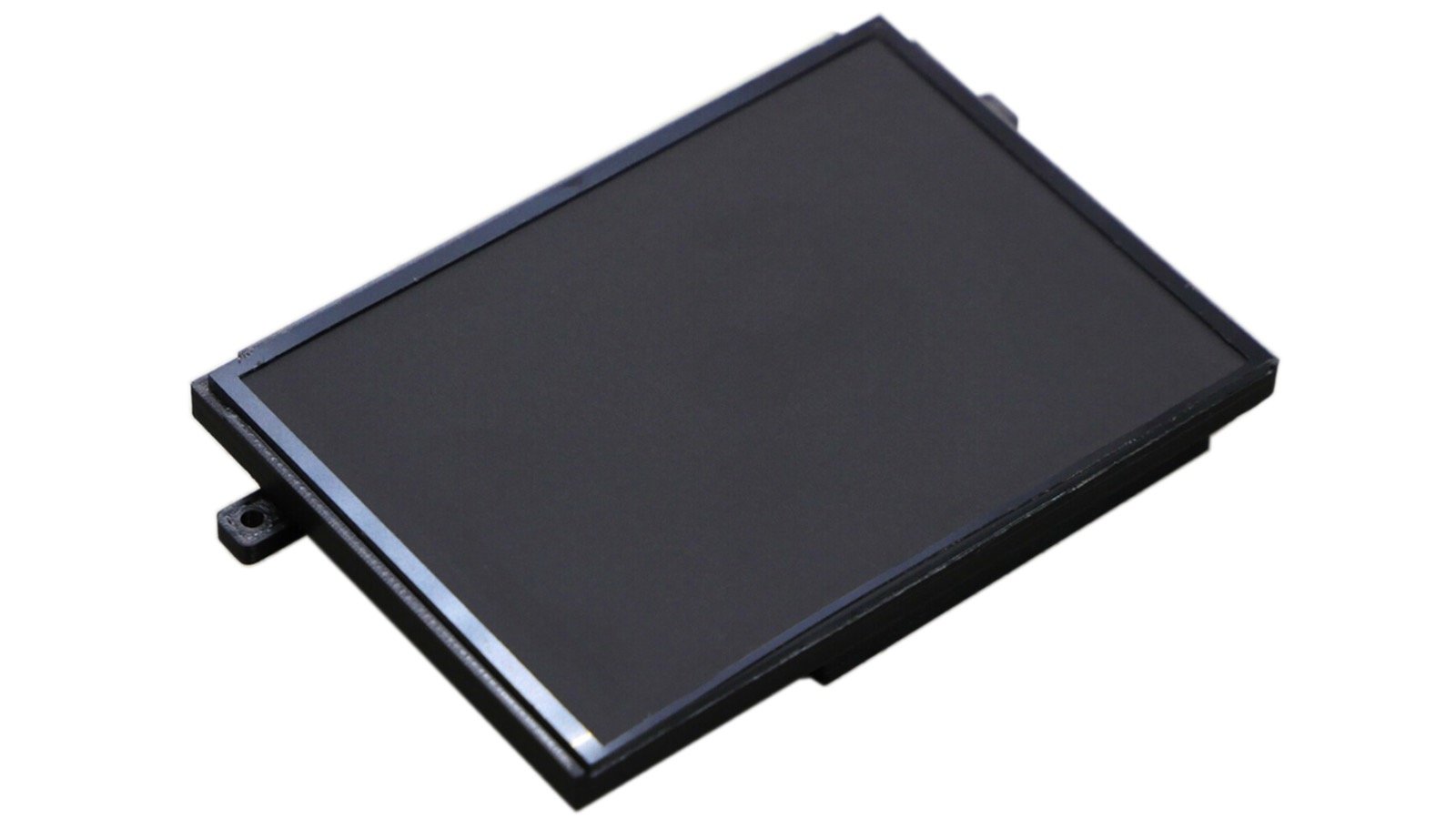
MNT Reform Capacitive Trackpad Module
A multitouch capacitive USB trackpad module.
$59 $12 US Shipping / $20 Worldwide
In stock
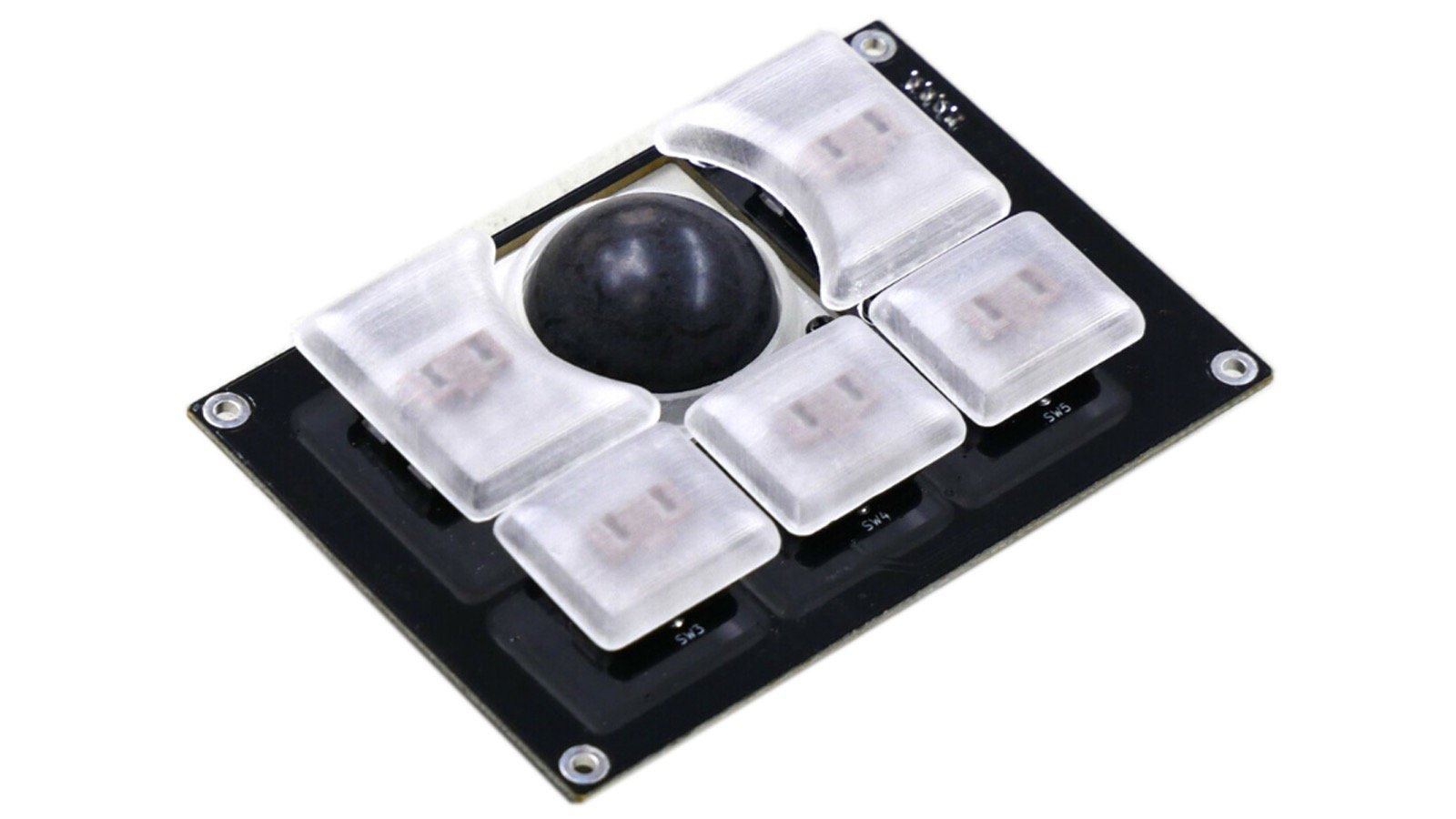
MNT Reform Optical Trackball Module
An optical USB trackball module with 5 Kailh Choc Brown keyswitches.
$59 $12 US Shipping / $20 Worldwide
In stock
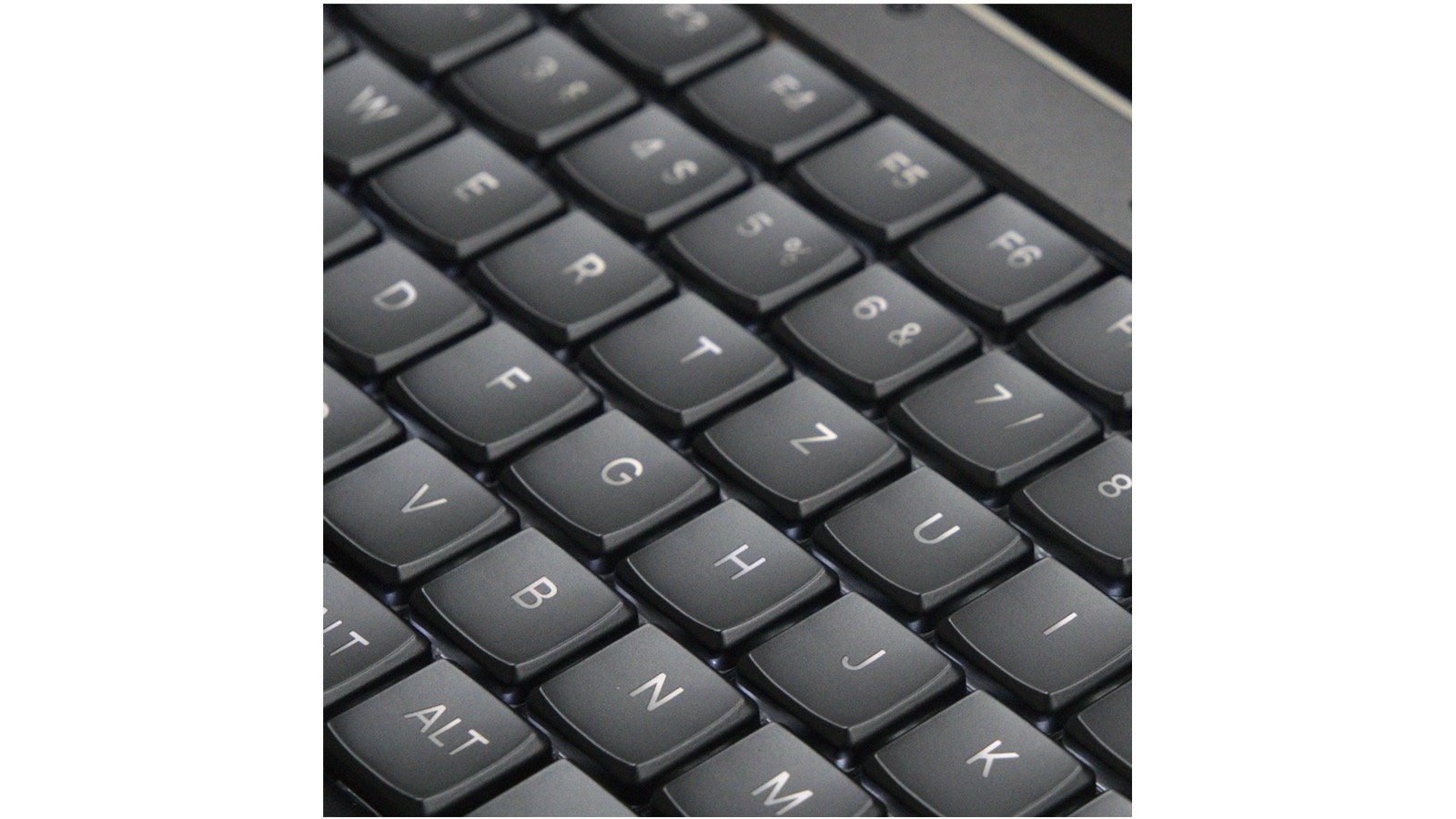
MNT Reform Keycap Set
A set of keycaps to swap out on your Reform keyboard.
$25 $12 US Shipping / $20 Worldwide
Some variants in stock
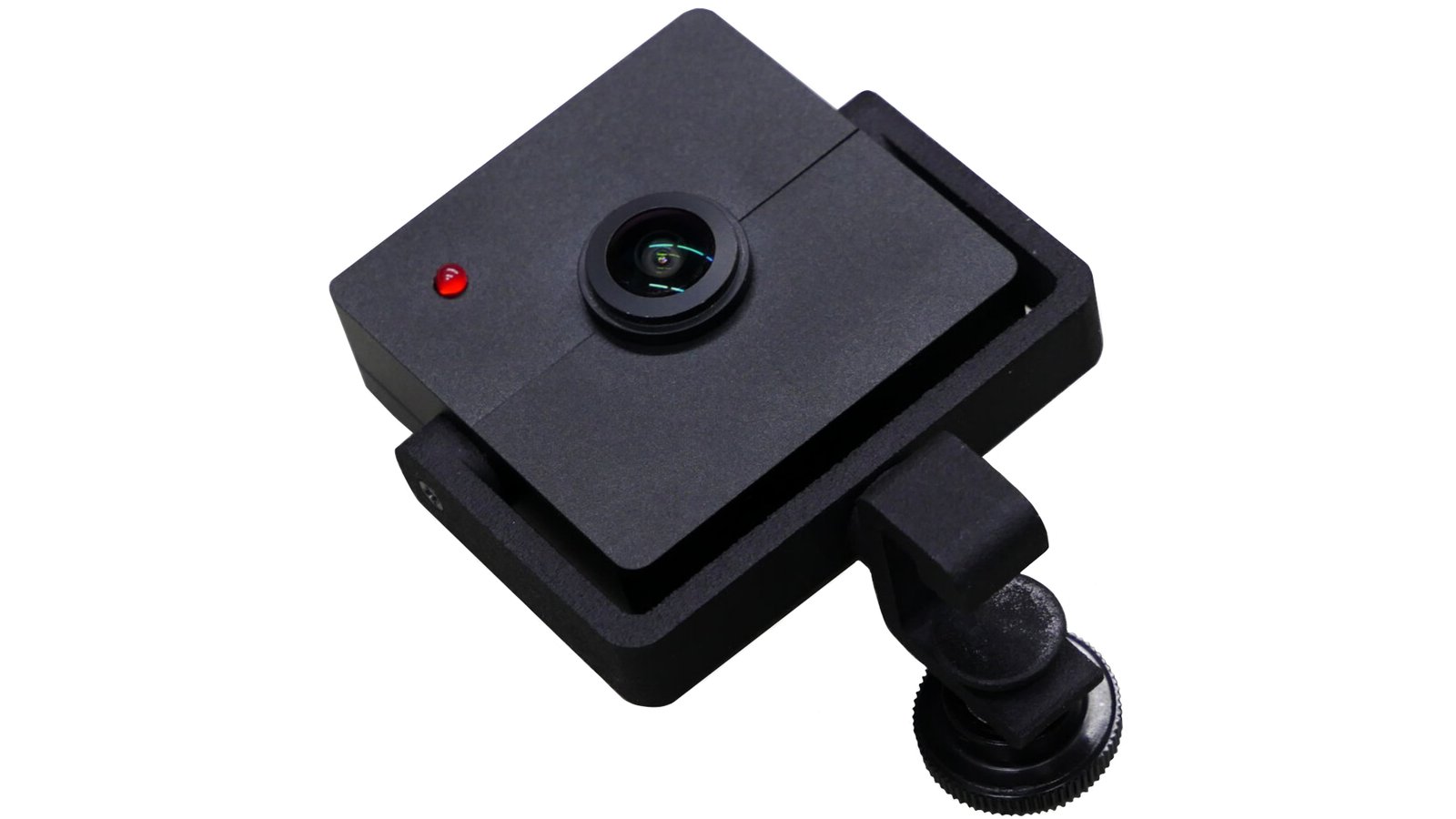
MNT Reform Camera
This is the open hardware camera add-on for the MNT Reform open hardware laptop. The camera can also be used with any other USB capable computer—it has a Type-C connector with USB 3.0 and 2.0 signals. It provides an open and customizable solution for HD video telephony.
$130 $12 US Shipping / $20 Worldwide
In stock
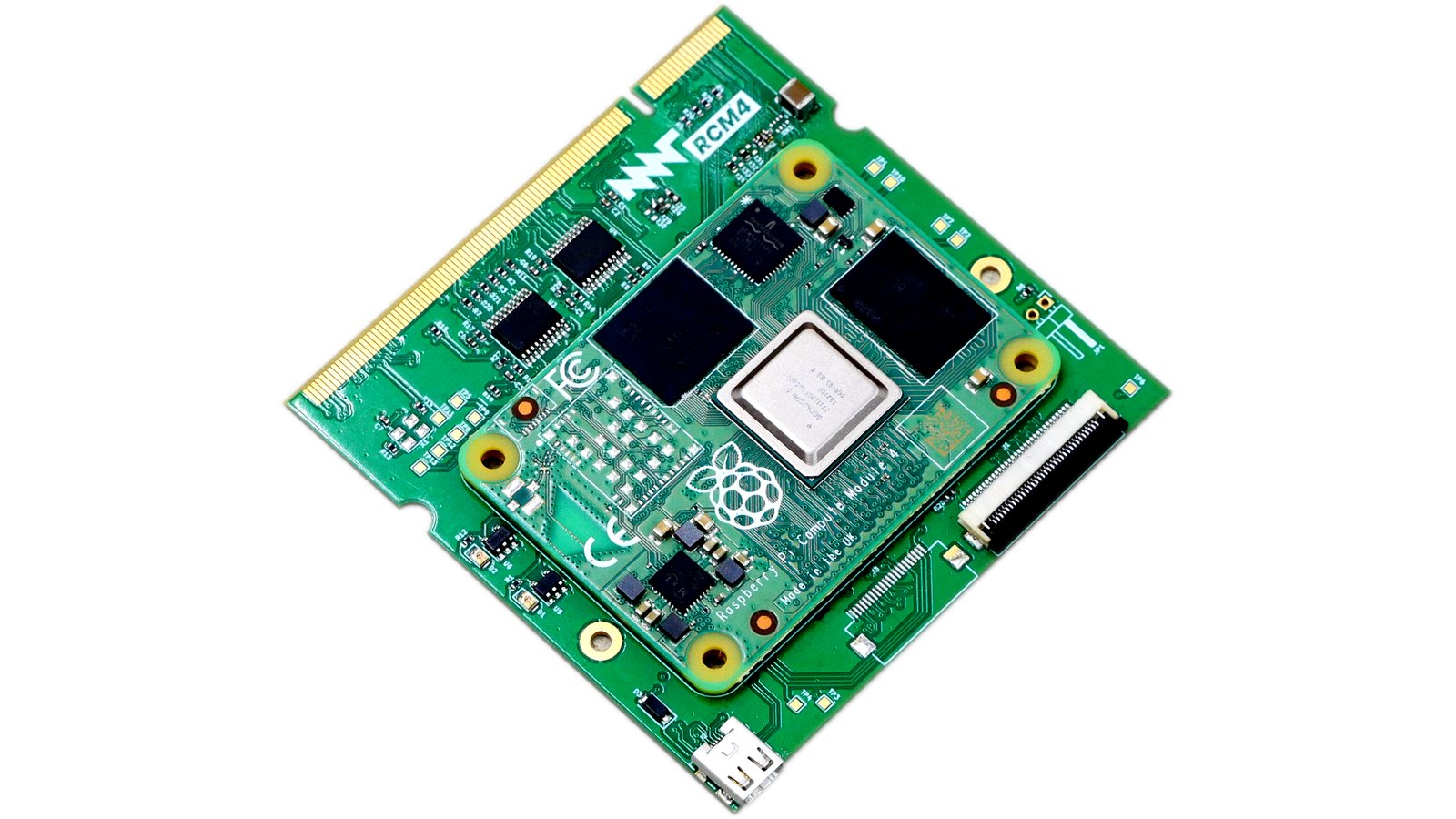
MNT Reform CM4 Adapter and Display Adapter
(DOES NOT INCLUDE CM4 MODULE) MNT RCM4 is a flexible solution for integrating the Raspberry Pi CM4 compute module and compatibles (such as BPI-CM4) into MNT Reform and MNT Pocket Reform. The kit contains our internal HDMI to eDP adapter and a universal heatsink.
$155 $12 US Shipping / $20 Worldwide
In stock
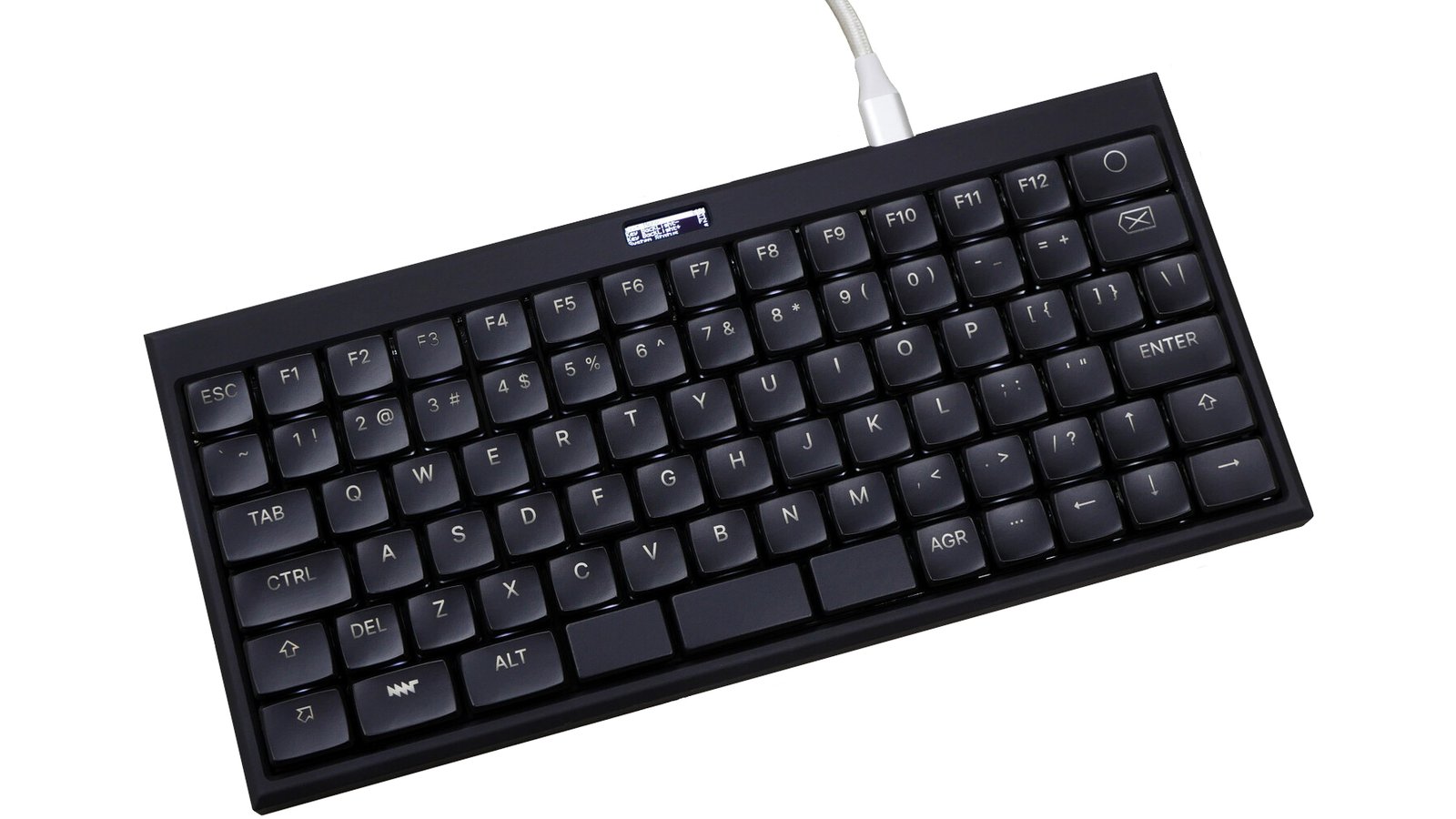
MNT Reform Standalone Keyboard V3 (Black Case, Brown Switches, QWERTY-US)
A compact and slim mechanical keyboard designed for comfort and portability. Robust laser-etched legends and dimmable WLED backlight. Smooth but exact haptics: custom FKcaps MBK concave and convex keycaps. Kailh Choc Brown tactile keyswitches. Completely open hardware and open-source firmware. N-Key rollover: Diodes on every keyswitch prevent ghosting. 126x32 pixel customizable OLED menu. Works with any computer with USB: The keyboard has a single USB-C port with USB2.0 signalling.
$240 $12 US Shipping / $20 Worldwide
In stock
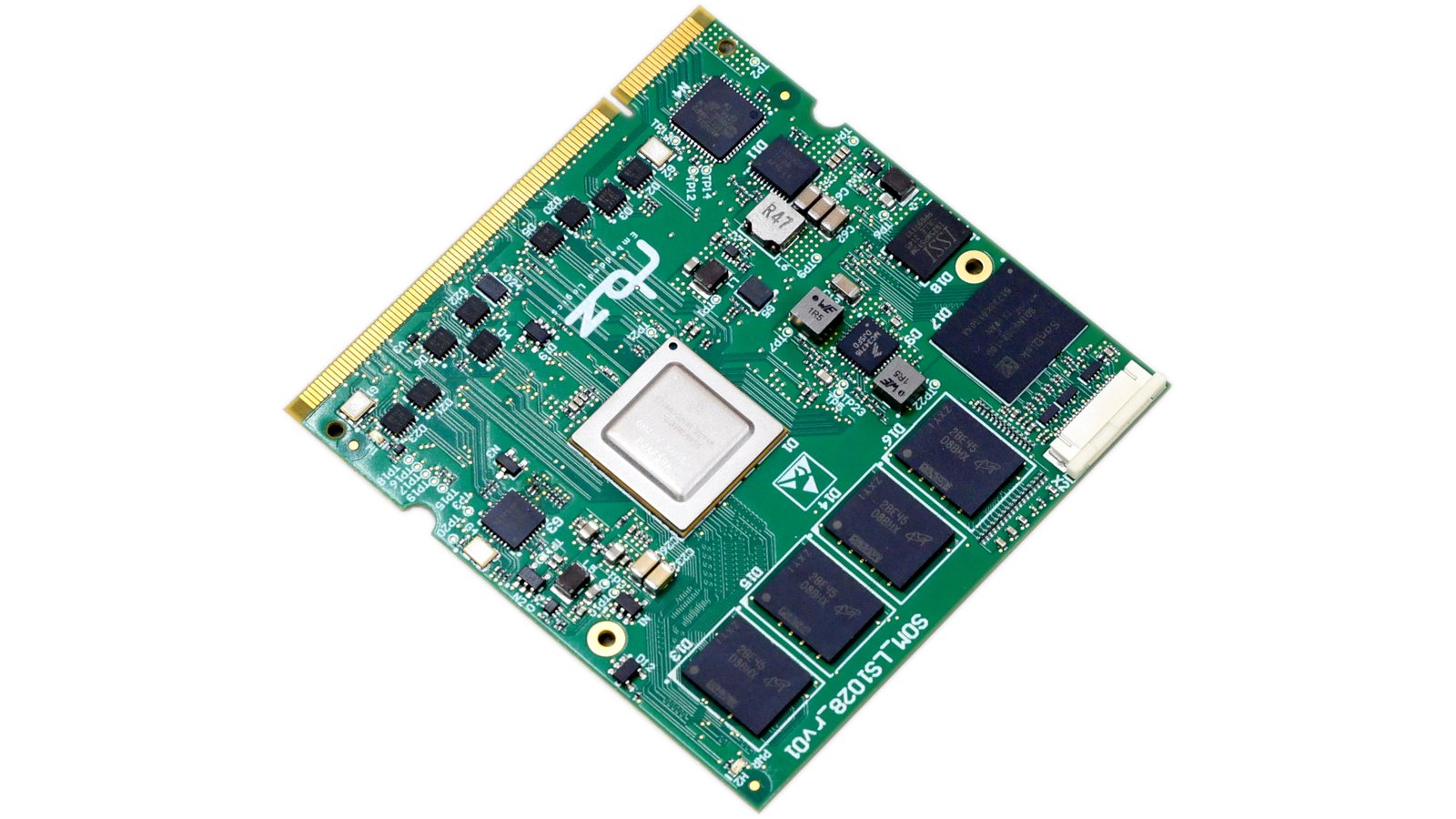
MNT Reform LS1028A Module (16 GB RAM)
This is the open hardware system-on-module featuring the NXP Layerscape LS1028A processor and 16GB of DDR4 RAM. LS1028A has 2x ARM Cortex-A72 cores and a Vivante GC7000UL GPU. LS1028A can drive external GPUs (adapter required). It can be used in the MNT Reform open hardware laptop or in any other custom device. Design files of this processor module are published under the CERN OHL.
$675 Free US Shipping / $20 Worldwide
In stock
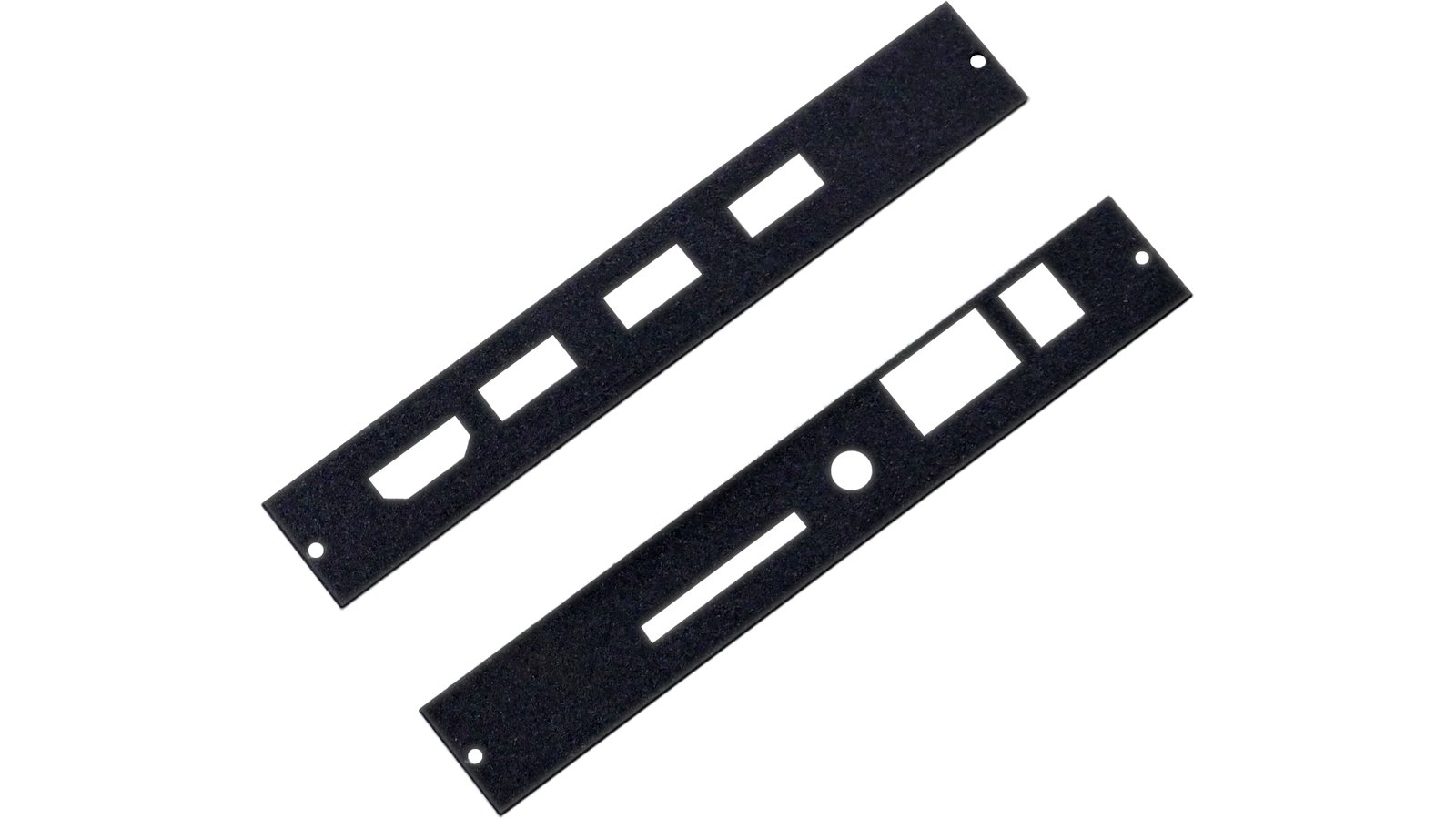
MNT Reform Steel Port Covers
The new black powder-coated Port Covers are two pieces of laser cut steel (1mm deep) that cover the side openings of the MNT Reform laptop.
$10 $12 US Shipping / $20 Worldwide
In stock
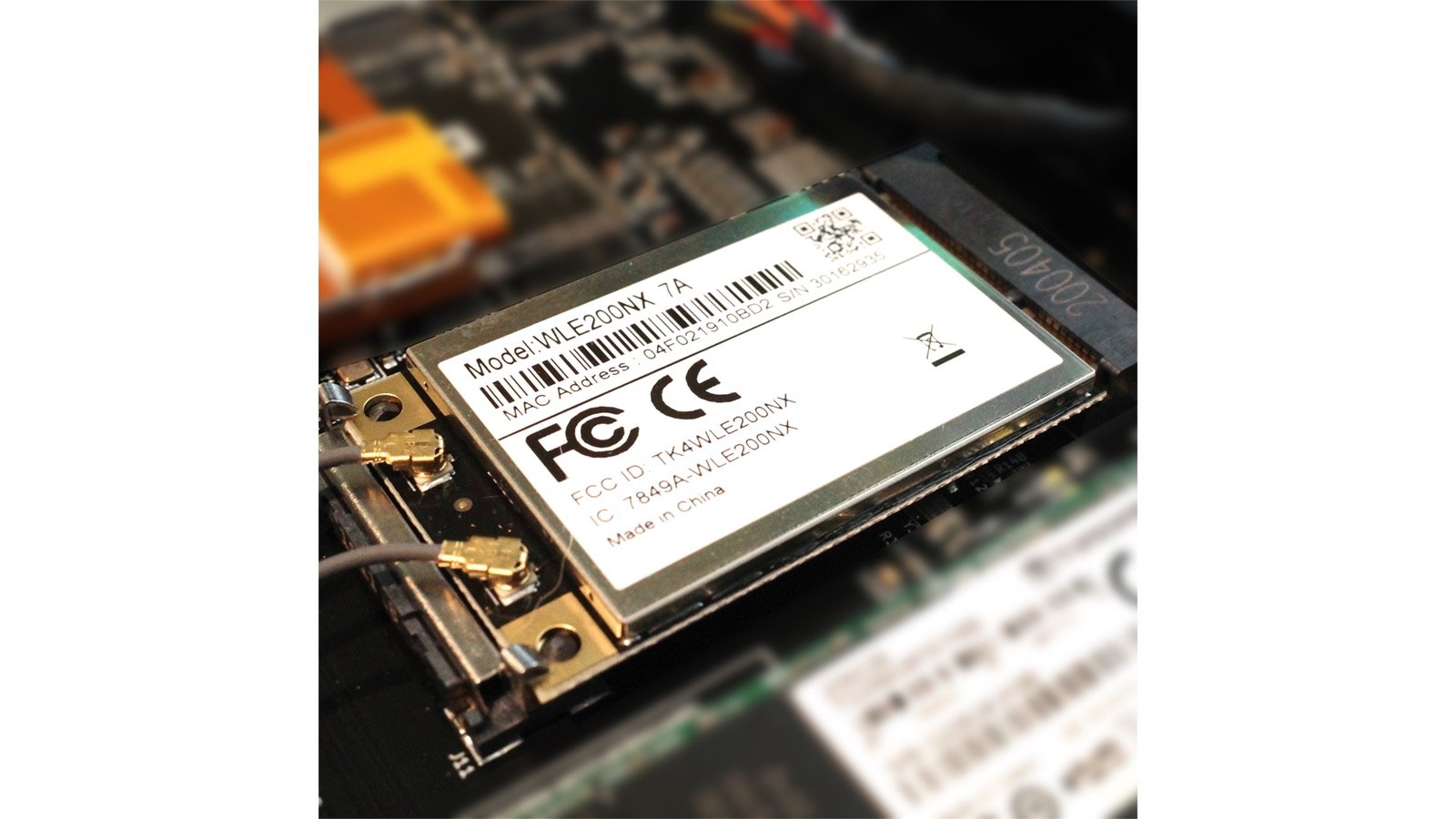
ath9k Wi-Fi Card
A COMPEX WLE200NX 802.11n mPCIe Wi-Fi card. Uses open ath9k drivers.
$50 $12 US Shipping / $20 Worldwide
No longer available
Flexible Wi-Fi Antenna - I-PEX
From the Crowd Supply Basics project.
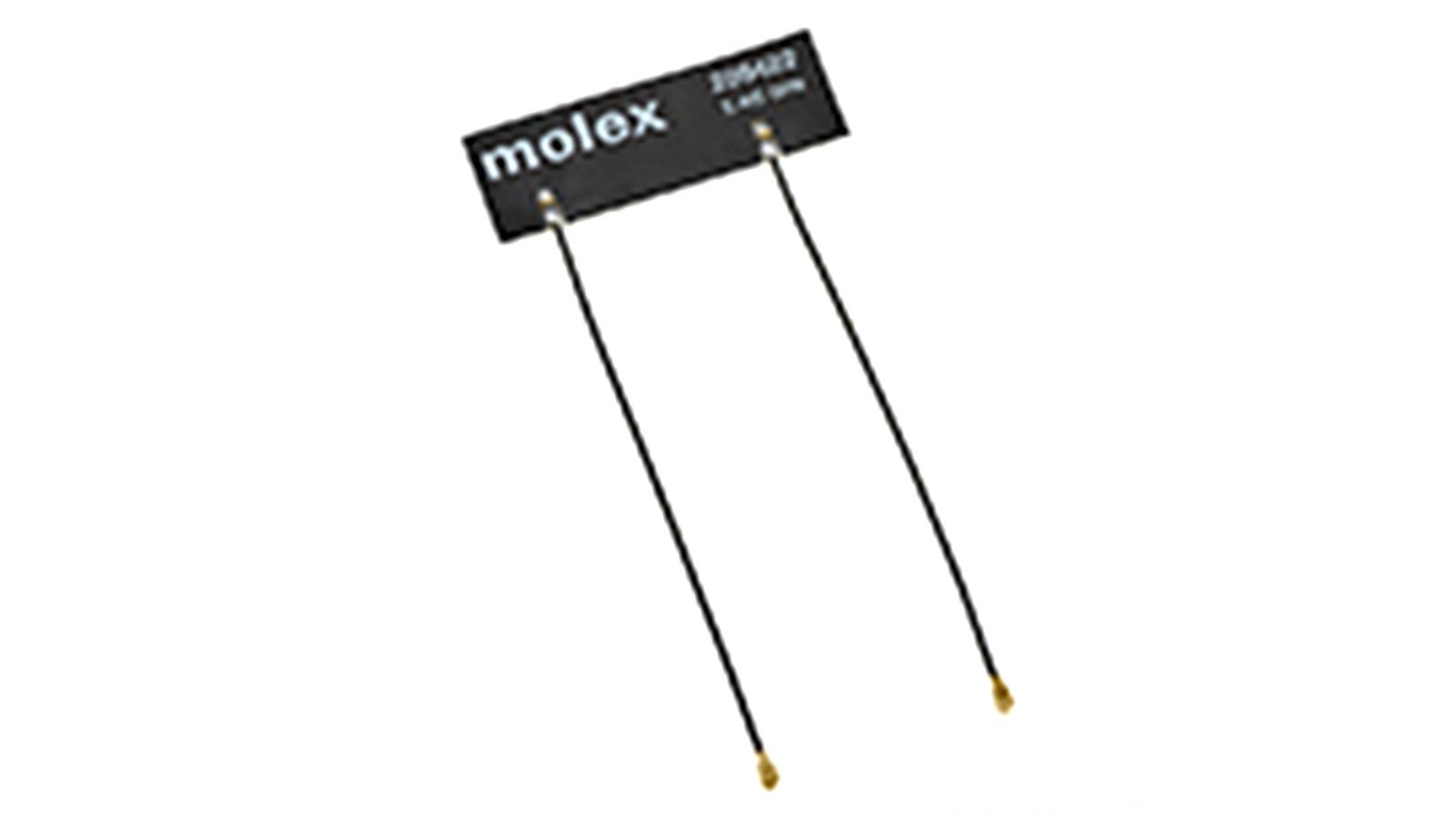
A Molex 208482-0100 flexible-PCB 2x2 MIMO Wi-Fi (2.4/5 GHz), BT, and Zigbee antenna with adhesive backing and I-PEX MHF connectors.
$4 $8 US Shipping / $18 Worldwide
In stock
Transcend NVMe SSD
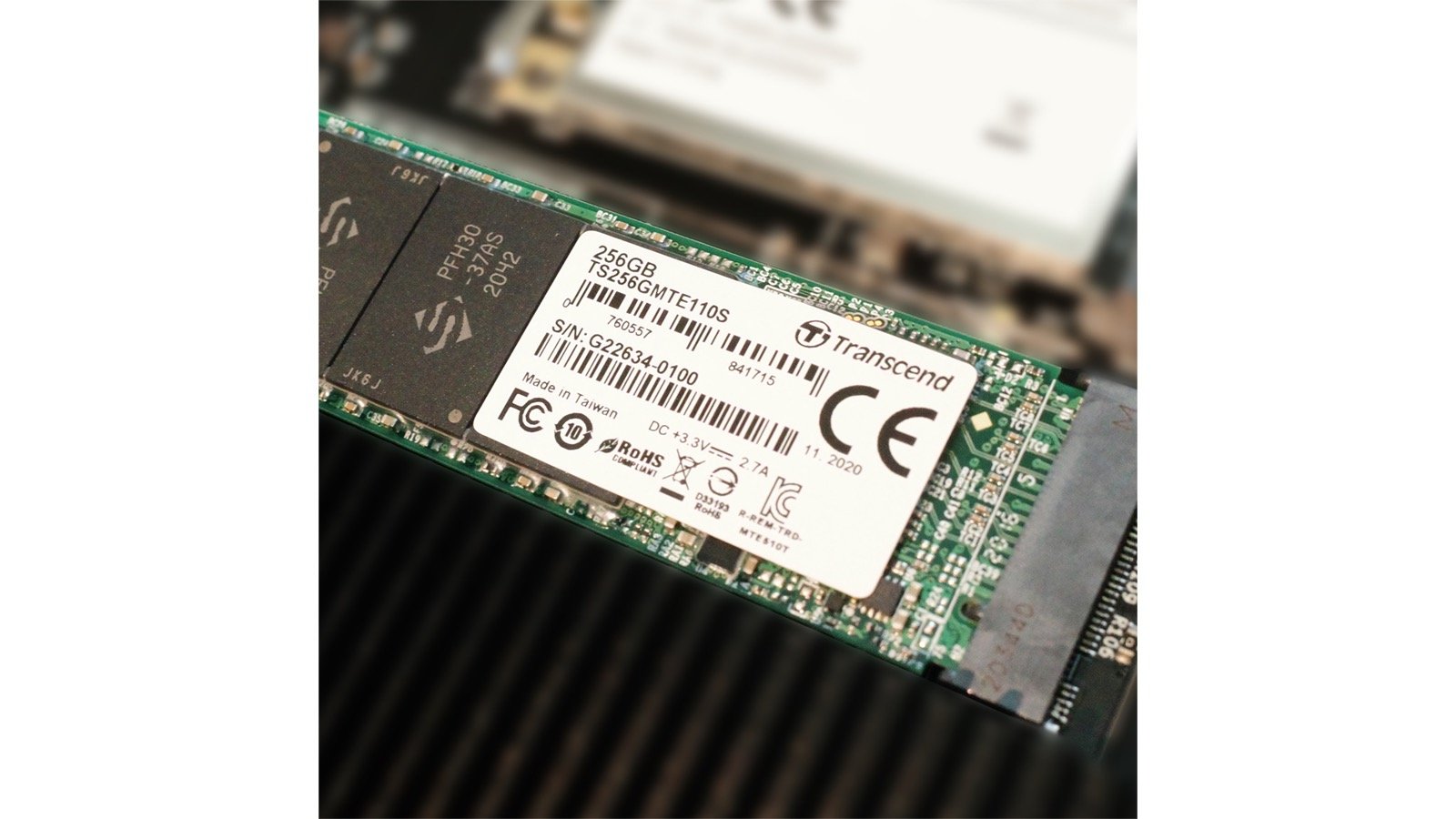
Transcend 110S M.2 PCIe NVMe solid state drive. Features PCIe Gen3 x4 speeds and 3D NAND flash. Use as a boot drive or for additional fast storage. Available in 256 GB, 512 GB, and 1 TB capacities.
$149 $12 US Shipping / $20 Worldwide
Some variants in stock
MNT Reform Handbook 3.0
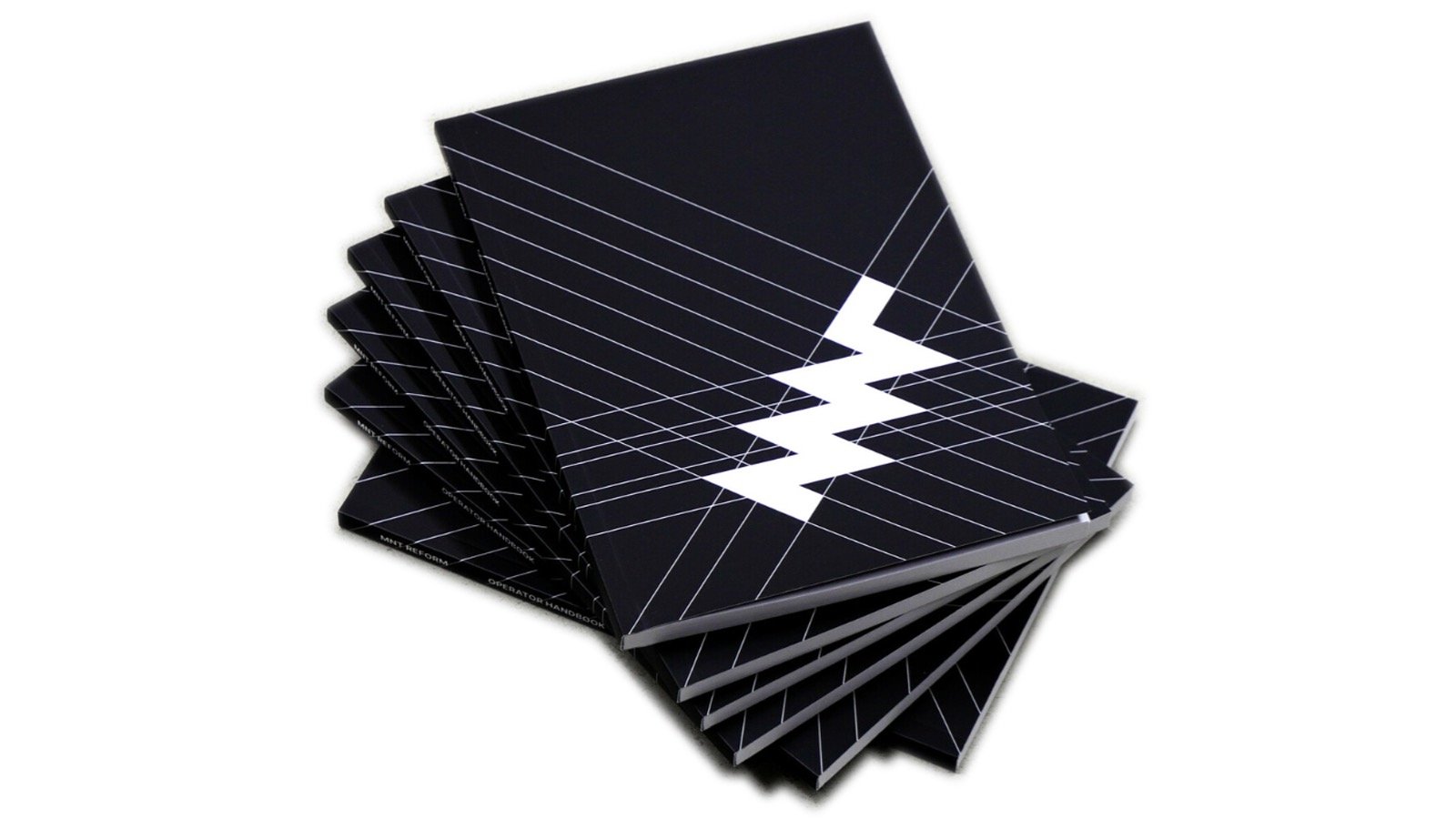
From Linux basics to mechanical parts to electronics schematics. This is the freshly updated 3rd Edition of the Operator Handbook, the official hardcopy manual accompanying the MNT Reform open hardware laptop. DIN A5, 140 pages, softcover, many illustrations and schematics.
$40 $12 US Shipping / $20 Worldwide
Orders placed now ship Jan 31, 2026.

MNT Reform CM4 Adapter with Banana Pi CM4 (Amlogic A311D)
This bundle is a low-cost way to boost the performance of your MNT Reform by 2x-3x. It includes the MNT Reform CM4 adapter (RCM4), a Banana Pi CM4 module with hexacore Amlogic A311D processor, 4GB DDR4 RAM and a universal aluminum heatsink. The A311D has 4x ARM Cortex-A73 and 2x ARM Cortex-A53 cores, as well as an ARM Mali G52 MP4 GPU that works with Panfrost open-source drivers. Features RTW88 WiFi/BT combo module.
$165 $12 US Shipping / $20 Worldwide
Orders placed now ship Feb 28, 2025.
C13 AC Power Cord (US plug, 2 m long, black)
From the C13 AC Power Cords project.
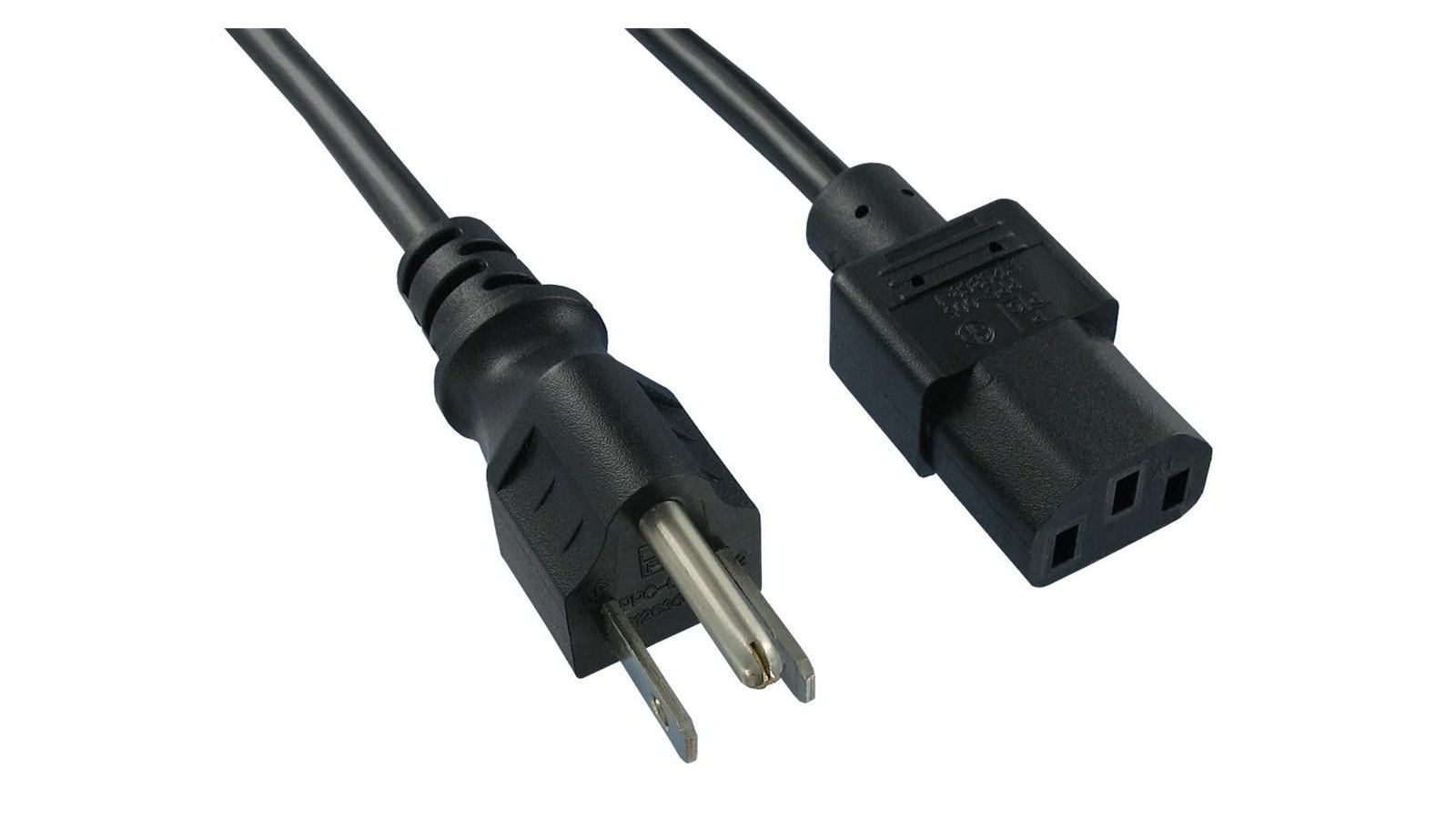
A black, 2 m long AC power cord for use in the United States. One side has the standard IEC 60320 C13 plug that fits a C14 port common to many appliances. The other side has the standard NEMA 5-15P plug common in the United States. Rated up to 10 A and 125 V.
$8 $8 US Shipping / $18 Worldwide
In stock
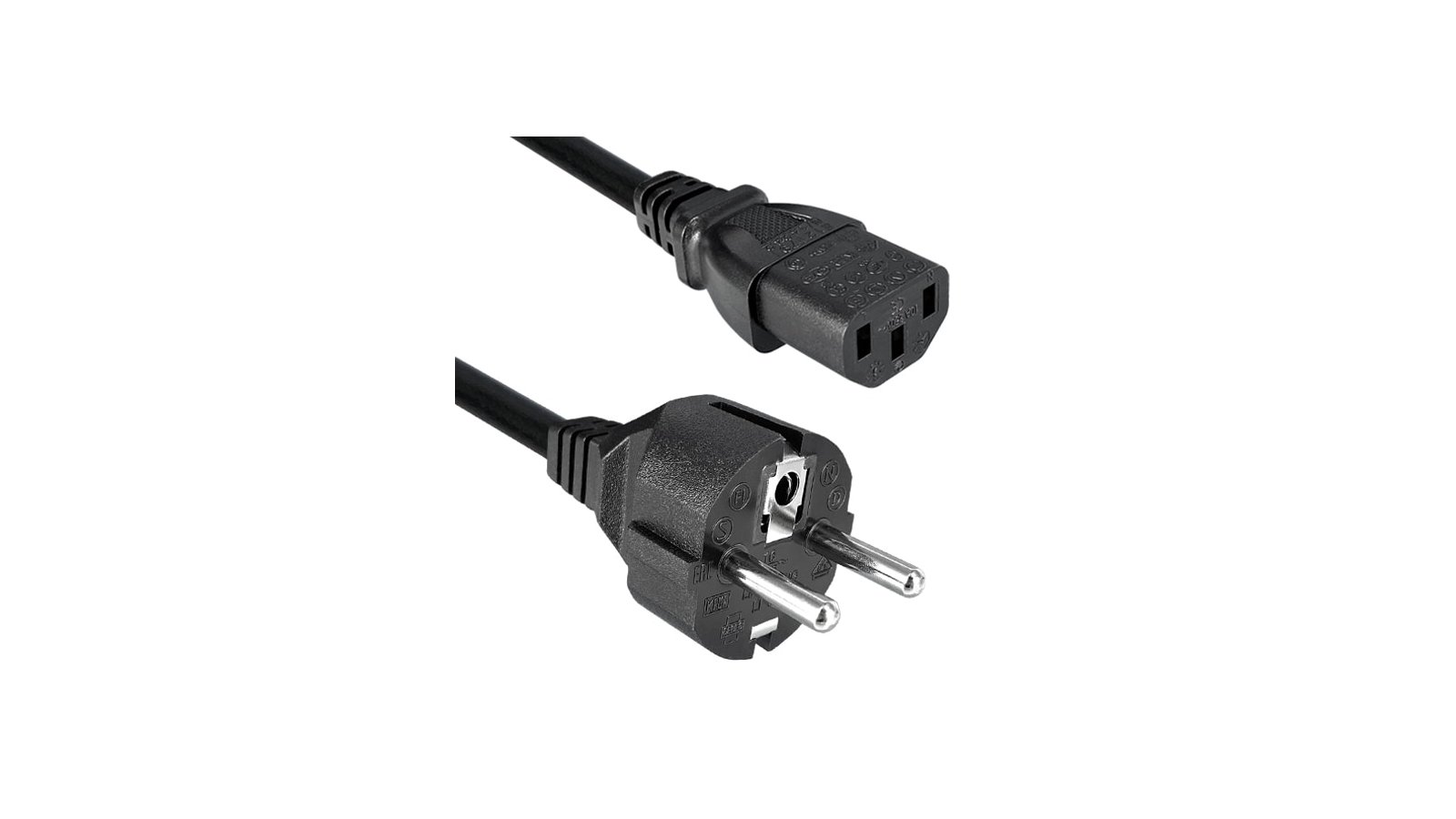
C13 AC Power Cord (EU plug, 2.5 m long, black)
From the C13 AC Power Cords project.
A black, 2.5 m long AC power cord for use in Europe. One side has the standard IEC 60320 C13 plug that fits a C14 port common to many appliances. The other side has the standard CEE 7/VII plug common in Europe. Rated up to 10 A and 250 V.
$10 $8 US Shipping / $18 Worldwide
In stock
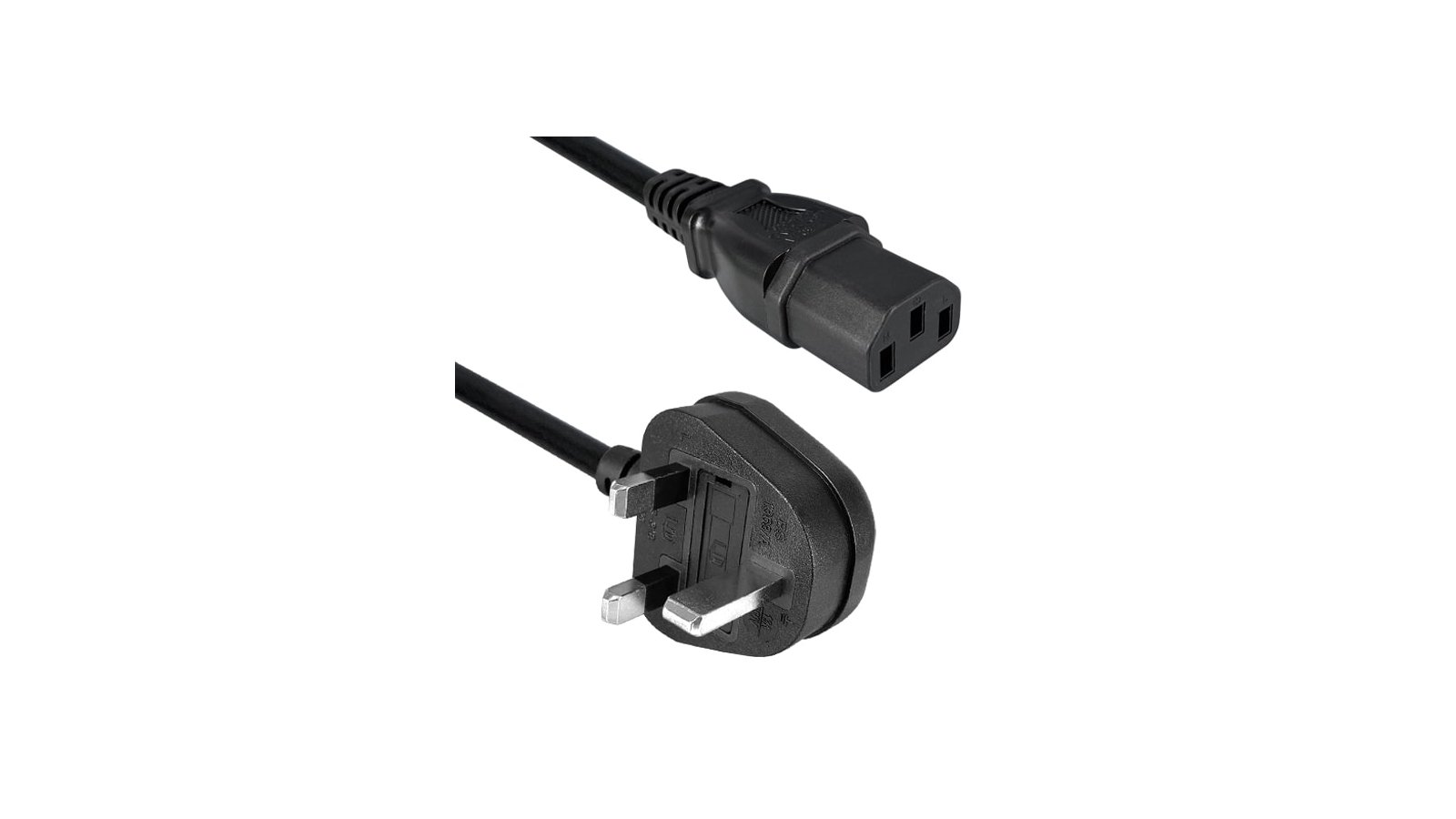
C13 AC Power Cord (UK plug, 2.5 m long, black)
From the C13 AC Power Cords project.
A black, 2.5 m long AC power cord for use in the United Kingdom. One side has the standard IEC 60320 C13 plug that fits a C14 port common to many appliances. The other side has the standard BS1363 plug common in the United Kingdom. Rated up to 10 A and 250 V.
$12 $8 US Shipping / $18 Worldwide
In stock
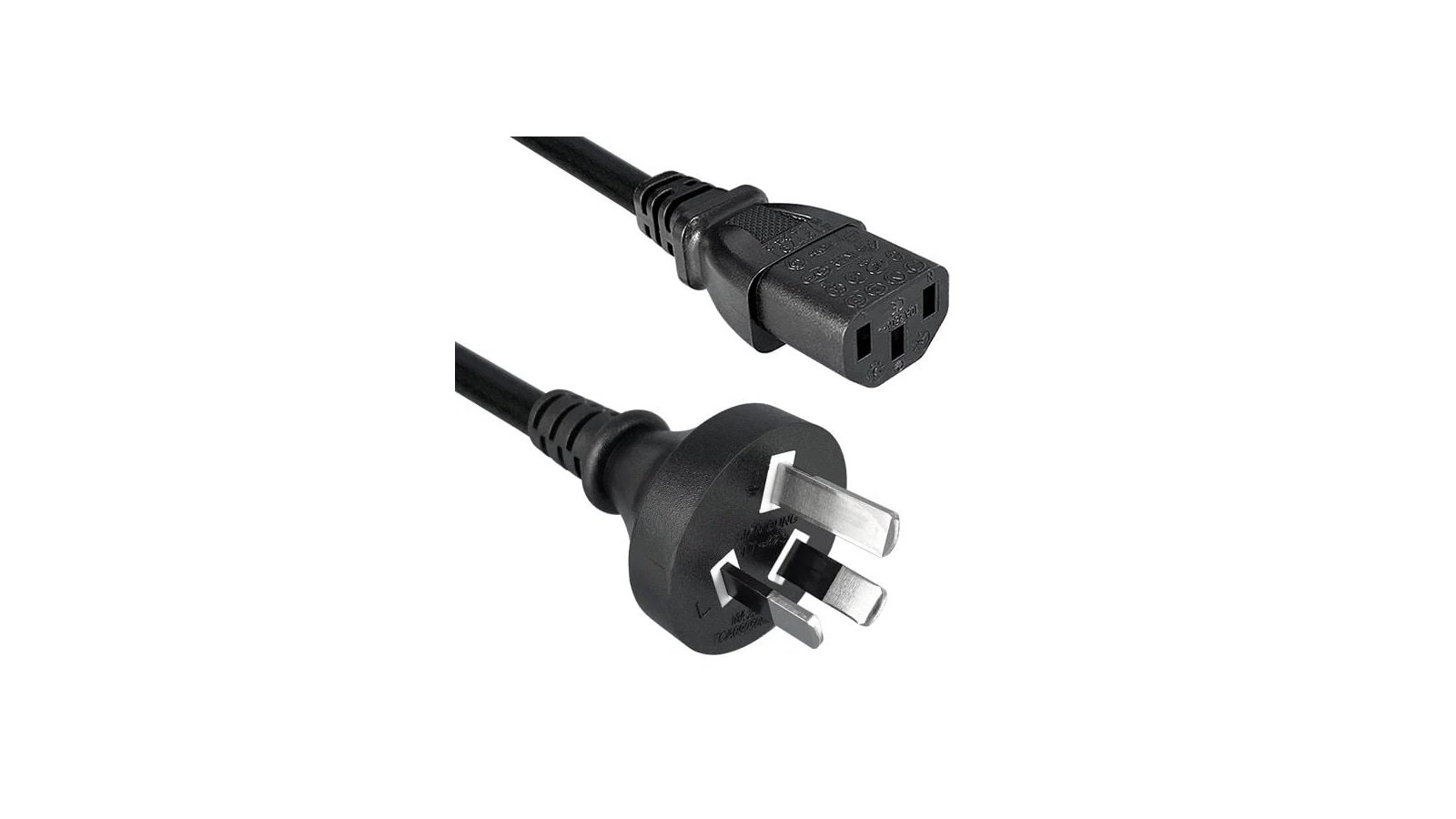
C13 AC Power Cord (AU plug, 1.8 m long, black)
From the C13 AC Power Cords project.
A black, 1.8 m long AC power cord for use in Australia. One side has the standard IEC 60320 C13 plug that fits a C14 port common to many appliances. The other side has the standard AS3112 plug common in Australia. Rated up to 10 A and 250 V.
$8 $8 US Shipping / $18 Worldwide
Orders placed now ship Aug 21, 2026.
About the Team

MNT Research
Berlin, Germany · mntmn@mastodon.social · mntre.com
We are driven by the idea of a digital future that is open-source, accessible, and modular. Our innovative, interdisciplinary team sets high standards in terms of quality and sustainability. We combine these principles by developing open source hardware, software, and textiles in Berlin, Germany.