Every internet search, ChatGPT query or video watched online has an invisible cost, namely its environmental footprint. And yet assessing this impact remains complicated because of the lack of harmonised standards and accessible data. The Altimpact project, led by the CNRS, the Ademe and the Inria is working on this challenge.
Key takeaways for action
- Although the environmental footprint of the digital sector is growing, it remains poorly understood.
- A research programme partly funded by the CNRS has shed more light on the impact of various IT products and services.
- Industry players have embraced these calculation tools to reduce their own environmental footprint.
Every day, millions of people browse the internet or use artificial intelligence tools like ChatGPT, to the extent that all of this has become commonplace even though seemingly innocuous actions of this kind do have a very real environmental impact. This is precisely why the issue is being studied by the Altimpact project initiative led by the CNRS, the French Environment and Energy Management Agency (Ademe) and the National Institute for Research in Digital Science and Technology (Inria). A research team has specifically focused on measuring these hidden costs in the framework of this programme dedicated to assessing the digital sector’s ecological footprint.
“Our starting point was the observation that more and more people are wondering how to assess the environmental impact of digital products, for example by using LCA1 . The problem is that these standards and calculation rules are not harmonised so calculations can't be compared with each another”, notes Emeline Pegon, a CNRS research engineer2 who worked alongside Laurent Lefevre from the Inria on the Altimpact project, adding that this lack of harmonisation penalises citizens and companies alike. Thomas de Latour, a digital sustainability engineer with the Ademe, agrees, pointing out that today's digital sector remains “largely unregulated, with players that are relatively scattered across the value chain”.
One of the Altimpact project's objectives was precisely to establish product category rules (PCRs), with each set of rules establishing a standardised calculation methodology for specific products. Emeline Pegon explains that "we've worked on all aspects of this industry – from hardware to the networks that connect them, including video games and the graphics processors used in data centres. For each sub-sector, we've worked with experts in the relevant industry. And we've also drawn on the expertise of researchers for this work because we need to analyse a vast number of documents and run analyses on specific products”.
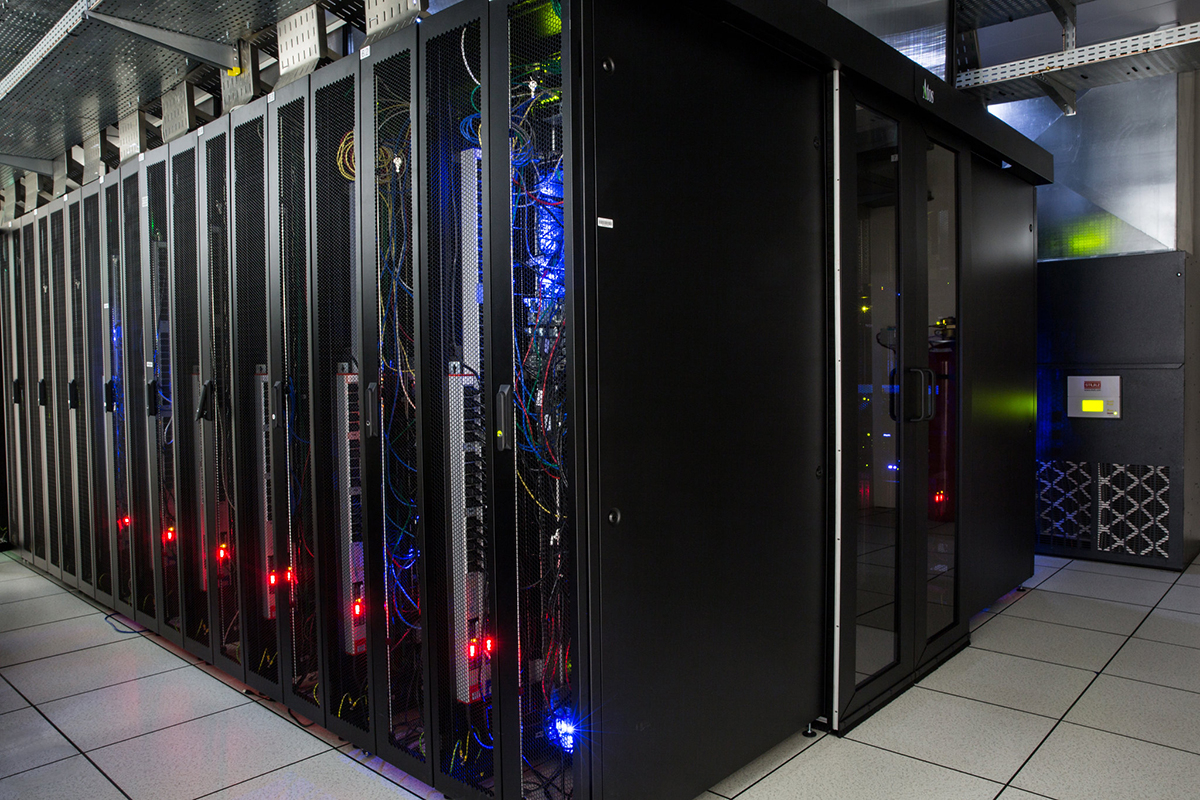
Data centres – such as the one at the École Polytechnique – account for an increasing proportion of global electricity consumption.© École polytechnique - J.Barande
The project also focused on creating a public database to provide access to reliable data on the subject. “Paradoxically, the digital sector is a poor relation in this respect, partly because certain sectors are constrained by confidentiality and technology patents. Also, when data are shared, they very quickly become obsolete”, observes the research engineer. This database, 'Empreinte', will be gradually fed into and regularly updated as research results progress.
Dissecting GPUs
However it is far from a simple task to carry out an inventory of this kind. David Ekchajzer, the co-founder of the Hubblo consultancy firm specialising in the environmental impact of digital technology, has examined a key component – graphics processing units (GPUs). Use of these chips was once confined to video games but has now become a core hardware element for artificial intelligence. Demand for GPUs has rocketed with the rise of AI, with data centres now housing thousands of them. “Data on these components are virtually non-existent. There's very little available information, which makes their environmental impact difficult to evaluate”, he explains. However, to study these GPUs, they first had to be obtained which was a major challenge as a new model can cost between €10,000 and €30,000, which is far too expensive for the budget of a research project. “Thanks to contacts in data centres, we managed to recover faulty units and then supplemented these stocks through purchases on platforms like eBay. In total, we were able to obtain about ten GPUs”, explains David Ekchajzer.
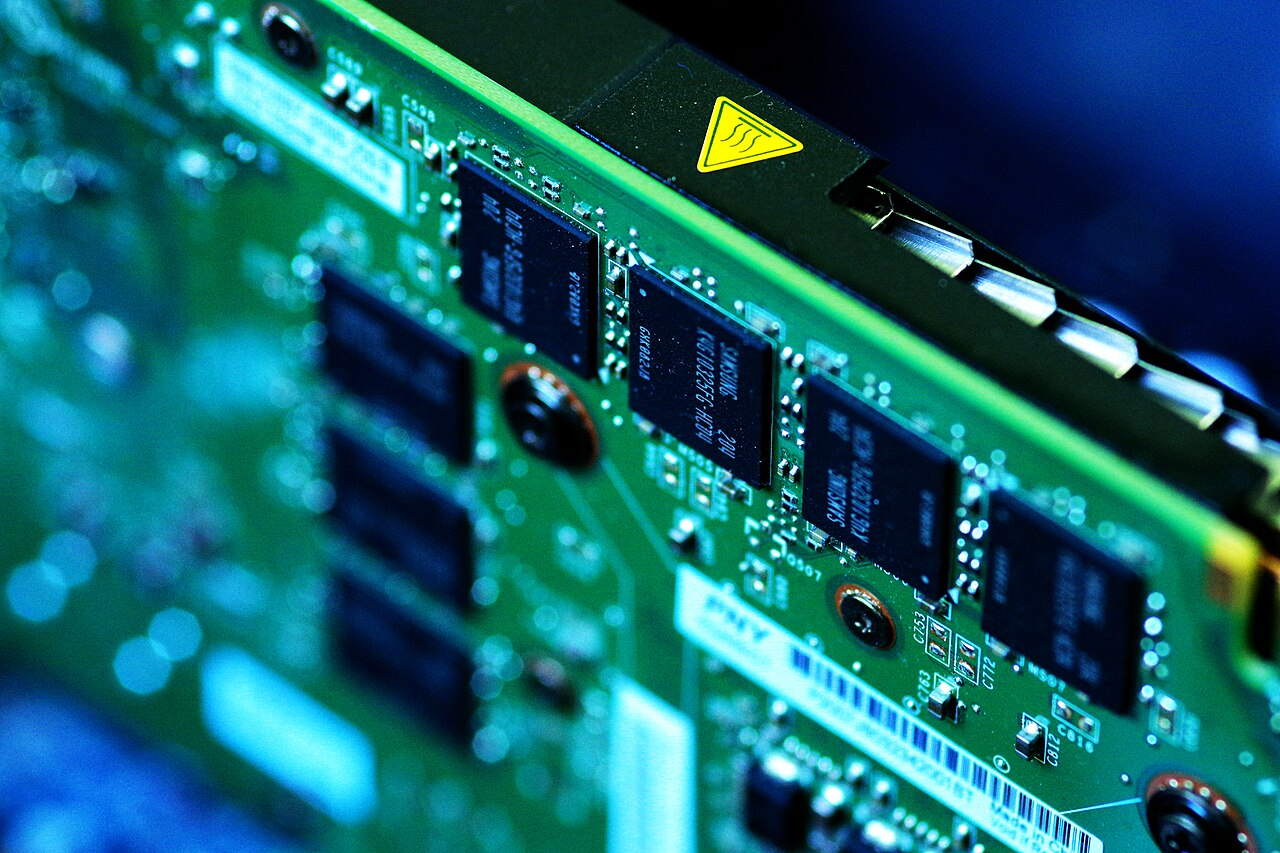
Although they are essential to the growth of AI, the environmental footprint of GPU chips remains poorly understood.© Gormé / Wikimedia Commons
These GPUs were then dismantled to characterise their components. “We determine their weight, surface area, etc., then send these components to a partner laboratory which decapsulates them, which means taking off the protective plastic layer. Our aim is to obtain the original component”, explains the expert. The researchers went so far as to recover the metals that make up these units by heating the components in a furnace to burn off the plastics and recover just the metals and minerals for analysis with a spectrometer. “This method means we can obtain precise data that are specific to these products, which was not the case with the generic data provided previously”, explains David Ekchajzer.
From research laboratories to industry
The effort put in now appears to have paid off, as companies have already made use of the published data based on the Altimpact project's work. “We've tested this methodology on several of our products based on the PCRs. We've also integrated this framework into our professional tools to provide an additional service for our customers, who are increasingly demanding in terms of their environmental impact”, says Elise Auvray, the environmental footprint product manager with Scaleway, a provider of digital cloud solutions consulted by one of Altimpact’s working groups.
Scaleway customers can now view the associated CO₂ emissions for each relevant package when accessing their professional accounts. These data take into account various factors like data centre construction, electricity consumption and use of cooling systems, the transportation of components, recycling and refurbishment of equipment, and so forth. “For us, using these standards was an actual mark of quality”, says Elise Auvray, adding that the company aims for “these assessments to eventually cover the entire Scaleway catalogue”.
“We've worked on designing tools so everyone can access this information without having to carry out the calculations themselves from A to Z using the PCR standards. This is the case with applications like these”, explains Emeline Pegon. It remains to be seen whether this momentum will also spread on other scales. “We aren't legislators so we can't make it mandatory to use our guidelines, but we've done this work so civil society can then take ownership of our work”, hopes Thomas de Latour.
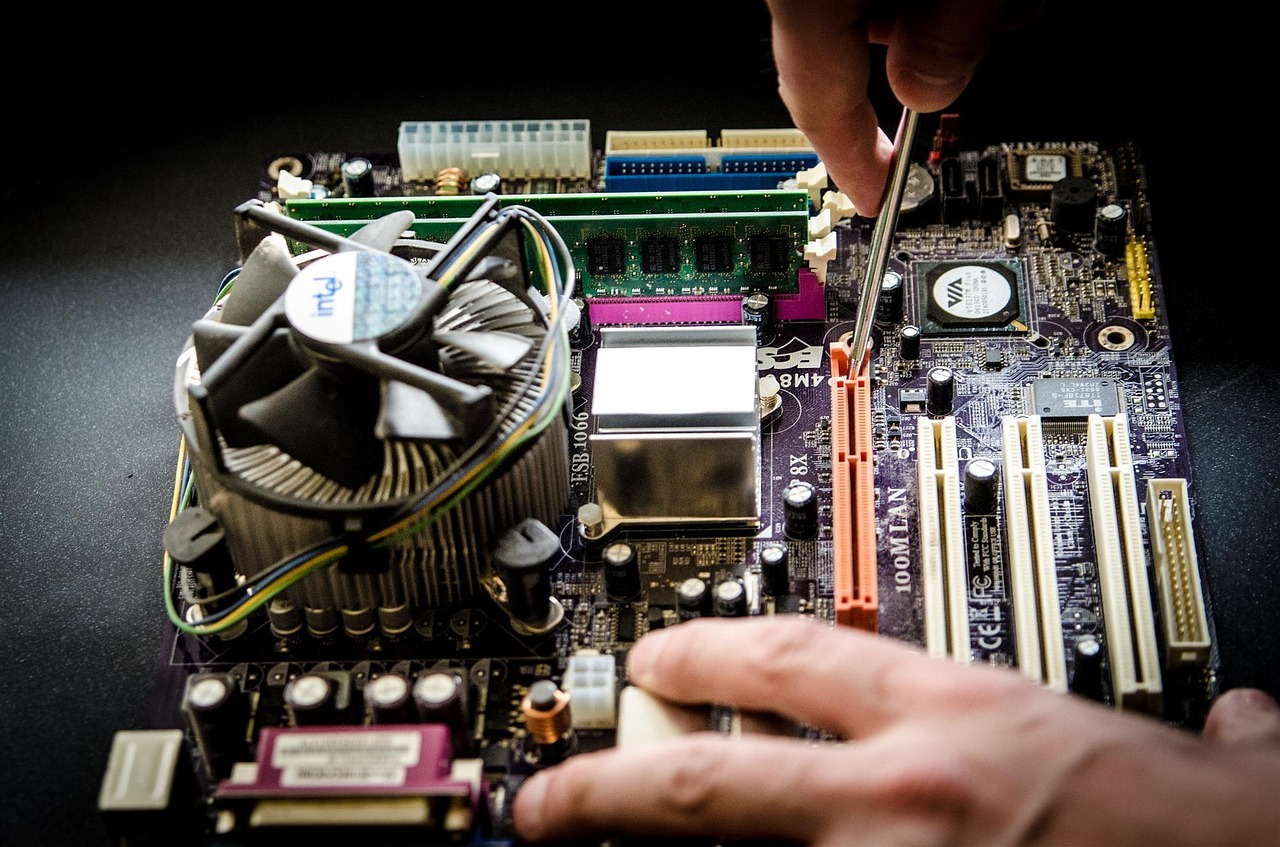
Repairing and recycling IT equipment are among the key ways to reduce the digital sector’s environmental footprint.© jarmoluk / Pixabay
Research is taking stock of its own digital tools
Academic research has also calculated the impact of its own digital practices as well as serving the socio-economic sector. Another research project supported by the CNRS’s Environmental Transition call for initiatives focused on the Paris Observatory (PSL). This institution specialises in astronomy, and had already highlighted the significance of digital technology in its first carbon footprint assessment in 2019, although this assessment was limited by many uncertainties. “The CNRS call for initiatives therefore gave us the opportunity to explore these issues in more detail”, explains Clarysse Picard, the Paris Observatory's environmental and development advisor. “We also know this sector will carry on growing so we wanted to understand it as clearly as possible and then adapt our infrastructure to these challenges”.
To do so, the Observatory is working with EcoInfo, a research and services group (GDRS) renowned for its IT expertise since it was set up twenty years ago. Over a period of nearly six months in 2024 and 2025, EcoInfo collected and analysed PSL's data from 2019 to 2023. They found that digital technology accounted for 231 tonnes of CO2 equivalent – plus another 40 tonnes from servers outside the Observatory – out of a total of 4130 tonnes of CO2 equivalent which represents nearly 7% of the Observatory’s carbon footprint in 2022. “Except that the carbon footprint fell by 25 to 30 per cent between 2019 and 2022, while digital technology remained stable in absolute terms, which means it actually increased in relative terms”, observes Karin Dassas, the CNRS research engineer who led this project within EcoInfo. “A result like this is a heads-up for people and raises awareness of the impact of storage and computing for future research projects”, she adds.
The Observatory now plans take this initial assessment further by drawing on “EcoInfo’s recommendations and action plans to cut the digital sector’s carbon footprint over the years”, says Clarysse Picard. She lists examples like extending the lifespan of equipment, repairing it, swapping equipment that is still functional but no longer used, scrutinising the energy consumption of equipment, pooling data centres for different research projects, reusing waste heat from data centres, and so on.
EcoInfo is satisfied with this initial work and has developed a more generic methodology that other units can use. Anne-Cécile Orgerie, the director of the GDRS, explains that “our methodology is sufficiently robust and has now moved beyond the single-site stage to the extent that it could be applied across the CNRS as a whole. However, it's difficult to collect data from all sites so scaling up is proving pretty time-consuming”. Ultimately, work like this could provide a reliable inventory of IT equipment across the whole of the CNRS which would help avoid the duplication of equipment purchases by different laboratories. This represents a significant lever for reducing the CNRS's environmental footprint.
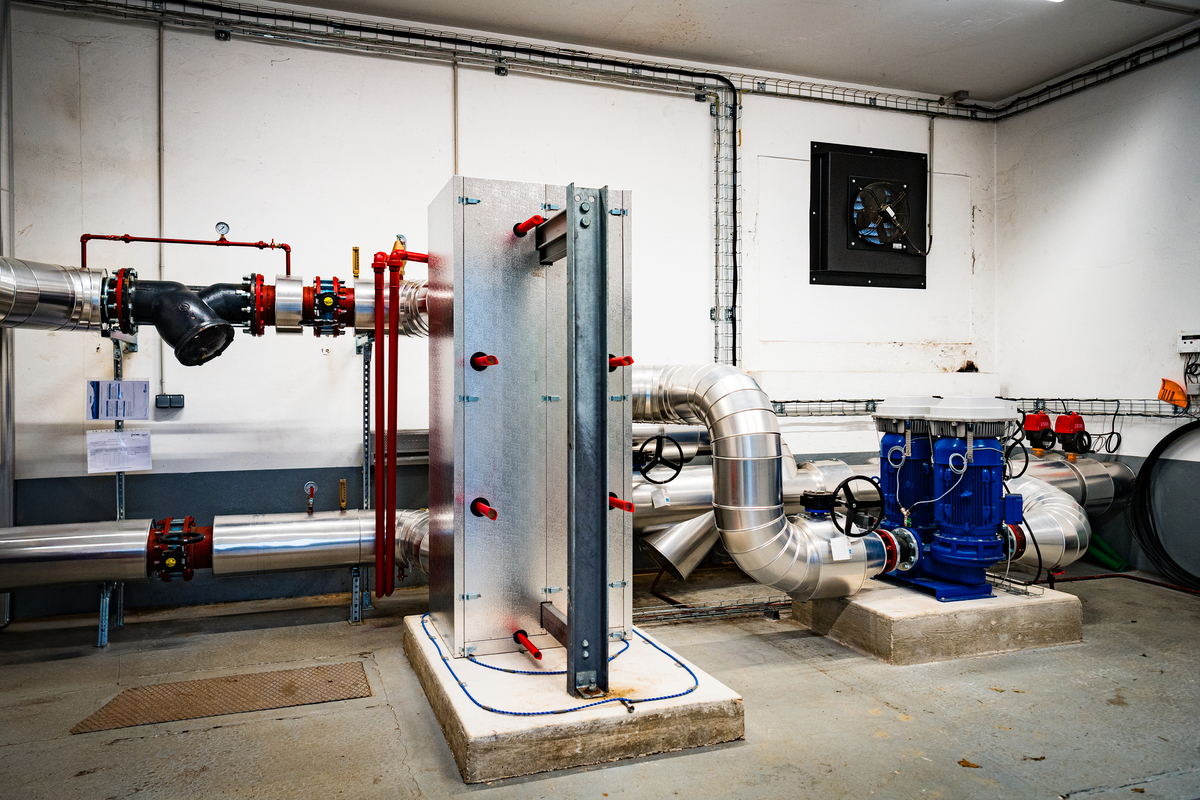
Reusing waste heat is one way of reducing the digital sector’s environmental footprint, as demonstrated here at the Jean-Zay supercomputer.© Cyril FRESILLON / IDRIS / CNRS Images