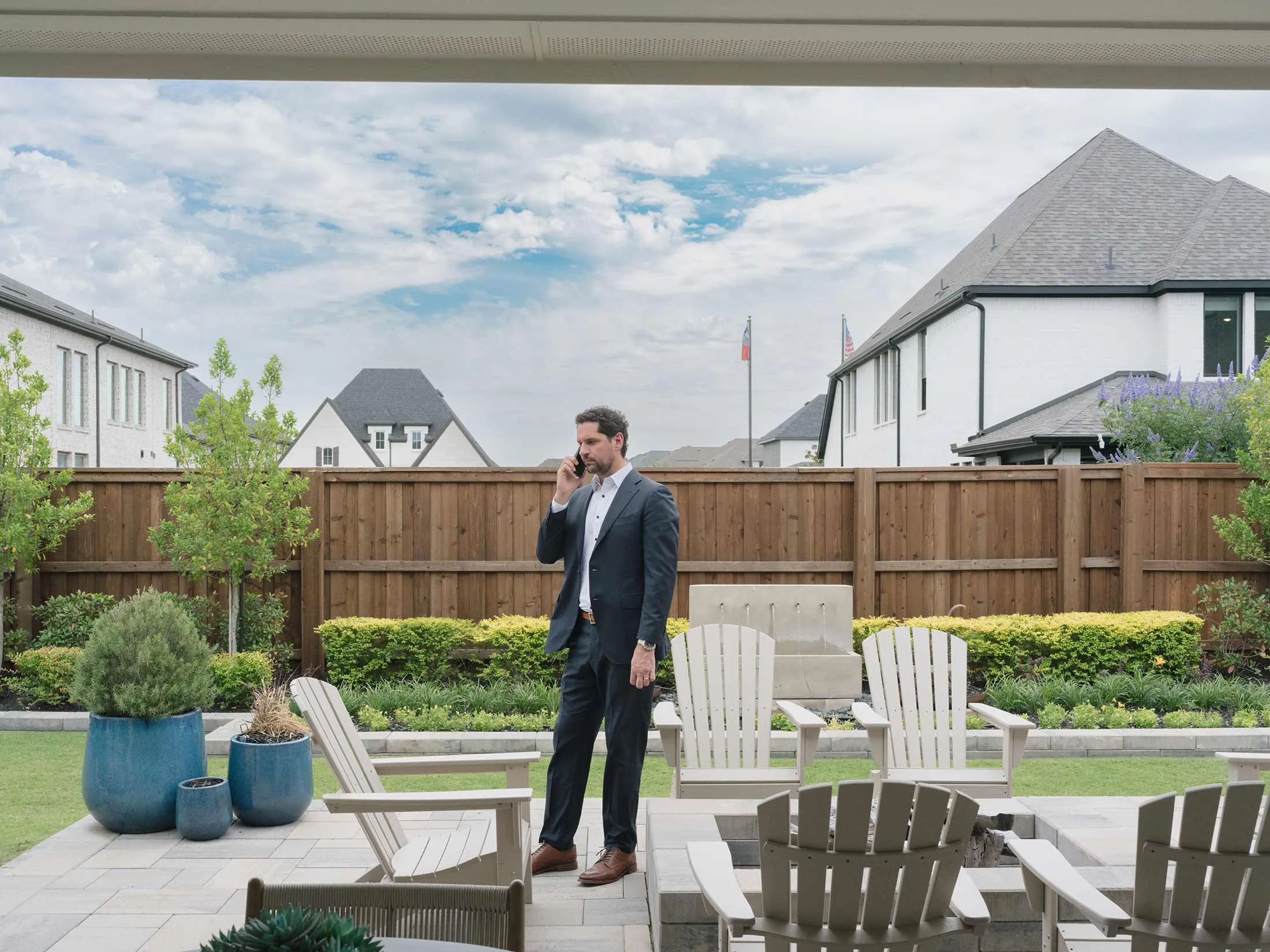
Zach Schneider points to a room just off the foyer of a $1 million model home north of Dallas. The 40-year-old builder has staged it with shelves and a dark wooden desk, done up like a typical study. But its tall, north-facing windows hint at the use it was designed for — as a puja room, a traditional Hindu prayer space. Down the hall there’s an area that could one day be redolent with turmeric, cumin and cardamom. “A spice kitchen,” he says, highlighting an optional upgrade that could appeal to a buyer from India.
For almost a decade, South Asians have been the driving force behind this region’s building boom, one of the biggest in the US during the pandemic. They once accounted for 70% of sales at Schneider’s Tradition Homes. But in the past year they’ve dropped below 30%. His family-owned company has a backlog of 125 luxury properties under construction.
Since 2018 the Dallas-Fort Worth metro area has attracted more corporate headquarters relocations than anywhere else in the US, according to real estate company CBRE Group Inc., with manufacturing and tech firms leading the way. The influx drew thousands of software engineers and other Indian-born workers to the federal H-1B program, which provides temporary visas for professionals with corporate sponsors. For the most recently available four-year period, ended Sept. 30, 2024, the government granted almost 32,000 new H-1B approvals in the Dallas area, topping Silicon Valley, Seattle, San Francisco and Washington, DC, and trailing only the New York City metro area.
Visa holders flocked to the new subdivisions spreading north through the suburbs of Prosper, Frisco and, most of all, Celina, where the population more than tripled in just five years. That helped make Collin and Denton the fastest-growing US counties among those with a population of at least 1 million, the most recent census data show. Collin also had the biggest percentage jump in Indian residents among large counties, climbing to an average of more than 116,000 in the five years through 2024, from 70,000 in the preceding five years.
But the momentum is quickly reversing. Indian buyers are disappearing from the market as federal and state governments tighten H-1B restrictions and many of the tech companies that employed the new arrivals fire workers in favor of artificial intelligence. Prices in the Collin County suburbs north of Dallas in February dropped almost 9% from a year earlier, compared with a decline of 4% in the metro area as a whole, according to data from brokerage Redfin.
The shift has knocked down home prices, slowed population expansion and risks eroding the tax base needed to fund schools and roads planned during a five-year growth streak. The changes also take a personal toll on immigrants because many have lived in the US for years and have established families and communities. Those on H-1B visas who lose their jobs not only face financial hardship but also risk having to return to their home countries if they can’t get sponsored for another position within 60 days.
The Dallas suburbs illustrate a phenomenon threatening housing markets, as well as communities. Immigrant-heavy regions in the US — such as the suburbs of Northern Virginia; Raleigh, North Carolina; and Seattle — rely on these kinds of high-skilled temporary work visas for their high-tech workforces. South Asians have become the most important first-time buyer group for builders, says Alex Barron, an analyst at Housing Research Center LLC in El Paso, Texas. “Who is there to replace them?” he asks.
Outside the US, tightened immigration policies have been explicitly aimed at bringing down housing prices. The Canadian government in 2024 imposed a two-year cap on international students to relieve pressure on housing, successfully moderating rents. In part for similar reasons, Spain last year stopped awarding temporary residency to buyers of property worth at least €500,000 ($582,000), and Switzerland’s main right-wing party is proposing a population cap that will be put to a voter referendum on June 14.
US President Donald Trump has sought to tighten rules for white-collar immigrants by imposing new fees for H-1B visas, raising the minimum salary thresholds and favoring applications from the highest-paid workers. The Labor Department also started Project Firewall to target alleged employer abuse of the program. In January, Texas Governor Greg Abbott ordered state agencies and public universities to freeze new H-1B petitions. Texas Attorney General Ken Paxton’s office began its own H-1B probe that month and expanded it in late April, issuing civil investigative demands to almost 30 North Texas businesses that the state suspects of fraud or abuse.
Even without efforts to discourage immigration, the housing market has already cooled, pressured by high interest rates and the end of the Covid-19-era rush that drove prices to record highs. But in Dallas’ northern suburbs, where new subdivisions dominate the landscape, the loss of the Indian buyer has made the downturn far more severe.
Growing Diversity
Demographics of Collin County, Texas, 2020-24 period
As is often the case in boom-and-bust Texas, the region has become a laboratory for the impact of changing visa policy. The area has undergone one of the fastest demographic transformations in the nation. Indian families flooded in over the past decade, drawn by top-rated schools, mild weather (similar to Hyderabad’s) and proximity to the tech employers relocating to the corridor, as well as the pull of a growing South Asian community. In Frisco alone, where 235,000 people live about 30 miles north of downtown Dallas, the Indian share of the population ballooned from 6% in the 2010-14 period to about 20% a decade later, second only to White residents, who are no longer in the majority, according to census data.
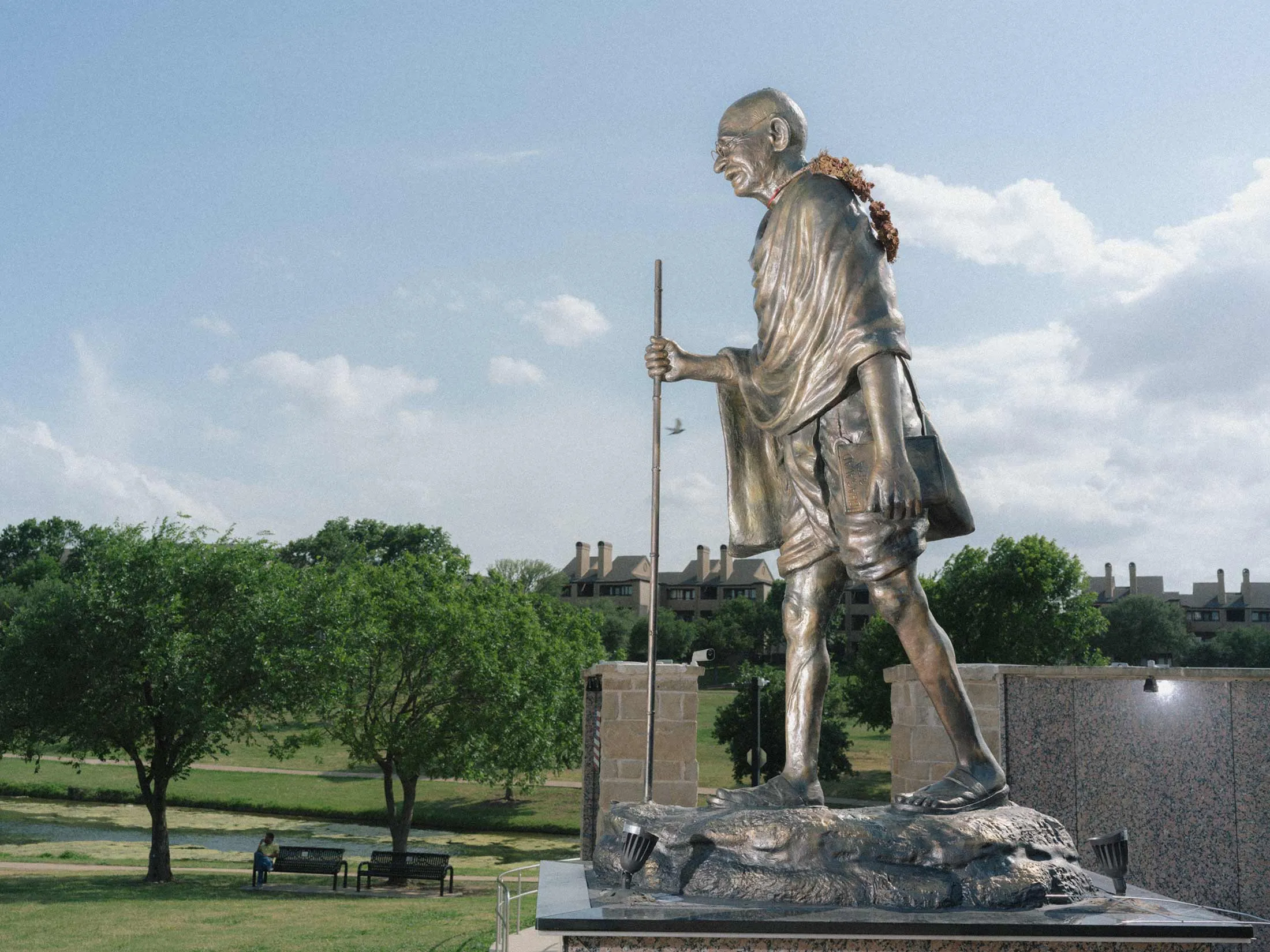
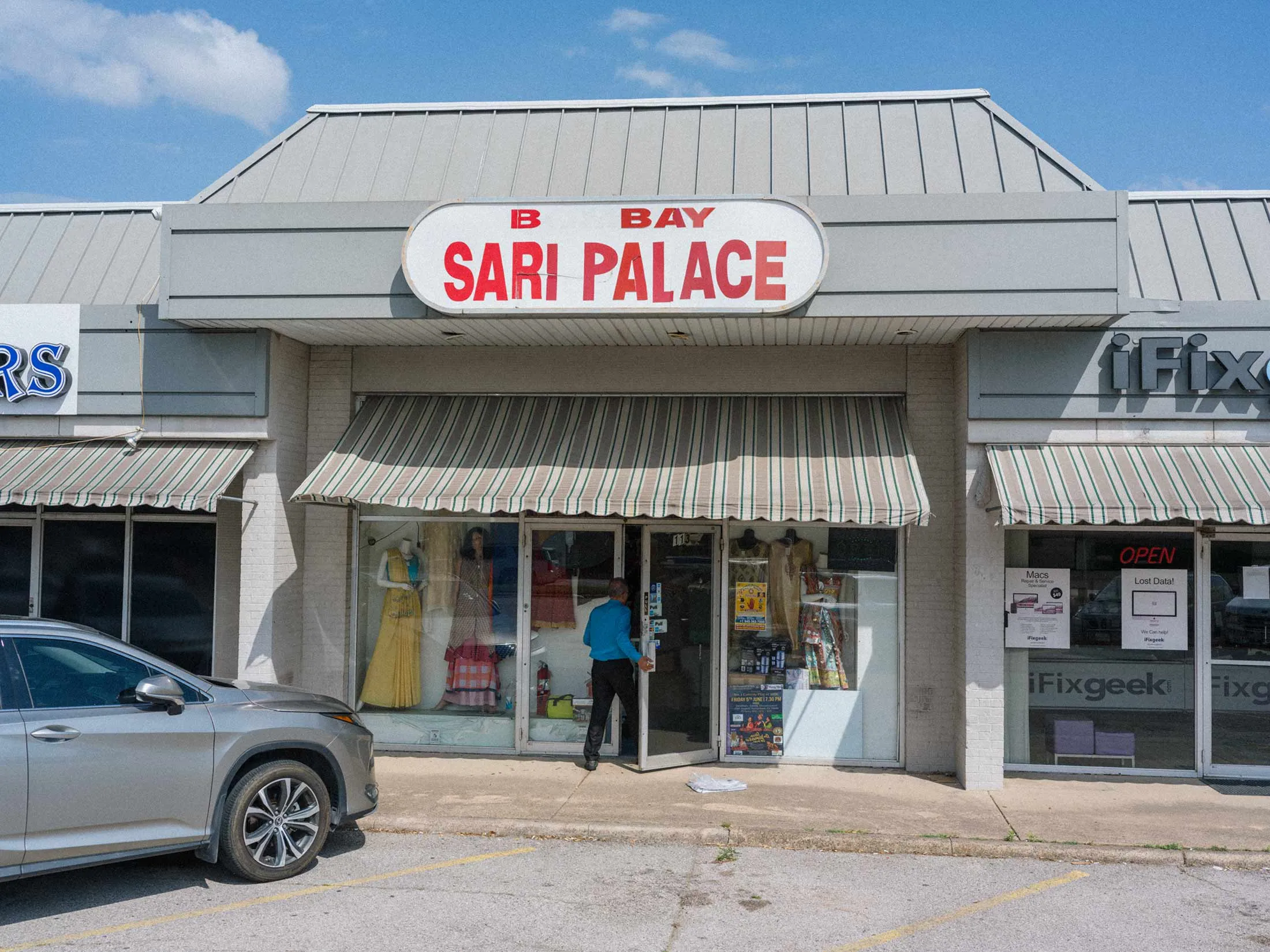
Alongside the subdivisions came a cultural transformation so evident that Indian residents jokingly dubbed the area “Dallaspuram,” or Dallas village. Major League Cricket moved its headquarters to the Dallas suburbs as it sought to expand its following among South Asians. Temples and mosques have opened, sari shops and Indian street-food joints line strip malls, and local movie theaters devote multiple screens to Telugu- and Tamil-language blockbusters.
Alongside the subdivisions came a cultural transformation so evident that Indian residents jokingly dubbed the area “Dallaspuram,” or Dallas village
The influx has also led to friction, particularly among White residents dismayed at the area’s transformation from mostly rural farmland to a multicultural hub. At Frisco City Council meetings, activists now regularly denounce what they call an “Indian invasion,” accusing residents of H-1B fraud without any evidence and warning that the council will soon be entirely Indian. At one meeting a White man draped in an Indian flag introduced himself in a fake accent as “Sanjay Gupta,” before launching into a racist diatribe.
In nearby Irving, masked men held signs in a roadside protest in 2025: “Don’t India My Texas: Deport H-1B Visa Scammers.” In 2024 a woman in Plano pleaded guilty to four hate-crime charges after she was filmed in a restaurant parking lot using racial slurs against a group of South Asian women.
The incidents and the viral videos they generate have become their own economic threat. YouTube documentaries with titles like I Exposed Texas’ Indian Invasion draw millions of views. The clips of council tirades and videos denouncing Hindu rituals circulate widely in the community, and the spectacle scares away buyers whom builders desperately need to move unsold inventory, according to real estate agents.
The open racism is frustrating to Burt Thakur, the first Indian American on the Frisco City Council, in addition to being an engineer, a Navy veteran and a Jeopardy! winner. He won $20,400 in an episode of the game show that aired on Nov. 5, 2020, making an emotional tribute to host Alex Trebek, who died three days later. “I learned English because of you,” Thakur said on the show. “My grandfather who raised me — I’m gonna get tears right now. I used to sit on his lap and watch you every day.”
The Republican councilman now finds himself making a case for what it means to be American. “I represent, in essence, a movement of people trying to get political power,” he says, “and that’s one reason I’m viewed as a threat.”
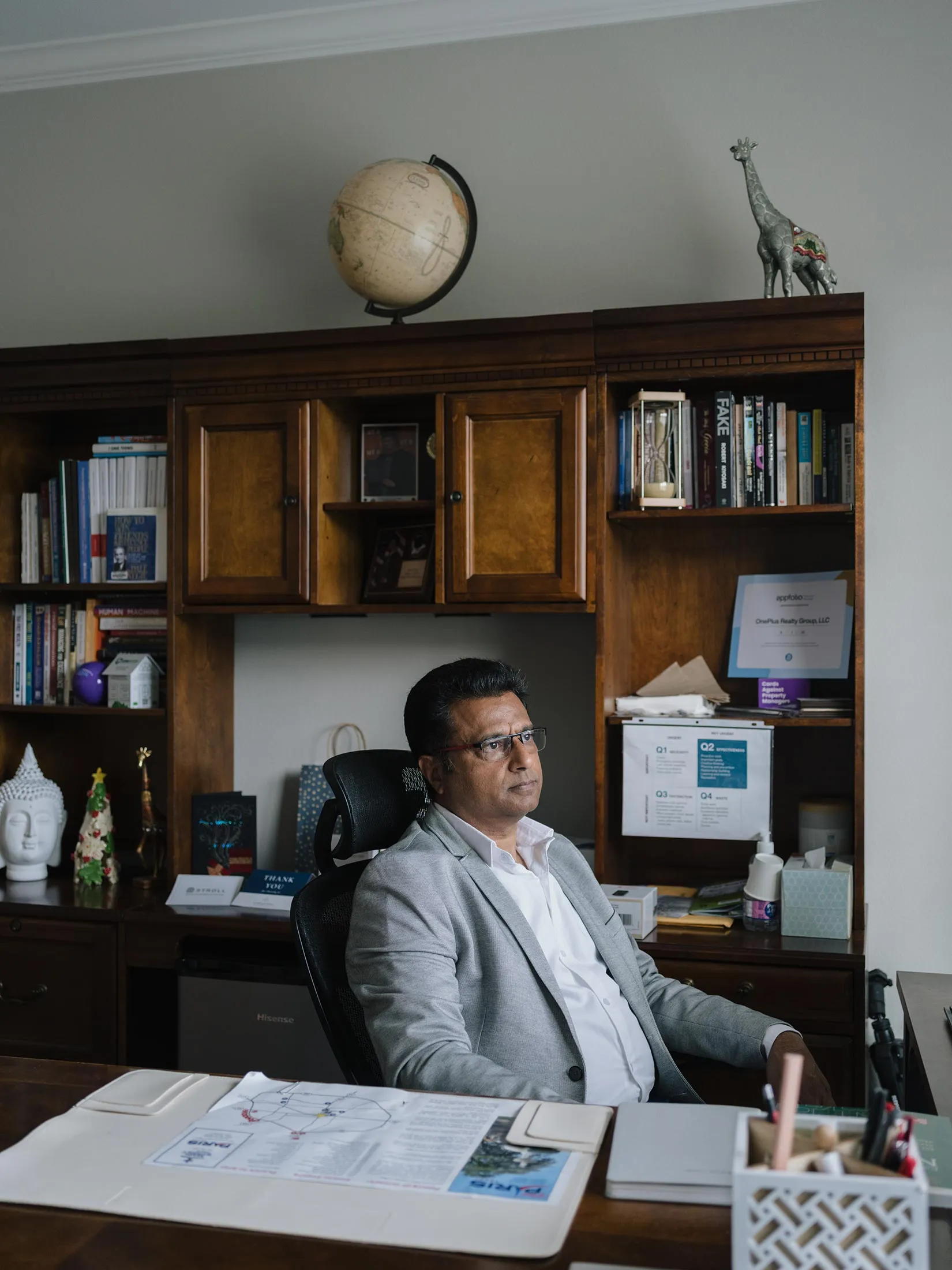
Neeraj Gupta, a naturalized citizen who came to Dallas on an H-1B visa in 2000, spent two decades at information technology companies before becoming a full-time real estate agent, just before the pandemic housing boom took off. His phone used to ring constantly with Indian-born tech workers looking to buy. Now they’re calling back because they want out.
Many of Gupta’s clients face a grave calculus. Selling means locking in a loss, while leasing a home to tenants often means absorbing losses of $300 to $1,500 a month, gambling that the market will turn around. “Some of them said, ‘I have seen enough: Just sell it — I don’t care,’ ” he says.
One client, a senior IT director with two homes worth more than $1 million each in Frisco, is considering selling both and moving back to India. Another financed an $800,000 home almost entirely with debt. It’s now worth less than he owes, and he might just hand over the keys. “He will not lose anything,” Gupta says. “The banks will lose.”
The nervousness extends to a college friend who works in the area on a temporary visa. He could easily buy — he’s paying more to rent than he would to own — but the cost of uncertainty is just too high. “He said very clearly, ‘I don’t know what will happen tomorrow,’ ” Gupta says. “And I don’t blame him.”
A surge of well-paid, highly skilled workers can push up home prices by boosting demand, says Eli Beracha, a Florida International University professor who co-authored a 2025 paper on the subject published in the Journal of Real Estate Research. But an exodus of those workers can potentially have an even bigger impact on the downside in fast-growing markets such as Dallas, he adds. “These H-1B visas are the No. 1 converters of potential homebuyers to actual homebuyers,” Beracha says. “But when you get fewer people receiving H-1B visas, you get an immediate negative surprise because you have housing that has already been built for those people sitting on the market.”
In the living room of his five-bedroom home in Mustang Lakes, a subdivision in Celina, Ravi Vavilala sits beneath a stylized painting of Hindu deities in bold blues and oranges. A large bronze Ganesha, the Hindu god of wisdom with the head of an elephant, greets visitors at the foot of the wooden spiral staircase. A golden cow on the coffee table symbolizes nourishment and health. All of it, he says, helped carry him through a brutal year.
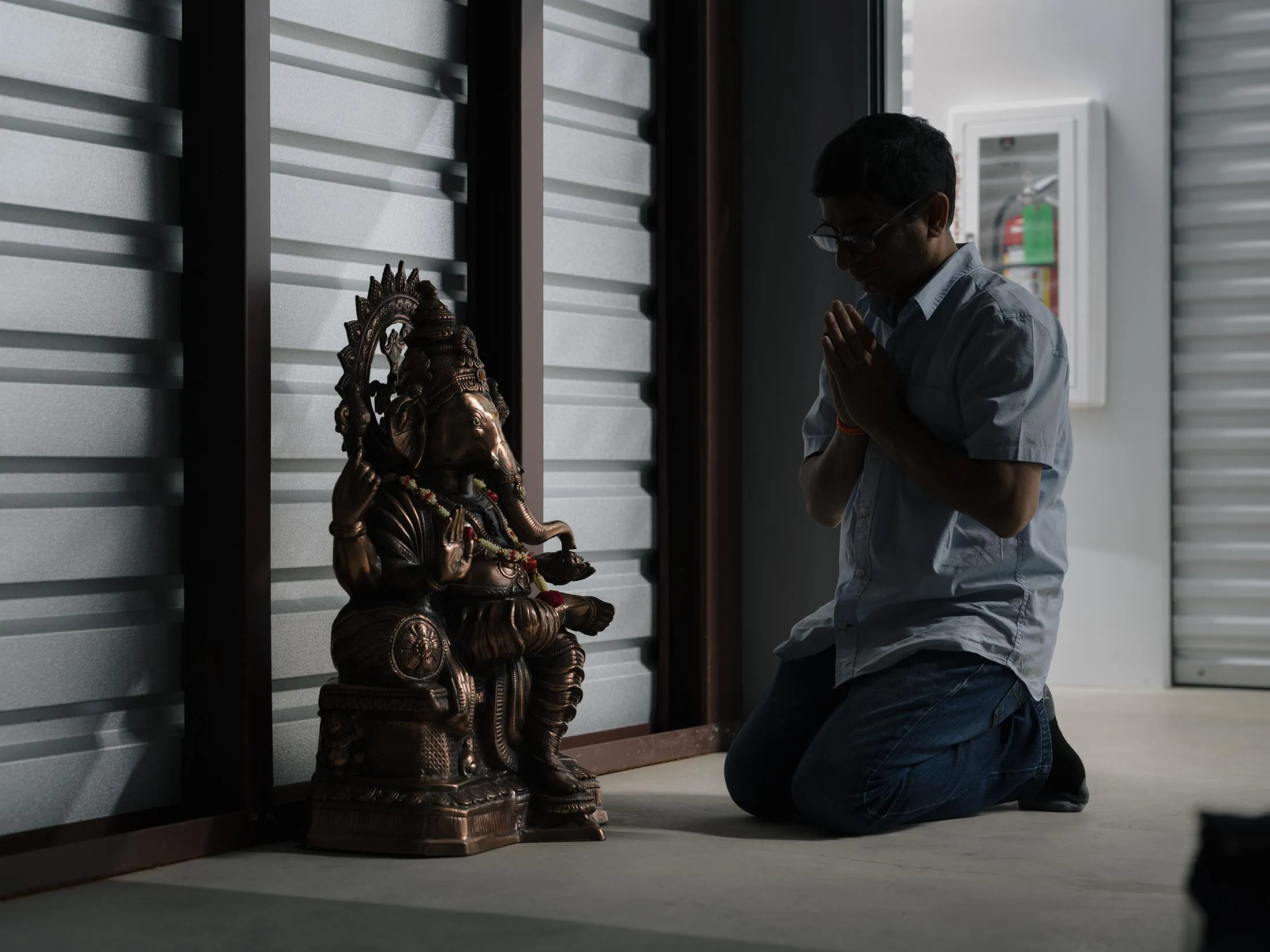
Vavilala, who became a citizen after coming to the US on an H-1B visa two decades ago, bought the house in late 2023 from Coventry Homes for $895,000. While in treatment for Stage 4 kidney cancer, he was laid off from his IT job in March, along with most of his 80-person team. He put the home up for sale but didn’t initially get much interest.
Just down the road, a half-dozen builders, including Coventry, are touting incentives such as upgrades and discounted mortgage rates. A sign planted outside its model home says, “Grand Slam: Incredible Savings and Great Rates.”
Visa Hot Spots
New H-1B approvals in US metro areas with the highest count for fiscal year 2024
It’s hard for Vavilala to compete. His asking price started at more than $1 million and is now down to $873,000, below what he paid. So many things out of his control are at play — the war in Iran, the layoffs, inflation, mortgage rates, the rising housing inventory, he says, ticking off the list.
But there’s one thing he says he can control. Before the next showing, Vavilala moved the religious items out of sight, worrying they might turn off potential purchasers: “Because the market is very slow, I want to attract all types of buyers.”


Inside the prayer hall of the Karya Siddhi Hanuman Temple in Frisco, Sharadha Kodem stops at the central shrine to the monkey god believed to give strength and gestures to the sign above: “Seek Blessings for Health, Job, Visa.” As an immigration lawyer, she sees those worries tying her clients in knots, like the green threads that devotees wrap around the temple pillars as they pray for help.
Kodem knows the risks and rewards of the H-1B visa firsthand. She followed the same arduous path many high-skilled immigrants take: landing in 2003 on a student visa to study computer science, moving into the tech sector on an H-1B and eventually earning a green card and citizenship. Then she took a sharp turn to law school and learned to help others navigate the same maze.
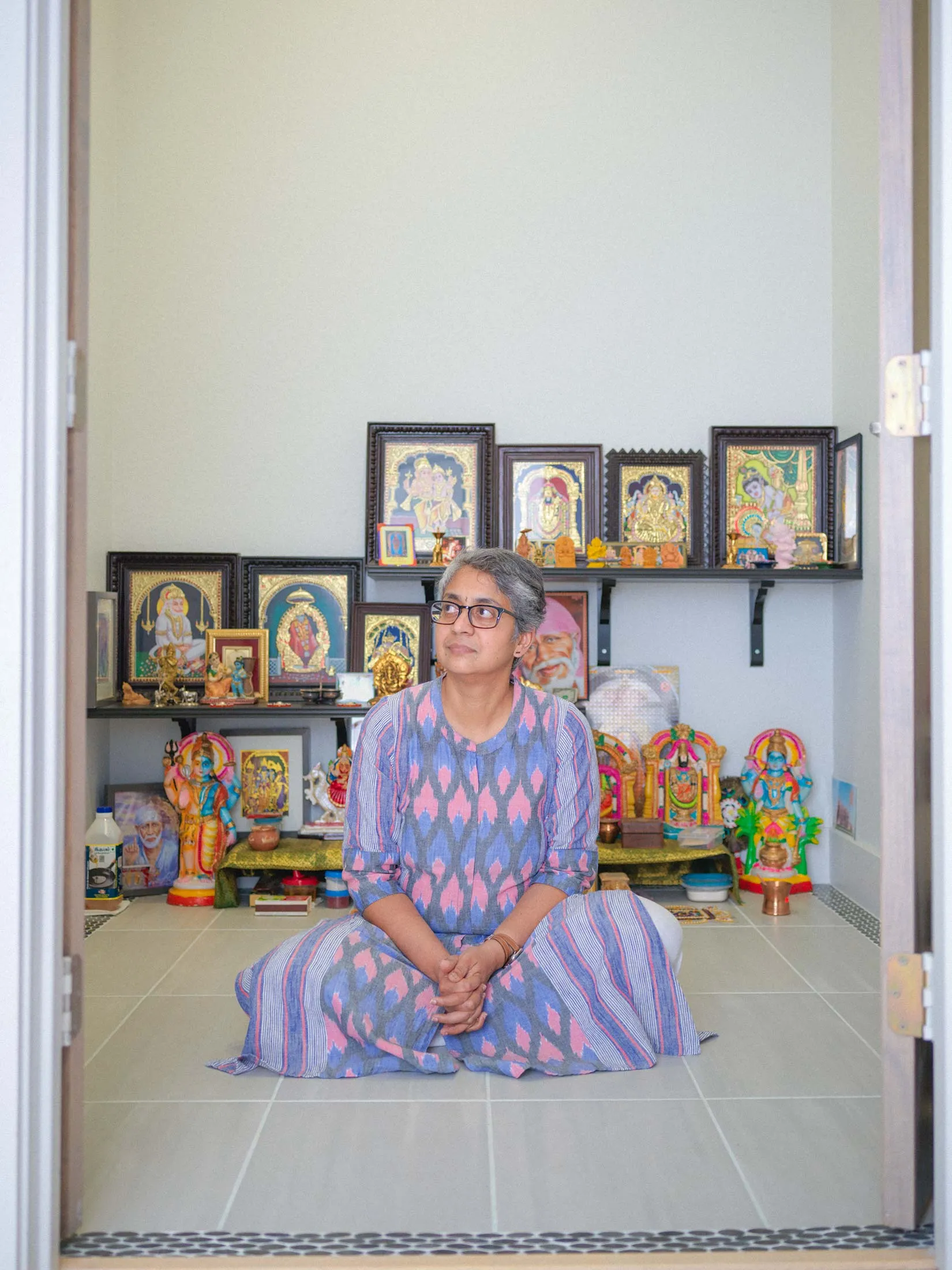
Many of her clients who moved to far-out suburbs such as Celina were working remotely, but more and more companies are requiring them to be in the office, pushing them into long commutes to Dallas, relocations to Seattle or San Francisco, or a return to India, Kodem says. Those who get laid off have just 60 days to find sponsorship for another high-skilled job or risk having to return home. “I have a few clients who are willing to go back, but the problem is they need more time to sell,” she says. “They need to still pay the mortgage.”
“I have a few clients who are willing to go back, but the problem is they need more time to sell. They need to still pay the mortgage”
Clients like Priya Narayanaswamy are simply out of time. On a recent afternoon, she warns guests that her house is a mess. A toaster oven sits on the hardwood floor next to a pair of pink socks. Four bulging suitcases are stacked in the corner. In 10 days she and her two children would board a one-way flight to India. (They left on April 20.)
Narayanaswamy and her husband, Anand, bought the house in 2023 for $435,000. They wanted to live in Frisco, where their community was, but the price was right in Keller, a suburb farther west, closer to Fort Worth. They were putting down roots and raising their two children as Americans.
Anand was on an H-1B visa, working at Citibank through an IT-staffing firm called Iris Software, often 12 to 15 hours a day. Narayanaswamy was a human resources generalist. In August she came home to find her husband crying. He’d been laid off, which meant he could lose his visa if he couldn’t find another job quickly. About a week later he died by suicide. In his final note he wrote that he feared he couldn’t compete with AI. (Iris Software didn’t respond to requests for comment. A spokeswoman for Citigroup declined to comment.)
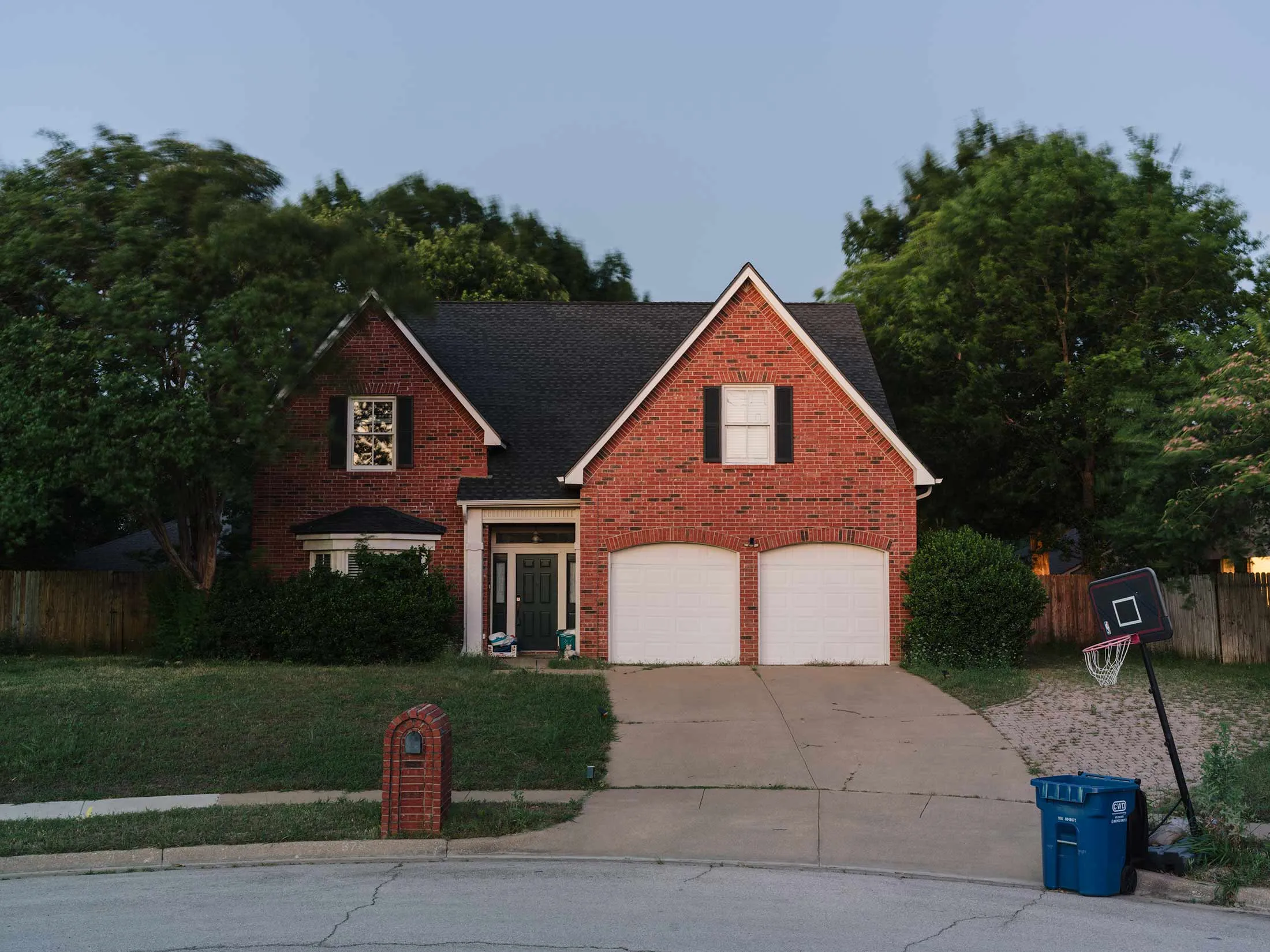
In October, Narayanaswamy listed the five-bedroom brick house for $465,000. She cut the price. Nobody made an offer. With Anand gone, her dependent visa collapsed into a six-month visitor visa, and she could no longer legally work. She burned through savings. The bank agreed to forbearance on the mortgage. It wasn’t enough. She says the house is likely going into foreclosure.
Her American neighbors, White families on a quiet cul-de-sac, have been her lifeline. The firefighter next door lit up her house at Christmas. The widow behind her, who befriended Anand, cried when she heard Narayanaswamy was leaving and asked if she could adopt her. They check on the kids. They bring food.
Now, Narayanaswamy sees the city council meetings in Frisco, the viral videos and the companies that asked her husband to work 15-hour days then abruptly cut ties. “I want to sit back and watch,” she says. “How will this economy be without us?”
If you or someone you know is having thoughts of suicide or self-harm, a global list of helplines is available at blog.opencounseling.com/suicide-hotlines/