In the heart of Silicon Valley, NASA Ames Research Center has the world's largest wind tunnel, and a rich history of space and aeronautics innovation captured in a fascinating visual archive.
Tucked into the southern tip of San Francisco Bay, surrounded by the iconic Big Tech campuses for Google, Apple, and Microsoft, lies the historic NASA Ames Research Center.
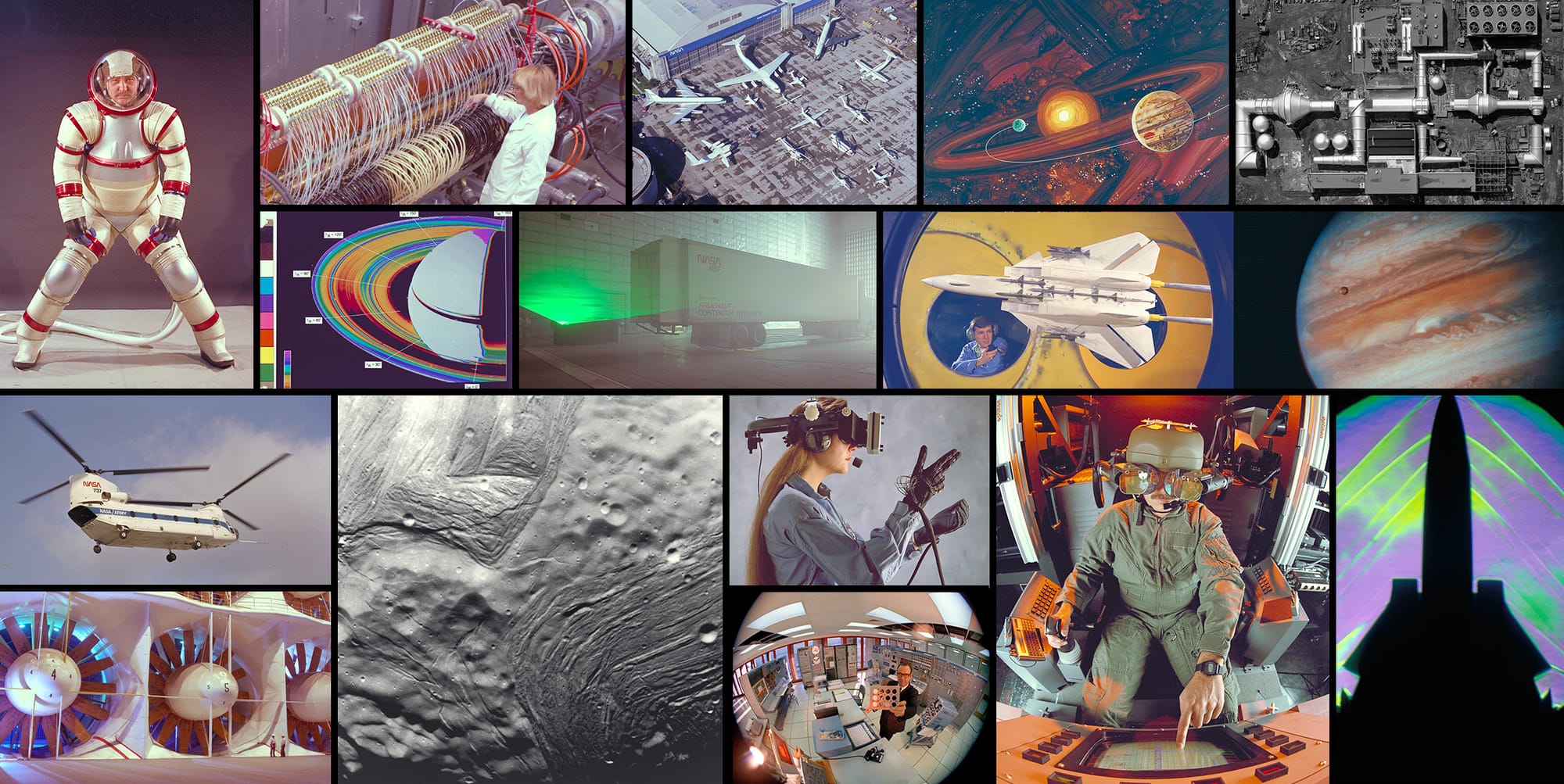
NASA Ames’ rich history includes a grab-bag of fascinating scientific research, including massive wind tunnels, experimental aircraft, the Pioneer space exploration missions, supercomputing, space-based astronomy, and astrobiology.
The Internet Archive hosts a collection of 5,000 images from NASA Ames’ archives that paint a vivid picture of a hotbed of cutting edge technology at the heart of America’s technology hub.
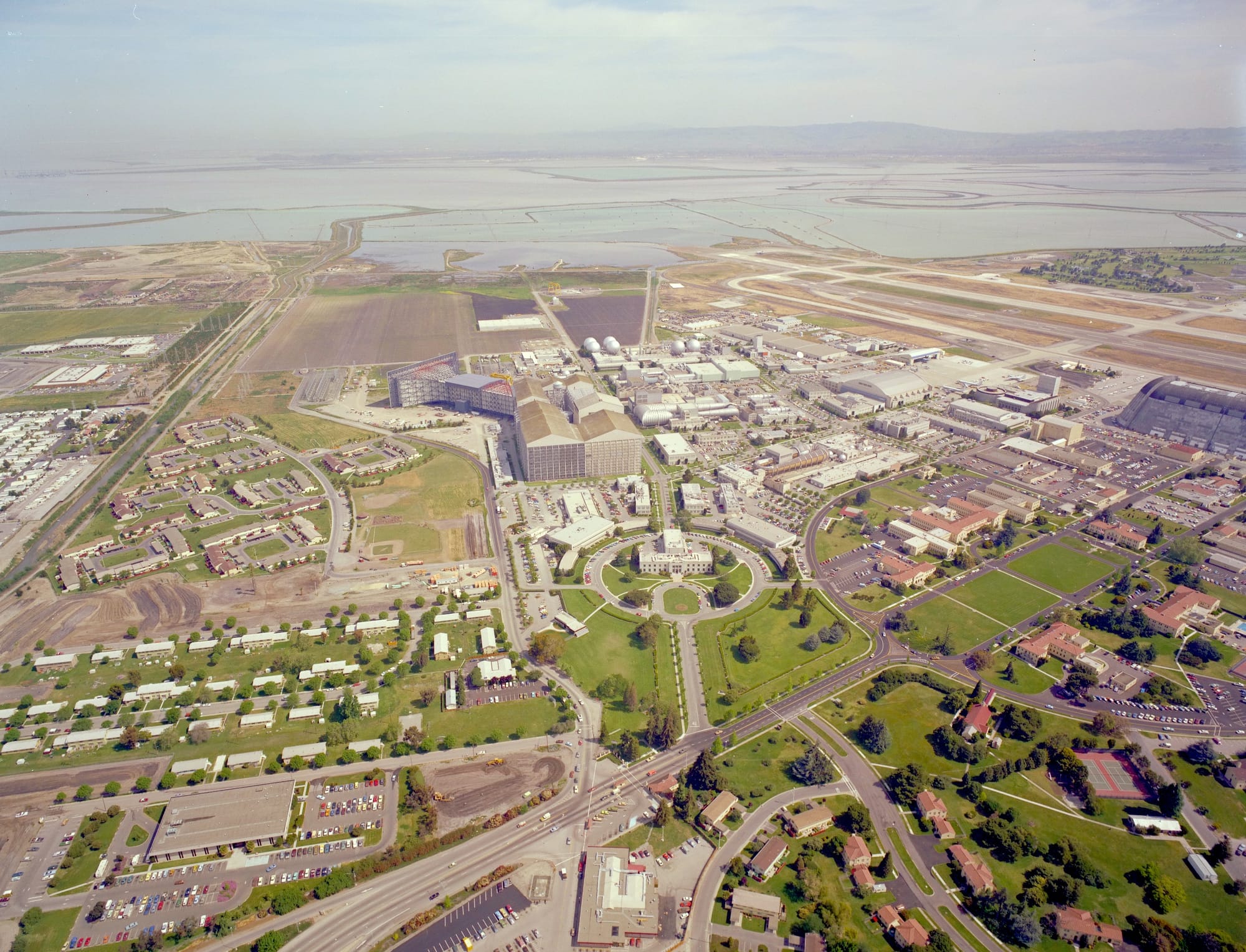
Founded in 1939, NASA’s outpost in the heart of Silicon Valley was first set up as a West Coast lab for the National Advisory Committee for Aeronautics, a forerunner of NASA.
As WWII was brewing in Europe, the US realized it was far behind Germany in aeronautical research and development. NACA’s Langley, VA campus was maxed out, and a lot of the aviation industry was on the West Coast, so the decision was made to build a California lab, with the site selected by a committee chaired by Charles Lindbergh.
Named in honor of NACA founding member Joseph Sweetman Ames, the lab at Moffett Field, CA, slowly grew from a single shack on the airfield to a sprawling compound with over 2,300 employees over nearly 80 years.
A brief history of NASA Ames Research Center.
Browsing through this amazing archive gives you a unique view of decades’ worth of breakthrough research.
Wind tunnels
One of the key motivations for building a new lab was to build large wind tunnels to help advance America’s aeronautics research.
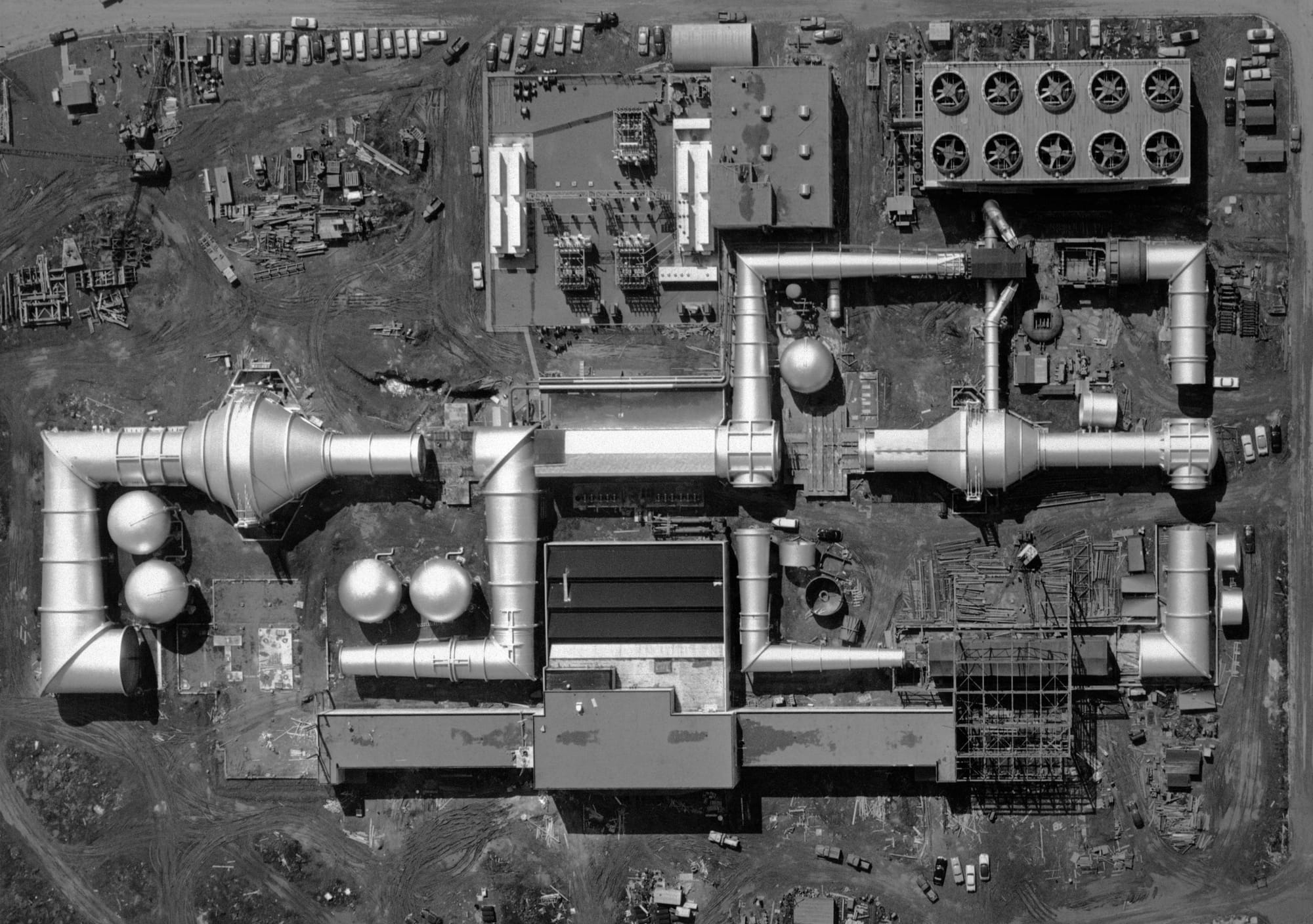
A series of smaller seven-by-ten-foot tunnels capable of reaching speeds up to 300 miles per hour were the first to be completed. From the beginning, plans called for a gigantic 40 by 80 foot tunnel for full-scale aircraft tests, which would come later.
The tunnels were first powered up on March 13, 1941. Months later, the bombing of Pearl Harbor would add urgency to Ames’ mission to rapidly develop more advanced aircraft for the war effort.
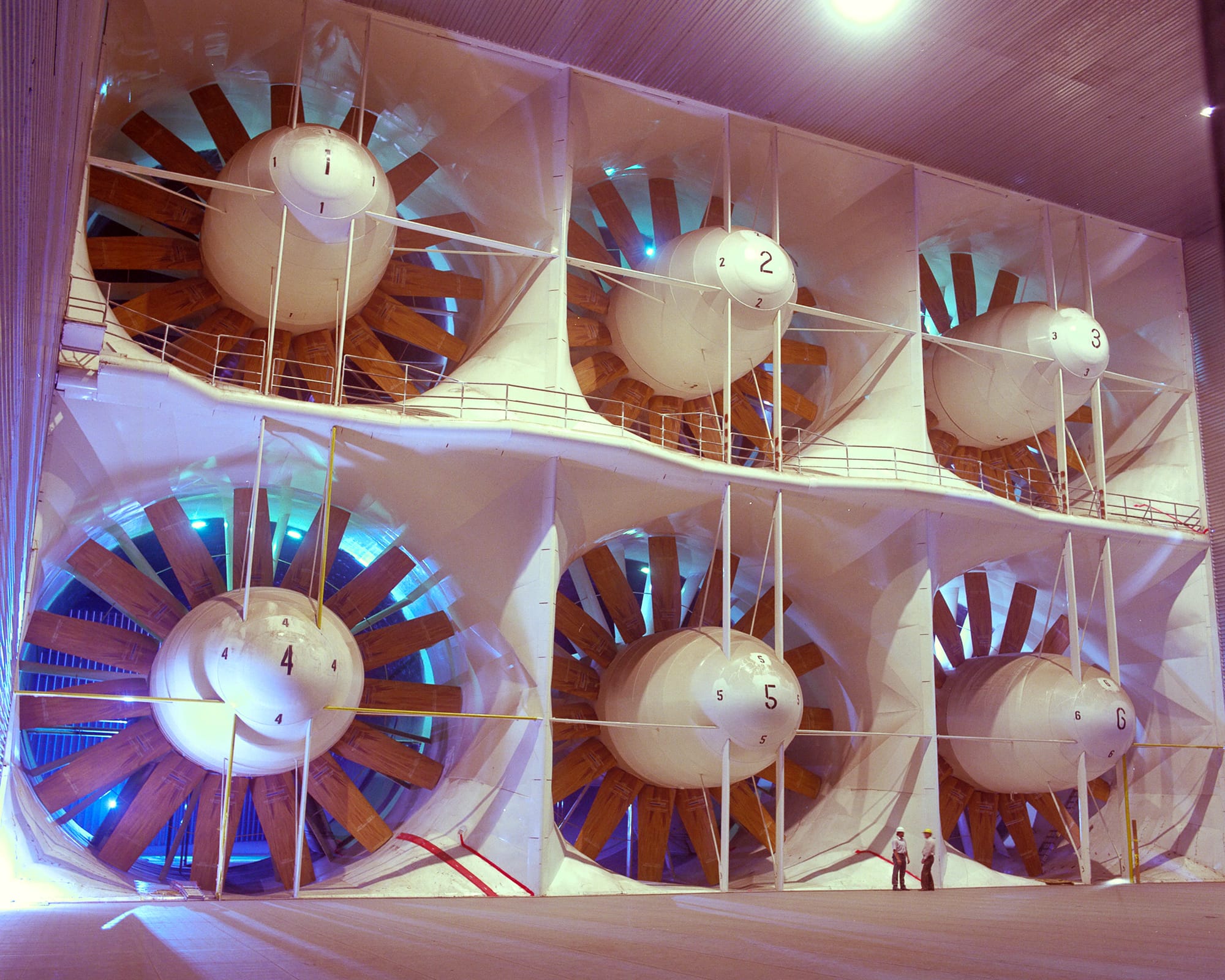
Today’s NASA Ames is home to the world’s largest pressurized wind tunnel. It has both subsonic and transsonic chambers for testing airflow and pressure on scale models of rockets, aircraft and wind turbines.
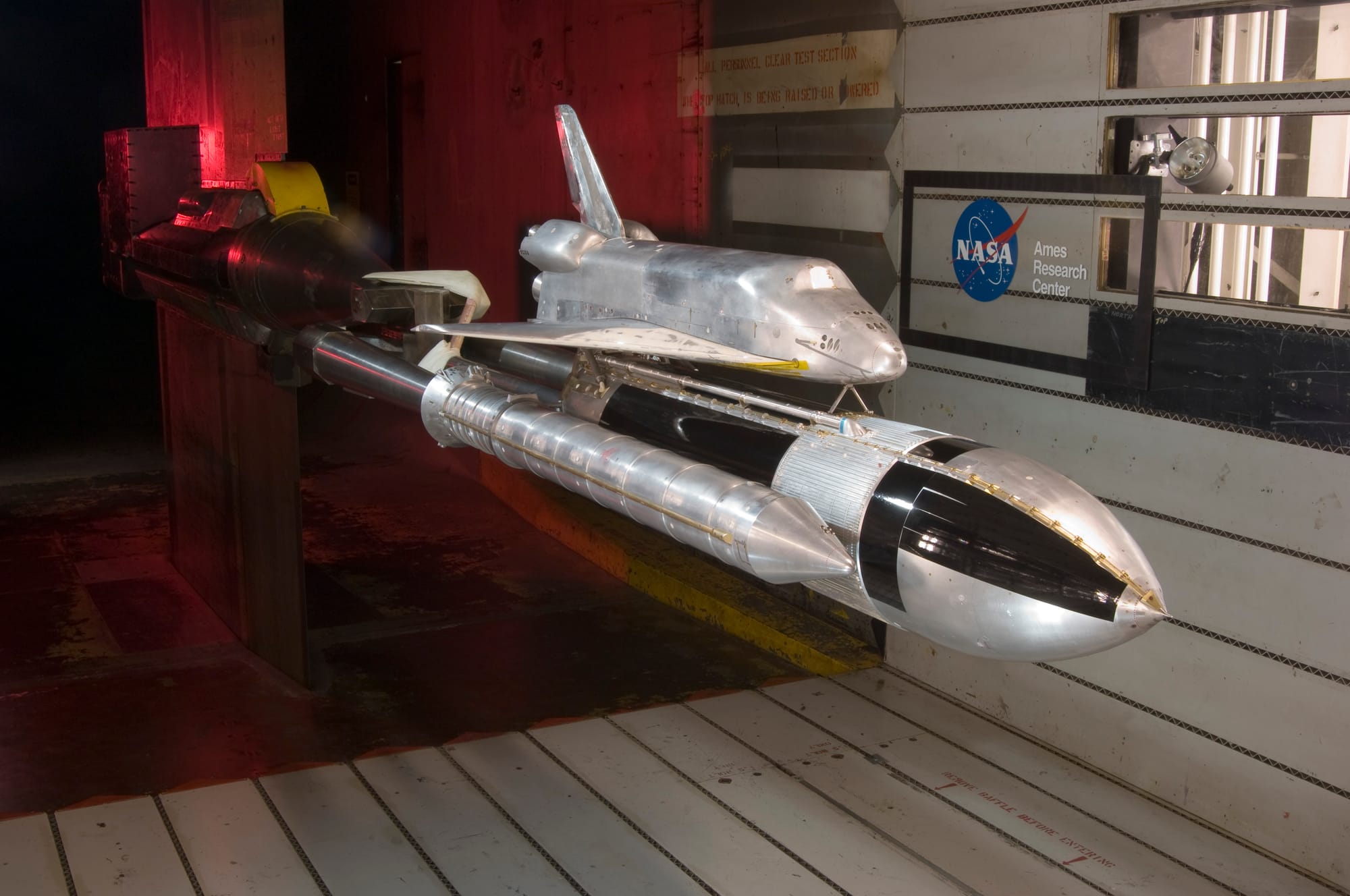
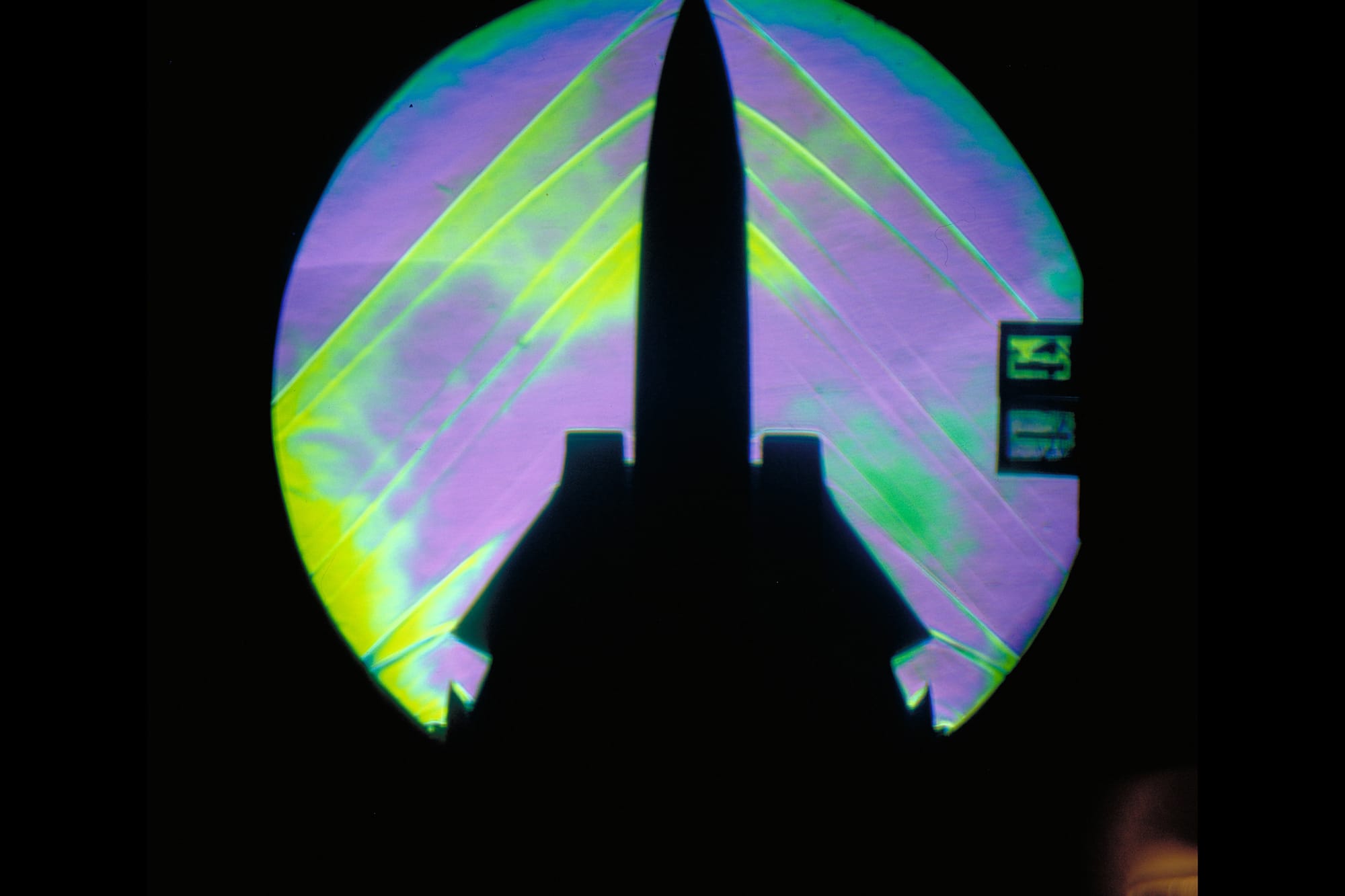
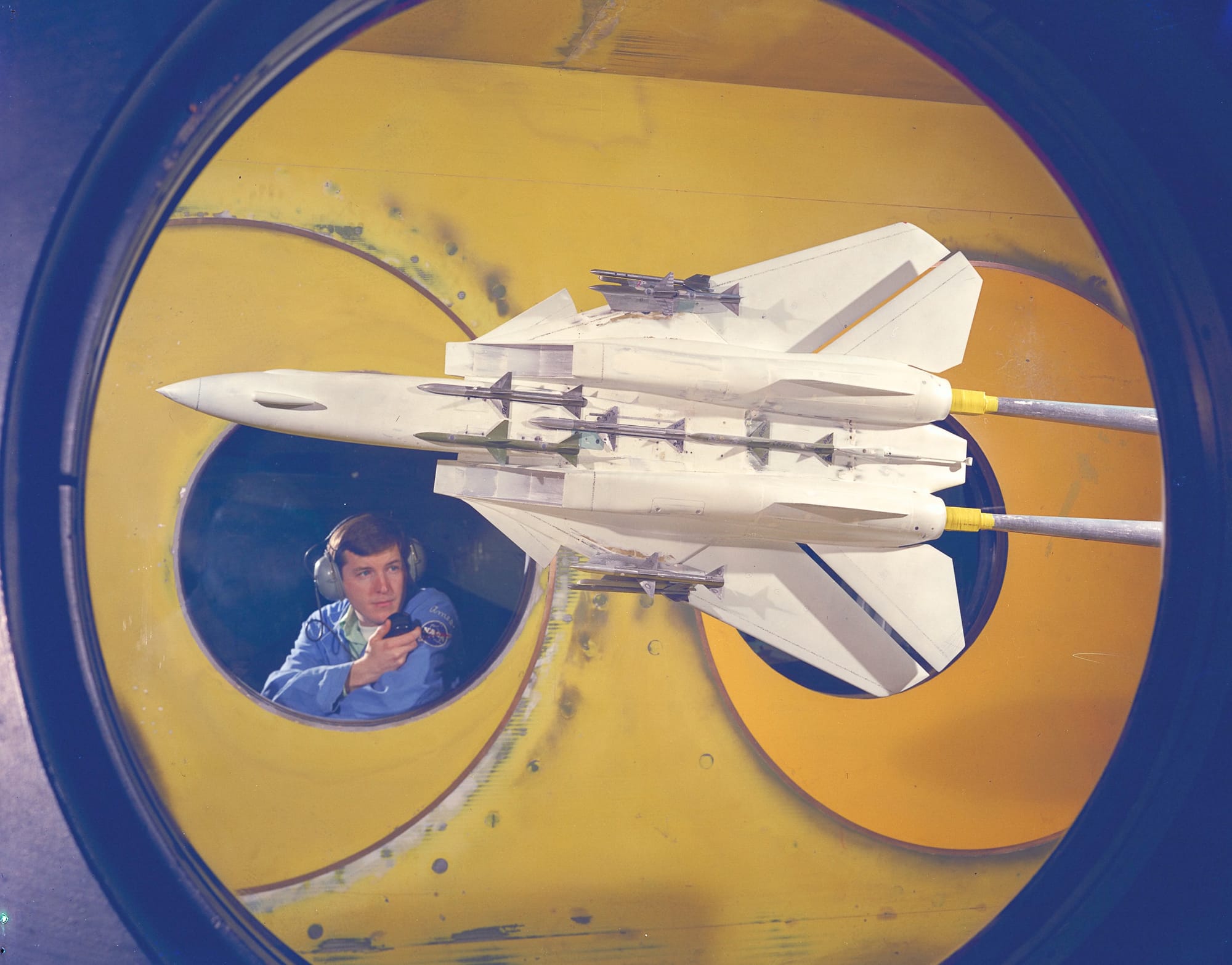
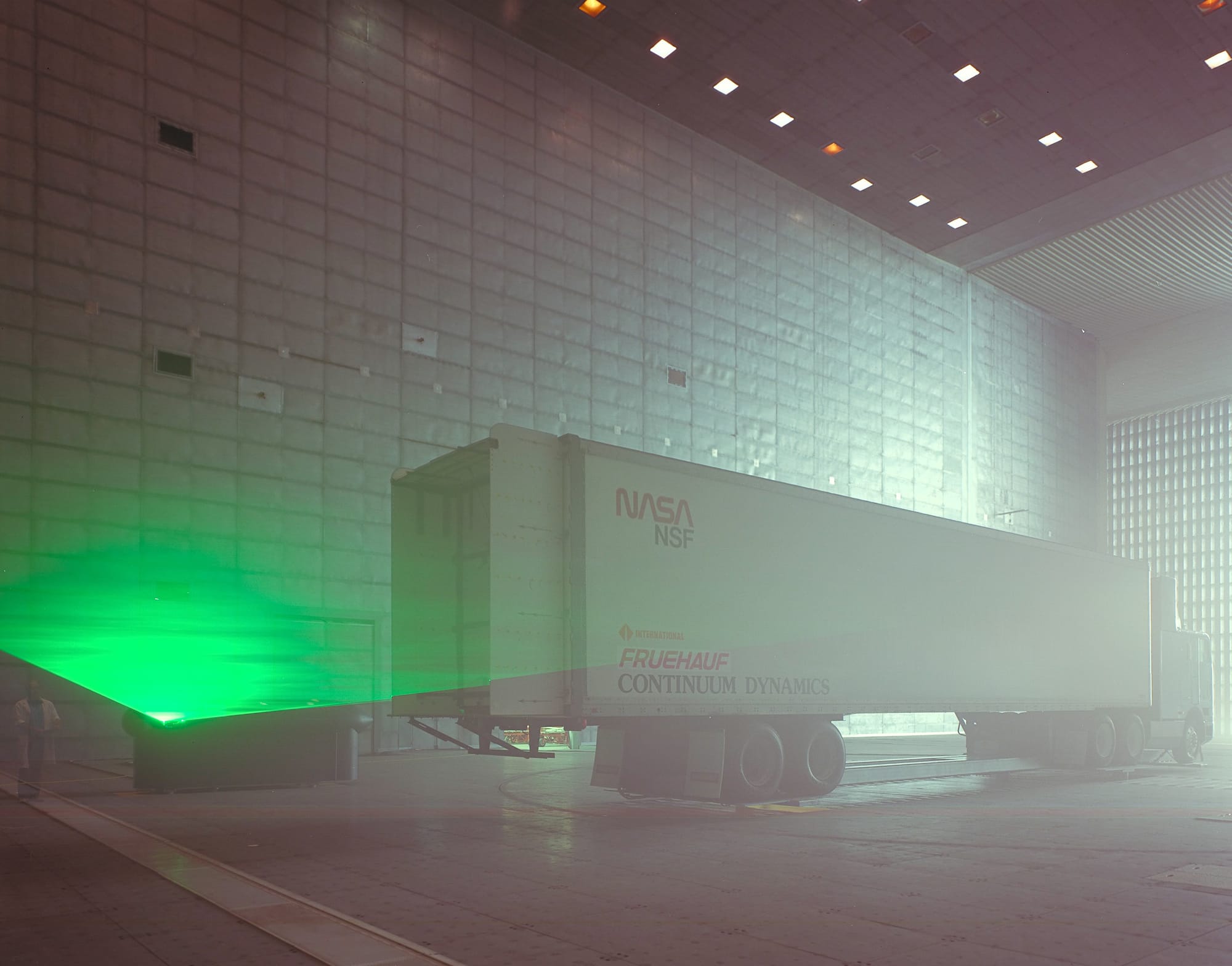
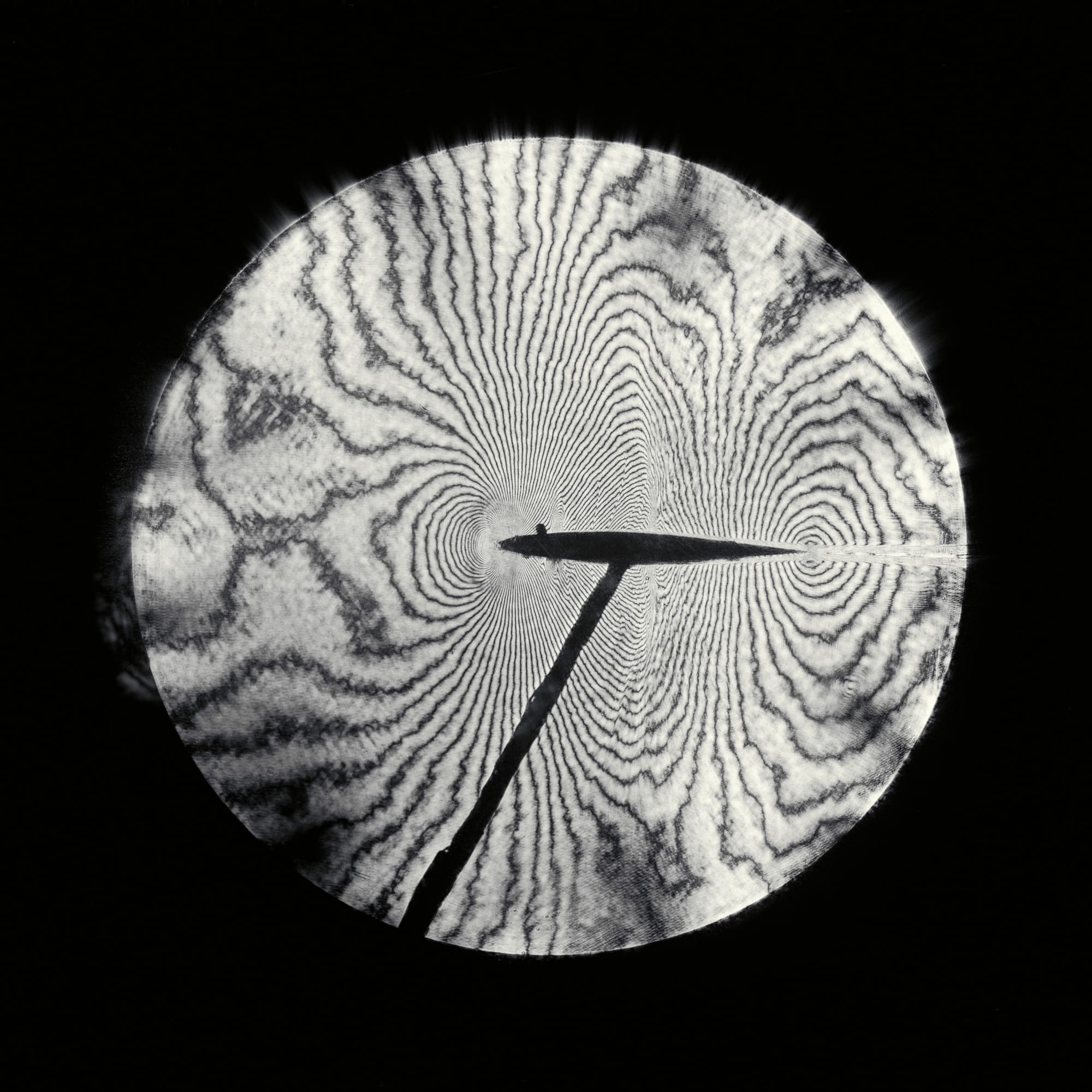
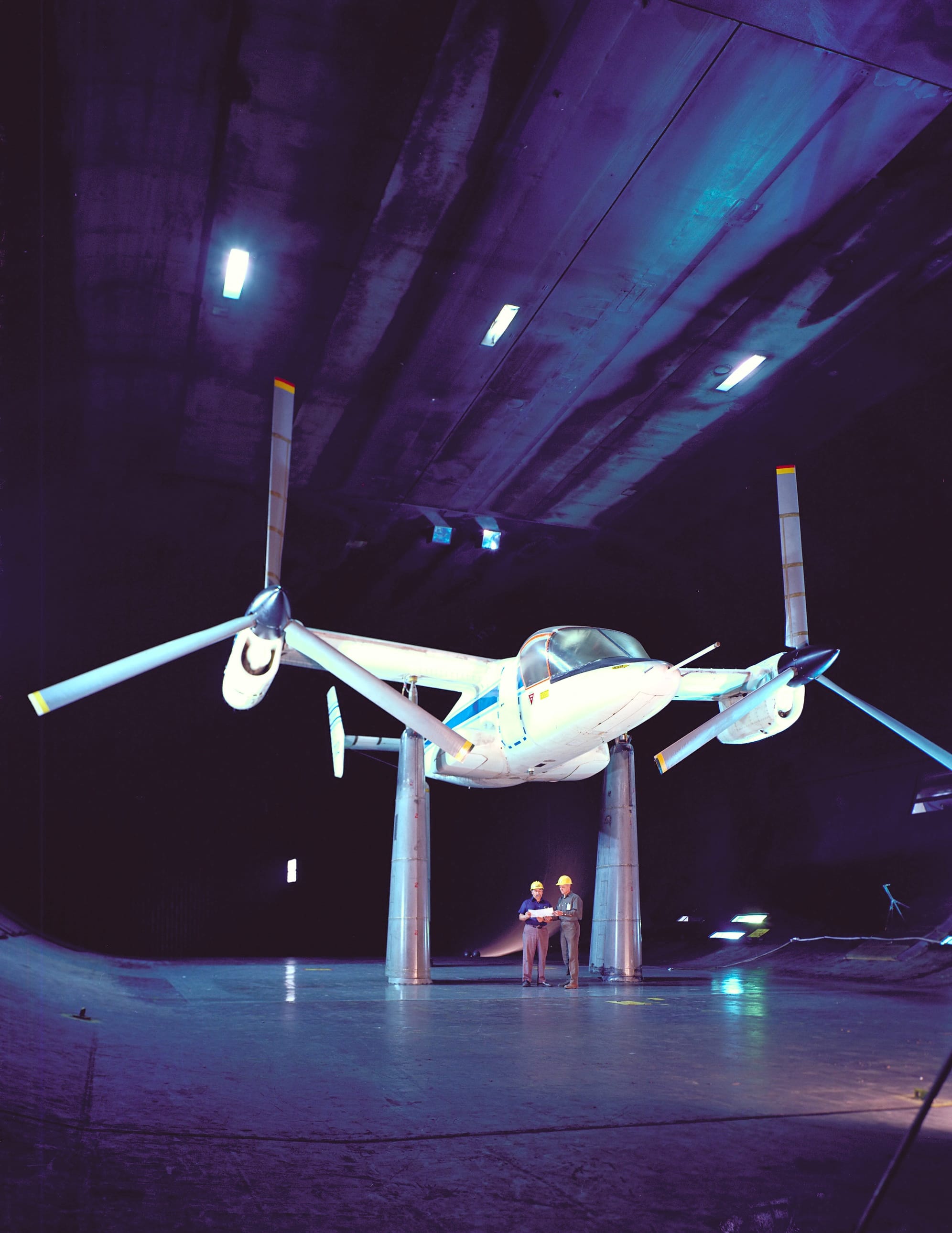
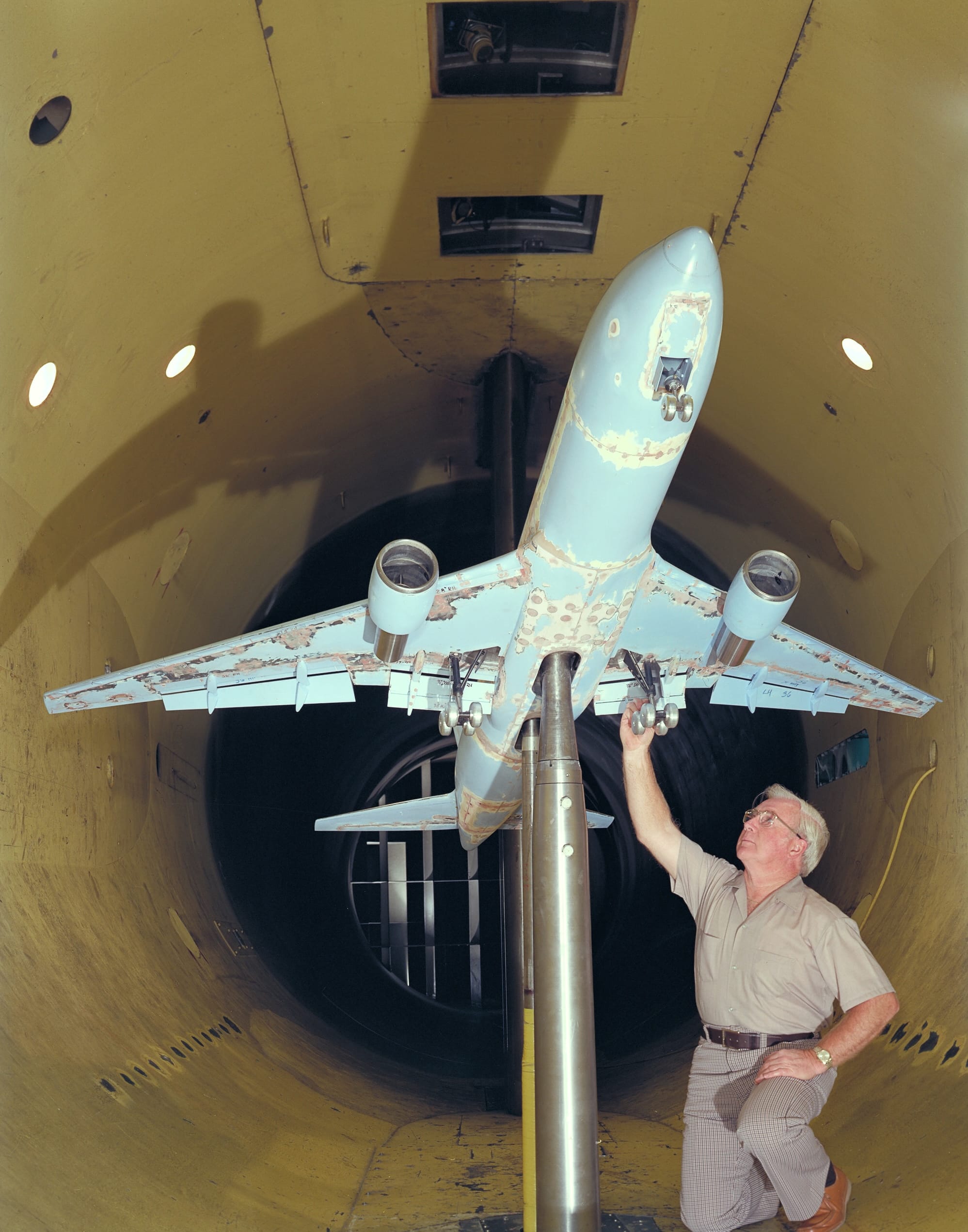
Images from some of NASA Ames' massive wind tunnels. Photos: NASA.
Pioneer and Voyager 2
The Pioneer space probe missions spanned 1965 through 1992, exploring the Moon, Venus, Jupiter, and Saturn. The Pioneer program was managed from NASA Ames, which also helped out with the more famous Voyager 2 mission, which launched in 1977 to fly past Jupiter, Saturn, Uranus and Neptune to enter interstellar space in 2018.
The Ames archive is full of images from these important missions, which were part of the first wave of exploring our solar system.
Today, we might take for granted how much amazing imagery and data we have collected from the planets and moons in our solar system over the past six decades of exploration. But looking at these first glimpses of these strange and beautiful celestial bodies, it must have been thrilling to see them for the first time.
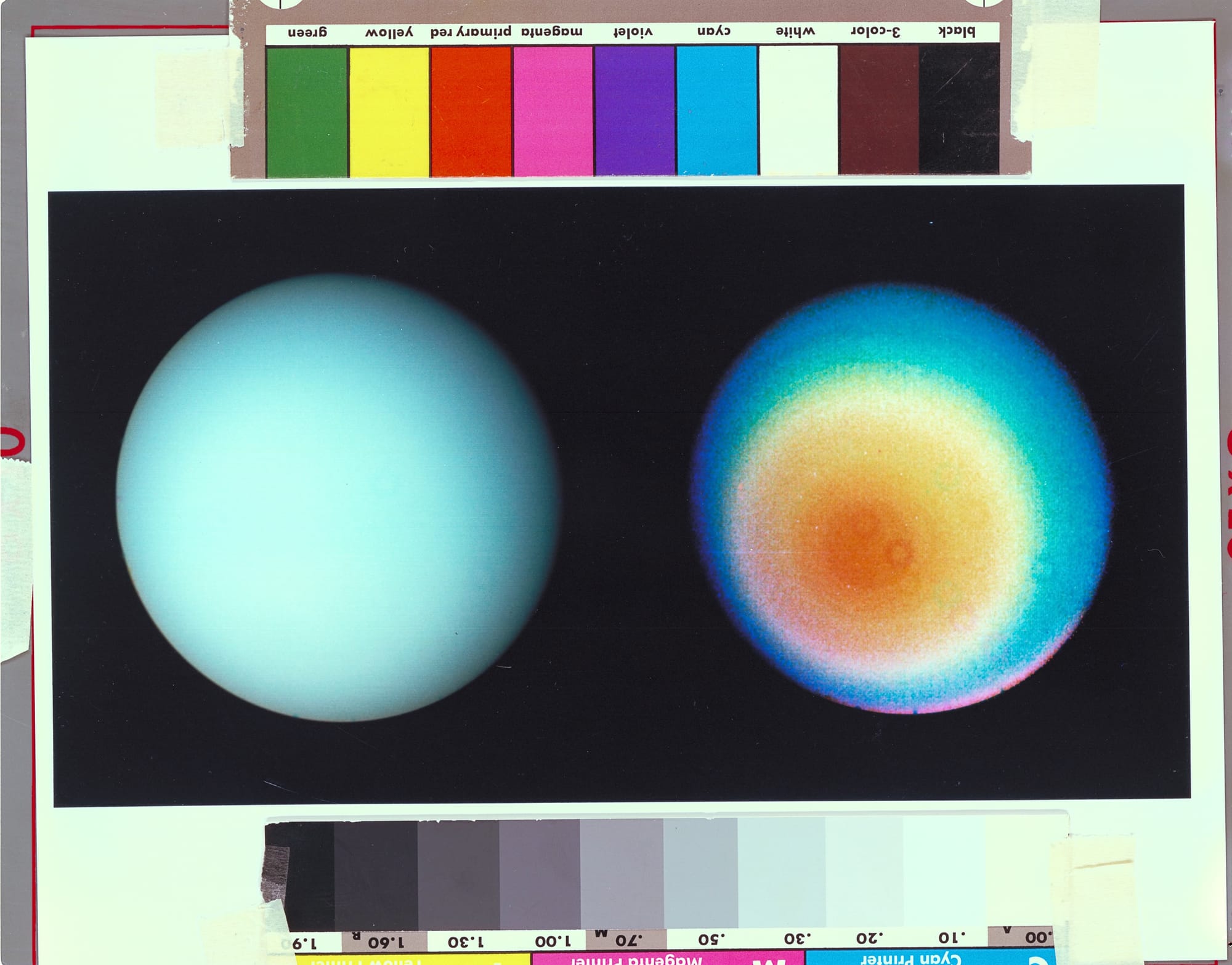
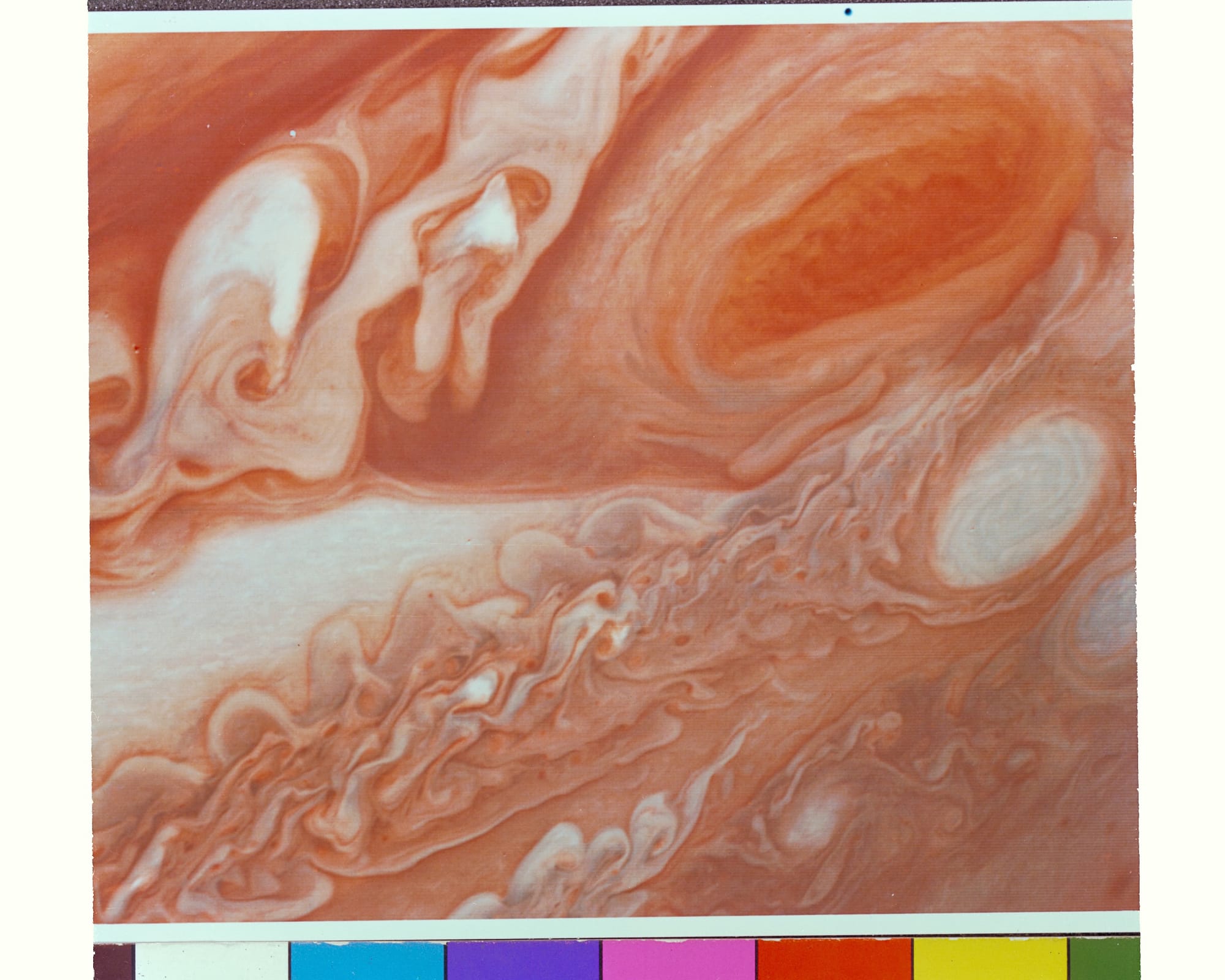
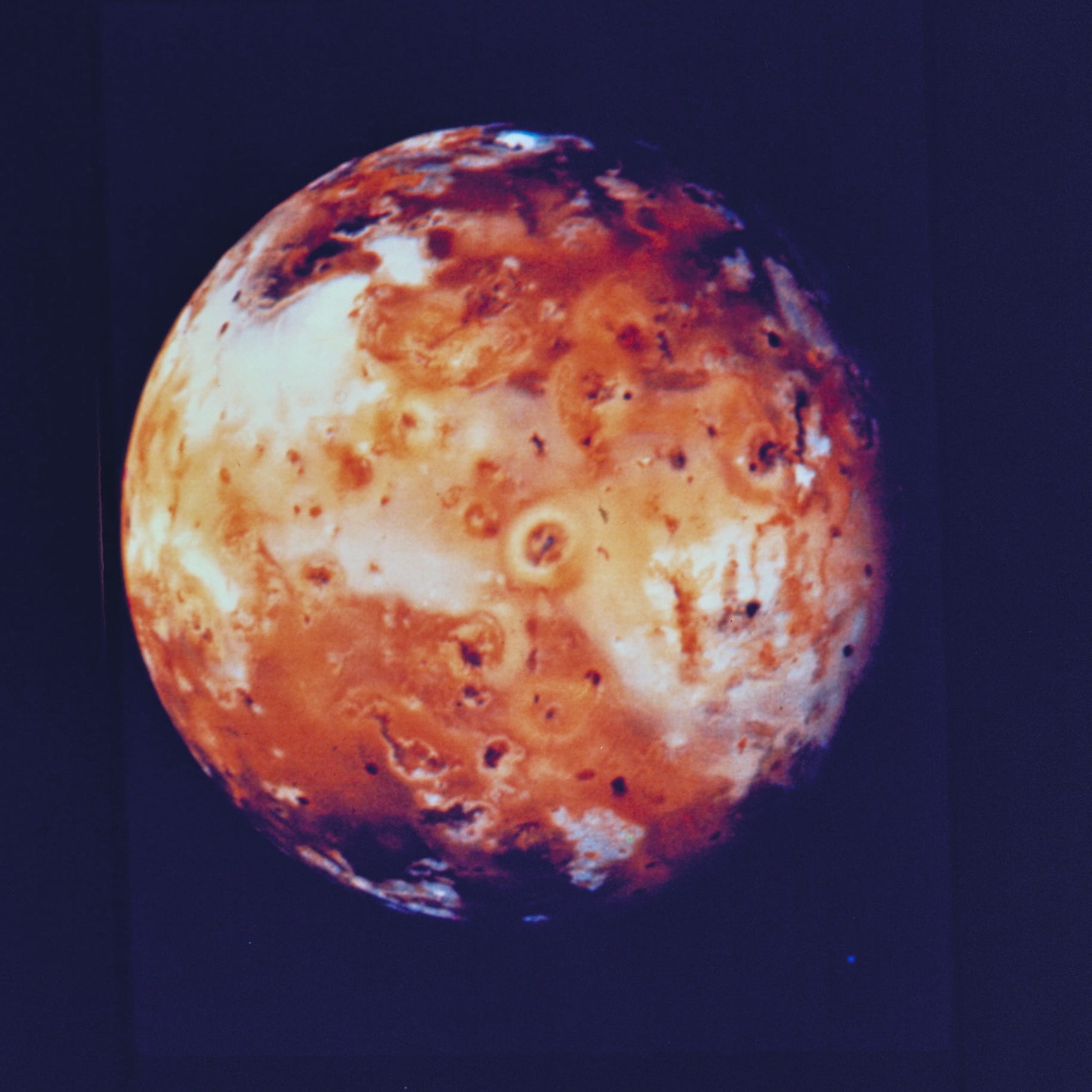
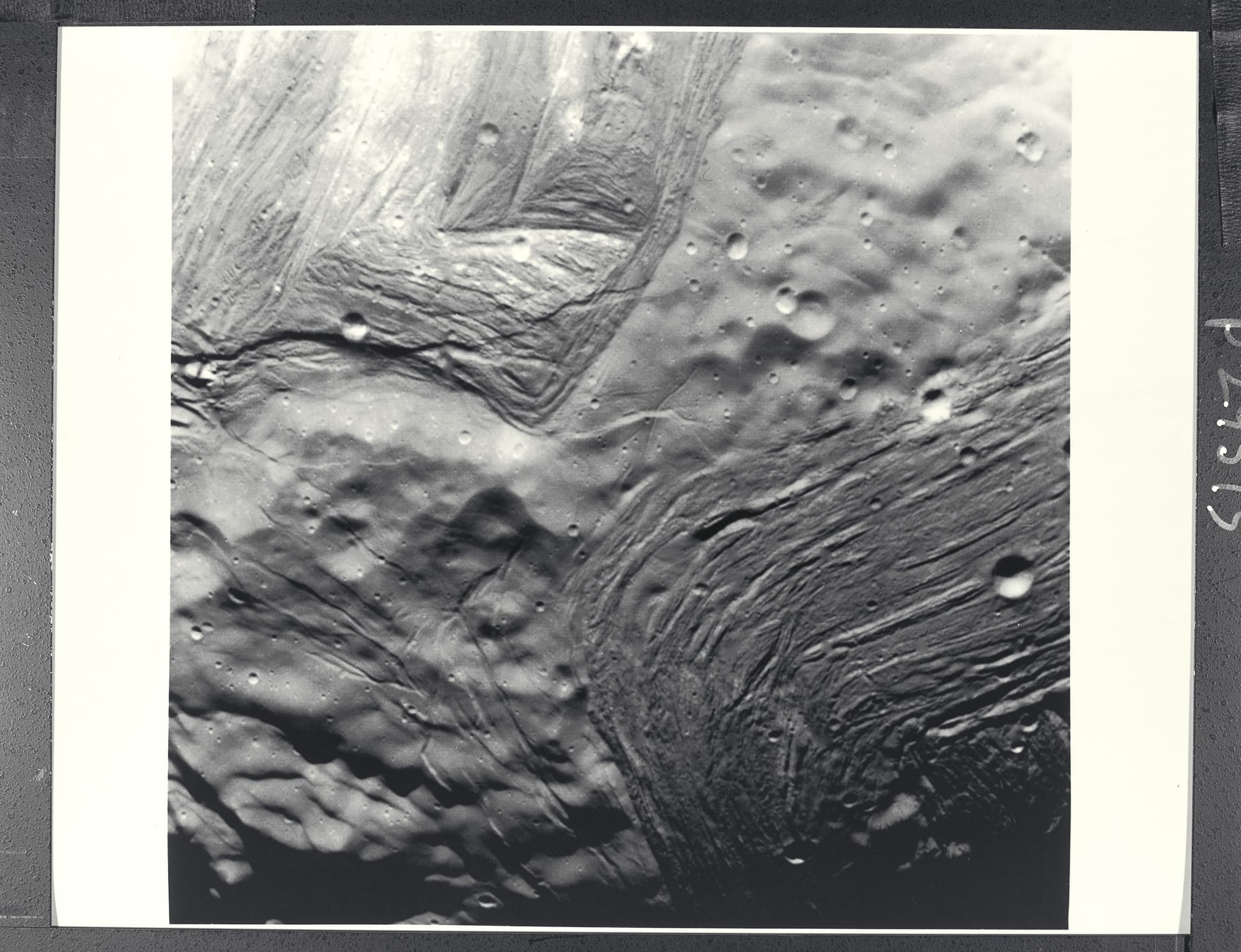
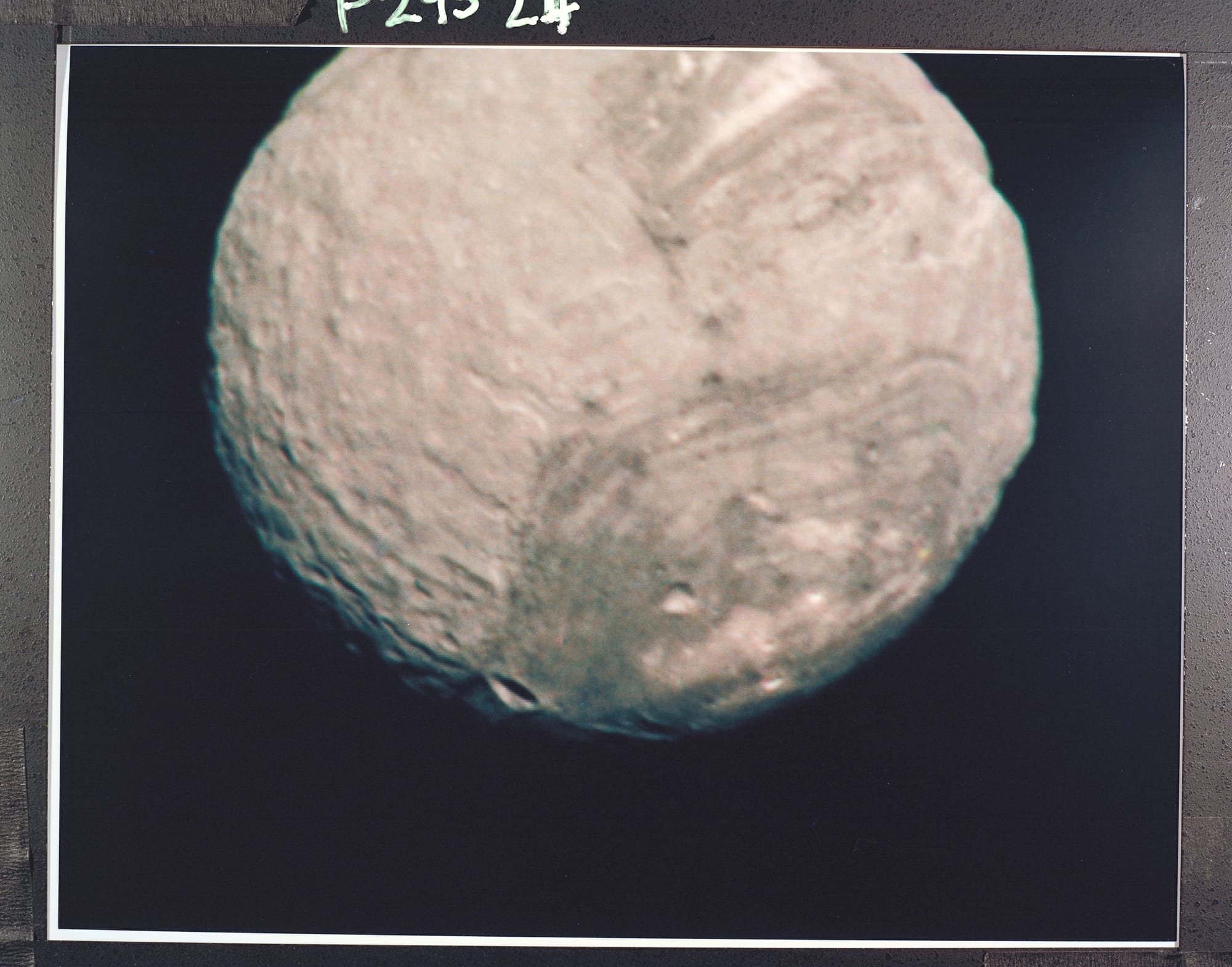
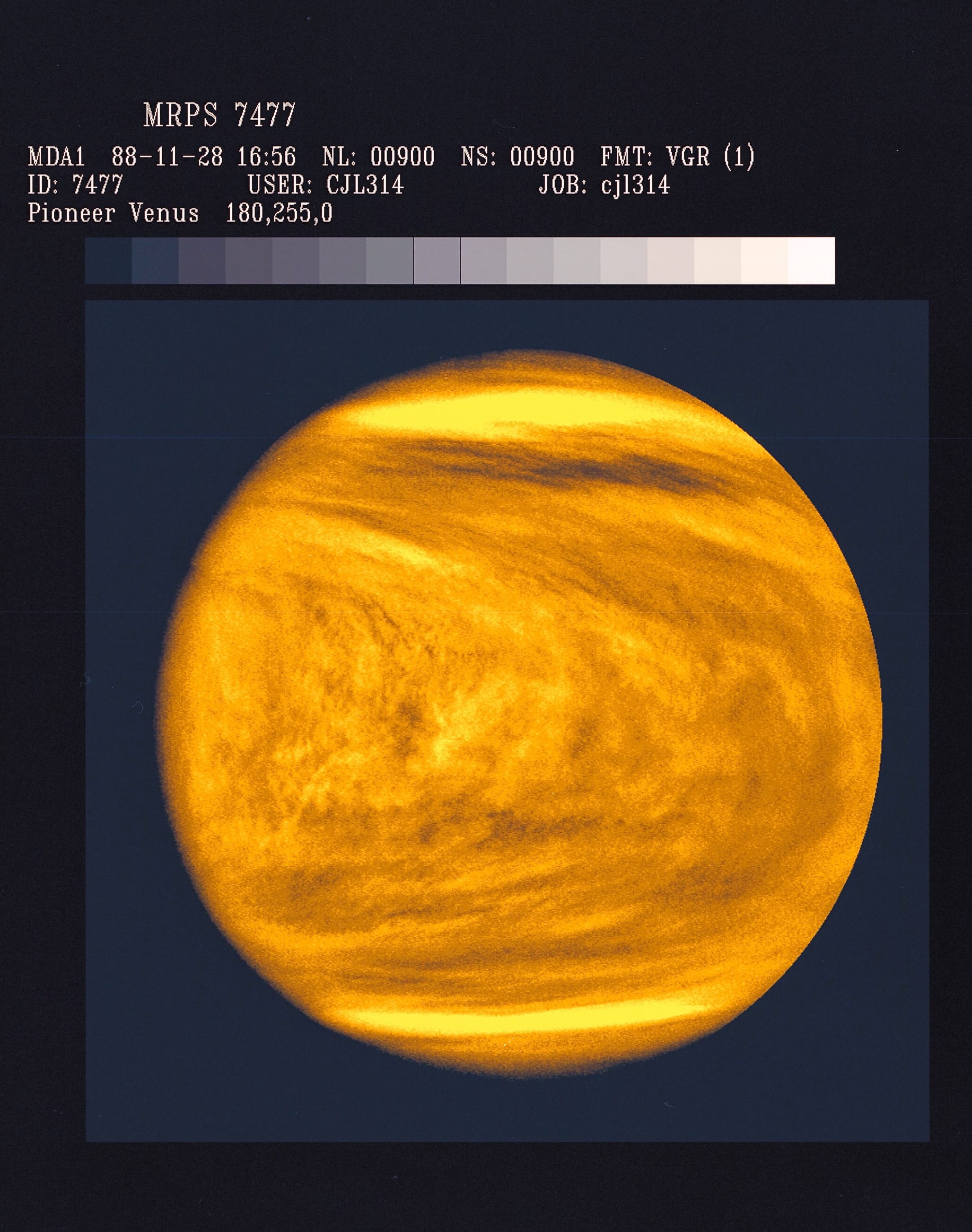
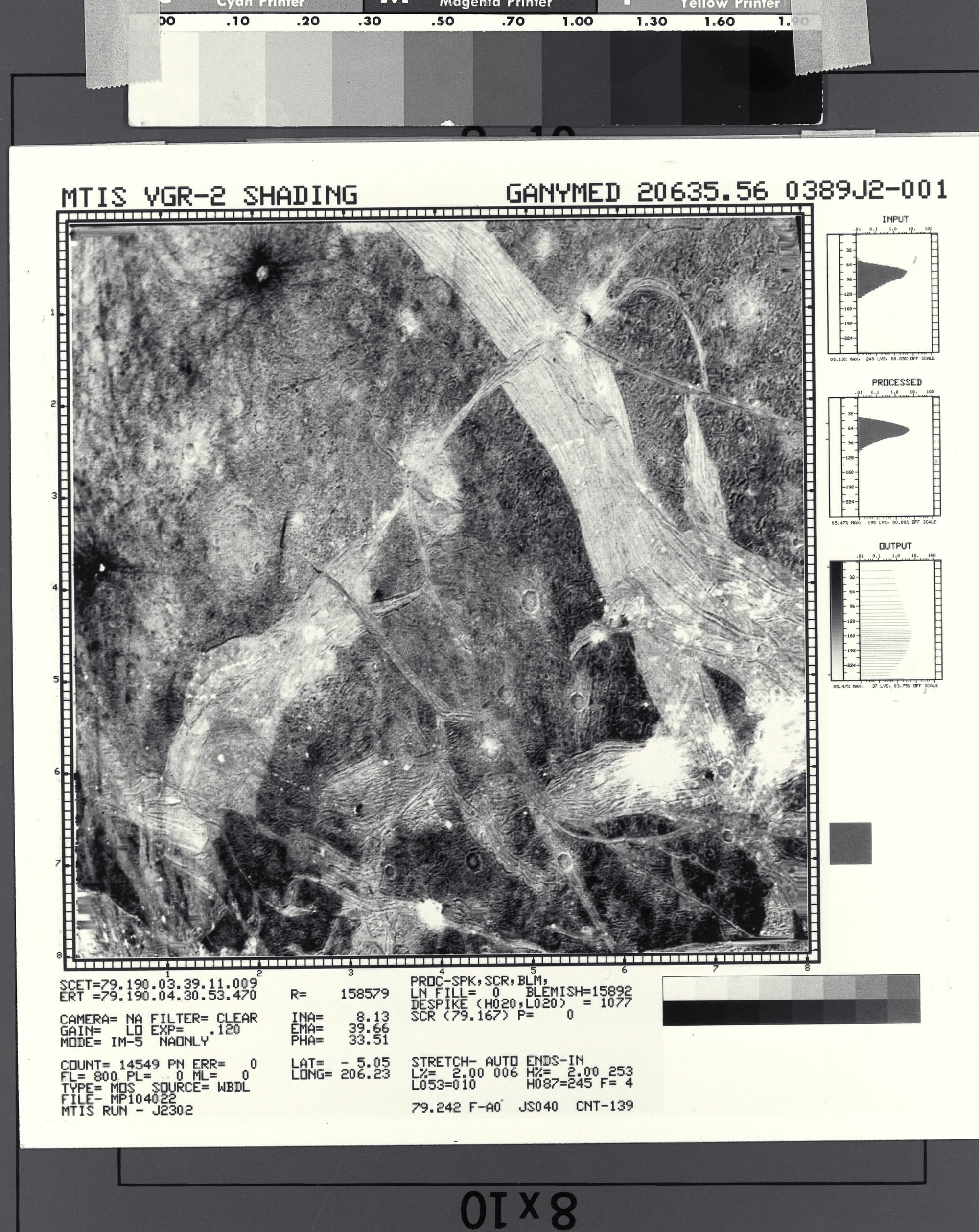
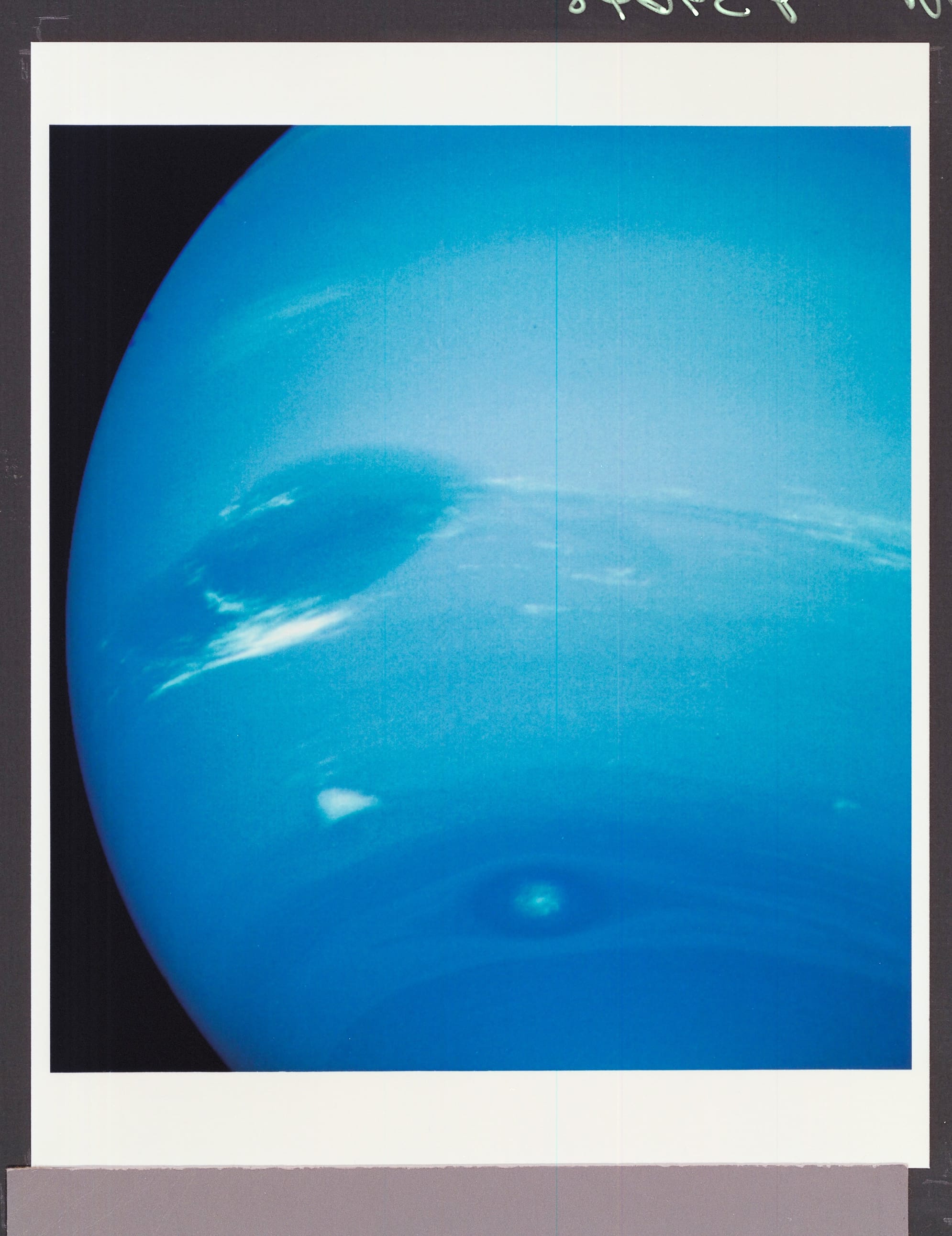
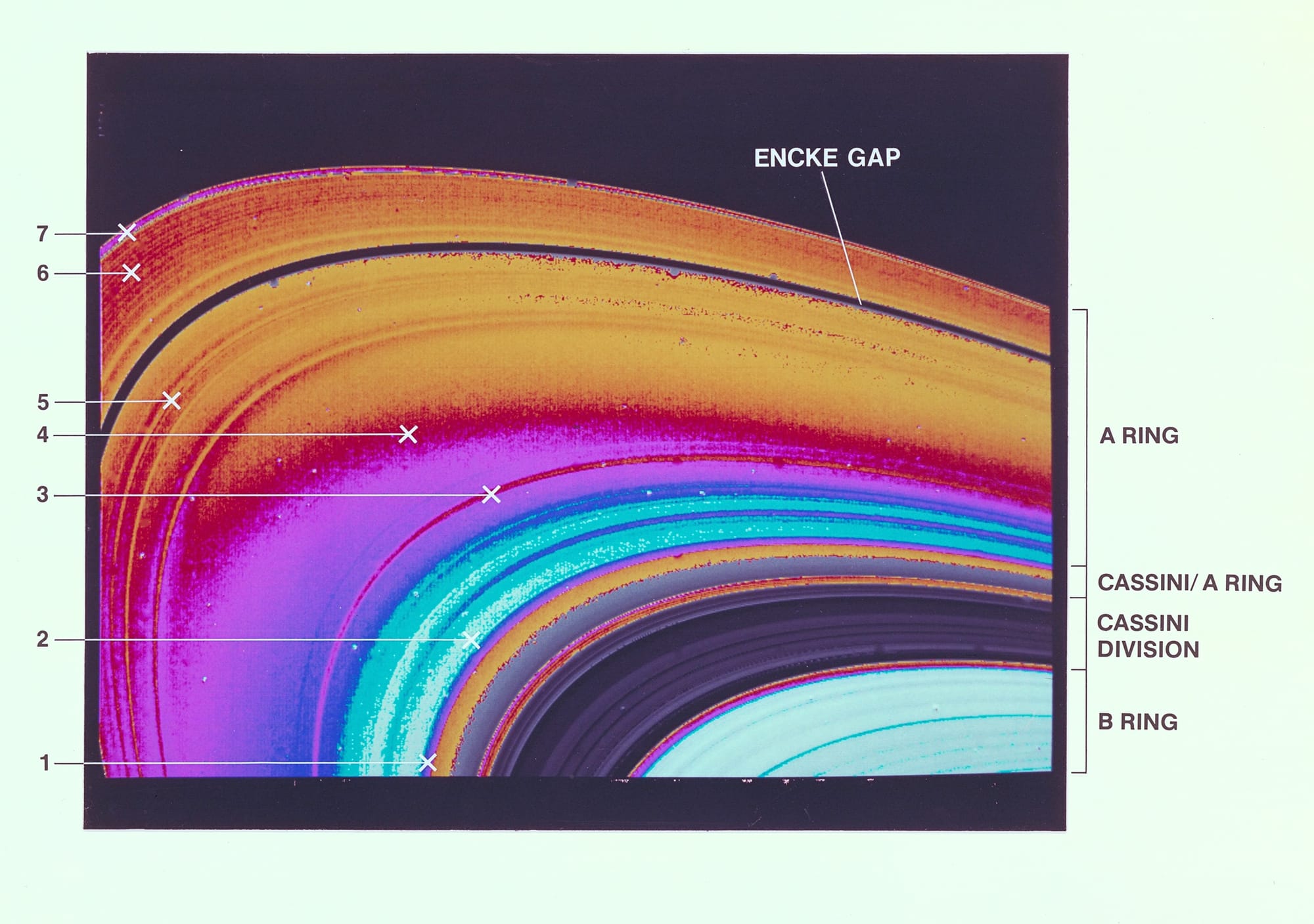
Imagery from the Pioneer and Voyager 2 missions from the NASA Ames Center archives. Photos: NASA
Aircraft
Many odd-looking experimental aircraft—such as vertical take-off and landing (VTOL) aircraft, jets and rotorcraft—were developed and tested at the facility. The skeleton of a hulking airship hangar remains on NASA Ames’ campus, but it was obsolete even when the facility started its construction.
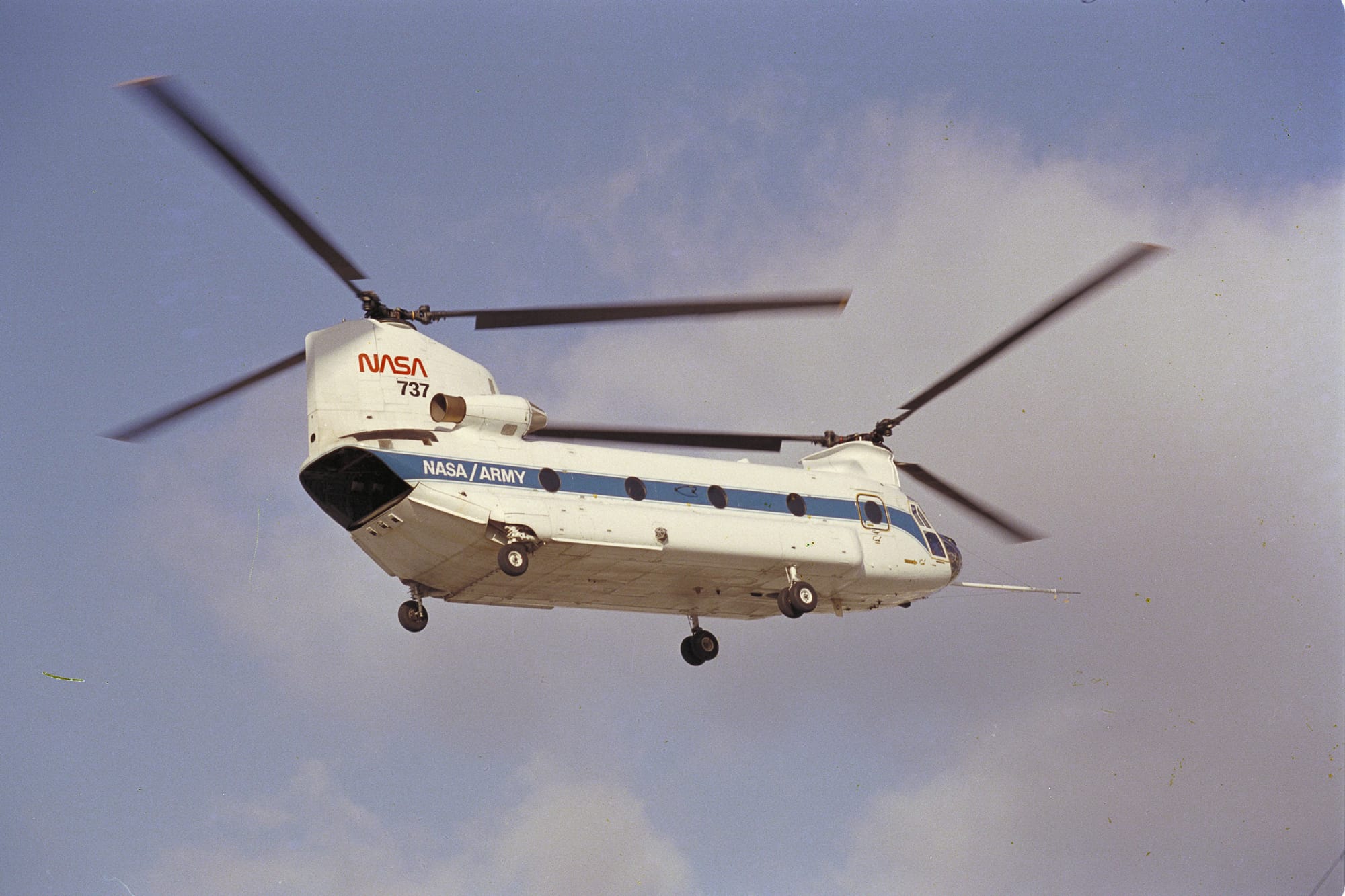
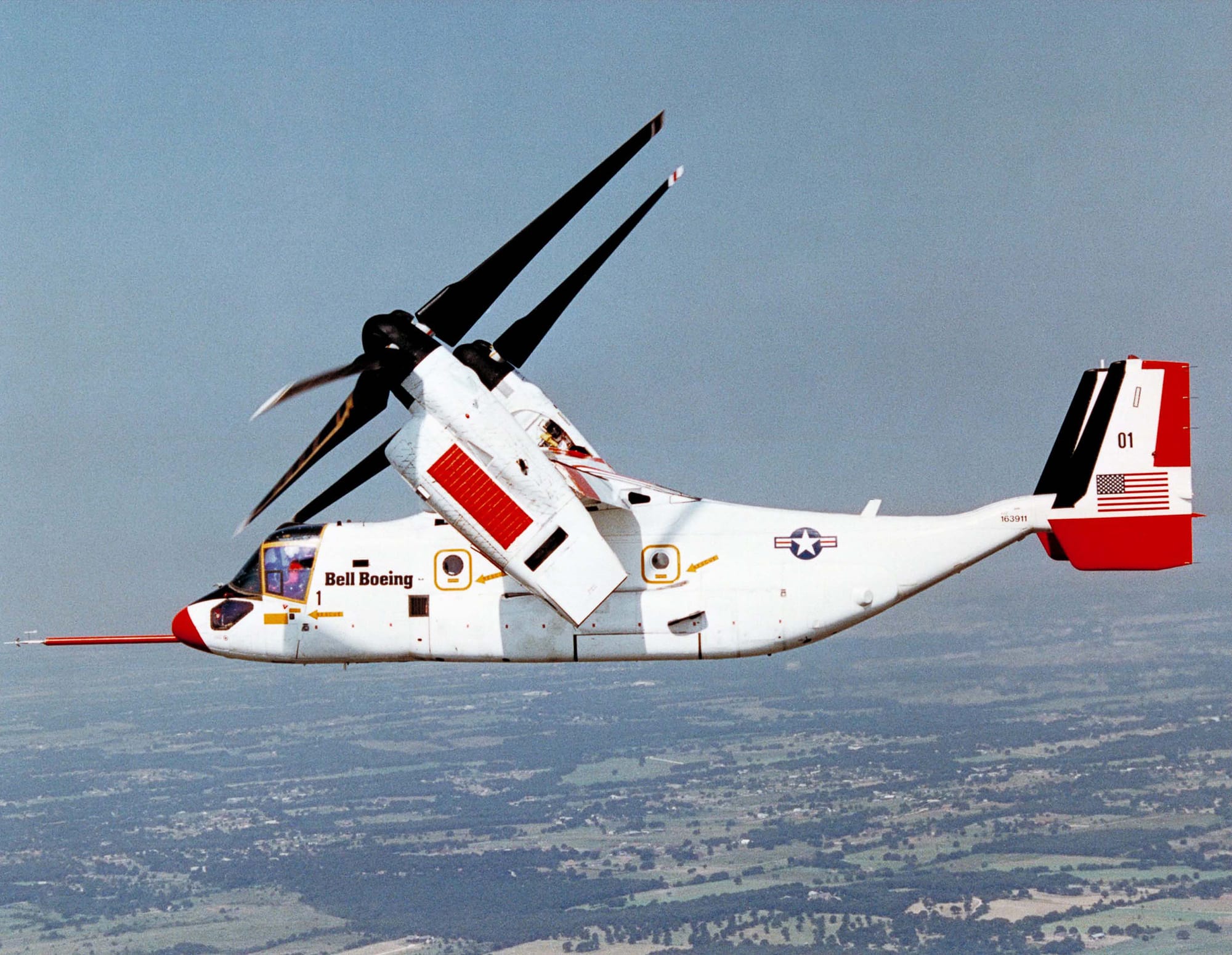
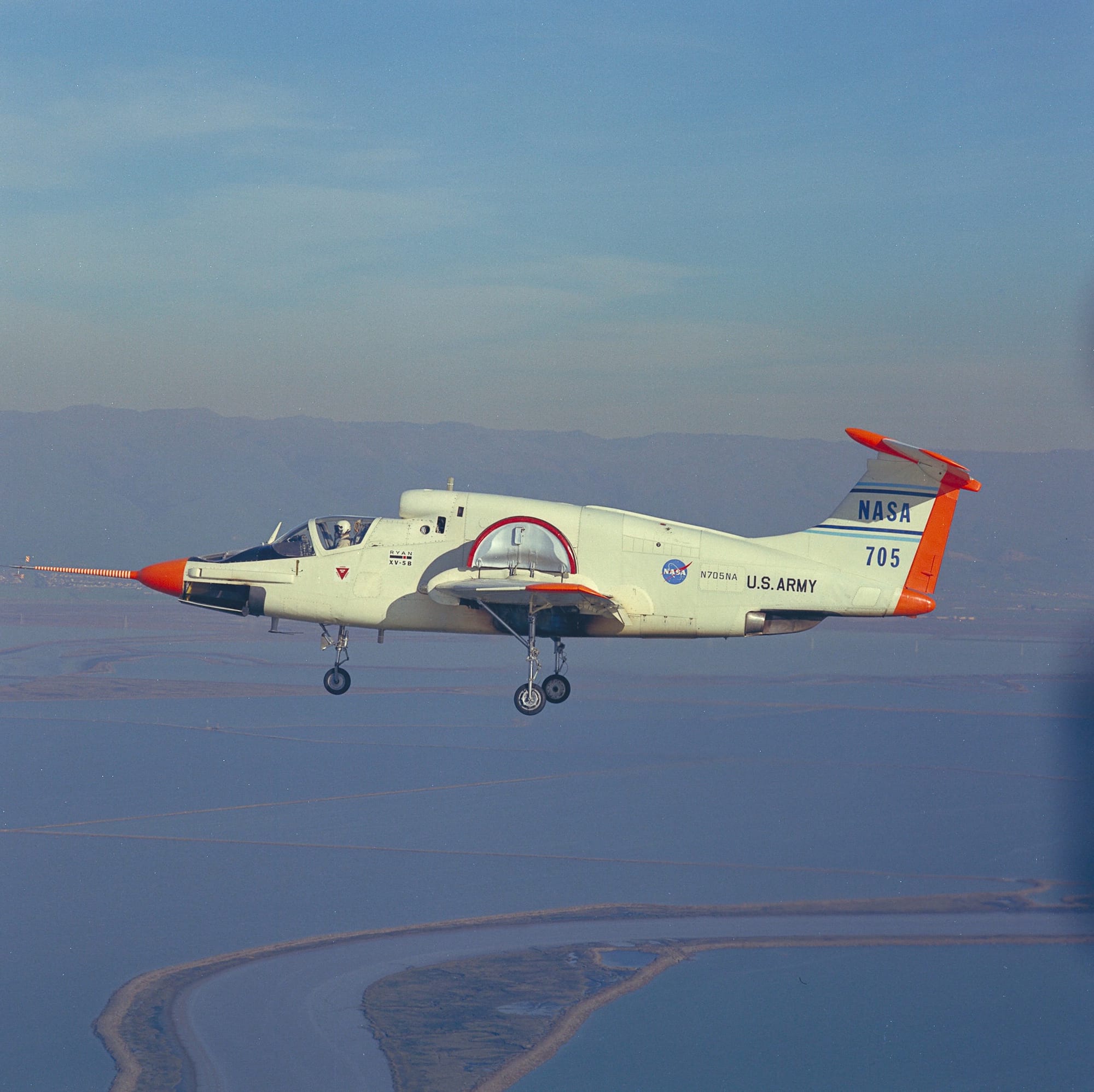
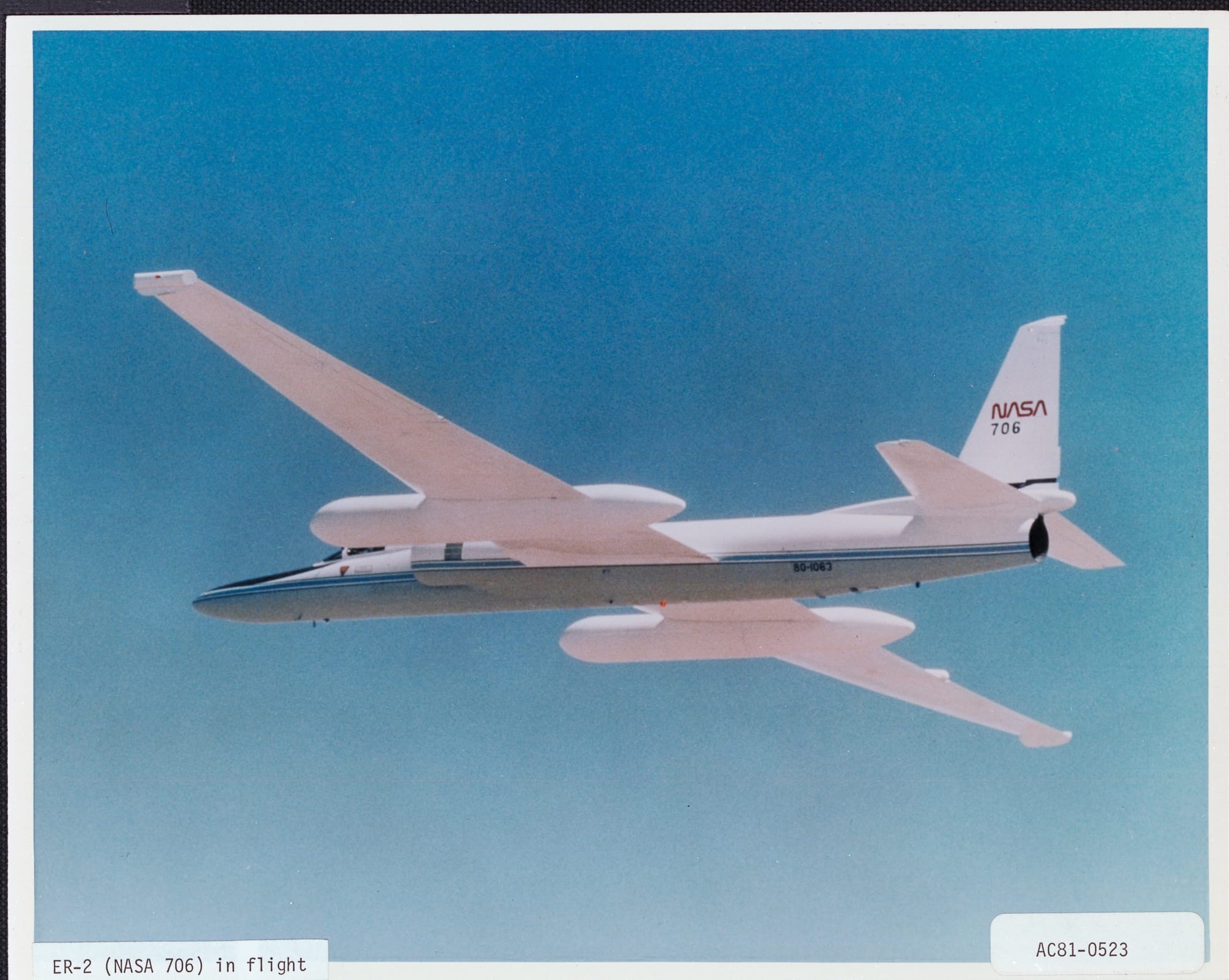
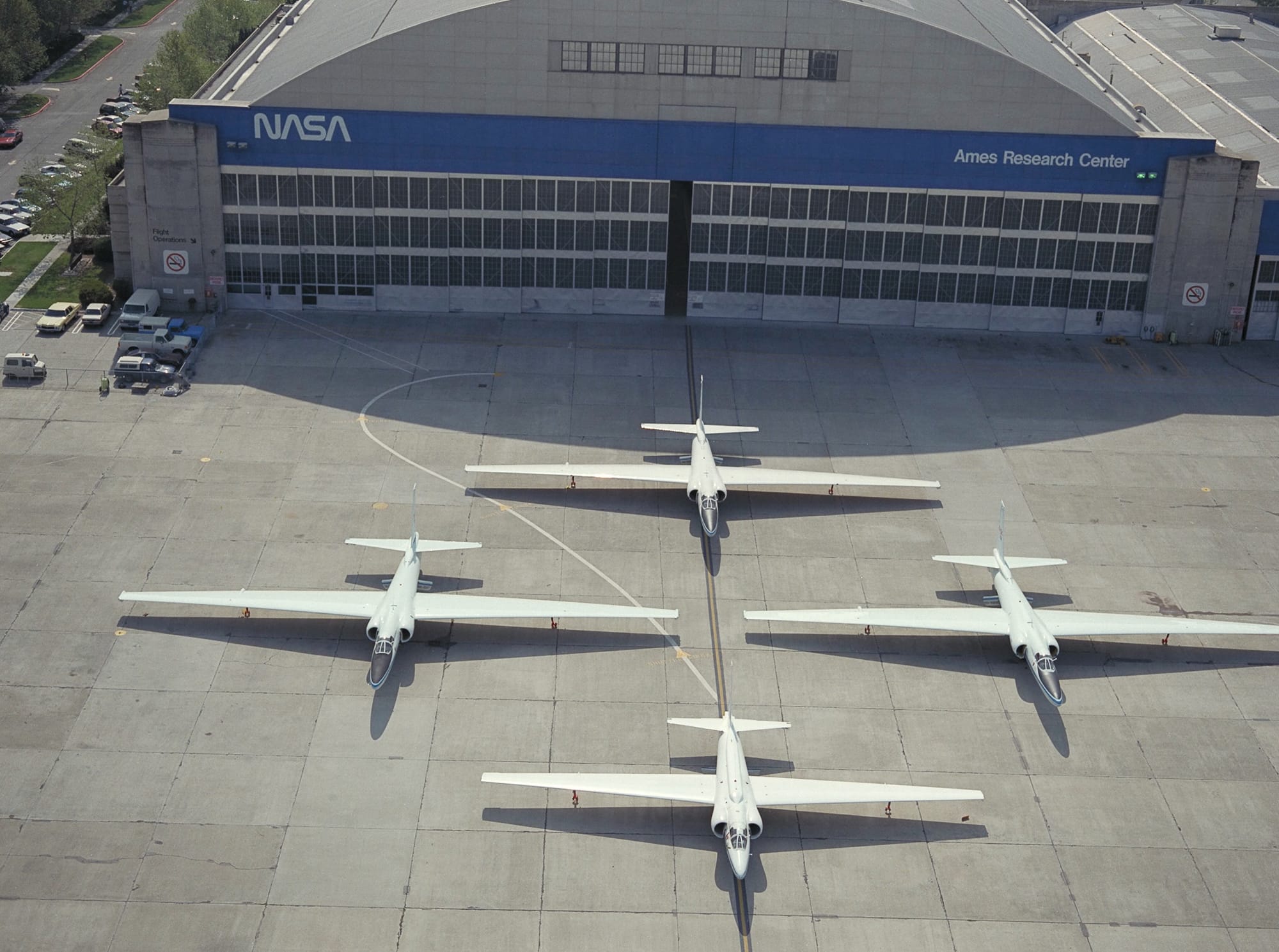
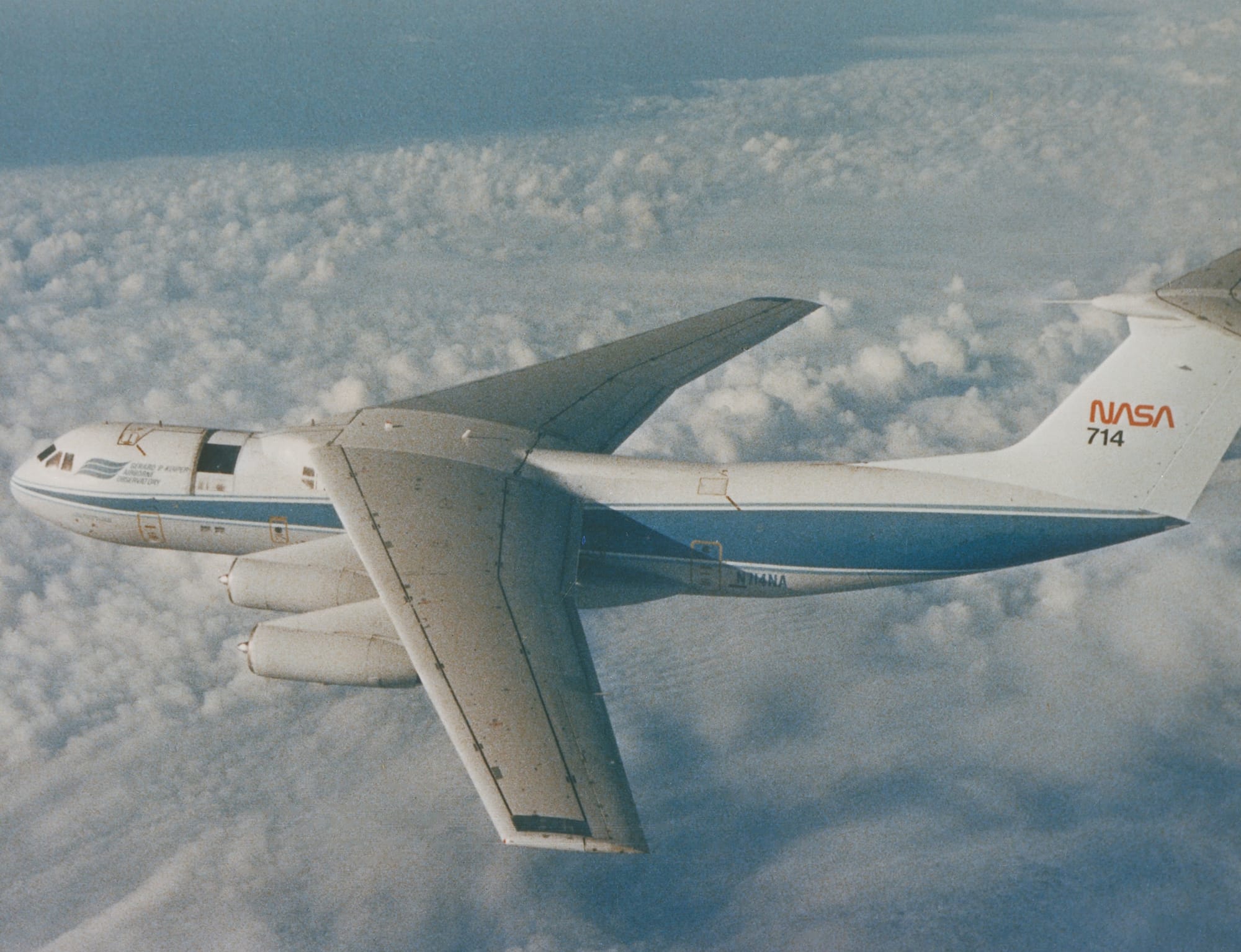
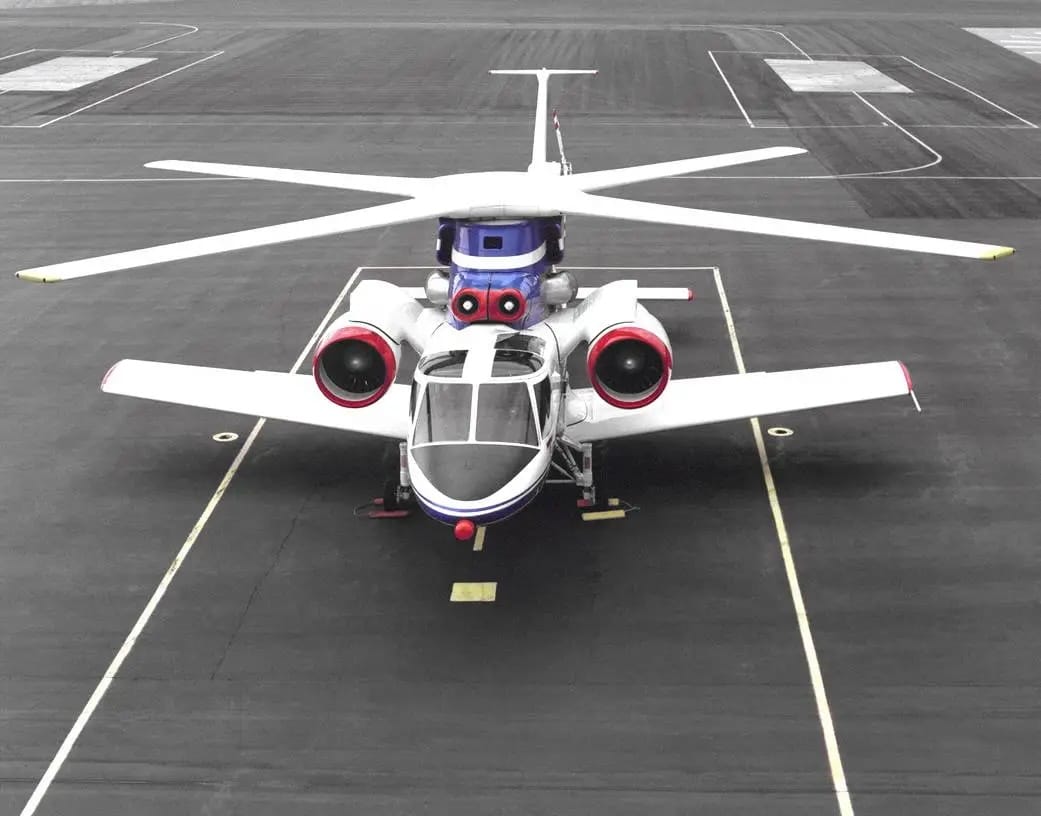
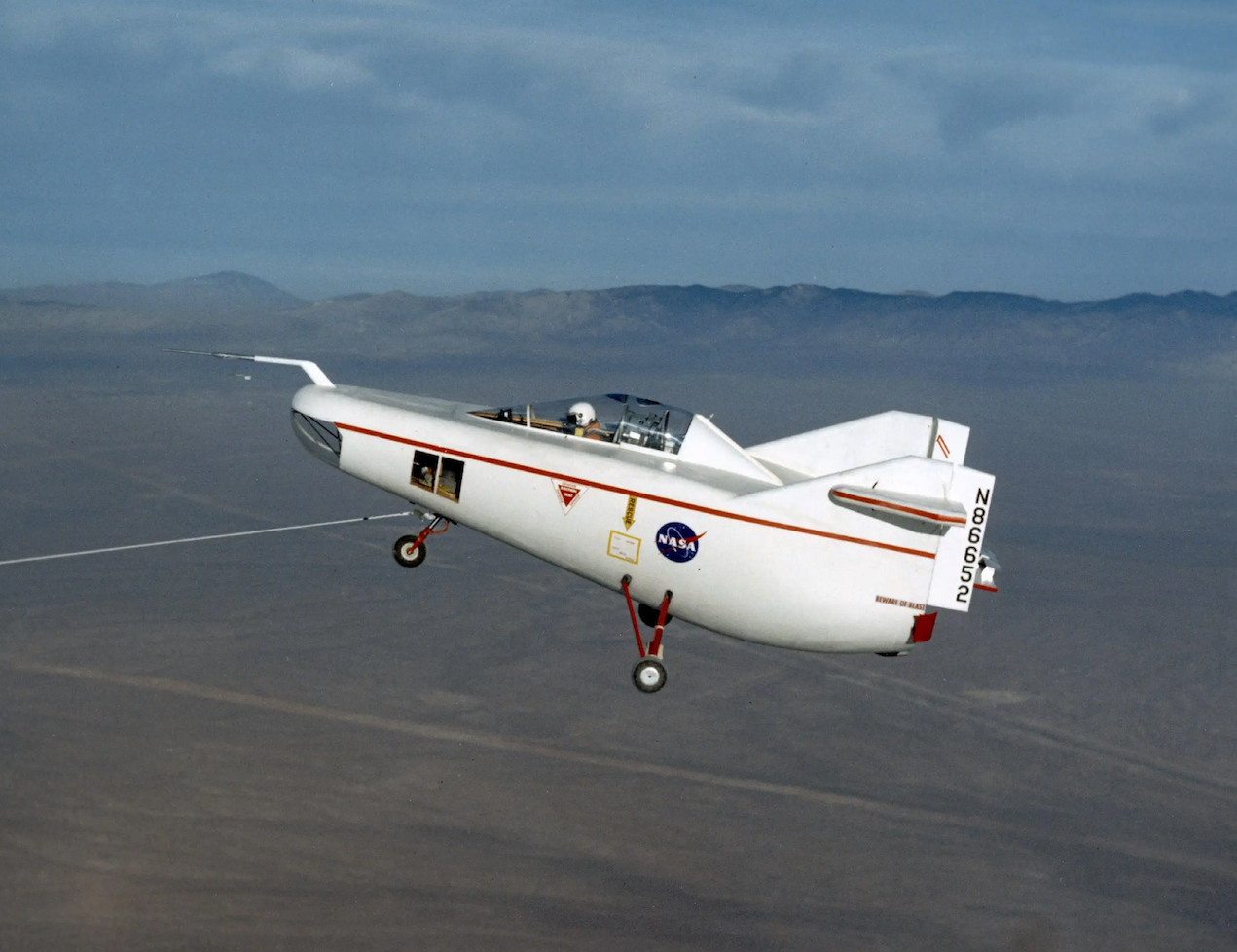
A collection of some of the interesting experimental aircraft developed and tested at NASA Ames. Photos: NASA Ames Research Center
Illustrations
How do you get the public excited about multi-million dollar scientific missions that people can’t really see yet? Some amazing, awe-inspiring illustrations can be found in the Ames archives, depicting imagined surfaces of distant planets, NASA spacecraft descending into surreal alien landscapes, and fantastical depictions of future ring-shaped human habitats in space. You can feel the optimism and excitement of the time looking at these colorful illustrations.
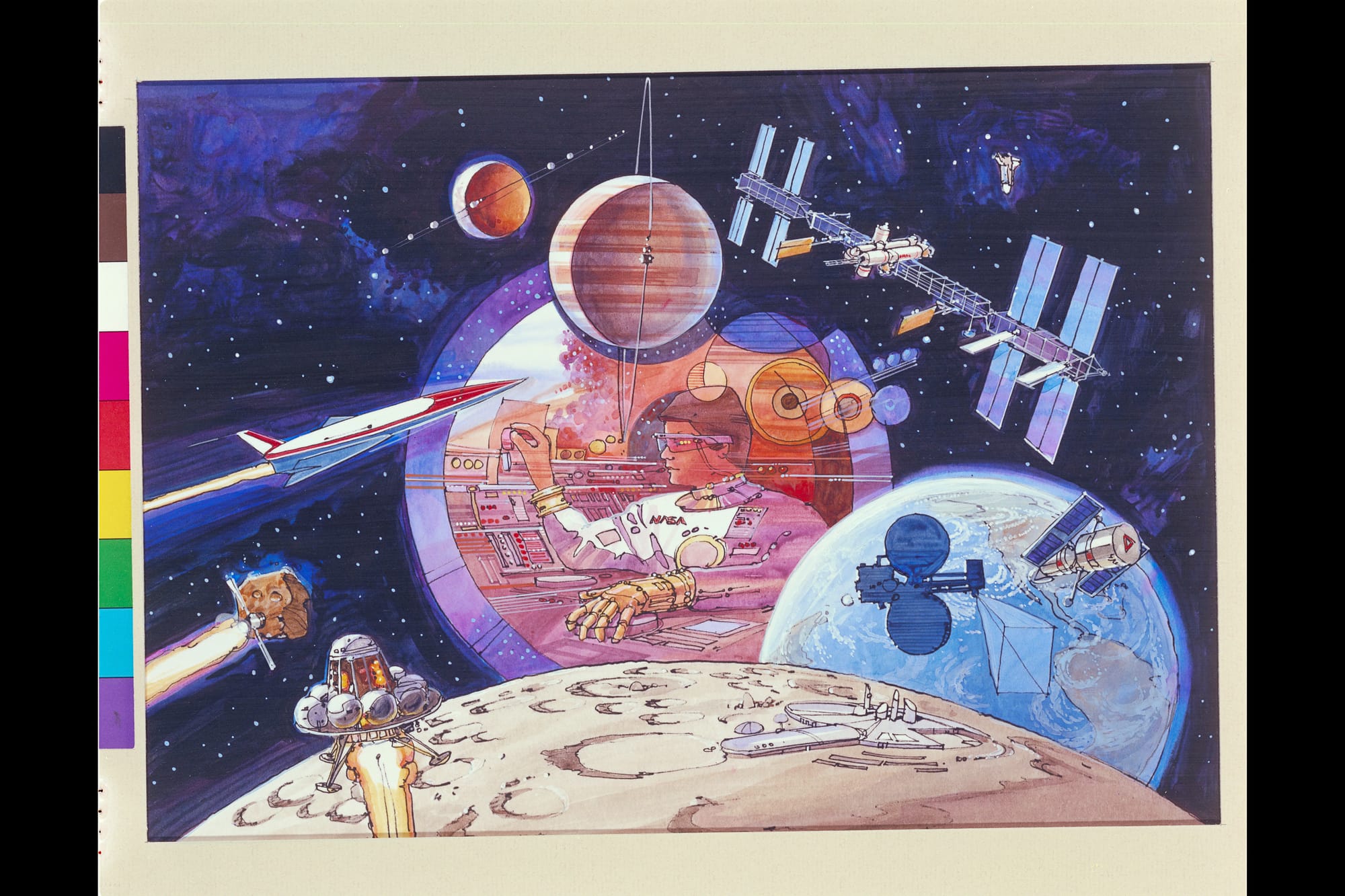
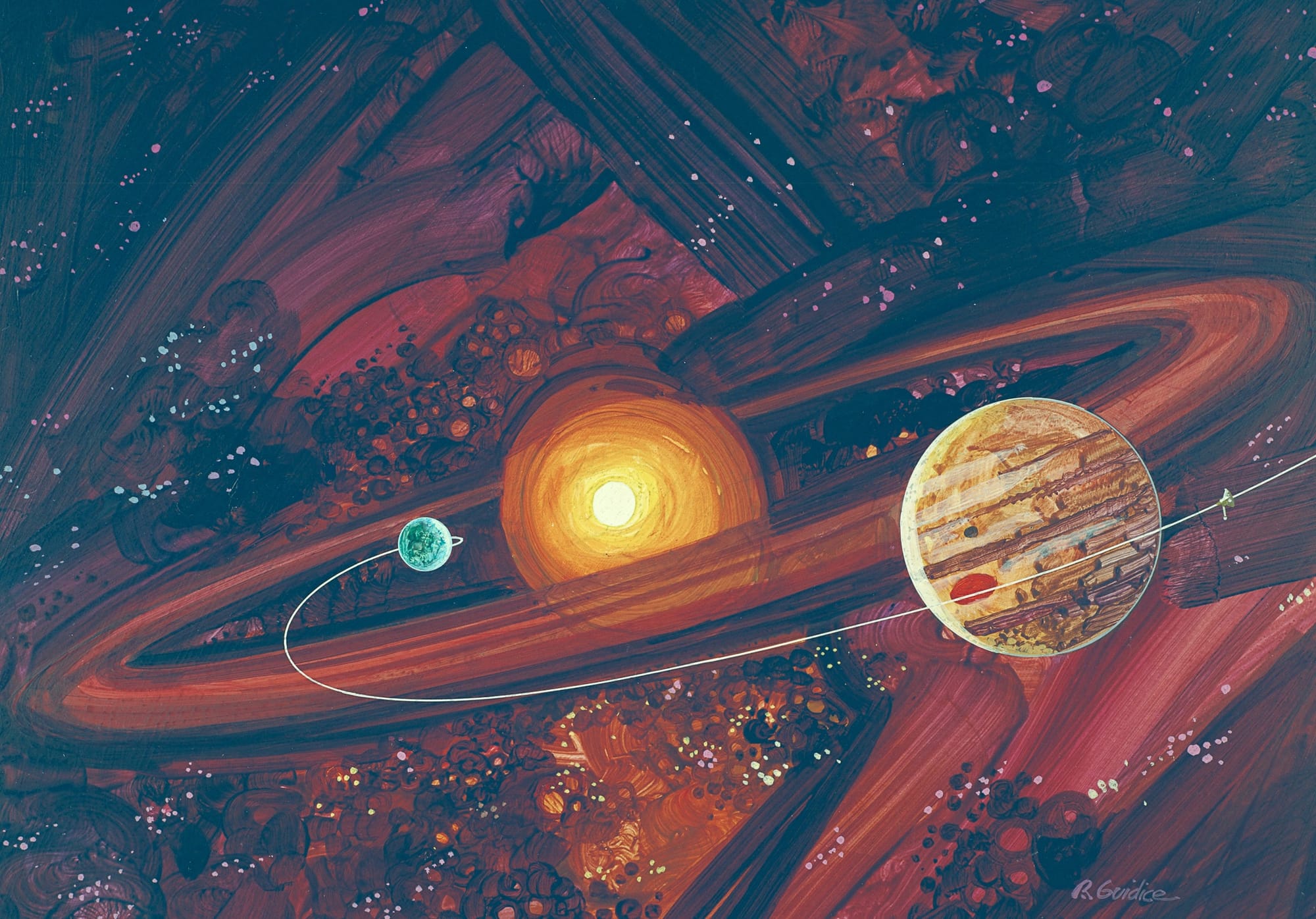
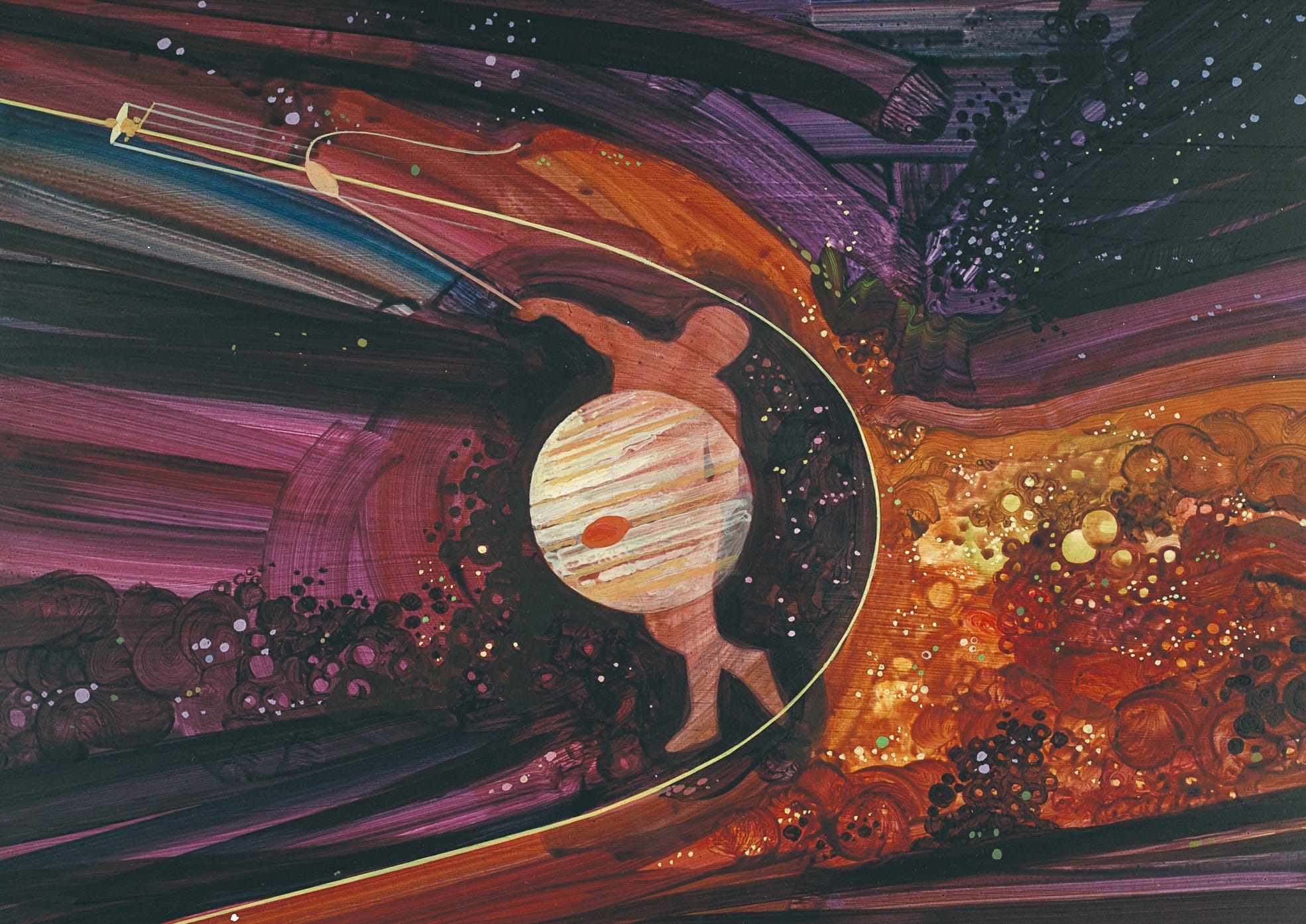
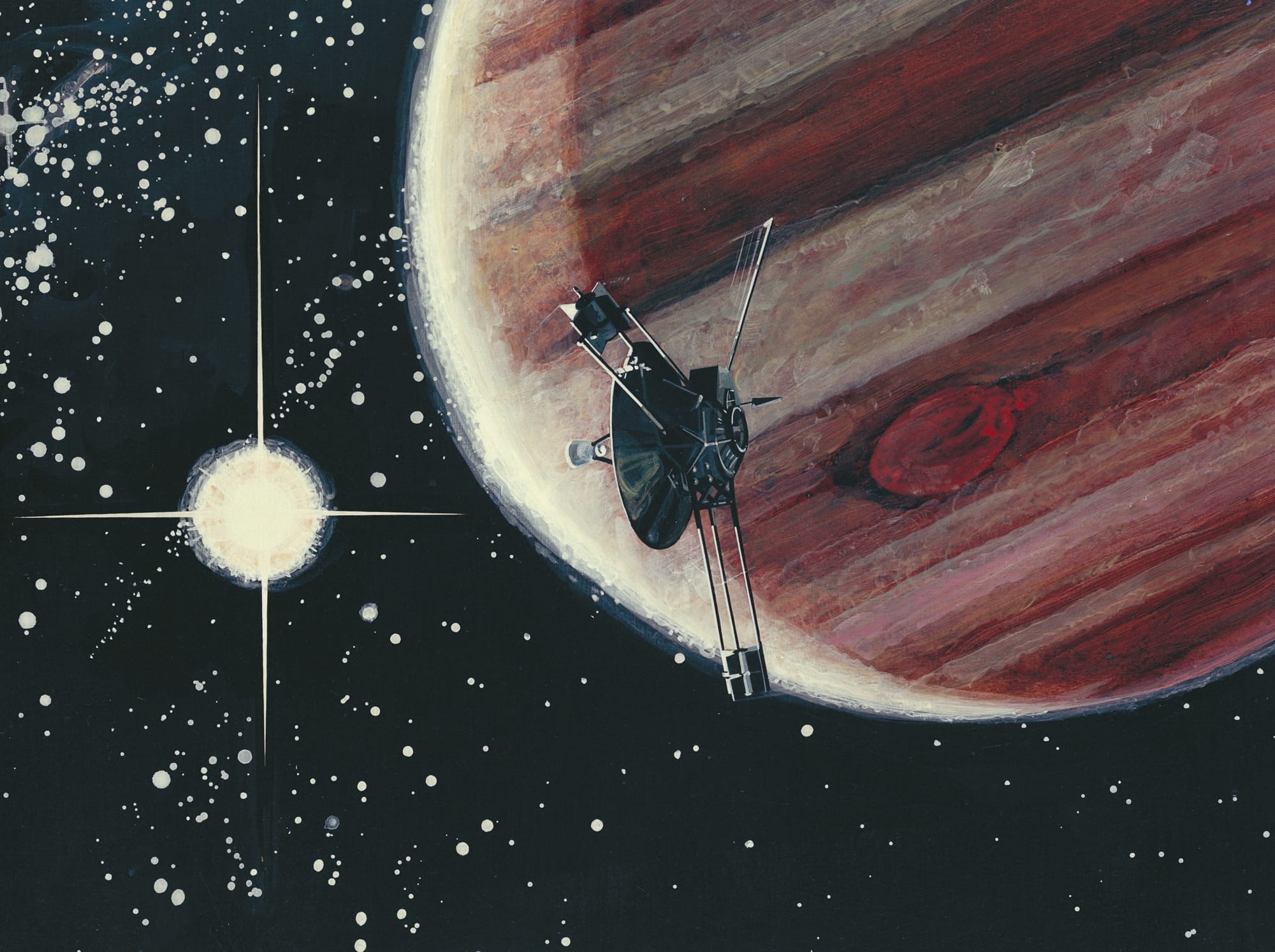
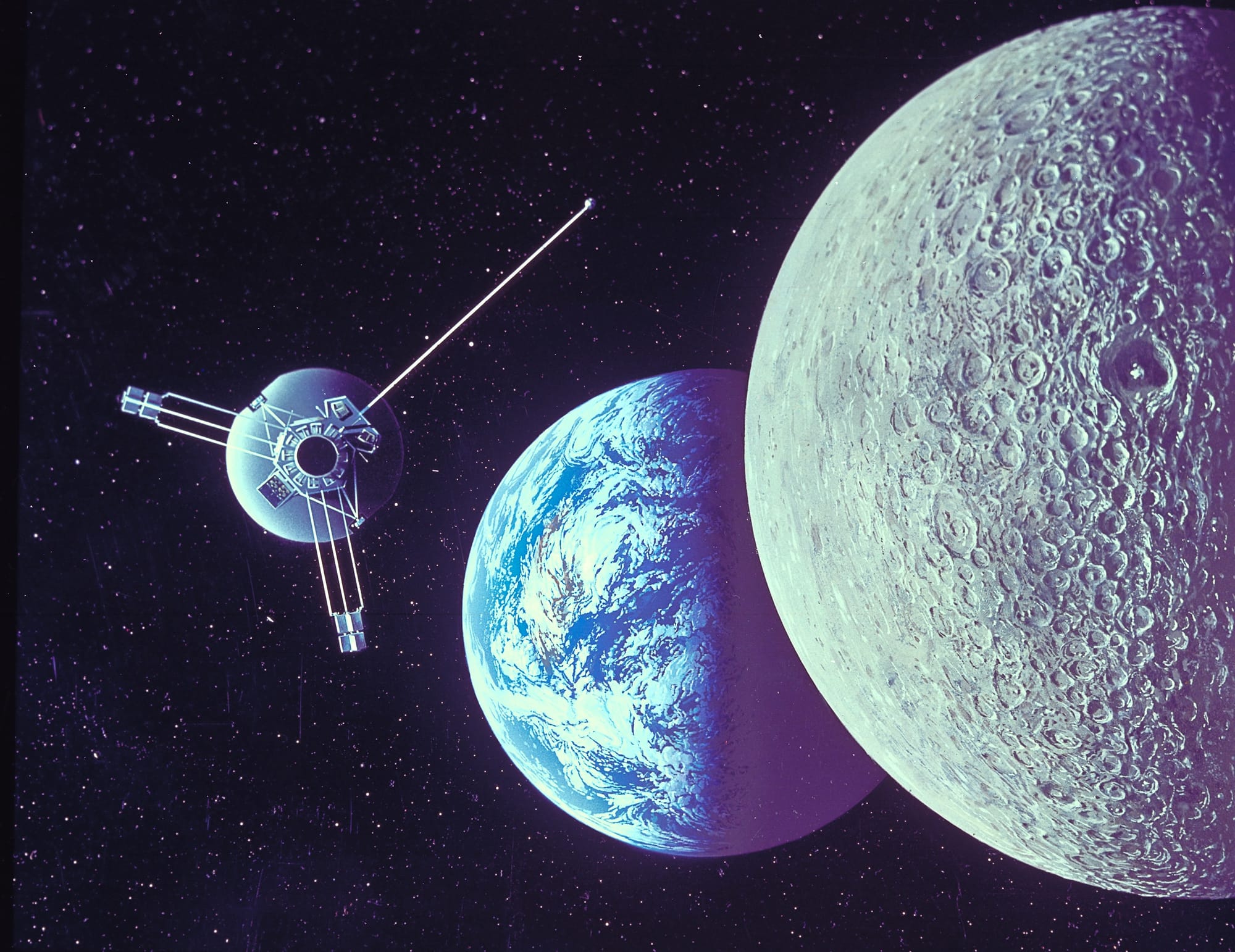
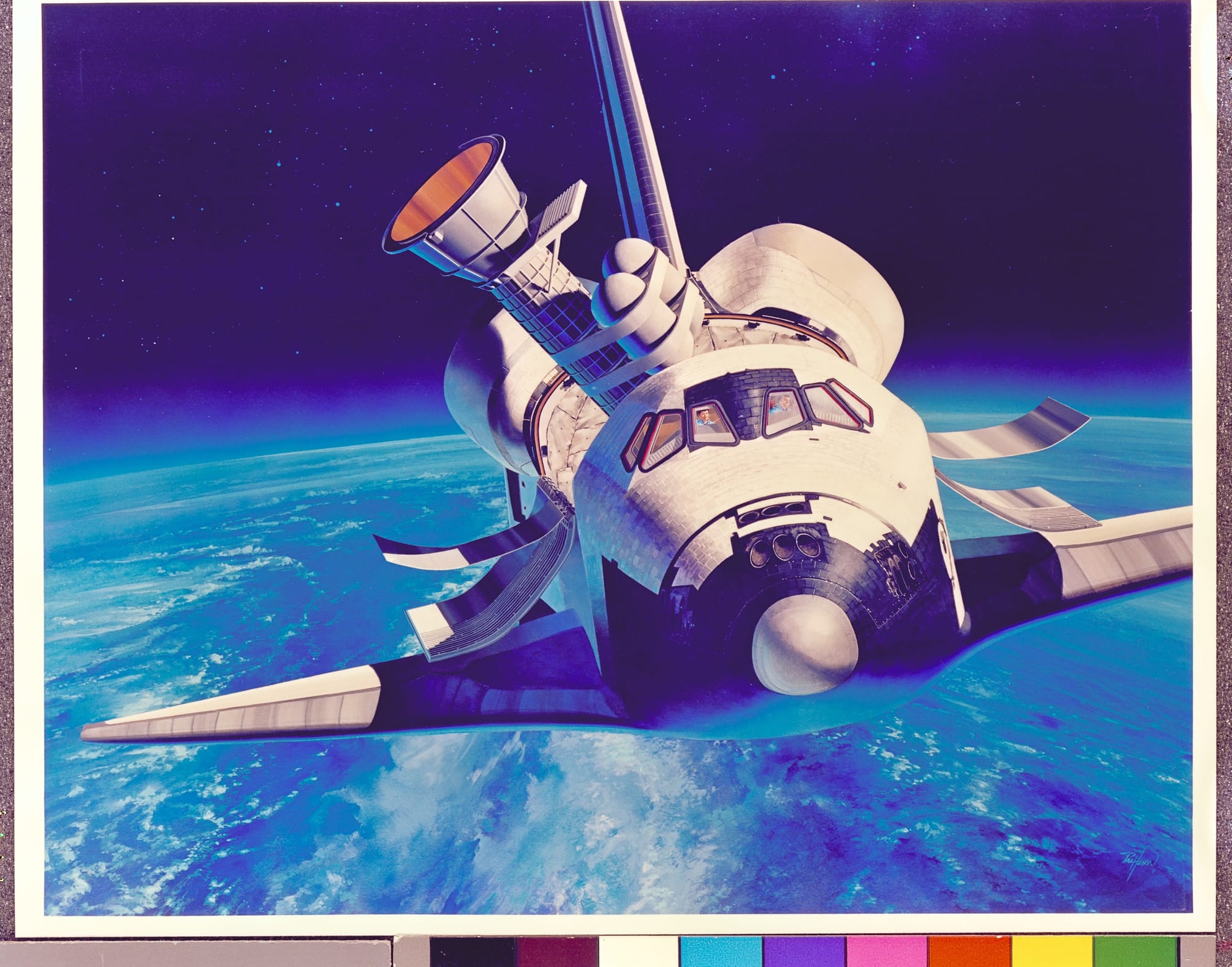
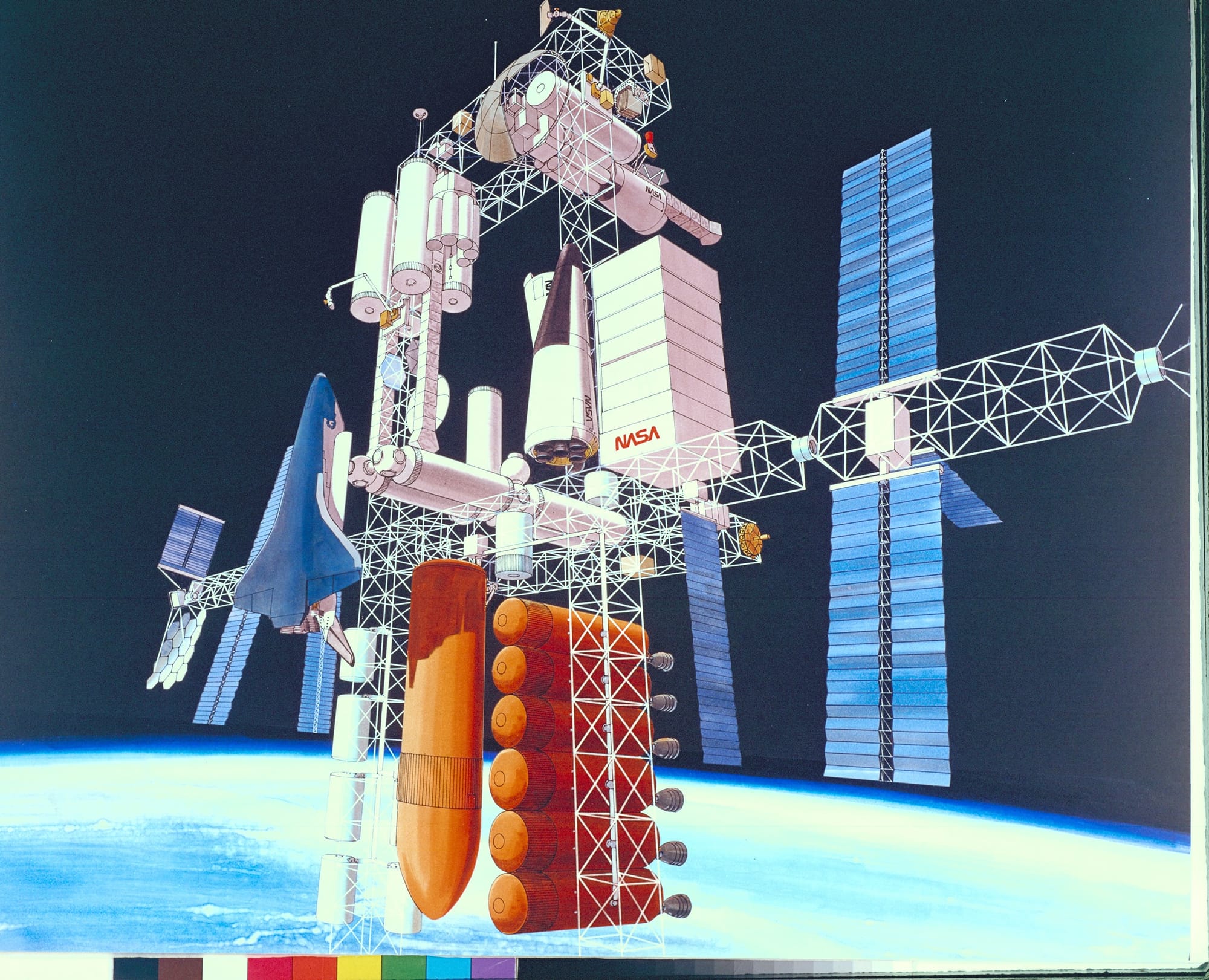
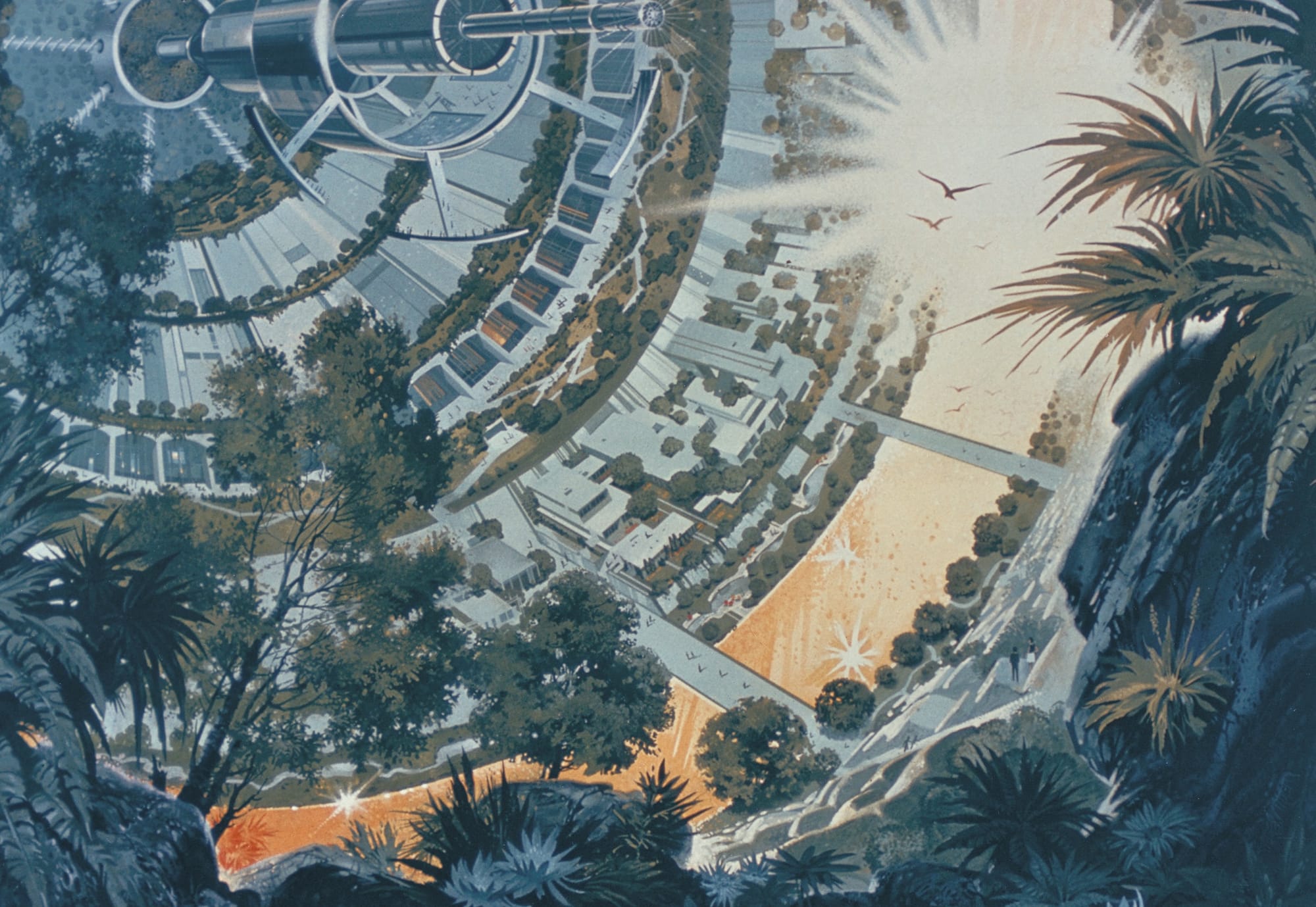
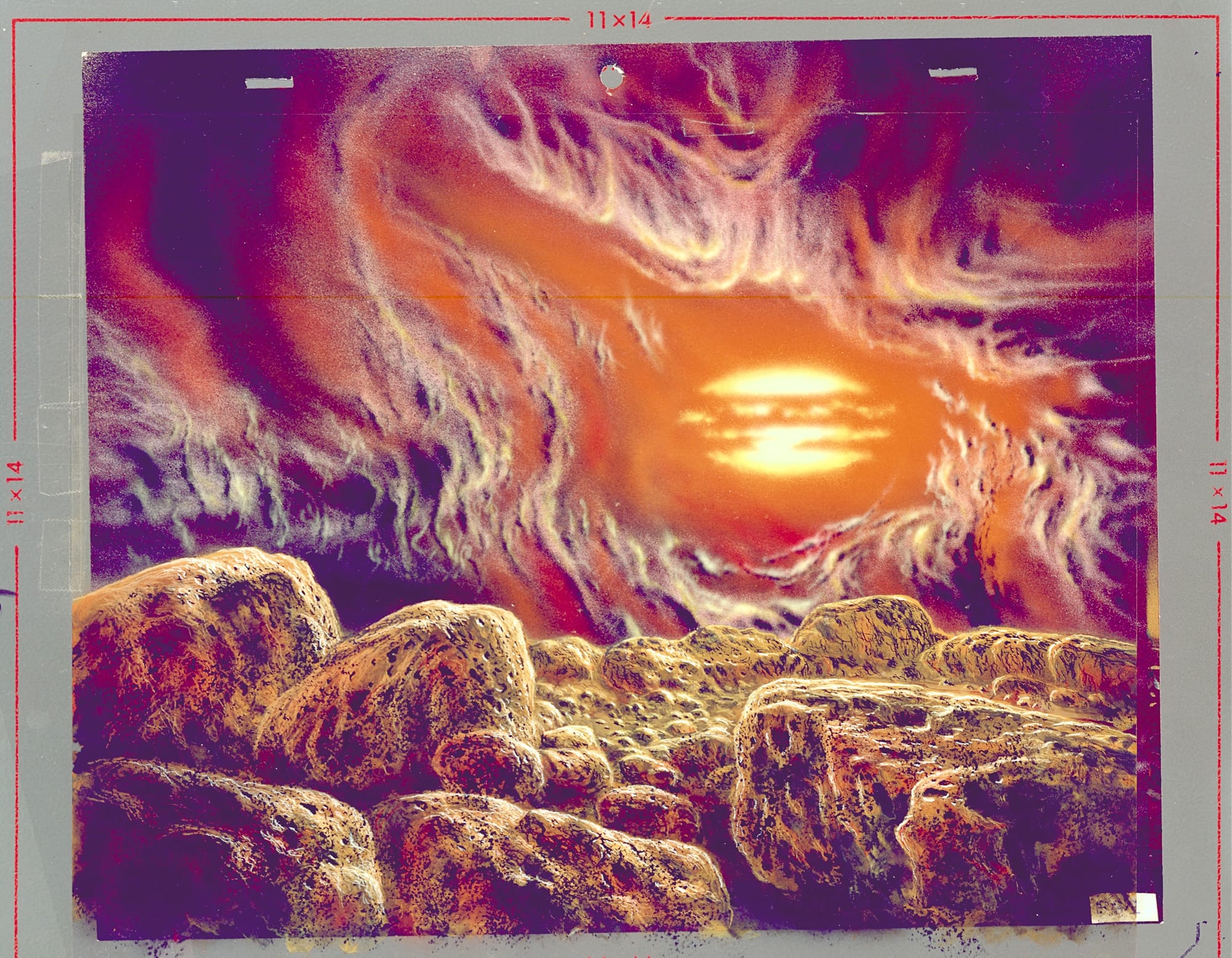
Some of the striking illustrations from the NASA Ames Research Center archives. Photos: NASA
Bubble suits and early VR
In the 1980s NASA Ames was also home to research to develop next-generation space suits, such as the bulbous, hard-shelled AX-5 model.
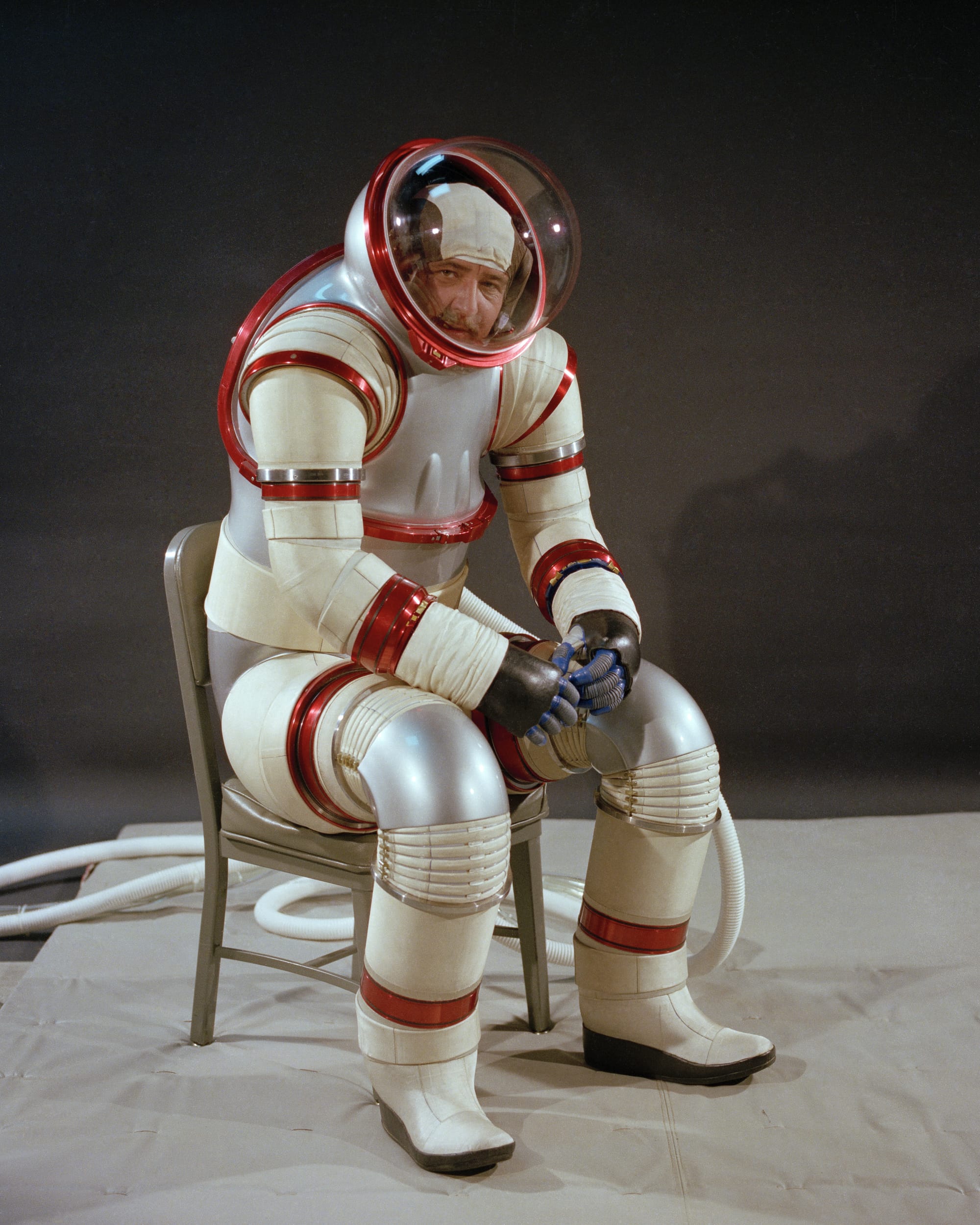
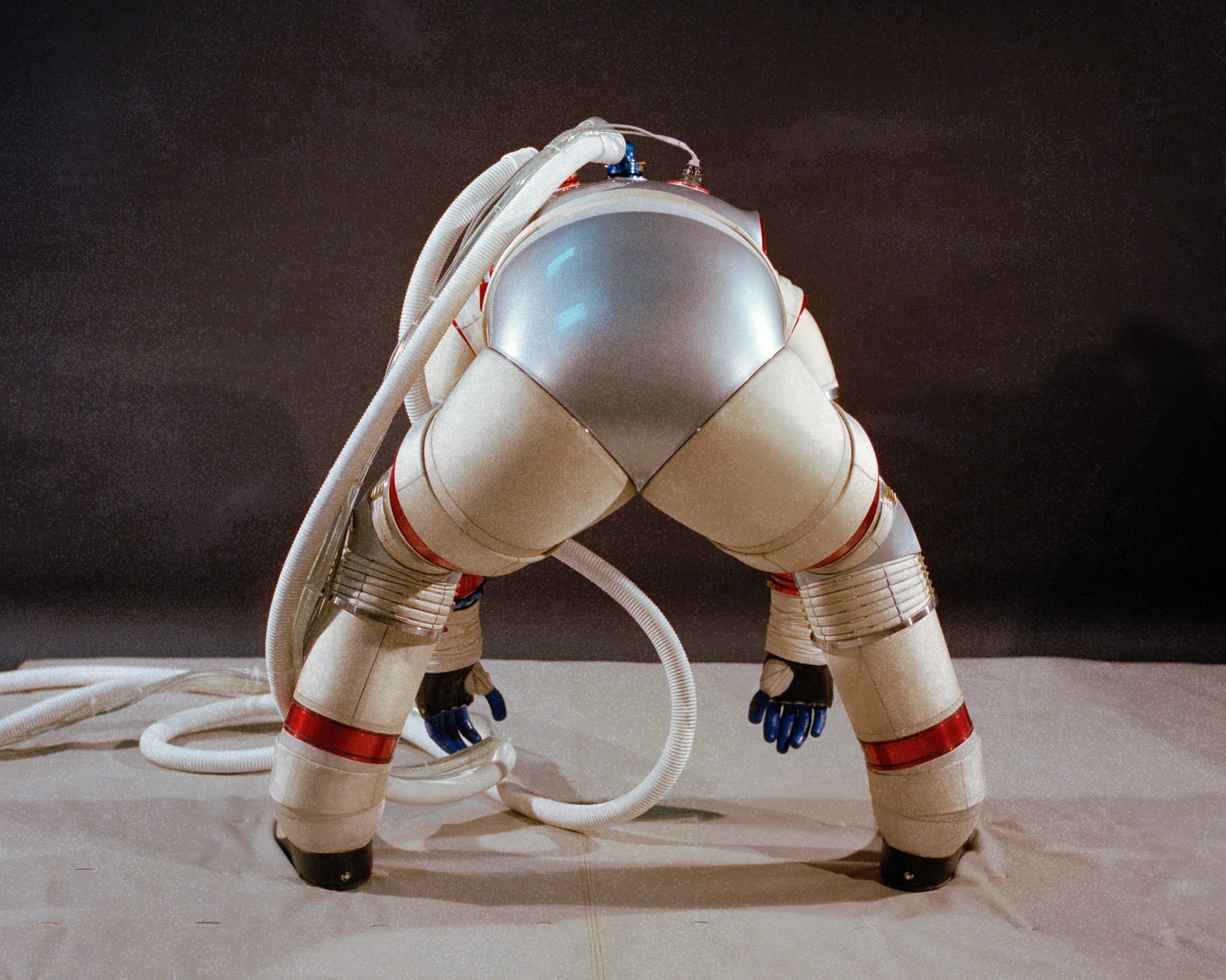
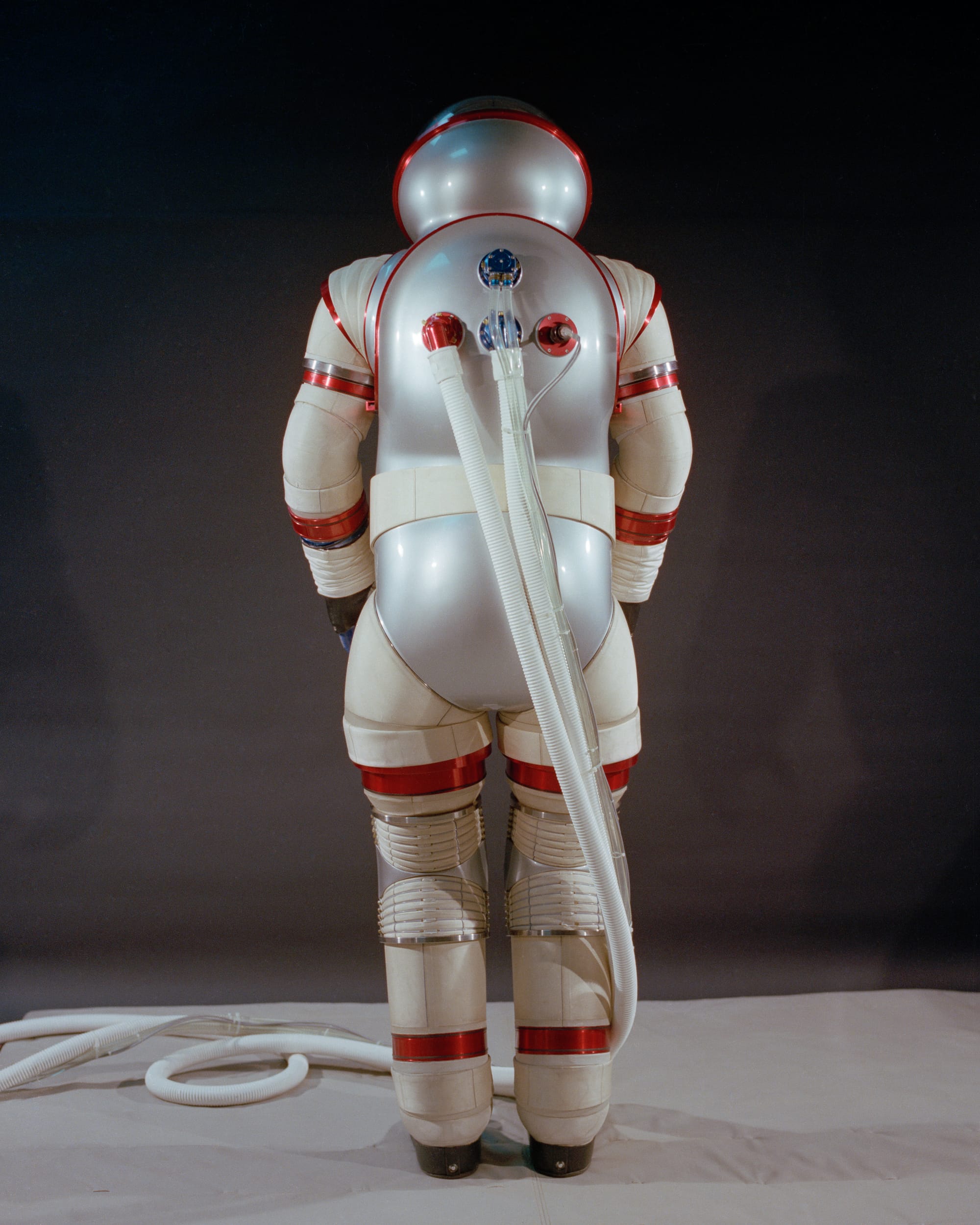
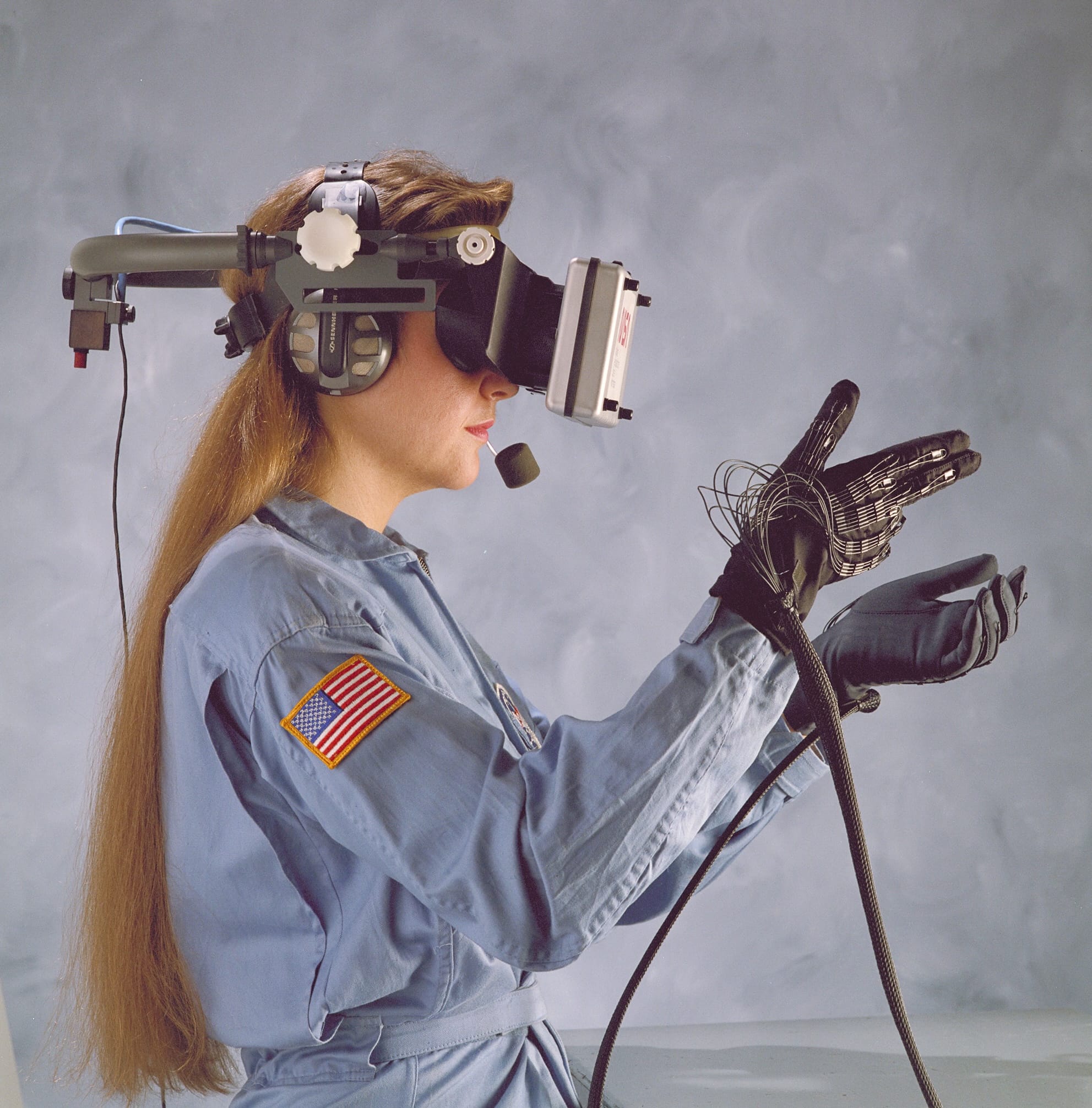
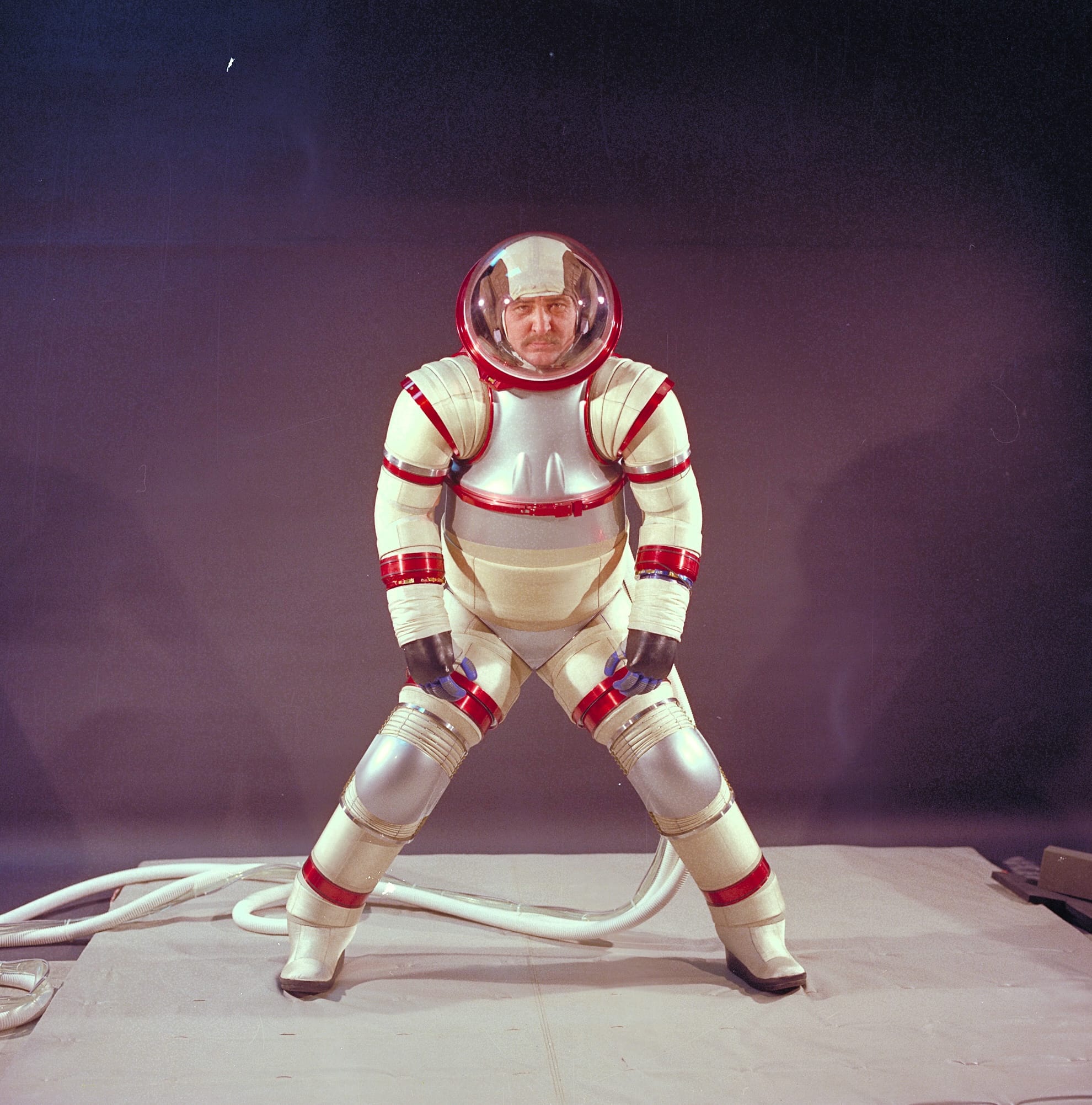
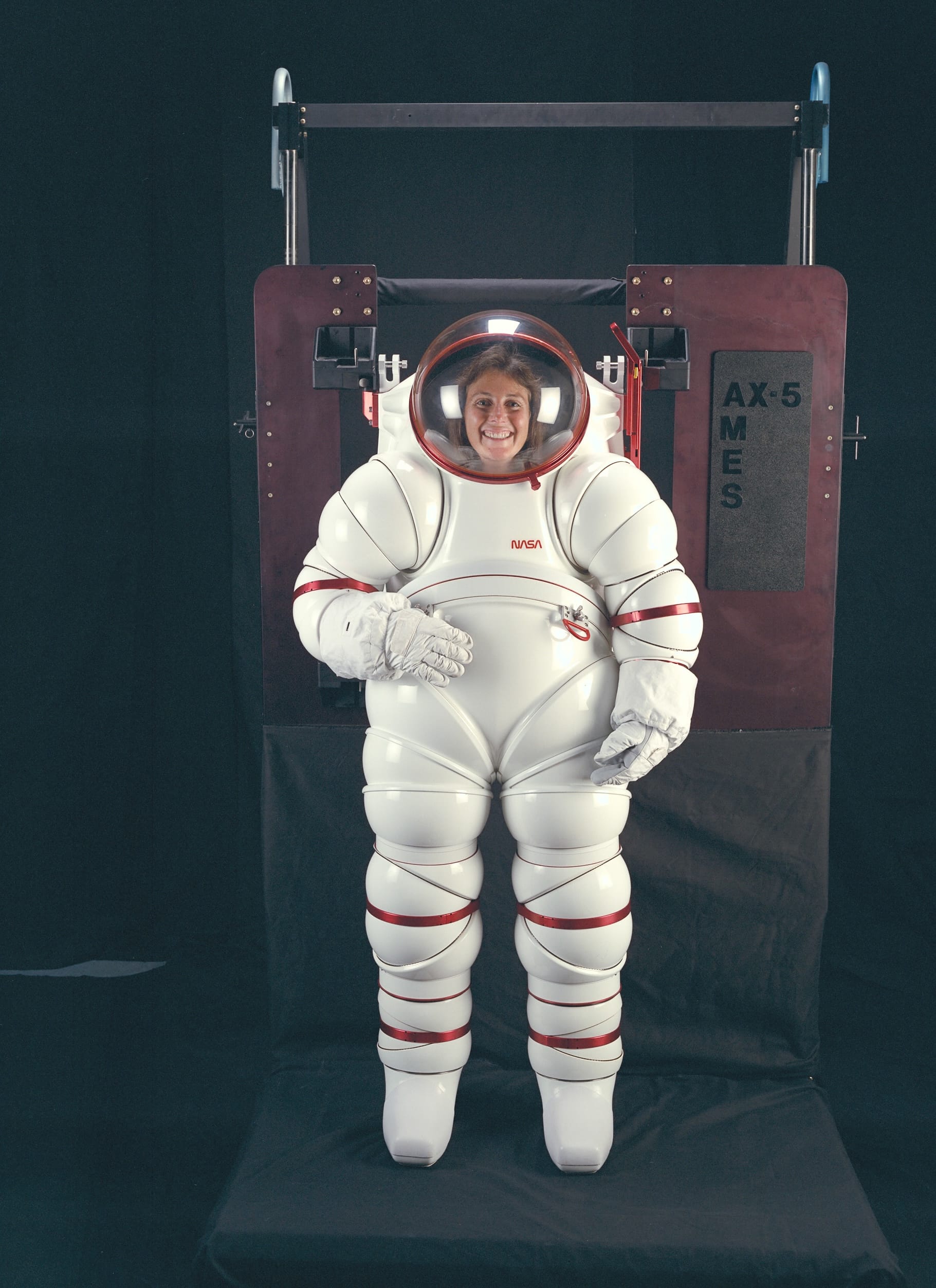
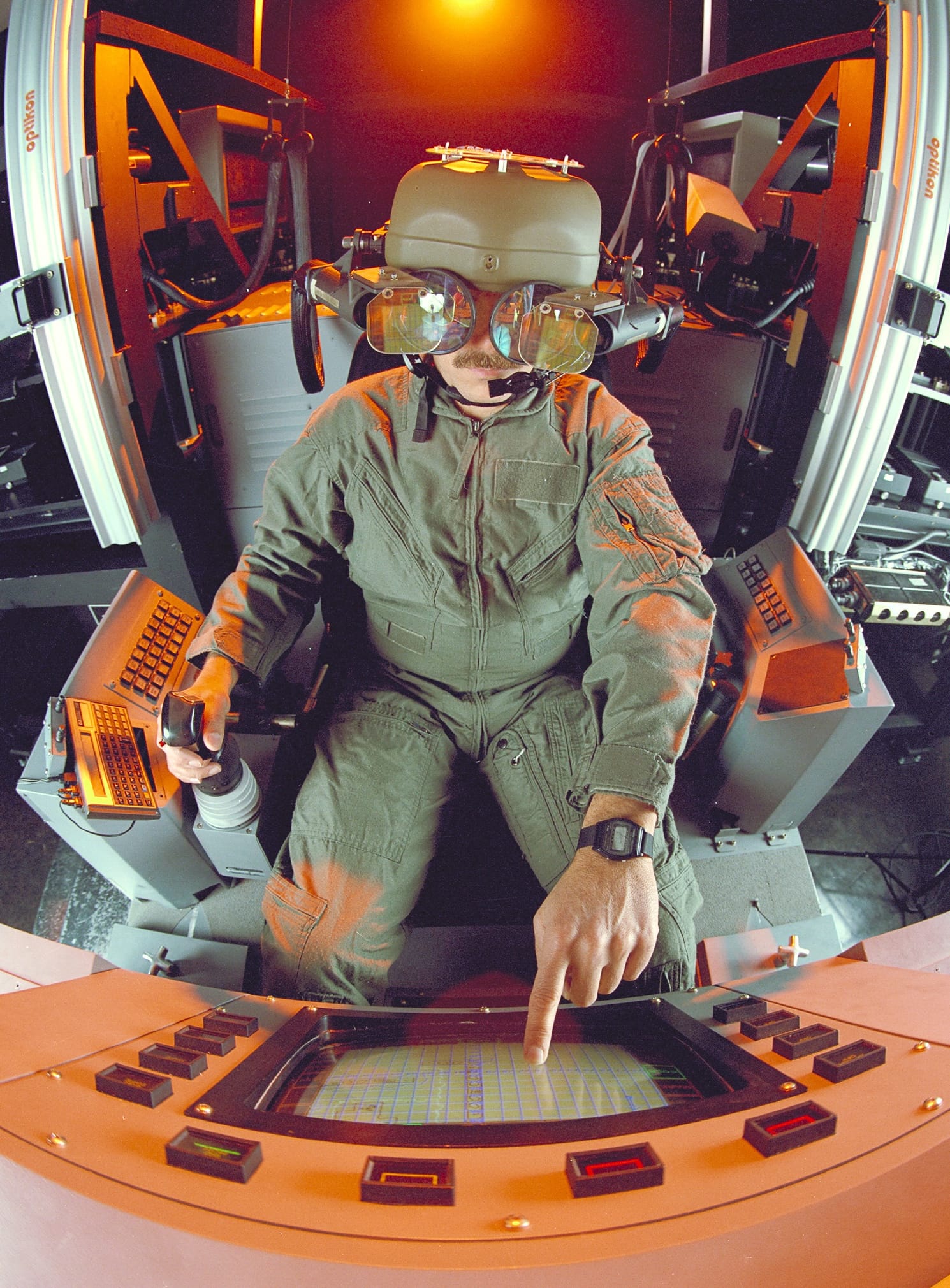
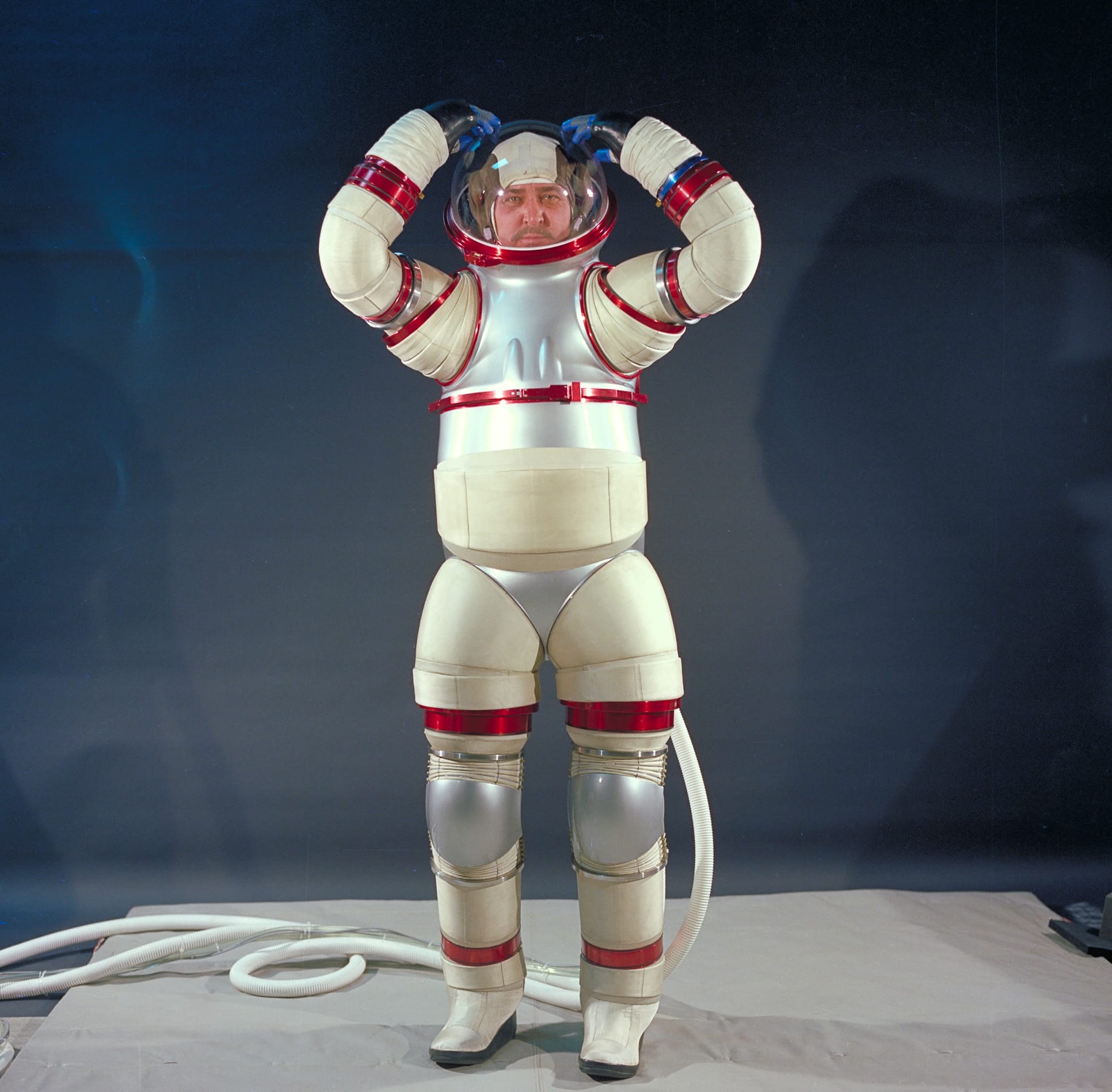
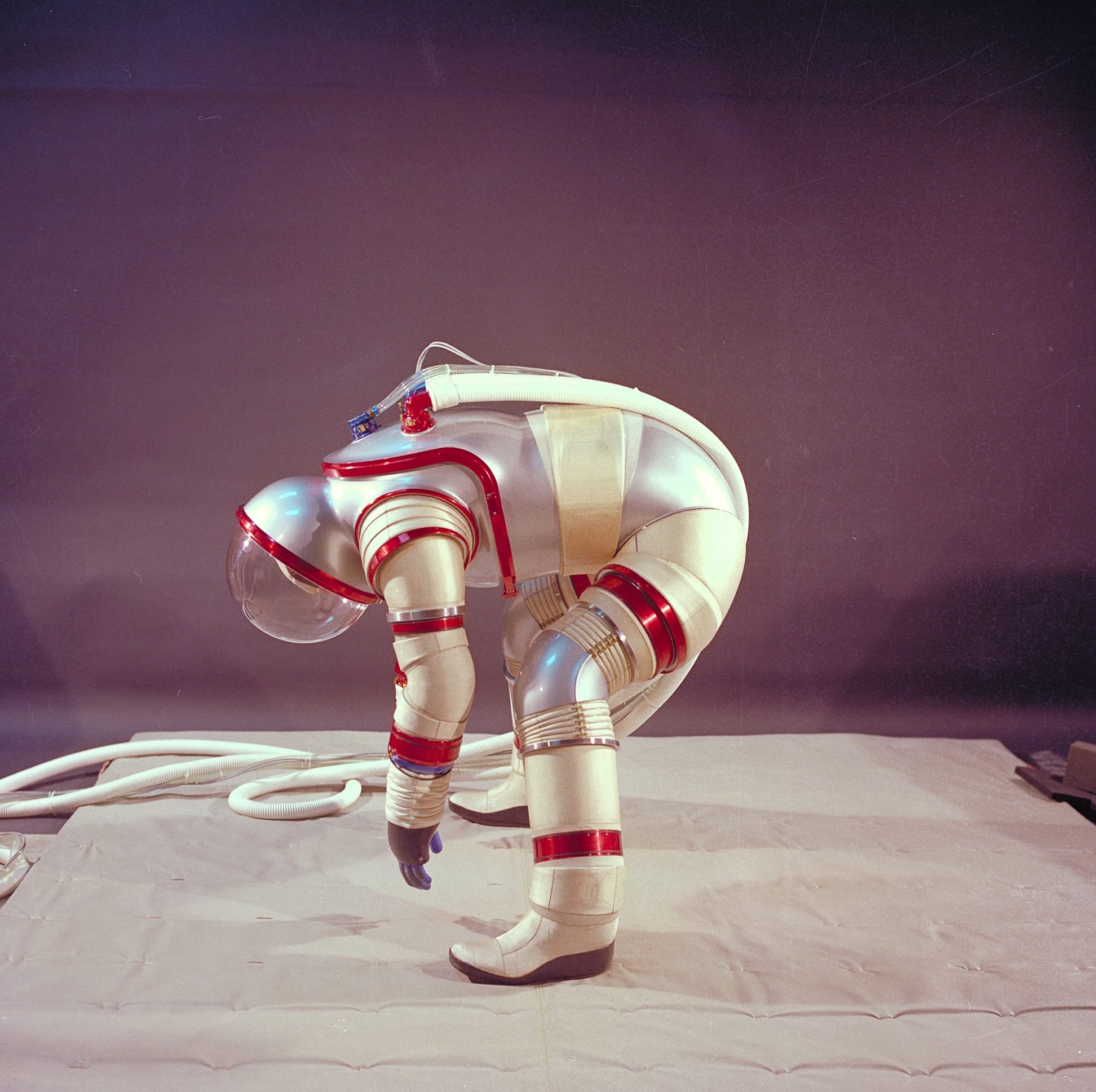
Photos of the AX-5 hard-shell spacesuit, and early prototypes of virtual and augmented reality systems developed at NASA Ames. Photos: NASA
NASA Ames' Human-Machine Interaction Group did some early pioneering work with virtual reality with some wild looking hardware. Thinking about the current hype around AR/VR/XR, these NASA Ames researchers really saw the potential of this technology and were only limited by computing capability.
The kind of federally-funded research conducted over the decades at NASA Ames has led to so many important breakthroughs in aviation, spaceflight and supercomputing.
It is sad to think that this kind of forward-thinking work is being slashed to seek short-term savings, at the expense of long-term innovation and discovery.