
 Getty Images
Some people who have tried combining working with travel have found the lifestyle isn't quite what they thought.
The digital nomad has become an iconic character of the modern remote-work era. The words often conjure the image of a professional writer or tech worker with a computer, meandering through the streets of a picturesque foreign city, or tapping away at a keyboard in a beachfront café. They see the world, they meet new people, they work on their own time.
Expert data and anecdotes alike show the number of digital nomads has been growing throughout the past several years, with a huge spike after the Covid-19 pandemic hit. It’s difficult to pin down the exact number of these types of workers, but one 2022 report from US-based consultancy MBO partners estimates the number of American digital nomads has seen staggering growth of 131% since 2019, with these self-described nomads numbering into the millions of workers. In other countries where data is less available, resources abound to help untethered workers make their way across the globe.
Yet an increasing number of workers who’ve tried the nomadic lifestyle report that behind the wanderlust-fuelled Instagram posts and rosy travel blogs, the reality of this set-up is not always so glamorous. Although there has been plenty of upside for workers who’ve tried the lifestyle, many also say that lacking a tether took a toll on their mental and physical health, and even made them poorer at their jobs.
As a result, some nomads have left the lifestyle – and those beachfront views – behind.
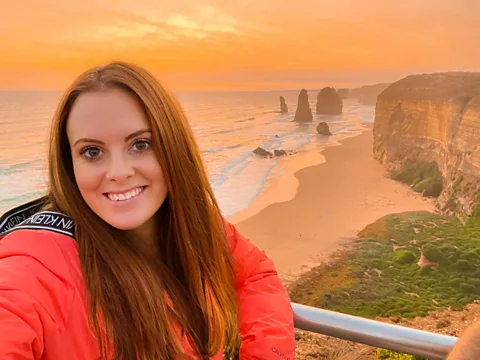
In 2011, Lauren Juliff quit her job at a supermarket in the UK to see the world. She launched a travel website aiming to fund her adventures. To her surprise, she started making enough within a year to be a digital nomad. “For me, I loved the travel. My dream was always to see as much of the world as possible, so once I made that dream a reality, I was determined to never let it go. Exploring new countries made me feel alive and I learned so much – about new cultures and myself – on a near-daily basis.”
 Courtesy of Lauren Juliff
After five years, however, the excitement of the nomadic lifestyle across the world began to ebb. Juliff, now 34, describes her journey – initially idyllic and dream-like – morphing into an exhausting ordeal she was desperate to escape.
Living and working on the move had unintended repercussions on her mental and physical health. "I began to have panic attacks on a daily basis – ones that only stopped whenever I imagined having a home," she says. The absence of a stable community resulted in a loss of long-term friendships, leading to feelings of loneliness and depression. Juliff's health suffered as she experienced food poisoning and infections frequently.
With no access to a kitchen or gym, she says her lifestyle was unhealthy, relying on restaurant meals three times daily, every day, for years. Her personal life suffered, too: “I didn't have any hobbies because they had been too difficult to maintain while living out of a backpack,” she adds.
In addition, maintaining productivity while on the move proved challenging. Trying to manage work, explore new places and cope with often unreliable internet connections became too daunting. "I struggled to effectively run my business ... working while lying in bed because I rarely had access to a desk."
The breaking point came when the panic attacks, which she attributes to her nomadic lifestyle, pushed her to find a home base. Upon settling down in Portugal and signing a lease on an apartment, Juliff saw her income triple within a year. She credits the improvement to the consistency of being in one place and not traveling constantly. Her panic attacks vanished, she joined a gym, started cooking healthy meals and built a solid community of friends.
Breaking away from the nomadic lifestyle was a difficult decision for Juliff, as she had built her identity around being a full-time digital nomad. Everything she did was centred on travelling: running a travel blog, planning future trips in her free time and having friends who were all travellers. "Making the decision to stop was hard,” she says, “I did struggle quite a bit with learning who I was as a person if I wasn’t travelling full-time.”
Beverly Thompson, a sociologist from Sienna College, US, who researches digital nomadism, says many people who elected the digital nomad lifestyle weren’t prepared for the downsides, partly because its community often presents an idealised image through social media and blogging, hiding the negative aspects, such as loneliness, mental health issues and financial struggles.
While some workers find the set up sustainable – especially, she says, those who monetise the lifestyle on social media – nomadism doesn’t work for everyone who endeavours it.
“You’re totally bound by what passport you have. You have to have a strong passport,” says Thompson, pointing out that weaker passports restrict the number of countries a person can travel to without a tourist visa.
 Courtesy of Darius Foroux
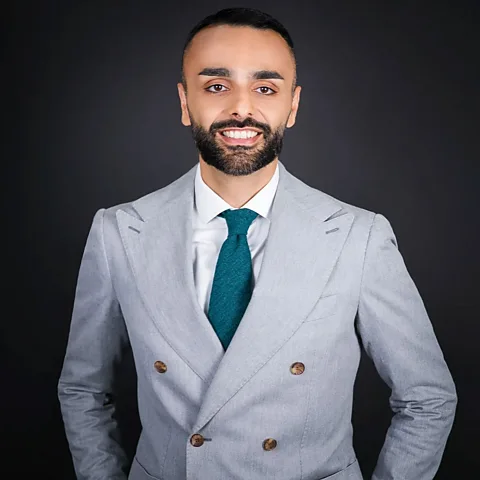
This became a problem for Darius Foroux. His first few months living the digital nomad lifestyle were blissful. He enjoyed the sunny weather and palm trees by the beach.
But he soon realised that to have a suitable remote set-up he needed a home base. When he began searching for a long-term apartment he found the process wasn’t nearly as easy as he expected, with complicated legal procedures, and a multi-month timeline he couldn’t manage. He also grappled with the inflated housing market in the Malaga and Marbella regions. The increased demand had driven up rents, and there were no regulations limiting what rental agencies could charge. He was taken aback by the high deposit requirements and agency fees.
"I didn't expect this," he says. "I moved to Spain thinking the cost of living would be lower. But it turned out to be just as expensive as in the Netherlands. In essence, I was paying a premium for nice weather." After fewer than six months in Spain, Foroux returned to the Netherlands, planning for a life of stability and focused time that he realised he needed as a writer and solo entrepreneur.
Of course, plenty of people are still making the digital-nomad lifestyle work. But as workers have revealed, even those well positioned to succeed have faced challenges of maintaining productivity, health and personal relationships while constantly on the move. And although the number of digital nomads has surged in recent years, according to some data, it’s still a small percentage of workers worldwide and tends to concentrate in a few nations with advantageous passports.
“It’s not going to stop,” Thompson, says of the trend. “Younger people will perhaps spend a few years trying to be a digital nomad. But overall, more and more people are seeing the reality of this lifestyle. Meanwhile, employers want employees back in the office. So, the trend will continue to grow, but it might slow down.”