
 Getty Images
A new study has found that bottled water contains hundreds of thousands of nanoplastics. With tiny plastic fragments infiltrating every part of human existence, can we ever hope to avoid them?
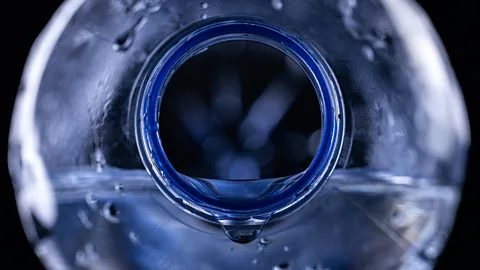
Now a new study has found that bottled water can contain up to 100 times more tiny pieces of plastic than was previously estimated. The average litre of bottled water contains almost a quarter of a million nanoplastic fragments, according to a study by researchers at Columbia and Rutgers universities in the US. The researchers analysed five samples of three common bottled water brands and found nanoplastic levels ranging from 110,000 to 400,000 per litre, with an average of around 240,000. The scientists say much of the plastic appears to be coming from the bottle itself and that it is not known whether the ingestion of plastic poses a serious health risk.
But is it really possible to avoid microplastics? Here's what we know about where they are found.
Microplastics are in your food
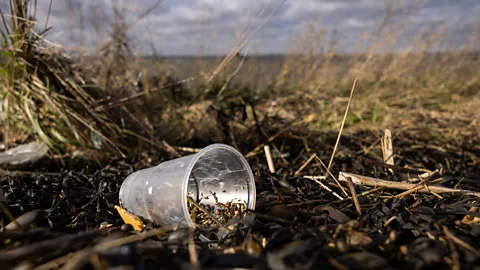
Plastics aren't just ubiquitous in water. They are also spread widely on agricultural land and can even end up in the food we eat. According to a 2022 analysis, sewage sludge, which is used as crop fertiliser, has contaminated almost 20 million acres (80,937sq km) of US farmland. This sludge contains microplastics and PFAS (per- and polyfluoroalkyl substances), also known as "forever chemicals". A study from Cardiff University in the UK found that 86 trillion to 710 trillion microplastic particles contaminate European farmland each year.
 Getty Images
This means that, unwittingly, we may be eating tiny plastic fragments with every bite we take. But some plants seem to take up these plastics more than others. For example, some analysis seems to indicate that plastics tend to accumulate in plant roots, meaning leafy vegetables such as lettuces may have lower concentrations than carrots, radishes and turnips. While the health effects of ingesting microplastics are still not clear, they have been found to make their way into the human bloodstream. (Find out more about how microplastics are infiltrating the fruit and vegetables you eat.)
Could biodegradable plastics help?
The backlash against single-use plastics has seen many companies seeking to use alternatives that claim to be more biodegradable or compostable. But in some cases these alternatives may actually be compounding the microplastic problem. Research by scientists at the University of Plymouth in the UK found that bags labelled as "biodegradable" can take years to disintegrate, and even then they mostly break down into smaller pieces rather than their component chemical parts. (Learn more about why biodegradables won't solve the plastic crisis in this article by Kelly Oakes.)
What about switching to glass bottles?
A species of beetle larvae that can devour polystyrene has also offered a potential solution
Can anything be done to reduce microplastics?
This article was updated on 6 February 2024. An earlier version included a video that repeated claims that humans inhale a credit card's worth of microplastics every week. It has subsequently emerged that the statistic is inaccurate and the actual amount is much lower.