We give our official verdict on the range-extended electric version of the Audi's new premium supermini, can it take on the likes of the Chevrolet Volt and plug-in Toyota Prius?
Audi has packed some big technology into its smallest model! This is the A1 e-tron, a working concept car first seen at the Geneva Motor Show in March, and it features an innovative electric powertrain connected to a range-extending petrol engine. But does this forward-thinking supermini make sense?
The mechanicals consist of a single 101bhp electric motor attached to the front axle and driving the front wheels. Energy is supplied by a set of lithium-ion battery cells laid flat under the floor and rear seats, while the plug-in point is located behind the four rings of the grille and can be flipped open remotely from inside. Charging takes three hours from a domestic socket.
Video: watch CarBuyer's video review of the Audi A1
[[{"type":"media","view_mode":"content_narrow","fid":"69267","attributes":{"alt":"","class":"media-image"}}]]
If power falls to below 20 per cent, or if you floor the throttle, a small 254cc rotary engine, tucked away neatly where the spare tyre would normally be, spins seamlessly into life and acts as a generator to stop the batteries from going flat.
At no time does the rotary engine supply power directly to the wheels. Yet even so, the car covers 0-60mph in 10 seconds and can run for more than 30 miles in EV mode alone. That increases to over 150 miles with the support of the range-extender engine, and all this with emissions of 45g/km.

2024 BMW
X3
47,399 milesAutomaticPetrol2.0L
Cash £28,160

2023 Kia
Sportage
28,756 milesAutomaticPetrol1.6L
Cash £21,130

2019 Volkswagen
T-Roc
58,850 milesManualDiesel2.0L
Cash £13,985
Weight is a key factor in the A1 e-tron’s construction. A rotary engine was apparently chosen because it doesn’t weigh much and is compact, so the 265-litre boot from the standard A1 isn’t compromised. Plus, its fuel tank needs to hold only 12 litres of fuel.
A carbon composite roof and rear spoiler shave 6kg from the kerbweight, too. Audi’s engineers assured us that the unit kicked in a number of times during our drive, but it was so seamless in its operation that we felt nothing. On the move, the handling was as sure-footed as a standard petrol-powered A1, and straight-line pace was good.
In ‘D’ mode, the single-speed drivetrain shuts the engine off completely, making it a pure zero-emissions vehicle. A second setting – called Audi Energy Assist – allows the rear motor to help out when the charge gets low or extra power is required. If you’re feeling energetic, an asterisk button on the steering wheel’s right-hand spoke activates a Sport mode, which sharpens the throttle response considerably.
It’s predicted that the A1 e-tron will spend over 90 per cent of its life running on battery power alone, given that the average driver’s daily commute is less than 30 miles. But with the rotary engine in the boot, it removes the range anxiety associated with purely electric cars. Most exciting of all, though, is the fact it feels good enough to go on sale tomorrow
More reviews
Car group tests
In-depth reviews
Road tests
Used car tests
Most Popular
Long-term test: BMW iX3 50 xDrive M Sport Pro

Long-term test: BMW iX3 50 xDrive M Sport Pro
First report: Award-winning first Neue Klasse BMW gets off to a strong start on our fleet
Long-term tests
18 Jul 2026
Used Nissan Ariya (Mk1, 2021-date) buyer's guide: low prices make EV even more appealing
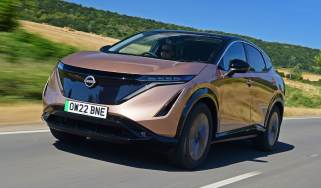
Used Nissan Ariya (Mk1, 2021-date) buyer's guide: low prices make EV even more appealing
A full used buyer's guide on the Nissan Ariya that has been on sale in the UK since 2021
Used car tests
19 Jul 2026
New Jeep hybrid SUV aims to out-muscle Land Rover's Defender, with some help from China
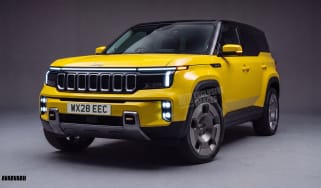
New Jeep hybrid SUV aims to out-muscle Land Rover's Defender, with some help from China
Want a Defender, but can’t stretch to one? Jeep’s new cut-priced family SUV should be cheap to buy, and to run…