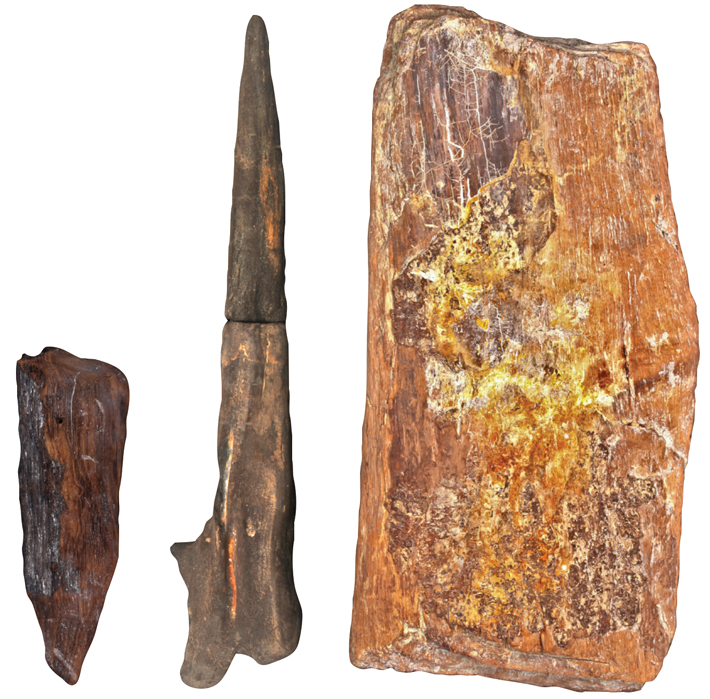
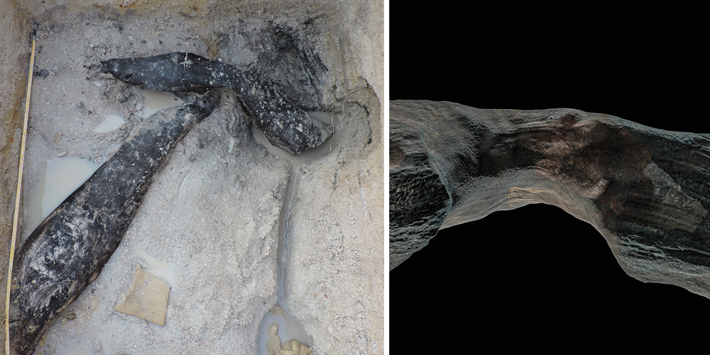
Rarely has a single find changed scholars’ views of the capabilities of people of the past as radically as the discovery of the world’s earliest known wooden architecture, which dates to nearly half a million years ago. The pair of interlocking logs joined by an intentionally cut notch was unearthed beneath a bank of Zambia’s Kalambo River by a team led by University of Liverpool archaeologist Larry Barham. Researchers believe the logs may have formed part of a walkway or the foundation of a platform built over wetlands. Prior to this discovery, the oldest known surviving wooden structures were built by people living in northern England around 11,000 years ago.
The 476,000-year-old log structure predates the appearance of the first modern humans by some 150,000 years and was likely the handiwork of the archaic human species Homo heidelbergensis. Paleoanthropologists believe H. heidelbergensis was highly mobile. Thus, it is surprising that the hominins would have invested labor in building a semipermanent structure. “We haven’t seen archaic humans manipulating their environment on such a large scale before,” says Barham. “It suggests an attachment to a single point on the landscape.”
At the same site, the team unearthed stone axes as well as four wooden tools dating to between 390,000 and 324,000 years ago. These included a digging stick, a wedge-shaped object, a notched branch, and a flattened log. Marks on the log, notes Barham, resemble nothing so much as tool nicks on a work bench, inviting speculation as to what other structures an imaginative H. heidelbergensis woodworker might have fashioned.
MORE FROM Top 10 Discoveries of 2023

-
Top 10 Discoveries of 2023 January/February 2024
Sacred Spring
San Casciano dei Bagni, Italy
Read Article
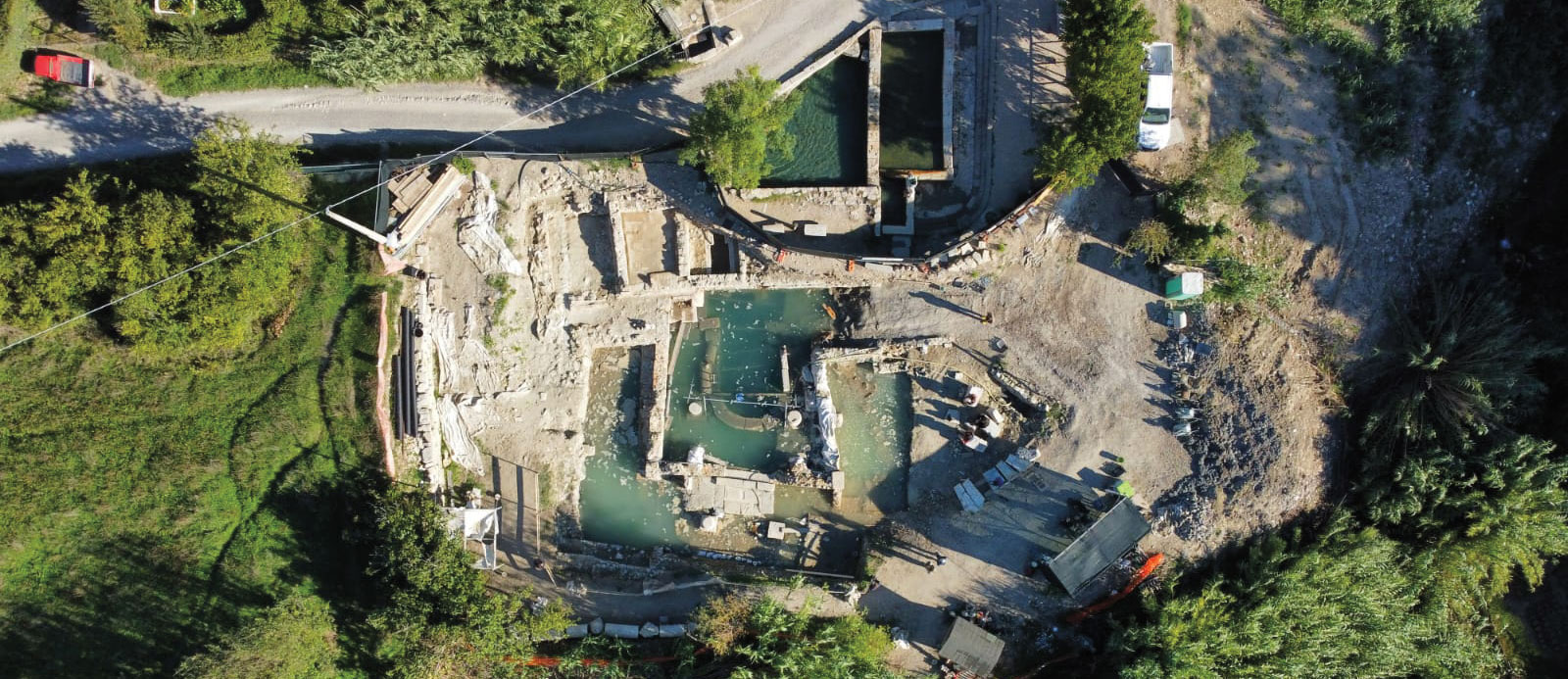
(Italy Soprintendenza ABAP per le province di Siena, Grosseto e Arezzo and Comune di San Casciano dei Bagni, Courtesy of Jacopo Tabolli)
-
Off the Grid September/October 2026
Xunantunich, Belize
Learning to draw monkeys at an ancient Maya art academy
Read Article

milosk50/AdobeStock
Letter from Ireland September/October 2026
A War Between Friends
How IRA volunteers survived the Irish Civil War in a secret mountain hideout
Read Article

James Bosnall
Features September/October 2026
A Change in Fashion
Hoards of lavish gold and silver neck rings buried on an English hill reflect dramatic social change
Read Article
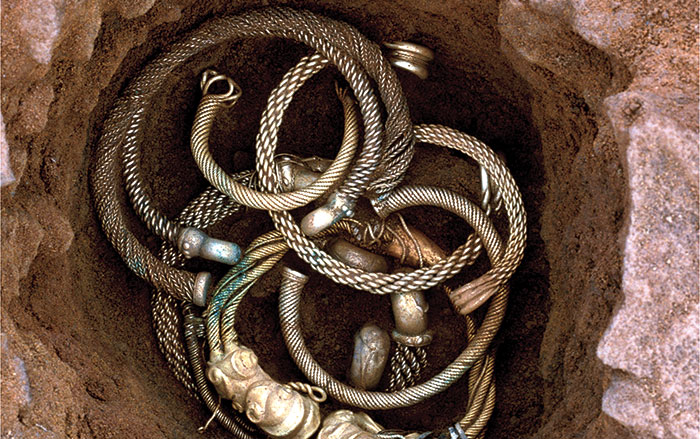
Photo © 2026 The Trustees of the British Museum
Features September/October 2026
Cultivating Fields of Stone
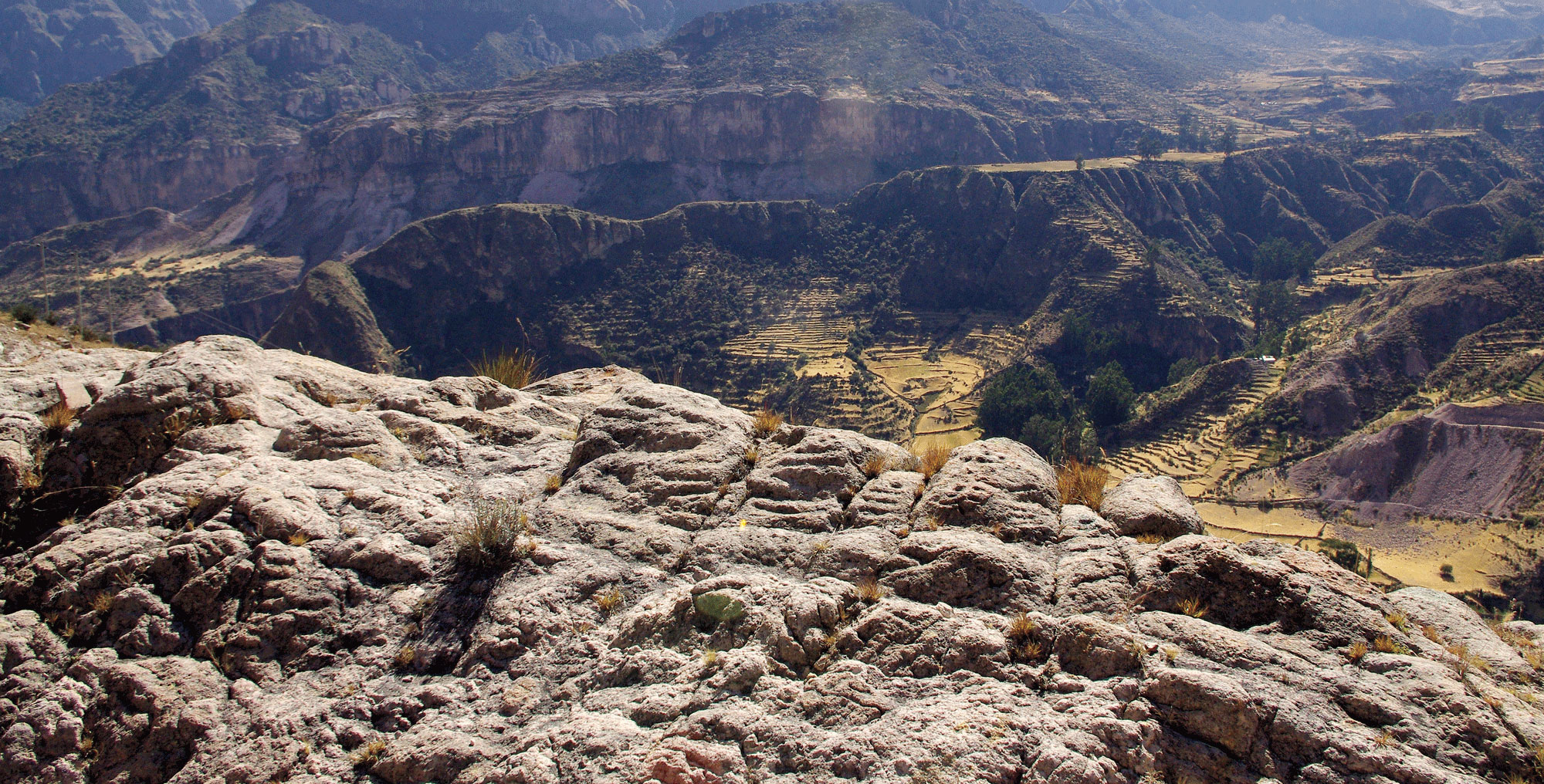
Peru’s ancient farmers used intricate rock maps to plan for the future
Read Article
Courtesy Patricia Aparicio Martínez
-
Features January/February 2024
ARCHAEOLOGY magazine reveals the year’s most exciting finds
Read Article
(AdobeStock)
-
Letter from Rome January/February 2024
Secrets of the Catacombs
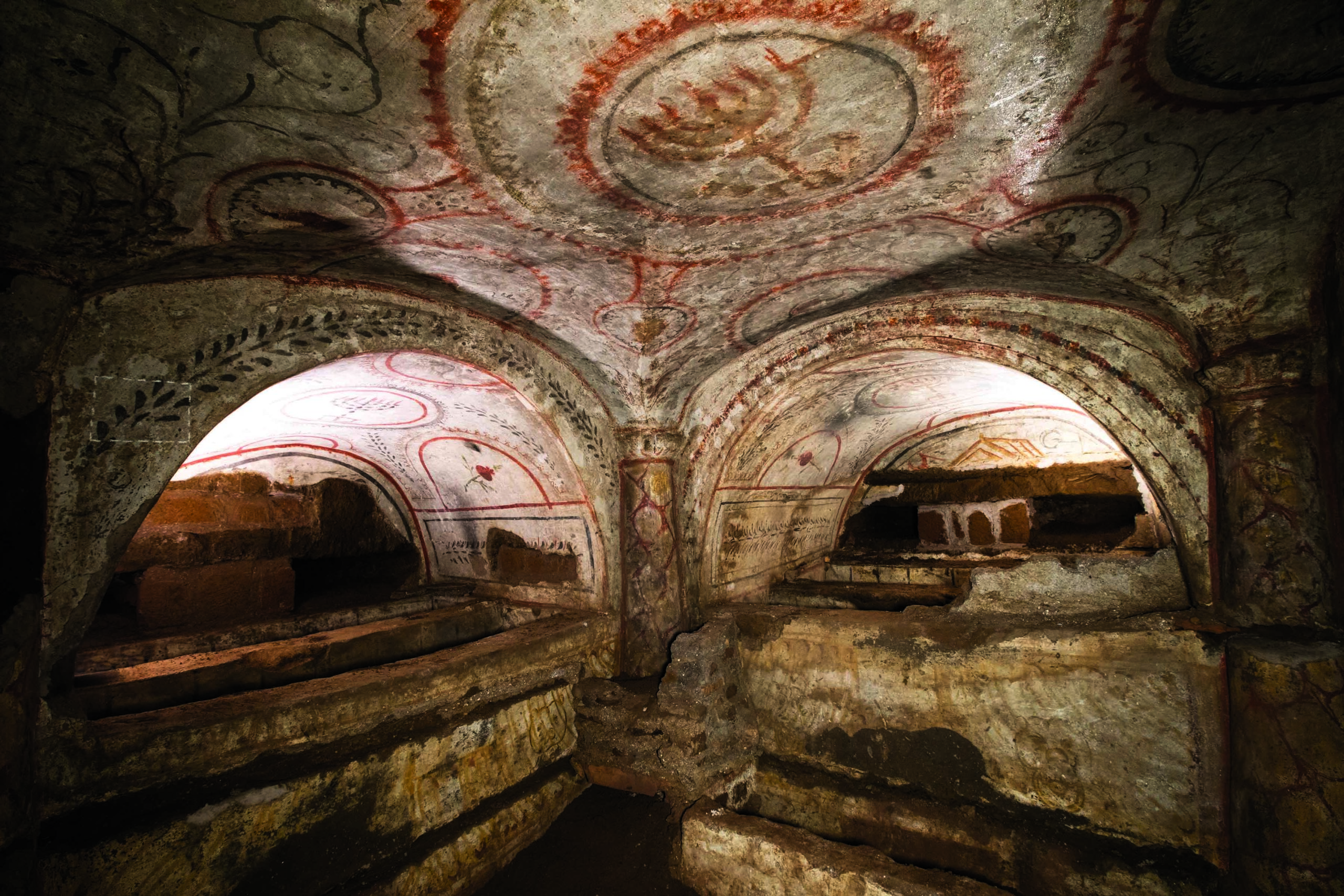
A subterranean necropolis offers archaeologists a rare glimpse of the city’s early Jewish community
Read Article
-
(Courtesy Daniela Triadan, Ceibal-Petexbatun Archaeological Project)
-

(Magica/Alamy Stock Photo)