AnarSec | Guides

4 min read Original article ↗

Tails for Anarchists

Tails is an operating system that makes anonymous computer use accessible to everyone. Tails is designed to leave no trace of your activity on your computer unless you explicitly configure it to save specific data. It accomplishes this by running from a DVD or USB, independent of the operating system installed on the computer. Tails comes with several built-in applications preconfigured with security in mind, and all anarchists should know how to use it for secure communication, research, editing, and publishing sensitive content.

Read More

Tails Best Practices

All anarchists should know how to use Tails — this text describes some additional precautions you can take that are relevant to an anarchist threat model. Not all anarchist threat models are the same, and only you can decide which mitigations are worth putting into practice for your activities, but we aim to provide advice that is appropriate for high-risk activities like claiming an action. If you are new to Tails, start with Tails for Anarchists.

Read More

Qubes OS for Anarchists

Qubes OS is a security-oriented operating system (OS), which means it is an operating system designed from the ground up to be more difficult to hack. This is achieved through compartmentalization, where the base system is divided into compartments called "qubes". All other Linux systems like Tails are monolithic, which means that they are not compartmentalized, so if a hack succeeds anywhere on the system, it can more easily take over. In Qubes OS, if one qube is compromised, the others remain safe. You can think of using Qubes OS as having many different computers on your desk, each for a different activity, but with the convenience of a single physical machine and a set of tools for securely using them all together as a unified system.

Read More

Linux Essentials

As an anarchist, someone's probably recommended that you use a Linux computer at some point. This article is intended to get you started by giving you a brief overview of what you need to know.

Read More

Remove Identifying Metadata From Files

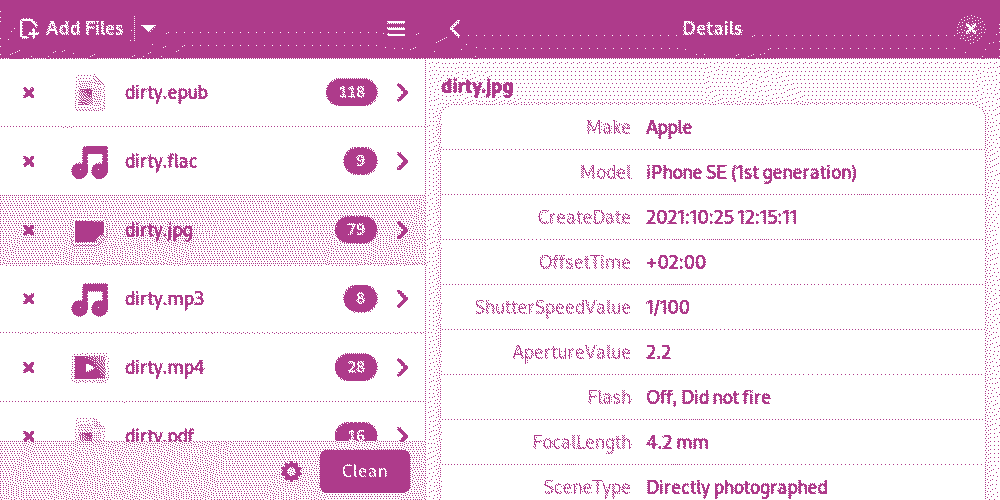
Metadata is data about data or information about information. In the context of files, this can mean information that is automatically embedded in the file, and this information can be used to deanonymize you. For example, an image file will often have metadata about when it was taken, where it was taken, what camera it was taken with, etc. A PDF file may have information about what program created it, what computer, etc. This can be used by investigators to link a photo to the camera on which it was taken, a video to the computer on which it was edited, and so on. Before you put a sensitive file on the Internet, remove the metadata.

Read More

Make Your Electronics Tamper-Evident

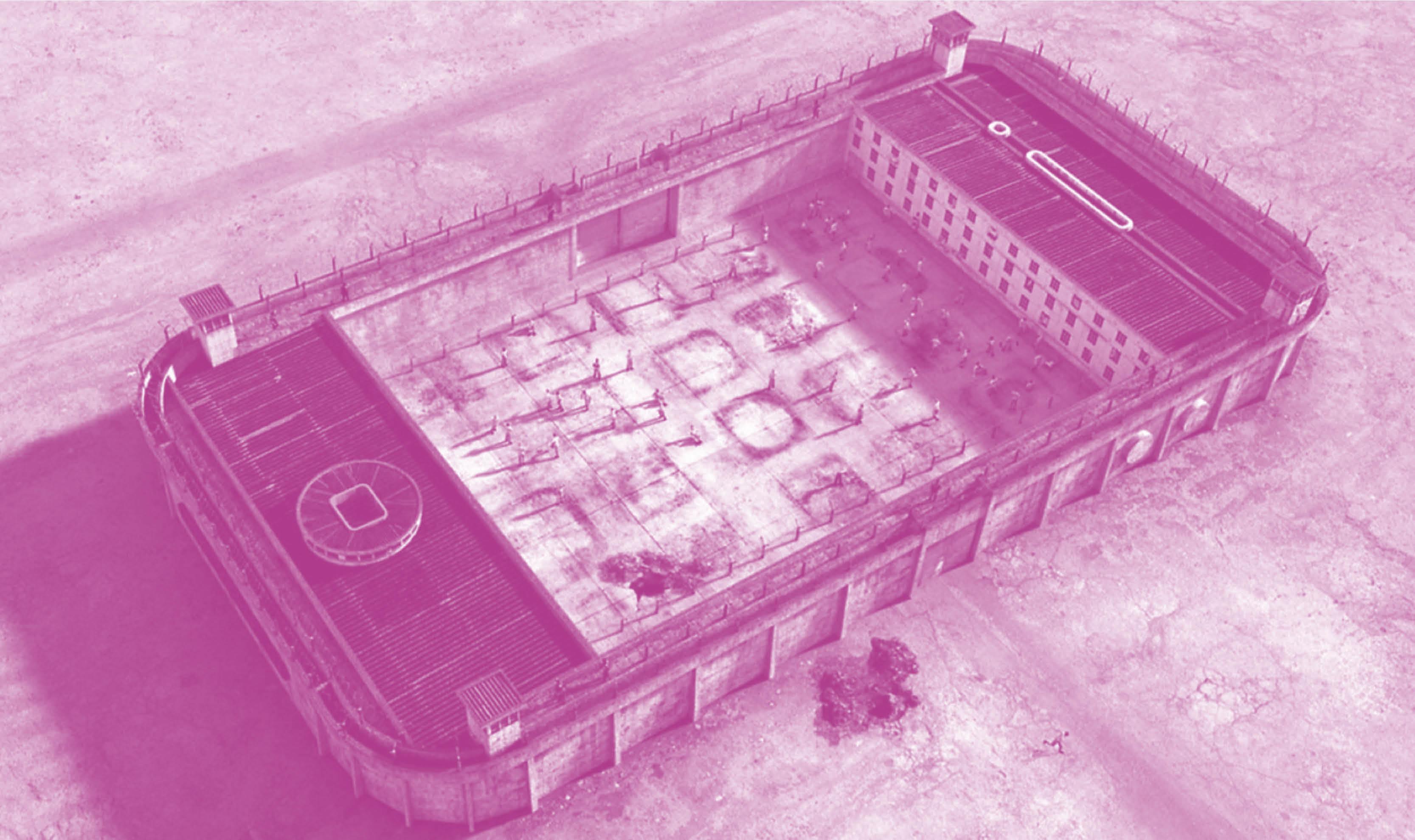
If the police ever have physical access to an electronic device like a laptop, even for five minutes, they can install hardware keyloggers, create images of the storage media, or otherwise trivially compromise it at the hardware, firmware, or software level. One way to minimize this risk is to make devices tamper-evident. As the Threat Library notes, "Tamper-evident preparation is the process of taking precautionary measures to make it possible to detect when something has been physically accessed by an adversary."

Read More