
(I leave in eight days for Asia, where I will be for six weeks—Seoul, Qingdao, Taipei, Taitung, Okinawa, and hopefully Yangon if I can swing it. I’ve been sidelined by bad weather and dental problems, so this essay comes from a guy in a snowed-in McDonald’s with Novocaine mouth.)
One of the subtexts of my Duluth piece was that place still matters to Americans, despite our image as a nomadic people, moving at the drop of a hat for our careers.
I don’t just mean that place matters in a literal sense—in that the majority of Americans still live within fifty miles of where they were born because they like where they are—but in a deeper sense: where you live, the people, the nature, and the culture rise to a transcendent meaningfulness.
The simple summary of the last fifteen years of my work—ten focused on destitution in the U.S., five on walking the world—is that everyone needs to feel a valued member of something larger than themselves, hopefully something that is more than the material and will continue on after their death.
This is the same thesis of Bowling Alone—that physical community matters—but amended to say that for it to be genuinely fulfilling, the community should also be aligned with a purpose that is stable and transcends the physical world.
In my book I called these non-credentialed forms of meaning because they’re gifted to you at birth and so you don’t need to build a resume to be part of them. I identified four primary ones—family, place, faith, and your culture (more on this below). These are meaning-making institutions that you are born into, and you can stay a member of them for all of your life, unless you choose to leave or are ejected due to aberrant behavior. If these are working correctly (and they don’t always1), then they provide everyone, regardless of talents, with a pathway to a dignified life.
Of all of these non-credentialed forms of meaning, place (and your culture) is the hardest for highly educated elites (front-row in my book2) to see as meaningful, because we are so transient. We are cultural chameleons, whose primary identity is tied to our openness to the new and our resumes, so we cycle through physical locations like steps on a ladder. They are something to advance us, not define us.
That includes me, since I am a member of the front-row, and so it took me hundreds of interviews of people who had stayed for a lifetime in a town in open decay, that was crumbling around them, that by all I could measure had treated them badly, to understand how significant place can be.
When I asked them, “Why haven’t you moved?” the answers I received were a look of confusion, then a shake of the head that indicated that I was the one who was confused, and then a simple, “Because it is home.” If pushed more, they would then launch into an ode to the mountains in the distance, or the sandy beach on the curve in the river everyone parties at on weekend nights, or the barbershop down the block everyone hangs in, or some local restaurant that offered some local dish, or the high school teams, or their grandma’s garden, or their parents’ health, and so on. Why would I give up all that? I’m a Yooper. I’m a fourth-generation Hoosier. I’m an X, where X is a term once coined to make fun of the town, but that the locals now embrace because there is no greater flex than being proud of what your enemies call you.
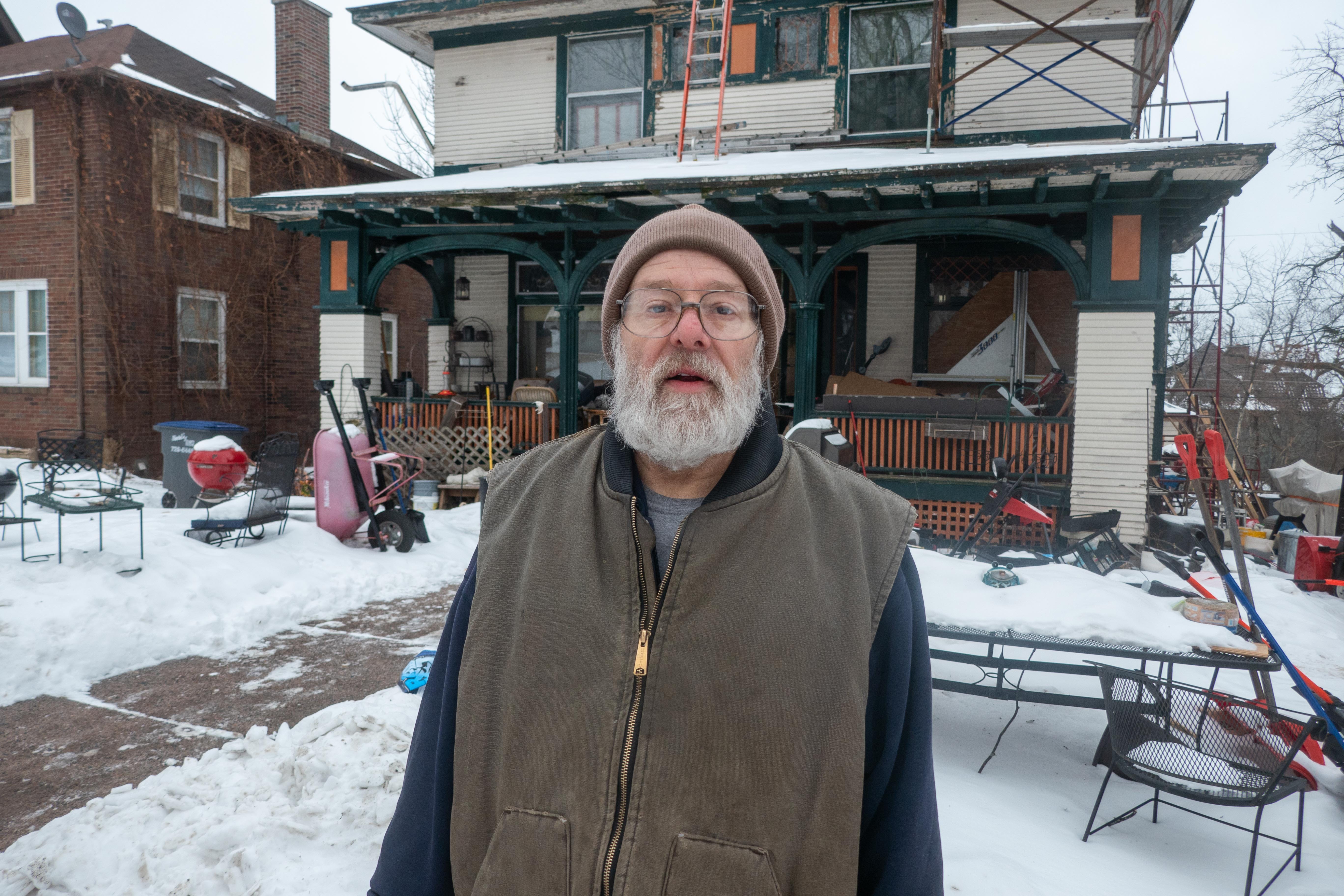
I was reminded of those past interviews in Duluth, where I heard the same thing. When a direct question confuses someone because they don't see it as a choice—certainly not something to be adjudicated in a spreadsheet—then you have discovered an epistemologically foundational belief. It rises from a small-g good (directional, but not intrinsic) to a capital-G Good (directional and an intrinsic part of life).
As an aside, this distinction is why I believe global birth rates are dropping. Having children used to be a capital-G Good, but in the last few decades it’s been eroded to a small-g good, so couples now weigh having children as a utilitarian decision, and when placed under that type of scrutiny, the literal costs can outstrip the harder-to-quantify non-material benefits (meaning, transcendence, creating a human).
Place is still a capital-G Good for a large percentage of Americans, especially those in the back-row (low-educational attainment). Policymakers, especially in prior decades, have struggled to fully understand that because they are mostly members of the front-row, not attached to place in the same fundamental way. That disconnect spawned the whole two-decade cycle of “just move” and “learn to code” memes that bounced around politics and the internet when discussing what to do with our post-industrial declining cities.
That debate has largely subsided, but there is now a common notion that place can’t matter as much as it once did, or at all really, because the U.S. has been flattened into a uniform glob of franchises, box stores, and globalism. This has a ring of truth to it, but it is overstated. There is a surface-level uniformity to built America, but if you peer deeper you see how stubbornly resilient our regional differences are.
Some of that is about geographic realities—life in Upper Michigan will always be different from Arizona, which will always be different from Oregon, but the cultural variations go beyond ice fishing for walleyes versus cast fishing for largemouth bass. The U.S. is still rife with unique traditions and cuisine forged by historical pride—clam cakes in RI, pasties in Duluth, garbage plates in Rochester, Mardi Gras in Louisiana, Dyngus Day in Buffalo, town meetings in Vermont, and rodeos in New Mexico.

It’s also about temperament and people’s worldview. I’ve now been to over a thousand McDonald’s in the U.S., and if you dropped me blindfolded into one, without being able to look out the windows, I could probably tell you where I was in under half an hour, simply from talking to people, hearing what they do for fun, and what they aspire to.
Different parts of the U.S. have different cultures that manifest in how we deal with each other. Our regional stereotypes capture that (overly friendly Southerners, blunt New Yorkers, laconic New Englanders, etc), and they are largely true, although with the obvious caveat that not every citizen plays to type. There are still plenty of polite New Yorkers, especially outside of lower Manhattan.
So if there is so much cultural variation in the U.S., is there such a thing as a singular dominant American culture? This question bounced around Twitter last week, in various forms, precipitated by a political outrage3. I was less interested in the politics of it all, and more in how confused about “what culture is” everyone was.
Culture has two components, thin and thick.
Thin culture is the surface stuff—fashion, food, music. Thick culture is deeper: What is the Good? What makes life worth living? What should we aspire to become?"
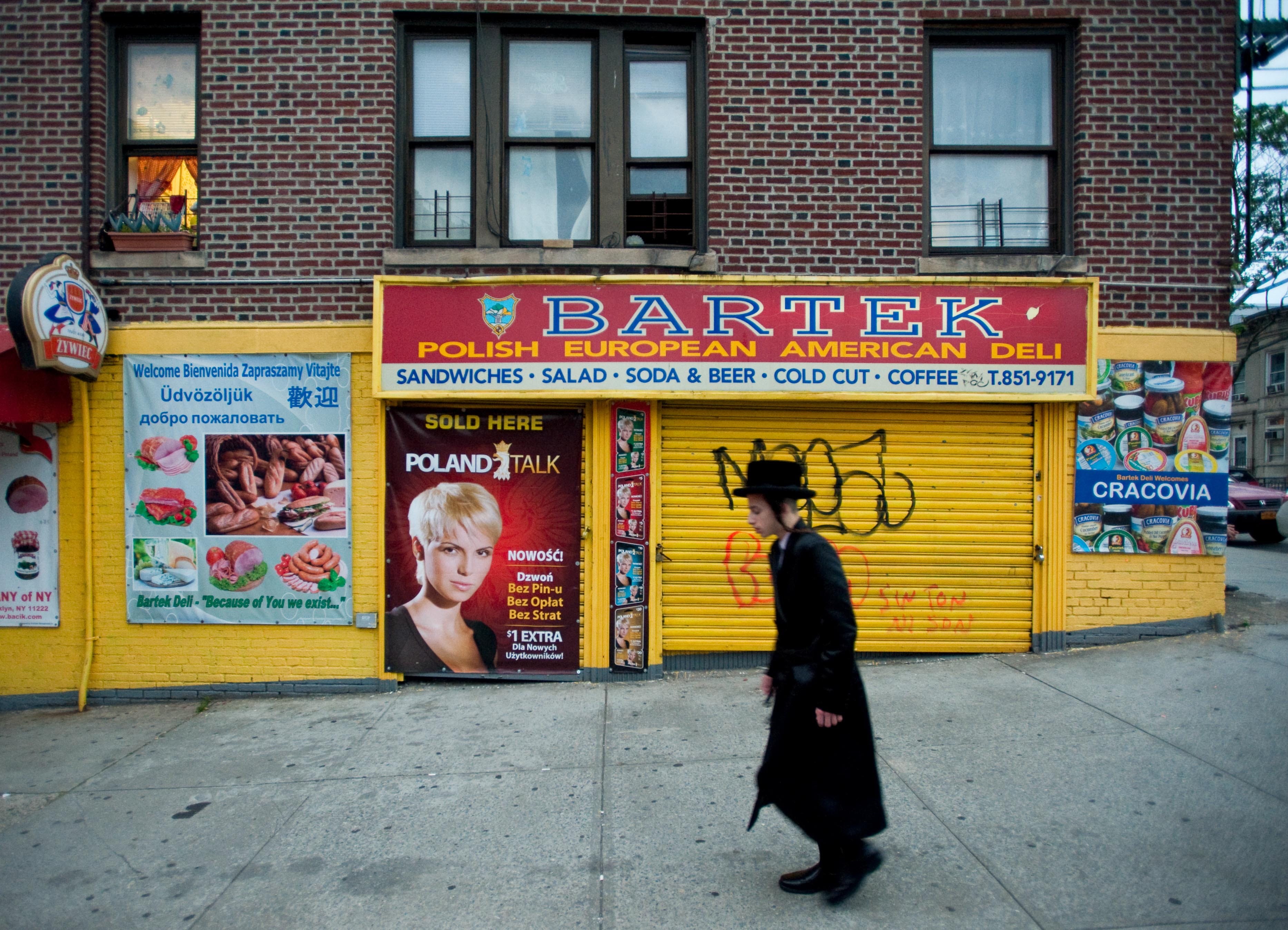
Most people when talking about culture are only thinking about the thin. When people travel, and say they want to see another culture, that is primarily what they mean. They want to experience different foods, fashions, and built environments. So you go to England to eat bangers and mash, drink room-temperature cask ale, and watch Arsenal choke.
Thin culture dominates the debate because it is easier to see, and honestly more fun to experience. You can go to Paris for a week and cosplay as a Parisian, eat extraordinarily well, feel romantic, and sit for hours doing nothing with your friends at a cafe, and then go home and feel you “get France.” And you do, at a genuine experiential level.
Thick culture is harder to see, and rarely acknowledged, even by those living in it, because it is the water we swim in, and you can’t really cosplay it, without some foundational life changes. It is akin to (and often is about) changing your religious faith, because it requires a change in your moral horizon— something a lot of people have without being able to articulate what it is.
Thick culture is the plot we follow, while thin culture is the stage settings4.
Almost all our regional differences are about thin culture, although they can be pronounced enough, and distinct enough, that place can rise to the level of meaning-making. A person can make his or her identity about being from the UP, and it can be strong enough to become a capital-G Good.
So if we have such meaningful thin cultural differences, do we still have a shared thick culture, and what is it? I believe we do and that it is largely inherited from Western Europe, mostly England, and is best summarized as Careerist Christianity—a prosperity theology manifest as the American Dream, which synthesizes a moral order built on the Old Testament, overlaid with a heavy dose of Lockean individualism and Enlightenment rationalism.
The U.S. is unique among nations (and arguably successful) because we have a high acceptance for a lot of thin cultural differences as long as you buy into the shared thick culture. That is, you can live how you want at a thin level, as long as you ultimately believe in making big money through hard work and playing by the rules. We are a federation of regional cultures held together by this American dream. It is our shared moral horizon.
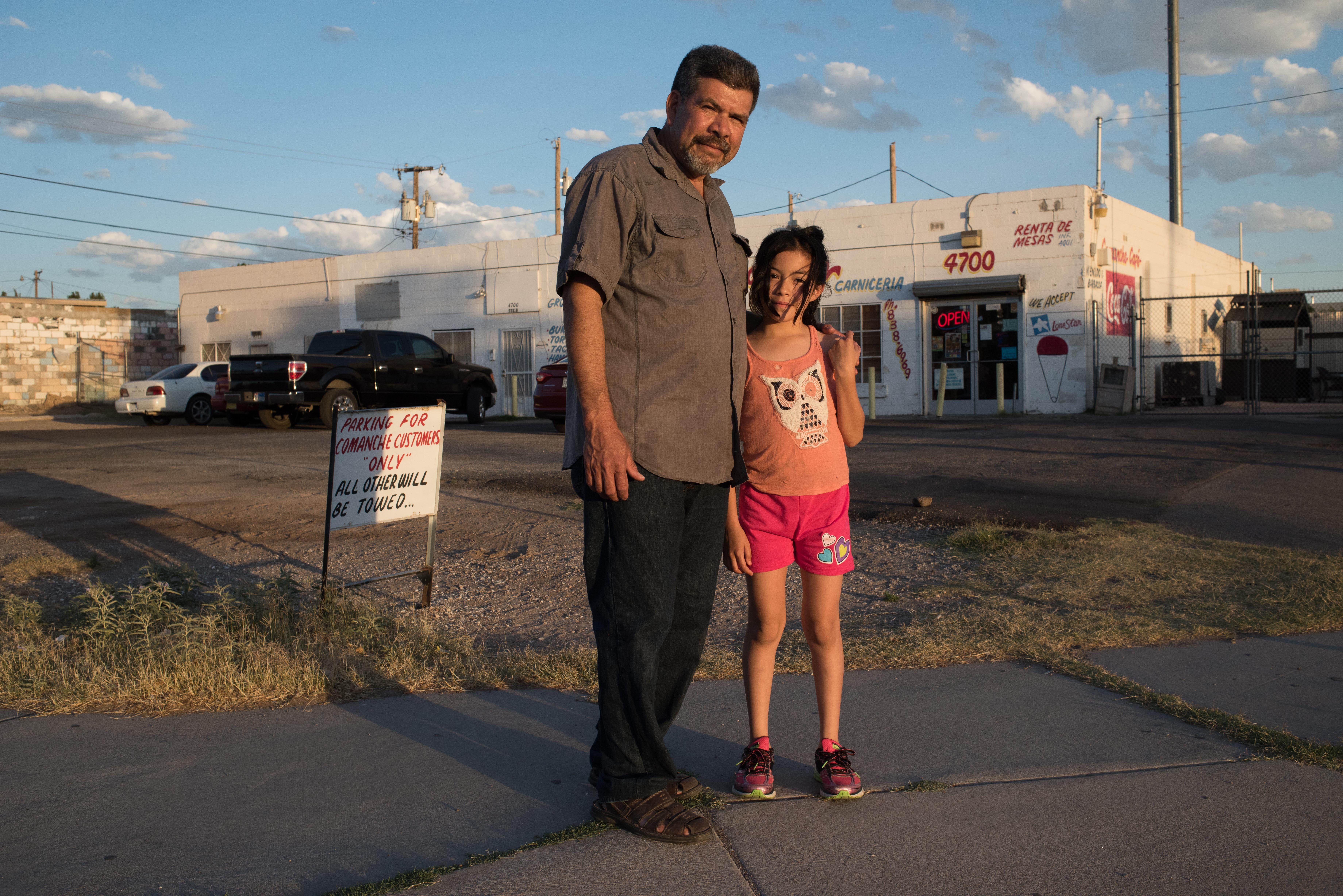
Our tolerance for thin differences is also why immigration works better here than in other countries. That is especially true of front-row immigrants (highly educated), since they are leaving cultures they didn’t fit into at a thick level (entrepreneurial). They have self selected for being a natural American, at a thick level5.
For any country to work, citizens have to believe in a shared thick culture. When citizens don’t believe in it, then you will have social and political turmoil. The differences might manifest as disagreements about thin issues, because that is the easiest to highlight, but culture repair requires restoring a unified belief in the thick.
For the U.S. that means we need a strong shared belief in the attainability of the American Dream. A person needs to feel they can, with enough hard, decent, and dignified work, buy a home, have a yard, raise a family, and know that their kids will have a better life than they did. Having this unlocks the non-credentialed forms of meaning (family and place) as additional avenues to fulfillment.
I continue to believe that the political turmoil of our last decade is about a disconnect between the front-row and back-row over the availability of the American Dream. As our economy moved to post-industrial (at a pace accelerated by choices of the front-row), emphasizing intellectual work over manufacturing, a large gap opened up between the two in economic well-being, and more importantly, in the ability to make meaning. Non-credentialed forms of meaning became devalued, while careerism became ascendant.
Which is why I’ve been saying the educational divide is our most fundamental divide, because it is about different understandings of what the American Dream is and its availability. It’s a thick culture rupture, not a thin one, and those are always more contentious and harder to repair, because it becomes an epistemological fracture. That is, you get two populations with two different understandings of reality.
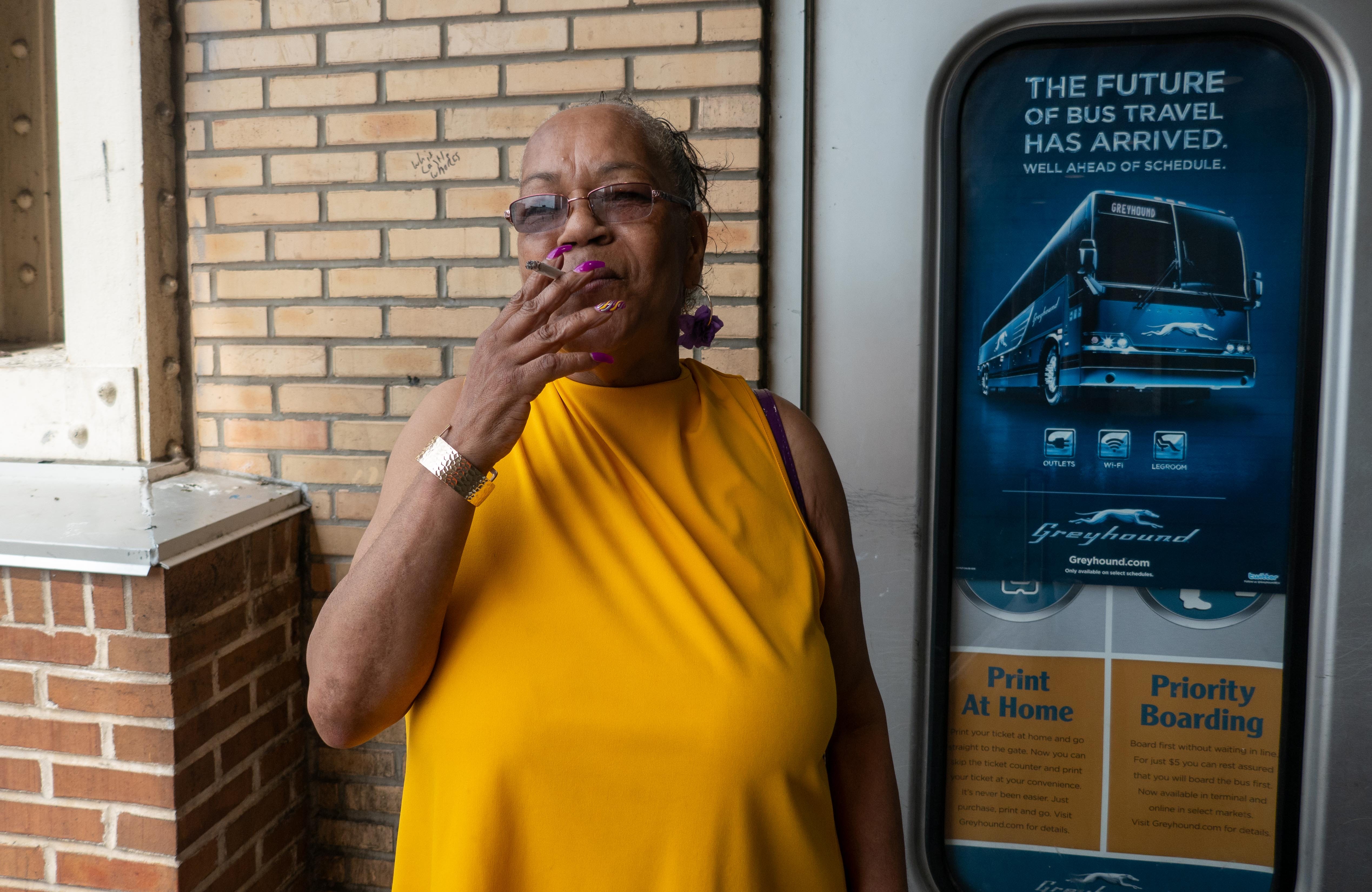
Which brings me to where I am writing this from, a McDonald’s in the Midwest, in Calumet, Indiana, to be precise. I keep coming back to the Midwest because there is a relaxed contentment here that I find refreshing. The American Dream is largely working here again for both the front-row and back-row, after a rough couple of decades, at least relative to the rest of the U.S. I saw this in Michigan City, in South Chicago, in Duluth, and points in between.
There are respected jobs in the Midwest for the front-row who chose to stay, as well as the back-row—all of which you can get without long resumes built on lots of schooling and accumulated debt, and that makes all the difference. Housing is also far more affordable, and housing is probably the single biggest economic factor in the American Dream. You can’t believe in America if you can’t afford a ranch home with a two-car garage. You might as well be in Europe, in a small Dutch apartment complex. F that, this is America.
The result is a vibe here that is especially refreshing because of the contrast to the cynicism I find in a lot of the Northeast, where housing is less affordable and jobs less fulfilling for those not in the front-row6.
The type of work available is important. Manufacturing is still a major employer in the Midwest and still respected. People build tangible things, and others understand and appreciate that, and so there is a dignity in that type of work here that is missing from places where front-row jobs dominate.
People here have careers that tether them to physical reality, which means a culture (thick and thin) can only drift so far. You can only get so many fancy (and absurd) notions about you, and your place in the world, and what it means to be happy, if you have one foot firmly on the earth.
The nasty and demeaning version of this is saying simple people need simple jobs, but that is front-row cope. Everyone, regardless of abilities and aspirations, is better served by being grounded, and the further you remove yourself from the consequences of your actions, the more likely you are to become supercilious, arrogant, and alone, and few escape that life without eventually crashing hard.
I’ve spent so much of my prior years writing about the decline of the American Dream, that my time here in the Midwest has been especially refreshing. It gives me hope that we've bottomed out and I can see the path forward—one where place is still a capital-G Good for most Americans, and a refined version of the American Dream unifies the country again. A just-industrialized-enough post-industrial America, where our shared thick culture binds us together.
Where people of all educational levels can find dignity in work, meaning in community, and home in the place where they were born. The Midwest shows it's possible to recover. Let’s hope the rest of America catches up.
PS: Here is my tentative schedule in Asia. As usual, happy to meet up with anyone who crosses paths!
Seoul: March 5th -10th
Qingdao (China): 9th to 13th
Taipei and Taitung: 14th to 22nd
Okinawa: 22nd to 30th?
Yangon (Burma): 1st? to 5th ?
Seoul again: 5th - ?