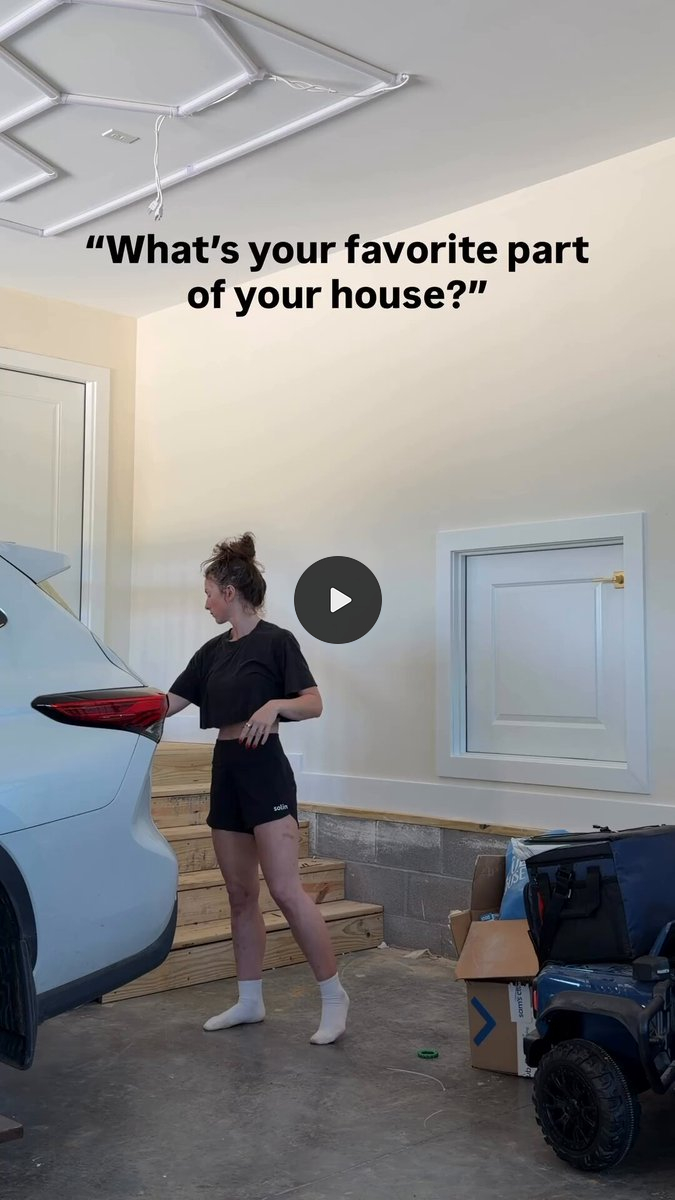
On September 1, a video went viral of a mother unloading flat packs of groceries from her trunk through a small service door cut into the garage wall, her small children standing nearby. The door opens straight into her pantry. The caption asks, “What’s your favorite part of your house?” The implication, we all understand, is that the garage with the built-in service door is the favorite part of this mom’s house.

Johnny@j00ny369T
I thought I knew luxury until I saw this…
9:50 PM · Sep 1, 2026 · 4.74M Views
100 Replies · 107 Reposts · 4.14K Likes
And for good reason! The garage pantry door is ingeniously designed. If you have a large attached garage, an SUV sized for Costco haul flat packs, and a home where it’s faster to drive to the store than to walk, a door from the garage to the pantry saves a lot of carrying. And most Americans live somewhere like that.
The next evening, September 2, I quote-posted it in Twitter/X:
“Costco haul culture transfers the cost of storing goods from the retailer to the household.
In a city, you can live with a smaller kitchen, pantry, and refrigerator because the neighborhood itself functions as your pantry. Multiple grocers, bakeries, pharmacies, etc are storing things nearby until you need them. In the burbs, the stores are farther away, so households have to buy in bulk and store things at home. The big house, basement, garage … all needed to compensate for lack of neighborhood amenities. suburbs relocate the warehouse from the merchant to your house.”

Alicia, Courtyard Urbanist@UrbanCourtyard
Costco haul culture transfers the cost of storing goods from the retailer to the household. In a city, you can live with a smaller kitchen, pantry, and refrigerator because the neighborhood itself functions as your pantry. Multiple grocers, bakeries, pharmacies, etc are storing…

Johnny @j00ny369T
I thought I knew luxury until I saw this…
3:02 AM · Sep 3, 2026 · 1.81M Views
807 Replies · 695 Reposts · 14.1K Likes
The post has been seen about 1.8 million times. More than 14,000 people liked it.
A lot of people really hated it! And I want to respond to this reaction by documenting it (it’s fascinating in itself), and taking the time afforded by long-form Substack article to explain my point about how our built environment, meaning how we use the land, determines whether bulk shopping or neighborhood shopping is rational or irrational.
As I said, although over 14k people liked my take on Costco haul culture, it massively triggered many, including some large accounts who felt no compunction about announcing how dumb and ignorant my post was. Sean Davis, with more than 600,000 followers, opened with “This is dumb and ignorant on so many levels.” Suburbs aren’t vast deserts, he wrote, and bulk buying is cheaper and easier for bigger households. “Just ask a normal person… ‘It’s cheaper and easier.’ Tada!” Mark Hemingway wondered whether self-declared urbanists had ever set foot in a suburb. Hundreds of replies followed in the same spirit, saying I’m out of touch, city life is dangerous and inconvenient, bulk buying is about price and family size, and I should mind my own business.

Sean Davis@seanmdav
This is dumb and ignorant on so many levels. Suburbs are not vast deserts where grocery stores are a day’s journey away. They’re all 10-15 minutes away, no matter where you are. Even in very rural areas, there is likely a Walmart within 20-30 minutes. Also, nobody is using their…

Alicia, Courtyard Urbanist @UrbanCourtyard
Costco haul culture transfers the cost of storing goods from the retailer to the household. In a city, you can live with a smaller kitchen, pantry, and refrigerator because the neighborhood itself functions as your pantry. Multiple grocers, bakeries, pharmacies, etc are storing
1:26 PM · Sep 3, 2026 · 104K Views
98 Replies · 143 Reposts · 1.9K Likes
There were plenty of supporters, too. Peter Van Valkenburgh echoed the point in his own words, writing that “Costco makes your car the last-mile delivery truck, your garage the warehouse, your chest freezer the cold-storage facility, and you the unpaid inventory manager.” Armaan Sidhu wrote that “bulk buying moves inventory cost from the retailer’s balance sheet to your mortgage.” Another reader put it more simply: “We spend fortunes preserving historic homes-over-shops streets, then zone identical new ones out of existence.” A third replied that “we don’t build enough housing in areas that are dense and walkable so it’s more expensive.”

Peter Van Valkenburgh@valkenburgh
I find the “Costco haul culture” thing fascinating. Same with flat-pack furniture. If you told your great-grandfather that progress meant fetching and self assembling his new livingroom side table, or driving to a warehouse to buy a truckload of groceries, hauling it home, and…
Alicia, Courtyard Urbanist @UrbanCourtyard
a lot of people were especially triggered by the phrase "Costco haul culture," but how else would you describe this ?
2:23 PM · Sep 5, 2026 · 10.2K Views
20 Replies · 8 Reposts · 86 Likes
I’ll answer Hemingway first, because his accusing me of never having stepped foot in the suburbs is funny in light of my actual biography. I grew up in a bulk-shopping household in the suburbs, and all my parents and siblings and their families all live in the suburbs, and I understand the lifestyle, and its pros and cons, very well.
Growing up, every two weeks or so, my mom loaded my three sisters and me into the SUV (fittingly, a Chevy Suburban) and drove to Sam’s Club, the warehouse club near us. She had a long list, carefully planned around the meals she intended to make over the next two weeks. We helped her work through it, and forty-five minutes later we had lunch or a snack at the café. With the drive there and back, it was a two-hour trip. We came home with flat packs of processed, shelf-stable and frozen food meant to last until the next run. We had a meat freezer in the garage and a large pantry to hold everything, in the 5,000-square-foot house my dad built “on acreage” at the edge of a suburban school district.
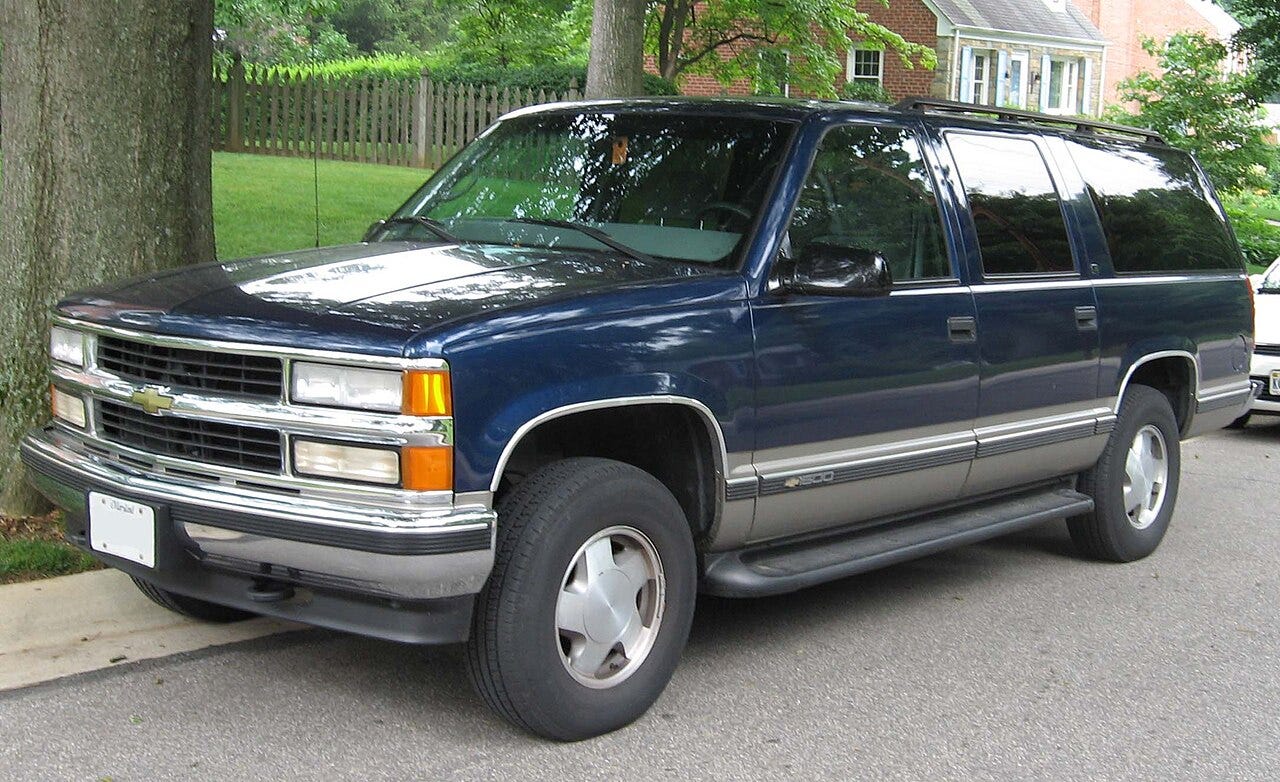
Although my mom, an Italian American, is a wonderful home cook, her talents were limited by lack of access to fresh produce and the kind of spontaneous cooking patterns that living by a variety of grocers enables.
Obviously, shopping at Costco is the rational thing to do in most of the country, especially if you are feeding a large household, which was the point of my post. However, two of their objections merit further scrutiny.
Bulk buying saves money. It’s cheaper per unit, and for a big family that adds up.
Nobody made me do this. People bristled at the idea that their shopping is constrained by where they live. They chose this life, and they like it.
On the first point, I agree that, per unit, the warehouse club is cheaper. The question is who pays to store and transport the goods.
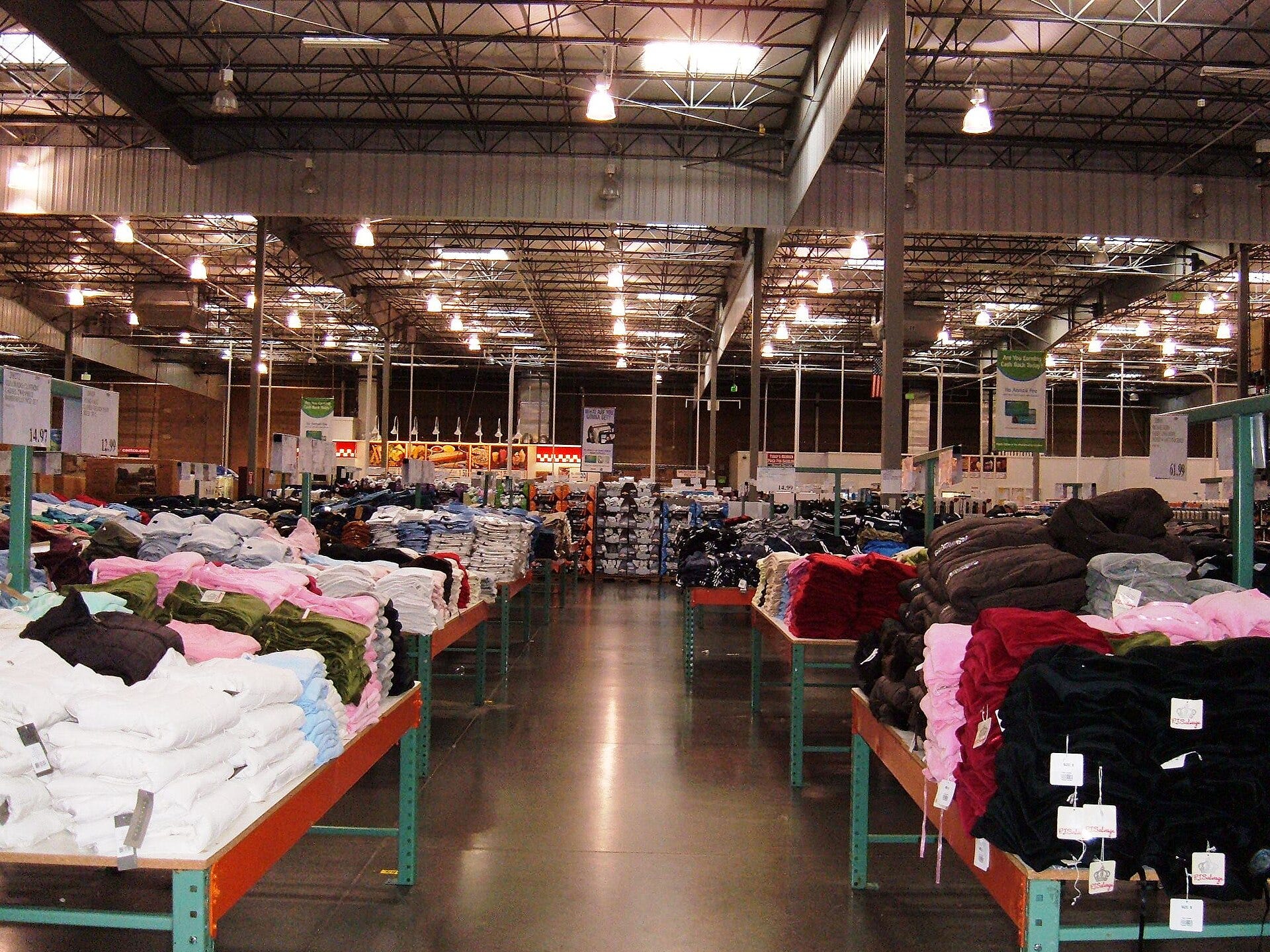
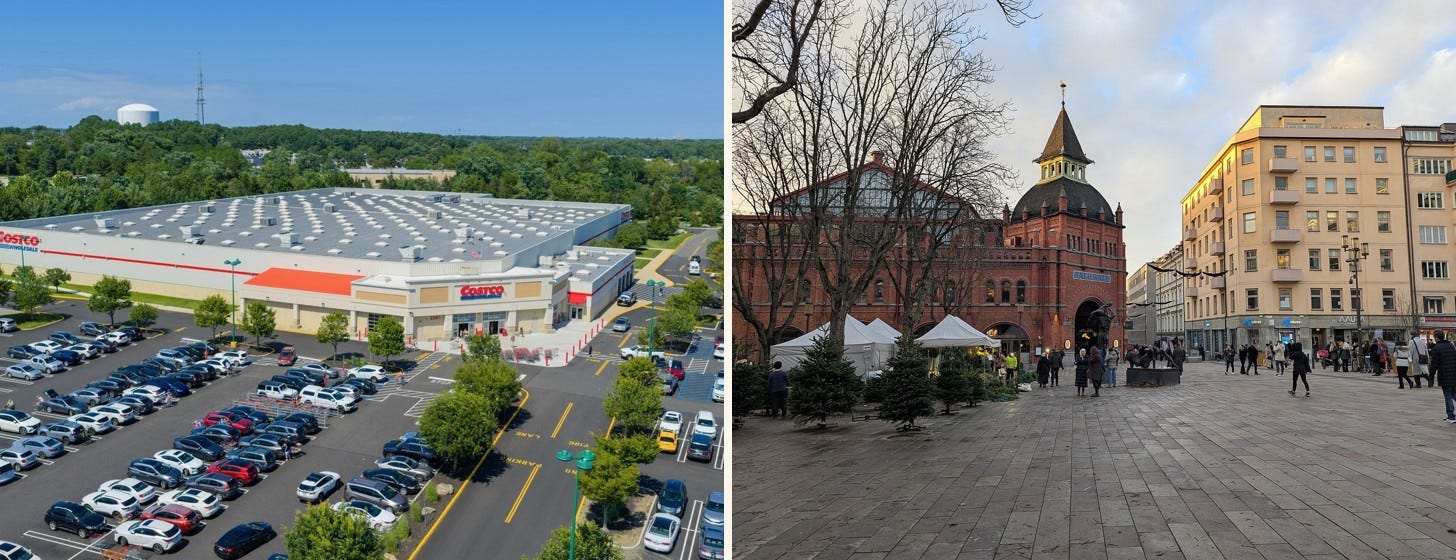
Every retailer has to stock inventory somewhere. A corner grocer holds a few days of it for the whole block, on shelves it rents at neighborhood prices. Costco holds pallets in a warehouse on cheap land by the highway and sells in bulk packs, and the customer pays for the last mile (or 10-40 miles) of transportation and to store it.
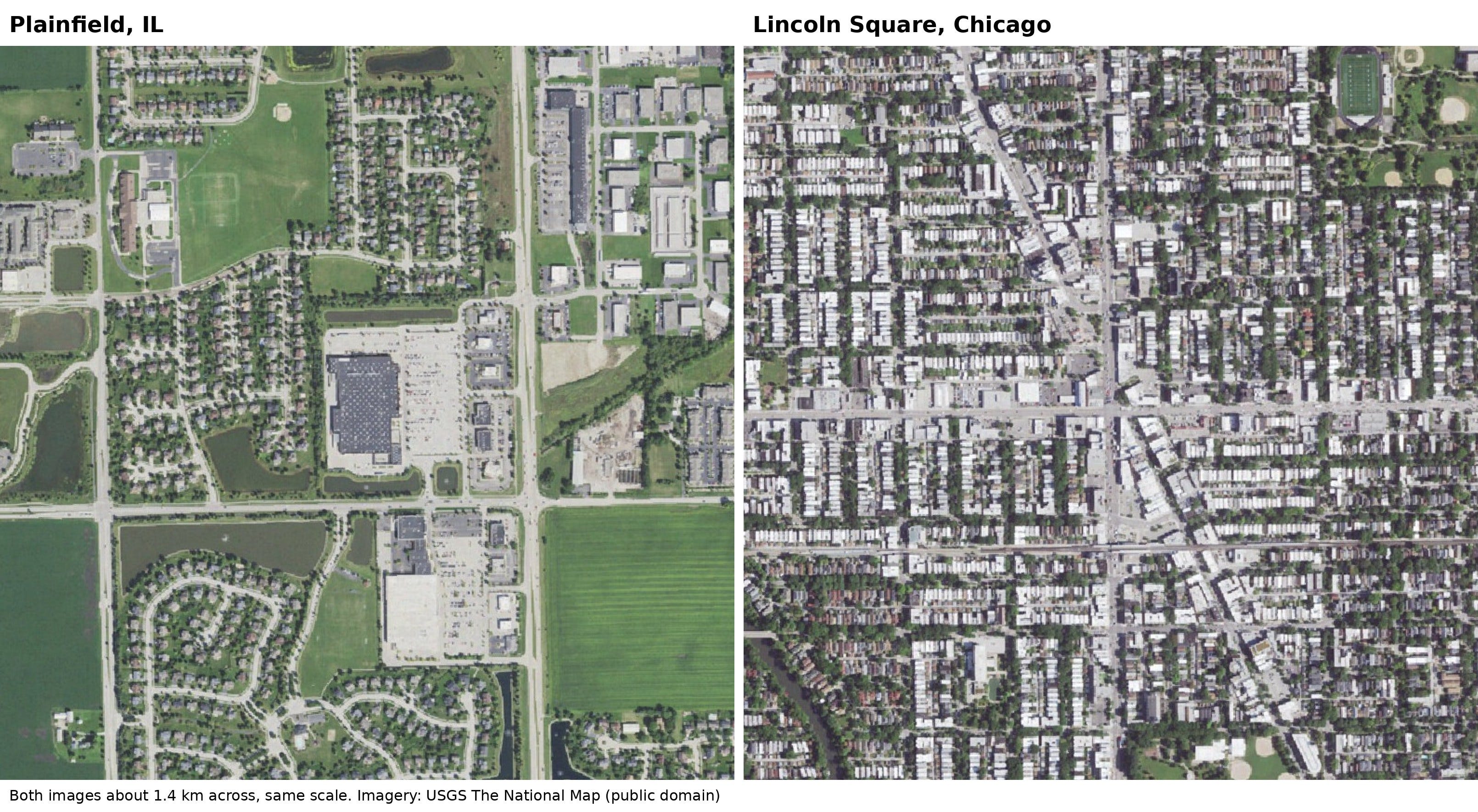
Land use (how we use the land, which is largely decided by our zoning laws) determines whether the neighborhood shop or bulk superstore succeeds. A bulk superstore depends on a large customer base with large cars, large homes to store bulk goods in, and a willingness to drive to buy them. This model makes less sense in a dense city neighborhood with shops on every block, limited storage at home, and many households without a car, where it’s far easier to grab groceries on the way home from work or school.
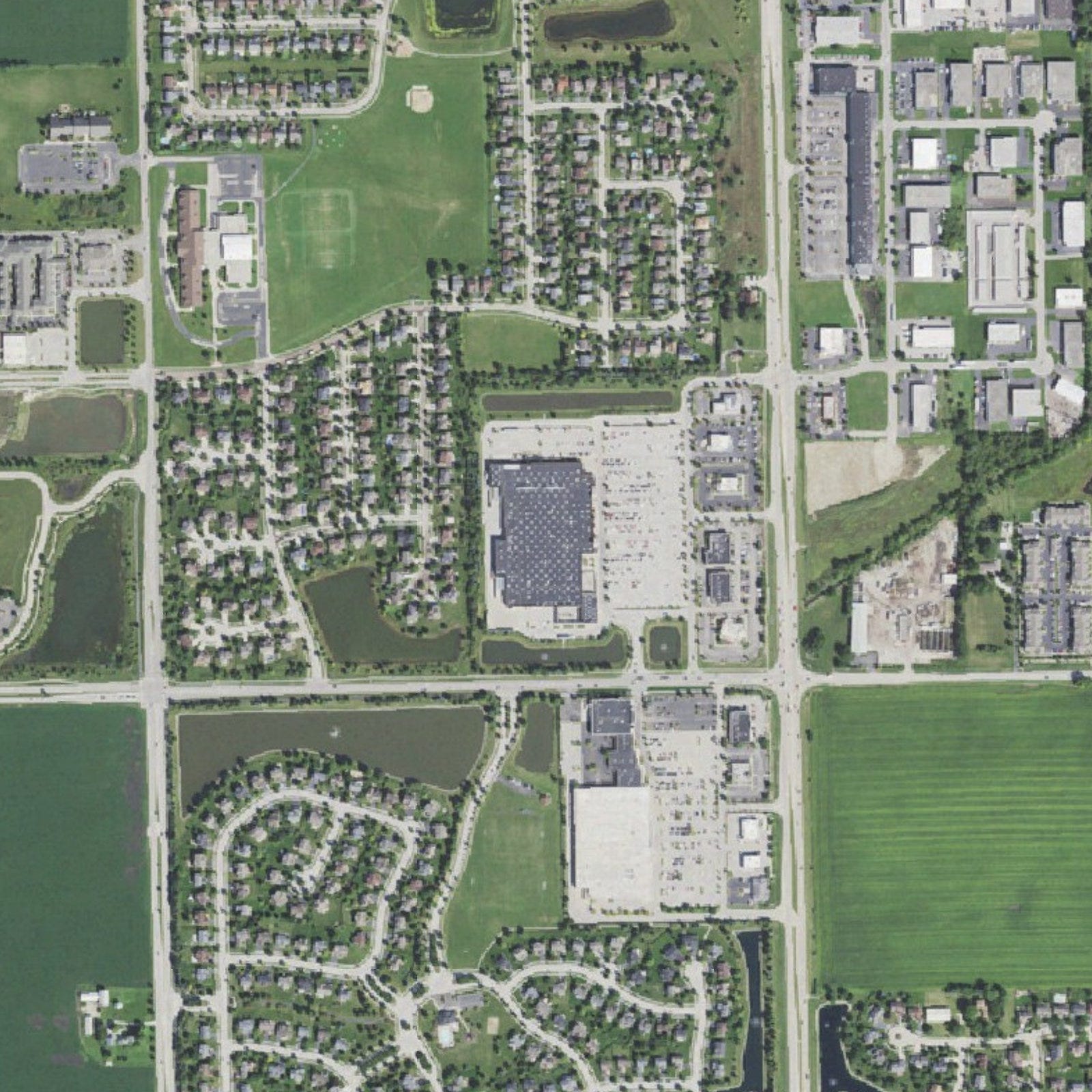
Costco haul culture transfers the cost of storing goods from the retailer to the household.
In a city, the neighborhood itself is your pantry. Grocers, bakeries, and pharmacies store things nearby until you need them, so you can live with a smaller kitchen, a smaller pantry, and a smaller refrigerator. Maybe you don’t even need a car and garage because it’s easier for you to walk to meet daily needs. In the suburbs, the stores are farther away, so it makes sense for households to buy in bulk and store things at home. The big house, the basement, the garage … all are compensating for missing neighborhood amenities. The suburbs relocate the warehouse from the merchant to your house.
My critics say bulk buying saves time and money, and on the grocery receipt it does. However, the bulk grocery savings exist in a world where you have to spend more on house, on transportation, on public infrastructure, and you have to spend more time traveling to all your destinations.
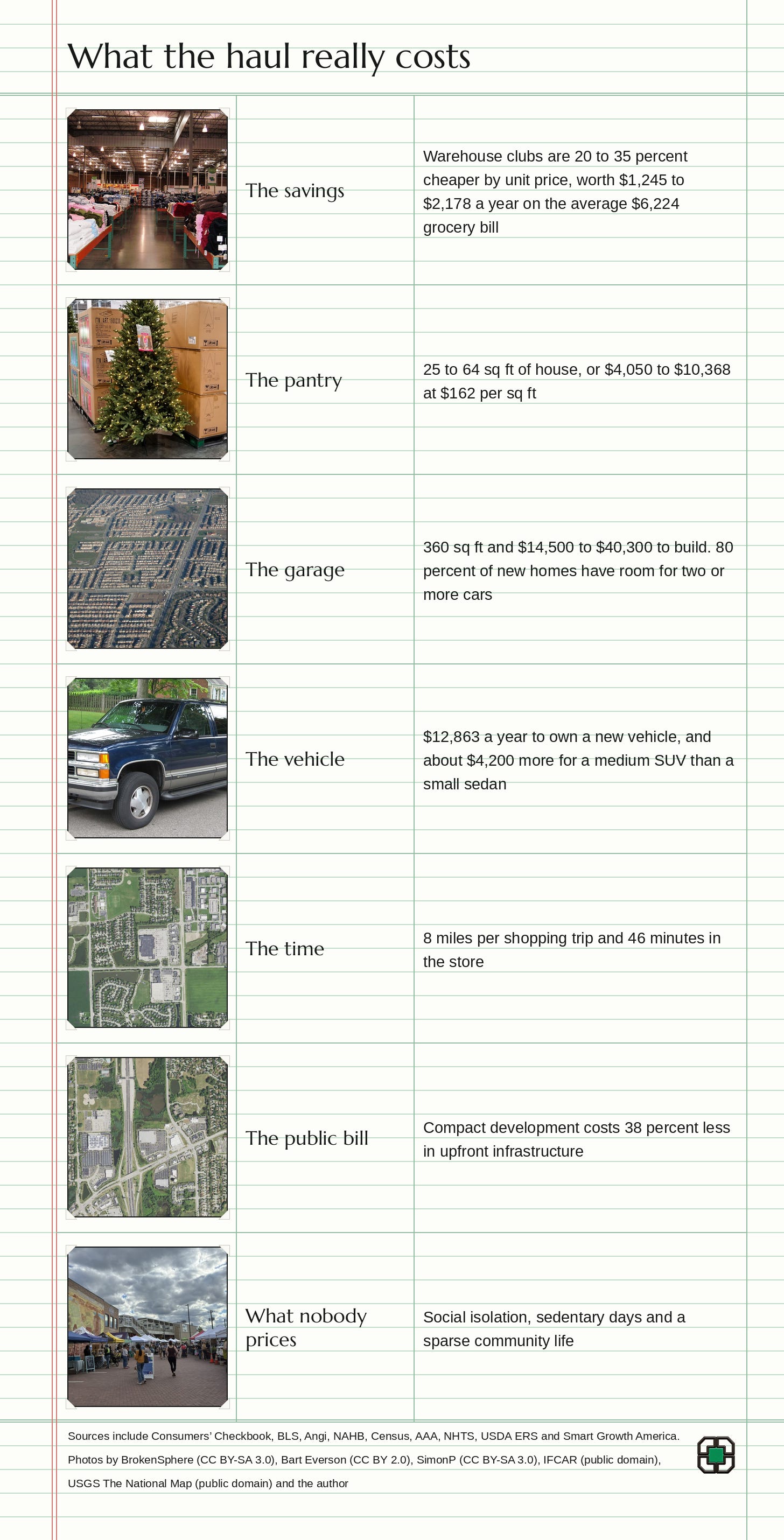
The savings. Warehouse clubs beat most supermarket chains by 20 to 35 percent, measured by unit price (Consumers’ Checkbook). The average American household spent $6,224 on groceries in 2024 (BLS). If every one of those dollars went to a warehouse club, the savings would come to $1,245 to $2,178 a year. Maybe you’re feeding a huge family and you spend $10,000 a year on groceries. The savings would be $2,000 to $3,500.
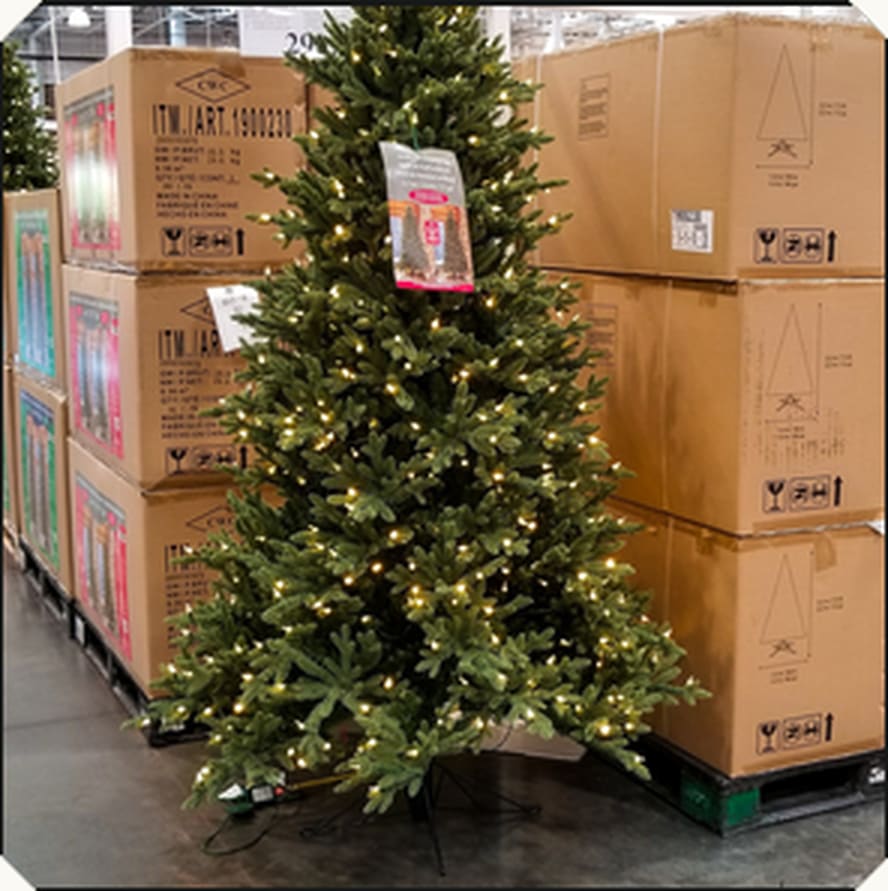
The pantry. A standard walk-in pantry is about 5 feet by 5 feet, or 25 square feet, and a large one runs up to 8 by 8, or 64 square feet (Angi). At the $162 per square foot it cost to build a new home in 2024 (NAHB), that’s $4,050 to $10,368 of house. Financed over thirty years at a 6.5 percent mortgage rate, that comes to roughly $310 to $790 a year. In NAHB’s 2019 survey, 83 percent of buyers rated a walk-in pantry essential or desirable.
The garage. Sixty-five percent of new single-family homes completed in 2024 had a two-car garage, and another 15 percent had room for three or more cars (NAHB/Census). A standard two-car garage is about 360 square feet, and building one costs $14,500 to $40,300 (Angi), or roughly $1,100 to $3,050 a year on the same thirty-year mortgage. That’s also where the second freezer goes.
The vehicle. Owning and operating a new vehicle costs $11,577 a year. A pickup costs about $6,402 a year more than a small sedan, and a medium SUV about $4,200 more (AAA, 2025).
The time. The average American shopping trip is 8 miles, as of 2017 (NHTS). People who shop for groceries on a given day spend 46 minutes in the store, not counting the drive (USDA ERS).
The public bill. Across 17 studies, compact development cost 38 percent less than conventional suburban development in upfront roads, sewers and water lines (Smart Growth America). Someone pays the difference, usually through local taxes and fees.
What nobody prices. Social isolation, sedentary days, and a sparse community life. I won’t put numbers on these, but these social and health effects add color to the picture here.
Obviously, people don’t buy expensive pickups and SUVs to haul Costco groceries. People buy big vehicles for lots of reasons (we recently had to buy a larger, three-row vehicle because our children are growing and road trips with “three across” in the second row of a wagon were becoming an unbearably uncomfortable ordeal). But even moving every grocery dollar to a warehouse club saves about a third of what a pickup costs over a sedan each year. No single item outweighs the savings on its own. Added together, the pantry, the garage, the freezer and the bigger vehicle do. The bulk discount is a small rebate on a large bill the suburban pattern already charged you.
One reply pointed out that the supermarket is a two-minute drive away. I believe it. Suburbs aren’t food deserts. But a two-minute drive still requires the car and a garage, and the car and garage and the tax bill to support all the transportation infrastructure, and the time you spend in the car are all on the ledger.
The Costco haul is less a lifestyle choice than a rational response to a landscape the law shaped. For a century, American zoning has kept residences apart from stores, and once a store is out of reach on foot, the household picks up the cost of getting there and storing what it buys.
That separation was mostly a legal decision (there is also a stigma against commercial property that is a peculiarity of Anglophone countries, and that you see in covenants even before zoning existed). In the 1920s, a committee at the U.S. Department of Commerce drafted the Standard State Zoning Enabling Act, a model law that most states copied. Courts were split at first on whether cities could keep stores out of residential areas. In 1923, in Ignaciunas v. Risley, New Jersey's highest court held that the police power did not support a blanket ban on stores in residential zones (ABA). Three years later, in Village of Euclid v. Ambler Realty, the U.S. Supreme Court upheld, 6 to 3, zoning that separated homes from commerce and industry, and that separation became the national default.
When you sever residences from commercial, you’re effectively sentencing everyone to car dependence. Normal life now requires a car, so everyone has a car. Because everyone has a car, retailers can skip the higher rents near their customers and lease cheap space on the periphery, passing some of those savings along.
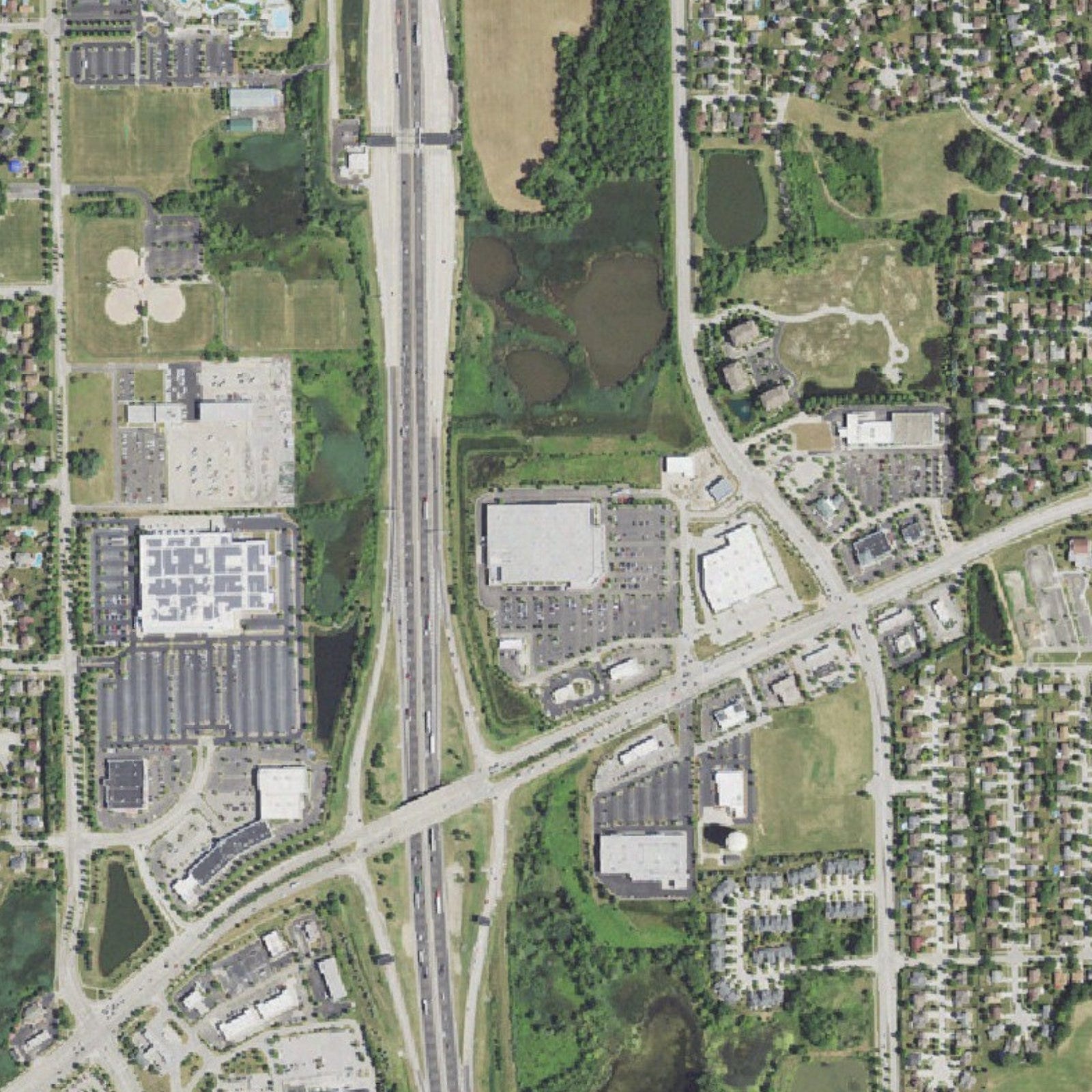
The big lots that come with this pattern make storage feel free. When you already own a large lot, a bigger pantry and a third garage bay seem like small additions.
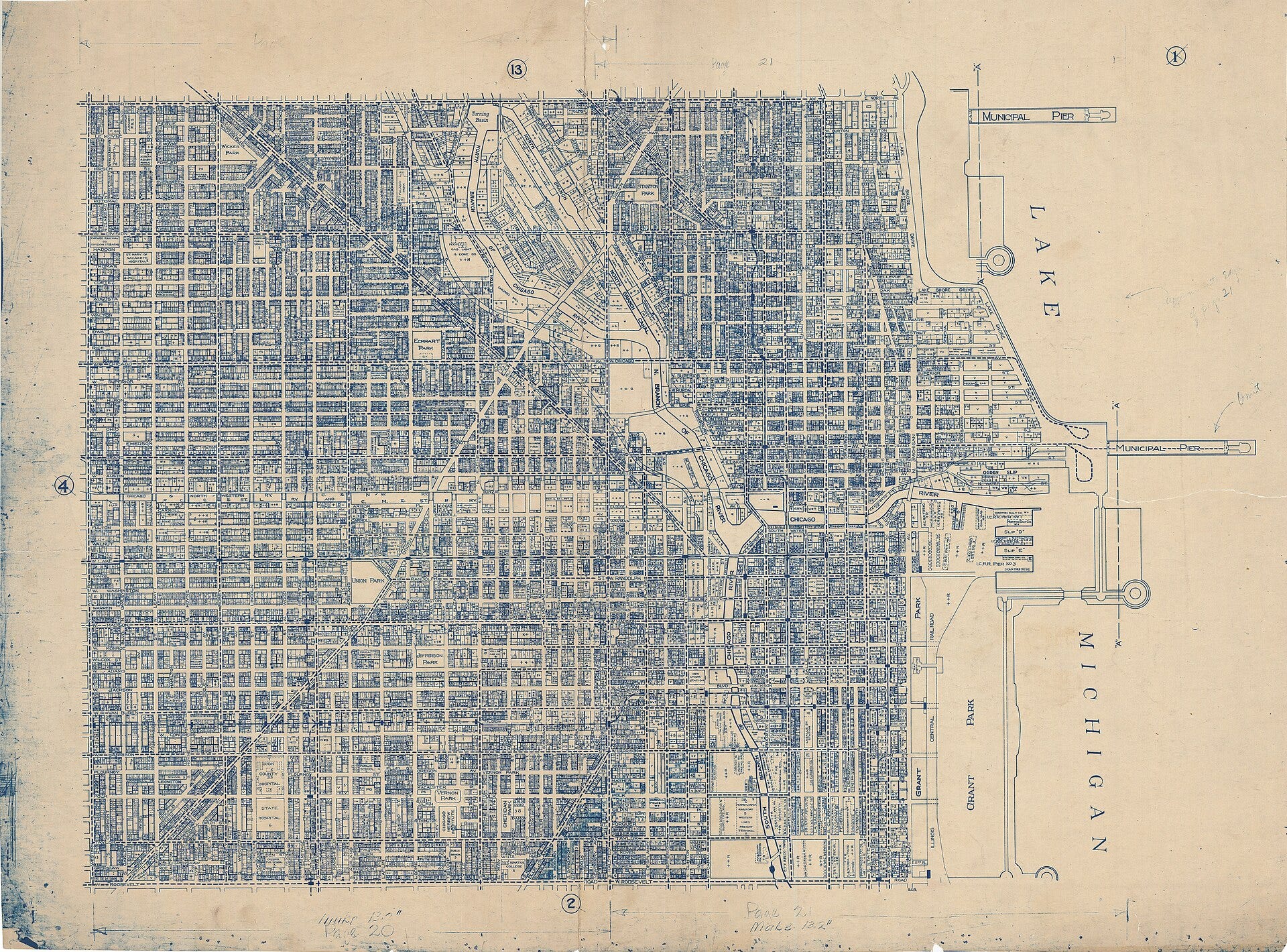
Even Chicago, one of the densest cities in the country, runs on that default. Forty-one percent of its land is zoned RS, single-unit residential (Metropolitan Planning Council), and the ordinance says the primary purpose of those districts is "to accommodate the development of detached houses on individual lots" (§17-2-0102). The RS use table doesn't list retail sales, and anything it doesn't list is prohibited (§17-2-0204 and §17-2-0207). So a corner store can't open on most of the city's residential land without a rezoning that is risky, slow and costly.
Preference follows from the rules too. In NAHB's 2019 survey, 83 percent of buyers rated a walk-in pantry and 85 percent rated garage storage essential or desirable (NAHB, 2019). That fits the idea that people want storage because the places they live require it.
And since the rules made this, the rules can change it. In July 2025, Chicago's City Council eliminated parking mandates near transit across about three-quarters of the city (Chicago Cityscape), so in most of those areas a developer no longer has to build a garage to build a home.
The second objection deserves more respect than the first. As the irate responses to my Costco haul culture post suggest, people don’t like being told that their lifestyle is constrained. People want to be seen as free agents who chose their homes, their cars, and their shopping. And they did choose them!
But look at what they were choosing among. The point of my post was that our low-density, car-oriented world creates an economy where people save time and money by shopping at Costco. Our environment limits which choices are rational.
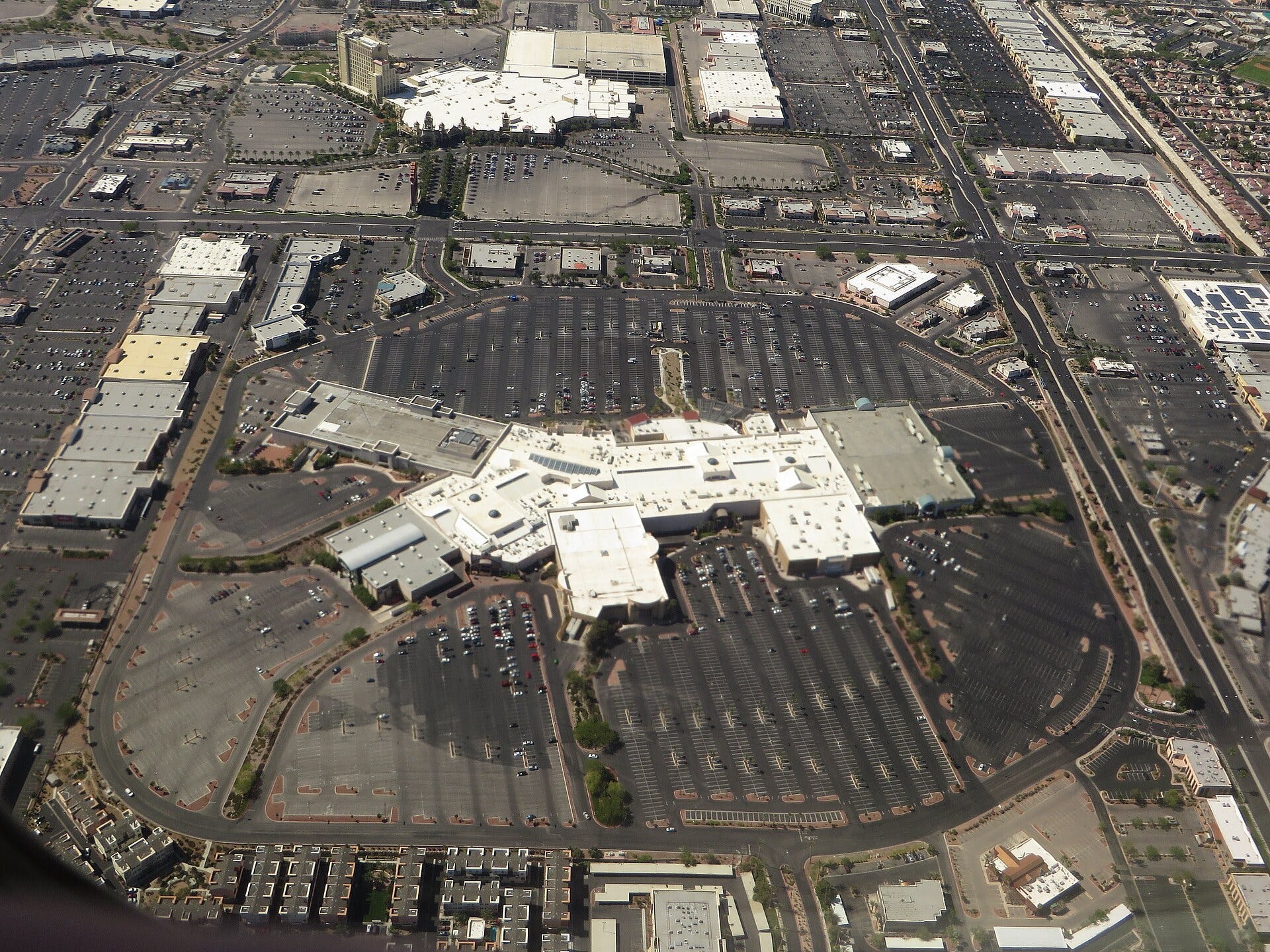
In the suburbs, it’s irrational to drive out for fresh produce daily or to shop spontaneously. It’s rational to plan meals and store bulk goods. My mom’s list wasn’t a lifestyle preference. It was the smart response to where we lived.
The preference surveys make the same point from the other side. In 2019, 46 percent of buyers said they did not want to live in a high-density community with smaller lots and attached or multifamily buildings (NAHB). That’s a real preference, expressed inside the options on offer. Few Americans have been offered a dense neighborhood that was also affordable, safe, green, and built for children.
I’m pro-agency. But agency operates at more than one level. It shows up at the checkout, and it also shows up at the zoning hearing, in parking rules, and in road budgets. And it is at those “root cause” legislative actions that decide whether it’s rational to drive to the store or walk to it.
Some critics decided I couldn’t understand the appeal of Costco because I must not know what it takes to feed a big family. One dismissed “you and your childless ‘partner.’” In fact I have three kids and a husband who lifts, and I like cooking and we avoid eating out, so I do a lot of grocery shopping.
Happily, within a half mile of our home there are three good grocery stores and half a dozen bodegas. In the same half mile are our school, shopping and dining corridors, our church, the gym, parks, the train, and friends’ houses. There’s almost no walk home that doesn’t pass a store, so it’s always easier to grab something on the way back from school or an activity than to drive.
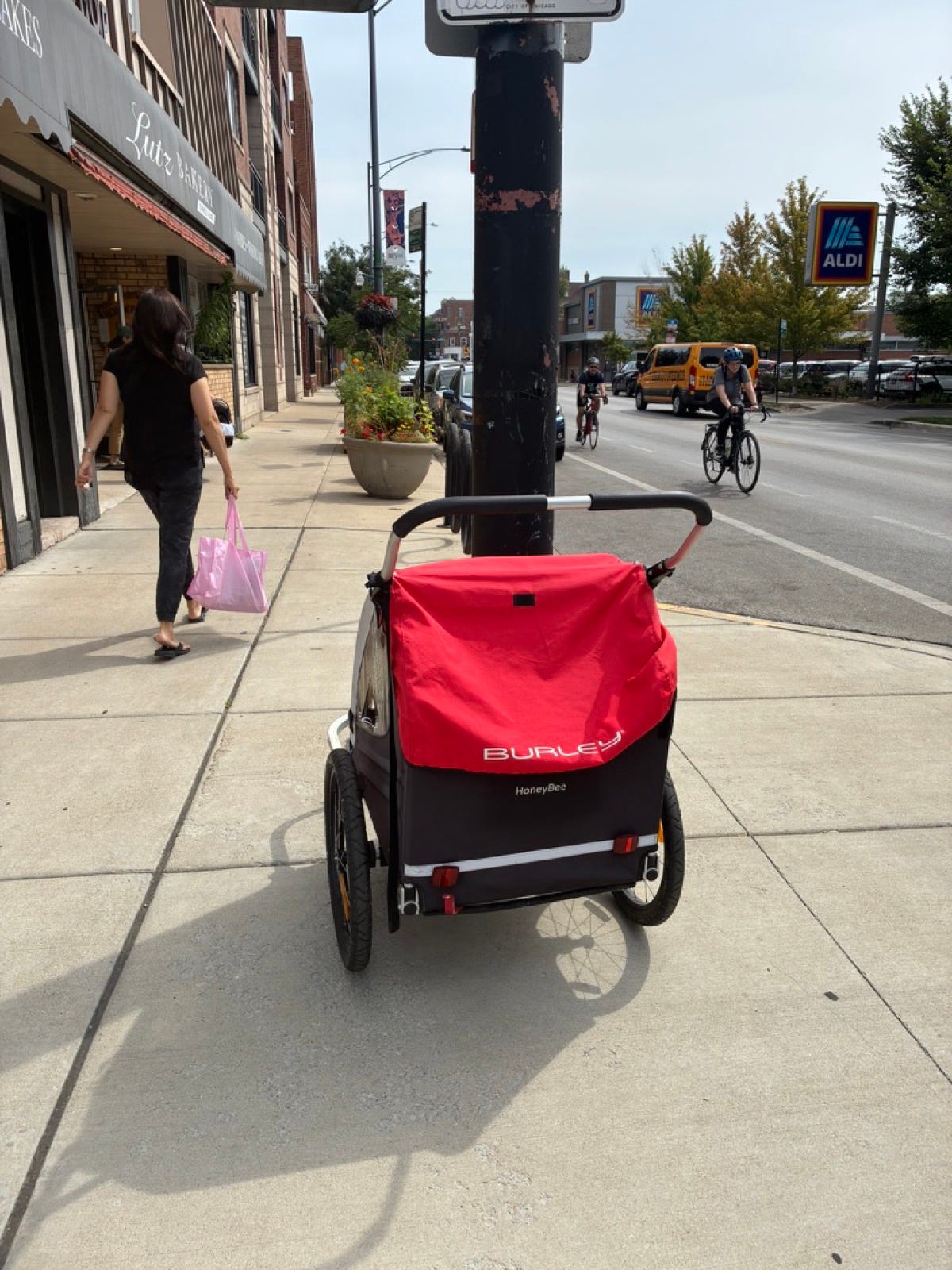
Once a week I do my own grocery haul, for staples. On a weekend morning I push our old Burley bike wagon five minutes to Aldi, usually with my daughter, who likes to help. We fill the wagon and two backpacks and talk the whole way there and back. The Burley holds a lot, and it handles an alley thick with snow and ice. If it’s pouring or freezing, we drive. We own a car, and I grew up riding in that Suburban, so I’m not claiming city families never drive. The difference is that we don’t have to, and often it is more convenient (and more pleasant) to walk than to drive.
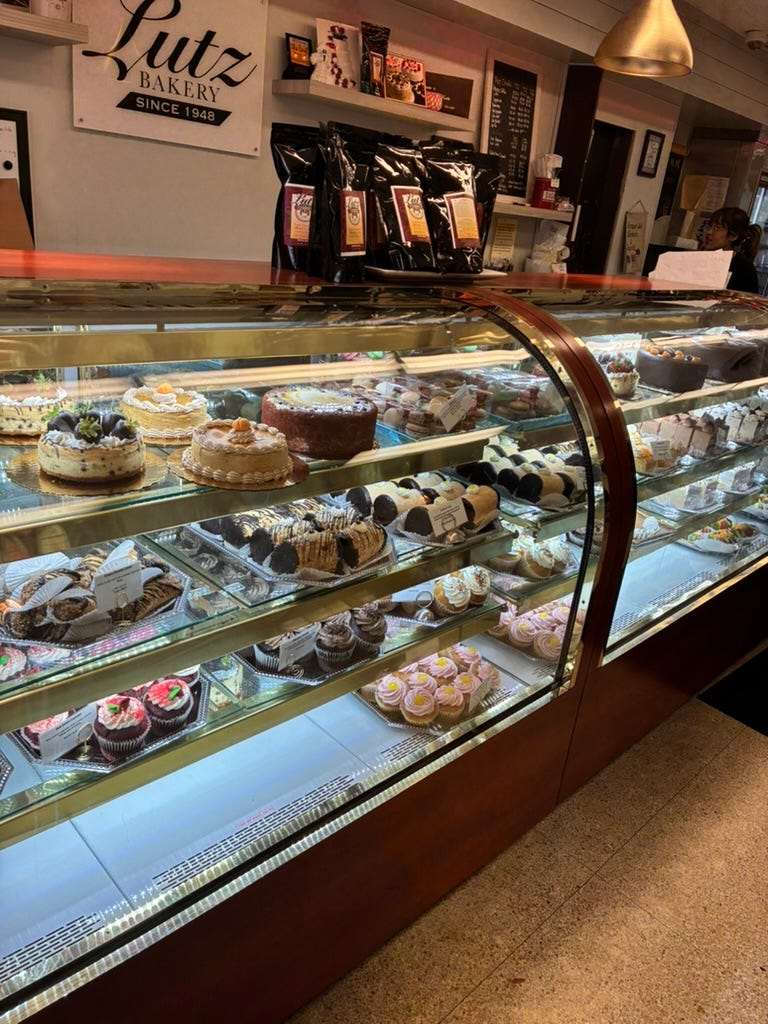
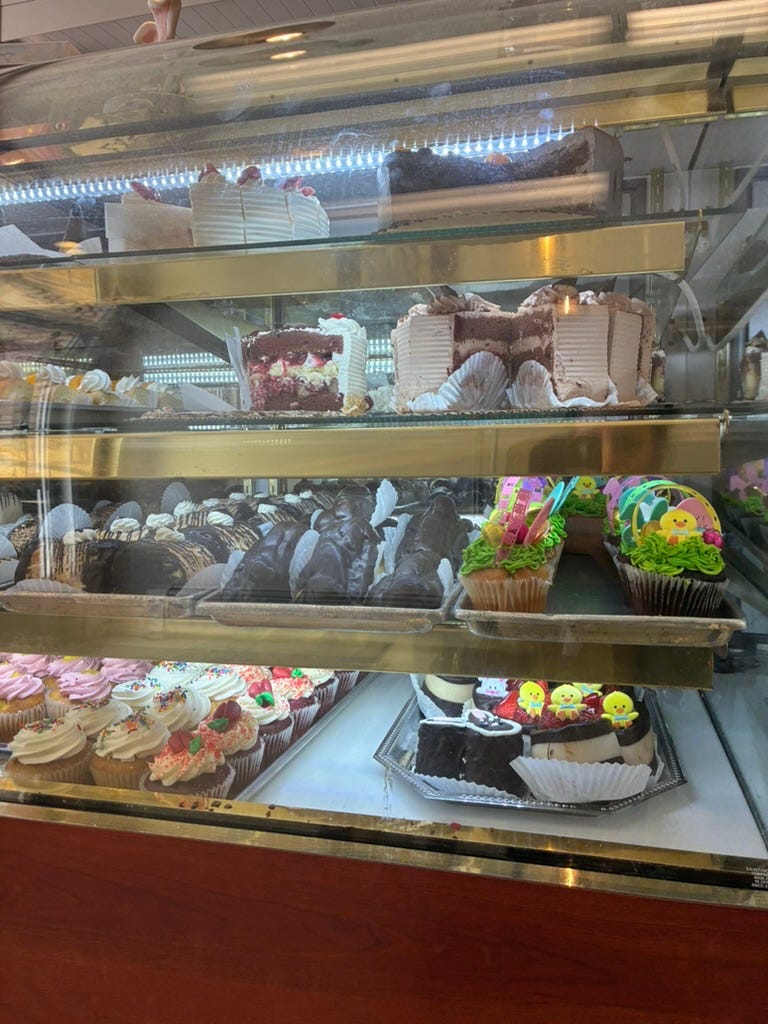
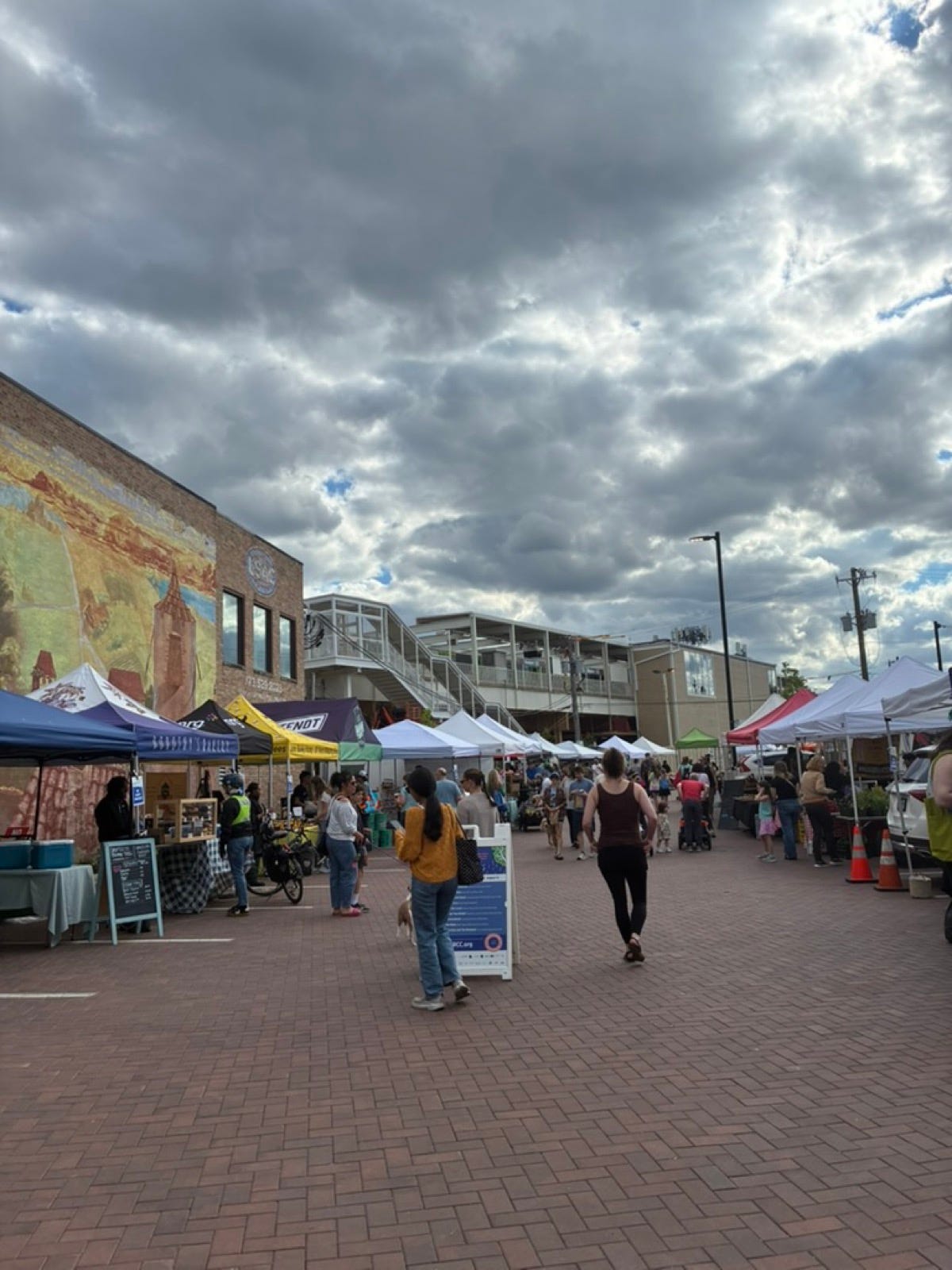
Once or twice a week I stop at the specialty shops for the things I’m picky about. Harvestime, an independent grocery owned by a Greek family, is about a ten-minute walk; it has fantastic produce, a lot of locally grown vegetables, a solid cheese counter, and interesting foods from all over. Across the street from where my kids do martial arts is Gene’s Sausage Shop, a gem with a full-service butcher, imported German groceries, good wine and beer, great candy, and some produce and cheese. After class we stop in and pick up whatever looks good that week. There are multiple good bakeries, but Lutz’s Bakery gets a special mention because their marzipan loaf SUSTAINED ME during my third pregnancy.
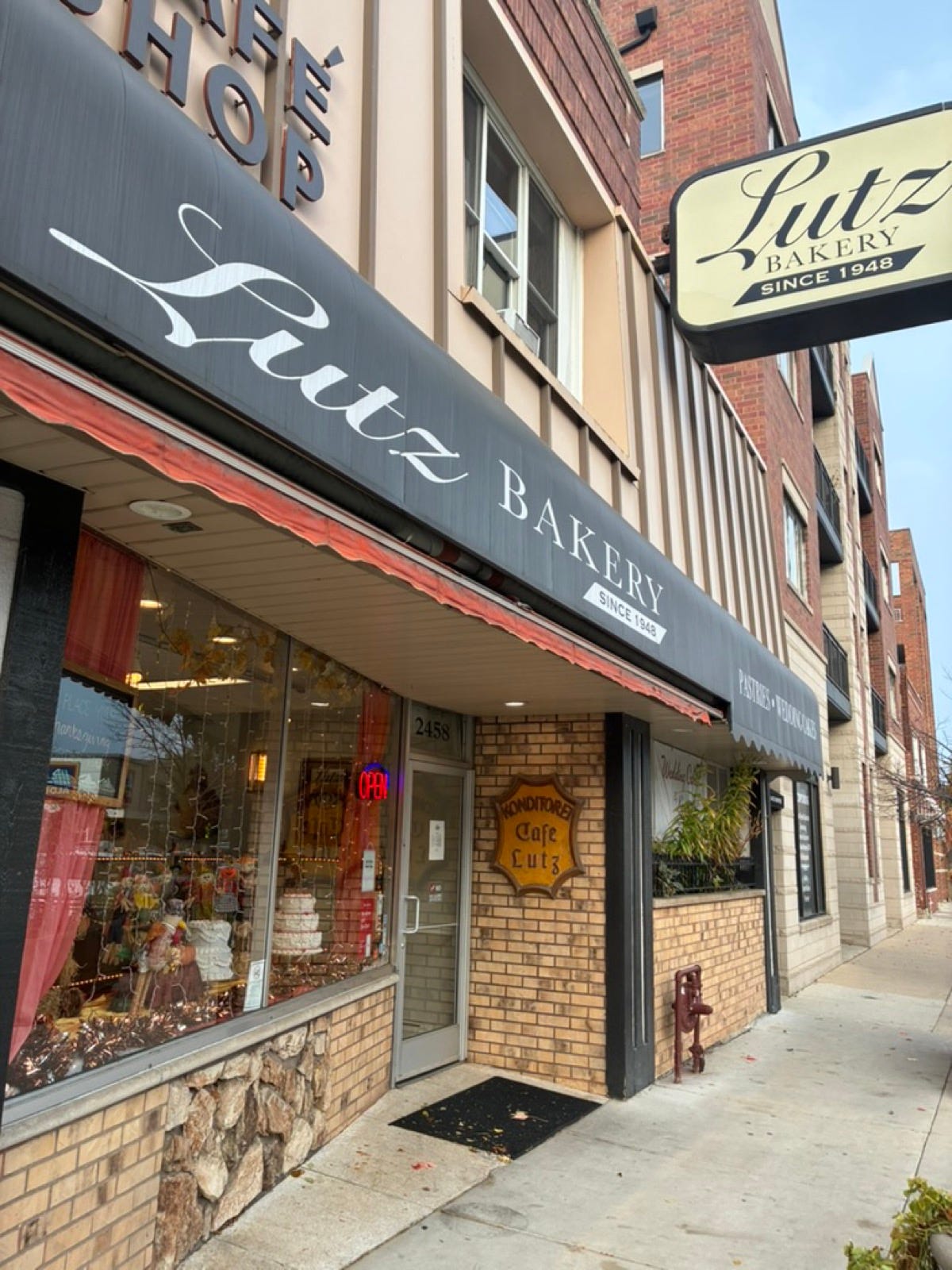
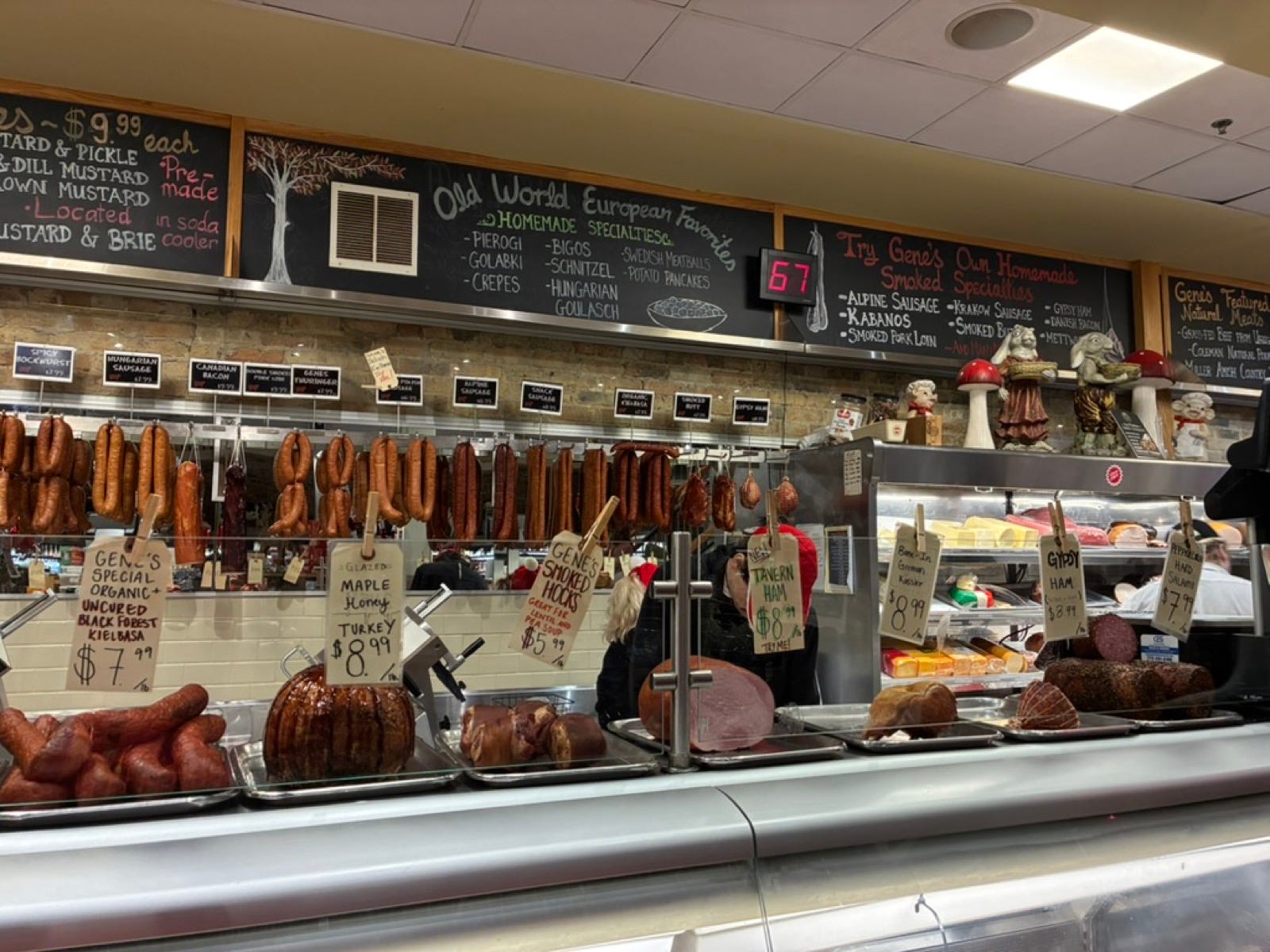
Getting a Costco membership and driving five miles through heavy traffic to shop in bulk has never occurred to me. I know the proprietors of our independent grocers, and I’m glad to support them. But, to be honest, I wouldn’t shop this way if it weren’t so convenient. Maybe we’d spend marginally less on groceries in bulk. But the time it would take driving there and shopping in a huge warehouse has costs, too.
The other reality is that family housing in my neighborhood is not a choice for most households. The amenities and conveniences are real, but neighborhoods like these are scarce (because we’ve outlawed them), and the scarcity is what makes it expensive. The answer is to build more places like it, which is exactly what the rules I described above make hard to do.
The neighborhood itself is the amenity. Costco haul culture transfers the cost of storing goods from the retailer to the household, and the way we zone our cities decides whether households have any other option.