
#Feature #GenerativeAI
Concept Artists Say Generative AI References Only Make Their Jobs Harder
Edmond Tran spoke to a dozen professional concept artists who are currently or have previously worked in game development about whether generative AI image tools have made their jobs any easier. Zero said it did. Most said it made things harder.
“Holy fuck guys,” wrote Larian CEO Swen Vincke on social media, following the publication of an interview with Bloomberg. “We’re not ‘pushing hard’ for or replacing concept artists with AI.”
The interview in question had suggested that the beloved studio behind Divinity: Original Sin II and Baldur’s Gate III has been experimenting with generative AI tools. Although Vincke had indicated to the publication that using AI “hasn’t led to big gains in efficiency,” Bloomberg noted the studio was still using the technology to “flesh out PowerPoint presentations” and “develop concept art.”
Those tidbits generated significant criticism and commentary across social media platforms.
In his response to the vocal chatter, Vincke stressed: “We have a team of 72 artists of which 23 are concept artists and we are hiring more. The art they create is original and I’m very proud of what they do.” An unedited transcript of the interview later shared by reporter Jason Schreier revealed that Larian had acquired a “boutique concept art firm.”
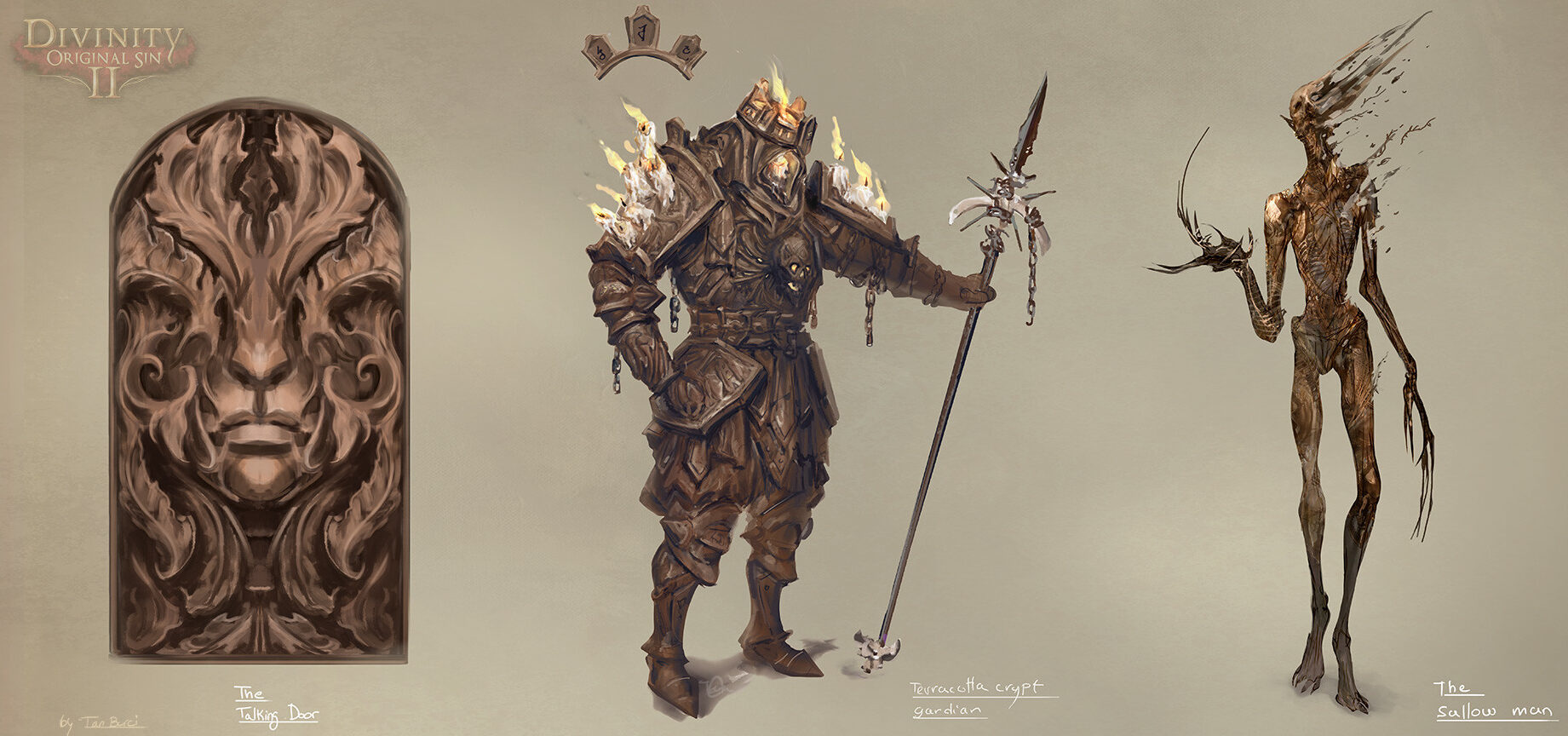
“We use AI tools to explore references, just like we use google and art books,” Vincke continued. “At the very early ideation stages we use it as a rough outline for composition which we replace with original concept art.”
“We’ve hired creatives for their talent, not for their ability to do what a machine suggests, but they can experiment with these tools to make their lives easier.”
Concept artists currently working in the games industry seem to have a different perspective, however.
This Week in Videogames spoke to a dozen professional concept artists in the wake of Vincke’s comments, all of whom currently or have previously worked in game development, ranging from indie studios to large AAA developers. All, without exception, said that generative AI image tools had only made their lives more difficult – even when simply used as reference material.
What Does a Concept Artist Do, Anyway?
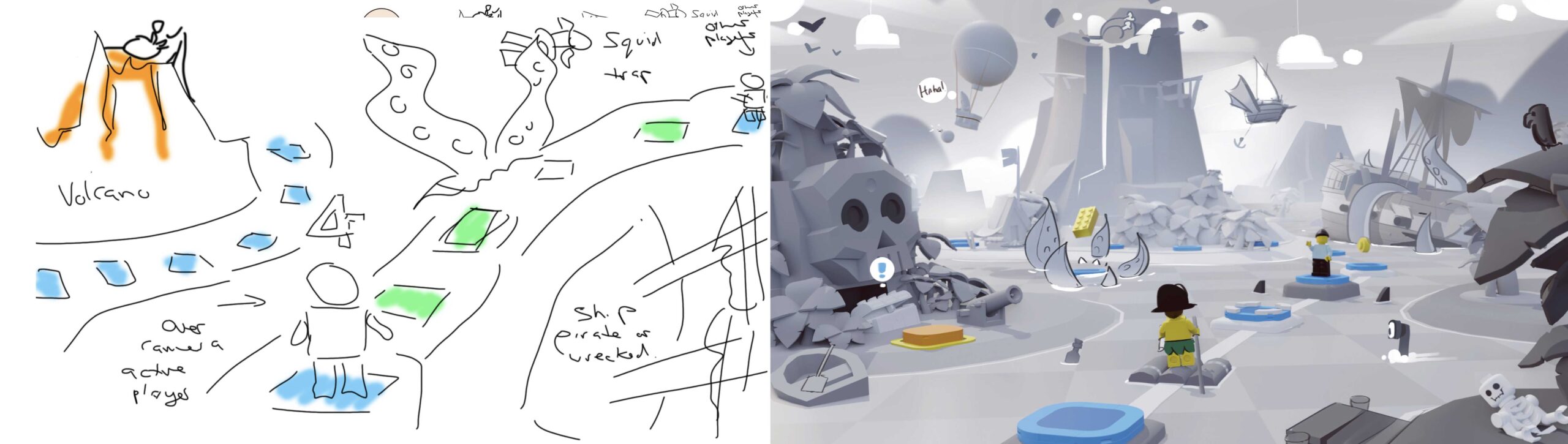
Jack Kirby Crosby is a concept artist, illustrator, and art director who’s worked on games like Moving Out 2 and LEGO Party!, and also teaches Concept Art at RMIT University. He explains, “The generic thought when people think about concept art is the polished, very highly rendered work that companies often share towards the end of production.”
“That isn’t what a concept artist does day-to-day.”
“More than 50% of their time will be spent reference gathering,” he said. “Part of that is gathering images, but that also includes reading articles, watching media, assessing the competition, watching videos about the way things work, consuming scientific papers, literally anything vaguely related to the project will be gathered by concept artists, sometimes in a repository like Miro or Slack or Pinterest, but always in the head of the concept artist.”
Lucy Mutimer, a game developer and illustrator who primarily works with indie studios, explains that “referencing and research are core parts of an artist’s overall development. (Sometimes regrettably) you carry a piece of every project with you.”
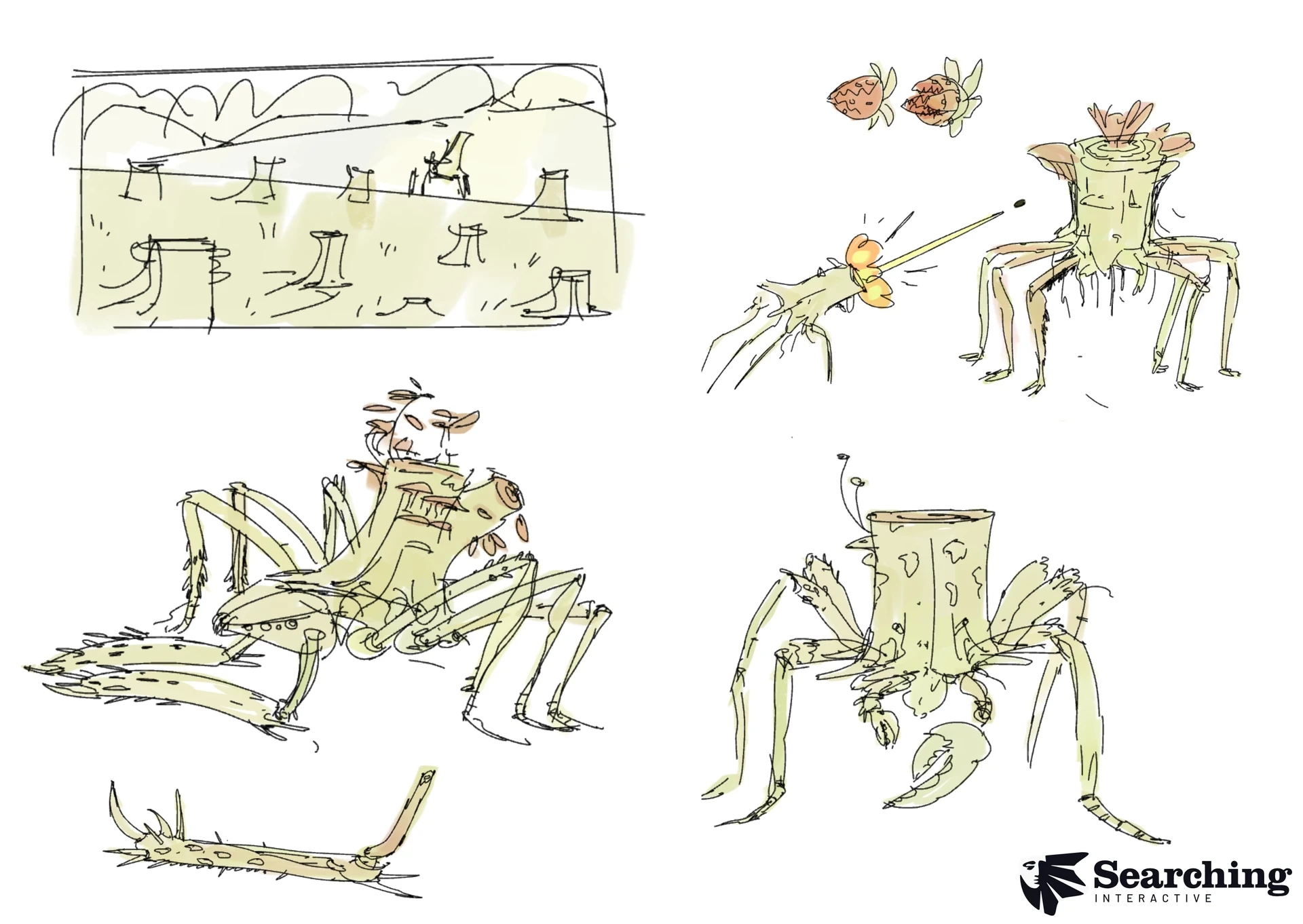
“Something that I have found difficult for non-artists to understand is that the ‘early messy stuff’ that non-arty folks insist can be ‘fixed by a human artist later’ is where the best work is done. You cannot brute force your way to the end conclusion of an idea – you gotta work that out.”
Vitally, concept artists were keen to convey that their jobs don’t simply end when the pre-production phase of development is over. Their work continues throughout a project, which makes their internalised bank of influences and references vital to maintaining consistency – not just visually, but also when it comes to world-building and even informing gameplay systems.
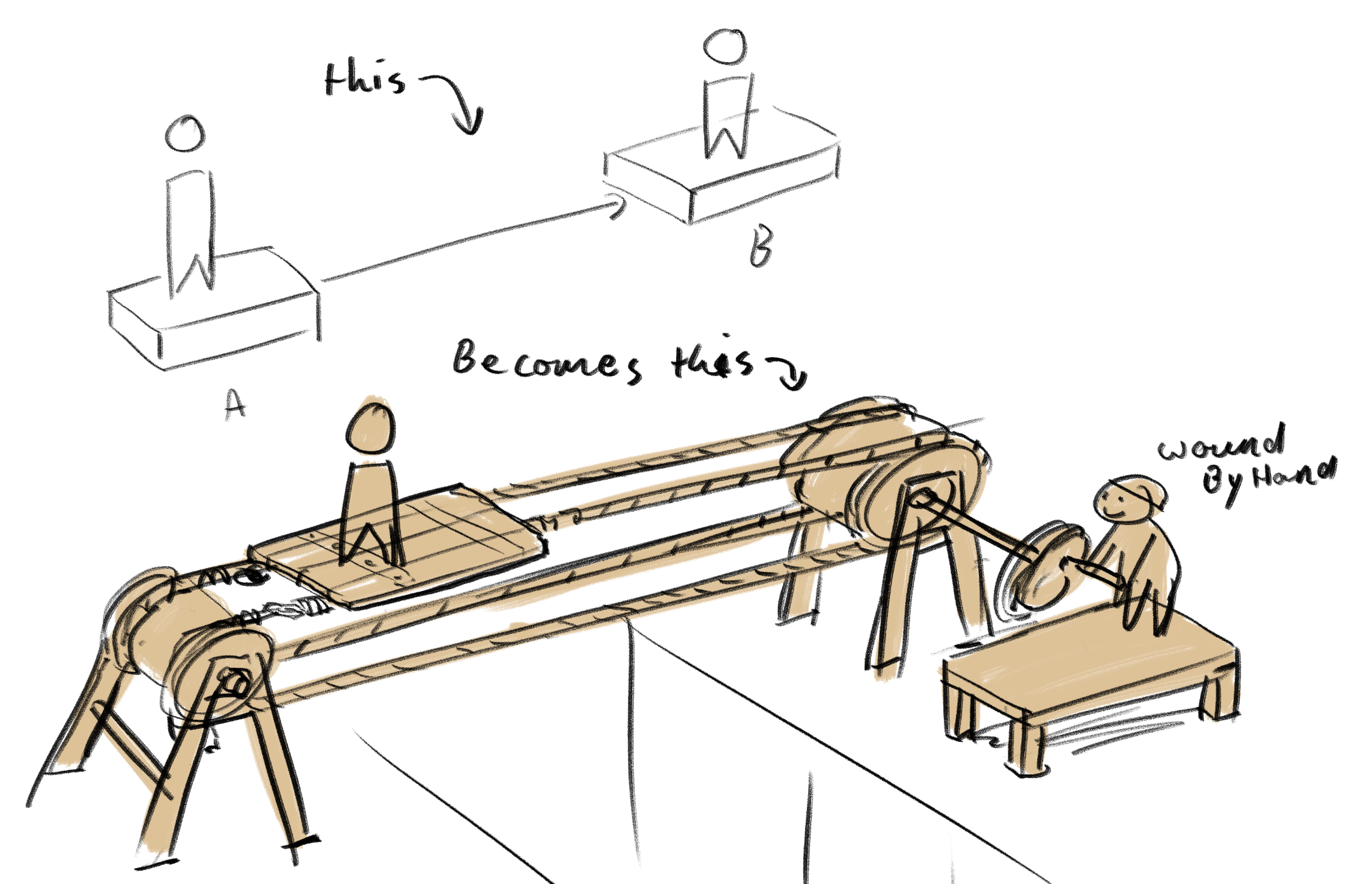
“This is what allows [concept artists] to draw stuff fast for production, how they sort between ideas that fit or don’t fit within the aesthetic constraints of a project,” said Kirby Crosby. “In a pinch, we will regularly be drawing scribbles in 1 to 10 minutes that gets a basic idea across.”
This Week in Videogames is funded entirely by readers, which lets us resist advertising and commercial interests. Become a paid supporter today and get extra articles, newsletters, and more while backing truly independent games coverage.

Work This Way
The obvious question then is: What’s the harm in using an AI-generated image as part of that reference process, especially when, as Vincke describes it, those images are used alongside traditional materials like art books and something as common as Google Image Search?
Kim Hu, a freelance illustrator, concept artist and designer, who served as the Lead Concept Artist on Rollerdrome, says outsourcing even part of the early ideation stage to AI “robs you of discovery, as it will likely more or less give you exactly what you asked of it.”
“On the other hand, going through archives and real world references will allow you to stumble upon things you have never thought of before, informing and branching out your ideas further. Going down these accidental rabbit holes is a pivotal step of concept and world building to me.”
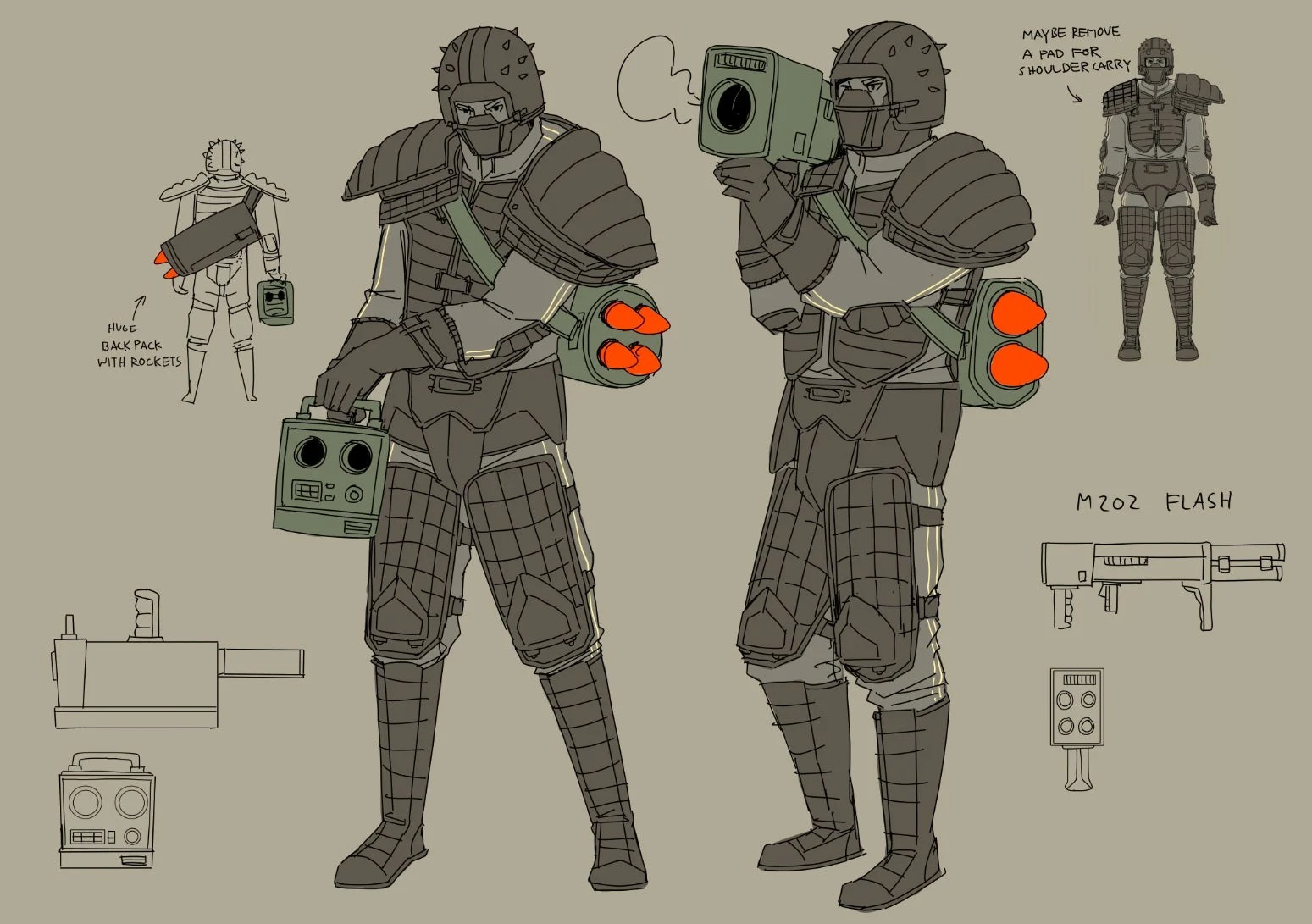
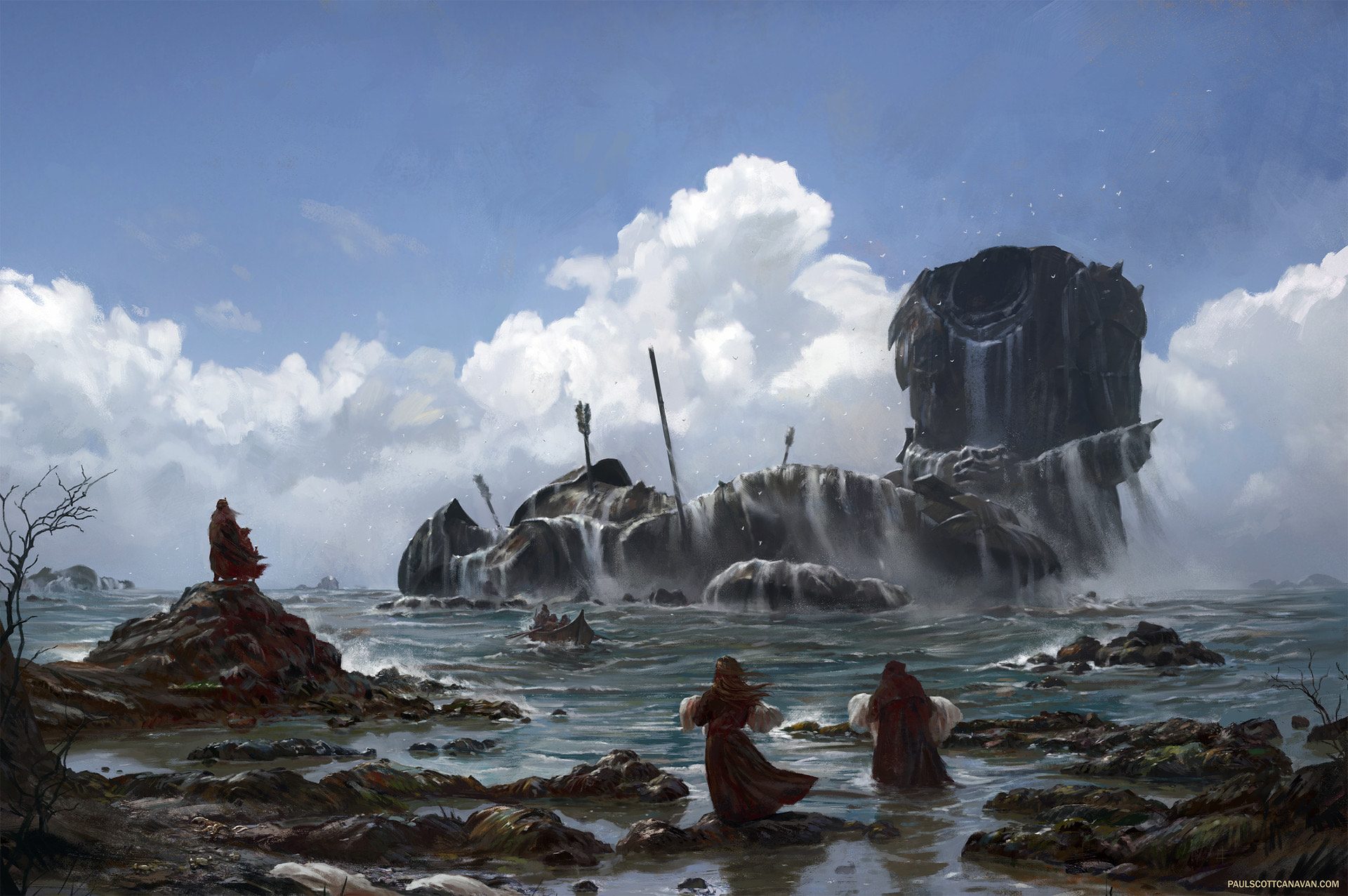
Paul Scott Canavan is an artist who has worked as an art director and concept artist for projects like Destiny 2, Heroes of the Storm, Guild Wars 2, and Netflix’s The Witcher. He believes using generated reference images entails “the same problem generative AI has across the board: there is no originality.”
“AI consumes art and media from across history, but it can’t actually make anything substantially new. It can’t invent new fashion trends or design interesting characters; it just amalgamates stuff it has absorbed with no real intention.”
Other artists also say understanding intention is key – the context behind why certain decisions or choices have been made throughout history or for a science fiction world. As creatives helping to build new, fleshed-out worlds for videogames, they need to consider the intention behind every choice.
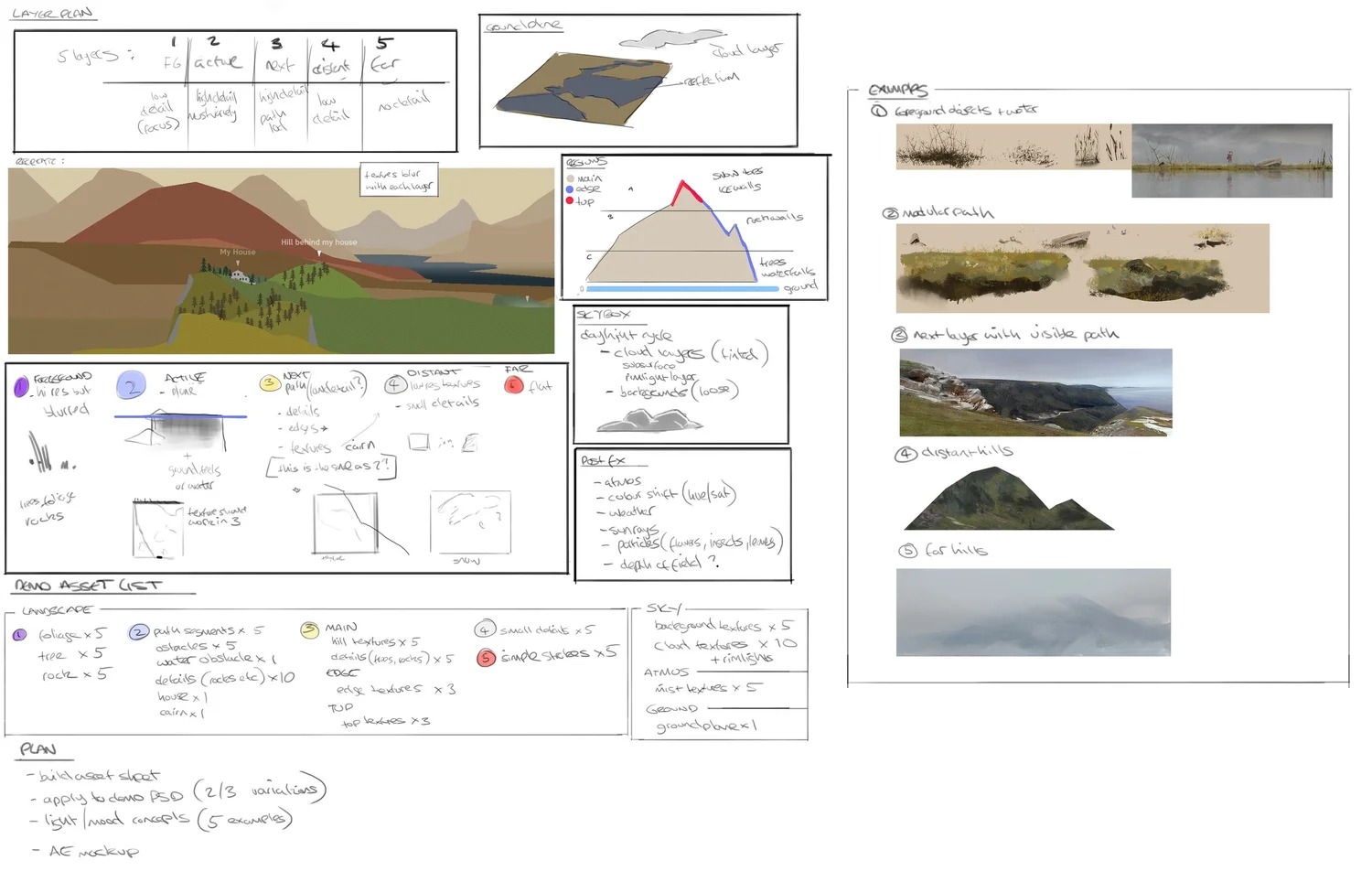
A generated AI image “presents me with a spoiled broth, I don’t know where the ingredients came from,” as Kirby Crosby puts it, and working to break down those amalgamated images back to their original components to dig for their original context naturally takes time.
One senior concept artist, who wished to protect their identity due to their role at a major developer, told us that studio leadership currently asks them to work from AI-generated reference material. They said they would often have to “reverse engineer where the pieces of the image composite came from, and work off what I’m able to find off careful searches on the internet. Things like hairstyles, clothing, props, and so on.”
In addition to ensuring the company was protected from potential legal blowback, given the project was a well-known IP, this artist reasoned that this task was something they felt they had to do in principle, for the benefit of their peers – “…so when I’m putting a design package together for a 3D artist either in house or offsite, they have actual references they can use instead of having to waste time deciphering what’s in the output image ‘references.'”
“I feel responsibility for the others I work with on my projects, for me it’s a normal part of my job.”
Even at companies that don’t mandate the use of generative AI reference material, several artists we spoke to also mentioned the increased difficulty of sourcing original reference material online, amid a sea of generative AI images – images that anyone, even non-artists, can easily whip up.
“How About Something Like This?”
The concept artists we spoke with all indicated that their preference was to avoid generative AI reference material, but at some studios, it’s difficult. Freelance and contracted artists also said that it was increasingly becoming common for clients and companies to use generated AI images as part of initial and ongoing briefs. Both seem to be undesirable situations, which artists believe largely stem from leadership who are unfamiliar with what their job actually entails.
“I’m seeing more and more clients generate something approximating their desired outcome and essentially asking me to make ‘something like this,'” said Canavan. “It sucks. This practice absolutely invalidates the entire creative process, in my opinion, and makes my job harder and more frustrating. The job of an illustrator or concept artist is to draw from their years of experience to interpret a brief in a creative way.”
“Those images clients show you have an insidious way of worming their way into your head, and I find I have to do a lot more work to sort of flush the system to break away from those inputs,” said Kirby Crosby. “And now my client has a very specific image in their head.”
One artist working at a medium-sized studio, who wished to remain anonymous, remarked that “non-artists have gotten so used to expecting a ‘polished product’ from [generative AI tools] that it’s become hard for them to imagine what sketches or concepts might look like later down the line.”
“Executive and leadership implicitly demand being shown “a final product” otherwise they don’t understand what they’re seeing,” said an aforementioned anonymous artist.
Having a generated AI image thrown into your briefs or reference pool can “plant an image in the client’s head which becomes difficult to iterate upon,” said Canavan. “So my job turns into arguing with said client about why my ideas are better than whatever series of flashy nothings they generated this morning.”
“Many people try to make the case that… feedback could be provided on a “finished” looking genAI image and you could use genAI to create the same iterations faster; but that’s not how human brains work,” said another developer at a large studio, who also wished to remain anonymous.
“When I show someone a rough sketch they see it differently than I do. They’re not seeing the sketch, they’re seeing the potential for what the sketch could be through their own taste and experiences, and it sparks all kinds of wonderful ideas that I would’ve never thought of on my own.”
In some instances, in-house artists at established companies are being asked to try generating their own reference material, based on their own work, to better illustrate different ideas for other teams.
Another separate artist working at a large co-development studio, who did not wish to be identified, said that “trying to [AI] generate exactly what we have in mind is almost always impossible… I don’t think I’ve ever felt like the end result was worth the time when I could have just done a quick sketch to show the same idea”.
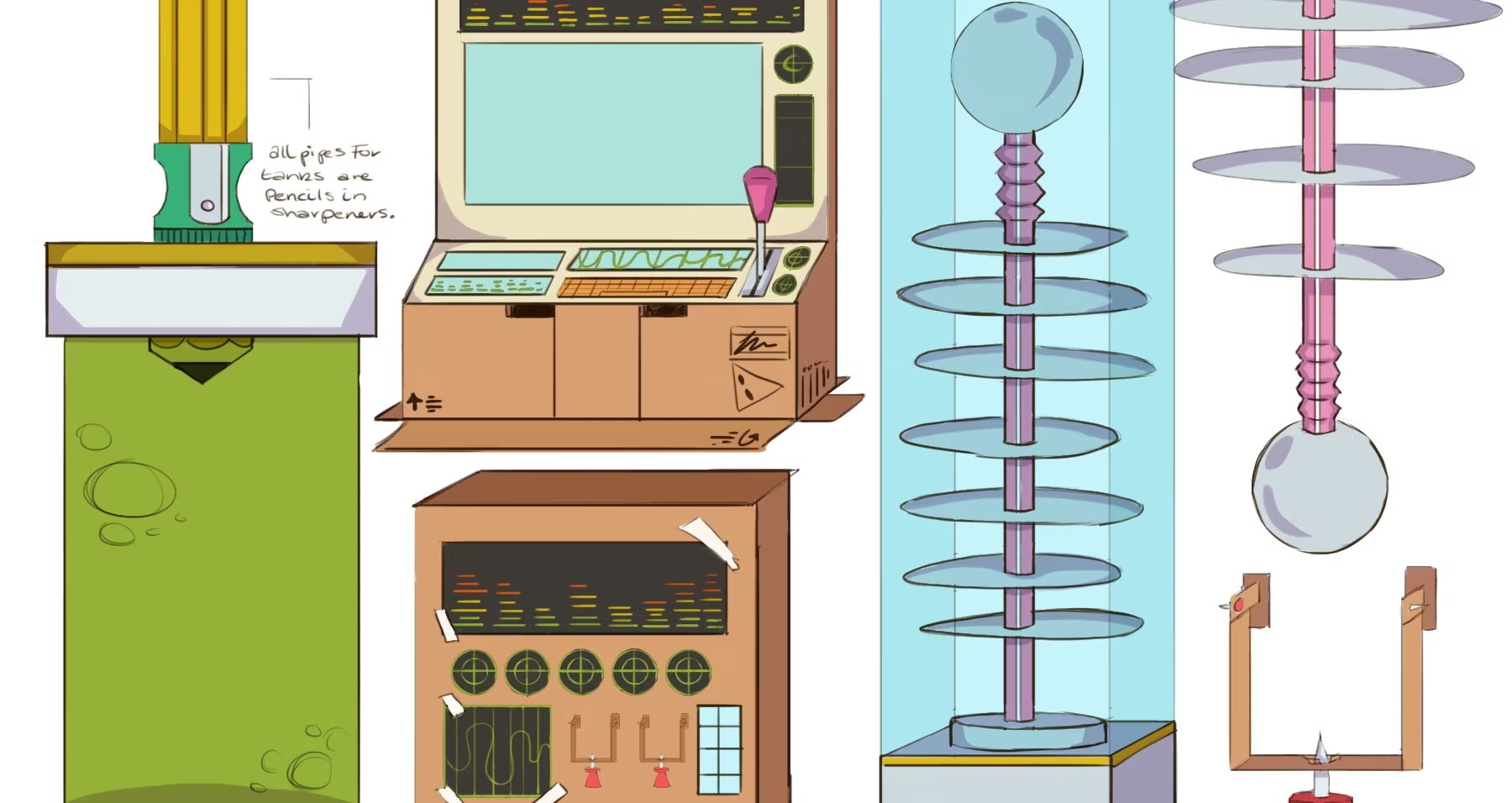
Mutimer says she’s had some luck turning the push for potential AI-led efficiencies around with her clients. “Managers and producers who bring it up are often well-intentioned, but ultimately once I explain the process of making games and what it requires, it’s dropped,” she says. “Generally after a discussion it becomes apparent that whoever is pushing for it has a lack of understanding what art creation for a game actually entails.”
“I do find that those managers do try and justify smaller uses for it later – ‘We won’t use it for art! But what about internal documents or copywriting?'”
No Way In
A long-term side effect of some concern was the potential for generative AI image tools, used by artists and non-artists alike, to leave emerging generations of artists behind when it comes to professional opportunities.
In the wake of Vincke’s comments, prolific concept artist and illustrator RJ Palmer, who specialises in monster design, remarked: “The thing that’s so insidious about using AI this way is that one of the main ways artists get hired are studios looking for art references,” after which “they find us and reach out.”
“My career only exists in the way that it does now because a production designer was googling ‘realistic pokemon’ and found me,” he said. “If he could have just had a machine spit that out, I never would have gotten a job. This is a major issue hitting artist discoverability.”
Indeed, the few early and mid-career artists we spoke to suspected that generative AI was reducing the demand for their skillsets.
One mid-career artist, who wished to remain anonymous for fear of increased difficulty in finding employment, had a portfolio which included a significant amount of work for one of the most popular videogames of the last decade, after initially working in traditional graphic design and illustration.
Regarding their attempts to find further employment in the videogame industry, they said “I was sure my career was going to get easier. That’s a big name game! It did not go that way.”
They believe that generative AI has only compounded other difficulties facing professional artists, including a perceived industry shift to preferring artists specialising in certain areas, and companies outsourcing work to more affordable regions, like Southeast Asia.
“Big studios only hire leads and seniors and even for concept art… Everything feels extremely impossible – I drew every day of my life and got a BFA in animation, I supported myself with art for a full decade, and these people think this environment-destroying plagiarism machine is better than us?”
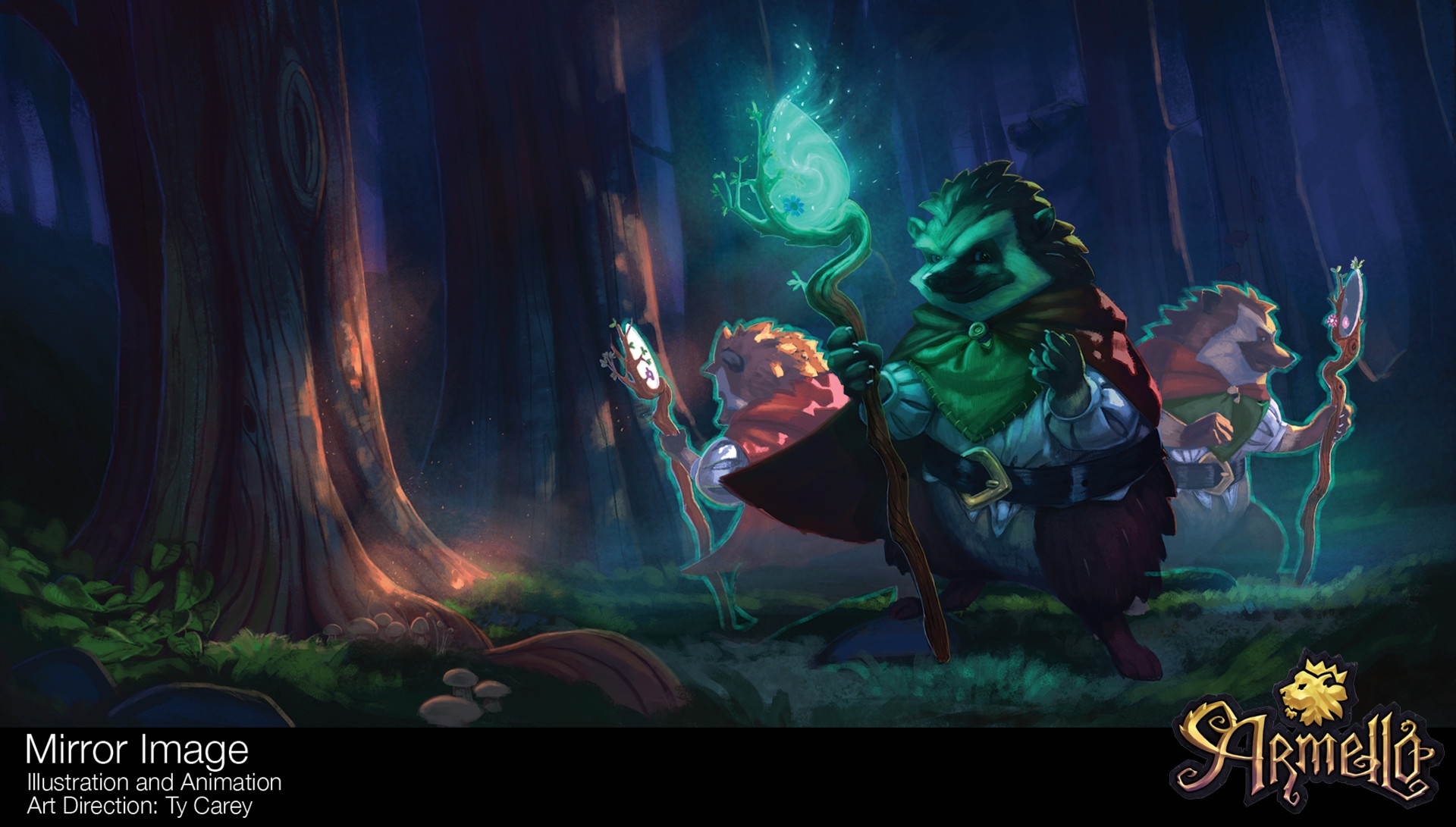
Kirby Crosby, who now teaches a new generation of artists while working on various projects, credits his career trajectory to being given an entry-level role at a studio who could “take a chance on me, trust that I could grow as an artist, and spend the extra time coaching, critiquing and showing me the way they did things.”
“One day I will leave this industry, and sadly this mortal realm, and I won’t be able to pass on that knowledge to anyone else. But if we use AI to do the menial tasks that would otherwise be done by juniors like I once was, then that knowledge will get lost.”
Benefit of the Doubt
While some of the concept artists and illustrators we spoke to confirmed that they had dabbled in using generative AI tools, many said they were quickly turned off by issues like the technology’s impact on the environment, and its ethical and legal concerns.
Others addressed the idea that image generation tools could help break through mental blocks and tedious work, suggesting that the struggles and friction of creativity were important to the process.
Several individuals expressed concern with Vincke’s comments about Larian’s AI use. “The ‘early ideation stages’, when worlds are being fleshed out by writers and artists, are literally crucial to the development of a game’s vision,” stressed Canavan. “This is what concept artists were made for. Why would you pollute that glorious creative movement with joyless, photocopied art?”
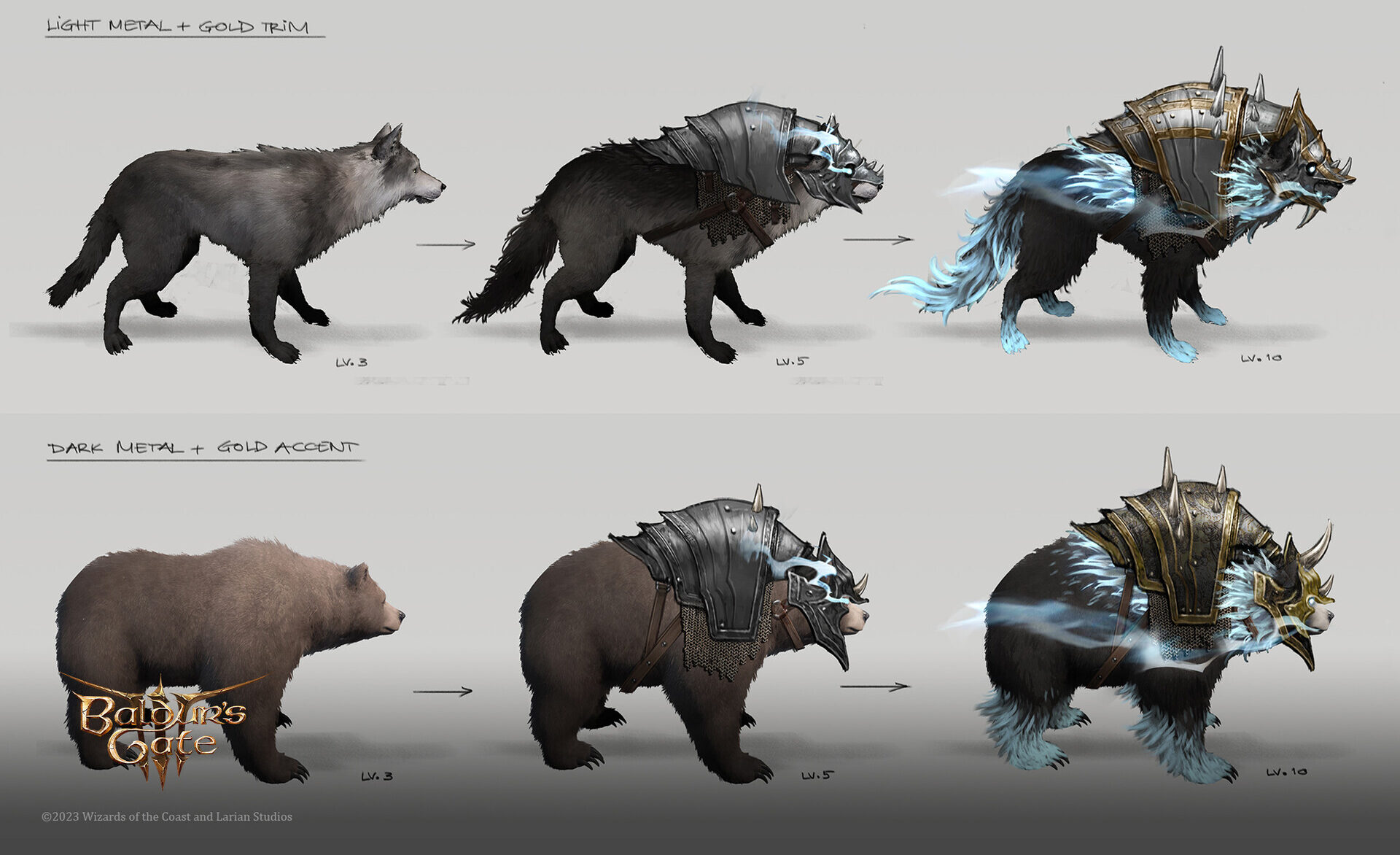
Mutimer chalked Vincke’s comments up to well-intentioned, but poorly thought out sentiment. “I see Larian as a studio that clearly values creativity and the craft of game-making, I think that is undeniable. However, they are still a workplace, and nearly every workplace right now is grappling with a CEO or a group of managers who have become ‘AI guys’ intent on solving a problem with productivity that they cannot articulate and that I feel doesn’t actually exist.”
“Workers in games are spoken for by other people, because more often than not we’re legally not allowed to speak for ourselves,” Kirby Crosby explained. “Naturally I wonder if there is a disconnect between these two levels of development…it’s fantastic that with their success they’re employing more artists and expanding their work, especially right now. I wish them the best. I hope they change their mind about using AI.”
“I very much hope that Larian rethink their use of GenAI within their process, and that more people consider how creativity and invention has shaped our world,” Canavan concluded. “We’ve made lots of cool stuff. Let’s keep doing that.”
Words by Edmond Tran. Images courtesy of Kim Hu, Tan Burci, Jack Kirby Crosby, Paul Scott Canavan, Lucy Mutimer, Nguyễn Thị Hoài Châu, League of Geeks, Roll7, SMG Studio, Wizards of the Coast, and Larian Studios. Header image by Kim Hu.