A prayer is whispered over a keyboard in a room that smells of stale Red Bull and generator fumes. Half a world away, a phone rings in a quiet suburban kitchen, and a voice slides into a practiced accent, ready to perform a script of polite urgency. In a guarded compound on a mosquito-infested riverbank, a flirtatious message is carefully crafted by a captive, part of a seduction that will unfold over months. Lines of code, elegant and predatory, snake across continents from a room with almost no windows, searching for a single, critical flaw. A promise of impossible luck crackles down a bad phone line, its charm laced with something harder, something menacing. From a single encrypted laptop in a humid metropolis, an order is dispatched that moves not just data, but drugs, guns, and gold.
This is the quiet hum of a shadow economy, a global network of liars, hustlers, and thieves speaking in a hundred different languages but fluent in the universal grammar of human weakness. This is the world map; redrawn by the stories we are willing to believe.
The thesis is simple and insulting. The scam your society produces is not an accident. It is a confession. It is a diagnostic test of its soul, a cultural Rorschach blot inked in stolen money. The level of sophistication, the choice of victim, the preferred distance from blood, the myths the scammers tell themselves to sleep at night. All of it is a compressed, hideously honest portrait of the people, the government, the gods, and the history that made them.
You can learn something about a culture from its museums. You learn something much more raw from its fraud.

Start in Nigeria, because that’s the ur-text, the foundational myth. The Nigerian prince email was the original sin of global scamming, a meme so potent that people in Idaho who couldn’t find Lagos on a map can quote the script by heart.
The classical version is almost folk art in its clumsiness. Bad spelling, absurd titles, a stranded diplomat who, for reasons of cosmic urgency, needs your specific Western bank account to move forty-seven million dollars. It reads like it was written by a teenager who has watched too many Nollywood melodramas and half-listened to a Pentecostal sermon about instant abundance. That is, more or less, what it is.
The absurdity was the filter. If you reply to a message that screams “I AM A SCAM,” you have self-identified as the perfect mark. The scammers weren’t wasting time on skeptics. They only wanted the lonely, the greedy, the arrogant,
the people for whom the story, no matter how ridiculous, fit a pre-existing fantasy about Africa being a place of hidden treasures and inept officials.
Fast forward. The boy is no longer in a sweaty internet café. He’s in a serviced apartment in Lekki, surrounded by ring lights, burner phones, and a Telegram group sharing tips on how to bypass two-factor authentication. The old 419 letters have evolved. Now it’s romance scams, business email compromise, and fake investment platforms. Whole flats are dedicated to training new recruits in the arts of phishing, scriptwriting, and how to coax a lonely American divorcee through a wire transfer without tripping the bank’s fraud alert.
This didn’t happen in a vacuum. West Africa is young, hyper-connected, and seething with frustrated ambition. You have university graduates driving Uber and teenagers who watched their parents survive through sheer, unrelenting hustle. They grew up watching politicians loot the treasury with impunity, living lives of cartoonish opulence. They attend churches where pastors preach that wealth is a sign of divine favour, to be seized instantly. Against that backdrop, tricking a clueless oyibo in a distant country doesn’t feel like a mortal sin. It feels like finally getting to play the same game as the big men.
So the scams become performance art. They are loud, flamboyant, and shameless. There are Afrobeats songs celebrating the “Yahoo Boy” lifestyle. Liquor brands sponsor club nights where men known for their online activities spend more in one night than their parents could save in a decade. When the influencer Hushpuppi flaunted his private jets and designer clothes before being arrested for laundering hundreds of millions, the shock among his fans wasn’t that he was a thief, but that he got caught. He hadn’t broken the social contract; he had perfected it.
And the magic sits right next to the laptops. In a fusion of digital hustle and ancient belief, some crews bring in spiritual specialists: a babalawo or juju priest, to perform rituals. They believe certain charms or brutal ceremonies can make victims more suggestible or shield them from law enforcement. There are documented cases of ritual killings tied to this belief system, a grim intersection of the dark web and darker traditions.
The defining trait isn’t corruption or violence. It’s the blend of street theatre, religious fervour, and narrative seduction. These are story cultures, where the most prized skill is the ability to talk, to charm, to improvise. The scam is a pure expression of that. The technology is basic, the code often off-the-shelf. The art is in the story, the sheer audacity of telling an American that a Nigerian astronaut is stranded on a secret Soviet space station and needs three million dollars for the return flight. The fact that someone, somewhere, believed it tells you everything you need to know about both the storyteller and his audience.

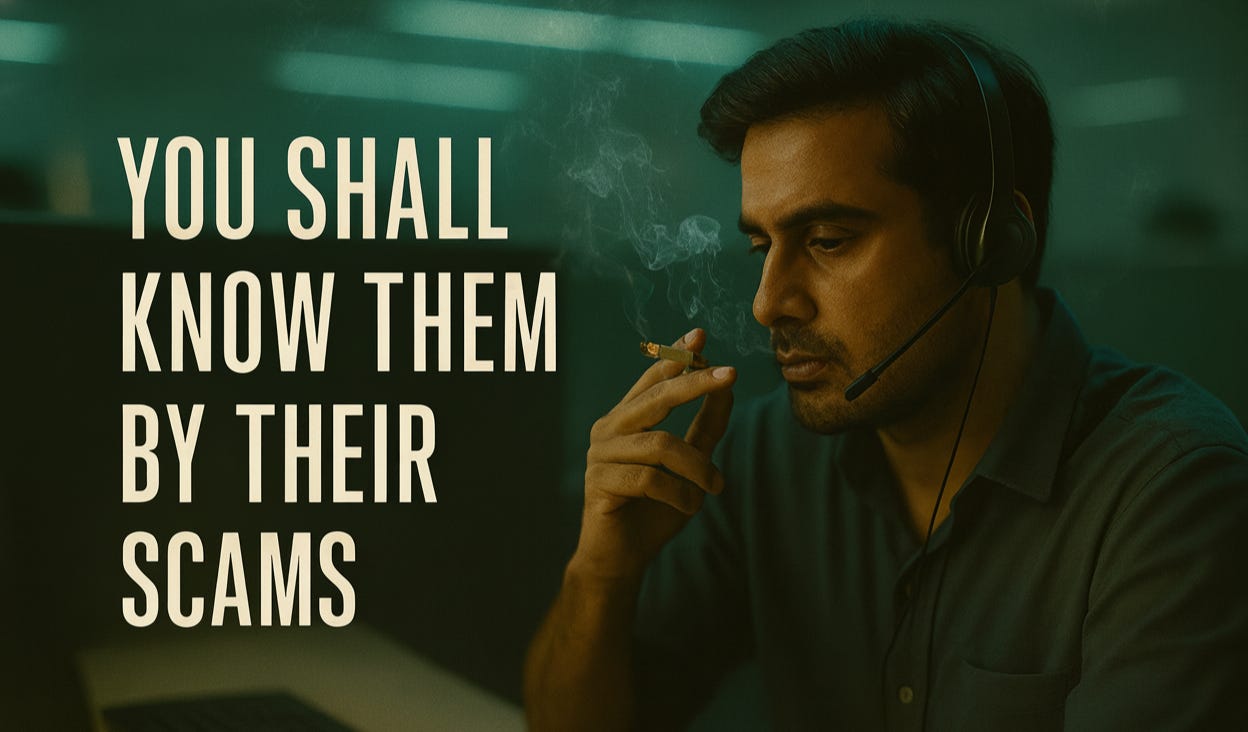
If the Nigerian scam is an improvised folk tale, the Indian scam is a scripted corporate play. The perpetrator sits in a real office chair, under a motivational poster that reads “SUCCESS,” committing crime in a nine-to-five format.
The scene is a masterpiece of banality. A phone rings in a quiet suburban kitchen in Ohio. A nervous but impeccably polite voice claims to be from Microsoft, or Amazon, or, most terrifyingly, the IRS. There’s a virus on your computer, a fraudulent charge on your account, an arrest warrant out for tax evasion. The tone is a perfect blend of urgency and reassurance. They can help you, but only if you follow their instructions right now.
Behind that call is a perverse shadow of India’s economic miracle. Real call centres, the Business Process Outsourcing (BPO) industry, are a cornerstone of the modern Indian economy. These scam centres are their evil twins. Same rented office space, same rows of cubicles, same headsets, same language training. The difference is that their business model is pure extraction.
Agents are trained like psychologists, listening for the tremor of fear in a victim’s voice. The moment confusion sets in, they push for remote access. Once inside the computer, they perform a digital pantomime, planting fake error messages and dragging innocent files into folders labelled “VIRUS.” Then comes the close. The refund that was “accidentally” sent for $5,000 instead of $500, which you must now pay back. The only way to stop the imaginary hackers is to move your life savings into “secure” crypto wallets. Or, in the most sublimely absurd twist, the demand for payment in Apple gift cards. The IRS, that famously efficient and tech-forward agency, has apparently decided that the best way to settle back taxes is through the currency of teenage allowances.
When authorities raid these places, they don’t find a few street kids. They find a corporate hierarchy: hundreds of employees, payroll records, HR documents, even a break room with a subpar coffee machine. This isn’t the work of desperate individuals; it’s organized crime that has adopted the aesthetics and structure of middle management.
This is the dark side of jugaad, India’s celebrated cultural knack for clever, frugal improvisation. It’s the spirit of hacking the system, but applied to another person’s life savings. The violence is psychological, not physical. The scammers want you compliant, not terrified into hanging up. They will call you “sir” and “ma’am” with excruciating deference while they methodically empty your bank account. This fits a culture that often prizes surface-level politeness and indirectness. The cruelty is hidden beneath a thick veneer of customer service.
The global service economy built an entire infrastructure for remote empathy and technical assistance, and a percentage of that talent inevitably leaked sideways. When your most marketable skills are accent neutralization and proficiency with remote desktop software, and the legitimate jobs pay just enough to keep you poor, the fraudulent call centre down the street starts to look less like villainy and more like a logical career move. The Indian scam is a distorted echo of the legitimate economy. Same building, same headset, same script. Only the consent has been removed.

If Nigerian scams are short stories and Indian scams are one-act plays, Chinese “pig butchering” is long-form, multi-season television. The pilot episode opens with a “wrong number” text or a casual “hello” on a dating app. The season finale is your entire net worth dissolving in a crypto wallet you don’t control.
The method is a marvel of patience and psychological manipulation. A scammer, using stolen photos of an attractive professional, builds an intimate relationship with a target over weeks or months. They talk every day, share dreams, build trust. Then, the hook: the scammer reveals they have a secret to their financial success: a proprietary method for trading crypto or foreign exchange, often guided by a brilliant “uncle” who works at Goldman Sachs. They invite the victim to try it with a small amount.
The victim is guided to a sleek, professional-looking trading platform. The interface is flawless. Early on, small investments yield impressive, rapid gains. The victim is even allowed to withdraw a little profit to prove it’s real. Confidence soars. The numbers on the screen climb. So does the amount of money poured in. Then, the script flips. Withdrawals are suddenly blocked for contrived reasons: taxes, fees, security checks. The solicitous lover turns cold and demanding, or simply vanishes. The account is frozen, then wiped.
It is a vast, industrialized process run from fortified compounds in the lawless border zones of Cambodia, Laos, and Myanmar. These are modern-day slave camps. Crime syndicates, many with links to the Chinese mainland, lure workers with fake job ads, then confiscate their passports and force them to run pig butchering scripts under threat of torture and starvation. One such operation, linked to a powerful Cambodian conglomerate with deep political ties, was alleged to be generating millions a day before being dismantled.
The case of Alice Guo, the Chinese-born businesswoman who materialized as a small-town mayor in the Philippines, is almost too perfect a parable. She allegedly used her office to facilitate permits for online gambling hubs that were fronts for massive scam operations, complete with on-site torture chambers for underperforming workers. Her story reveals the terrifying extent of the infiltration: the embedding of criminals into the political machinery of weaker nations to create sovereign-free zones for fraud.
This entire model has a distinctly contemporary Chinese character. There is hierarchy, brutal efficiency, and a willingness to industrialize anything, including human relationships. It reflects a culture where long-term planning and patience (guanxi building) are paramount. The scammer applies the same diligence to seducing a mark that a party official might apply to a five-year economic plan. It also reflects the speculative mania that has gripped China itself, where millions have been conditioned to believe in get-rich-quick schemes, from property bubbles to high-yield “wealth management products.” When those bubbles burst at home, the syndicates simply exported the model, building their own private, rigged casinos for the global market.
The ultimate pig being butchered is anyone who believes that intimacy and effortless financial returns can arrive simultaneously from a stranger on the internet. This is slow-cooking your victim over a low flame, a crime of chilling patience and strategic empathy. It’s what happens when a culture that prizes endurance, planning, and emotional restraint decides it wants your money more than it wants it quickly.
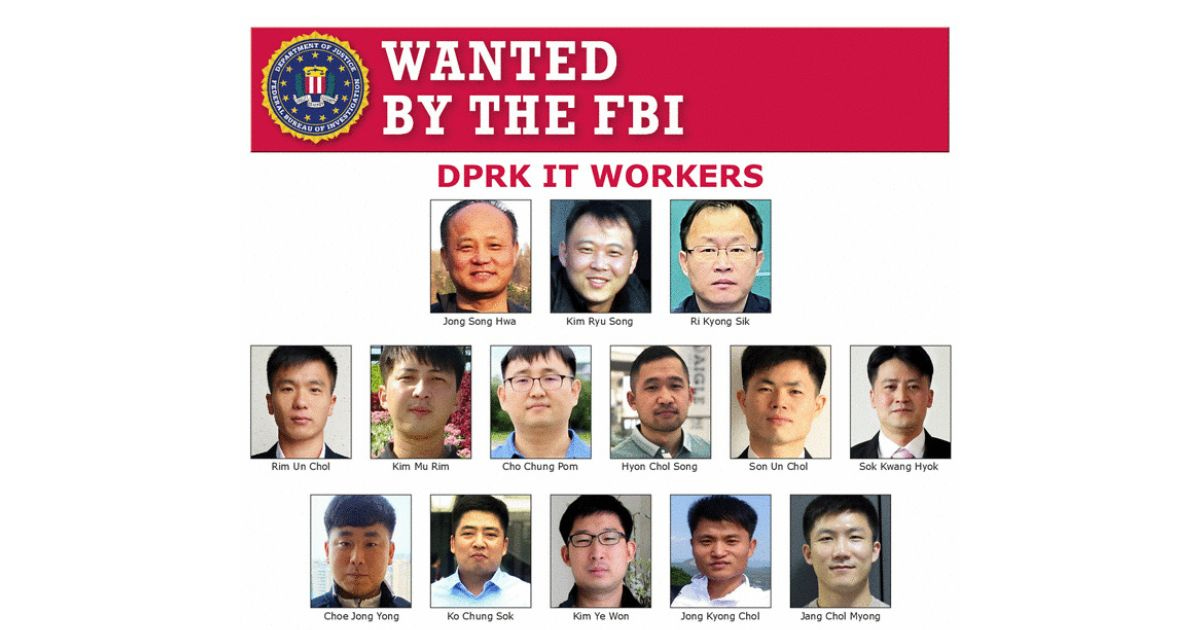
North Korean scams are almost refreshing in their brutal honesty. There is no seduction, no polite scripts, no elaborate folklore. There is only the cold, hard logic of a pariah state in need of foreign currency. The government identifies its mathematically gifted children, isolates them, trains them into an elite cyber-warfare unit, and points them at the global financial system. Their patriotic duty is to steal.
The 2016 Bangladesh Bank heist was their masterpiece. A team, widely believed to be the state-sponsored Lazarus Group, burrowed into the central bank’s systems. They used the SWIFT messaging network to send dozens of fraudulent transfer requests to the Federal Reserve in New York, aiming for nearly a billion dollars. Eighty-one million escaped before a single misspelled word: ”fandation” instead of “foundation”, triggered an alarm. It was statecraft by keyboard.
This is a state-directed campaign requiring years of reconnaissance, social engineering, and a global network for laundering the proceeds. The same group is credited with the Sony Pictures hack, the WannaCry ransomware outbreak that crippled British hospitals, and countless, relentless raids on cryptocurrency exchanges. They are the financial engine of a nuclear-armed gangster state.
The culture is collectivist, hermetically sealed, and driven by a powerful narrative of siege. The hackers aren’t told they are criminals; they are revolutionary soldiers fighting a hostile imperialist world. Stealing from a Western bank isn’t a crime; it’s a righteous blow against the enemy. The state provides the moral justification, so there’s no need for the personal rationalizations of a Yahoo Boy or the feigned empathy of a pig butcherer.
The style of harm is a direct reflection of the regime itself: cold, impersonal, and infrastructural. The victim isn’t a person to be persuaded, but a system to be breached. If West African scams are overheated prosperity sermons and Chinese scams are weaponized dating apps, North Korean operations are the accounting department of a weapons program. Because that’s precisely what they are.
I have a really fun an interesting piece about North Korean hacking and the nature of money here:


Russian-speaking cybercrime is the R&D department for the entire global underworld. If a gang in Brazil is deploying ransomware with professional tech support, or a kid in Lagos is using a slick new phishing kit, chances are an engineer in a bleak apartment block outside St. Petersburg wrote the core tools and sold them on a subscription basis.
The stereotype is of vodka-soaked men in tracksuits. The reality is often a graduate with a PhD in theoretical mathematics from a top Soviet-era university who realized his degree wasn’t going to pay the bills in the new crony-capitalist Russia. So, he applied his formidable skills to the nearest liquid market: global theft.
A fascinating, unspoken rule governs this world. Many of the most potent malware strains are hard-coded to check the language settings of a target machine. If the system is set to Russian, Ukrainian, or another language from the Commonwealth of Independent States, the malware deactivates itself. Ransomware gangs explicitly forbid their affiliates from attacking targets within Russia. The message is clear: rob the world, but don’t bring the FSB to our doorstep. This is pragmatic, cynical patriotism. Foreign victims are just data; domestic victims are a problem.
The form of the crime reflects the culture that shaped it. The Soviet education system created a surplus of brilliant engineers and mathematicians. The collapse of that system created a society that rewarded rule-bending and a deep, world-weary cynicism. The Russian hacker is the heir to both traditions. The scams are rarely about conversation. They are about exploits, silent infiltrations, and unbreakable encryption. Ransomware crews operate with the chilling professionalism of a Silicon Valley startup: press releases, service desks for negotiating payments, and revenue-sharing agreements.
This combination of high intellect and profound cynicism is the hallmark. It’s the culture of a people who have seen empires rise and fall and have concluded that the only rational response is to build your own fortress and pull up the drawbridge. The Russian scam isn’t a story about love or a fake Microsoft warning. It is a piece of elegant, brutalist code that assumes the world is a hostile system, and if you don’t exploit its weaknesses, someone else surely will.

Picture another office tower, this time overlooking the Mediterranean in Tel Aviv. Frosted glass, good coffee, a logo that sounds vaguely Swiss and respectable. Inside, young, aggressive salespeople: men and women, often fresh out of their elite military intelligence units, sit at screens showing a sleek trading platform. It looks like a brokerage, feels like a brokerage. The only thing it’s actually brokering is financial ruin.
The product was called binary options. It was sold as a simple, high-tech way to trade the markets. In reality, it was a rigged casino. The house controlled the platform, skewed the prices, and made withdrawals impossible. At its peak, this industry was estimated to contribute over a billion dollars to Israel’s GDP, a staggering number for an enterprise that produced nothing but shredded retirement accounts in France, Canada, and Australia.
The whole operation ran on a specific Israeli cultural trait: chutzpah. The unshakeable self-confidence that borders on arrogance. Recruits were explicitly told to leave their conscience at the door. They adopted fake English names, invented impressive financial résumés, and used high-pressure sales tactics honed in a society that values aggression and improvisation. They weren’t selling a product; they were selling a fantasy of being an insider, of having access to a secret machine that spits out money. They made the victim feel smart for getting in on the secret.
When the global pressure became too intense, Israeli lawmakers banned the industry, but only after first banning sales to Israelis, a laughable admission that they knew perfectly well it was a scam. But you can’t just legislate an entire ecosystem of clever, amoral salespeople out of existence. They simply rebranded. Binary options became forex, CFDs, and today, “AI-driven” crypto-trading bots. The promise is the same: outrageous, risk-free returns. Ten percent a day, guaranteed.
This archetype makes perfect, if uncomfortable, sense. Israel brands itself as the “Start-Up Nation”: small, innovative, tech-savvy, and comfortable with risk. The Israeli education system and compulsory military service (especially in elite tech units like 8200) produce a stream of young people who are technically brilliant, highly disciplined, and trained in intelligence and psychological operations. For most, this fuels a world-class tech and cybersecurity industry. For a subset, it becomes the perfect toolkit for sophisticated financial fraud.
The Israeli scammer doesn’t tell you a folksy story about a prince or pretend to be a lowly tech support agent. He tells you a story about being smarter than everyone else. It’s not a scam of desperation, but a scam of intellectual superiority. He doesn’t use violence; he uses jargon. It is a crime of simulation, a gun replaced by a dashboard full of flashing green numbers. It appeals to the victim’s greed, but also their arrogance. It’s a scam built by people who believe they’re the smartest guys in the room, for people who want to believe the same about themselves.
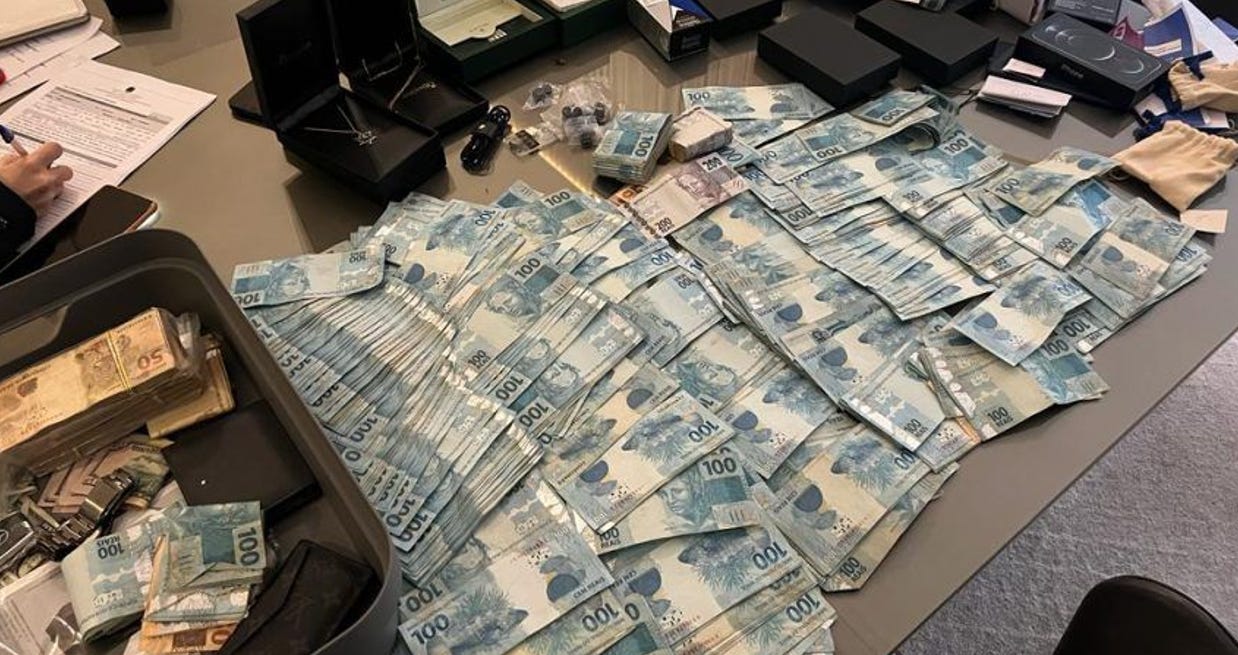
Where Russian scammers hide behind code and Israeli scammers hide behind charts, Jamaican lottery crews hide behind a single, beautiful sentence: “You have won.”
For years, this has been the national criminal export. From makeshift call centres in the backrooms of Montego Bay, a voice oozing with charm phones an elderly woman in Iowa. He tells her she’s won the Publishers Clearing House sweepstakes: millions of dollars and a new Mercedes are waiting. The genius of the scam is its simplicity; it weaponizes hope. Its true power, however, is what comes next. To release the prize, she must first pay the taxes and fees. A few thousand dollars. A wire transfer. Simple.
But if she hesitates, the mask slips. The charming Jamaican uncle, full of “bless ups” and congratulations, vanishes. In his place is a voice made of gravel and menace. He knows her name. He knows her address. He has “people” in her state, he explains calmly. He wonders aloud how her grandchildren are doing. The promise of a fantasy life is replaced by the threat of a real-world death.
This is the key distinction of crime born from a culture of endemic violence. It is not about intellectual superiority or technical finesse. It is about the brutal, efficient application of fear. The Jamaican lottery scam, which at its height was a billion-dollar industry employing more people than the drug trade, did not grow out of a vacuum. It was a direct evolution from the island’s powerful gang culture. The same “posses” and “dons” who controlled the cocaine trade in the 80s and 90s realized that phone fraud offered better profits with far lower risks. The same networks used to move narcotics were repurposed to move Western Union transfers. The same enforcers used to protect turf were now implicitly leveraged to terrorize a retiree in Florida. The scam works because the threat is credible. Everyone has seen the headlines about Jamaica’s murder rate; the violence is a known feature of the brand.
This is the signature of crime across much of Latin America. In Mexico, where cartel violence has saturated the national consciousness, scammers invented the “virtual kidnapping.” The phone rings. A woman hears screaming in the background that sounds just like her daughter. A harsh voice comes on the line, claiming to be from a cartel. They have her. They demand an immediate, relatively small payment: a few hundred or a thousand dollars, wired to a local convenience store before the family has time to think or verify. The screams are often a recording. The daughter is safe at school. But in a country where beheadings and disappearances are grimly commonplace, the lie lands with the force of truth. The scam is a parasite that feeds on a pre-existing ecosystem of terror. The criminal doesn’t have to create the fear; he just has to activate it.
What does this tell you about the cultures that produce these crimes? It reveals a worldview shaped by fragility and impunity. In a society where the state has lost its monopoly on violence and life feels cheap and precarious, there is no time for the long, patient seduction of a Chinese pig-butchering scam. The goal is immediate extraction. It’s a smash-and-grab mentality born from the belief that the future is uncertain and planning is a luxury. Why build a complex system when a simple threat will suffice?
The scammer’s view of his target is different, too. He does not see a “pig” to be fattened or a “client” to be conned. He sees prey. The interaction is primal. It is based on the two simplest levers of the human brain: greed and fear. First, you offer the carrot: the impossible prize. Then you bring out the stick, the credible threat of harm. There is no attempt to build rapport or intellectualize the process. It is a crime of dominance, not deception.
These methods are often technologically clumsy. The calls are made over crackling VoIP lines. The money is collected through traceable, low-tech methods like MoneyGram. But the lack of technical sophistication is the entire point. It’s a feature, not a bug. In these societies, power is not demonstrated by elegant code or a convincing website. It is demonstrated by the raw, unambiguous ability to inflict harm. The lottery scam and the virtual kidnapping are the logical extensions of that worldview into the digital age. They are acts of intimidation, telling you that in this part of the world, cleverness is a useful tool, but raw power remains the most respected currency of all.

Every rule needs an exception, the figure so monstrously unique he breaks the template. Paul Le Roux is that exception. He is what happens when a single individual becomes a culture unto himself.
Born in Rhodesia, raised in South Africa, and a citizen of the internet, Le Roux was a product of a fractured, post-colonial world. A white African, belonging nowhere and everywhere, he possessed the rootless, amoral ambition of a man with no flag to salute. He began as a brilliant, paranoid coder, creating world-class encryption software, E4M, a legitimate tool for privacy. But privacy is a short step from secrecy, and secrecy is the bedrock of crime. Le Roux took that step and never looked back.
From a heavily fortified apartment in Manila, running his empire from a fleet of encrypted laptops, he built the most versatile criminal enterprise in modern history. If the other scammers in this essay reflect their societies, Le Roux reflected the entire dark potential of a globalized, deregulated planet. He was a one-man ecosystem of criminality, cherry-picking the most effective traits from every culture of fraud.
He started with an online prescription pill operation, a marvel of cynical logistics that shipped vast quantities of painkillers to addicted Americans. It was a perfectly American-style crime: data-driven, quasi-corporate, with shell pharmacies and compliant doctors, grossing hundreds of millions. It had the slick, “legitimate” facade of an Israeli boiler room, selling a product that felt almost medical.
From there, he diversified with the cold logic of a hedge fund manager. He had the high-tech ruthlessness of a Russian engineer, using his coding skills not just for communication, but for things like missile guidance software he tried to sell to Iran. He adopted the impunity and raw resource-extraction mindset of a West African kleptocrat, smuggling gold out of conflict zones and clear-cutting pristine timber in the Solomon Islands. He partnered with North Korean state actors to produce and distribute a purer form of methamphetamine, becoming a direct business associate of the Lazarus Group’s sponsors.
And when business required it, he embraced the casual, brutal efficiency of a Latin American cartel boss, ordering the murders of his own employees, couriers, and rivals with chilling detachment. His violence wasn’t chaotic; it was a business expense, calmly entered into the ledger.
Le Roux wasn’t just an insane genius; that’s too simple. He was the logical endpoint of a world where technology has outpaced law, and nationality has become a flag of convenience. He possessed the technical brilliance of a Russian, the long-term strategic patience of a Chinese syndicate boss, the corporate disguise of an Israeli fraudster, and the raw, violent will of a Jamaican don. He was a walking, talking synthesis of global crime.
He proves that once you understand the underlying patterns of fraud, the cultural logics of deception, coercion, and seduction, you no longer need to belong to any single culture. You can simply play the entire map, setting up your operations wherever the laws are weakest and the victims are ripest. Paul Le Roux is the ghost in the global machine, a man who demonstrates that the most dangerous culture of all is the one with no borders.
I implore you to read one of the most exciting and captivating pieces I have ever read about someone. This piece chronicles his life, his criminal enterprise and his downfall. Apart from being an exceptional piece, it is also an exceptional story that one can hardly believe because I haven’t ever seen a James Bond villain trade North Korean meth for Iranian ballistic missiles:
https://magazine.atavist.com/2016/the-mastermind
Let’s state the thesis one last time, as plainly as possible. The scam your country produces is not its shameful exception. It is its national character, distilled to its most cynical, efficient form.
Where government is a theatre of thieves and religion is a prosperity lottery, you get scams that are folk tales of miraculous windfalls whispered through a Gmail account. Where an economy trains millions in scripted empathy for export, you get scams that are a perfect mimicry of corporate servitude, with the billing reversed. Where a society prizes long-term strategy and views its people as cogs in a great machine, you get scams that unfold over months, run by trafficked workers in industrial parks of fraud. Where a state is cornered, you get a national hacking program. Where intellectual horsepower outpaces honest opportunity, you get ransomware as a service, complete with a patriotic kill switch. Where a culture’s self-mythology is built on being the smartest, most innovative underdog, you get financial scams that weaponize intellectual arrogance, selling the victim on the idea that they, too, are part of a secret, elite club. And where violence is the daily weather and the state is a fiction, you get crude, brutal scams that leverage the simple, primal power of fear.
This isn’t to say that all Nigerians are princes or all Israelis are financial predators. That is the refuge of the simple-minded. The vast majority of people in these places are the primary victims of the chaos, corruption, and cultural pressures that allow these industries to fester. The point is more humiliating. It is that under the unique weight of their history and circumstances, this is the shape their society’s darkness takes.
But there is one final, uncomfortable truth. The scammer isn’t just a mirror of his own world. He is a brutally honest mirror of ours.
You, the consumer of these scams, are the final, indispensable variable in the equation.
To be scammed is to be told, in the bluntest terms possible, what your weakness is. It reveals the pathetic fantasies you cling to, the voids in your life you are desperate to fill. The scammer has not chosen his method at random. He has diagnosed you from a thousand miles away.
The Nigerian prince scam works because you, on some level, harbor a colonial fantasy of Africa as a land of foolish, rich men who need a Western saviour to manage their affairs. The Indian tech support scam works because you’ve been conditioned to outsource your problems to polite, brown-skinned people and are fundamentally terrified of the technology you depend on every second of the day. The Chinese romance scam works because you are so achingly lonely, and so hungry for the dream of effortless wealth, that you will believe a beautiful stranger you’ve never met has fallen for you and also happens to have a secret crypto algorithm they are dying to share. The Israeli investment scam works because you are arrogant. You believe you are smarter than the market, smarter than the masses, and that you deserve the secret, 10%-a-day returns reserved for the true insiders. The Jamaican lottery scam works because a part of you believes in sheer, dumb luck, and another part of you is cowed by aggression.
The scammer is not just selling you a lie; he is selling you a lie you desperately want to buy. He has identified the precise shape of your own private delusion: be it of greed, romance, charity, intellectual superiority, or fear and he is profiting from it. His crime is an intimate, personalized affair.
There is no policy solution for this. You can arrest the callers, seize the Bitcoin, and shut down the compounds. But as long as the world is full of desperate, clever people in one corner, and lonely, greedy, and willfully ignorant people in another, the scams will simply change shape.
In the end, the fraud is the most honest transaction you’ll ever have. The scammer shows you exactly who he is by the story he chooses to tell. And you, by choosing to believe it, show him exactly who you are. It’s a perfect, ugly, and unbreakable symbiosis.