The internet is eating our lives and brains. We’re all realizing at once that it doesn’t have to be this way. In 2026, I predict a lot of people will finally do something about it.
Yes, this cultural shift has a lot to do with AI and the everywhere-ness of digital interfaces. We’re tired of being on our phones. We’re sick of wondering if what we’re looking at is AI-generated. And as I discussed in my last post, we’re all lonely and DMing people on Insta isn’t solving it.
But this predictions piece isn’t AI doomerism. I don’t think the bubble is going to pop catastrophically, and I firmly believe the best AI startups will persist and thrive.
That said, I think we can all agree AI has been applied recklessly to problems it can’t adequately solve, or to situations where it isn’t really needed. While modern LLMs are clearly a useful innovation, something is definitely off when a company that has yet to turn a profit receives an eye-watering $500 billion valuation.
My prediction: in 2026, more people will make a concerted effort to touch grass and use AI only where it’s necessary. Companies may continue to push random AI functionality and try to get us to socialize online, but I suspect people will be more discerning about the tools they use and how they spend their time.
Before we dive in, though, I quickly want to cover the ‘why this, why now?’
One big driver is that we’re all feeling the effects of what many have started calling the emotional recession. Optimism, interpersonal connection, and emotional intelligence are down, while irritability, numbness, defensiveness, and volatility are up.
This issue is a direct result of our atomization. Isolation during COVID, the shift to remote work, and screen-mediated communication are the main contributors.
The second big thing is the attention crisis. We don’t have to spend too much time on this. Our attention spans have totally collapsed and it’s because of TikTok/Youtube/Reels, basically. We all know this.
Anyway, together, the increasing emotional recession and attention crisis make it seem like 2026 will be a bleak year. But I’m incredibly optimistic about it.
I predict 2026 marks the moment when we finally agree enough is enough, and start to change the way we live for the better and for good.
In 2026, being extremely online won’t be aspirational. People will be less enamored with a perfectly-curated Insta aesthetic. Instead, they’ll strive to be more analog, private, and hard to find.
People are already soft-quitting social media. Usage numbers peaked around 2022 and they’ve been sliding since, especially among younger users. Open any feed today and it’s mostly ads, AI slop, and vague acquaintances reposting other vague acquaintances. It’s pretty easy to see why people aren’t into it as much. It’s straight up way less fun.
Meanwhile, more and more people are expressing a deep desire to immerse themselves in our offline reality. Reddit’s r/digitalminimalism is steadily growing, and TikToks about “leaving the algorithm” are racking up millions of views. (I know what you’re thinking: online communities about being offline? Seems self-defeating, no? But people aren’t going to go cold-turkey; they’re just quitting a certain flavor of social media in favor of another. More on that later.)
A somewhat interesting barometer for the changes to come is the 2026 Pinterest Predicts volume. I recently looked it over with a designer friend of mine to talk about what the featured aesthetics might portend for the coming year.
I’ve seen a lot of scent stacking, scrapbooking, pen pals, analog rituals, and retro gear like film cameras, old gaming consoles, books, bookmarks, offline hobbies, and early 2000’s phones. I may or may not have just purchased a physical phone myself.
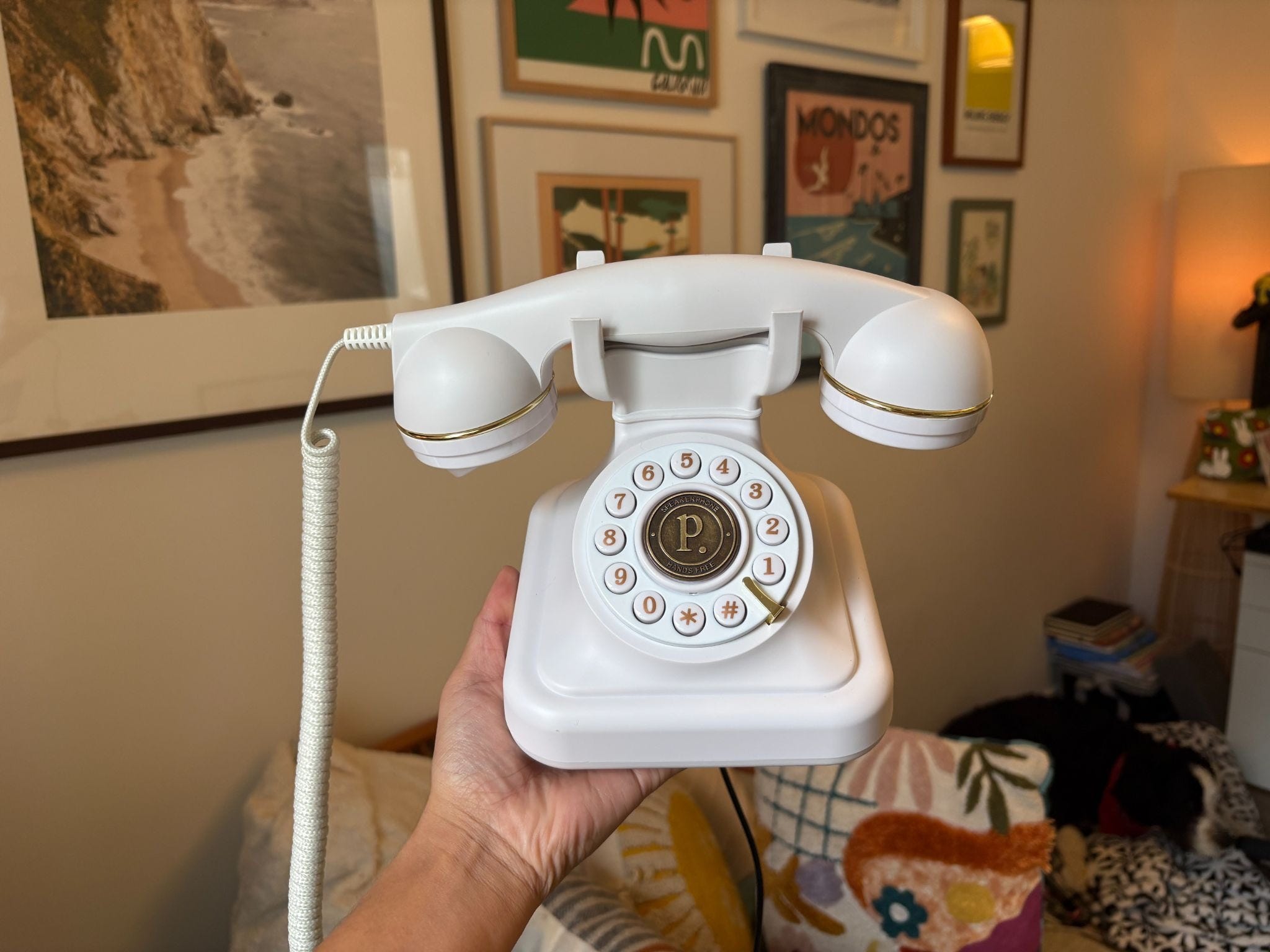
In a world that’s increasingly synthetic, automated, and uncannily convenient, we want things we can feel with our hands. We want friction and feeling and yes, even discomfort! The discomfort of waiting (for film to develop), the discomfort of inconvenience (in the form of T9 texting), and the discomfort of not having access to everything we want at all times (reading a physical book means sometimes you forget to bring it with you. And that’s ok now!).
For brands, this will land in a very real way. In 2026, one handwritten note will outperform 10 Reels. One well-designed physical object will generate more goodwill than a thousand pieces of algorithmic content.
Of course, this means you’ll have to be a bit more targeted re: qualifying your ICP. Physical items don’t scale like digital content. But it’ll pay off in a way an incisive TikTok can’t: your future customers will take notice faster and to greater effect.
Effort and experience will be at a premium. Ubiquity and convenience will matter less and less.
In 2026, social isn’t dead but it’s definitely not what it was. We’re still on it, but usage has plateaued and the goal for most users is to reduce screentime as much as they can.
The result is that the feed doesn’t feel alive anymore. So we’re going to start seeing what happens when network effects go wrong. Less posting will spawn a negative feedback loop where usage just continues to decrease across the board.
This creates an opportunity for forward-thinking brands. The opposite of massive networks of acquaintances and strangers isn’t nothing. It’s smaller, deeper, more intentional spaces.
You’ve probably felt this in your own life. I’m personally communicating more in groupchats and private Discord DMs vs. Insta DMs. I rarely post to the grid. I mostly just talk to people I actually know and have more than a surface-level relationship with.
These small, high-trust groups would be more accurately described as micro-worlds rather than social media sites. They’re places built around a vibe, fandom, relationship, or shared goal. To call back to the Pinterest 2026 trends report, there are hints of these micro-worlds in aesthetics like “Mystic Outlands”, “Poetcore”, and “Extra Celestial”. People are building small, cozy universes to escape into. And they feel more like the real internet than anything Meta’s building.
People won’t just change how they spend time. In 2026, what they want will be fundamentally different. They’re going to look for craft over quick, controversial hot takes, intimacy over engagement metrics, and quality interaction over reach. And that’s just the beginning. Culture is reactionary, and there will be differences all the way down, often in ways so subtle we won’t really know them til we see them.
Increasingly, people just want to be in a room with others who get it. They don’t want to passively consume whatever the algorithm throws at them. We know now that dark patterns make us sick, and IRL interactions help us regulate. We can’t unknow it, and tech companies have to accept that ASAP.
Brands do too. Going viral is both harder and less valuable than ever before. Focus instead on building micro-worlds where true connection can flourish between brand advocates, happy customers, and curious prospects.
Again, I don’t see the AI bubble bursting. It does do useful things. But the hype is going to die down from the absolute fever pitch that was 2025.
AI agents will help us automate our workflows and generative tools will help us put together first drafts and prototypes. These use cases make perfect sense and offer measurable ROI for businesses (at today’s pricing, at least). But people are not interested in letting AI replace everything that’s fun about being human. They’re largely creeped out by AI musicians and annoyed that every product is pushing them to try a flashy, frivolous AI feature.
But there’s a second-order effect here that matters more.
Because AI is indeed worthwhile in a business context, our careers (speaking to white collar workers) will forever feel less linear, and the knowledge that our jobs could change or disappear overnight has made it so that, for many people, our careers can’t function as a stable source of identity anymore.
So a lot of people --- including your prospects --- will turn to communities both online and IRL for networking and grounding. The social instability of a career-based identity will give way to something different out of necessity.
Community will become our reliable source of belonging, collaboration, and emotional support. Already, we’re working from home and hopping jobs constantly in tech. As it becomes more obvious to all that AI adds even more volatility to the old model of adult social life, we’ll see a clear demand for a consistent social group centered on shared interests and goals.
Combined, the shift looks like this: seeing AI in the wild is widely considered creepy and disheartening. And because its created such instability in white-collar industries, your prospects need community in a whole new way.
The brands that win in 2026 understand this.
They’ll stop using AI where it’s obvious, keeping it limited to backroom functions (ops, workflows, and scale, for example). They’ll invest in the human touch when interfacing with customers. Anything that has to do with identity, collaboration, and interaction will be distinctly human.
As social feeds decay into a cesspool of AI slop and irrelevant ads, brands have to accept the biggest consequence of enshittification from a commercial standpoint: impressions are increasingly meaningless. Nobody remembers what you just said.
But all is not lost. Enter the superfan.
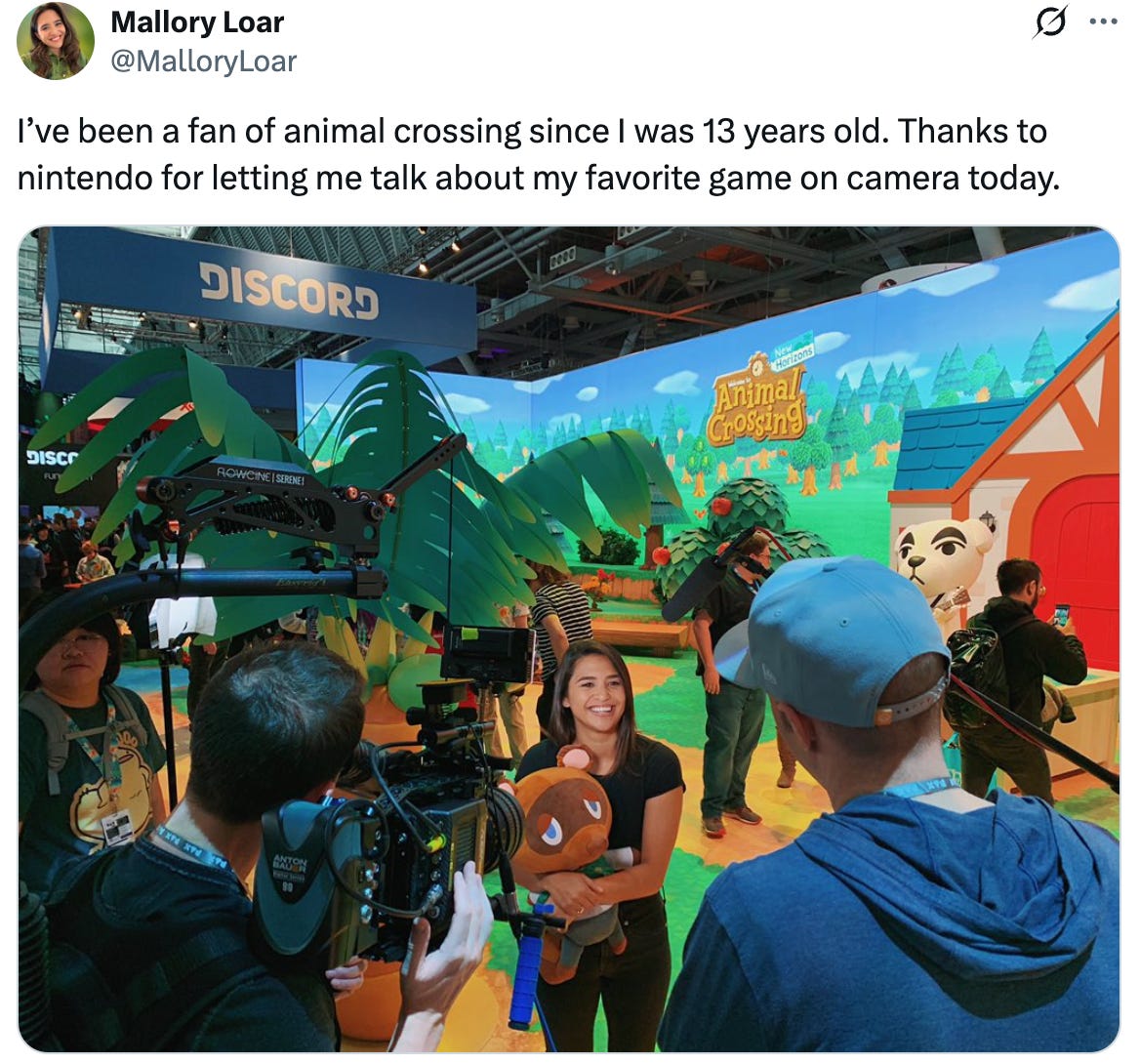
You know a superfan moment when you feel it. I once cried at PAX East just seeing the Nintendo booth, it felt like my childhood coming to life in real time. A coworker recorded it, I posted it half-jokingly, and didn’t think much of it. The video gained some traction, and before I knew it, the Nintendo team pulled me backstage, invited me into the launch, and asked me to be in a commercial. That’s a superfan moment.
At Discord, we saw this up close. HypeSquad started as a scrappy little grassroots thing. Fans submitted videos, designed their own badges, created rituals, and ran unofficial meetups. It was gratifying and fun. As a result, it grew into a multi-million person program. The experience of participating was worthwhile and meaningful, so everyone wanted in.
Beyond being incredibly rewarding, superfan marketing creates the most durable brand loyalty imaginable. I haven’t done a formal study, but I’d happily bet that a superfan is worth 100x more than someone who signed up after seeing your app on TikTok once.
Superfans are participatory. They run meetups in their cities, make fan art and tutorials, and pull others in. They integrate your brand into their IRL identity and build the lore.
I expect marketing funnels will give way to fandom ladders that turn casual users into lifelong contributors over time. Smart brands are investing in identity layers that include houses, teams, roles, and rituals.
The fact is, attention is both scarce and flimsy. I cannot tell you what the last TikTok I watched was about. And neither can you.
Passive consumption is out. Active participation is the future.
The cool kids won’t be chasing unicorn status in 2026. Instead, they’ll be working to support themselves by doing their own thing. Entrepreneurship will skyrocket and vying for a coveted seat at a billion-dollar tech startup (that’s just gonna get eliminated in a massive layoff 6 months later) won’t be the sign of prestige it once was.
We have Notion, Figma, and AI vibe coding tools now. It’s easier to create an LLC than ever, and in many cases more predictable than working at a large company.
The macro trend here is what Hot Smart Rich calls “The Great Not Hiring.” Junior roles have dried up, obviously, so traditional career ladders aren’t straightforward or even functional anymore. More and more smart, ambitious people are being nudged (voluntarily or not) into becoming one-person LLCs with a distinct palette and big ideas.
Micro-companies are booming (including multi million-dollar companies run by just a few people), and taste is the only moat AI can’t replicate. The other thing AI can’t replicate is community.
There are fewer specialists and more operator-creator-strategist-community builder hybrids. These people create products, run events, design memes, and more. But the big thing is, they have a point of view.
I see it every day. The best builders I know are using AI to code and design their products and websites, but they rely on community for everything else, including distribution, emotional support, accountability, and collaboration.
I’ve lived this shift firsthand. I did the rocket-to-the-moon startup thing at Discord and Bolt, then chose to build something of my own with Kindasorta Studio (more soon). I’m not chasing scale for scale’s sake. I want to work with companies that value taste, community, and longevity, and help them build brands that feel human and durable. Our small, fun, high-trust studio has a very specific point of view and the people who get it, really get it.
This business model will become the norm in 2026. It’ll be brands partnering with small companies and creator-led communities who know how to access the right audiences and resonate with the ideal buyers.
This prediction is also driven by a feeling I’m guessing you recognize: most AI-generated work is forgettable, and almost everything made by a real human is more interesting by default.
Encountering something human-made on the internet means someone used the two fastest-diminishing resources on Earth --- time and attention --- to make something. More and more people are going to appreciate that in 2026.
Human-generated anything is going to signal intention, curation, and thoughtfulness.
Naturally, this means storytelling is back in a big way. I’m sure you’ve seen posts on LinkedIn from companies looking for storytellers. Humans like how humans sort information and build trust.
You’re gonna start to see:
Sites that say “support is run by a real person, please be kind.”
A hand-written note in your order instead of a 10% off code.
An entire music piece or piece of artwork marked as “human made”
A beautifully produced IRL event instead of a Zoom webinar
The best part for brands is that human-led storytelling and craft isn’t just good for customers. It also gives you a defensible moat. If you’ve got a better storyteller, community, and more precise taste than someone else, you’ll win. Your competitors can’t shortcut it.
Being online and ingesting AI content is now the path of least resistance. So naturally, we’re increasingly curious about IRL and face-to-face interaction.
But for IRL to happen, we need somewhere to go. Ideally, somewhere we can exist without having to pay for it.
Sociologists call these IRL spots “third places”: the community hubs that exist outside work and home. In Bowling Alone, Robert Putnam argued that losing these third spaces led to a collapse in social capital. In the Anti-Social Century, we said the same thing in fewer words: people are lonelier than ever, and the internet isn’t fixing it.
In 2026, the best brands will recognize that, in a rare turn of events, there’s a way they can increase marketshare while also helping humans become happier.
That’s right: brands can become third places for lonely people. Sounds a little dystopian, but it’s certainly a much healthier alternative to the soul-sucking infinite scroll brands have enabled for over a decade now.
We’re already seeing it. Run clubs, hack nights, “Bring your friend to therapy” salons, book swaps, sunset walks, and more. I’m a huge fan of these gatherings and I’ve gone to a bunch myself. It changes my whole day to know I have somewhere to be later where I’ll be able to talk face-to-face with other people, especially since I work from home.
Again, the signs are in the tea leaves of the Pinterest 2026 trends report. There are aesthetics about nature, tactility, and outdoor adventures. People want to put their phones away and talk.
If you’re a marketer, here’s what to do in 2026:
Reroute part of your ad budget into recurring, in-person rituals
Start a monthly walk, a Sunday sketch night, a cozy co-work, whatever. Opportunities are truly endless. Get creative with it.
Get your community together IRL. Advantages abound.
Every one of these predictions points to the same tectonic cultural shift: community > algorithms and people > brands and meaning > going viral and experience > a totally frictionless existence.
To summarize, here are three things I think matter most going into 2026.
Live in the material world: This can be an IRL meetup or a handwritten note for your ideal customer. Send something physical. People literally do not remember what they see online anymore. There’s just too much information coming at us. Even if you stand out it’s only for a minute. But if you send someone something they can hang on their fridge, that’s a lasting impression.
Create your micro‑world: Stop trying to be everywhere. It doesn’t matter and, again, there’s just too much stuff going on on our stupid phones. Pick one high‑trust space and invest in it. Optimize for depth, not reach. Ten people who care is more powerful than ten thousand who scroll past.
Design for superfans, not scrollers: Superfans deliver way more value than absently curious lurkers who saw an ad of yours in a YouTube video. People want to participate in things again. Being a passive consumer of media has not made us happy and we’re starting to realize it. Experiencing things is in, and it makes for more durable brand loyalty.
I’ll go deeper on this stuff in a future post. Especially on superfans and why they’re the real growth engine in a post‑feed world.
In the meantime: by 2027, several of these channels may be saturated. So start planning how you’re going to show up in real life and bring people together now.