A few years after getting interested in UX design for older adults, I decided to put my money where my mouth was.
I’d read the articles. I’d studied best practices. I’d interviewed my parents and other Baby Boomers about how technology worked—or didn’t—for them. But I wanted to see it. Anyone who’s done user testing knows there’s often a wide gap between what people say they do and what they actually do.
So I emailed a handful of senior living centers and offered to volunteer as tech support.
“You reached out at just the right time,” the director of activities told me on my first day. One resident needed help with his iPad, and no one on staff had the time or expertise to do it.
They set me up in the communal living space and placed a sign in front of me:
TECH EXPERT
The sign made me deeply uncomfortable. I hoped no one was expecting Genius Bar–level support. I could Google my way through most things and knew my way around an iPhone, but still. I was nervous when my first “customer” approached with her walker.
“Do I qualify?” she asked, holding out her reading light and a pack of batteries. “I can’t see the screws to change them.”
“Of course,” I said, instantly relaxed.
And just like that, I was reminded of something that would repeat over and over again: being available, patient, and nonjudgmental was often enough.
I was already learning more than I expected.
One of my first regulars, B, came to me with his Android phone. I’d been on an iPhone for years, but I figured we could Google our way through his problem together.
He settled into his chair, adjusted his glasses, and said:
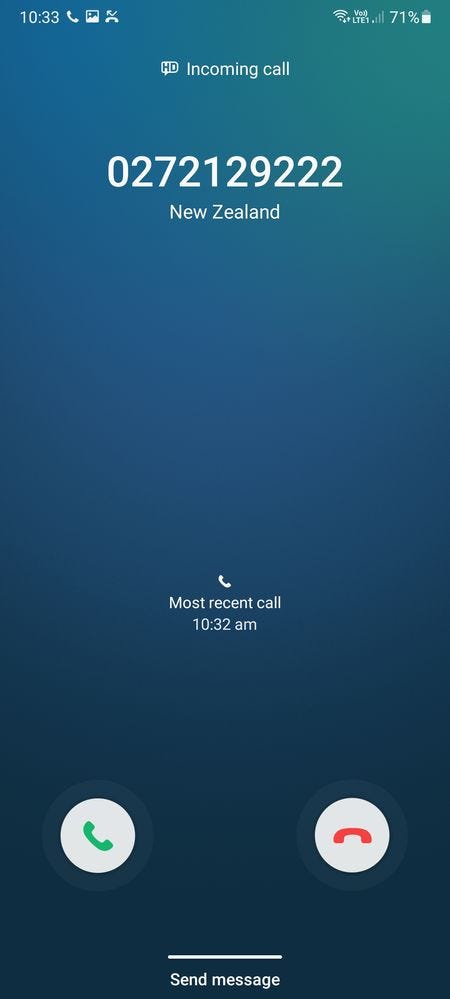
“I want to learn how to make calls. And how to receive them.”
It was heartwarming and heartbreaking at the same time. I wondered how many others like him were out there, quietly stuck without the nerve to ask for help.
His phone was at 1%. So first we found a charger.
We spent the next hour sitting by the outlet, practicing making and receiving calls—something I hadn’t consciously thought about in years. I assumed the hardest part would be entering the phone number. It wasn’t.
When my number appeared on his screen, he froze.
“What do I press?” he asked.
“The green button,” I coached.
If he missed it:
“It’s okay. Let’s try again.”
That hour rewired my understanding of assumptions. I once worked with another resident who physically could not swipe up to close an app. Not cognitively—mechanically.
Things you would never think to test?
You absolutely should.
J became one of my favorite regulars. He was in his 90s, warm, endlessly curious, and loved opera.
One day he held up his iPad.
“How do you get ads off this thing?”
I wasn’t sure what he meant. Then a notification popped up.
“See? Like that.”
What he thought were ads were actually notifications. Every app was allowed to send every type of notification. His screen was a littered with alerts that had never been cleared. And the setting to change this? Buried.
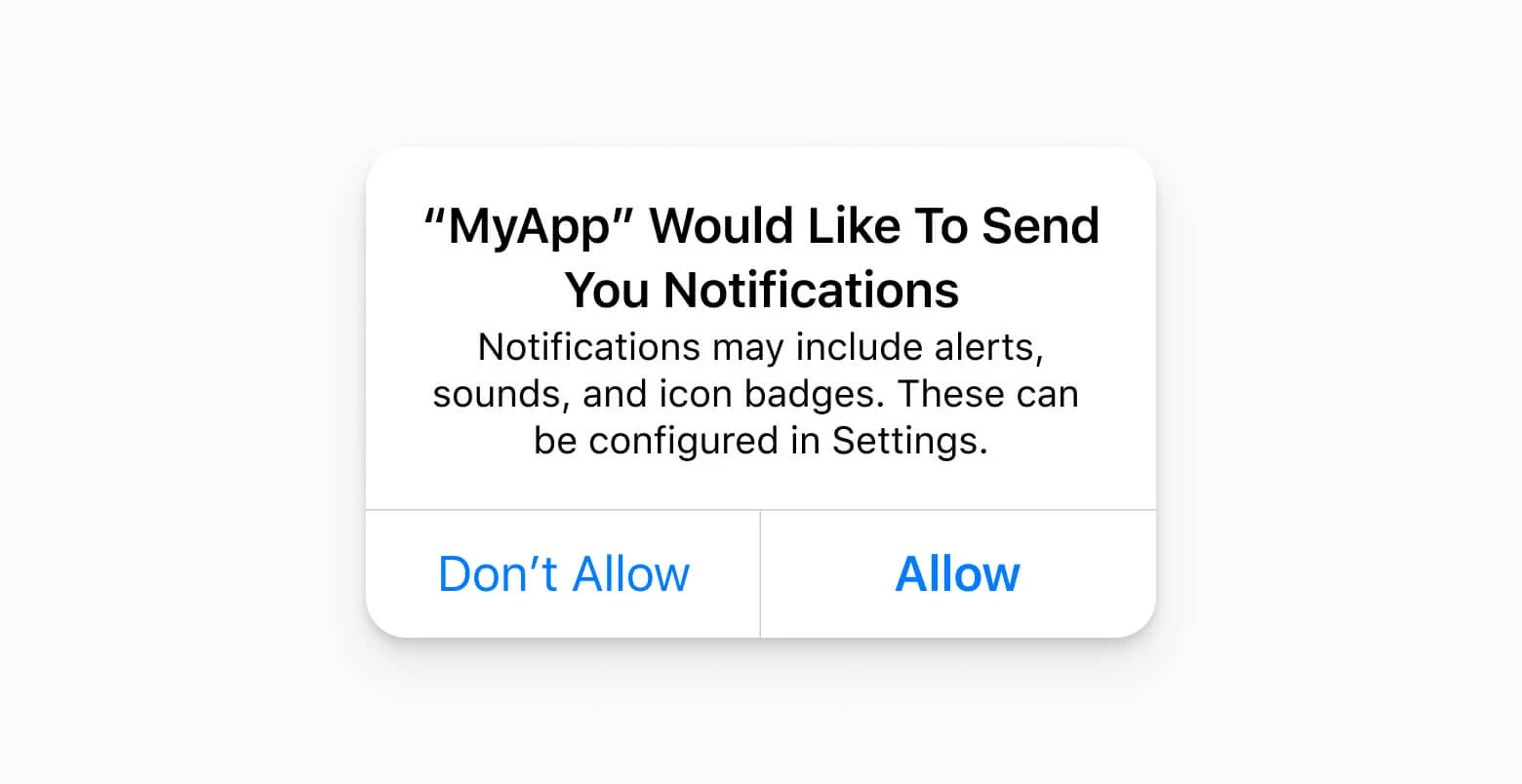
We turned most of them off.
This moment stuck with me. As designers, we treat notification defaults as a casual decision. For novice users, they can turn a device into a constant source of stress. What feels like a business decision to a company feels like a system failure to a user.
A few weeks in, I met P. We were trying to log into an account when I discovered he had two Google accounts—one he used and wanted to keep, and another that a previous “helper” had created when accessing the first one became inconvenient.
Now he never knew which email was “his.”
Every login became a small emotional trial. Each failure chipped away at his confidence.
It was then that I fully understood why so many residents quietly decided they were “better off without tech.”
One afternoon, M wanted to see lab results from his recent doctor’s appointment.
We navigated to MyChart (which I could write a whole post about). Then came two-factor authentication.
The verification code was sent to his son’s phone.
His son was unreachable.
“I just want to see my test results,” M said.
I never got him access.
Over time, I noticed a pattern: many adult children limited what their parents could see “for their own good.” While this was always well-intentioned, it was also complicated.
I kept wondering:
Who gets to decide what someone knows about their own health? And when?
S asked if I could help her find opera on YouTube.
We found a recording she loved.
“Isn’t this wonderful?” she said.
Then an ad played.
“What the hell is this?!”
The music returned. She was blissed out again.
Then another ad.
“What the hell is this?!”
That oscillation between joy → confusion → rage → wonder perfectly captured so many tech experiences I witnessed. Often triggered not by broken devices, but by the systems wrapped around them.
One week, the IT department decided to update the building’s wifi password to something more secure.
It went from something like HappyDay123 to AFUY&!Mm@T3.
To make this “easier,” they posted QR codes residents could scan to sign in. They didn’t include the actual password. If you had spent five minutes in the building, you would have known what a bad idea that was.
Overnight, residents lost access to their lifelines: email, medication portals, entertainment, and family.
Midway through my shift, a staff member pulled me aside.
“This has been the bane of my existence,” he said.
All of it could have been avoided with a little empathy, a heads up, and a plan.
Before volunteering, I’d read plenty about designing for older adults: glare, reduced dexterity, bigger buttons, higher contrast. Checklists of things you can fix from a desk.
What they rarely covered was the emotional cost of everyday tech friction.
I saw confidence erode through repeated failure. I saw how ads created fear, not just annoyance. I saw how security features became walls. How “senior modes” oversimplified real life. How low-cost devices quietly limited independence.
In the Big Tech company I worked for, older adults were often an afterthought. Caregivers were bolted on late. I saw exactly where that thinking ends up.
My most frequent customer eventually moved to a new care facility. Not long after, I ended my volunteer shifts.
I left with far more questions than I arrived with. Not just about interfaces and defaults and notifications, but about autonomy, dignity, fear, trust, and what it really costs to be confused in a world that assumes fluency.
What stays with me most isn’t a feature request or a usability failure. It’s the way people lit up when something worked. The way they deflated when it didn’t. The way tech could open their world or quietly close it.
And how much of all of it could have been kinder, if someone had just sat beside them and paid attention.