Specification-Driven Legacy System Modernization
SpecOps uses AI not just to transform legacy code, but to preserve institutional knowledge and create verified software specifications—reducing risk, speeding modernization efforts, and future-proofing your mission critical systems.
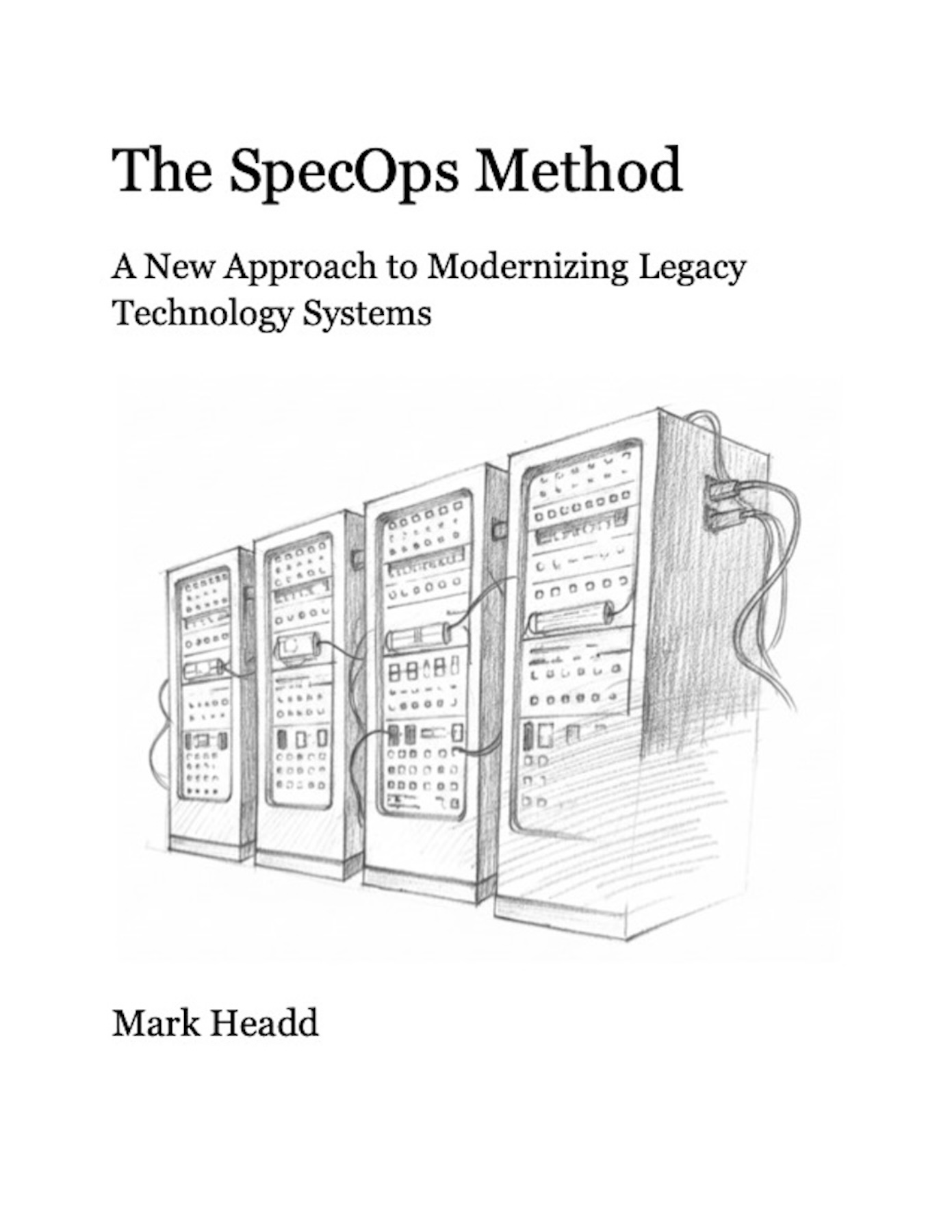
📚 The Book Is Here!
Get the comprehensive guide to specification-driven legacy modernization.
Specifications Over Code
A new approach to modernizing government legacy systems that puts knowledge preservation first
❗
The Problem
Governments struggle to upgrade and maintain legacy systems. Typical modernization approaches focus on converting old code into new code, but that misses something fundamental. More important than updated software code is comprehensive, human-readable documentation on how a system is supposed to work.
💡
The SpecOps Solution
A core tenet of SpecOps is the use of AI tools to develop comprehensive software specifications that become the authoritative source of truth for system behavior. Rather than just translating, say, COBOL to Java, the approach captures institutional knowledge in plain language that domain experts can review and verify.
🔧
Specification-Driven Development
The software specification precedes and governs all technology implementations. Once the legacy system's behavior is captured in a verified specification, AI coding agents use that specification to generate modern implementations—transforming documented knowledge into working code.
🔄
GitOps Thinking
Like GitOps treats Git repositories as the single source of truth for infrastructure, SpecOps treats version-controlled specifications as the authoritative source of truth for system behavior. All future changes to a system start with the specification—update the spec first, then update the code.
How it works:
- AI analyzes legacy systems and generates comprehensive software specifications in plain language
- Domain experts—policy makers, program administrators, business stakeholders—verify these specifications before any modern code is written
- Once verified, the specification becomes the source of truth that guides AI-assisted implementation and future changes
- All changes to the system flow through the specification document first, ensuring proper review and approval
A new approach: Preserved institutional knowledge, reduced risk, and a foundation for modern systems that outlasts any particular technology stack.
Why SpecOps?
Addressing the unique challenges of government legacy system modernization
🧠
Knowledge Preservation
Capture institutional knowledge before experts retire. Create lasting documentation that outlives any implementation. Preserve understanding of policy decisions and edge cases.
✅
Domain Expert Verification
Policy experts can verify specifications in plain language—they don't need to review Java code. Catch errors early when they're cheapest to fix, before they're embedded in new implementations.
🛡️
Risk Reduction
Clear audit trail of what changed and why. Specifications ensure modern systems implement policy correctly. Changes managed with proper oversight and stakeholder involvement.
🔄
Sustainable Modernization
Incremental approach via Strangler Fig pattern. Value delivered continuously, not just at project end. Foundation for future modernization efforts that transcends technology choices.
🤖
AI as Force Multiplier
AI handles tedious legacy code analysis and generates modern implementations from clear specifications. Reduces manual effort while improving quality and consistency.
🌐
Cross-Government Collaboration
Share instruction sets and patterns across agencies. A COBOL comprehension skill works whether you're modernizing benefits in California or taxes in New York.
Tools & Resources
Ready-to-use tools to start implementing the SpecOps approach in your organization
Documentation
Everything you need to understand and implement the SpecOps approach
The foundational principles and philosophy of SpecOps. Why specifications are the valuable artifact, and how this approach differs from traditional modernization. →
Detailed comparison of SpecOps vs. direct translation and traditional modernization across 11 dimensions. Shows when each approach is appropriate. →
Step-by-step guide through all six phases of SpecOps: Discovery, Specification Generation, Verification, Implementation, Testing, and Deployment. →
The technical infrastructure needed for SpecOps: specification repositories, AI agent instruction sets, verification tools, and change management systems. →
Roles, responsibilities, and staffing guidance for a SpecOps modernization project. Team sizes from minimum viable (8-10 people) to full-scale (12-18 people). →
Guide to creating and sharing AI agent instruction sets (skills) that enable SpecOps. Includes examples for COBOL comprehension and specification generation. →
Frequently asked questions about SpecOps. Addresses common concerns, misconceptions, and comparisons to other approaches like BDD, waterfall, and direct AI translation. →
Get Started
Join the community building a better approach to legacy modernization