Books I’ve read
482 books so far. Tiny summary but detailed notes for each. Read my FAQ page for context. This page will update as I read more, so bookmark it and check back.
-
Waste Books - by Georg Christoph Lichtenberg
Recommend it: 10/10. Date read: .
Tweets from 1765-1799 by a 4’9” hunchback physicist, friends with Goethe and Kant, admired by Nietzsche, Schopenhauer, etc. Such wonderful random thoughts, beautiful perspectives on thinking for yourself, observing nature, language, freedom, philosophy, religion, and more. Hundreds of initial insights, especially inspiring because they’re undeveloped.
-
You Can Negotiate Anything - by Herb Cohen
Recommend it: 10/10. Date read: .
Everything is negotiable. Challenge authority. You have the power in any situation. This is how to realize it and use it. A must-read classic from 1980 from a master negotiator. My notes here aren’t enough because the little book is filled with so many memorable stories — examples of great day-to-day moments of negotiation that will stick in your head for when you need them. (I especially loved the one about the power of the prisoner in solitary confinement.) So go buy and read the book. I’m giving it a 10/10 rating even though the second half of the book loses steam, because the first half is so crucial.
-
The Listening Book - by W.A. Mathieu
Recommend it: 10/10. Date read: .
Everyone should read this book of little essays about listening. It teaches your ears to pay more attention. It calls your attention to sounds you hadn’t noticed. It’s beautifully written, and makes your life better. I read it twice, 24 years ago, and reading it again this week, it was even better than I remembered.
-
The Courage to Be Disliked - by Ichiro Kishimi and Fumitake Koga
Recommend it: 10/10. Date read: .
Wow. A profound little philosophy book from Japan, communicating the psychology of Alfred Adler - a rival of Freud. Told as a conversation between an angry student and a patient teacher. A little book so good that I rushed home from other activities to keep reading it, and finished in a day. A surprisingly fresh perspective on how to live. (The “disliked” part is not the point, so don’t let the title distract you.)
-
Sum: Forty Tales from the Afterlives - by David Eagleman
Recommend it: 10/10. Date read: .
Awesomely creative think-piece. 40 very short fictional stories about what happens when you die. The framework is inspiring for anyone: coming up with 40 different answers to any one question. But they’re also just brilliant ideas and powerful little fables. I just read it a 2nd time and love it even more now.
-
The Gardener and the Carpenter - by Alison Gopnik
Recommend it: 10/10. Date read: .
Great philosophy of parenting, from a grandmother who is a wise professor of philosophy and a developmental psychologist. Such a beautiful mindset and outlook. Required reading for every parent. Re-read it often as a necessary reminder.
-
Playful Parenting - by Lawrence Cohen
Recommend it: 10/10. Date read: .
I’ve read many books on parenting, but this one is the best. It’s genius. My top recommendation for everyone with a kid age 1-13. Its point is that children communicate through play. So, to reach them: play! Anything can be done through play: teaching, emotional connection, processing difficult situations, and even discipline can be made playful. Read the whole book instead of just my notes, since my little take-away ideas are just reminders of the spirit of the book. I re-read these notes almost every week to remind me how to be a great parent. My kid is always thankful (communicated through giddy laughter) when I remember and use this approach.
-
On Writing Well - by William Zinsser
Recommend it: 10/10. Date read: .
Great blunt advice about writing better non-fiction. So inspiring.
-
The War of Art - by Steven Pressfield
Recommend it: 10/10. Date read: .
Have you experienced a vision of the person you might become, the work you could accomplish, the realized being you were meant to be? Are you a writer who doesn’t write, a painter who doesn’t paint, an entrepreneur who never starts a venture? Then you know what “Resistance” is. This book is about that. Read it.
-
Stumbling on Happiness - by Daniel Gilbert
Recommend it: 10/10. Date read: .
Not at all new-agey, as the title might suggest. Harvard professor of psychology has studied happiness for years, and shares factual findings that will change the way you look at the world.
-
E-Myth Revisited - by Michael Gerber
Recommend it: 10/10. Date read: .
Absolutely everyone who is an entrepreneur or wants to be one needs to read this book. I first read it after 10 years of successfully running my company, and was still blown away and totally humbled by its wisdom. Re-reading it today, I'm amazed how my view of business was completely changed by this one little book. See my notes for examples, but definitely read the book itself to get the real impact.
-
You’re Not Listening - by Kate Murphy
Recommend it: 9/10. Date read: .
Being a great listener when people speak. Deep insights about understanding, connection, helping people express themselves, overcoming assumptions, the ethics of gossip, and more. Specific techniques for the support response, encouraging elaboration, and keeping it balanced. You can’t be ethical without being a good listener. When people say, “I can’t talk right now,” what they really mean is “I can’t listen right now.”
-
The Invention of the Jewish People - by Shlomo Sand
Recommend it: 9/10. Date read: .
Fascinating subject. Countries are made of stories. Kings didn’t need their subjects to agree, but nations do. So to build a nation, they need to make a story that helps people feel a shared identity, nationalism, and what distinguishes them from their neighbors. Back-creating a history. Founders of Israel did this brilliantly.
-
Between Us: How Cultures Create Emotions - by Batja Mesquita
Recommend it: 9/10. Date read: .
Cultural psychology, studying emotions through the lens of culture. Your emotions are created by your culture. You should not be too sure that you share the emotional experiences of individuals from other cultures. Culture and emotion make each other up. Great insights!
-
China’s World View - by David Daokui Li
Recommend it: 9/10. Date read: .
Senior academic advisor to the Chinese Communist Party feels most political tensions come from a misunderstanding of China’s world view, hence the subtitle “demystifying to prevent global conflict”, and his intrinsic desire to explain. I love its insights and historical context, especially around “Respect-centered diplomacy” and how the CCP is structured.
-
Arabs - by Tim Mackintosh-Smith
Recommend it: 9/10. Date read: .
3000 years of factual Arab history, and personal insights from this Oxford Brit who lived in Yemen for 37 years, translates classical Arabic, and clearly cares a lot. Huge and thorough but really wonderful for those with the interest. I loved his writing style and poetic asides. Read my notes here for a taste. What a great book.
-
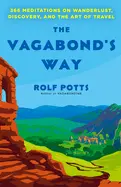
The Vagabond’s Way - by Rolf Potts
Recommend it: 9/10. Date read: .
Best travel book I’ve ever read! Shook my soul many times. Tiny “daily meditation” format, with lots of quotes from others, but wow what wonderful insights. They make me yearn to travel again. Love love love these ideas and perspectives so much.
-
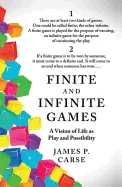
Finite and Infinite Games - by James P. Carse
Recommend it: 9/10. Date read: .
So abstract. Maybe the most abstract book you’ll ever read. Compares “finite” games with rules and winners, versus “infinite” games without winners where we can play with the game itself. Is it about a job versus a calling? Religion versus spirituality? A story versus story-telling? Who knows. Thought-provoking if you can apply the metaphor to whatever concerns you.
-
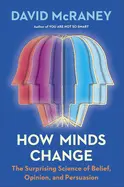
How Minds Change - by David McRaney
Recommend it: 9/10. Date read: .
The psychology of how and why we believe. How we learn and change. The craft of doubt and persuasion. Insights into the social definition of truth. Epistemology. Certainty is a feeling not based on facts. Well-written with a nice balance of story-telling and deeper dives.
-
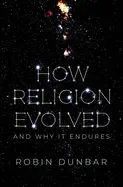
How Religion Evolved - by Robin Dunbar
Recommend it: 9/10. Date read: .
Great anthropology! So many insights into religions, tribes, friendships, organizations, the evolution of minds, superstition, and more. Got me thinking most about friendships.
-
Nothing & Everything - by Val N. Tine
Recommend it: 9/10. Date read: .
I love this book so much. It's the joy of nihilism. Nothing is true. Everything is permitted. I agree completely. I would give it a 10-out-of-10 rating but I disliked the whole second half of the book. So just read the first half. See my notes here. If you like my book “Useful Not True”, you should read this.
-
You Look Like a Thing and I Love You - by Janelle Shane
Recommend it: 9/10. Date read: .
A funny book explaining the basics of AI! The subtitle is How Artificial Intelligence Works and Why It's Making the World a Weirder Place. A great introduction to AI. With a cute cartoon mascot. The title is from her training an AI to write romantic greeting cards.
-
City of Gold: Dubai - by Jim Krane
Recommend it: 9/10. Date read: .
So well-written! Absolutely fascinating history of Dubai. An exciting page-turner. It gave me so much admiration for the city and its visionaries.
-
The Righteous Mind - by Jonathan Haidt
Recommend it: 9/10. Date read: .
Brilliant insights into human nature. Moral reasoning, inventing victims, emotional reactions, the elephant (emotions) and its rider (explanations). Intuition reacts then logic confabulates a reason. Survival of the fittest applied to groups. Understanding religion and tradition. Great from start to finish.
-
Write Useful Books - by Rob Fitzpatrick
Recommend it: 9/10. Date read: .
How to write a non-fiction book so useful to people that they recommend it to others. A great step-by-step methodology from someone experienced, who’s done it successfully a few times already.
-
Wild Problems - by Russ Roberts
Recommend it: 9/10. Date read: .
How to improve your HUGE major life decisions, like whether/who to marry, whether to have kids, where to live, career paths, and such — where you can’t use the usual checklist/data approach. This economist addresses self-identity, “deepest self”, and “something I was meant to do”. You can’t use a pro/con checklist with an item that says “lose respect for myself”.
-
Relationship Handbook - by George Pransky
Recommend it: 9/10. Date read: .
Best philosophy of love relationships I’ve ever found. Like meditation teaches you that moods pass, this experienced marriage counselor says this applies to relationship communication as well. When angry or insecure, don’t vent, don’t share that. Let the feeling pass. Your anger doesn’t reveal some real truth. Everyone in a romantic relationship should read this.
-
Awaken the Giant Within - by Tony Robbins
Recommend it: 9/10. Date read: .
This 1992 book changed everything about my life. It’s my Bible. Most of my beliefs come from it. I read it many times at a formative age, but re-read it now 30 years later, taking notes. It’s not a perfect book. It’s too verbose and full of expired American references. But its core messages are the wisest, most effective life philosophy I’ve ever encountered. You choose how you feel. Your emotions come from you, not events or others. Doesn’t matter what’s true, but what empowers you. You adopted beliefs randomly from circumstance, but you can rewire your mind to believe whatever helps you be who you want to be. You have absolute control over your internal world. If you think, “I can’t help the way I feel”, you need this book.
-
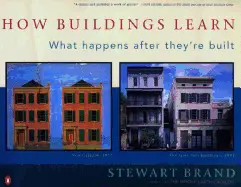
How Buildings Learn - by Stewart Brand
Recommend it: 9/10. Date read: .
I’ve read this book three times since 1999, and gifted it many times to others. It’s changed the way I look at buildings. I read it again now because I’m building a new house. Its main idea is that all buildings are predictions, and all predictions are wrong, so design to make them easy to change. I think of it metaphorically in life: assuming my predictions about what I want will probably be wrong, so make my life easy to change. Get the paper book because the photos are crucial.
-
Getting Things Done - by David Allen
Recommend it: 9/10. Date read: .
Classic book with near-cult following. How to manage every last itty bitty tiny thing in your life. Keep your inbox empty. Re-read 16 years later. Still great.
-
Several Short Sentences About Writing - by Verlyn Klinkenborg
Recommend it: 9/10. Date read: .
The 2nd-best and most-radical book about great writing. It tells you to focus entirely on the sentence, an approach that was already my favorite, which is why I bought this book. It recommends you boldly eliminate transitions and conjunctions, split compound sentences, don't save your point for the end, and revise by deleting. This is the first book I've seen printed as one sentence per line — a way I've been writing for many years, and now printed in my book “How to Live”.
-
Skin in the Game - by Nassim Nicholas Taleb
Recommend it: 9/10. Date read: .
Taleb is always filled with surprising ideas and confrontational bragging. Ignore the hot air and gather the gems. Great thoughts around putting your ass on the line with consequences — not just thinking things in theory but doing things in reality — in the real world.
-
This Is Marketing - by Seth Godin
Recommend it: 9/10. Date read: .
A must-read for every entrepreneur. A holistic, generous, human, emotional, long-term, story-driven approach to your business. The world would be a much better place if businesses were led this way. You'll have a competitive advantage if you do this, since so few do.
-
Atomic Habits - by James Clear
Recommend it: 9/10. Date read: .
I was doubtful, but everyone kept telling me it’s awesome, so I reluctantly read it. Holy crap! It’s GREAT! Feels like the definitive masterpiece on the subject of how to make good habits and break bad ones. Very focused on helping you take action. Very relatable and inspiring.
-
Thinking in Bets - by Annie Duke
Recommend it: 9/10. Date read: .
Amazing point: Would your belief in something stand up to the question, “Wanna bet?” If you had to gamble significant money on that belief, would you still feel 100% about it? Or maybe more honestly 60%? This creates healthy skepticism encouraging you to seek the best information instead of just defending your belief. Now objective accuracy wins instead of argument. Combine with “The Biggest Bluff” by Maria Konnikova
-
12 Rules for Life - by Jordan Peterson
Recommend it: 9/10. Date read: .
A unique thinker with strong opinions presented as indisputable fact. More surprisingly interesting ideas than almost any book I've ever read. Extremely thoughtful, but occasionally abruptly concludes with an unsupported point. It has a conservative “this is how it is” certainty. It’s a broad collection of thoughtful insights on life, mixed with a lot of Bible interpretation.
-
Sapiens - by Yuval Noah Harari
Recommend it: 9/10. Date read: .
I resisted reading this popular history of mankind, because it came out when I had just finished “Guns, Germs, and Steel” and “Cows, Pigs, Wars, and Witches”, on the same subject. But wow - this book is at its best when the author is sharing his personal perspective about binding myths, humanism, and other ways that “truths” are not true. And you get an interesting history of the world along with it. Strange mix of history and philosophy.
-
Happy - by Derren Brown
Recommend it: 9/10. Date read: .
Brilliant and profound yet totally entertaining philosophy book by one of my favorite people. Gives an approachable overview of past philosophies and shows how they apply to your life today better than the harmful pop-self-help-positivity stuff. Amazing perspectives on desires, death, relationships, anger, and how being present doesn’t matter as much as the story you tell yourself afterwards. His fun writing style isn’t reflected in my notes here. Get the book.
-
Au Contraire: Figuring Out the French - by Gilles Asselin and Ruth Mastron
Recommend it: 9/10. Date read: .
The absolute best book I've ever found on explaining the mindset of a country. (Runner-up is “Watching the English” by Kate Fox.) I wish every country had a book this deep. Not just what but why! Also appreciate the bold writing, skipping caveats.
-
The Subtle Art of Not Giving a Fuck - by Mark Manson
Recommend it: 9/10. Date read: .
The opposite of every other book. Don’t try. Give up. Be wrong. Lower your standards. Stop believing in yourself. Follow the pain. And oh yeah, kill yourself. Each point is profoundly true, useful, and more powerful than the usual positivity. Succinct but surprisingly deep, I read it in one night, then read it again a month later.
-
Ego Is the Enemy - by Ryan Holiday
Recommend it: 9/10. Date read: .
Forget yourself and focus on the work. Be humble and persistent. Value discipline and results, not passion and confidence. Be lesser, do more. This message is crucial, but the opposite of almost every other book. I wish everyone would read this. I need to re-read it each year. It's that important. It's easy to read this and say “oh yeah I've got my ego under control”, but the problem is deeper than that.
-
Too Soon Old, Too Late Smart - by Gordon Livingston
Recommend it: 9/10. Date read: .
Powerful and profound life lessons from a psychiatrist who's been listening to people's problems for decades.
-
Cows, Pigs, Wars, and Witches - by Marvin Harris
Recommend it: 9/10. Date read: .
Mind-blowing anthropology. Great argument that the reasons that religions worship cows or hate pigs, that tribes wage wars, or Europe's 200 years of witch hunts, are all very practical economic reasons usually unknown to the participants or washed out of history. But they're revealed here in zoomed-out hindsight. My notes here can't describe it. You have to read the whole book. Riveting.
-
The Entrepreneur Roller Coaster - by Darren Hardy
Recommend it: 9/10. Date read: .
Rar! My heart rate is racing as I tear through this riveting book. Darren captures and spreads the entrepreneurial spirit better than anyone I know. I've been a successful entrepreneur for 25 years but The Entrepreneur Roller Coaster just got me more excited and enlightened than I've been in a long time. You must read and USE this immediately!
-
The Wisdom of No Escape - by Pema Chödrön
Recommend it: 9/10. Date read: .
Powerful thoughts on not running, distracting, or escaping, but sticking with something all the way through.
-
When Things Fall Apart - by Pema Chödrön
Recommend it: 9/10. Date read: .
Profound philosophy on facing the negative emotions head-on and getting to know them well, instead of trying to avoid them or escape.
-
The Compound Effect - by Darren Hardy
Recommend it: 9/10. Date read: .
Classic self-help book, in the best sense. Inspired the hell out of me. Mostly fundamentals I had heard before, but put in a very energetic go-do-it way. As he says, “You already know all that you need to succeed. You don’t need to learn anything more. If all we needed was more information, everyone with an Internet connection would live in a mansion, have abs of steel, and be blissfully happy.”
-
When Cultures Collide - by Richard D. Lewis
Recommend it: 9/10. Date read: .
Masterpiece of cultural observations. I wish there were more books like this. My Wood Egg books were created with the same goal. Insights into different countries' cultures. Some amazing, like the reason for American's lack of manners, or Japanese procedures. My detailed notes don't do it justice because I practically underlined the entire book, I loved it so much.
-
Antifragile - by Nassim Nicholas Taleb
Recommend it: 9/10. Date read: .
Bold perspectives, unusual ideas, and surprisingly wise advice around an interesting subject of the “opposite of fragile.” Looking through that lens at health, education, governments, business, and life philosophy. Very inspiring, and sparks a lot of further discussion.
-
The Willpower Instinct - by Kelly McGonigal
Recommend it: 9/10. Date read: .
Amazing book about willpower from Stanford psychology professor who teaches just this. Killer first point: The best way to improve your self-control is to see how and why you lose control. This is a better book than the other book on Willpower here on my list, because it's more actionable, better written, better presented. Really amazing (IF you act on it!)
-
Turning Pro - by Steven Pressfield
Recommend it: 9/10. Date read: .
In the same vein as his other books “Do the Work” and ”War of Art” - but a message that needs to be said again and again to really get through. It's all about the resistance, avoiding distractions, getting serious. Here he dives more into the mindset shift of thinking of your art as a hobby versus a real career. This stuff shakes me to the core, every time.
-
Quiet - by Susan Cain
Recommend it: 9/10. Date read: .
Any introvert should like this book. Wonderful info and insights about introversion. It'll help you defend your preference for low-stimulus environments. Since reading it, I feel better about insisting on my quiet/alone time.
-
Brain Rules for Baby - by John Medina
Recommend it: 9/10. Date read: .
My single favorite baby book: written by a neuroscientist, about babies’ brain development from pregnancy to children. Single best book for soon-to-be parents to read. I didn’t want kids until I read it, then it actually got me excited about the process. I’ve recommended it more than a hundred times.
-
Do the Work - by Steven Pressfield
Recommend it: 9/10. Date read: .
A true manifesto. A call to action. A kick in the butt for any creative person. Great thoughts on overcoming the resistance to creating.
-
What Got You Here Won’t Get You There - by Marshall Goldsmith
Recommend it: 9/10. Date read: .
Aimed at already-successful people. The personality traits that brought you to success (personal discipline, saying yes to everything, over-confidence) are the same traits that hold you back from going further! (Where you need to listen to lead, and don't let over-confidence make you over-commit.) Stinging counter-intuitive insights that hit very close to home for me. Great specific suggestions for how to improve.
-
A Guide to the Good Life: The Ancient Art of Stoic Joy - by William Irvine
Recommend it: 9/10. Date read: .
Almost too personal for me to give an objective review, because I found when reading it that the quirky philosophy I've been living my life by since 17 matches up exactly with a 2000-year-old philosophy called Stoicism. Mine was self-developed haphazardly, so it was fascinating to read the refined developed original. Really resonated.
-
Switch - by Chip Heath and Dan Heath
Recommend it: 9/10. Date read: .
Great great great great GREAT psychology book about real ways to make change last - both personal and organizational. So many powerful insights, based on fact not theory. Inspiring counterintuitive stories of huge organizational change against all odds. Highly recommended for everyone.
-
The Happiness Hypothesis - by Jonathan Haidt
Recommend it: 9/10. Date read: .
Psychology professor's digestible but deep insight into how our minds work, around the topic of happiness. Great metaphor of a rider on the back of an elephant. Rider is reasoning, elephant is emotions. Rider has limited control of what the elephant does. Surprising insights into ethics and morality. See my notes for great quotes, but read the whole well-written book.
-
Influence - by Robert Cialdini
Recommend it: 9/10. Date read: .
Classic book on the psychology of persuasion. I read it 15 years ago, thought about it ever since, and re-read it now. How to get a 700% improvement in volunteers. How to sell more by doubling your prices. How to make people feel they made a choice, when really you made it for them.
-
The Time Paradox - by Philip Zimbardo and John Boyd
Recommend it: 9/10. Date read: .
Profound idea that everyone has a primary time focus, either Future-focused, Present-focused, or Past-focused. Fascinating implications of each. Because I’m so future-focused, reading this book helped me understand people who are very present-focused. Also great advice on shifting your focus when needed. I read it 14 years ago, but still think about it constantly.
-
How to Get Rich - by Felix Dennis
Recommend it: 9/10. Date read: .
Shockingly honest thoughts from a filthy rich bastard.
-
The 4-Hour Work Week - by Tim Ferriss
Recommend it: 9/10. Date read: .
Brilliant reversal of all of the “how to manage all your crap” books. This one tells you how to say “no” to the crap, set expectations on your terms, and be just as effective in a fraction of the time.
-
The Smartest Investment Book You’ll Ever Read - by Daniel R. Solin
Recommend it: 9/10. Date read: .
An itty-bitty quick-read no-fluff book with the wisest succinct advice to investors: You can't predict the future, and neither can anyone else. Determine your asset allocation, stick with cheap broad indexes, and rebalance occasionally.
-
The Paradox of Choice - Why More is Less - by Barry Schwartz
Recommend it: 9/10. Date read: .
Faced with many options or decisions in your life? This will change the way you look at them. We feel worse when we have too many options.
-
The Art of Profitability - by Adrian Slywotzky
Recommend it: 9/10. Date read: .
25 different models of profitability presented in examples you can relate to your own business, making you realize profit-sources you’d never thought of before.
-
Tribal - by Michael Morris
Recommend it: 8/10. Date read: .
I love cultural psychology. Great insights here, and examples of how change happens, on the personal level, cultural level, and even institutional level. American, but lived in Hong Kong for years and I appreciated his example of Singapore.
-
Elephant in the Brain - by Kevin Simler and Robin Hanson
Recommend it: 8/10. Date read: .
You have hidden motives and subconscious incentives. Two reasons for doing anything: a good reason and the real reason. Instititutions do this too: wasteful because they’re serving hidden purposes no one acknowledges. Great insights throughout.
-
Argumentative Indian - by Amartya Sen
Recommend it: 8/10. Date read: .
Famous analysis of India’s intellectual and political heritage, quite against Hindu nationalism. I learned a lot. I’d happily read ten more books like this.
-
Factfulness - by Hans Rosling
Recommend it: 8/10. Date read: .
What a great man. Empathy and charity embodied. I love his worldview. Written as he was dying. Its main message is to help us see the world more accurately - to see how much it’s improved. Shows why we tend towards us-versus-them stories, the difference between frightening versus dangerous, focusing on the system.
-
Charisma Myth - by Olivia Fox Cabane
Recommend it: 8/10. Date read: .
Your body language, mannerisms, speaking habits, listening habits, all affect how you’re perceived. Many tips in here sound manipulative (to convey power, take up more space) - but are ultimately about helping your outside match your inside, for the desired effect including helping people feel more comfortable around you, more seen and understood. Empathetic advice like making sure you’re sitting at a 90° angle instead of directly across from someone, and making sure their back is not to an open space with people moving behind them, which makes us feel uncomfortable. I use these tips when meeting with strangers.
-
How to Know a Person - by David Brooks
Recommend it: 8/10. Date read: .
First part was great - so empathetic - about how and why to really get to know someone. I skipped the middle part about difficult conversations in the Culture Wars. Last part was great, about what it is to be wise.
-
Mathematica - by David Bessis, Kevin Frey
Recommend it: 8/10. Date read: .
Math is imagination, visualization, and intuition. The symbols are just a language to explain the mind’s image - like sheet music. You can train your intuition and develop visualization skills with practice. Math is an inner tool to enhance human cognition, more akin to psychology.
-
Advice on Upskilling - by Justin Skycak
Recommend it: 8/10. Date read: .
Super motivating book about effective learning and improvement. He’s a math, memory, and weightlifting expert from justinmath.com and MathAcademy.com, so the advice leans that way a bit, but applies to anything you want to learn.
-
Fossil Future - by Alex Epstein
Recommend it: 8/10. Date read: .
Fascinating. I highly recommend this if you want to practice changing a long-held belief. It argues that because fossil fuels are still the most cost-effective energy, essential for human flourishing, and billions of people are suffering for lack of cost-effective energy, we should not discourage their use. While I don’t care much about this specific subject, I loved learning about the knowledge system that takes (1) raw research, (2) summarizes it, (3) disseminates it to the public and decision-makers, and (4) evaluates what actions we should take — but each of steps 2-3-4 can distort the expert knowledge from step 1.
-
Don’t Be a Feminist - by Bryan Caplan
Recommend it: 8/10. Date read: .
Don’t let the title distract you. This is not a book about feminism but a brilliant philosophy book about genuine justice. A collection of simple applicable essays applying logic, economics, and empathy to every-day situations. Clear and surprising thoughts.
-
This Is Strategy - by Seth Godin
Recommend it: 8/10. Date read: .
Classic Seth Godin at his best. Hopefully you know what I mean. Hundreds of individual insights that comprise a worldview worth adopting.
-
Philosophy of Software Design - by John K. Ousterhout
Recommend it: 8/10. Date read: .
Programming wisdom: modular design, keep APIs simple, how to avoid complexity, etc. Great insights from experience.
-
Dawn of Eurasia - by Bruno Maçães
Recommend it: 8/10. Date read: .
Portuguese political thinker travels the border between Europe and Asia with the view that this border is moot. Great cultural insights and observations. I love this stuff.
-
Dreaming in Chinese - by Deborah Fallows
Recommend it: 8/10. Date read: .
American lived in China for three years and wrote this adorable book about the Chinese language and some cultural insights. Instead of shopkeepers saying “have a nice day” they say “walk slowly”. The word for “careful” means “small heart”. Many more like this. 热闹 “hot noisy” helped explain something I had always wondered about Chinese culture.
-
The Silk Roads - by Peter Frankopan
Recommend it: 8/10. Date read: .
A children’s illustrated book that I started reading to my boy, but enjoyed it more myself. I’m so curious about the subject, but was glad to have the succinct entertaining version, which was just enough. Taught me so much history I’d never heard before.
-
The Religious Case Against Belief - by James P. Carse
Recommend it: 8/10. Date read: .
Theology surprise, differentiating belief and religion, belief and faith. So many unique insights. So interesting to hear a theologian’s stance against believers, in favor of “higher ignorance”.
-
Pragmatism - by William James
Recommend it: 8/10. Date read: .
Transcript of lectures given at Harvard about the philosophy of Pragmatism. I especially liked his thoughts on pluralism vs monism. This made me want to read more of his writing. The 1800’s speaking style takes a bit of effort to parse.
-
Complete Idiot’s Guide to Understanding Judaism - by Rabbi Benjamin Blech
Recommend it: 8/10. Date read: .
Really interesting and entertainingly written. I didn't realize what a complete system Judaism is, dictating almost every decision in life.
-
Code - by Charles Petzold
Recommend it: 8/10. Date read: .
Masterpiece of clear explanation! How to make a computer from scratch. Basics of electricity, 1/0 AND/OR switches, boolean algebra, how physical switches can make an adding machine, bytes and ASCII text, memory, CPU, and so on, up to a working computer. Each chapter building perfectly on the previous. If you’re interested in learning computers from scratch, this is the definitive book for it. (I rate this book a perfect 10 for what it is, but only giving an 8 here, because it’s not for everyone.)
-
The Biggest Bluff - by Maria Konnikova
Recommend it: 8/10. Date read: .
Amazing use of poker to form a philosophy of probability, intuition, instant karma, taming your emotions, treating triumph and disaster the same, and agency. Brilliant writing, mixing real-life events with philosophical pauses. Rare mix of riveting and thoughtful. Combine with “Thinking in Bets” by Annie Duke.
-
The Secrets of Story - by Matt Bird
Recommend it: 8/10. Date read: .
Amazing insights into what makes great stories work, and bad ones fail. Emphasizes the importance of irony: the meaningful gap between expectation and reality. Specifically about screenwriting for film/tv, but fascinating even if you never plan to write a screenplay. Gives you deeper appreciation of the movies you’ve loved. And along the way, some good insights about life itself.
-
Philosophy: a Complete Introduction - by Sharon Kaye
Recommend it: 8/10. Date read: .
Very thought-provoking overview of philosophers like Plato, Aristotle, Hume, Descartes, Kant, Nietzsche, Sartre. But the author does an AMAZING job of making everything incredibly clear, understandable, relateable, and applicable. So well-written. I’ve read a few books in this genre, but this is the best by far. I highly recommend this to anyone.
-
The Minimalist Entrepreneur - by Sahil Lavingia
Recommend it: 8/10. Date read: .
A must-read for any potential founder of a small online business. Brilliant insights into starting something simply and sensibly. Best guide to the new world of starting from anywhere.
-
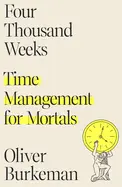
Four Thousand Weeks - by Oliver Burkeman
Recommend it: 8/10. Date read: .
Give up hope and embrace your limits. Everything you do means giving up something else. Say yes to less. He’s one of my favorite authors, so wonderfully thorough, but I already agree and am living this way. (My “Hell Yeah or No” was about this subject.) Still, I’d recommend it to anyone.
-
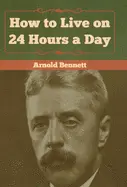
How to Live on 24 Hours a Day - by Arnold Bennett
Recommend it: 8/10. Date read: .
Delightful quick droll funny old book from 1908 about how to make the best use of your time. I like his written voice. I like his points on poetry, novels, curiosity, empathy, martyrs, reading the news, and of course making the most of every minute you have.
-
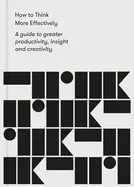
How to Think More Effectively - by the School of Life
Recommend it: 8/10. Date read: .
Great little book by Alain de Botton with quick pop-philosophy and life advice. Surprisingly good insights on how to be a better friend and listener, using envy, writing like Proust, and the companionship of book subjects.
-
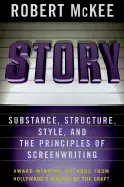
Story - by Robert McKee
Recommend it: 8/10. Date read: .
A masterpiece about screenwriting. Everyone who writes fiction must read this book. Cinema fans should read this book, even if you have no intention to write. It’s a film school masterclass. It also has surprisingly good insights into life: the story we all create by living.
-
All I Really Need to Know I Learned in Kindergarten - by Robert Fulghum
Recommend it: 8/10. Date read: .
I read and loved these stories 30 years ago, so read again for tips on story-telling. I admire his way of taking tiny concrete every-day things or situations, and relating them to life-size big-picture humanity themes.
-
Nonviolent Communication - by Marshall Rosenberg
Recommend it: 8/10. Date read: .
After years of so many people telling how much this book has helped them, I finally read it. And yeah, it’s impressive. Very compassionate and actively empathetic. Everyone who communicates should read this and take it to heart.
-
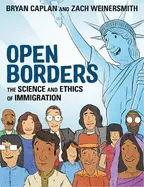
Open Borders - by Bryan Caplan
Recommend it: 8/10. Date read: .
A nonfiction comic book, by an economist, about unrestricted immigration. What? Yeah. Everyone should read it. This fun easy read of a single well-argued point will change your mind no matter what your previous stance. Brilliant illustration by Zach Weinersmith helps make the topic stick. NOTE: Don’t try to read it on a little black-and-white Kindle. It really is a comic book and needs to be read full-size in color.
-
The Practice - by Seth Godin
Recommend it: 8/10. Date read: .
The subtitle “Shipping Creative Work” sums it up well. It’s a great call-to-action, giving you the right mindset to create the thing you know you need to do. Very encouraging and motivating. Every creative person needs this.
-
The Psychology of Money - by Morgan Housel
Recommend it: 8/10. Date read: .
Thoughts on wealth, greed, and happiness. Good insights into the investing mindset. Well-written without fluff. Some great counter-intuitive surprises.
-
No More Mr. Nice Guy - by Robert Glover
Recommend it: 8/10. Date read: .
Nice guys need to read this book about love and sex.
-
Stillness Is the Key - by Ryan Holiday
Recommend it: 8/10. Date read: .
Peaceful thoughts on inner tranquility and focus. Great writer, solid ideas, I love this. Read my notes for an idea, but definitely read the whole book.
-
Everything Is Fucked - by Mark Manson
Recommend it: 8/10. Date read: .
Philosophy made relatable. Great points about taking feelings seriously, pain as the speed of light, humanity as an ends not means, and democracy acknowledging human nature. Sections on Nietzsche and Kant are fascinating, not academic. The second half grabbed me the most.
-
Stubborn Attachments - by Tyler Cowen
Recommend it: 8/10. Date read: .
Subtitle “A Vision for a Society of Free, Prosperous, and Responsible Individuals” gives a hint of its contents. I love these kinds of books: full of well-considered, smart, rational and surprising ideas from an economist.
-
Watching the English - by Kate Fox
Recommend it: 8/10. Date read: .
The first book I read about a country’s philosophy, and still one of the best. (Au Contraire, about the French, is the other.) I re-read it now 11 years later, and loved her insights and writing. Active anthropology. A must-read if you’re spending time in England.
-
Story of Philosophy - by Will Durant
Recommend it: 8/10. Date read: .
Profiles of some top philosophers: Plato, Aristotle, Bacon, Voltaire, Kant, Schopenhauer, Nietzsche. But wow - Durant’s writing steals the show. A hundred various thoughts to digest.
-
Innumeracy - by John Allen Paulos
Recommend it: 8/10. Date read: .
Why are so many people so mathematically illiterate? (Hence the title: illiteracy → innumeracy.) I wish I was an expert at this. I love it when someone is able to blow apart a claim in a minute, or know a good versus bad deal, just by running the numbers. I’d love to get great at this, then re-learn almost everything in life, but now with this additional lens.
-
The Dip - by Seth Godin
Recommend it: 8/10. Date read: .
Tiny quick read with a punchy point: Anything worth doing has a painfully-hard middle period, which is where most people quit. But knowing this in advance, ask yourself seriously if you really have the dedication to stick it through that hard time. If not, then don’t begin! Quit in advance! But if so, then expect that dark dip, and don’t quit when you’re in it. Read the whole book if this applies to you. There’s not a wasted page.
-
The Road Less Traveled - by M. Scott Peck
Recommend it: 8/10. Date read: .
Profound truths and bold opinions on discipline, life, and love, written by a psychiatrist in 1978. It's been a best-seller all these years for a good reason.
-
Guns, Germs, and Steel - by Jared Diamond
Recommend it: 8/10. Date read: .
Why did the people of certain continents succeeded in invading other continents and conquering or displacing their people? Fascinating world history. Winner of the Pulitzer Prize. See the notes.
-
Steal Like an Artist - by Austin Kleon
Recommend it: 8/10. Date read: .
Short, inspiring insights into creativity and the creative life: the day job, the mindset, etc. Also read his other book “Show Your Work”.
-
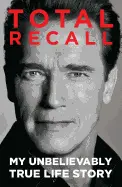
Total Recall - by Arnold Schwarzenegger
Recommend it: 8/10. Date read: .
I was not expecting to love this so much! I'm not a fan of his, but MAN his ambitious mindset, especially in his early days when he first moved to America, is so inspiring. Both on the movie-star side and real-estate side. If you need a role model or inspiration for thinking big, this is it. (Skip the final section on his governor days.) I was telling friends stories and thoughts about this book for weeks afterwards.
-
A Mind for Numbers - by Barbara Oakley
Recommend it: 8/10. Date read: .
Thought I was getting a book about math, but ended up being a surprisingly good book about learning in general. Main points are about diffused thinking vs focused thinking.
-
Smartcuts - by Shane Snow
Recommend it: 8/10. Date read: .
Inspiring study of how successful people took smart shortcuts and bypassed the long-slogging dues-paying process. Great insights on momentum. Read the whole book for specific stories of Jimmy Fallon, Skrillex, Elon Musk, David Heinemeier Hansson, and Michelle Phan.
-
Superhuman by Habit - by Tynan
Recommend it: 8/10. Date read: .
Great little manifesto about habits. Very well thought-through practical applications, tips, and philosophies on creating and sustaining the habits you want.
-
Mindwise - by Nicholas Epley
Recommend it: 8/10. Date read: .
Many brilliant insights, especially about over-estimating the differences between you and others, thereby separating into us-vs-them tribalism.
-
The Obstacle Is the Way - by Ryan Holiday
Recommend it: 8/10. Date read: .
A succinct adrenaline-generating call to clear thinking and rational action. Many historical examples. Incredibly inspiring.
-
The Antidote - by Oliver Burkeman
Recommend it: 8/10. Date read: .
Surprisingly deep and philosophical. The first book I've read in years that makes me want to read it twice. The title and cover make it seem like light pop, but it's a wonderfully-cynical British journalist diving into Stoicism, meditation, death, etc.
-
Decisive - by Chip and Dan Heath
Recommend it: 8/10. Date read: .
Interesting and insightful dive into the subject of how to make big decisions. Specific useful advice.
-
5 Elements of Effective Thinking - by Edward B. Burger and Michael Starbird
Recommend it: 8/10. Date read: .
Short and brilliant book with tips on being a better thinker. Being persistent, thorough, rooted in fundamentals, creative, and a more active learner. Surprisingly inspiring.
-
The Icarus Deception - by Seth Godin
Recommend it: 8/10. Date read: .
VERY interesting. Seth is moving from talking about business to talking about being an artist in the broad sense of anyone who creates (and ships!) something daring and new. I loved the distinction between the industrialist and the artist, as it helped me give a term for something I'd experienced: not being able to relate at all to those who just want to grow business for business' sake, whereas I always saw my business like a creative art project. The book stays very high-level, so don't look for “TO-DO” type tips.
-
So Good They Can’t Ignore You - by Cal Newport
Recommend it: 8/10. Date read: .
Shockingly smart thoughts about your career. A must-read for anyone who is not loving their work, wanting to quit their job, and follow their passion, or not sure what to do next. I'm recommending this many times a week to people who email me with these kinds of questions. Best book I've ever read on the subject. See https://commoncog.com/blog/so-good-they-cant-ignore-you/ for a better summary.
-
Mastery - by George Leonard
Recommend it: 8/10. Date read: .
A description of the path to mastery in any field: to enjoy regular practice for its own sake, to push your capabilities but to accept the plateau, to surrender to the path and exercises your teacher gives you. Stay focused, not distracted like the dabbler, impatient like the obsessive, or complacent like the hacker.
-
The Little Book of Talent - by Daniel Coyle
Recommend it: 8/10. Date read: .
First he wrote The Talent Code, which I also highly recommend, then he distilled all that research about deliberate practice into 52 actionable tips. Amazing and inspiring, you can read the whole thing in 90 minutes, then get to work!
-
What Technology Wants - by Kevin Kelly
Recommend it: 8/10. Date read: .
Fascinating historical and philosophical perspective on technology, where it's come from, where it's going.
-
Thinking, Fast and Slow - by Daniel Kahneman
Recommend it: 8/10. Date read: .
If you liked “Predictably Irrational” or “Stumbling on Happiness” or any of those pop-psychology books, well, this is the Godfather of all of their work. Huge thorough book gives a great overview of much of his work. Read the other quotes on Amazon about it.
-
Willpower - by Roy Baumeister and John Tierney
Recommend it: 8/10. Date read: .
You have a finite amount of willpower that becomes depleted as you use it. Two traits that consistently predict “positive outcomes” in life: intelligence and self-control. Most major problems, personal and social, center on failure of self-control. When people were asked about their failings, a lack of self-control was at the top of the list. So let's talk about self-control....
-
Power of Full Engagement - by Jim Loehr and Tony Schwartz
Recommend it: 8/10. Date read: .
The authors worked with the best athletes and executives for years, and found that the best ones knew how to push themselves, then recuperate, push, recuperate. Take this same approach to your emotional, mental, physical, and even spiritual life, and it's a powerful metaphor. Think of sprints, not marathons. Be fully in whatever you're in, then give time to recuperate. But push further each time, past your comfort zone, like a good exercise plan.
-
Moonwalking with Einstein - by Joshua Foer
Recommend it: 8/10. Date read: .
For those fascinated with memory. Riveting page-turner about a journalist (with no particularly good memory) who went to cover a memory championship event. Intrigued and befriending some competitors, he starts practicing, and a year later wins the U.S. memory championship event himself. Inspiring dive into the subject of memorization.
-
Practicing Mind - by Thomas Sterner
Recommend it: 8/10. Date read: .
Great simple philosophy: Life itself is one long practice session. Everything in life worth achieving requires practice. Practice is not just for artistic or athletic skill, but practicing patience, practicing communication, practicing anything you do in life. The process/practice itself is the real goal, not the outcome.
-
The Personal MBA - by Josh Kaufman
Recommend it: 8/10. Date read: .
An amazing overview of everything you need to know about business. Covers all the basics, minus buzz-words and fluff. Look at my notes for an example, but read the whole book. One of the most inspiring things I've read in years. Want proof? I asked the author to be my coach/mentor afterwards. It's that good.
-
Mindset - by Carol Dweck
Recommend it: 8/10. Date read: .
Crucial distinction: People in a “fixed” mindset believe that you *are* great or flawed. People in a “growth” mindset believe your greatness (or flaws) are because of your actions. The fixed mindset is very harmful in every area of life (work, art, relationships, business, etc.) We get our initial mindset from our environment. When parents say, “You are great,” instead of ”You did great work,” they accidentally create the “fixed” mindset.
-
Art and Fear - by David Bayles and Ted Orland
Recommend it: 8/10. Date read: .
For artists and musicians only: beautiful insights into the creative process.
-
Drive - by Daniel Pink
Recommend it: 8/10. Date read: .
Essential for all managers. Deep surprising study of motivation at work. Extrinsic vs intrinsic. Work vs play. When money is used as an external reward for some activity, the subjects lose intrinsic interest for the activity.
-
The Geography of Bliss - by Eric Weiner
Recommend it: 8/10. Date read: .
Cranky NPR reporter dives deep into Iceland, Bhutan, Qatar, Holland, Switzerland, Thailand, India and Moldova to find out why people are happy (or not) in each. So beautifully written with astounding insights into culture and happiness. Amazing. Been thinking about it for weeks afterwards.
-
How We Decide - by Jonah Lehrer
Recommend it: 8/10. Date read: .
Brilliant book with one clear message: our emotional brain is faster and usually smarter than our logical brain. Our emotions are trained by years of logic and experience, retaining it all for real wisdom. Many decisions are better made by going with the gut feeling. Gets a little too technical with deep brain/neuro/cortex talk, but brings it back to usable points.
-
Discover Your Inner Economist - by Tyler Cowen
Recommend it: 8/10. Date read: .
Recommendations for the transactions of life. When to give to charity, what restaurants to choose, what insurance to buy, etc. He makes a rational case for these, often surprising, from an economics point of view.
-
The Talent Code - by Daniel Coyle
Recommend it: 8/10. Date read: .
A great book showing that deep practice - (struggling in certain targeted ways - operating at the edges of your ability, where you make mistakes - experiences where you're forced to slow down, make errors, and correct them) - is what really makes you improve at anything.
-
Ignore Everybody - by Hugh MacLeod
Recommend it: 8/10. Date read: .
Brilliant succinct wisdom on creativity from an artist. Seth Godin says, "Hugh harangues and encourages and pushes and won't sit still until you, like him, are unwilling to settle." I highly recommend this to all musicians, artists, and entrepreneurs. Even those that prefer not to read much. :-)
-
Tribes - by Seth Godin
Recommend it: 8/10. Date read: .
Inspiring look at what it takes to organize and mobilize groups of people.
-
How to Talk to Anyone - by Leil Lowndes
Recommend it: 8/10. Date read: .
Wonderful considerate book about conversational people skills. (Warning: it’s written in an extremely flowery style, but try to see past that to get to the good stuff.) Gives specific instructions that are really useful for people who are not naturals. Just do what this book says, and people will warm up to you.
-
Brain Rules - by John Medina
Recommend it: 8/10. Date read: .
New scientific insights into why our brains work this way, and how to use what we now know to learn or work better.
-
You, Inc - The Art of Selling Yourself - by Harry Beckwith
Recommend it: 8/10. Date read: .
One of my favorite authors, and a massive inspiration for my e-book. This is his newest, but read anything he’s done. It’s all top-notch insights on making life easier by being more considerate, whether you call that marketing or just life.
-
The Innovator’s Solution - by Clayton Christensen
Recommend it: 8/10. Date read: .
Required reading for business-owners and investors. Shows how technology improves faster than people's ability to use it, so when someone says a technology is “not good enough”, add “yet” and prepare for disruption.
-
Small is the New Big - by Seth Godin
Recommend it: 8/10. Date read: .
I’m a massive fan and disciple. A collection of his short insightful posts from his blog, all thought-provoking and inspiring for anybody marketing anything, even music.
-
The 48 Laws of Power - by Robert Greene and Joost Elffers
Recommend it: 8/10. Date read: .
Warning: some think this book is pure evil. But power exists, so it can only help to understand it better, even if you choose not to wield it.
-
You Can Just Do Things - by Cate Hall and Sasha Chapin
Recommend it: 7/10. Date read: .
How to be agentic - to take charge and make things happen, no matter how unusual or uncomfortable it may be. Make your world the way you ideally want it to be, instead of normal. Cate Hall embodies this, so it’s great to hear it from someone really living it instead of just writing about it.
-
Nineteen Ways of Looking at Consciousness - by Patrick House
Recommend it: 7/10. Date read: .
Using the story of Anna - the patient who laughed when the surgeon stimulated parts of her brain - the author looks at the subject of consciousness from 19 different angles, writing in slightly different styles. He used the format of another book I have notes on here, titled “Nineteen Ways of Looking at Wang Wei”. Some beautiful poetic writing here.
-
Art of Spending Money - by Morgan Housel
Recommend it: 7/10. Date read: .
Philosophical thoughts on what to do with your money, which then relates to happiness, independence, envy, scarcity, and more. Putting money into savings is like buying independence. Imagine a 5-star chef cooks the most amazing meals for you 3× a day, every day. You’d lose the joy of a great meal since it’s no longer scarce. Implications for life?
-
Cosmopolitanism - by Kwame Anthony Appiah
Recommend it: 7/10. Date read: .
So many interesting ideas and questions about relativism, beliefs vs desires, openness, authenticity, pluralism.
-
Breakneck - by Dan Wang
Recommend it: 7/10. Date read: .
China is an engineering state, relentlessly pursuing megaprojects, while the United States has stalled because it’s transformed into a lawyerly society, reflexively blocking everything, good and bad.
-
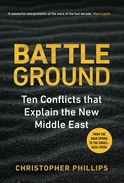
Battleground: 10 Conflicts that Explain the New Middle East - by Christopher Phillips
Recommend it: 7/10. Date read: .
Summary of what’s been going on in West Asia since the 2011 Arab Spring. Great example of one book keeping you more informed than a hundred hours of daily news, since the book can summarize what was important in hindsight, showing outcomes and connections with what influenced or was influenced.
-
Heirs to Forgotten Kingdoms: the Disappearing Religions of the Middle East - by Gerard Russell
Recommend it: 7/10. Date read: .
The subtitle says it best: “Journeys into the Disappearing Religions of the Middle East”. British author, fluent in Arabic and Farsi, goes deep into Iraq, Iran, Lebanon, Egypt, and Pakistan to meet Mandaeans, Yazidis, Zoroastrians, Druze, Samaritans, Copts, and Kalasha. Fascinating bold anthropological adventure with insights into religion and history.
-
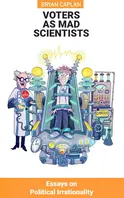
Voters as Mad Scientists - by Bryan Caplan
Recommend it: 7/10. Date read: .
Fun philosophical essays about political irrationality. I love the way he thinks, so I'm happy to read his thoughts on almost anything, just to hear his thought process.
-
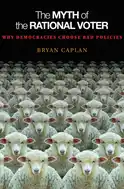
The Myth of the Rational Voter - by Bryan Caplan
Recommend it: 7/10. Date read: .
A critical look at democracy. I love the way he thinks so it’s fun to hear his thought process even though I’m not that interested in this subject.
-
Labor Econ Versus the World - by Bryan Caplan
Recommend it: 7/10. Date read: .
Good collection of philosopical essays around governance of labor and jobs. I love the way he thinks so it’s fun to hear his thought process even though I’m not that interested in this subject.
-
How Evil Are Politicians? - by Bryan Caplan
Recommend it: 7/10. Date read: .
Little essays of empathetic economics doggedly applied to topics around governance. Such a clear thinker. I love how he thinks, and how it inspires me to think and write too.
-
Wish Lanterns / China’s New Youth - by Alec Ash
Recommend it: 7/10. Date read: .
20-something British author living in Beijing got to know six Chinese people his own age, and profiled them deeply here through age 30, through 2016. Feels almost like fiction, following each character’s inner and outer life, switching between the six people in stages. If you feel that wide cultural profiles are too broad, and miss the personal touch, this format and writing is great.
-
River Town - by Peter Hessler
Recommend it: 7/10. Date read: .
Memoir of an American 27-year-old spending two years teaching English in a small city in Western China from 1996-1998. Interesting to watch his progression of getting more comfortable there.
-
Hold On to Your Kids - by Gordon Neufeld and Gabor Maté
Recommend it: 7/10. Date read: .
Great parenting insights, mostly around the importance of the guiding relationship between parent and child, without which they seek attachment from friends who are less capable guides.
-
Unboxing Bengaluru - by Malini Goyal and Prashanth Prakash
Recommend it: 7/10. Date read: .
I already love Bangalore, India, and plan to live there. But this is a good book that shows what’s wonderful about Bangalore, according to many of its residents and observers. I highly recommend to anyone interested.
-
The Stoic Challenge - by William B. Irvine
Recommend it: 7/10. Date read: .
Ah, one of my favorite life philosophies. His previous book introduced me to Stoicism. This book elaborates on the idea with a specific angle of thinking of yourself as being tested, and to create challenging situations for yourself.
-
Israel: the Misunderstood Country - by Noa Tishby
Recommend it: 7/10. Date read: .
History of modern country of Israel, written by someone whose grandparents were part of its founding. Unapologetically pro-Israel, but also pro-Palestine and anti-Hamas. Well-written though the occasional unnecessary adjectives (“horrific” / “brave”) remind you that it’s clearly biased and personal. Despite that, it’s really a great history book, riveting throughout.
-
Swisstory, History of Switzerland - by Laurie Theurer
Recommend it: 7/10. Date read: .
Great succinct history of Switzerland. Written and illustrated for kids, but really a perfect-sized quick read. It answered most of the questions I had in my recent visit.
-
Useful Delusions - by Shankar Vedantam
Recommend it: 7/10. Date read: .
Same subject as my upcoming “Useful Not True” book, and so good I could almost recommend you read this instead. Almost. No massive epiphanies but many good points around the subject compiled in one place makes for a good argument. If you like “Useful Not True”, read this next.
-
Outlive - by Peter Attia
Recommend it: 7/10. Date read: .
Expert advice on how to stay healthy into middle and old age. First half of the book was fluff for context. Second half was great specific advice. In short: exercise as much as an athlete.
-
Nietzsche: a complete introduction - by Roy Jackson
Recommend it: 7/10. Date read: .
Clear summary and explanation of Nietzsche’s writing. I’ve listened to a whole audio course on Nietzsche and read another summary of his philosophy, but this book explains it best.
-
What Everyone Needs to Know about Islam - by John L. Esposito
Recommend it: 7/10. Date read: .
Great clear introduction to Islam in an FAQ format. Common question, simple answer. Common question, simple answer. Almost every question was one I had considered once, but never actually asked. The book is not deep — just a high-level overview, which I found useful and fascinating.
-
Almost Perfect - by Erika Lemay
Recommend it: 7/10. Date read: .
Elite athlete and physical artist shares her philosophy and actions that made her the best in the world. Wonderful intensity, focus, discipline, and ambition. Exciting and useful to hear her mindset, Übermensch in action, to apply to your own life and work.
-
The Courage to Be Happy - by Ichiro Kishimi and Fumitake Koga
Recommend it: 7/10. Date read: .
The sequel to the great “Courage to be Disliked”. The philosophy of Alfred Adler, on education, self-reliance, coming to terms with your past, focusing on solutions instead of problems, and active loving. Be warned, the format is strange: a dialog between an angry youth and calm philosopher. You can skim over what the youth says, since it's just angry objections.
-

Essays and Aphorisms - by Arthur Schopenhauer
Recommend it: 7/10. Date read: .
Classic philosophy. I strongly disagreed with his thoughts on the meaning of life, on women, and some on religion. But the rest were fascinating and worthy of deeper reflection. Too much to summarize. See notes.
-
Wanting - by Luke Burgis
Recommend it: 7/10. Date read: .
Pop explanation of René Girard’s anthropology of mimetic theory. We all imitate, but are rarely aware of it. Many relatable examples, though not a clear takeaway.
-
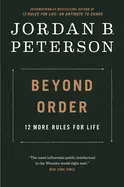
Beyond Order - by Jordan Peterson
Recommend it: 7/10. Date read: .
Deep philosophy. Interesting voice. Great uncommon insights. Jungian. Brings almost any topic back to stories. Story of Pinnochio, stories in the Bible, story of your life. Stresses the importance of convention and social norms. 1st chapter had me talking about this book with friends immediately, loving it. 2nd chapter onwards, it was a tougher read. Needs a ruthless editor.
-
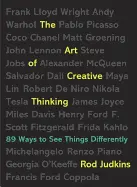
The Art of Creative Thinking - by Rod Judkins
Recommend it: 7/10. Date read: .
89 little inspiring thoughts and observations around the creative process written by someone who’s been in the thick of it for decades
-
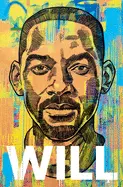
Will - by Will Smith and Mark Manson
Recommend it: 7/10. Date read: .
I loved this so much I couldn’t stop, and read in one sitting for 8 hours straight. I love autobiographies that distill lessons from their success. Similar to “Total Recall” by Schwarzenegger. I love reading the mindsets of the super-ambitious. Knowing Mark Manson’s writing so well, it’s fascinating to notice where it subtly changes voice from Will to Mark. Great insights. Really an ideal autobiography.
-
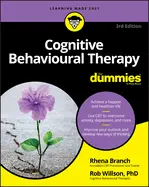
Cognitive Behavioral Therapy for Dummies - by Rob Willson and Rhena Branch
Recommend it: 7/10. Date read: .
If you haven’t looked into cognitive behavioral therapy, please do. It’s a clunky name but a great mindset. My notes here will give you an idea of what it’s about. It’s very effective for depression, anxiety, and more.
-
The Complacent Class - by Tyler Cowen
Recommend it: 7/10. Date read: .
America’s dynamic ever-changing past is slowing into a complacent stagnation. People don’t move as much or expect change. This hurts class mobility, and eventually needs to change. Inspired by his visit to China, which has grown 10% every year for 30 years, meaning every 7 years it’s like a whole new country is built. America is relatively halted.
-
Prisoners of Geography - by Tim Marshall
Recommend it: 7/10. Date read: .
The world's cultures and politics are this way because of geography : oceans, rivers, mountains, deserts, farmable land, etc. Fascinating for me because I'd never looked at this world this way before.
-
Finland Culture Shock - by Deborah Swallow
Recommend it: 7/10. Date read: .
Surprisingly insightful. Much better than expected. An outsider’s insights into Finnish culture. I read it on my way to Finland, and swooned at the description of what sound like my kind of people. My experience in Finland mostly matches the book’s description, except I was in louder central Helsinki, so the anti-social silence was not on display. The book has a list of spectrums of culture which could be a good framework to categorize various countries’ cultures.
-
The Alter Ego Effect - by Todd Herman
Recommend it: 7/10. Date read: .
Great idea: that you should create an inner hero that you bring out when performing. Athletes do this: when they compete they are “The Ghost Panther” (or whatever) in their mind, not their normal self. I’ve done and prescribed this for 20 years, so it’s cool to read a book on the subject. The point is simple. The book is filled with many anecdotes.
-
Life 3.0 - by Max Tegmark
Recommend it: 7/10. Date read: .
A deep, bold, and visionary dive into Artificial Intelligence and its many implications. One of the most interesting books I've ever read. If you haven't read much of AI yet, start with “Surviving AI” as an intro, then read this as a deep-dive. His perspective is amazingly thorough. Defining terminology was a great way to start. For example life is a “process that can retain its complexity and replicate”. Intelligence is the “ability to accomplish complex goals”. That keeps it broad enough to define future technology as alive and intelligent.
-
The Consolations of Philosophy - by Alain De Botton
Recommend it: 7/10. Date read: .
How can the lessons of philosophers change your life? Thoughtful, unique, and funny book (cute illustrations) with some insightful ideas around that.
-
The Lessons of History - by Will and Ariel Durant
Recommend it: 7/10. Date read: .
They wrote the massive 11-volume 10,000-page “Story of Civilization” covering Western history, then wrote this tiny 100-page book succinctly summing up its lessons for our present day.
-
When - by Daniel Pink
Recommend it: 7/10. Date read: .
A quick, entertaining, and informative book focusing on the effects of timing on your life. All points are kept extremely practical and applicable to life and job/work.
-
Perennial Seller - by Ryan Holiday
Recommend it: 7/10. Date read: .
Great thoughts on creating a timeless masterpiece (whether music, book, or any art) - and then promoting it. Very inspiring for any creator.
-
Principles - by Ray Dalio
Recommend it: 7/10. Date read: .
Wow. So dense with wisdom that I wanted to highlight almost every paragraph. Instead, I skipped Part 1, about his background, because in the intro he recommends you skip it. I also skipped Part 3, about work principles, since they were all collaborative group-stuff, and I’m not working with anyone now. So here are my notes just from Part 2, “Life Principles”, which were so good I’ll probably re-read this book again next year. Caveat: it’s mostly so high-level — (“Decide what is true, then decide what to do about it.”) — that they’re more like koans to spark your own thoughts, instead of specific “do this” type advice.
-
How to Read a Book - by Charles Van Doren and Mortimer Adler
Recommend it: 7/10. Date read: .
Light? No. Serious. Very serious and scholarly. Advises to read books that are above your current ability. A very specific methodology is given. Read books twice, ask questions while reading, answer those questions, then summarize and criticize afterwards. The point is to grow up to the level of the author.
-
Grit - by Angela Duckworth
Recommend it: 7/10. Date read: .
Grit is her word for persistence, focus, endurance, and constant improvement. Great thoughts on this point. If interested in it, also read the books here about deliberate practice.
-
How to Talk So Kids Will Listen & Listen So Kids Will Talk - by Adele Fabe and Elaine Mazlish
Recommend it: 7/10. Date read: .
Great thoughts on acknowledging kids' feelings.
-
The Inevitable - by Kevin Kelly
Recommend it: 7/10. Date read: .
What are today's technologies inevitably going to lead to? Great predictions. Half of it was super-inspiring, painting a vision of the future that made me want to jump on it. Half felt like “well, duh, obviously!” maybe because I'm already deep in it.
-
Peak: Secrets from the New Science of Expertise - by Anders Ericsson
Recommend it: 7/10. Date read: .
After being quoted in many books, the guy who coined “deliberate practice”, and spent his career studying just that, finally writes his own take on it. But I've already loved “The Talent Code”, “The Little Book of Talent”, “Moonwalking with Einstein”, “Talent is Overrated”, and “Little Bets”, which are all about this same field. So I didn't get much new out of it, but if you haven't already read those, maybe start here at the horse's mouth.
-
Deep Work - by Cal Newport
Recommend it: 7/10. Date read: .
Crucial subject, dear to me: shutting out distractions for deep productive concentrated work. No huge surprises but great supporting thoughts. I liked the point of considering the downside of the internet, instead of only the positives.
-
The Geography of Genius - by Eric Weiner
Recommend it: 7/10. Date read: .
What made Athens, Florence, Hangzhou, Vienna, Calcutta, and Silicon Valley such creative centers? Author goes to each to find out, and dives into the subject of creativity in general. He's such a great writer, so insightful, and finds so many great points of view from the people he interviews. See his other book here “Geography of Bliss”. Equally brilliant.
-
The Truth - by Neil Strauss
Recommend it: 7/10. Date read: .
Deep look at romantic relationships. Neil’s autobiography of transformation from being a womanizing sex addict, through therapy, concluding with commitment to his girlfriend. But interlaced in his story are powerful lessons about relationships.
-
Writing Tools - by Roy Peter Clark
Recommend it: 7/10. Date read: .
Great advice on how to be a better writer. Unfortunately the author’s writing style is distracting. How strange to take advice from someone not taking it themselves. Like a drunk telling you not to drink. Right after reading this book I gave it a terrible rating because of that, but now I realize its points and advice (in my notes, below) are truly great.
-
Fluent Forever - by Gabriel Wyner
Recommend it: 7/10. Date read: .
Forget Rosetta Stone, Pimsleur, and the rest. I really believe this is the best way to learn another language, by far. Using the most up-to-date techniques and insights, and a unique emphasis on getting the sounds correct first. It's not easy, but it's much more effective than any other program or guide. Highly recommended if you're serious, and ready to do it.
-
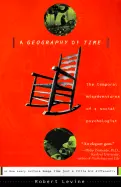
Geography of Time - by Robert Levine
Recommend it: 7/10. Date read: .
Interesting look at how different cultures consider time in different ways.
-
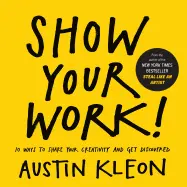
Show Your Work - by Austin Kleon
Recommend it: 7/10. Date read: .
Short inspiring book about sharing your work online. Really healthy perspective. Makes me want to do it much more.
-
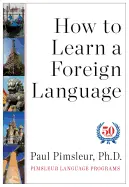
How to Learn a Foreign Language - by Paul Pimsleur
Recommend it: 7/10. Date read: .
Short, punchy, incredibly insightful and useful book about learning another language, especially for a first-timer. I've read a few books on the subject now, but this is the only one that spoke directly to my issues. Especially loved his points on the importance of sounds over words. Hint: a language that is written but not spoken is called a dead language.
-
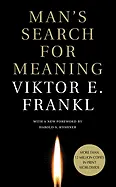
Man’s Search for Meaning - by Viktor Frankl
Recommend it: 7/10. Date read: .
Powerful, deep, etc. First half describes life inside Auschwitz. Second half has powerful succinctly-said insights into the universal struggle. There's a reason this book has sold a billion copies.
-

Toilet Training in Less Than A Day - by Nathan Azrin
Recommend it: 7/10. Date read: .
This method worked great for toilet-training my son at age 2. It really did work in one day.
-
Choose Yourself! - by James Altucher
Recommend it: 7/10. Date read: .
Anyone who likes my writing will probably LOVE his writing. We've got a very similar style and approach. I was smiling most of the way through, reading things I could have (and wish I would have) written myself. His vulnerability is so endearing.
-
Self Reliance - by Ralph Waldo Emerson
Recommend it: 7/10. Date read: .
Pow! This punched me in the gut from page one. Takes a tiny effort to read the English of the 1840s, but what a reward. A masterpiece essay (manifesto?) on independence, non-conformity, and trusting oneself.
-
How to Fail at Almost Everything and Still Win Big - by Scott Adams
Recommend it: 7/10. Date read: .
Random assortment of life tips/hacks from the creator of Dilbert. Interesting common thread of making your life a system for increasing your odds at success. But I liked the random tips, too.
-
No B.S. Time Management for Entrepreneurs - by Dan S. Kennedy
Recommend it: 7/10. Date read: .
Repeated message: Your time is precious. Know its value and don't work for less. Defend it against time-vampires. Be hard to reach. Make every minute count. Do only the valuable tasks. Good conventional wisdom.
-
The Power of Habit - by Charles Duhigg
Recommend it: 7/10. Date read: .
Great dissection and analysis of what creates habits, and the power of changing just one of three steps in the habit loop.
-
The Passionate Programmer - by Chad Fowler
Recommend it: 7/10. Date read: .
Wonderful book about the art, craft, and passion of being a great computer programmer. Loved the analogies to being a musician: sight-reading, being the worst member of the band, understanding new styles of music, practicing just for improvement, etc.
-
Poke the Box - by Seth Godin
Recommend it: 7/10. Date read: .
Awesome short manifesto about getting into the habit of starting things. Inspiring as hell. Go go go!
-
The 4-Hour Body - by Tim Ferriss
Recommend it: 7/10. Date read: .
Amazing book for anyone wanting to improve their body. Core concept is the “minimum effective dose”: the smallest dose that will produce a desired outcome. Anything beyond that is wasteful. This documents Tim's years-long pursuit of the minimum effective dose of everything, from weight loss to muscle-building. Related subjects include orgasm, sleep, and medical tourism.
-
Hackers & Painters - by Paul Graham
Recommend it: 7/10. Date read: .
A collection of essays from one of the best. Loosely about intelligence, entrepreneurship, programming, and questioning norms. Many brilliant ideas and insights.
-
I Will Teach You To Be Rich - by Ramit Sethi
Recommend it: 7/10. Date read: .
An amazing book about consumer finance and a healthy approach to managing your money. If you are age 18-35, this is a must-read! My notes are scarce, so get the book. Even if over 35, you might find some good tips on lowering your fees on various services, and a good reminder of good savings practices.
-
Being Logical - by D.Q. McInerny
Recommend it: 7/10. Date read: .
World getting too fuzzy and unreasonable? Watching too much TV? A good book on logic is a great antidote. I'd never read one before, so I don't know how to compare it to others, but I really loved the clear thinking and deep insights here.
-
Why Smart People Make Big Money Mistakes - by Gilovich and Belsky
Recommend it: 7/10. Date read: .
My favorite genre of book lately: clear examples of bugs in our brain: where our intuition is wrong. But this one focuses just on money issues. Loss aversion. Sunk cost fallacy. Confirmation bias. Anchoring. Etc. I love this stuff.
-
Management of the Absurd - by Richard Farson
Recommend it: 7/10. Date read: .
Counter-intuitive lessons about management. Highly recommended for managers and leaders, but also teachers and parents.
-
CrowdSourcing - by Jeff Howe
Recommend it: 7/10. Date read: .
Great look at a different way of getting a project done: not outsourcing it to a person, but developing a system where thousands of people can contribute a little bit.
-
Predictably Irrational - by Dan Ariely
Recommend it: 7/10. Date read: .
My favorite type of book: pointing out and understanding all of the counter-intuitive things people do.
-
The Magic of Thinking Big - by David Schwartz
Recommend it: 7/10. Date read: .
A classic self-help book. Exactly what you'd expect. But very good.
-
The Ultimate Sales Machine - by Chet Holmes
Recommend it: 7/10. Date read: .
After reading E-Myth Revisited, this is the best book I’ve seen on how to turn it into real results, step-by-step. Not ambiguous. Very “do it like this”.
-
The Art of Learning - by Josh Waitzkin
Recommend it: 7/10. Date read: .
Chess master becomes Tai Chi master, realizes his real genius is learning, and shares his insights and stories.
-
Wikinomics - by Don Tapscott and Anthony Williams
Recommend it: 7/10. Date read: .
Lessons learned from Wikipedia can be applied to most other businesses. How can you harness the spare-time or self-interest of thousands to build something better for everyone?
-
The Wisdom of Crowds - by James Surowiecki
Recommend it: 7/10. Date read: .
Mind-blowing examples of how groups of diverse people acting independently are smarter than any one person in the group. Has huge implications for management, markets, decision-making, and more.
-
Meatball Sundae - by Seth Godin
Recommend it: 7/10. Date read: .
Instead of asking how to use the new internet tools to support your existing business, ask how you can change your business to take best advantage of the new tools.
-
Don’t Make Me Think - by Steve Krug
Recommend it: 7/10. Date read: .
The classic book of web usability. Required reading for anyone who makes websites.
-
Writing for Emotional Impact - by Karl Iglesias
Recommend it: 6/10. Date read: .
About the craft of writing a great film screenplay. A bit tedious (with sloppy repetitive writing) but I always love these books for making me see the craft behind movies I know well, and pointing out how to use this craft to make better stories in any medium.
-
Islam Explained - by Ahmad Rashid Salim
Recommend it: 6/10. Date read: .
On this subject, I preferred the book What Everyone Needs to Know about Islam but since I read that three years ago, I was ready for another refresher on the subject, as I'm spending time in Muslim countries.
-
Has China Won? - by Kishore Mahbubani
Recommend it: 6/10. Date read: .
Singapore diplomat’s insights into the China-USA relationship. Very pro-China with sound reasoning.
-
New China Playbook - by Keyu Jin
Recommend it: 6/10. Date read: .
Look into China’s economy and government as of 2023. Good explanations and insights, but quite financially focused. For a broader perspective, read “China’s World View” by David Daokui Li.
-
Political Thought of Xi Jinping - by Steve Tsang and Olivia Cheung
Recommend it: 6/10. Date read: .
Shares the stated and implied policy of China’s president. Fascinating.
-
The Complete Idiot’s Guide to Game Theory - by Edward Rosenthal Ph.D.
Recommend it: 6/10. Date read: .
Great introduction to the subject.
-
Age of Ambition in the new China - by Evan Osnos
Recommend it: 6/10. Date read: .
Journalist in China for many years focuses on three aspects of ~2013 Chinese culture: money, truth, faith. The first section was especially interesting with good insights.
-

Harry Potter and the Methods of Rationality - by Eliezer Yudkowsky
Recommend it: 6/10. Date read: .
Amazing premise, but wow could it use an editor. 122 chapters, 660K words! Often drones on and on. Great ideas inside the verbosity, though. Most importantly, I felt it improving my thought processes after reading.
-
Self-Help Is Like a Vaccine - by Bryan Caplan
Recommend it: 6/10. Date read: .
Collection of various essays from an interesting thinker with surprising perspectives. Read the notes for a sampling.
-
Excellent Advice for Living - by Kevin Kelly
Recommend it: 6/10. Date read: .
Tiny sentences with deep wisdom unelaborated. Up to you to extract, reflect, and apply.
-
The Essentials of Hinduism - by Swami Bhaskarananda
Recommend it: 6/10. Date read: .
If you want to learn about Hinduism, this is the best book I’ve found so far. That said, it’s still very confusing to me.
-
Delphi Complete Works of William James - by William James
Recommend it: 6/10. Date read: .
Huge book compiling all of his writing and speaking, so I didn’t read everything but just the parts I needed for my own research on pluralism and pragmatism. And for that, it was worth it for his insights.
-
Introducing Pragmatism - by Cornelis de Waal
Recommend it: 6/10. Date read: .
Semi-academic introduction to philosophers in the pragmatism tradition. Not a light read, but some great insights and ideas in the quotes.
-
Pragmatism an Introduction - by Michael Bacon
Recommend it: 6/10. Date read: .
Semi-academic introduction to philosophers in the pragmatism tradition. Not a light read, but some great insights and ideas in the quotes.
-
Japanese Mind - by Roger Davies and Osamu Ikeno
Recommend it: 6/10. Date read: .
Good description of the Japanese mindset and its origins.
-
River Out of Eden - by Richard Dawkins
Recommend it: 6/10. Date read: .
Biologist describes how evolution works, everything maximized for the gene’s survival. Includes related insights and analogies. I like his writing style.
-
Where Is My Flying Car? - by J Storrs Hall
Recommend it: 6/10. Date read: .
Incredibly ambitious and specific. Says we’d have flying cars and nanotech today, and all power should be nuclear, if not for misguided regulations.
-
The Box - by Marc Levinson
Recommend it: 6/10. Date read: .
History of the shipping container, and how it affected the world economy. Also for ambitious entrepreneurs, Malcom McLean is a damn good role model. Great read.
-
Before We Go - by Dan John
Recommend it: 6/10. Date read: .
Collection of essays about fitness and weight lifting. I love all of Dan John's books. This one is one of his best. Nothing revolutionary. Just great reminders.
-
The Beginning of Infinity - by David Deutsch
Recommend it: 6/10. Date read: .
For the first three chapters, I thought it might be the best book I've ever read. But then chapter four and onwards lost my interest. Still, its core idea is brilliant and wonderful — that if something is permitted by the laws of physics, then the only thing that can prevent it from being technologically possible is not knowing how. Progress is unbounded. We are at the very beginning of an infinitely long Enlightenment, and will eventually figure out everything.
-
The Art of Possibility - by Rosamund and Benjamin Zander
Recommend it: 6/10. Date read: .
Leadership coach and famous orchestra conductor collaborate on a book about relationships, art, personal development, children, and practice. Somewhat scattered but had some really interesting ideas.
-
Pre-Suasion - by Robert Cialdini
Recommend it: 6/10. Date read: .
An interesting look at a single topic: what someone encounters beforehand greatly affects the influence of what comes after. Priming.
-
Surviving AI - by Calum Chace
Recommend it: 6/10. Date read: .
A good overview of Artificial Intelligence. If you know nothing about it, start here, then read “Life 3.0” afterwards.
-
How Not to Be Wrong - by Jordan Ellenberg
Recommend it: 6/10. Date read: .
Mathematics as an extension of common sense. I'd like to go through this again, doing and thoroughly understanding all the examples. On the first read, I let it pass over me.
-
Die Empty - by Todd Henry
Recommend it: 6/10. Date read: .
Motivating thoughts on doing your work. Your work is the expression of your priorities. “Work” = creating value where it didn't previously exist. An interesting definition of three kinds of work: mapping, making, and meshing.
-
Surely You’re Joking, Mr. Feynman! - by Richard Feynman
Recommend it: 6/10. Date read: .
Autobiographical stories. Fun anecdotes. But they give a great glimpse into an approach to life: Doubt, challenge, and most importantly: test everything. Experiment. See what happens in the real-world, not in-theory. Applied not just to science, but how ants find food, talking to strangers in bars, sketching portraits, and playing a shaker in a Brazilian band.
-
Never Split the Difference (Negotiating) - by Chris Voss and Tahl Raz
Recommend it: 6/10. Date read: .
Advanced book about negotiating. Serious hostage type stuff. For a lighter book on negotiation, read “You Can Negotiate Anything” by Herb Cohen.
-
Getting the Love You Want - by Harville Hendrix
Recommend it: 6/10. Date read: .
Legendary book about making relationships work, recommended by many. Main point is that we're looking for our partner to heal childhood wounds. A must-read if you're near the start of a serious relationship.
-
Homo Deus - by Yuval Noah Harari
Recommend it: 6/10. Date read: .
Very interesting alternative perspective on life from a historian. Anti-religion, anti-humanism, pro-animal. Seems detached, but is quite opinionated. Much to think about, regardless. My notes here give a taste. A lot to think about.
-
How to Live - by Sarah Bakewell
Recommend it: 6/10. Date read: .
A great biography of the original essayist Michel de Montaigne from the 1500’s, it also explores his philosophical questions. I loved learning about Pyrrhonian Skepticism.
-
Nobody Wants to Read Your Shit - by Steven Pressfield
Recommend it: 6/10. Date read: .
About the technique of writing stories. Good for what it is, but note it's not part of the War of Art series.
-
Living Beautifully with Uncertainty and Change - by Pema Chödrön
Recommend it: 6/10. Date read: .
Everything she writes is wonderful. All a similar theme. See the other books here for other (maybe better) examples.
-
Give and Take - by Adam M. Grant
Recommend it: 6/10. Date read: .
If you feel you are too generous, or too greedy, or are wary and insist on reciprocation, consider reading this research-based look at the subject of these different personality types. Counter-intuitive findings.
-
The Bed of Procrustes - by Nassim Nicholas Taleb
Recommend it: 6/10. Date read: .
I'm thrilled if I get a few counter-intuitive thought-provoking ideas from any source. This book is filled with his usual cocktail party sprezzatura bravado, but refreshingly succinct, minus his usual blowhard explanations of his superior scholarly approach to life.
-
Making Ideas Happen - by Scott Belsky
Recommend it: 6/10. Date read: .
The full title - “Making Ideas Happen: Overcoming the Obstacles Between Vision and Reality” - describes its contents perfectly. Great book on that subject.
-
A Short History of Nearly Everything - by Bill Bryson
Recommend it: 6/10. Date read: .
Fun read of everything from the big bang to tectonic plates to the evolution of early man.
-
Ikigai - by Sebastian Marshall
Recommend it: 6/10. Date read: .
Essays on history, power, self-discipline, negotiation, and the hustle. I especially liked his philosophy on luck, building universally valuable skills, and producing/shipping something from even fleeting interests.
-
Wired for Story - by Lisa Cron
Recommend it: 6/10. Date read: .
If you've read other books on how to write a great story, this probably won't hold much new for you. But this was my first book on this subject, and I loved it. Changed the way I pay attention to movies and novels. Makes me want to write a novel.
-
Pragmatic Programmer - by Andy Hunt and David Thomas
Recommend it: 6/10. Date read: .
Classic book for computer programmers. I read it first in 2003 before I was taking book notes, so I read it again now to take notes. Great wisdom in here. Amazing to see how much of its advice was adopted as norms by Ruby on Rails.
-
Meditations - by Marcus Aurelius and C Scot Hicks and David V Hicks
Recommend it: 6/10. Date read: .
A true classic, filled with stoic wisdom mostly about being your best rational self, doing good for its own sake, and not letting other people upset you.
-
The Developing World - by Fredrik Härén
Recommend it: 6/10. Date read: .
This is a wonderfully one-sided book that shows how exciting the big growth of China, India, Sri Lanka, Singapore, Myanmar, Malaysia, Indonesia, South Africa, Turkey, and Korea are. He's found great examples of people and companies doing really innovative things, but most of all it's a mindset.
-
You Are Not So Smart - by David McRaney
Recommend it: 6/10. Date read: .
Great summary of 46 cognitive biases. Much of it covered in other books like Predictably Irrational, but if you haven't read those, this is a great starting book. Otherwise, just a good reminder, and worth reading.
-
The Lean Startup - by Eric Ries
Recommend it: 6/10. Date read: .
The methodology here is the one I recommend the most. The stuff I preach is like a cute casual intro to the real deal: the Lean Startup methodology. (As an aside: this book is the one that pushed my book out of the #1 slot on Amazon's Entrepreneur charts. Quite an honor.)
-
Seeking Wisdom - by Peter Bevelin
Recommend it: 6/10. Date read: .
A great overview of the lessons of Charlie Munger (partner of Warren Buffett) - and his approach to checklists of multi-disciplinary models to guide clear thinking. Main point: if you can just avoid mistakes, you're doing better than most. So it's a catalog of the most common or important mistakes. Focused on investing, but can be applied to life.
-
Start Small, Stay Small - by Rob Walling and Mike Taber
Recommend it: 6/10. Date read: .
Great how-to guide about being a micropreneur: an entrepreneur running many small but profitable businesses.
-
Making a Good Brain Great - by Daniel G. Amen
Recommend it: 6/10. Date read: .
About the care of the physical brain - the goo in your skull - from a doctor who scans brains and has linked specific behavior to brain chemistry.
-
On Writing - by Stephen King
Recommend it: 6/10. Date read: .
Great thoughts about writing (mostly books) from one of the most successful writers ever. Oddly doubles as an autobiography, telling many stories about his life from childhood.
-
Business Stripped Bare - by Richard Branson
Recommend it: 6/10. Date read: .
A real and specific description of the inner workings of the Virgin companies. Every entrepreneur, investor, and manager should appreciate this detailed account of practices, philosophies and stories from the core.
-
Talent Is Overrated - by Geoff Colvin
Recommend it: 6/10. Date read: .
Talent is not innate - it comes from thousands of hours of deliberate practice: focused improving of your shortcomings. That's it. If you can get past the first 20% of the book that just asks questions, the next 60% is quite good.
-
The Investor’s Manifesto - by William J. Bernstein
Recommend it: 6/10. Date read: .
Absolutely my favorite author and advisor on the subject of investing. Anyone with any money to invest (or already invested) please read this book. Such clear thinking, using only facts, and using numbers not guesses. Modern portfolio theory: use passive indexes of the entire market, no speculation, no stock picking, and avoid the entire fee-sucking financial industry.
-
Overachievement - by John Eliot
Recommend it: 6/10. Date read: .
Performance coach, with a bent towards sports, surgery, and executive performance, gives his thoughts on being a top performer. The key is the "Trusting Mindset": like a squirrel runs across a telephone wire. Just doing it, without thought, because you've trained yourself plenty until that point.
-
The How of Happiness - by Sonja Lyubomirsky
Recommend it: 6/10. Date read: .
Since I loved Stumbling on Happiness, I was prepared to love this, but the big difference is that Stumbling on Happiness showed tests and experiments to prove their points, whereas this book only presents conclusions. Maybe equally accurate but less convincing.
-
Personal Development for Smart People - by Steve Pavlina
Recommend it: 6/10. Date read: .
A broad look at all different aspects of self-improvement. Some unique insights. But it's based on this abstract pyramid of power/love/oneness stuff that I couldn't relate to. Though inbetween those lie some great concrete ideas.
-
The Culture Code - by Clotaire Rapaille
Recommend it: 6/10. Date read: .
Weird look at how different cultures (mostly Europe versus U.S. in this book) see things differently. Example: British luxury is about detachment whereas U.S. luxury is about rank.
-
The Four Pillars of Investing - by William Bernstein
Recommend it: 6/10. Date read: .
If you've already read and loved The Smartest Investment Book You'll Ever Read, above, then read this more in-depth book next.
-
Here Comes Everybody - by Clay Shirky
Recommend it: 6/10. Date read: .
Like Wikinomics and Crowdsourcing, required reading if interested in harnessing the collective power of people online.
-
The Culting of Brands - by Douglas Atkin
Recommend it: 6/10. Date read: .
Unique fascinating dissection of cults and why they work. Then how to apply those lessons to marketing your business.
-
Made to Stick - by Chip Heath and Dan Heath
Recommend it: 6/10. Date read: .
Actually analyzing what makes certain ideas or stories more memorable than others! Fascinating. Apply this wisdom to your songs, bio/story, communication with fans, etc.
-
Maximum Achievement - by Brian Tracy
Recommend it: 6/10. Date read: .
A classic self-help book. Exactly what you'd expect. I don't agree with all of it.
-
China in Ten Words - by Yu Hua 余华
Recommend it: 5/10. Date read: .
Famous fiction author. I loved the movie from his book “To Live”. Memoir of growing up in China filtered through ten topics. Sometimes it’s cultural insights, but sometimes just his personal stories. Deep insights on “copycat” and “bamboozle”. Note those words are rough English translations of the real Chinese words he’s discussing.
-
Existentialism: A Beginner’s Guide - by Thomas Wartenberg
Recommend it: 5/10. Date read: .
Light introduction to Existentialism. Points to some more important works, and gives some context. Good information and insights but written in a style that was hard for me to parse. Happy to now have my notes here after much editing.
-
Rule Makers, Rule Breakers - by Michele Gelfand
Recommend it: 5/10. Date read: .
Asks the question I love: Why are different cultures that way? Focuses particularly on strict versus loose cultures, hence the title. Some of its answers were insightful, but others feel dead wrong and easy to disprove. Still, a worthy read for the good bits. I liked that they used New Zealand as a frequent example.
-

Vagabonding - by Rolf Potts
Recommend it: 5/10. Date read: .
I read it long after release, when its ideas are thoroughly ingested into my culture, so it had few surprises. I prefer his newer “Vagabond’s Way”.
-
Knowledge, Reality, and Value - by Michael Huemer
Recommend it: 5/10. Date read: .
Perfect introduction to academic philosophy. Real philosopher’s definitions. Differs from the more self-help style philosophy I love. Great examples of clear thinking.
-

Connecting the Dots - by Sam Brinson
Recommend it: 5/10. Date read: .
About learning. I would have loved it, but I'd already read all the sources it got its information from, so unfortunately it was nothing new to me.
-
In This Economy? - by Kyla Scanlon
Recommend it: 5/10. Date read: .
Economics explained for non-economists. Highly recommended if that’s what you want.
-
SuperBetter - by Jane McGonigal
Recommend it: 5/10. Date read: .
I was excited to read a book about living gamefully, so I bought it, then found out it was more about recovery - using this approach to heal from trauma. I will read it again with more interest when I have trauma.
-
Linguistics: A Complete Introduction - by David Hornsby
Recommend it: 5/10. Date read: .
Lessons in linguistics for beginning students of the subject.
-
Chile Culture Smart - by Caterina Perrone
Recommend it: 5/10. Date read: .
Basic information in preparation for travel.
-
Argentina Culture Smart - by Mary Godward and Robert Hamwee
Recommend it: 5/10. Date read: .
Basic information in preparation for travel.
-

Colombia Culture Smart - by Kate Cathey
Recommend it: 5/10. Date read: .
Basic information in preparation for travel.
-
Mexico Culture Smart - by Russell Maddicks
Recommend it: 5/10. Date read: .
Basic information in preparation for travel.
-
This Is Mexico - by Carol Merchasin
Recommend it: 5/10. Date read: .
Day-to-day insights from an American lawyer who moved to Mexico. Read in preparation for travel.
-
Persuasion Story Code - by David Garfinkel
Recommend it: 5/10. Date read: .
About stories meant to sell something. You say to the waiter, “Tell me about the filet.” You’re asking for a tiny story. Most of our desires come with a little story of explanation or persuasion. Interesting subject, and the author is a super-expert on the subject.
-
The Power of Regret - by Daniel Pink
Recommend it: 5/10. Date read: .
You won’t say “no regrets” again. Regret’s usefulness in improving future decisions. But also a warning against the pursuit of regret minimizing. Deeper insights than I expected.
-
What’s in It for Them? - by Joe Polish
Recommend it: 5/10. Date read: .
I like Joe and love what he’s done with his Genius Network. The book is a good reminder of the importance of networking, and some insights from an expert.
-
Everything in Its Place (Work Clean) - by Dan Charnas
Recommend it: 5/10. Date read: .
Mise-in-place. Chefs spend more time planning than actually cooking. The success of the kitchen depends on its processes. Apply this to your work.
-
How to Know Everything - by Elke Wiss
Recommend it: 5/10. Date read: .
Really how to ask better questions. How to learn through conversational questioning and listening.
-
The Me, Me, Me Epidemic - by Amy McCready
Recommend it: 5/10. Date read: .
Good parenting advice on how to prevent or cure entitlement. Take responsibility. Pay consequences. Very verbose and full of examples.
-
Attempts - by Dan John
Recommend it: 5/10. Date read: .
I love his writing about fitness and strength. Nothing unconventional except his focus on the fundamentals and basics.
-
Consider This - by Chuck Palahniuk
Recommend it: 5/10. Date read: .
Author of “Fight Club” with some thoughts and stories about writing and life. I read it looking only for thoughts on the craft of writing, but actually the stories and random insights were useful and interesting. (“What dogs want is for no one to ever leave.” “No two people ever walk into the same room.”)
-
Scepticism: A Very Short Introduction - by Duncan Pritchard
Recommend it: 5/10. Date read: .
I love scepticism as a subject, as a mindset, raising the standards of knowledge or belief. Especially self-doubt: not believing yourself. This book was a bit too academic, but worthwhile with good ideas.
-
True Style - by G. Bruce Boyer
Recommend it: 5/10. Date read: .
A balanced, relaxed, healthy look at traditional men’s clothing by a long-time writer on the subject.
-
Brain Rules for Aging Well - by John Medina
Recommend it: 5/10. Date read: .
I recommend this 10/10 if you're over 60, 8/10 if you're over 40, 4/10 otherwise. Current research on brain aging, and how to slow or reverse its effects. Be very social. Read 3+ hours per week. Intensely learn something new, especially a new language. Take dance lessons. Practice gratitude and mindfulness. Flood your mind with nostalgic memories.
-
The Artist’s Journey - by Steven Pressfield
Recommend it: 5/10. Date read: .
I love this series of books from him, from War of Art to Turning Pro. This is worth reading if you need a nudge on this subject, but if you've read the others, it only offers a little more.
-
Swiss Watching - by Diccon Bewes
Recommend it: 5/10. Date read: .
About the culture of Switzerland, written by a Brit. I love these kinds of country culture books, and have always been curious about Switzerland, so it scratched my itch, and has good insights. The description of how the government works was most interesting.
-
Mindfulness in Plain English - by Henepola Gunaratana
Recommend it: 5/10. Date read: .
Thoughts and instruction on Vipassana meditation, explained clearly.
-
How Music Works - by David Byrne
Recommend it: 5/10. Date read: .
Some interesting historical perspectives I hadn't thought of, like how the venue's reverberation changed composition. Highlight for me was the Byrne/Eno creative thoughts on their approach to writing and recording music, which I've always loved.
-
The Way of the Linguist - by Steve Kaufmann
Recommend it: 5/10. Date read: .
Written by someone who has learned many languages, he shares his story and advice. Useful recommendations.
-
Tools of Titans - by Tim Ferriss
Recommend it: 5/10. Date read: .
A very useful collection of notes from hundreds of hours of Tim's podcast interviews. It's definitely a mix of thoughts and advice from a mix of people. A real collage. The first quarter of the book, full of milligram measurements of things you could be ingesting, almost made me quit, but the 2nd half of the book had some great ideas.
-
Zero to One - by Peter Thiel and Blake Masters
Recommend it: 5/10. Date read: .
Brilliant, bold, and clear thoughts about how to make a big Silicon Valley size company. Other great insights like definite/indefinite optimism/pessimism.
-
How Adam Smith Can Change Your Life - by Russ Roberts
Recommend it: 5/10. Date read: .
Adam Smith wrote “Theory of Moral Sentiments” in the 1700s. Now Russ puts it into modern language and times. Main point is that our morality comes from imagining being judged by our fellow man.
-
Daily Rituals: How Artists Work - by Mason Currey
Recommend it: 5/10. Date read: .
Collections of the creative routines of famous writers, artists, musicians, and scientists. Some interesting insights, but mostly reinforcing proof that it's important to keep a daily routine to put aside time for your creative work.
-
The Story of French - by Jean-Benoit Nadeau and Julie Barlow
Recommend it: 5/10. Date read: .
Just an interesting history and present look at the French language. I had no idea what an influence French was on English, and didn't understand its role in current Africa. Makes me want to learn French.
-
Island - by Aldous Huxley
Recommend it: 5/10. Date read: .
This book totally changed my life at a key moment, when I was 22. It made me quit my job and pursue a life of variety. Some great ideas inside, especially the ones about family and healthy child-rearing. I just re-read it now, 22 years later, and it didn't hit me as hard as it did back then, maybe because I've internalized its philosophies so completely.
-
Ready for Anything - by David Allen
Recommend it: 5/10. Date read: .
I read this in 2004, before Getting Things Done (same author), and liked it more, because it's more philosophical than instructional. It made a big impact on me then. I was just re-reading now for a little refresher.
-
Starting Strength - by Mark Rippetoe
Recommend it: 5/10. Date read: .
For those who ever considered getting fit, this is the way to do it, and the best book on the subject. Not sure if I should put this in my book list, because it's not something you read, but something you do.
-
The Now Habit - by Neil Fiore
Recommend it: 5/10. Date read: .
Good book with insights and advice on overcoming procrastination.
-
Mastery - by Robert Greene
Recommend it: 5/10. Date read: .
Mostly detailed historical biographical tales of ”masters” like DaVinci, Darwin, Mozart, Proust, Goethe, Wright Brothers, Einstein, Coltrane, Martha Graham, etc. Lessons dissected from their successes, and categorized. Similar format to his great book “48 Laws of Power”, but a little less effective here. The biographies were interesting, but lessons were mostly conventional wisdom.
-
Meditation for Beginners - by Jack Kornfield
Recommend it: 5/10. Date read: .
Just some nice thoughts on meditation.
-
Fail-Safe Investing - by Harry Browne
Recommend it: 5/10. Date read: .
Its main point is the “Permanent Portfolio” - a beautiful simple idea to have 25% of your savings each in investments that do well during boom (stocks), bust (bonds), inflation (gold), deflation (cash). Then just rebalance when they get too far out of 25% each. No predicting the future. No worrying about the news. Just 25% each and rebalance.
-
Linchpin - by Seth Godin
Recommend it: 5/10. Date read: .
For someone who has a job at a company, I would call this essential reading with my highest recommendation. Since I haven't had a job since 1992, I couldn't apply many of his great points to my life. Still I loved his reminder of the value of the brilliant workers instead of systemized workers. The opposite of E-Myth (another book reviewed here).
-
Cognitive Surplus - by Clay Shirky
Recommend it: 5/10. Date read: .
I always love Clay Shirky's insights into the internet culture. This is about how all the spare time people are using to add to Wikipedia or create YouTube videos is previously time they were passively watching TV. Perhaps passive watching was a temporary habit that lasted 80 years, and now we're going back to a more participatory culture?
-
The Selfish Gene - by Richard Dawkins
Recommend it: 5/10. Date read: .
About evolution and the theory of natural selection, proposing the idea that it's not creatures that are looking to replicate, but individual genes.
-
Nudge - by Richard Thaler and Cass Sunstein
Recommend it: 5/10. Date read: .
Introducing the idea of Libertarian Paternalism: influencing people's behavior for their own benefit, without forbidding any options or significantly changing their economic incentives.
-
Pragmatic Thinking and Learning - by Andy Hunt
Recommend it: 5/10. Date read: .
A great curated collection of facts about how to learn effectively and think clearly. Since it's written by a programmer, it makes many computer analogies that fellow programmers will appreciate. Non-programmers might feel a little left out.
-
The Great Formula - by Mark Joyner
Recommend it: 5/10. Date read: .
Create an irresistible offer. Present it to people who need it. Sell them more afterwards. Lots of examples of this.
-
Outliers: The Story of Success - by Malcolm Gladwell
Recommend it: 5/10. Date read: .
Deep study of why some people are so much more successful. Often due to circumstances and early opportunities, but really comes down to the fact that it takes about 10,000 hours of hard work to master something.
-
The China Study - by Campbell and Campbell
Recommend it: 5/10. Date read: .
Biggest study ever on the effects of diet on health. The multiple health benefits of plant-based foods, and dangers of animal-based foods, including all types of meat, dairy and eggs.
-
Lucky Or Smart? - by Bo Peabody
Recommend it: 5/10. Date read: .
Tiny book by an incredibly successful serial entrepreneur telling his tales and lessons learned.
-
The Power of Less - by Leo Babauta
Recommend it: 5/10. Date read: .
Identify the essential. Eliminate the rest. Set limitations. Become incredibly effective. Written by someone who's been successfully living this way for years.
-
Cut to the Chase - by Stuart Levine
Recommend it: 5/10. Date read: .
Tips on more effective communication.
-
Know-How - by Ram Charan with Geri Willigan
Recommend it: 5/10. Date read: .
Acquired expertise in big business. Subtitle: 8 Skills That Separate People Who Perform from Those Who Don't.
-
The Art of Project Management - by Scott Berkun
Recommend it: 5/10. Date read: .
The best book on how to oversee projects to completion.
-
In Praise of Commercial Culture - by Tyler Cowen
Recommend it: 4/10. Date read: .
Cultural optimism! I’d never considered that term before, but I love its mindset. My life was changed when Camille Paglia said, in the 90s, that Hollywood movies are the high art of our times. It enriched my life to see them that way ever since. Now in this book Tyler uses her statement as an example of cultural optimism. I see it in his day-to-day writing and podcasting too. I recommend this book for its focus on that, and great art/cutlure insights. But the book is 25 years old now, with expired references, and he’s improved so much as a writer since then.
-
No B.S. Ruthless Management of People and Profits - by Dan Kennedy
Recommend it: 4/10. Date read: .
His cantakerous-old-man style is refreshing. Super pragmatic. I have no employees now so most of it was moot but it was a refreshing and slightly inspiring read.
-
Other Rivers - by Peter Hessler
Recommend it: 4/10. Date read: .
American who taught in China in 1997, then lived in Beijing for 10 years, returns to China - Chengdu - to teach in 2019 and notes the differences. But also happened to be there when COVID hit, so he shares what it was like in 2020-2021 there.
-
Nineteen Ways of Looking at Wang Wei - by Eliot Weinberger
Recommend it: 4/10. Date read: .
Understanding the difficulty and importance of translation, by looking at 19 different translations of a single poem from the Tang Dynasty.
-

Arabian Sands - by Wilfred Thesiger
Recommend it: 4/10. Date read: .
Travel journal from 1946-1948, a bit tedious at its journaling parts, just saying where they went and what they did. But I read on for the occasional cultural insights into Arab culture, and I’m glad I did. My jaw dropped when he casually mentioned spending months staying with the great Zayed bin Sultan Al Nahyan in Abu Dhabi, who later became founder of United Arab Emirates.
-
Rebel Talent - by Francesca Gino
Recommend it: 4/10. Date read: .
Insights into the connection between rule-breakers and innovation. Social norms, trust, novelty.
-
The Toilet Paper Entrepreneur - by Mike Michalowicz
Recommend it: 4/10. Date read: .
Some thoughts on entrepreneurship. About being resourceful, scrappy, savvy. I like the focus on beliefs. Loved the $100 bill example.
-
Rich Dad Poor Dad - by Robert Kiyosaki
Recommend it: 4/10. Date read: .
Not a great book, but communicates a very valuable mindset. I’m reading it to my son who wants to learn how to make money. Its simplistic and repeated message aims to get you out of the employee mindset, and to only spend your money on income-generating assets.
-
Pragmatism as a Way of Life - by Ruth Anna and Hilary Putnam
Recommend it: 4/10. Date read: .
Renowned philosphers and married couple. Her writing is clear and wonderful. But his? Every sentence is a tangled knot of side-clauses that made me stare at the page in confusion. I loved her description of moral skepticism even though I disagreed with her conclusions. I skipped most of his chapters and almost gave up on the book, but because of her chapters I’m glad I didn’t.
-
Loving What Is - by Byron Katie
Recommend it: 4/10. Date read: .
Its wisdom is great, but its writing is absolutely awful. The book is mostly unedited transcripts of live group therapy sessions, including every little speech affectation, and lots of repetitive unnecessary rambling. But if you can get through all that, there are some great ideas inside of it, prompting you to question your harmful stories.
-
Essays One - by Lydia Davis
Recommend it: 4/10. Date read: .
Author talks about her methods, and the craft of writing.
-
Everything Is Obvious - by Duncan Watts
Recommend it: 4/10. Date read: .
Common sense and intuition are often wrong. They are like mythology, good for explaining events with stories, but not for understanding. Some good insights here.
-
The Socrates Express - by Eric Weiner
Recommend it: 4/10. Date read: .
An overview of 14 philosophers including some less-mentioned ones like Pillow Booth author Sei Shōnagon, and Mahatma Gandhi. I liked his other books, but this time his travels and personal commentary felt like an unrewarding distraction. But good overview of philosophies with some great observations inbetween.
-
The Data Detective - by Tim Harford
Recommend it: 4/10. Date read: .
If you haven’t read books about statistics, this is a good fun overview. Unfortunately I have, so it was too familiar. And it’s written from the very-current world of media defensiveness, preparing you to argue and challenge media headlines. Not for me.
-
The Philosophy of Cognitive-Behavioural Therapy - by Donald Robertson
Recommend it: 4/10. Date read: .
After learning about Cognitive-Behavioural Therapy from the “… for Dummies” book, I wanted to see how it was applied to Stoicism. The book did not disappoint, and is a good reinforcement of the mindset.
-
The New York Nobody Knows - by William Helmreich
Recommend it: 4/10. Date read: .
Fascinating if you want to get to know NYC better. Author walked every single block of every borough in New York City. 6000 miles. Talked with everyone he could along the way. Shares his experience and insights here.
-
Barking Up the Wrong Tree - by Eric Barker
Recommend it: 4/10. Date read: .
Some thoughts on success.
-
The Only Investment Guide You’ll Ever Need - by Andrew Tobias
Recommend it: 4/10. Date read: .
Hm. Highly recommended, so maybe you'll love it. I've read many like this, so I only got a few good ideas from it. I preferred “The Smartest Investment Book You'll Ever Read” also here in my book list, for more punch per page.
-

Germany: Unraveling an Enigma - by Greg Nees
Recommend it: 4/10. Date read: .
Written by an American who's lived in Germany for 20 years. Published in 2000, (and so probably written a couple years before), it's a little dated. The Berlin Wall was a fresh memory. So I'm assuming the current (for then) observations have changed a bit. But the historical perspective helped explain some core aspects to the culture.
-
Never Let Go - by Dan John
Recommend it: 4/10. Date read: .
Some thoughts and advice on weight lifting and strength training.
-
In Pursuit of Silence - by George Prochnik
Recommend it: 4/10. Date read: .
Interesting thoughts and findings on the search for peace and quiet in the modern world.
-
The Laws of Subtraction - by Matthew May
Recommend it: 4/10. Date read: .
I'm biased. I'm in it. This is a subject I live. So I flipped through a little fast, thinking, “Yep. I know. Got it. Living it. Yep.” But for those who need some minimalist inspiration, this has some great thoughts in it.
-

The 4-Hour Chef - by Timothy Ferriss
Recommend it: 4/10. Date read: .
Not about being a chef, but about learning itself. 672 pages long and I had a new baby at the time, so I didn't give this the attention it deserves.
-
Drop Dead Healthy - by A. J. Jacobs
Recommend it: 4/10. Date read: .
Funny and informative book by the always-brilliant A.J. Jacobs - about trying every health remedy and suggestion. Some surprising ones are effective.
-
Little Bets - by Peter Sims
Recommend it: 4/10. Date read: .
Examples of the fact that much success or creativity comes from trying many things, failing fast, getting feedback, trying more things, and deliberate practice. Stories from Pixar, Chris Rock, Silicon Valley, Frank Gehry.
-
One Simple Idea - by Stephen Key
Recommend it: 4/10. Date read: .
Good introduction into the world of licensing your ideas to companies that manufacture products.
-
Focus - by Leo Babauta
Recommend it: 4/10. Date read: .
Nice short reminder of the importance of solitude and focus. Single-tasking. Only doing your most important things, and let the rest go.
-
The Upside of Irrationality - by Dan Ariely
Recommend it: 4/10. Date read: .
First read his amazing book “Predictably Irrational.” But if you read and loved it, then this is a continuation with some more examples - mostly organizational. He also catharticly details his own painful injuries in every chapter.
-
Confessions of a Public Speaker - by Scott Berkun
Recommend it: 4/10. Date read: .
Best book on public speaking. A must-read if you do this at all. Great concrete advice and personal tales.
-
The Profit Zone - by Adrian Slywotzky
Recommend it: 4/10. Date read: .
Dryer but deeper prequel to the great “Art of Profitability” book, also recommended here. Start with that one. Only read this if that one fascinated you.
-
Never Eat Alone - by Keith Ferrazzi and Tahl Raz
Recommend it: 4/10. Date read: .
A good book that's mostly about networking, but also some general business smarts. Definitely read if you need more work being social.
-
What Would Google Do? - by Jeff Jarvis
Recommend it: 4/10. Date read: .
Great think-piece about lessons learned from Google's approach to things, and how they might approach different industries like airlines, real estate, education, etc.
-
Speaking of India - by Craig Sorti
Recommend it: 4/10. Date read: .
Required reading for anyone doing business in India, with detailed analysis of cultural and communication differences. Example: in India a lack of emphatic “yes!” means “no”. Teaches Westerners to adapt to this.
-
Richard Branson - by Losing My Virginity
Recommend it: 4/10. Date read: .
Autobiography of his life from childhood through 2004. Interesting how he was always over-leveraged and how that drove him forward. Amazing how he negotiated Necker Island from £3 million down to £180k.
-
Cambridge Language Surveys: Chinese - by Jerry Norman
Recommend it: 3/10. Date read: .
80’s book about Chinese, helped me understand how simplified Chinese writing came about: not as much top-down as bottom-up formalizing of shorthand and cursive that had been in use for centuries.
-
Travelling While Black - by Nanjala Nyabola
Recommend it: 3/10. Date read: .
Thoughts on human rights, race, gender, travel, inequality, tribe, home, visas, poverty, Kenya, Africa, and Bessie Head.
-

Maintenance of Everything, part one - by Stewart Brand
Recommend it: 3/10. Date read: .
Because I loved his book “How Buildings Learn”, I expected a more philosophical look at maintenance, but it’s mostly a deep dive into a few specific examples of boats, guns, and cars.
-
You Will Not Stampede Me - by Bryan Caplan
Recommend it: 3/10. Date read: .
Tiny blog posts about non-conformity. I love his writing in general, but these were topics that I’d already read his writing on before, or too out of my realm (like academic life) to be interesting to me.
-
At the Existentialist Café - by Sarah Bakewell
Recommend it: 3/10. Date read: .
More like a memoir of her re-discovery of existentialist writers. Interesting but because of it, less educational than I wanted.
-
Half Known Life - by Pico Iyer
Recommend it: 3/10. Date read: .
Travels in Iran, Jerusalem, Kashmir, Broome. Talks with tour guides. Writes some insights.
-
Belt and Road - by Bruno Maçães
Recommend it: 3/10. Date read: .
Exploring implications of a vague Chinese plan to interconnect infrastructure with most countries. Written 2016-2018, making future predictions about times now passed. I got a few insights.
-
All the Ghosts in the Machine - by Elaine Kasket
Recommend it: 3/10. Date read: .
Wonderful subject: how to handle digital data after death. But focused almost entirely on Facebook and Google, and the bureaucracy in place of those big social media corps.
-
Guru’Guay Guide to Montevideo - by Karen Higgs
Recommend it: 3/10. Date read: .
Basic information in preparation for travel.
-
From Rebel to Ruler - by Tony Saich
Recommend it: 3/10. Date read: .
One hundred years of the Chinese Communist Party. I thought there would be more cultural insights but it was mostly just historical facts.
-
Questions Are the Answer - by Hal B. Gregersen
Recommend it: 3/10. Date read: .
I wanted to learn more about asking better questions in personal life, but this ended up being mostly about asking questions in a business team, with lots of stories of his consulting in big businesses.
-
Anchored - by Lucas Skrobot
Recommend it: 3/10. Date read: .
The author is one of my favorite people, and I liked his East-vs-West cultural insights, but they were too few, since the book wasn’t really about that.
-

The Barbell Prescription - by Jonathon M. Sullivan
Recommend it: 3/10. Date read: .
Weight lifting, strength training for people over age 40. Some good tips.
-
UAE Culture Shock - by Gina Crocetti Benesh
Recommend it: 3/10. Date read: .
Overview of United Arab Emirates culture from an outsider who lived there for many years.
-
UAE Culture Smart - by John Walsh
Recommend it: 3/10. Date read: .
If you are interested in United Arab Emirates, but know nothing about it, this is a good starter book. Very short quick introduction.
-
Mistakes Were Made (But Not by Me) - by Carol Tavris
Recommend it: 3/10. Date read: .
We are wired for self-justification. We create fictions that absolve us of responsibility, restoring our belief that we are smart, moral, and right — a belief that often keeps us on a course that is dumb, immoral, and wrong.
-
Useful Belief - by Chris Helder
Recommend it: 3/10. Date read: .
Self-fulfilling beliefs. Focus on what is helpful to believe about a situation, and it can become true. Some good ideas, told in a weird way of a fictional guy getting on an airplane to speak at a conference.
-
The Tao of Wu - by RZA
Recommend it: 3/10. Date read: .
Founder of Wu-Tang Clan tells his tale and philosophy. But while the symbolism of Shaolin inspired him, it wasn’t communicated in this book as anything useful. Still, could be a good for a below-the-surface reflection for how this mental association turned into better actions for him.
-
The Question Behind the Question - by John Miller
Recommend it: 3/10. Date read: .
A quick little read with one point: We should take full responsiblity. Instead of asking blaming questions like “Why is the service here so terrible?” ask empowering questions like “What can I do?”
-
Writing to Learn - by William Zinsser
Recommend it: 3/10. Date read: .
Part memoir, part writing instruction, but mostly just examples of good writing from different disciplines. The point is that writing well about a subject helps you learn it, and reading great writing about a subject makes a huge difference. But too much of the book were just examples that I didn’t find useful for my needs.
-
Skip the Line - by James Altucher
Recommend it: 3/10. Date read: .
I love James Altucher for his unique vulnerable thinking. Many of his books have fresh surprising ideas. Unfortunately, this book has less than his others. But it’s a fine overview if you’re feeling lost and need motivation.
-
Lying - by Sam Harris
Recommend it: 3/10. Date read: .
A tiny booklet, like a long article, about why lying is bad. Not as many insights as I expected.
-
The Daily Stoic - by Ryan Holiday
Recommend it: 3/10. Date read: .
This would be great as a daily email, and I think that's how it was intended. But as a book, with 365 tiny chapters, each point feels too shallow. Like reading nothing but blog posts for days. Still, great thoughts inside, so go to dailystoic.com to subscribe to that daily email.
-
Leading an Inspired Life - by Jim Rohn
Recommend it: 3/10. Date read: .
Great beginning. Absolutely adored the opening of this book, about discipline. Loved it so much it made me jump out of bed and go work for a few hours in the middle of the night, totally inspired. But then the rest of the book was ridiculously generic, with the occasional great sentence. Still, worth getting for that first chapter alone.
-
The Drunkard’s Walk: How Randomness Rules Our Lives - by Leonard Mlodinow
Recommend it: 3/10. Date read: .
I thought it was about the philosophy of randomness, but turned out to be about the math of probability. Might read again some day when in the mood for that.
-
How I Found Freedom in an Unfree World - by Harry Browne
Recommend it: 3/10. Date read: .
Some fun "fist in the air" thoughts on freedom, from 1973. Includes related thoughts on parenting and honesty.
-
The Sense of Style - by Steven Pinker
Recommend it: 3/10. Date read: .
Advice on being a better writer. But compare to the book “On Writing Well”, also listed here. That one is punchy and immediately useful. This one is a more verbose, in-depth analysis of the use of language. Also useful, but, well, I wish it was shorter.
-
A More Beautiful Question - by Warren Berger
Recommend it: 3/10. Date read: .
A fine book, but maybe because I've been around professional creatives instead of corporate-types for most of my life, I already knew this subject too well, so it wasn't very useful to me.
-
Make It Stick - by Peter Brown
Recommend it: 3/10. Date read: .
Great core point: that effortful learning - not easy - is more effective. Also the importance of self-testing as a learning tool.
-
The Power of No - by James and Claudia Altucher
Recommend it: 3/10. Date read: .
Quite scattered book, but inside the mess was a nice reminder of the importance of saying no to anything that doesn't serve you well.
-
How to Learn and Memorize French Vocabulary - by Anthony Metivier
Recommend it: 3/10. Date read: .
Only interesting if you haven't read anything else about the “loci” / “memory palace” method of memorization. Had almost nothing to do with French. Obviously made from copy-n-paste with his other books about German, Spanish, Russian, etc. Just change a few words, and voila! New ebook.
-
The Checklist Manifesto - by Atul Gawande
Recommend it: 3/10. Date read: .
Like Malcom Gladwell, a book that could and should have been an article, but puffed up with 200 pages of supporting stories, mostly great detailed tales of his surgeon experiences where a checklist would have come in handy. Here's the book in one sentence: You should make checklists for any complex procedures or decisions.
-
Hiring Smart - by Pierre Mornell
Recommend it: 3/10. Date read: .
Good advice on hiring. No big surprises, but some useful tips.
-
A Gift to My Children - by Jim Rogers
Recommend it: 3/10. Date read: .
A nice short book of unconventional wisdom, mostly about investing.
-
Pomodoro Technique Illustrated - by Staffan Nöteberg
Recommend it: 3/10. Date read: .
Pretty cool technique of working in 25-minute chunks. Better to start with a simple article about it, then read the book after if you love it. I do, so far.
-
Causing a Scene - by Charlie Todd
Recommend it: 3/10. Date read: .
Fun tales from the guy that invented Improv Everywhere. Not really educational as much as just fun, and I'm a huge fan of their “missions”.
-
Born to Run - by Christopher McDougall
Recommend it: 3/10. Date read: .
Gripping story of a man who was trying to find out why his feet hurt while running. This led him to the story of the Tarahumara Indians of Mexico’s Copper Canyon, the greatest distance runners in the world. If you like running, you’ll love this book! My favorite quote: “No wonder your feet are so sensitive. They’re self-correcting devices. Covering your feet with cushioned shoes is like turning off your smoke alarms.”
-
Enough - by John Bogle
Recommend it: 3/10. Date read: .
Legendary investor, now 80, looks back with long-view wisdom on investing, living, and giving.
-
How to be a Billionaire - by Martin Fridson
Recommend it: 3/10. Date read: .
Biographical look at billionaires from the last 200 years, and lessons learned from how they did it. Some lessons aren't really applicable to the rest of us, like changing government laws to protect your monopoly. But some are.
-
Reality Check - by Guy Kawasaki
Recommend it: 3/10. Date read: .
Great collection of essays about entrepreneurship from his blog at blog.guykawasaki.com
-
Fooled by Randomness - by Nassim Nicholas Taleb
Recommend it: 3/10. Date read: .
Mr Black Swan sure does love the sound of his own voice. Interesting thoughts on investing and misjudging randomness inside lots of blather.
-
The Obsolete Employee - by Michael Russer
Recommend it: 3/10. Date read: .
How to run a company without employees, but with a loose network of work-from-home freelance agents. Very instructive, but also good perspective like how until the industrial revolution, there were no employees: everyone was freelance.
-
Secrets of the Millionaire Mind - by T. Harv Ecker
Recommend it: 3/10. Date read: .
If you suspect that your mindset is holding you back from making more money, read this. Identifies and dissolves the mental baggage we've built up that believes money is evil and those who have it are greedy.
-
Execution - by Larry Bossidy and Ram Charan
Recommend it: 3/10. Date read: .
In-depth look at the dirty discipline of getting things done in a large organization.
-
Kingdom of Characters - by Jing Tsu
Recommend it: 2/10. Date read: .
Since I’m learning to read and write Chinese, I thought this was going to go more into the history of the characters themselves, but it was about the technological innovations that enabled their adoption and distribution.
-
Create Your Own Economy - by Tyler Cowen
Recommend it: 2/10. Date read: .
Surprised me by being a book about autism. But it had some good points anyway.
-
Asian 21st Century - by Kishore Mahbubani
Recommend it: 2/10. Date read: .
A collection of his essays around the subject of Asia thriving, but too often comparing with America, and rehashing his other book “Has China Won?”
-
Co-Intelligence - by Ethan Mollick
Recommend it: 2/10. Date read: .
I was so excited to read this, hoping it would give new insights and expert tactics for getting more out of GenAI LLMs. But unfortunately it was almost nothing I didn’t know.
-
The Network State - by Balaji Srinivasan
Recommend it: 2/10. Date read: .
It’s a great thought experiment: how to start a new country. Good core idea: God → State → Network. I was intrigued until it descended into long rants against America, like it was written only for Americans. I gave up after 100 more pages of that. I hope this idea is made vivid by a great movie/show.
-
The Four Agreements - by Don Miguel Ruiz
Recommend it: 2/10. Date read: .
Hm. I liked it the first time I read it in 2006. This time? Seems like a lot of generic blah blah, trying to declare it to be deep and powerful by calling it Ancient Toltec Wisdom™.
-
Islam and the Future of Tolerance - by Sam Harris and Maajid Nawaz
Recommend it: 2/10. Date read: .
A dialogue between Sam, a famous atheist, and Maajid, former radical. Like listening to a podcast about Islamism, jihadism, extremism, fundamentalism. I admire that they did this, but the perspectives that interested them the most did not interest me.
-
Cyprus Culture Smart - by Constantine Buhayer
Recommend it: 2/10. Date read: .
If you want to better understand Cyprus, this little book helps explain some basic context, culture, and history.
-
Palestine a Four Thousand Year History - by Nur Masalha
Recommend it: 2/10. Date read: .
I read this book right after reading a history of Israel, and I wish I would have found two equally-well-written books. Unfortunately this one was often an exhausting list of facts instead of a helpful narrative. The most interesting part, for me, was his claim that the founding stories of Israel were invented myth, which to me doesn’t delegitimize Israel as much as show the power of story.
-

Thus Spoke Zarathustra - by Friedrich Nietzsche
Recommend it: 2/10. Date read: .
Oh I wanted to love this. I listened to the audiobook on a long drive in 2020 and liked it, so tried to read it this time, but just couldn’t get into it. My fault, or maybe the translation by Graham Parkes.
-
Complete Idiot’s Guide to Hinduism - by Linda Johnsen
Recommend it: 2/10. Date read: .
Well-explained book, but drowned me in names. Somewhere, somehow, the beliefs and guidelines of Hinduism should be taught separately from its tales with hundreds of names.
-
100 Ways to Improve Your Writing - by Gary Provost
Recommend it: 2/10. Date read: .
Another book recommended it, but it was so basic and introductory that I blew through it in an hour. Not for me. But if you are a beginning writer, maybe it would help a bit.
-
The Five Rings - by Miyamoto Musashi
Recommend it: 2/10. Date read: .
I thought it was going to be more broadly applicable philosophy. It was a little of that, but mostly sword technique.
-
Aesop’s Fables - by Aesop and George Fyler Townsend
Recommend it: 2/10. Date read: .
Interesting to browse and learn from, but tedious to read. Every story is only a few sentences and almost always in the same format. Someone does something unwise. Someone else chides them and points out their mistake. I had to stop after 150 or so. But I didn’t realize that many I know - like the boy who cried wolf, and “look before you leap” - came from Aesop.
-
Fallen Leaves - by Will Durant
Recommend it: 2/10. Date read: .
I usually love his writing style and philosophical historical perspective, but unfortunately in this book I loved neither.
-
The Good Ancestor - by Roman Krznaric
Recommend it: 2/10. Date read: .
I love the subject, and pre-ordered the book based on the title alone. But I found it hard to sift through the clutter of obvious and unnecessary sentences to find some interesting ideas.
-
The Elements of Style - by William Strunk
Recommend it: 2/10. Date read: .
This book is legendary, but I learned so much more from “On Writing Well” by William Zinsser. That said, this book is very tiny, so maybe read it in an hour before reading “On Writing Well”, since that author references this book a few times.
-
Indistractable - by Nir Eyal
Recommend it: 2/10. Date read: .
A specific guide for how to avoid distraction in your life. 95% of it was how-to stuff I didn't find useful because I'm already doing all of it. If you're not, this book is much more useful to you. It had two interesting points for me: about dissatisfaction driving motivation, and filling your daily calendar with a template of how you want to spend your day.
-
The Tao of George Carlin - by George Carlin
Recommend it: 2/10. Date read: .
I liked the description - that great comedians are like philosophers - but the contents were just some quips.
-
21 Lessons for the 21st Century - by Yuval Noah Harari
Recommend it: 2/10. Date read: .
His book “Sapiens” was amazing, so I read this new one. It’s just some thoughts on our present and near future. Not so different from what you find in every-day articles. I’m personally averse to news commentaries, so I shouldn’t have read this. Still, some interesting ideas, and the last chapter was great.
-
The Geometry of Wealth - by Brian Portnoy
Recommend it: 2/10. Date read: .
I was expecting something more philosophical. Instead mostly just got advice to protect the downside.
-
Peak Performance - by Brad Stulberg and Steve Magness
Recommend it: 2/10. Date read: .
A fine summary of the other books on the subject of performance, deliberate practice, mastery, willpower, etc. But I’ve read all the books that this one references, so this had nothing new for me. If you haven’t read those others, this would be a good starting book for you.
-
Money: Master the Game - by Tony Robbins
Recommend it: 2/10. Date read: .
Though it has some great information and mindset advice, holy crap it's so damn verbose - 688 pages! - which keeps me from recommending it. But it might be worth skimming to find specific things you're looking for. I had never heard of annuities or private placement life insurance. (That said, I don't want them.) What a weird mix of for-dummies and super-sophisticated advice.
-
Simple Rules - by Donald Sull
Recommend it: 2/10. Date read: .
Not a book that gives you simple rules. Instead it's on the meta-topic of simple rules. Gives examples from medicine, crime, gambling, investing, etc.
-
Quirkology - by Richard Wiseman
Recommend it: 2/10. Date read: .
Cute stories about surprising research on curious aspects of everyday life. I loved these stories the first time I heard them : in everyone else's books. If I would have read this book first, I might have loved it. This author is the one who did the original studies, but his work has been so quoted by others that I found myself quickly skimming through, too familiar.
-
Mindware: Tools for Smart Thinking - by Richard Nisbett
Recommend it: 2/10. Date read: .
Damn I wanted to like this. And even looking at my notes, I see there are some good points about clear thinking, especially by keeping context in mind. But maybe something in his writing style put me off. Not sure why. Found it very hard to finish.
-
Wilde in America - by David M. Friedman
Recommend it: 2/10. Date read: .
A fine biography of Oscar Wilde's unique approach to America. Best quote: “Other Europeans came to learn about America; Wilde came so America could learn about him.”
-
Complexity: A Guided Tour - by Melanie Mitchell
Recommend it: 2/10. Date read: .
Great for what it is. I'm embarrassed to admit most of it went over my head. I'm not interested enough in the subject to give it my full concentration. I might read it again some day when it's more applicable to my life.
-
Your Memory - by Kenneth L. Higbee
Recommend it: 2/10. Date read: .
Read the book “Moonwalking With Einstein” instead. Most of the same info, but this is more academic than entertaining. Written for students taking exams.
-
The Philosophical Baby - by Alison Gopnik
Recommend it: 2/10. Date read: .
A good friend highly recommended this as one of his favorite books on baby-hood. I just didn't connect with it, after a few attempts. You may love it.
-
Hire With Your Head - by Lou Adler
Recommend it: 2/10. Date read: .
Great advice on hiring, but insanely repetitive. Maybe this was an editing mistake - that the exact same points are made over and over and over and over - often with the exact same words, sentences, even paragraphs. But those key points are great.
-
The Pleasures and Sorrows of Work - by Alain De Botton
Recommend it: 2/10. Date read: .
Thoughtful rambling observations on different lines of work. Personal tales of his time spent observing different industries like fishing, counseling, shipyards, or walking along electric towers. Some tangential insights along the way.
-
Born Standing Up - by Steve Martin
Recommend it: 2/10. Date read: .
A simple autobiography of his early years. Interesting tale, though no usable lessons for me.
-
Committed - by Elizabeth Gilbert
Recommend it: 2/10. Date read: .
If listening to someone think out loud about marriage for 12 hours interests you, you will like this. Since I was newly engaged, I did.
-
What the Dog Saw - by Malcolm Gladwell
Recommend it: 2/10. Date read: .
A pretty-good collection of his articles from the past few years. While most are somewhat interesting, it felt a little like surfing the net or TV. Lots of “huh”, but no lasting insights. More entertainment than education.
-
China Road - by Rob Gifford
Recommend it: 2/10. Date read: .
Not a business book, unless you want to understand China a bit more. Journalist who's worked in China for 10 years decides to move back to London, but takes one last cross-country trip and gets first-time insights into rural Chinese life and how the country has changed.
-
Hot Commodities - by Jim Rogers
Recommend it: 2/10. Date read: .
Very specific book about understanding the commodity markets.
-

Way of the Peaceful Warrior - by Dan Millman
Recommend it: 1/10. Date read: .
I read this long long ago and remembered liking it. I read it again and do not like it anymore.
-
The Everything Token - by Steve Kaczynski and Scott Duke Kominers
Recommend it: 1/10. Date read: .
All about NFTs. It’s not a bad book, but last time I looked into NFTs was 2020, so I thought this 2024 deep dive into the subject would provide more intriguing applications for NFTs developed over the last three years. But nope. I still can’t find anything interesting about them. It’s probably my fault.
-
Methods of Persuasion - by Nick Kolenda
Recommend it: 1/10. Date read: .
If you hadn’t already read all its pop psychology references, this might be interesting. But unfortunately I already recognized every reference, so I had to stop reading halfway through.
-
The Alchemist - by Paulo Coelho
Recommend it: 1/10. Date read: .
How is this so popular? Its weak message is “pay attention to serendipity”. I was open to liking it, but it gave me nothing I could use.
-
Prototype Nation - by Silvia M. Lindtner
Recommend it: 1/10. Date read: .
China and the contested promise of innovation. Author spent years in Shenzhen in the heart of the maker scene. This is her perspective on the CCP’s encouragement of that transformation.
-
The Art of Loving - by Erich Fromm
Recommend it: 1/10. Date read: .
Some good insights into respect and different kinds of love: brotherly, parental, romantic. But mixed in with hyperbole that made me quit reading.
-
Crush It - by Gary Vaynerchuk
Recommend it: 1/10. Date read: .
Good if you want to pick up on his spirit and enthusiasm. Otherwise, it’s online tips from 2009.
-
Shoe Dog - by Phil Knight
Recommend it: 1/10. Date read: .
This was not a bad book, but I read to learn. I want ideas I can use! I had no notes at all for this book, because he just tells his fascinating tale, without insights that were useful to me.
-
Grow Rich With Peace of Mind - by Napoleon Hill
Recommend it: 1/10. Date read: .
His first book, “Think and Grow Rich”, was a huge influence on me as a teenager. I recently heard he wrote a major update to it shortly before he died, that some say is much better. I guess my tastes have changed because though this book has good intentions, and might have made a big impact on me long ago, now I found it almost unreadably vague and had to stop. The order in which we read books really does make a big difference.
-
Editing Humanity - by Kevin Davies
Recommend it: 1/10. Date read: .
I wanted to learn what CRISPR is and what it can do. I should have previewed the book before buying, because it’s a long-winded story of every person involved in the journey of discovery and development of CRISPR. What they look like, where they grew up, what they said, who they met and when, on and on and on. When I was done with the book, I watched a 15-minute Kurzgesagt video about CRISPR and learned better than I did from this long story-telling book.
-
Poking a Dead Frog - by Mike Sacks
Recommend it: 1/10. Date read: .
I thought it was going to be about the craft of comedy, but it was mostly about the business: TV staff writers talking shop.
-
And Never Stop Dancing - by Gordon Livingston
Recommend it: 1/10. Date read: .
His other book, “Too Soon Old, Too Late Smart” was brilliant. Read that one. This is the weak sequel. Skip this one.
-
The Future of Almost Everything - by Patrick Dixon
Recommend it: 1/10. Date read: .
On the plus-side, he's focused on future predictions that are most likely to happen. On the down-side, that means there are no big surprises. An interesting read, but not much I needed to take notes on.
-
Me, Inc. - by Gene Simmons
Recommend it: 1/10. Date read: .
I shouldn't have read this. I believed someone else's rave review about it. Slightly interesting to hear the quick thoughts of someone who's hyper-focused on money. But that's all.
-
Bird by Bird - by Anne Lamott
Recommend it: 1/10. Date read: .
So many people love this book, but it just wasn't my style. Aiming to be funny and describing a crazy mindset, but I couldn't relate to either. Mostly about writing novels.
-
Program or Be Programmed - by Douglas Rushkoff and Leland Purvis
Recommend it: 1/10. Date read: .
Maybe I'm just too immersed in this, but everything said here seems to be the most conventional wisdom - nothing I haven't heard. Shame, because I thought it was going to be about teaching the lay-person the importance of programming.
-
The Four Filters Invention of Warren Buffett and Charlie Munger - by Bud Labitan
Recommend it: 1/10. Date read: .
Another overview of the investment approach of Warren Buffett and Charlie Munger.
-
What I Talk About When I Talk About Running - by Haruki Murakami
Recommend it: 1/10. Date read: .
This novelist runs every day, including many marathons. This book is his thoughts about running and how it relates to other things in work and life.
-
Confessions of a Serial Entrepreneur - by Stuart Skorman
Recommend it: 1/10. Date read: .
Personal tales, almost an autobiography, of someone who created a wide range of businesses, both successful and not. Some insights along the way, but not many surprising ones. I'd recommend “How to Get Rich” by Felix Dennis instead, also reviewed on this website.
-
Life Without Lawyers - by Philip K. Howard
Recommend it: 1/10. Date read: .
I really liked his TED talk (search ted.com), and this book elaborates on the idea. Makes a good point, but should just be a long article - not a whole book.
-
The Productive Programmer - by Neal Ford
Recommend it: 1/10. Date read: .
I thought it was going to be more general or philosophical tips, but seemed to be more about IDE-specific tips instead. Then it crashed my Kindle (and still does). Oh well.
-
Crash Proof 2.0 - by Peter Schiff
Recommend it: 1/10. Date read: .
Opinion on what to do if the dollar crashes, as the author is strongly speculating that it will. I highly recommend reading the Investor's Manifesto after or instead of this, for a strictly fact-based non-speculative approach instead. But still this is interesting to hear this point of view.
-
Rapt - by Winifred Gallagher
Recommend it: 1/10. Date read: .
Well-intentioned book I couldn't stomach because of her awkwardly flowerly writing style. Also I've read a lot about focus and flow, so this was mostly a repeat covered better in other books.
-
Radical Honesty - by Brad Blanton
Recommend it: 1/10. Date read: .
First read the great article in Esquire magazine: http://www.esquire.com/features/honesty0707 This book just elaborates on that philosophy.
-
A Bull in China - by Jim Rogers
Recommend it: 1/10. Date read: .
Very specific book about investing in China's stock market.
-
Founders at Work - by Jessica Livingston
Recommend it: 1/10. Date read: .
Long in-depth interviews with company founders, telling their tales of how they started. Lots of stories with a few usable gems.
-
What Makes Us Human - by GPT-3, Jasmin Wang, and Iain Thomas
Recommend it: 0/10. Date read: .
It is interesting that this exists: a book written by a computer. The human authors created the questions. GPT-3 answered them. The humans published it only lightly edited. The content is supposed to be about the meaning of life, but the answers are extremely vague and uninteresting, no matter who “wrote” them. So, not worth reading, but worth knowing this exists and may become more common.
-

Musashi - by Eiji Yoshikawa and Charles Terry
Recommend it: 0/10. Date read: .
I don’t remember who told me this book was great, but I assumed it would have wisdom. It did not. It was 900 pages of poorly-written story. The few moments I enjoyed led to nothing. It was wasted time. I regret reading it.
-
Seeing What Others Don’t - by Gary Klein
Recommend it: 0/10. Date read: .
I really wanted to like this book, but couldn't stomach the writing style. Instead of presenting his conclusions, you have to slog forever through his tales of how he went about his research, and how he felt about each step along the way to writing this book. I couldn't finish it.
-
Flex - by Ben Fletcher and Karen Pine
Recommend it: 0/10. Date read: .
I give the basic idea a 9-out-of-10 rating: that we shouldn't declare and hold to a personality type (“I'm an introvert! I'm adventurous!”), but rather should adapt to the situation. Halfway through the book I gave up because I got the idea and didn't like the writing style.
-
Cambodia’s Curse - by Joel Brinkley
Recommend it: 0/10. Date read: .
Cambodia's political history from 1978 to 2009 or so. Appalling, horrible, infuriating, disgusting, etc. I hated this book. I was hoping to learn more about Cambodia and its culture, but this only gives chapter after chapter detailing the horrible things the people in government did, and nothing else. No bright side. No other insights. Just horror.
-
Conspiracy of the Rich - by Robert Kiyosaki
Recommend it: 0/10. Date read: .
Yet another Rich Dad book shat out for the usual audience of those who don't read. Often so bad it hurts, but with the occasional useful sentence. He always seems to go out of his way to avoid giving any usable info - only generalities. Does he care? Is he trying to write great books? Are these things just machine-generated or something?
-
The Think Big Manifesto - by Michael Port and Mina Samuels
Recommend it: 0/10. Date read: .
One of the few books I've actively disliked. Ever read the introduction to a book? Where they say “what you hold in your hands here is something that could change the world”, and blah blah blah? I kept reading, wondering when the introduction was going to be over. Over halfway through the book, I realized this was it: just broad general encouraging unuseful nothings for the entire book.