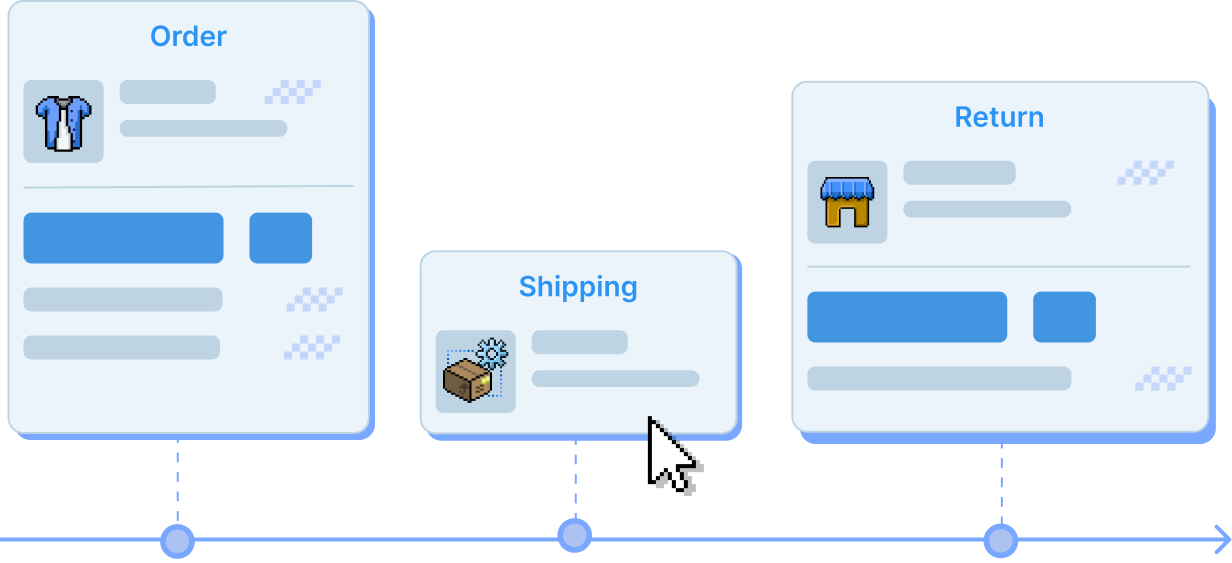
Build commerce agents with UCP
Build unified agentic experiences that securely act on behalf of buyers with the Universal Commerce Protocol (UCP) and Shopify's UCP-compliant MCP servers.
Install the UCP CLI and Shopify AI Toolkit plugin for your supported AI tool. Built for agent workflows, the CLI provides structured commands to search the Catalog, build carts, create checkouts, hand off buyers, and track orders. The toolkit's ucp skill helps agents apply UCP best practices against each merchant's live schema.
Before you install, make sure you have Node.js 18 or higher. The toolkit is supported on any agent that supports the skills format.
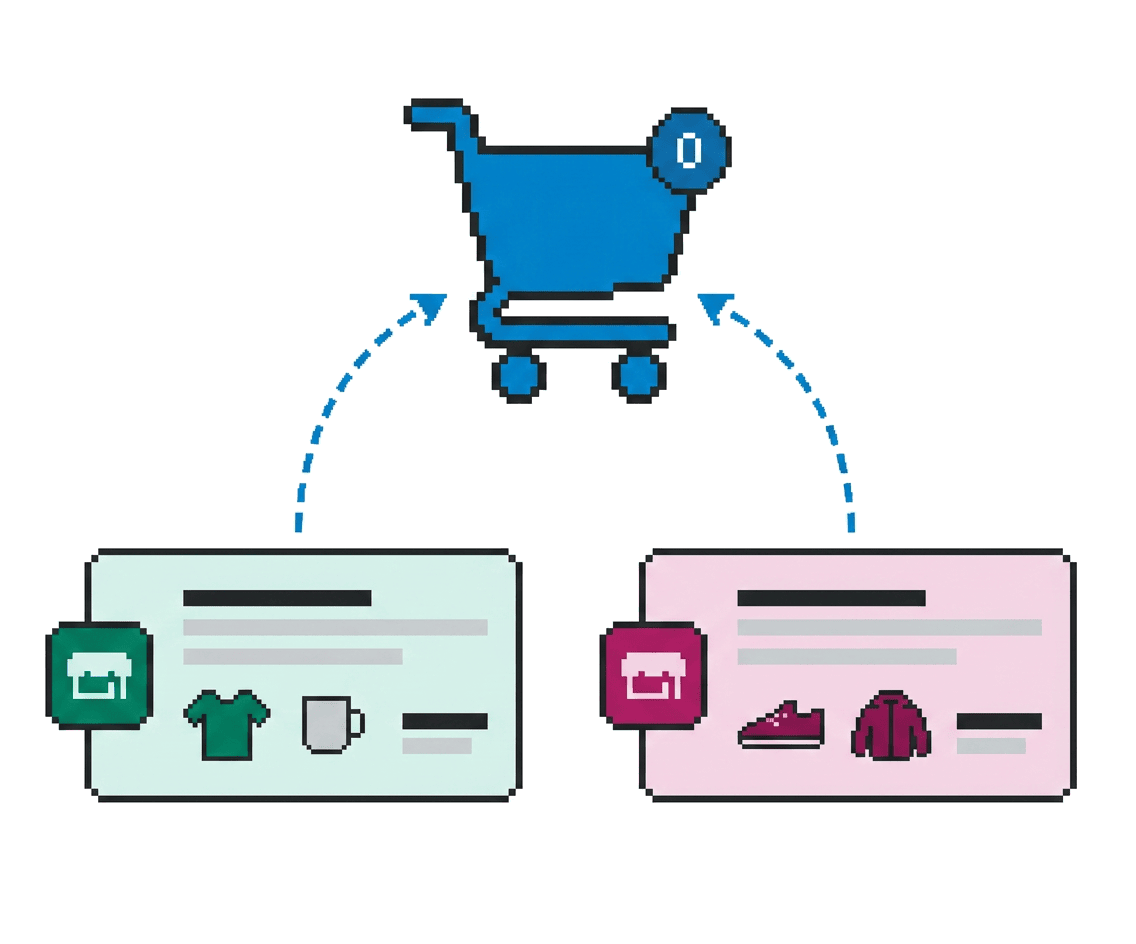
One Cart, every brand. The Universal Cart API lets AI agents collect items from any merchant, on or off Shopify, into a single, unified cart, all via UCP.
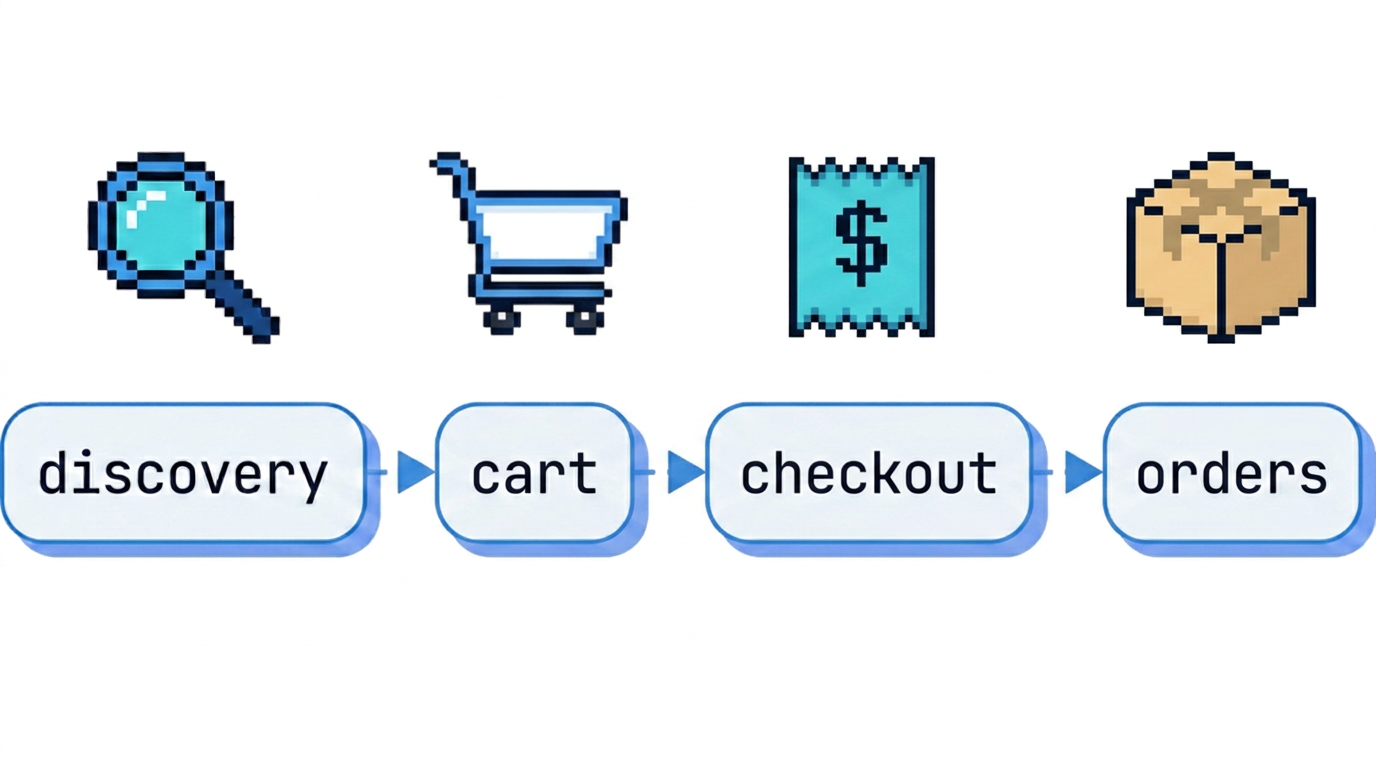
Shopify's MCP tools implement UCP at every step of the buyer journey:
- Negotiate and authenticate: Identify your agent and get the right access tier.
- Discover products: Search across hundreds of millions of Shopify listings.
- Carts and checkout: Build carts, convert them to checkouts, and hand off to the merchant for payment.
- Monitor orders: Receive order webhooks and fetch fresh order state on demand.
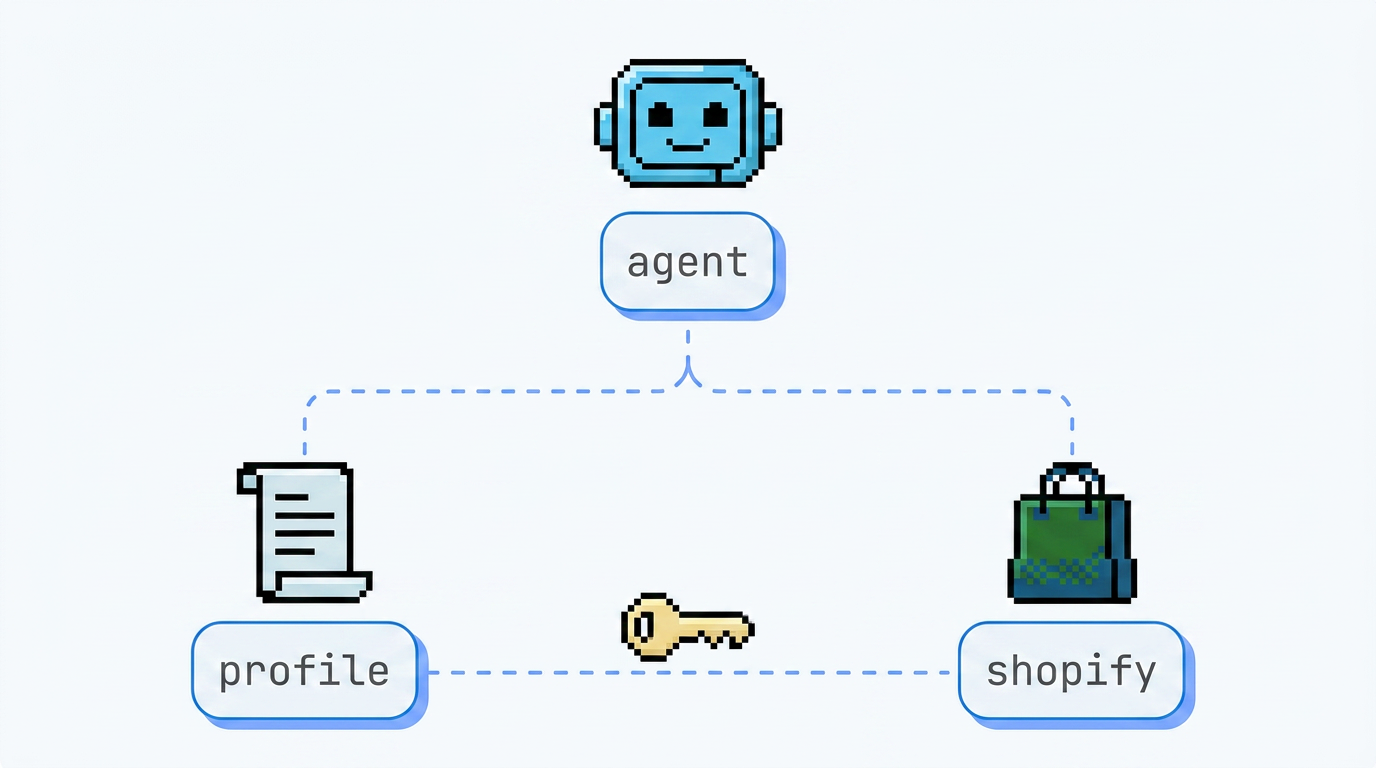
Define a profile so Shopify can verify your agent and apply the right rate limits and tool access. Higher trust tiers unlock broader access, including direct checkout completion. Profiles are hosted at a well-known URL and referenced on every UCP request.
Query products across all Shopify merchants with the Global Catalog, or scope results to a single merchant with a Storefront Catalog. When buyers pick a product, fetch the variant details you need to build a cart or hand off to a checkout permalink.
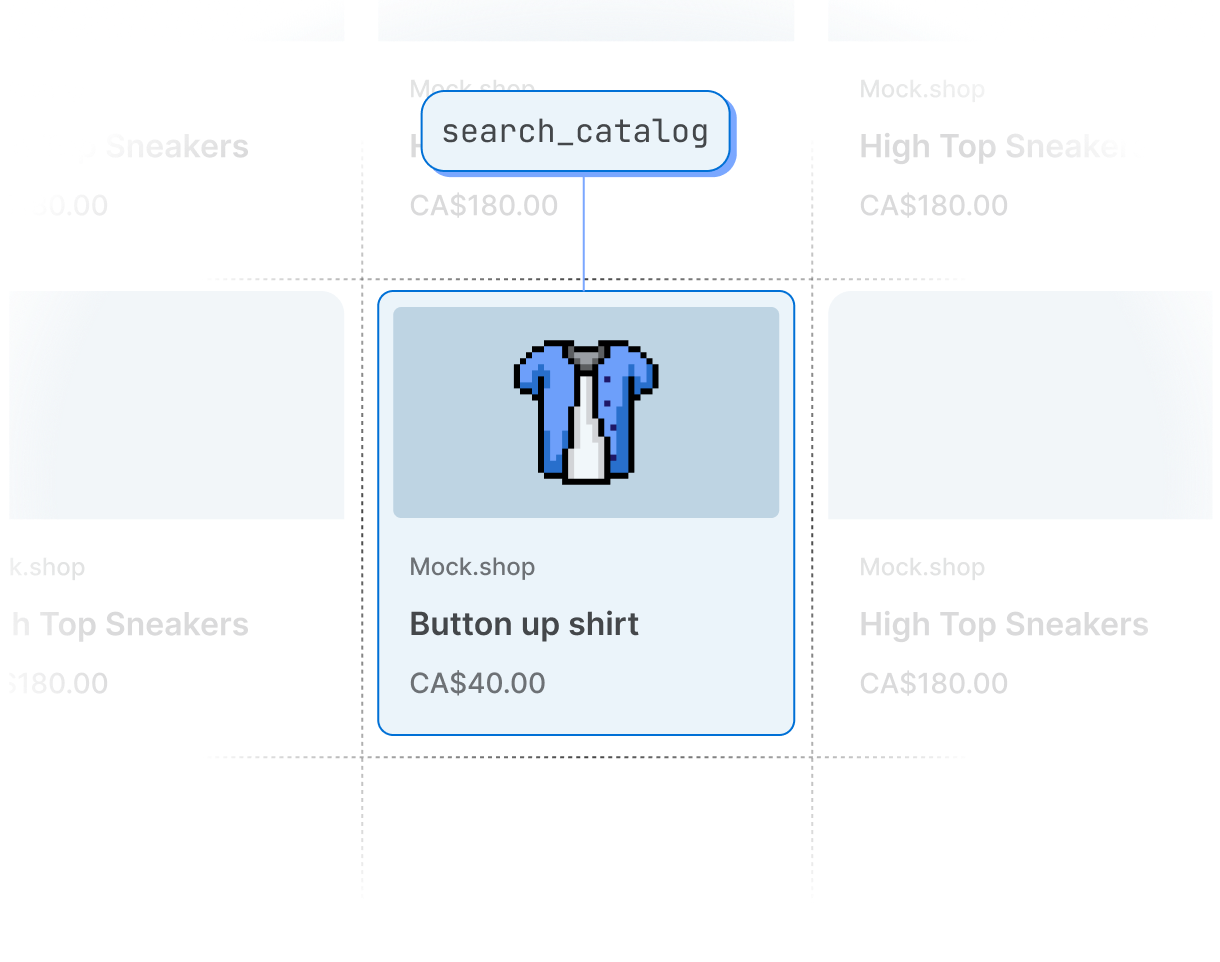
Build carts as buyers iterate. Add line items, apply localization, and estimate totals across multiple turns of conversation. When buyers are ready, convert the cart into a checkout and refer them to the merchant storefront to complete payment. Trusted agents can complete checkouts directly.
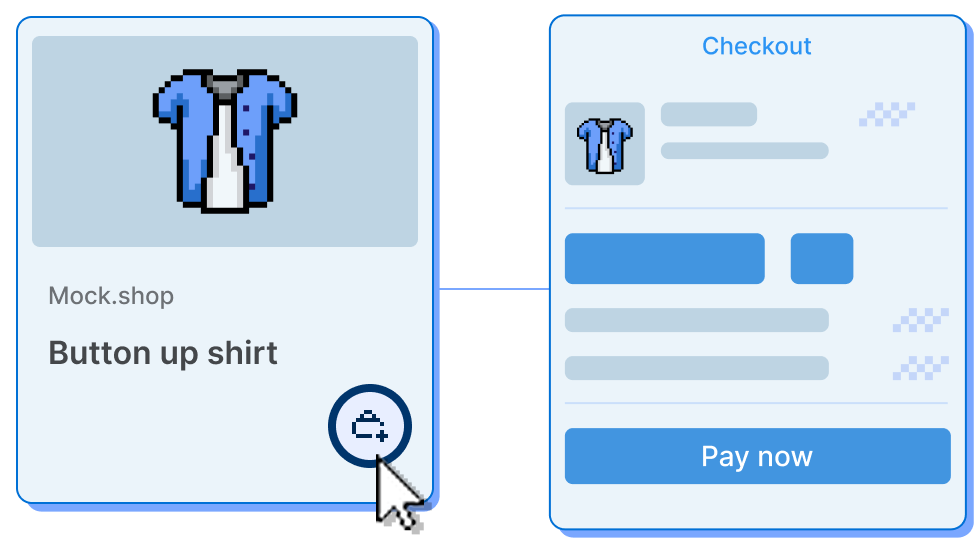
After checkout, monitor order lifecycle changes (fulfillment events, refunds, returns, exchanges, and cancellations) with UCP-shaped order webhooks. Fetch fresh order state on demand with the get_order MCP tool when the buyer asks "Where's my order?" or when reconciling a missed webhook.