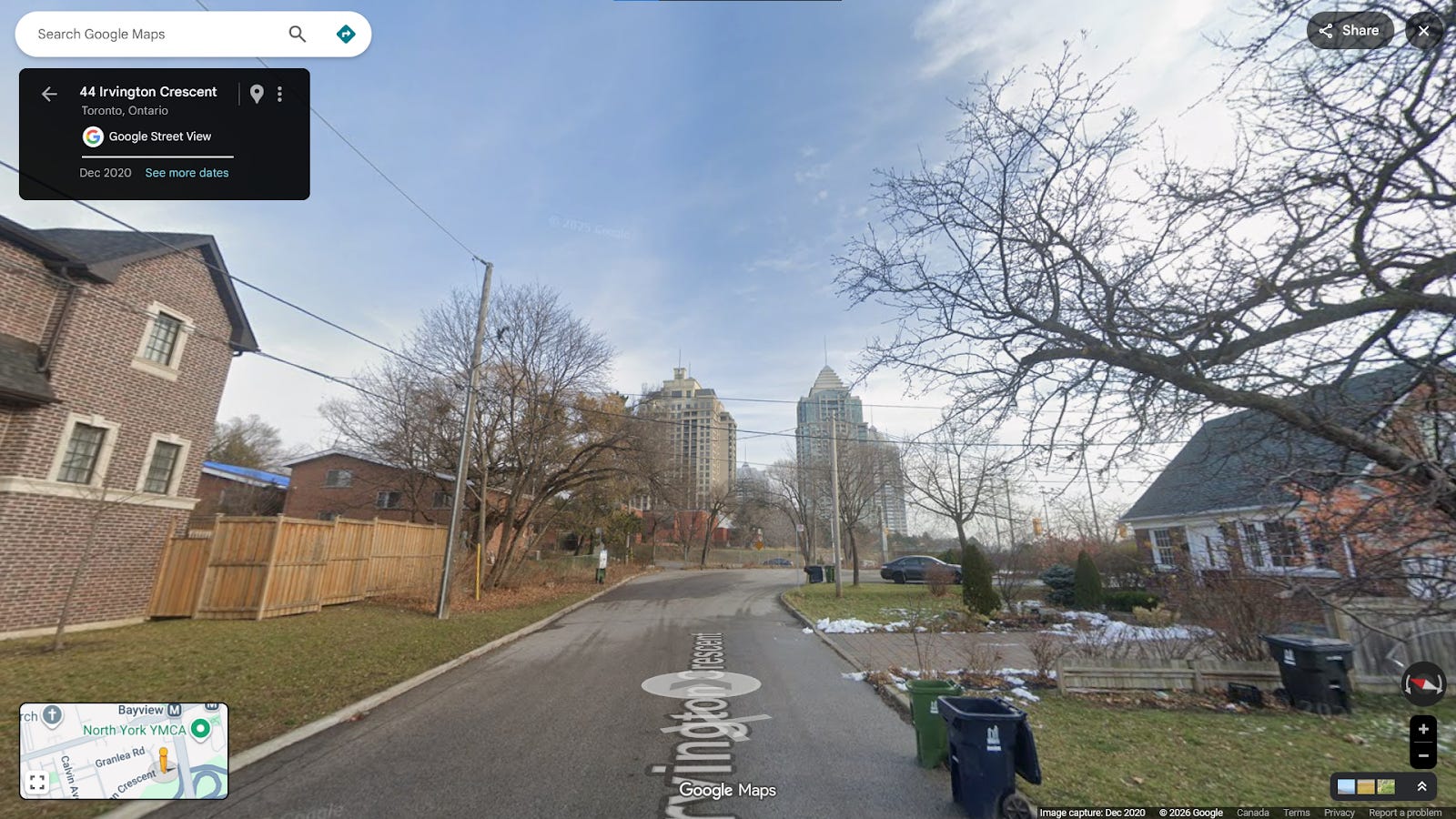
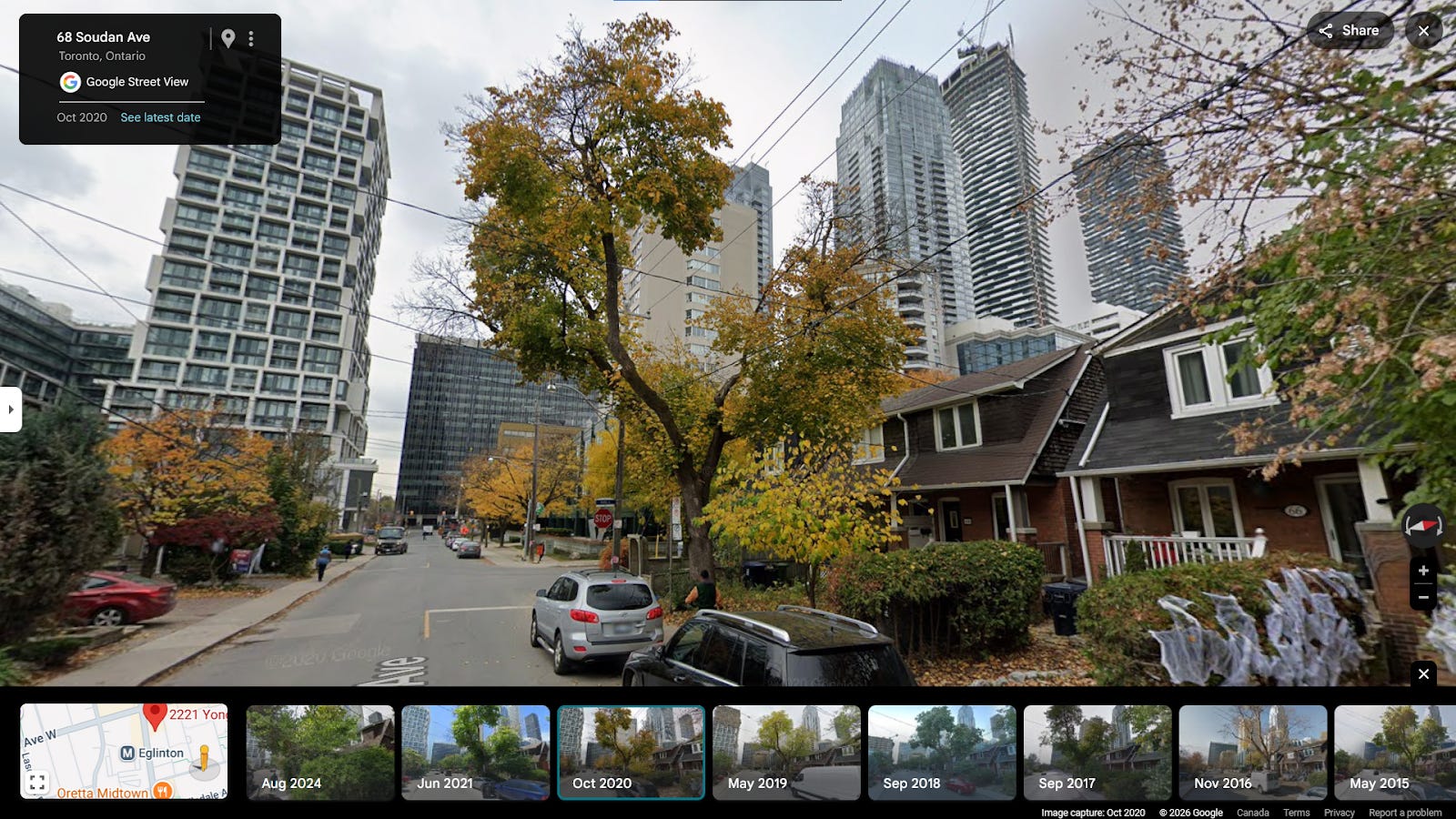
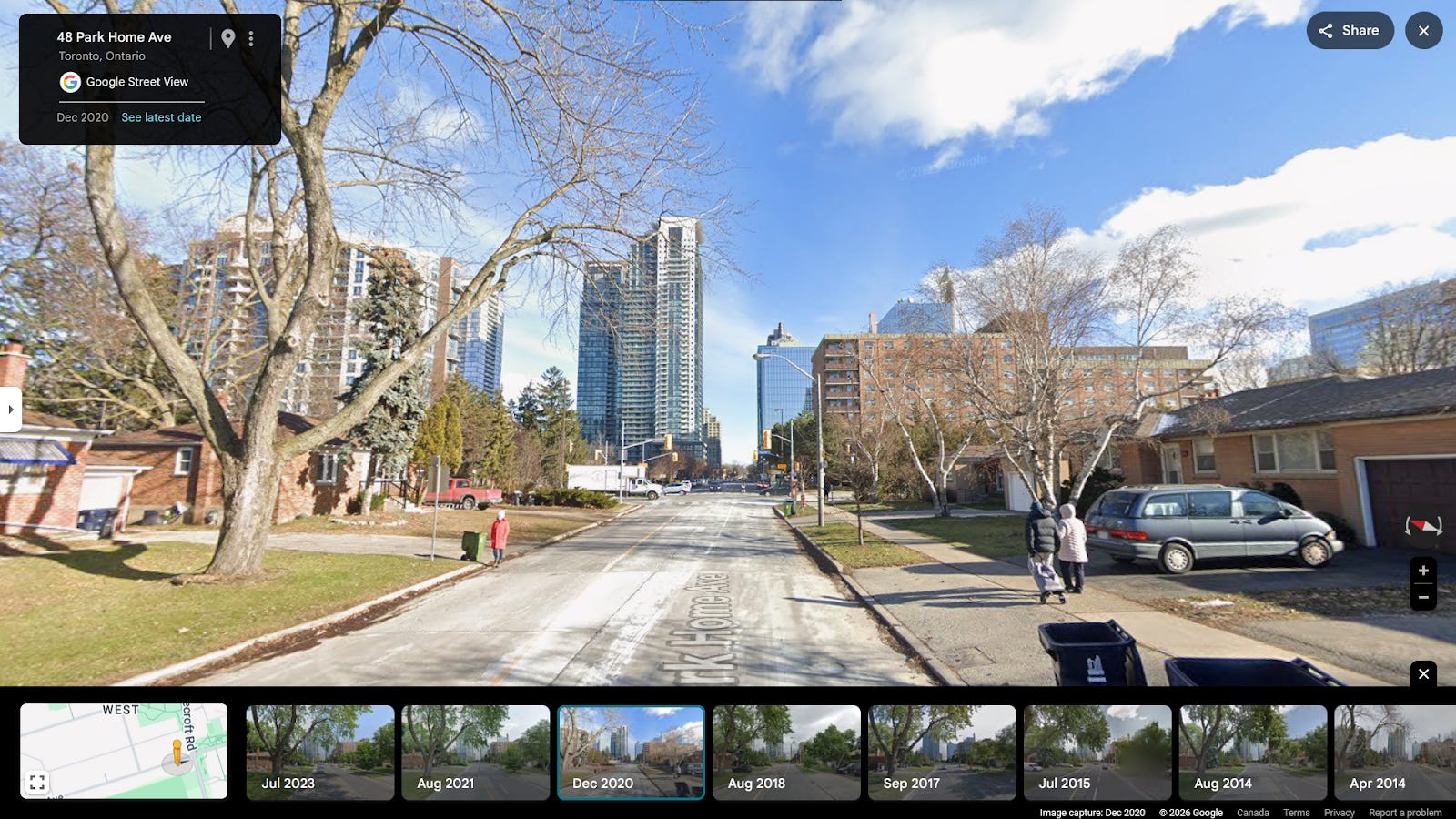
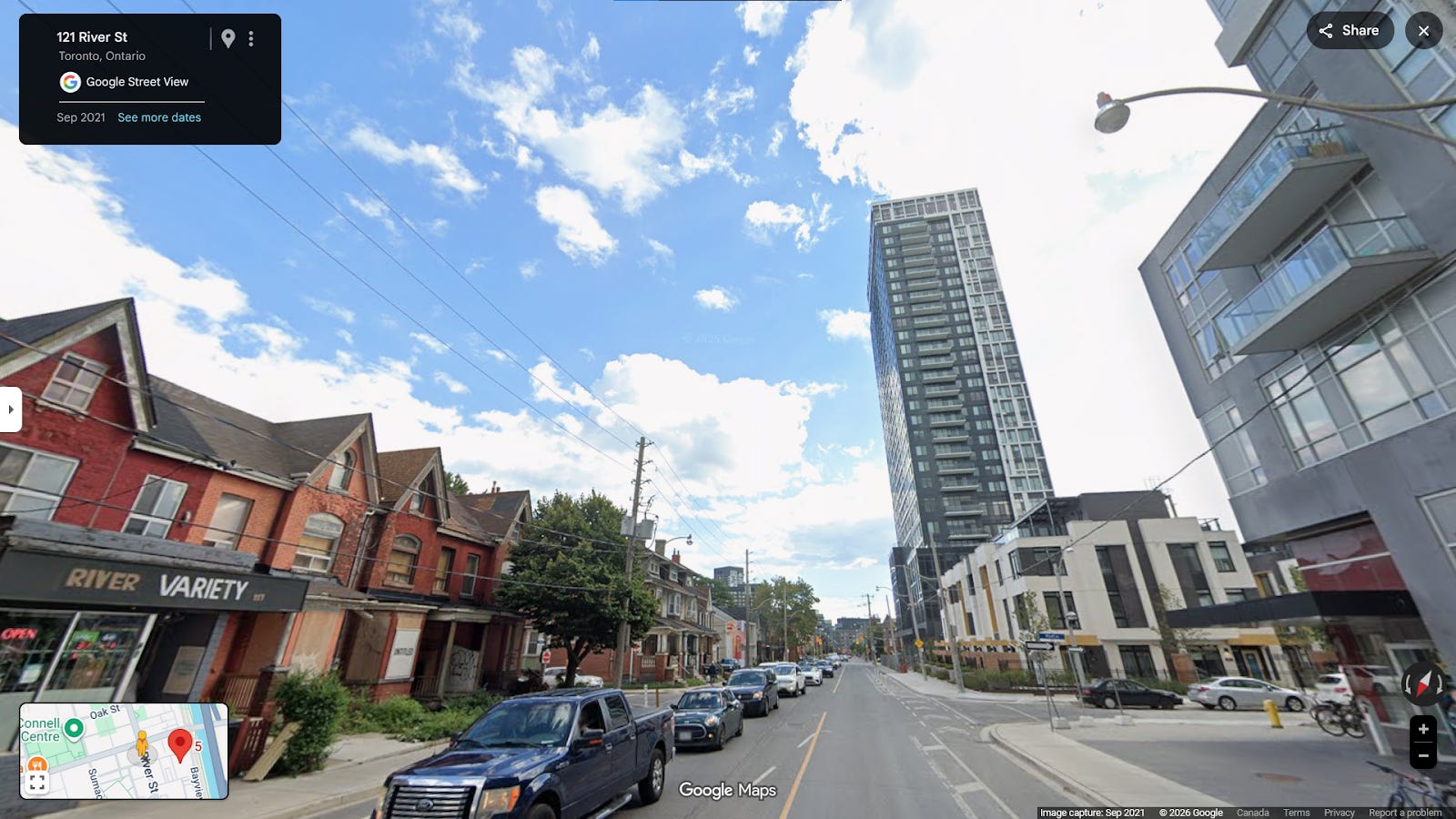
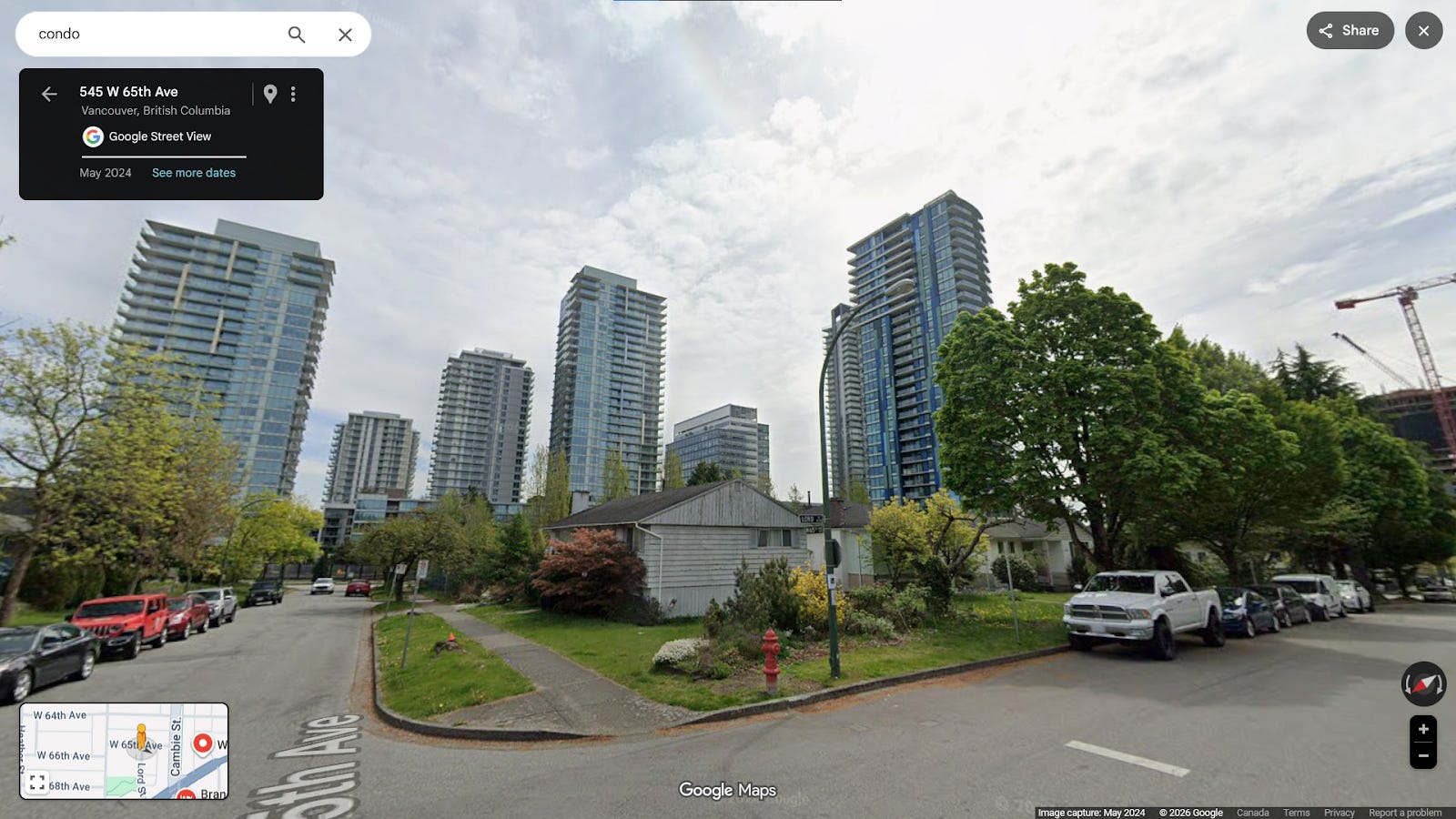
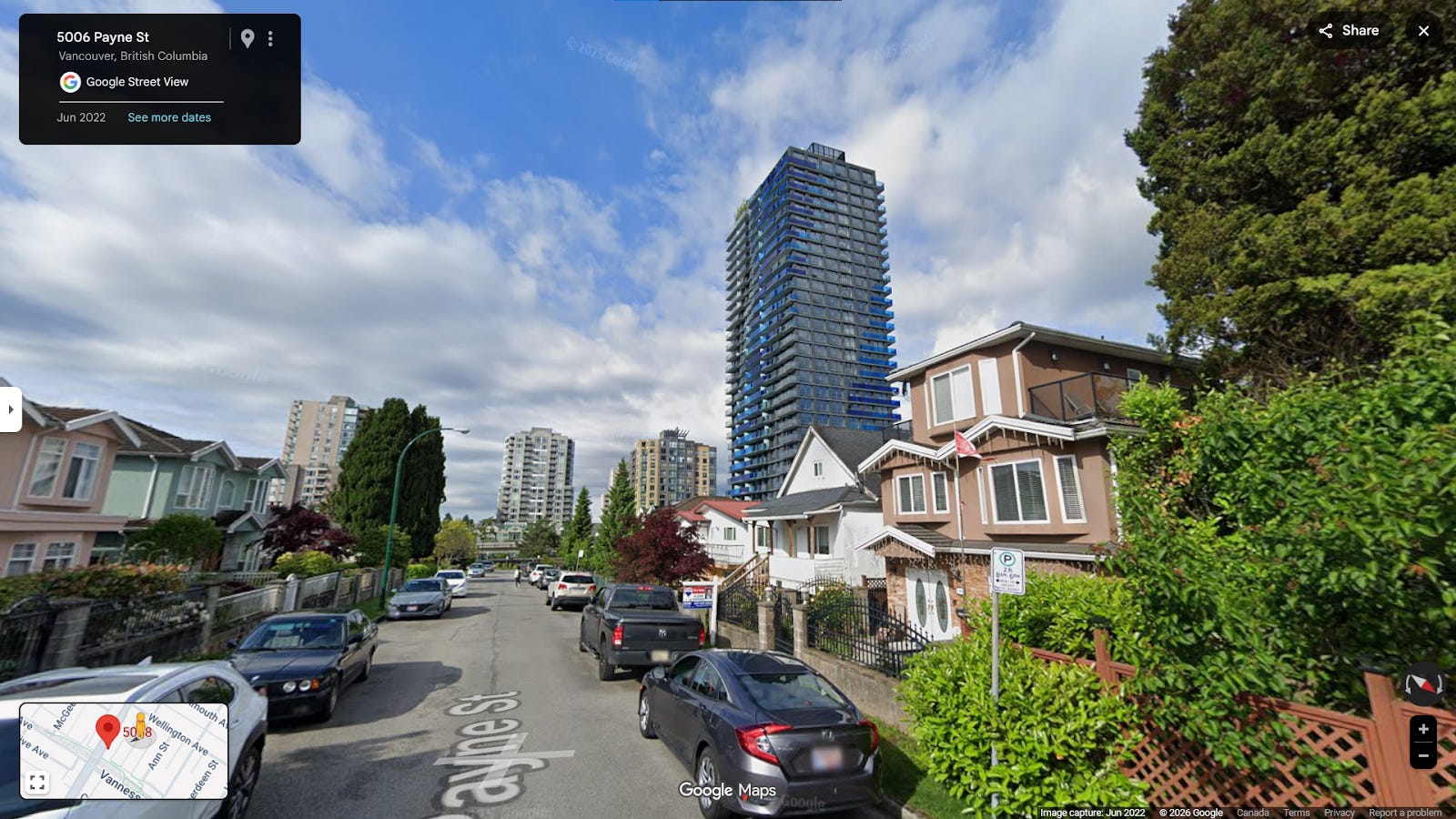
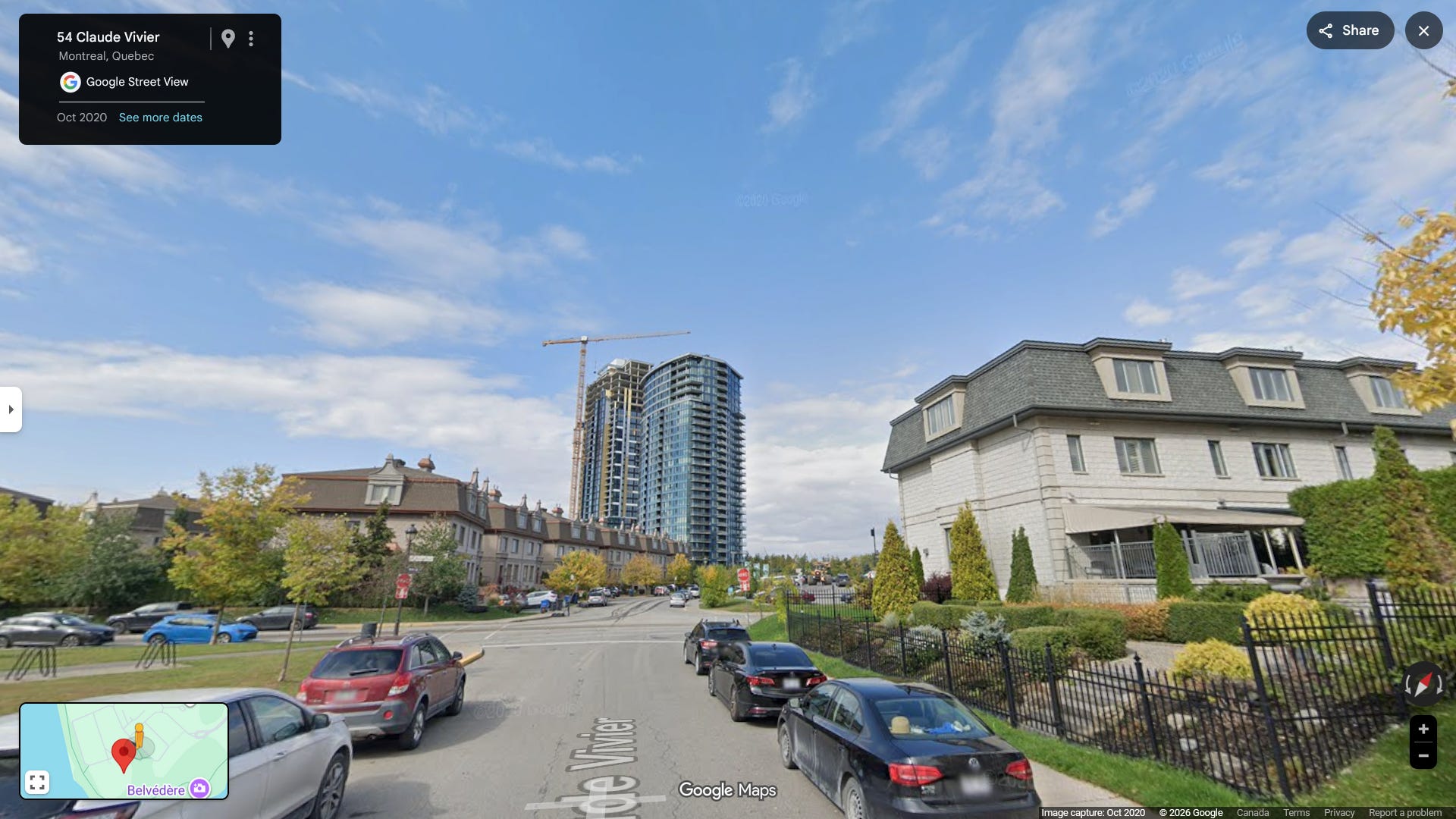
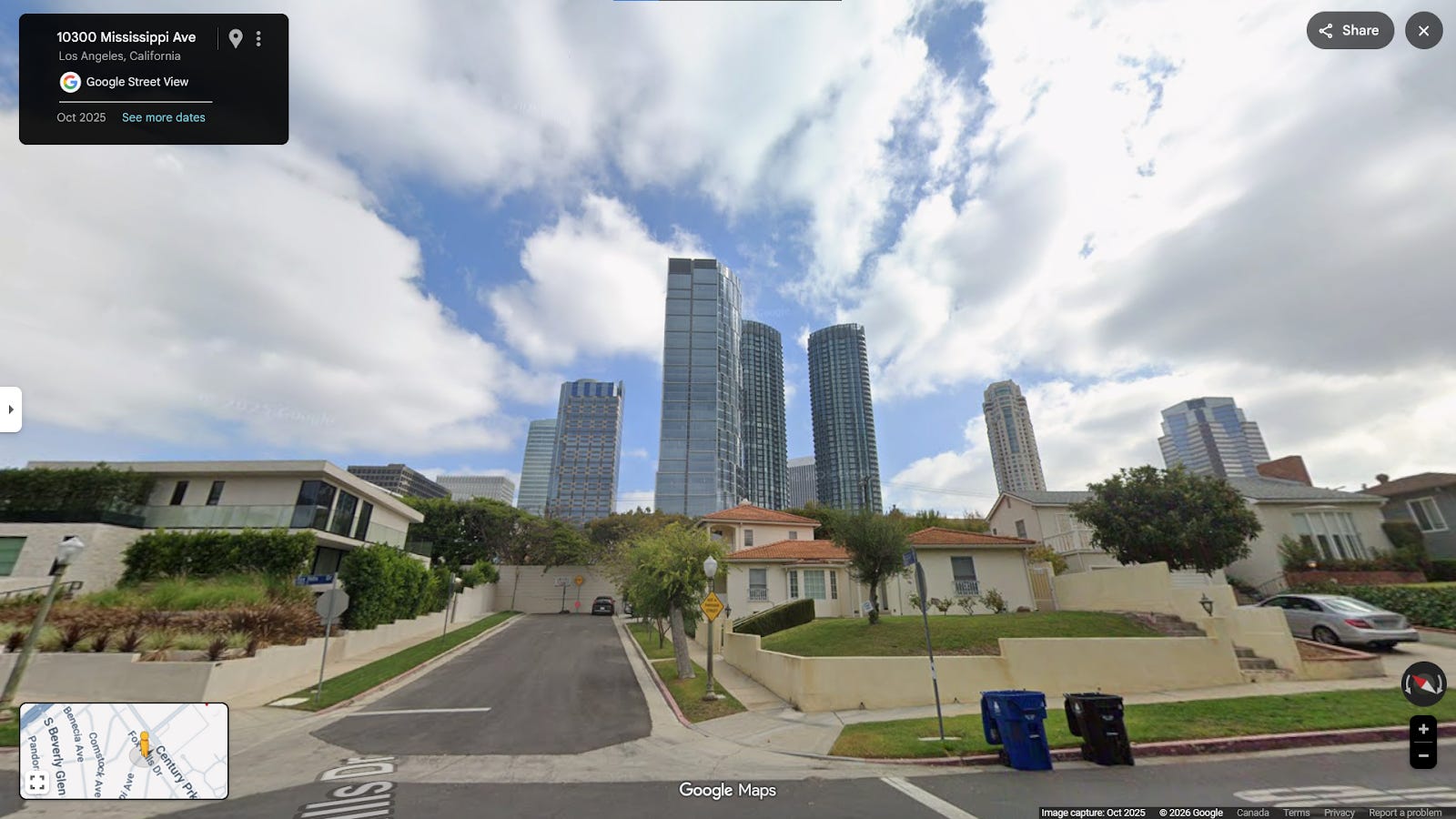
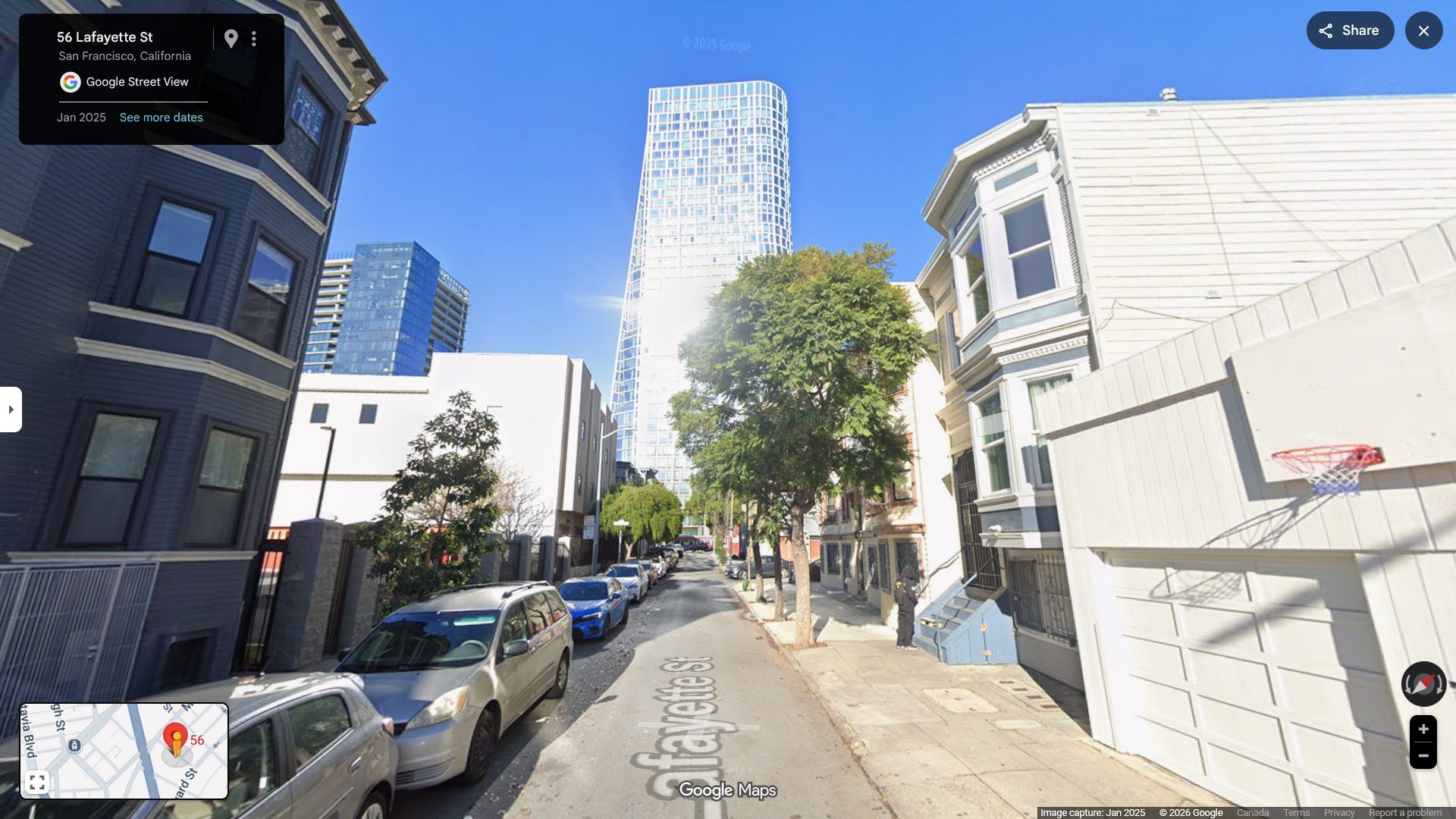
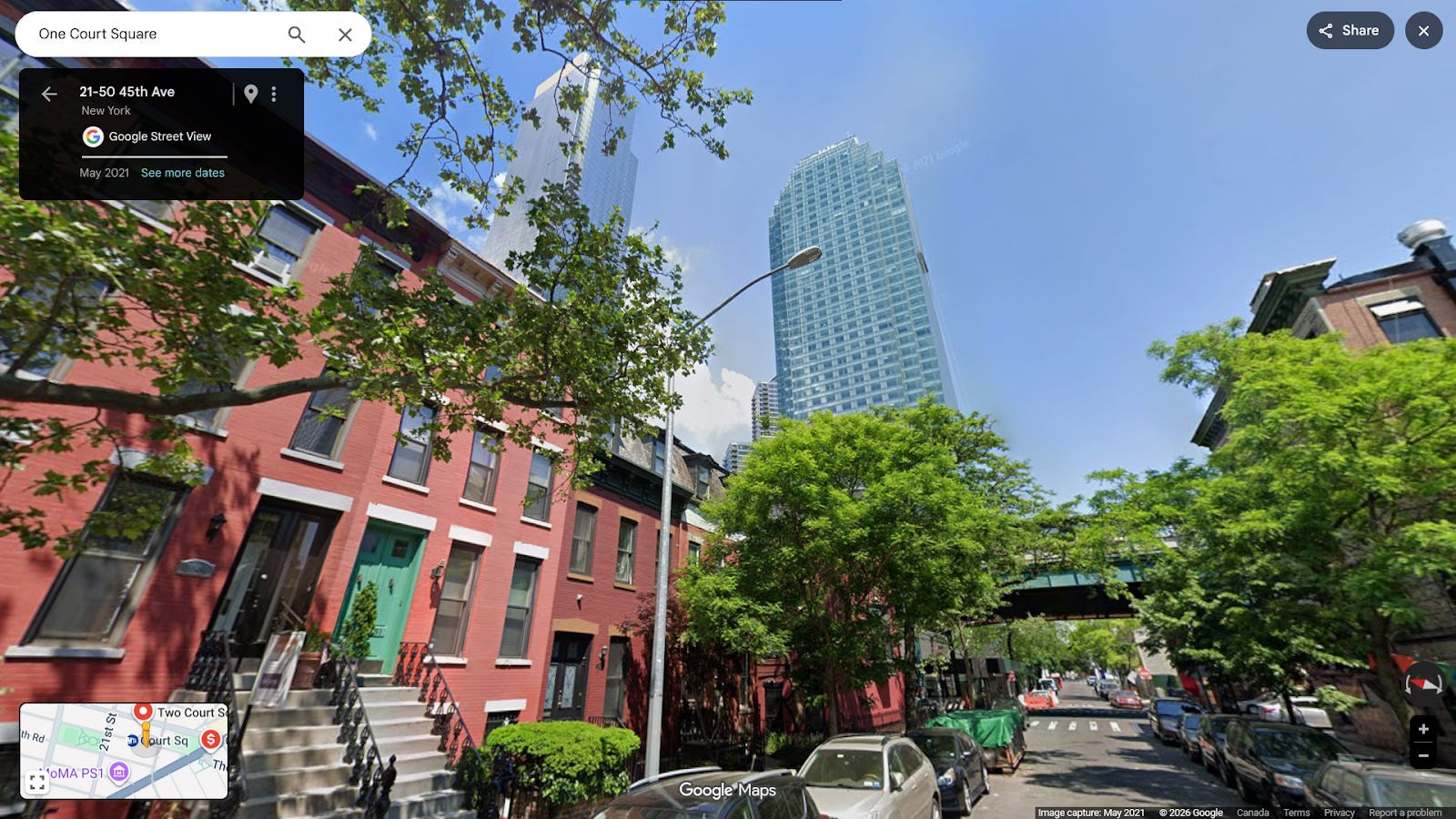
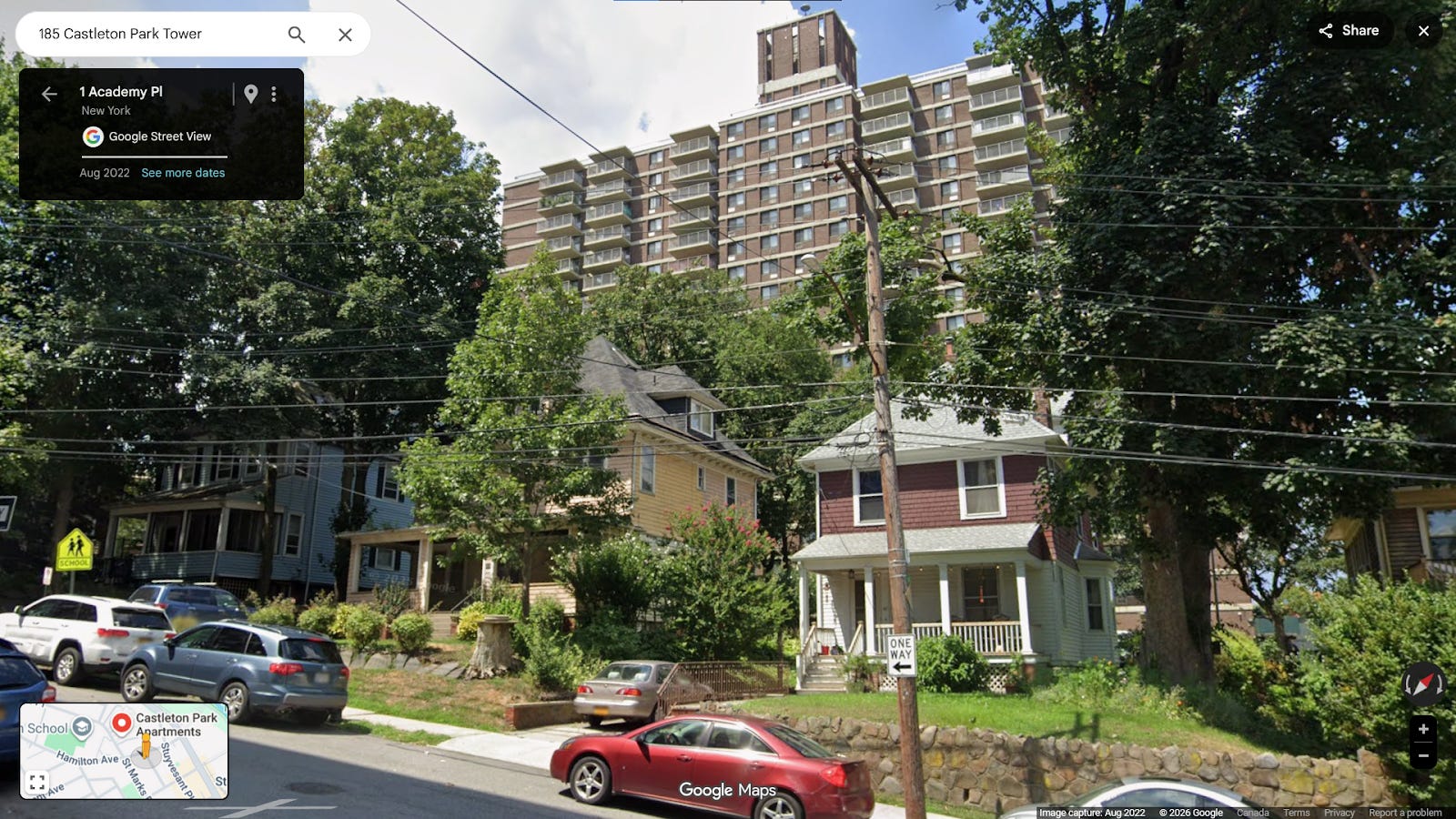
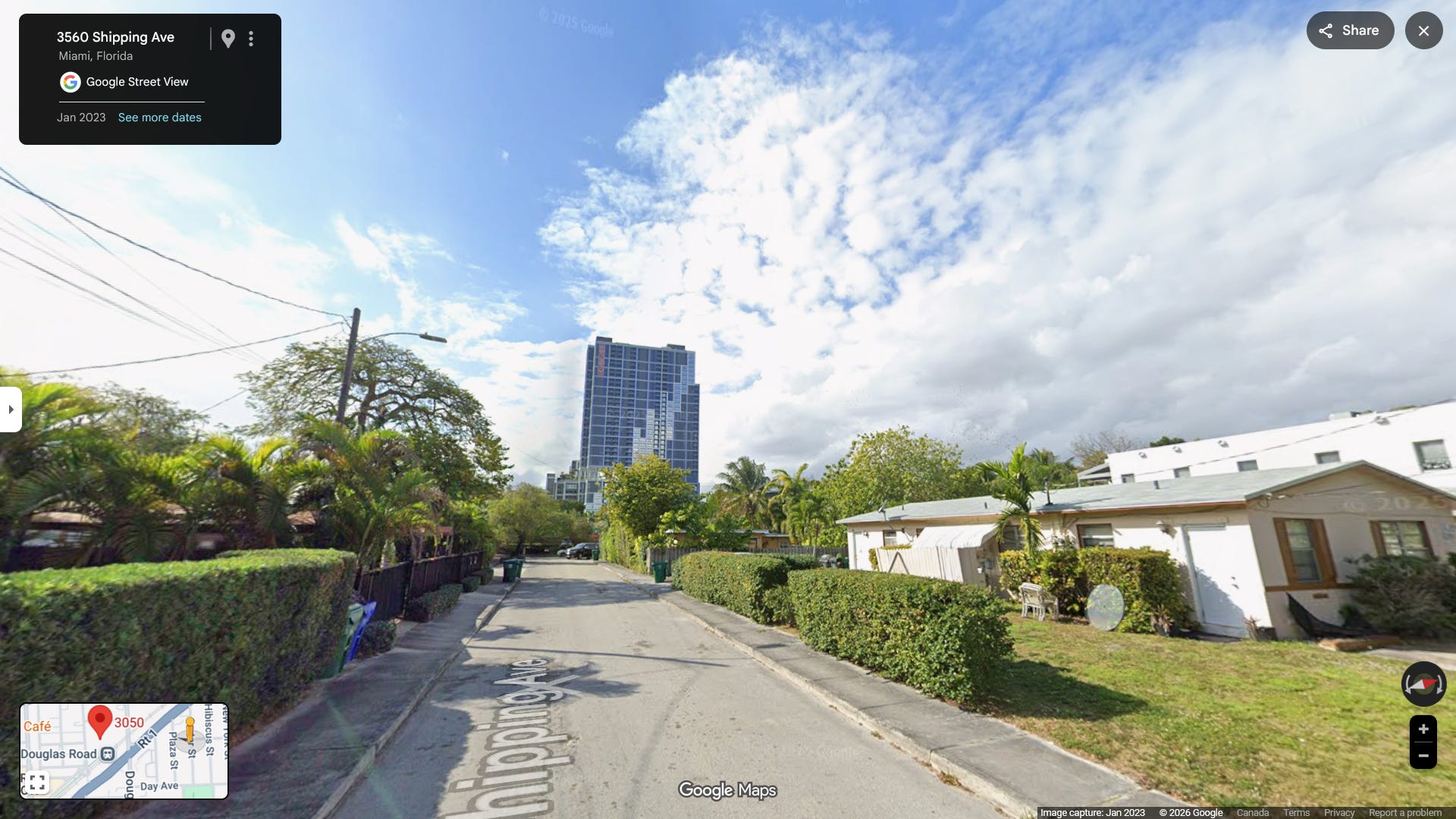
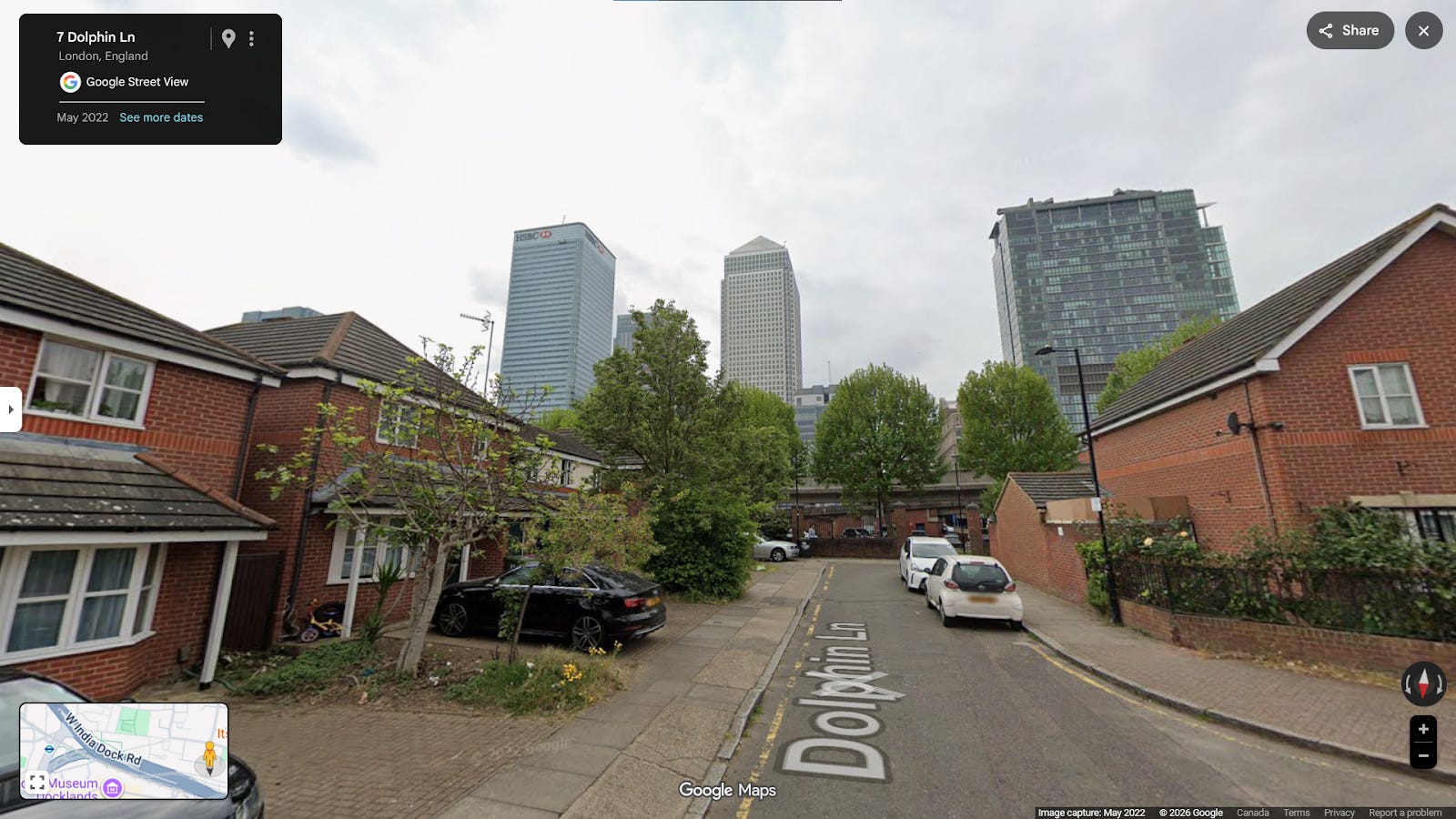
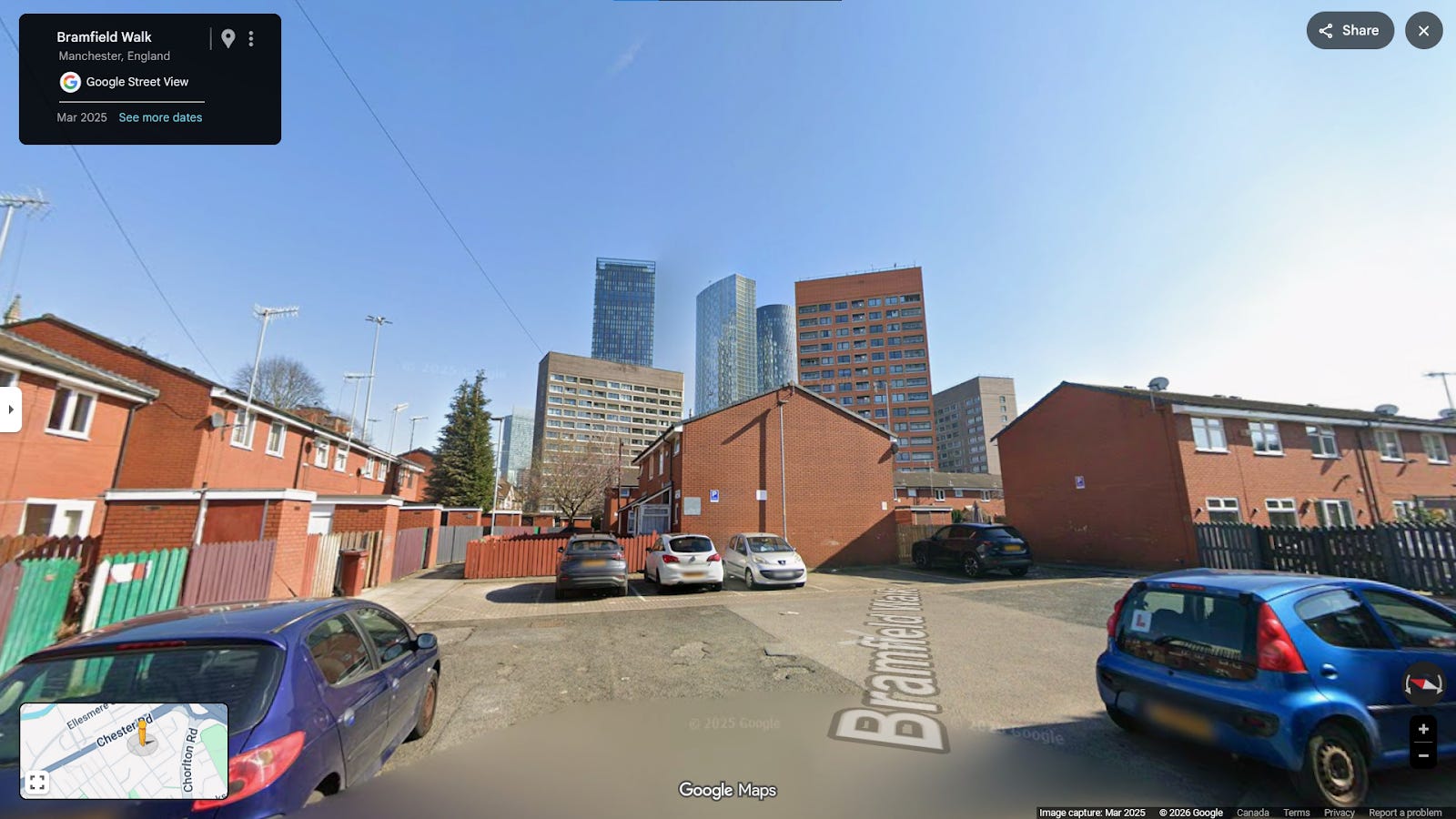
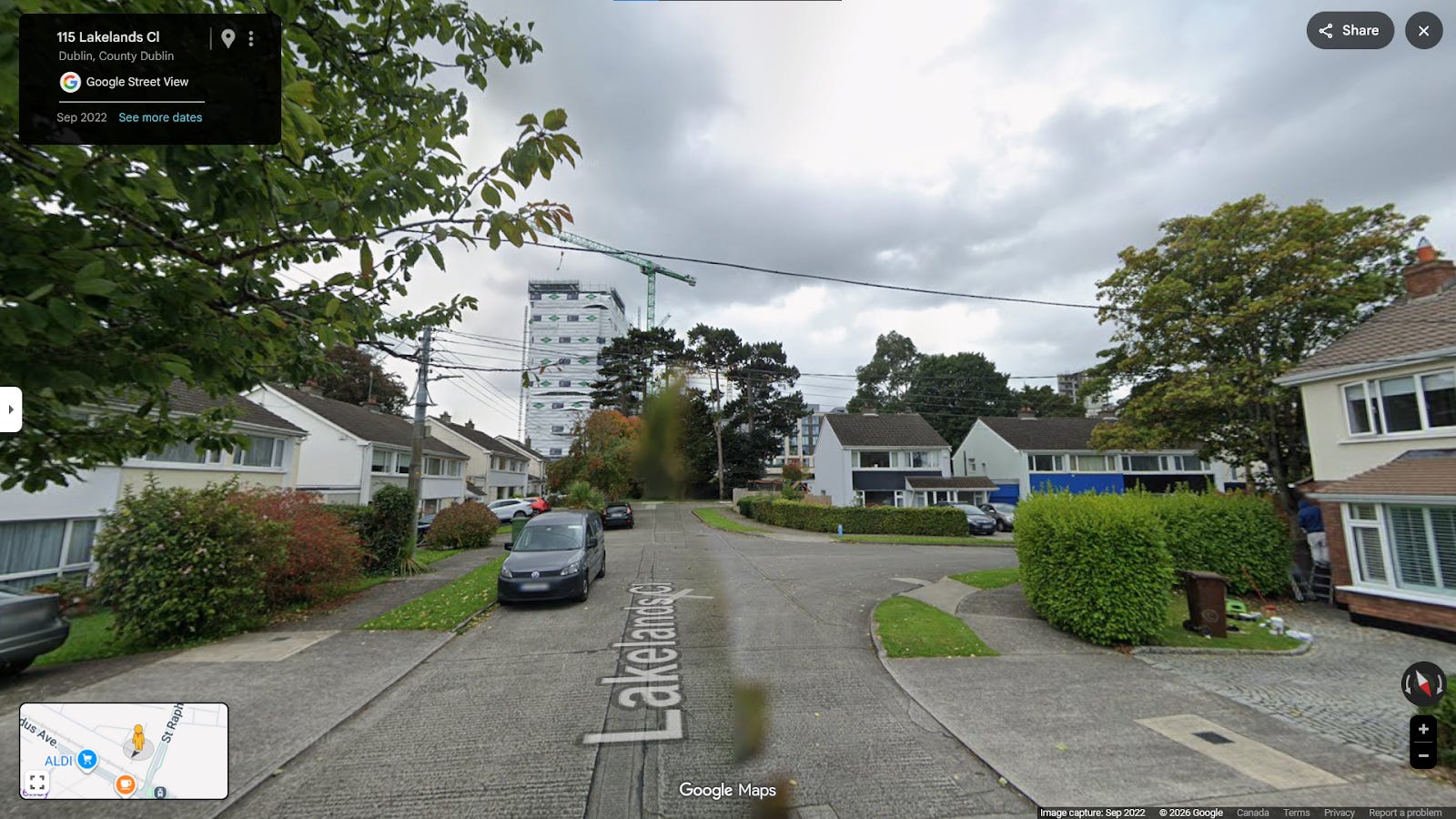
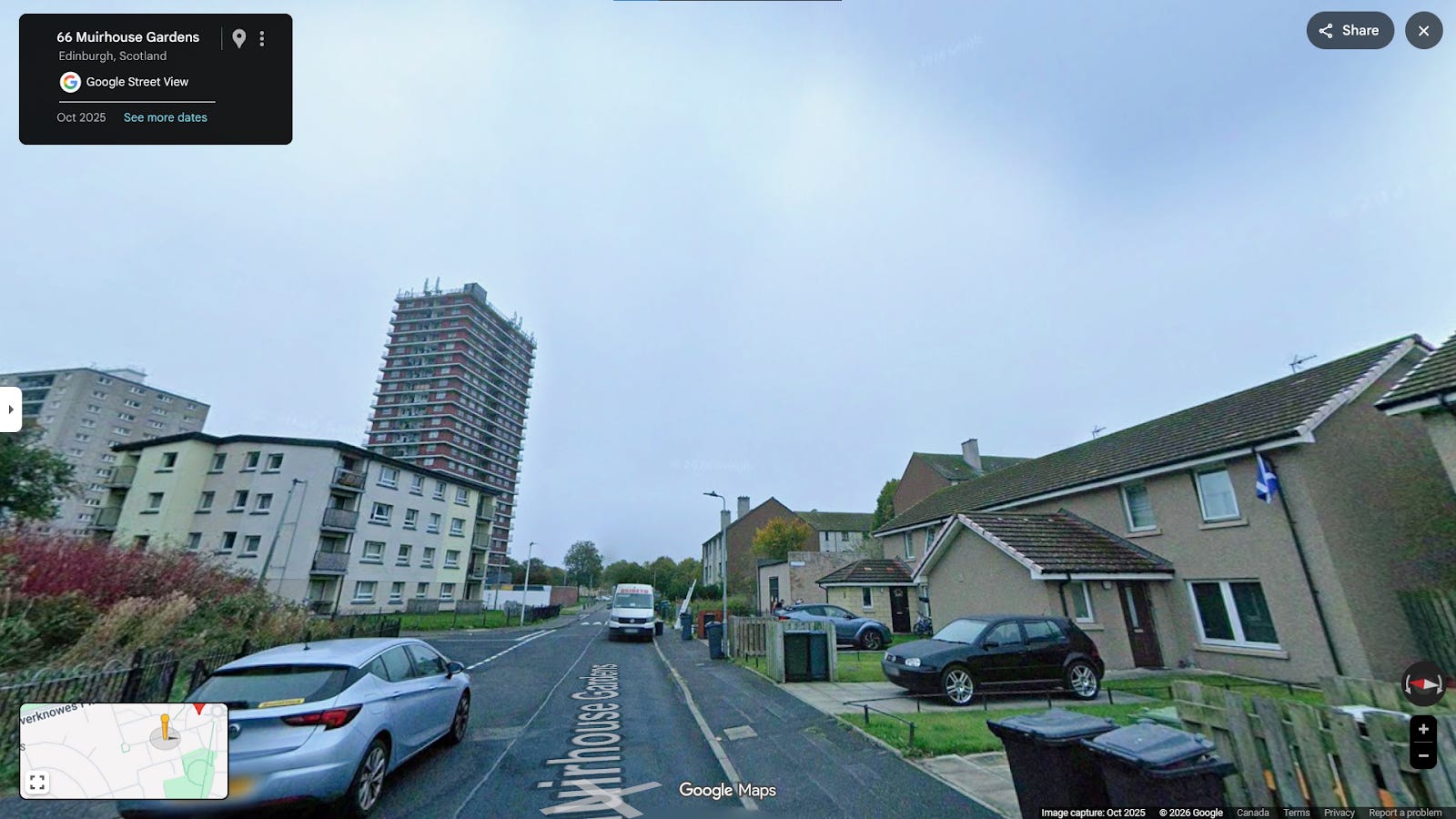
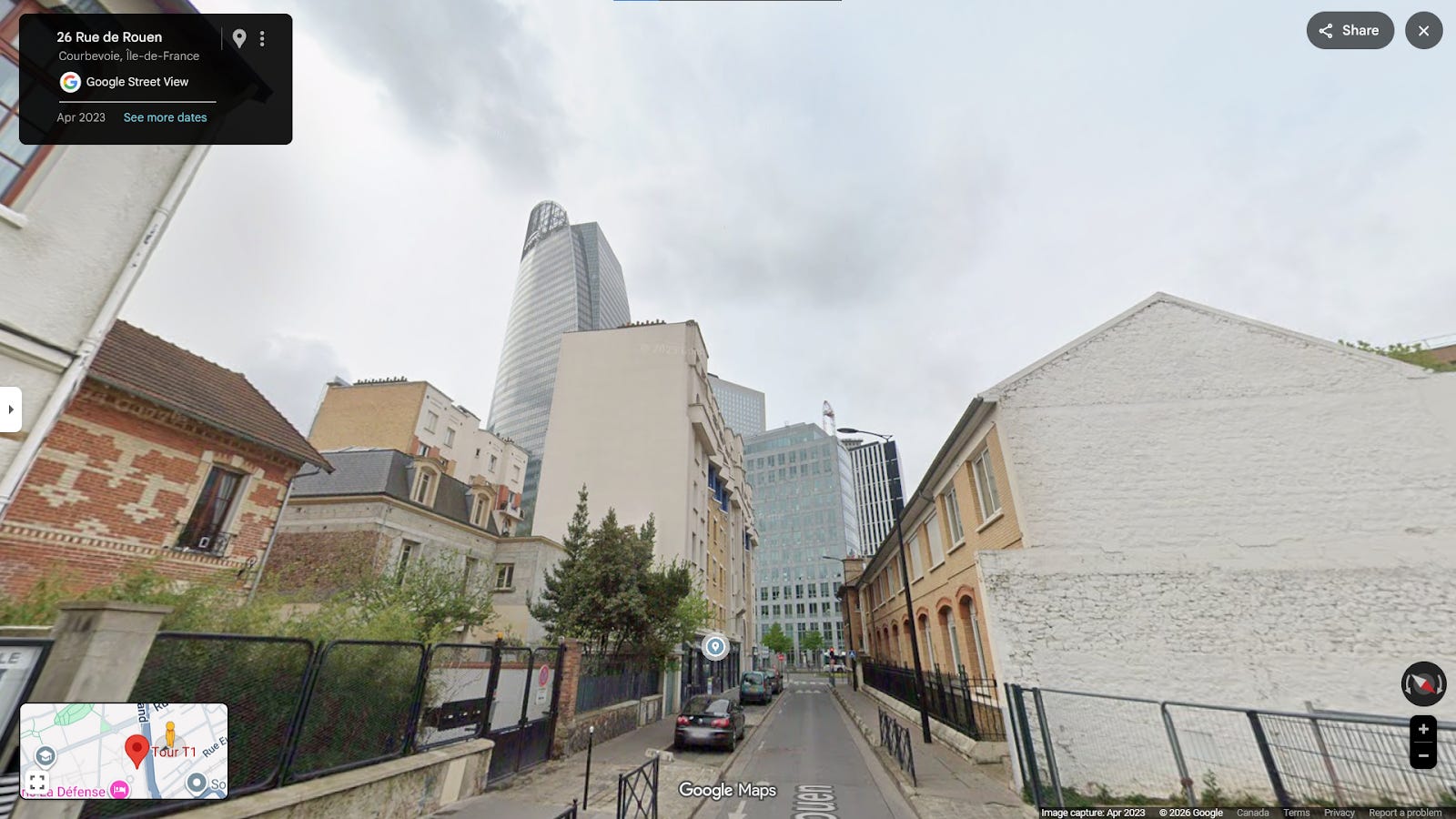
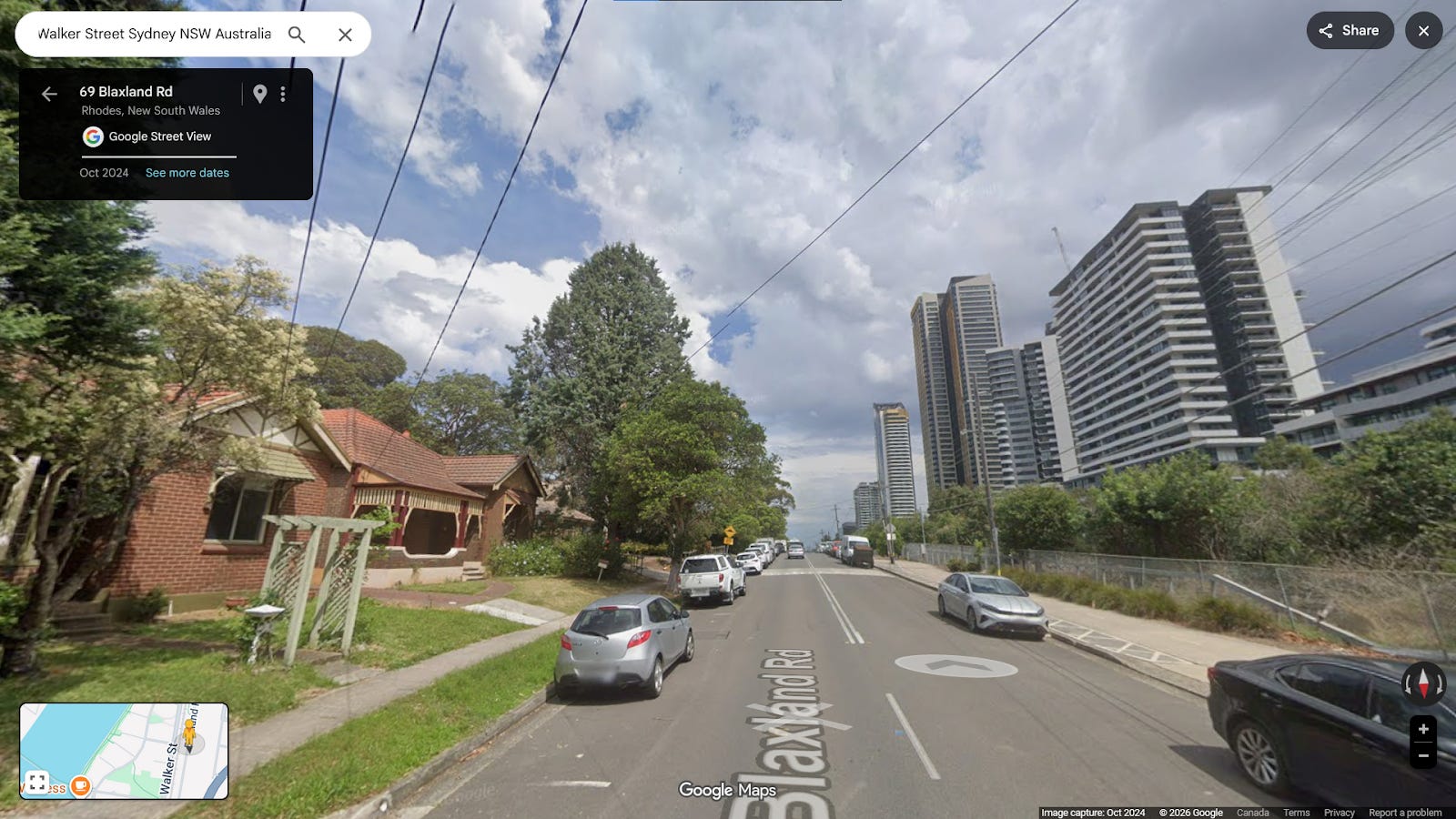
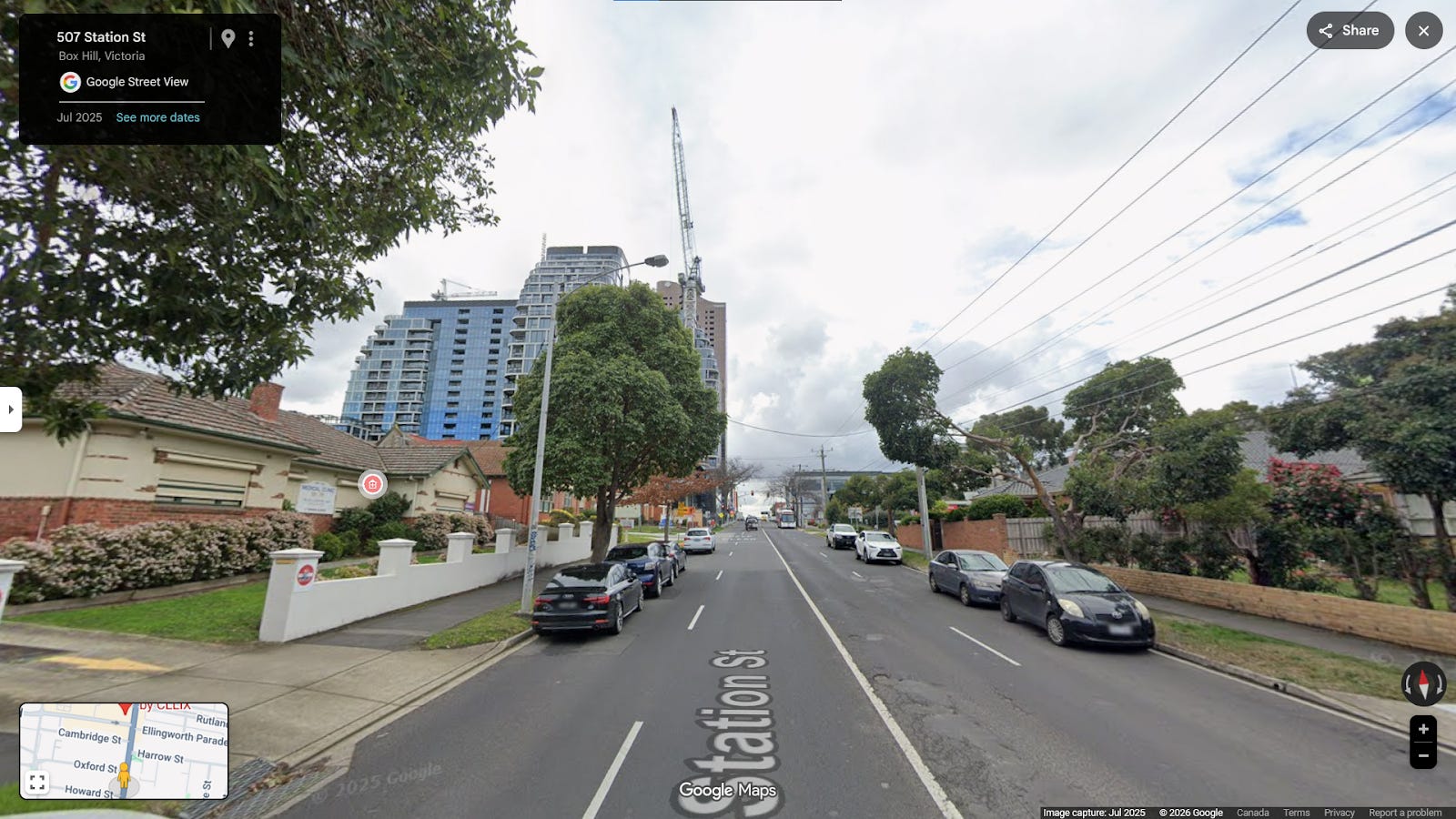
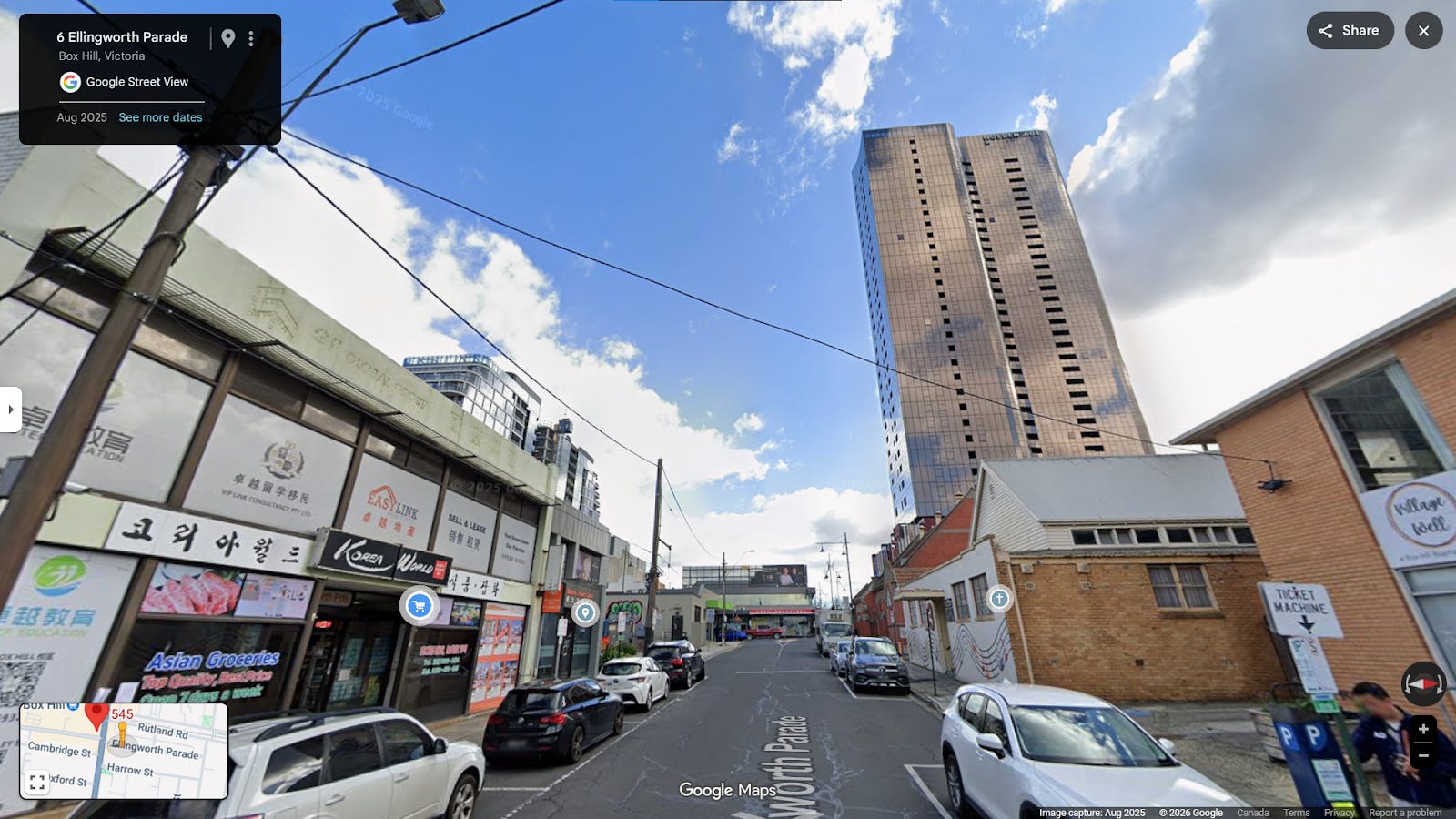
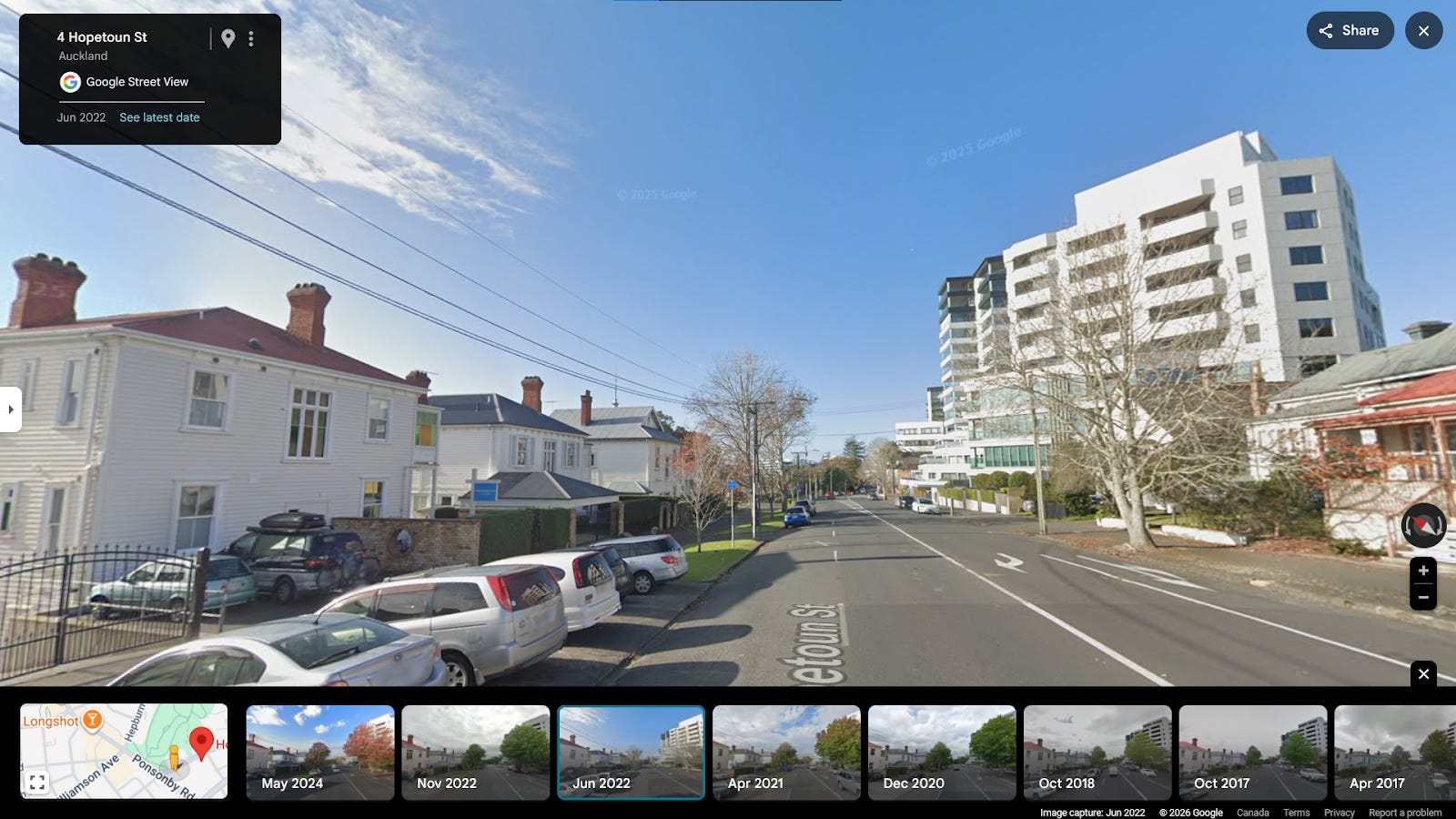
The clearest sign of a housing crisis, other than high prices and rents and widespread homelessness and tent cities, is the contrast between skyscrapers surrounded by shorter buildings.

Today, we see skyscrapers cropping up even right next to low-density neighborhoods. Low density buildings next to tall towers illustrate how binding supply constraints are. This makes low density buildings next to tall towers the most concrete indicator of a housing crisis.
I want to make clear that the towers aren’t the problem. They are a necessary response to years of restrictive zoning that prevented gradual increases in density. The point of this article is not to vilify tall towers. The point is to encourage up-zoning large areas at a time to a height that meets the market instead of constraining supply below that height.
What would happen if 30 floor apartments were legalized everywhere there are currently skyscrapers surrounded instead by low-density housing? A lot more housing would be built, and developers probably build hundreds of cheaper 5, 10, 20, and 30 floor apartments instead of a handful of skyscrapers. Developers would build more at lower prices and still make more money. More housing would be built so people would be paying lower prices and rents.
Neighborhoods ideally evolve in stages:
1. Detached homes (suburbs) → townhouses / low-rise apartments
2. Low-rise → mid-rise neighborhoods
3. Mid-rise → high-rise towers (cities)
When certain stages are never legalized, demand accumulates and prices rise. Developers are then incentivized to build extremely tall towers since higher prices keep taller floors profitable and planning staff are incentivized to approve them to release at least some pressure on housing supply creating jarring contrasts with surrounding homes.
Approving a building far taller than its neighbors reflects unmet market demand caused by restrictive zoning. These towers are pro-growth signals, showing where the city is under-built.
Even in cities where strict height limits prevent most towers from breaking neighborhood character (e.g. Paris other than Tour Montparnasse pictured above) the market would support much taller housing than the law allows. The general absence of extreme contrasts doesn’t mean the housing system is healthy. It only hides the underlying supply constraint.
Housing will only become affordable when legalized heights satisfy the market-supported height:
Up-zoning across neighborhoods lets demand be absorbed naturally.
Towers emerge organically where the market supports them, instead of appearing as isolated exceptions.
Proper up-zoning reduces extreme contrasts while ensuring market-supported height can be realized everywhere.
Skyscrapers surrounded by low-density homes are the most concrete indicator of a housing crisis.
Extreme towers next to low-density homes are symptoms of restrictive zoning, not failures of skyscrapers.
They are pro-growth signals, showing where more widespread up-zoning is needed.
Until legal heights match market-supported heights, housing will remain unaffordable, and towers will continue to appear in areas otherwise restricted to low-density.
For some evidence, I’ve compiled examples of contrasts in density in many cities from the Western or English speaking world that are facing housing crises. Pictures are taken from google maps. Brace yourselves, there’s a lot.