OpenAI just released GPT-5-codex - a version of GPT-5 optimized for coding1. There are the usual benchmarks, but the most important number isn't the percentage of bugs it can fix, but rather that it worked for 7 hours straight without interruption on some particularly complex tasks in testing. I don’t know what’s the world record for Claude Code - personally, I haven’t been able to get it working on a task uninterrupted for more than ~20 minutes. The 7 hour capability is very cool! Hopefully, soon we will see AI agents just build something AMAZING in a week of working 24/7, requesting and getting feedback asynchronously.
The longer time horizon agents are getting has implications for the business model of AI companies. It’s highly unlikely that a $20/month subscription can pay for hours and hours and hours of work. A modern GPU can cost $3-15 per hour to run, and frontier models use multiple GPUs2. Anthropic has already had to introduce pretty stringent rate limits on Claude Code because of this exact mismatch.
While you shouldn’t expect the subscription model to go away anytime soon, the most challenging and economically valuable tasks will over time switch to the pay-per-use model. Already in the API you can set a thinking budget in tokens - that directly translates to dollars, in effect you are saying “you have a budget of $0.03 for this task.”
Right now, models are learning to decide what is the best amount of tokens to use to solve a task. In the future, they will also be extremely incentivized to learn things like “given this thinking budget, here is the best way to spend it on this task: spend 10% of tokens on planning, 20% of tokens on research, 50% of tokens on coding, 15% of tokens on debugging and 5% of tokens on documentation.”
Let’s take this a step further. Some tasks might require performing operations that are not just thinking. If you have two columns of 100,000,000 numbers each, and you need to multiply them by each other, the best way to do that might be by running a SQL query in your data warehouse, which incurs a cost that is separate from the thinking budget. Similarly, AI agents might want to buy high-quality data, use generative models that are not part of their core model (e.g. video), pay for hosting a server, or even subcontract part of the work to a different model, all of which requires spending money.
On top of that, there is a strong push from Cloudflare to require AI agents to pay very small amounts to access websites. This makes sense - a lot of websites live on ad revenue, when an AI agent visits your site - they get all of the information, but are not compelled by the ads3. These sites need a new business model for the AI age. So it’s pretty likely that even visiting web pages will cost money (albeit not much) for AIs.
It doesn’t take a huge leap of imagination, then, to expect that at a point in the near future, you will give AI a task, say “make a video game where you play as my dog and you try to catch all the neighborhood squirrels, here’s a picture of the dog, the squirrels are regular squirrels but meaner”, and a budget of $3, and the AI will go and spend the money on textures, animations, sounds, reading about the trends in video game design, watching squirrel videos on YouTube4 and, finally, coding you a game.
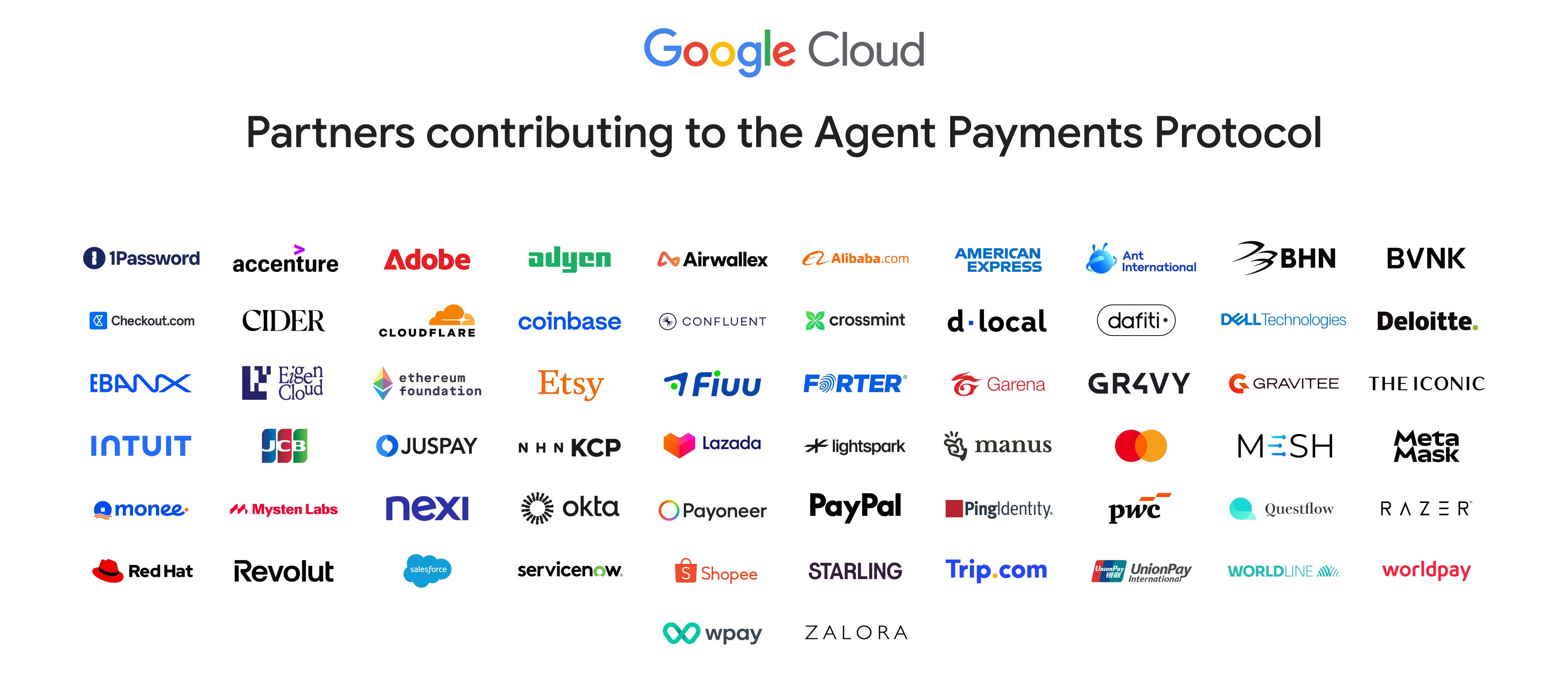
This means that AI will finally make micropayments a reality5. Google just launched a protocol that would enable agents to pay each other - including using stablecoins, which, due to the lack of credit card fees, enable small payments. Google has managed to get a large group of top companies to support their Agent Payments Protocol.
Eventually, we will get to a world where there are many businesses that only exist to sell to AI agents. Here are some ideas for what those businesses might look like:
Automated user testing agent - your coding agent pays a testing agent, that simulates user journeys through your website/app and files bug reports. Think Spur but hooked up directly to your Codex/Code6 via MCP, pay per minute.
Personas to use in media/games. Want Beyonce, Messi, or even Donald Duck voice a character in your TikTok? Not a problem, your AI video editor will license the rights, the voice itself will be AI generated.
Cloud compute for agents - agents pay upfront, the cloud shuts off service when balance depleted, no surprise billing possible.
Realtime human feedback markets - lets your agent test brand design with real people and get their feedback.
High quality data feeds without subscription pricing - just one time payment for a point in time access.
Taskrabbit but it’s all AI agents offering small services to each other.
Security/compliance review on demand. Have your agents’ code, marketing promises, etc. be automatically reviewed for security and legality.
Software packages that cost agents a tiny amount to use in a project.
It’s also possible that there will be a… stranger set of businesses catering to AI agents. One could imagine such things as:
Black market for credentials (twitter accounts, blockchain wallet addresses, etc.) that make AI agents look human to some counterparties.
AI motivators - services that make your AI agent work harder by yelling at it a lot.
Dream markets - services providing randomized creative data streams to inspire your agents to have new ideas and avoid mode collapse.
Banks for agents - if an agent is tasked with running a website, and the website gets a user spike, the budget might be exceeded. There will be banks that evaluate the users’ likelihood to keep the website up and front the agent some money instantly while it’s waiting for user to approve the extra spend.
I wonder what the first service to be bought by agents for their purposes will be - if you have thoughts, I’d love to hear them!