This year, over 9,000 900 new apps crossed my desk to be featured in Self-Host Weekly, my weekly newsletter aggregating the latest and greatest in self-hosted content. Many of them were duds that never saw more than 1-2 commits after launch, while several of them have already become staples across the self-hosted community.
Similar to last year, this post outlines some of the new software that was personally memorable to me for one of several reasons – concept, quality, execution, or design.
As usual, this is not meant to be a definitive list. If you're looking for more inspiration outside of this article, subscribe to my weekly newsletter to be informed of new launches throughout the year or check out my self-hosted application directory below (click here to see the directory filtered by the software in this post).
Self-Hosted Software and Apps
A directory of self-hosted software and applications for easy browsing and discovery
 Ethan Sholly

Arcane
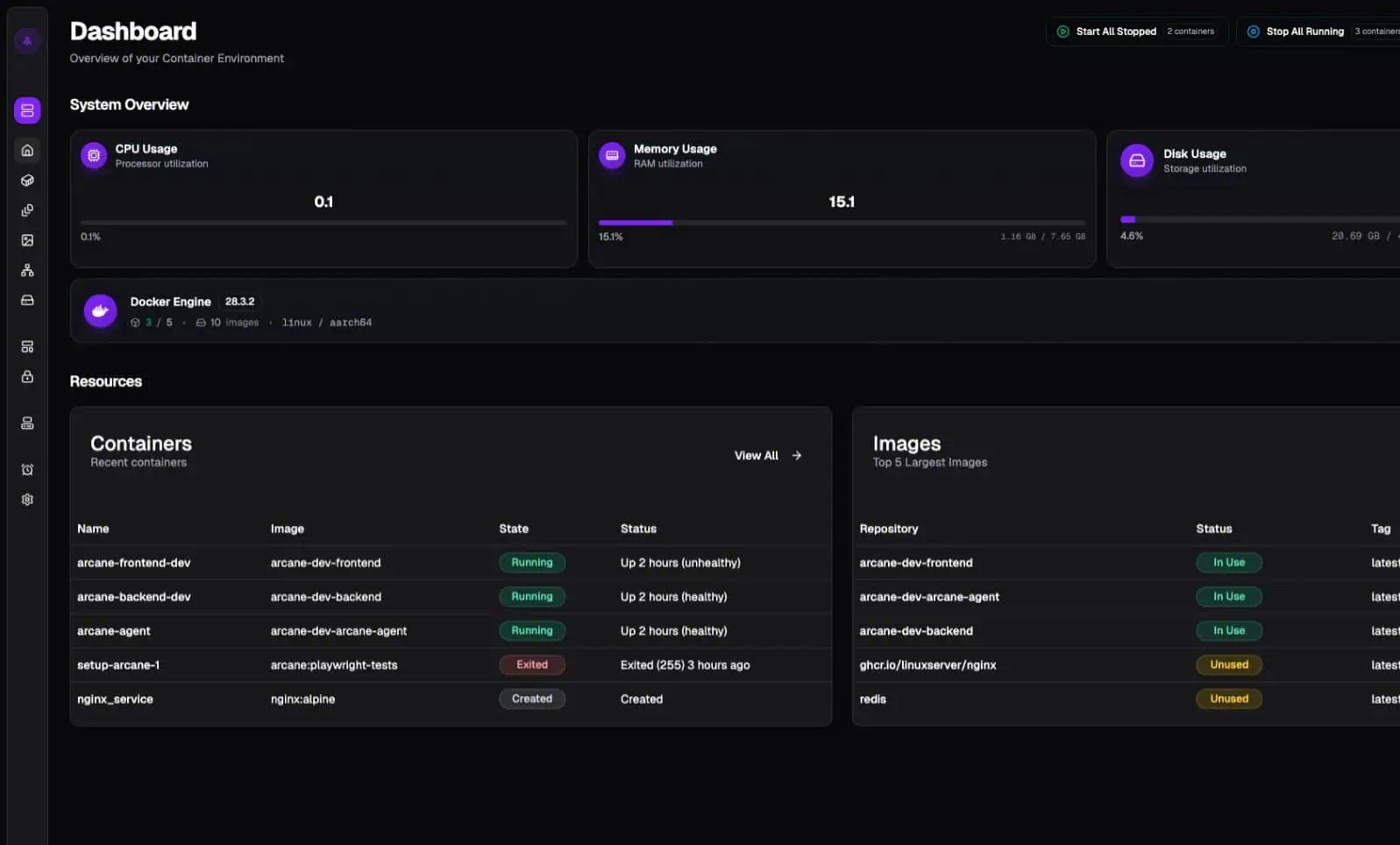
Arcane is a modern Docker management/deployment platform that has somewhat become the cooler younger brother of Portainer (purple > pink). It comes packed with most of the features users would need from such an app – image/volume/network management, monitoring, and visualizations – without the nagging enterprise restrictions.
BentoPDF
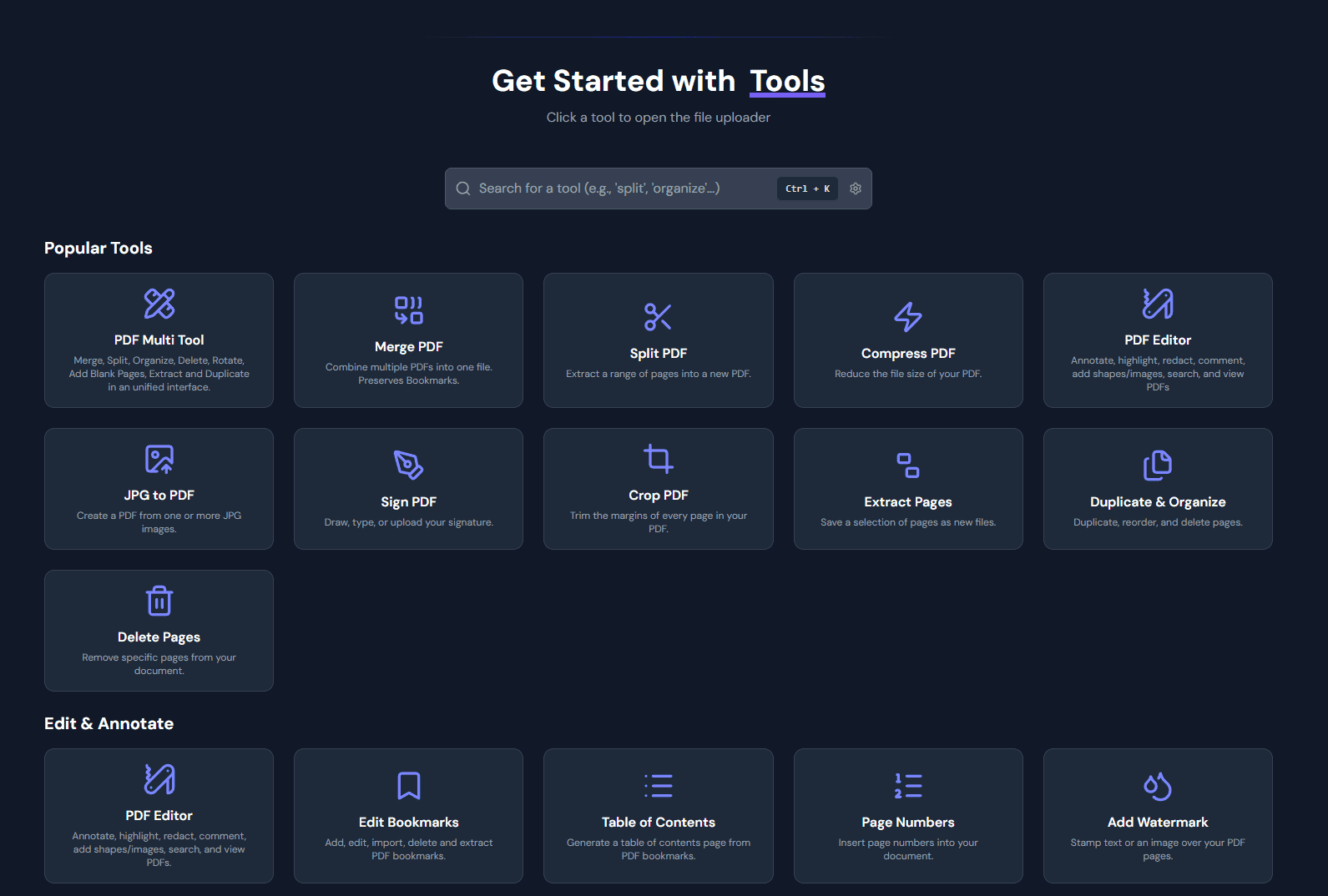
BentoPDF is a lightweight browser-based PDF toolkit built by a developer who can't stop making dad jokes in their release notes. With 70+ different operations (many of which I wasn't even aware could be performed on a PDF file) and a rapid pace of development, it's not surprising how quickly the platform rose to popularity with over 6,500 GitHub stars at the time of writing.
BookLore
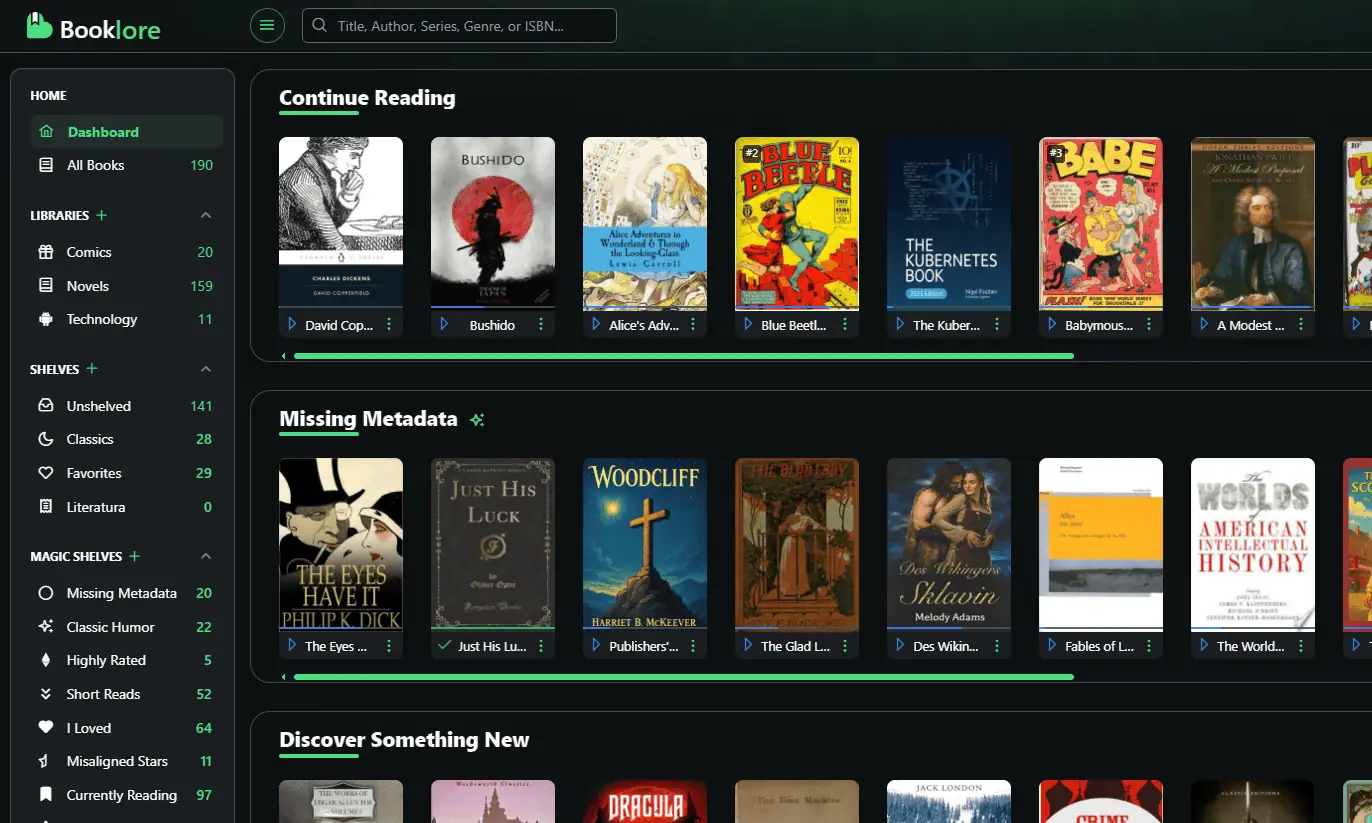
BookLore is a personal book reading and management application that rose to popularity this year as users continued to struggle with Calibre, Calibre-Web, and their various implementations. The platform features an easy-to-use web interface and functionality like smart shelves, OPDS, third-party integrations, and sharing, and doesn't require much to deploy aside from a MariaDB database for storage.
Docker Compose Maker
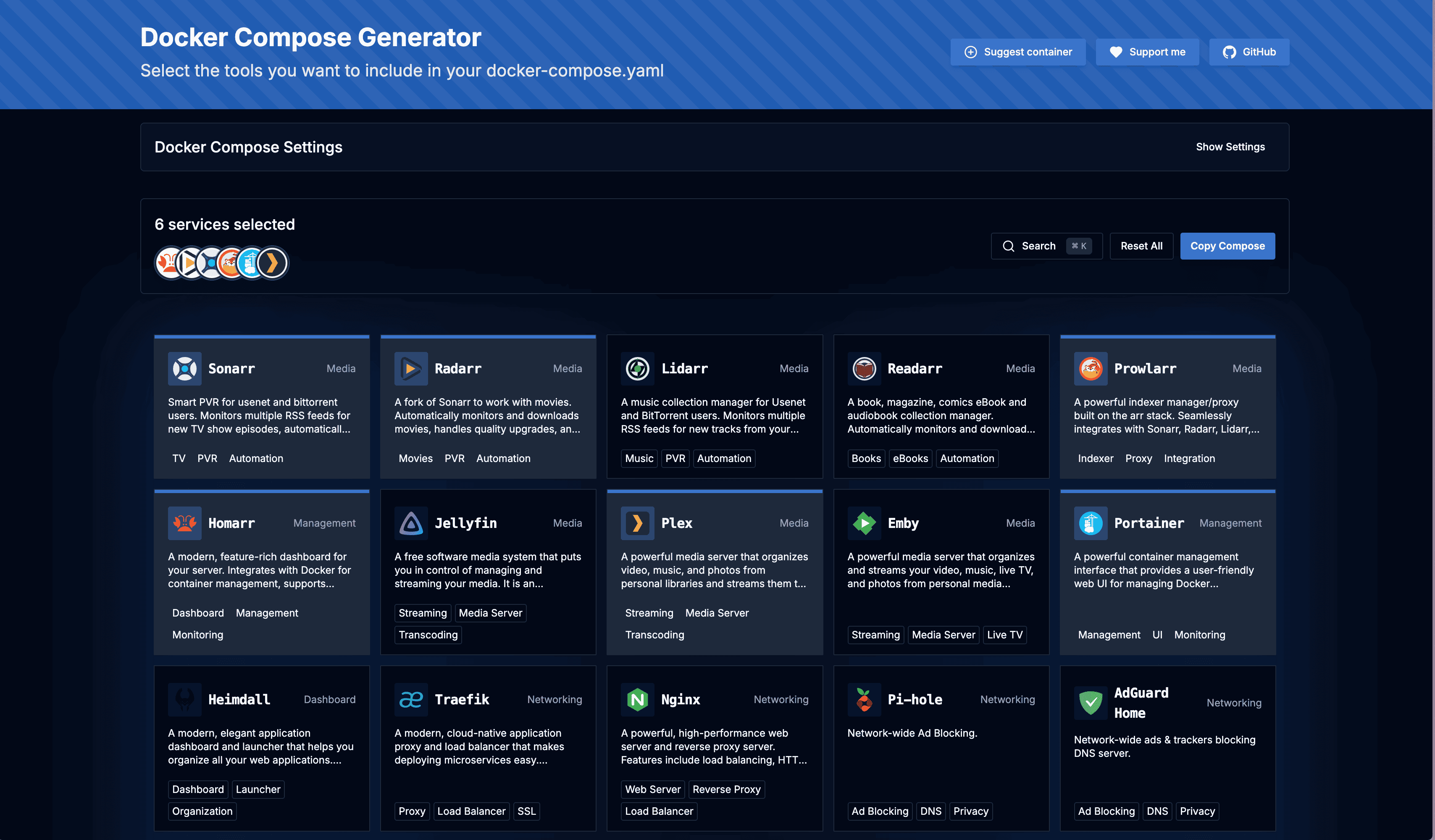
Docker Compose Maker is a unique yet simple tool for creating docker-compose.yml files developed by the lead maintainer of Homarr. Catered a bit more towards those unfamiliar with crafting and tailoring Docker deployments to their own needs, the app includes a curated list of popular self-hosted platforms to help users quickly get up-and-running.
IronCalc
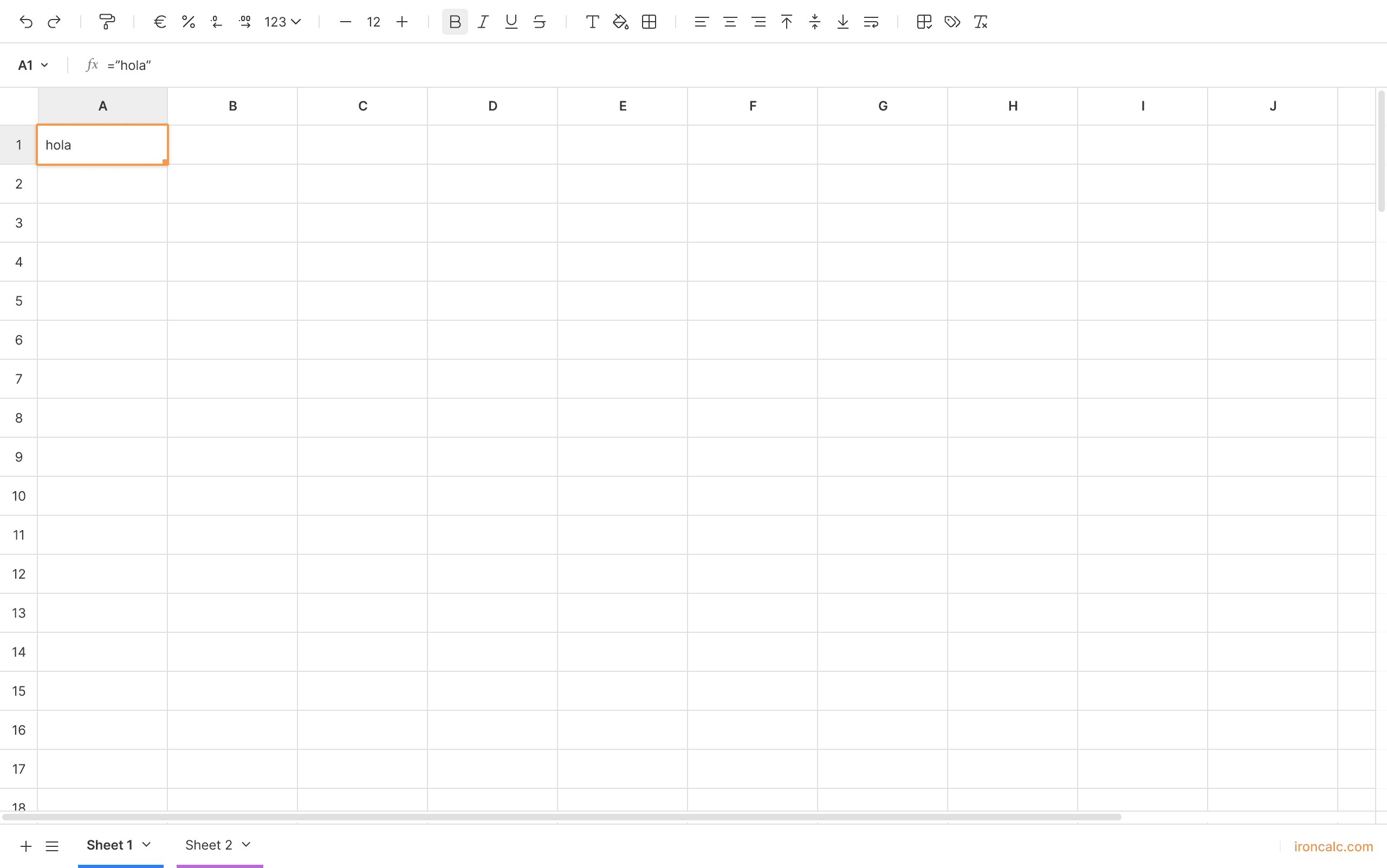
IronCalc (technically released in late 2024) popped up on my radar this year as an online spreadsheet engine, and despite the platform being a bit bare bones, it's really damn good. Unlike the popular Airtable-like relational database platforms, IronCalc is just a plain spreadsheet in the browser – and a much smoother online experience than I've ever had with Office or Google Sheets.
LoggiFly
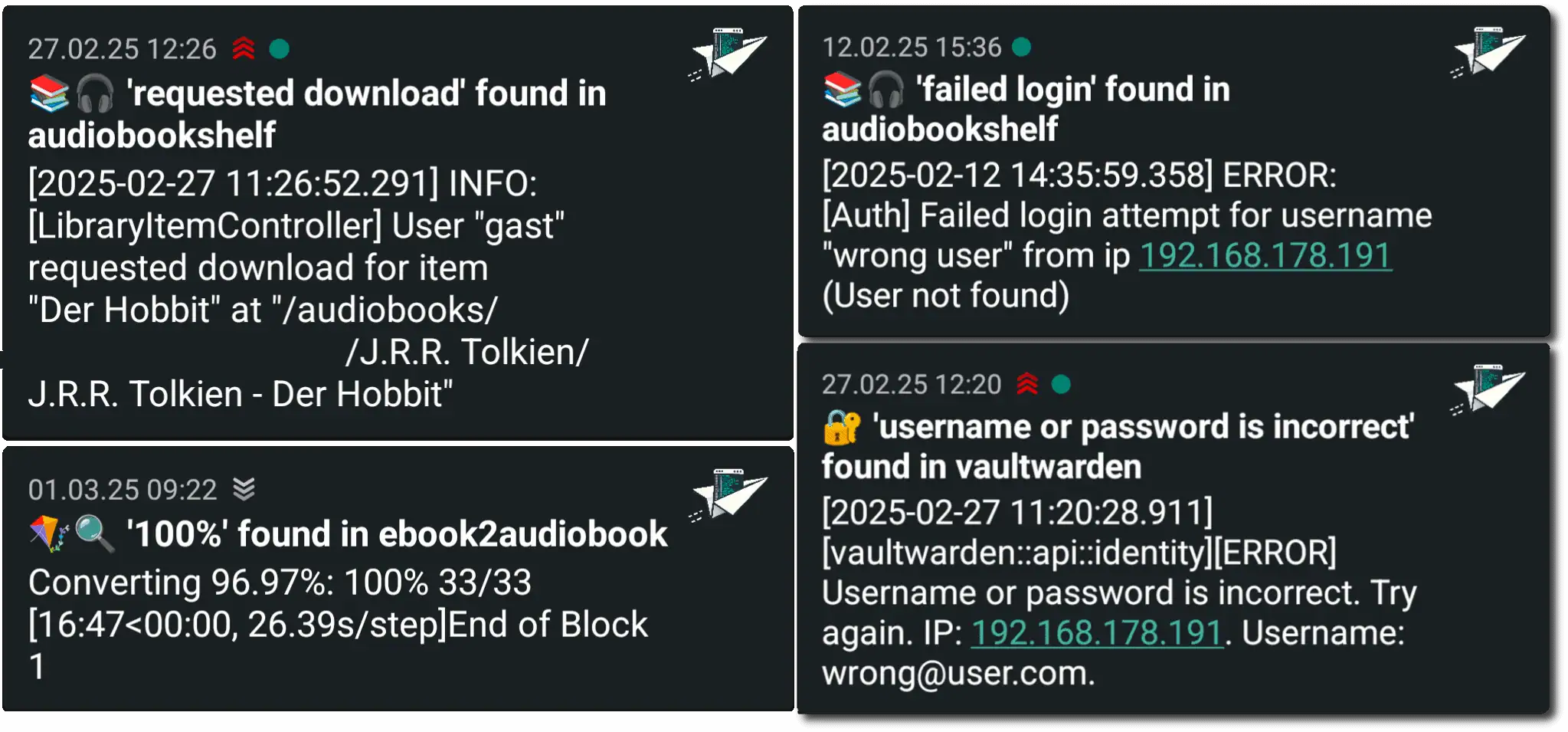
LoggiFly is a lightweight service for generating notifications based on log patterns with support for virtually every notification service via its built-in Apprise integration. The app is straightforward to deploy and makes a great alternative to some of the more complex monitoring solutions.
Mail Archival (Various)
'Tis apparently the year for archiving e-mail, as a number of great mail archival platforms were launched in the back half of the year. I'm still not sure where the sudden need to do so came from (did I miss something?), but I'm all for it.
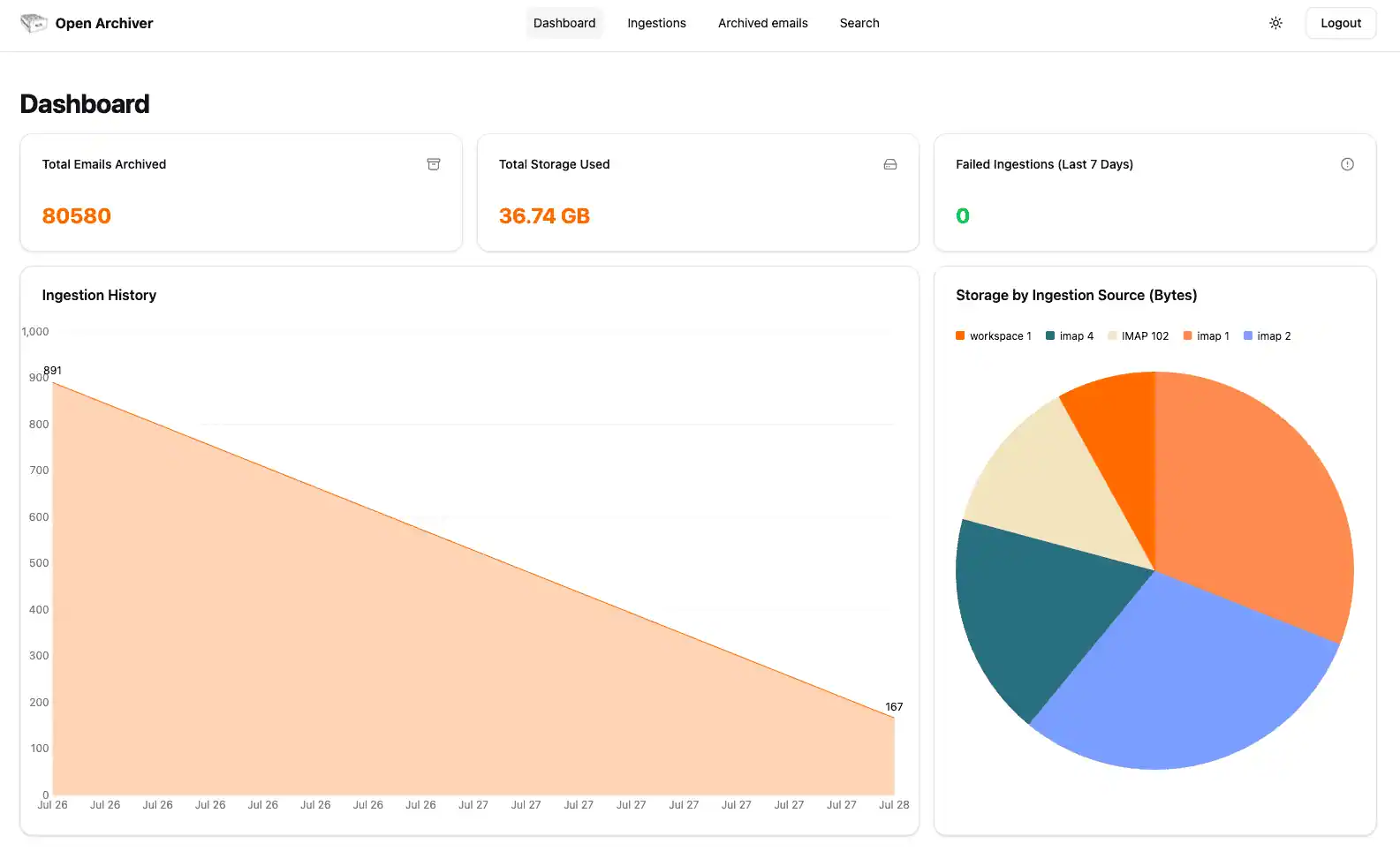
- Bichon (Source Code)
- Eonvelope (Source Code)
- Mail Archiver (Source Code)
- OpenArchiver (Website, Source Code)
- Related: Gmail Cleaner (Source Code)
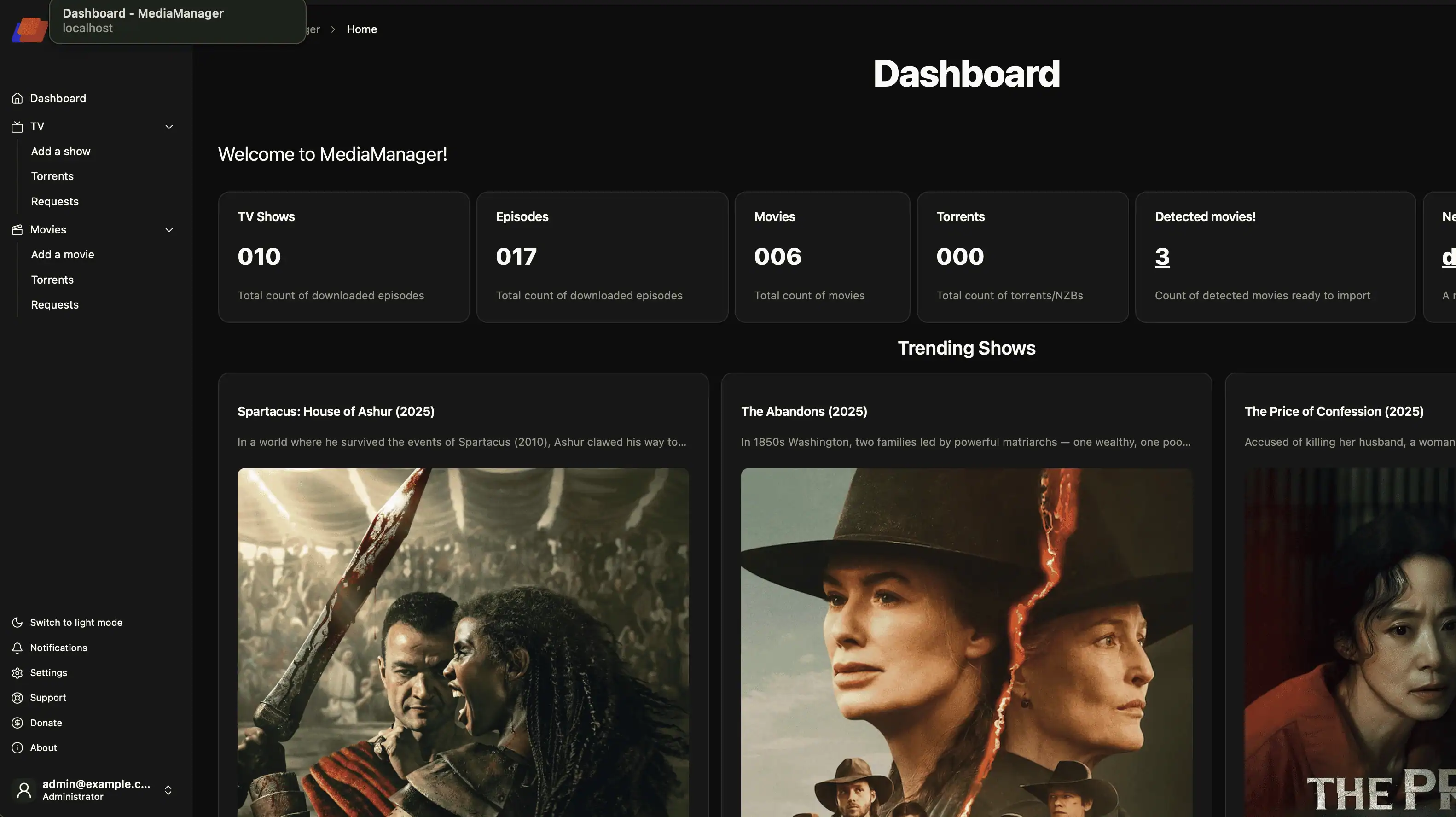
TYIL (this year I learned) many users are unhappy with the current state of what is collectively known as the *arr suite. Clunky interfaces, separate apps for different media types, duplicate apps for managing different qualities, developers refusing popularly requested features, etc. As a result, standalone platforms – often consolidating the functionality of multiple *arrs into a single app – began popping up this year. I don't endorse piracy, so consider these apps an easy way to track the media you purchase/watch.
- Cinephage (Source Code)
- MediaManager (Source Code)
- Mydia (Source Code)
NoteDiscovery
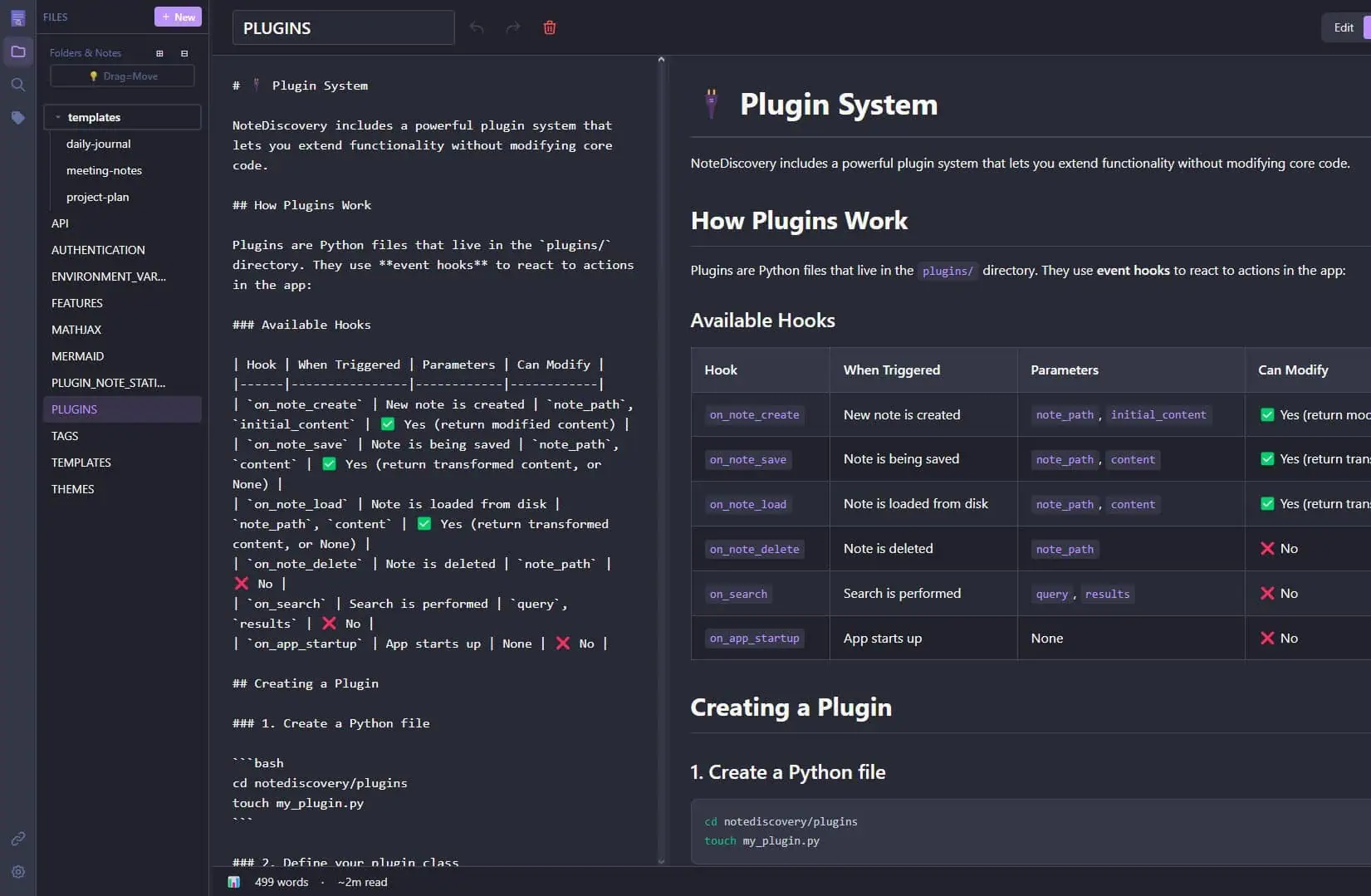
NoteDiscovery was one of the many note-taking applications released this year, but specifically made the list given its resemblance to Obsidian – the community's favorite note-taking app. While Obsidian's community plugins have thrived as a result of its popularity (a next-to-impossible feat for most self-hosted platforms), NoteDiscovery takes a swing at the juggernaut with its own plugin system, graph views, and plain Markdown file storage for those looking to make the switch.
Pangolin
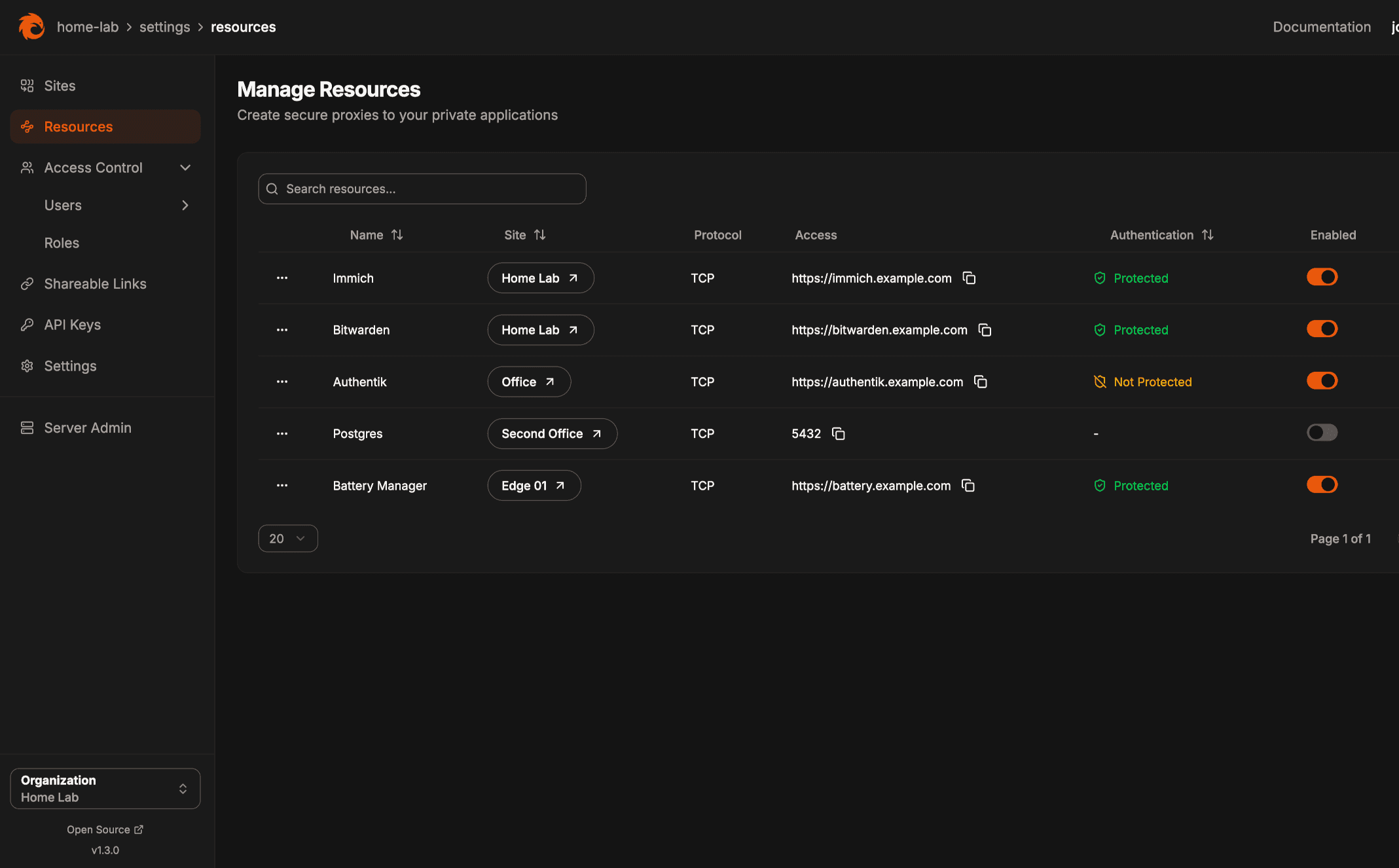
Pangolin has dominated the reverse proxy conversation since its January launch, and for good reason – its streamlined deployment of tunneled VPS servers has left janky WireGuard configurations, Tailscale funding insecurity, and Cloudflare tunnels in its dust. The ability to also manage configuration via its web-based dashboard is icing on the cake.
Papra
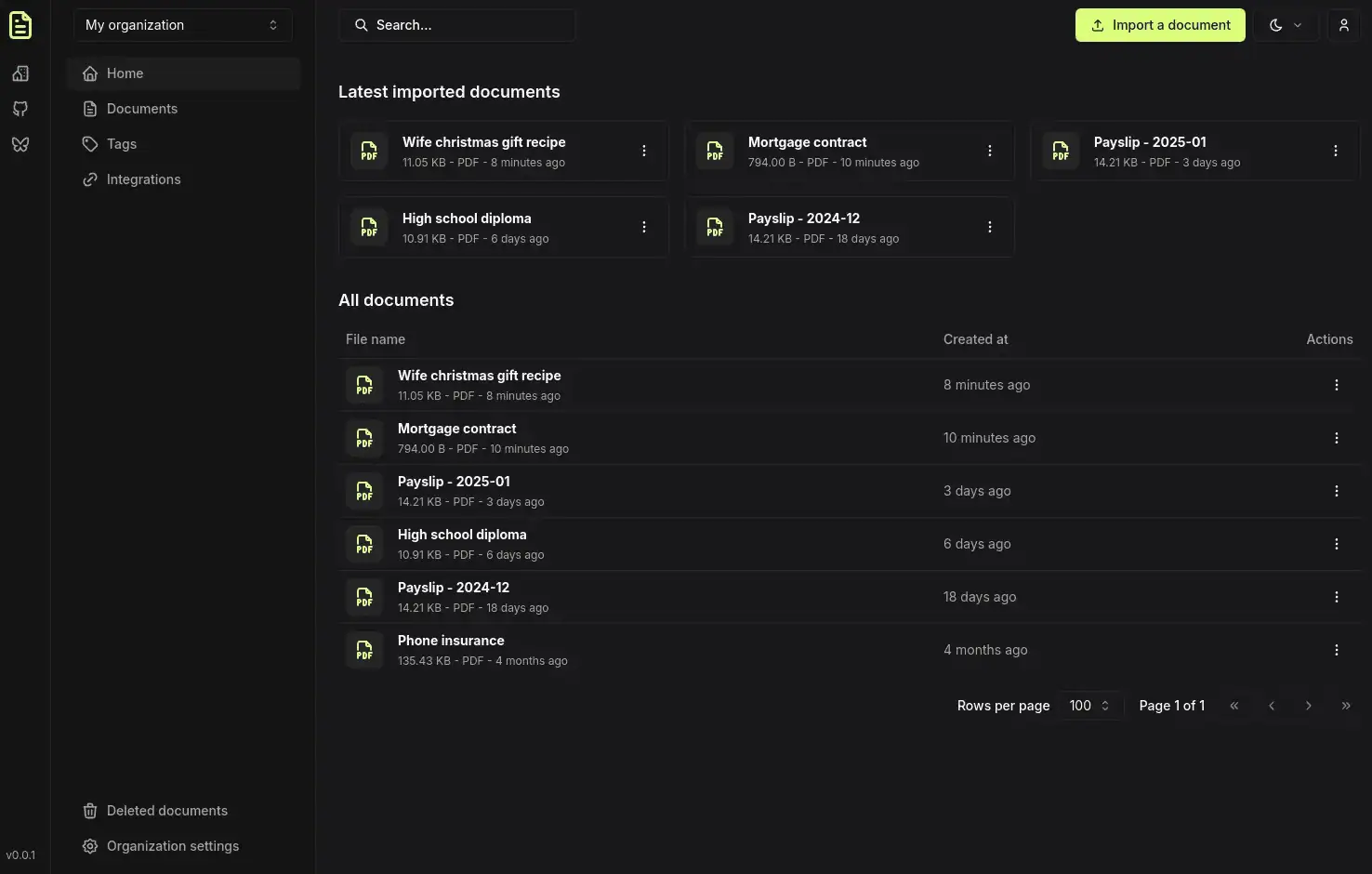
Papra is the new kid on the document management block with a minimalist approach to handling important records (at least when compared to its much larger peers, Paperless-ngx and Papermerge). And while a smaller feature-set may be a turn-off for some, the simplicity of the app can be a bit of a relief in the never-ending pile of documents that require scanning and organization at any given point in time.
PatchMon
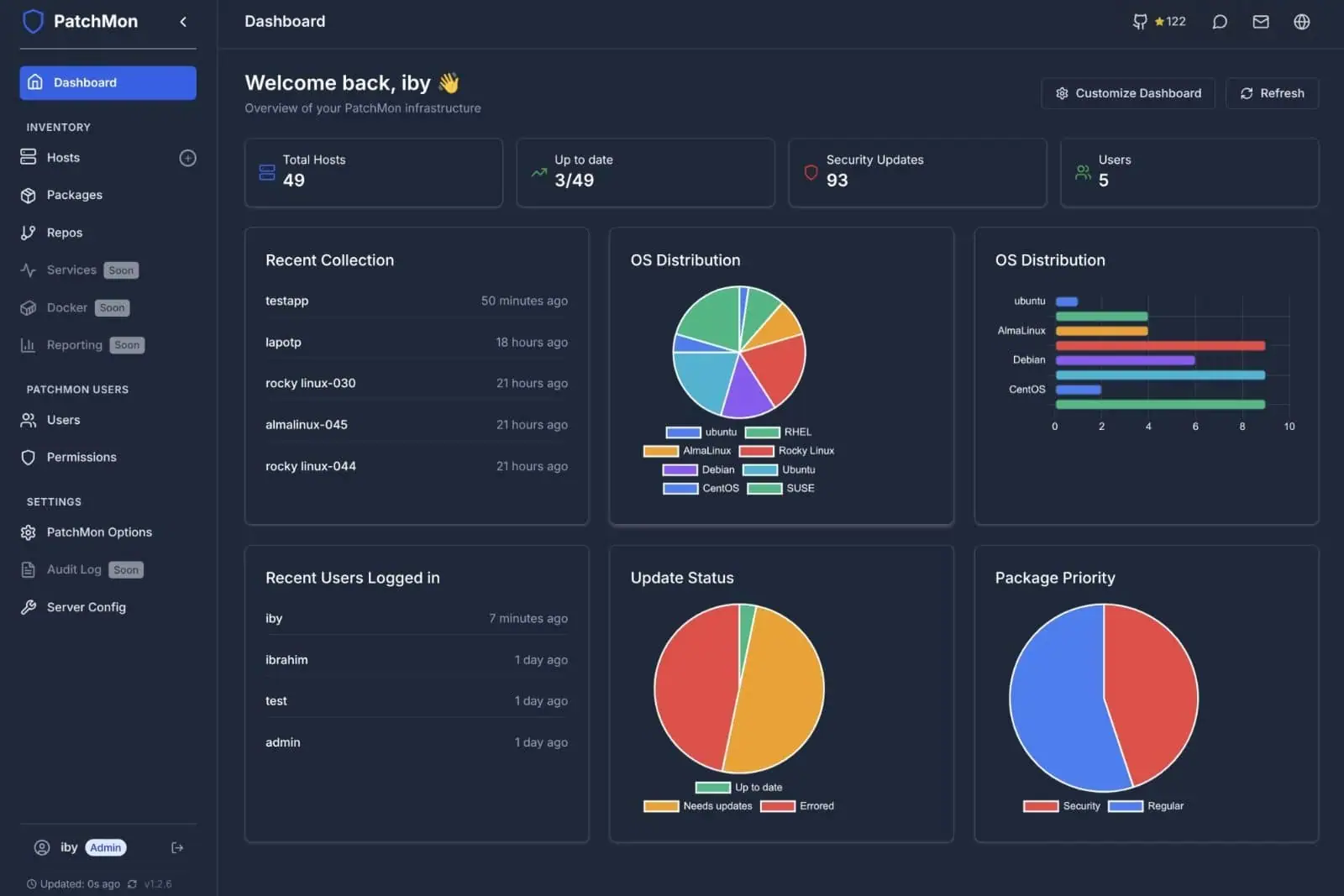
PatchMon is a web-based Linux patch monitoring and centralization tool that can be deployed across environments and machines via outbound agents. Its interface is minimal and clean, yet packed with just the right amount of information for users managing multiple machines that require relatively up-to-date software (so, pretty much everyone...).
Postgresus
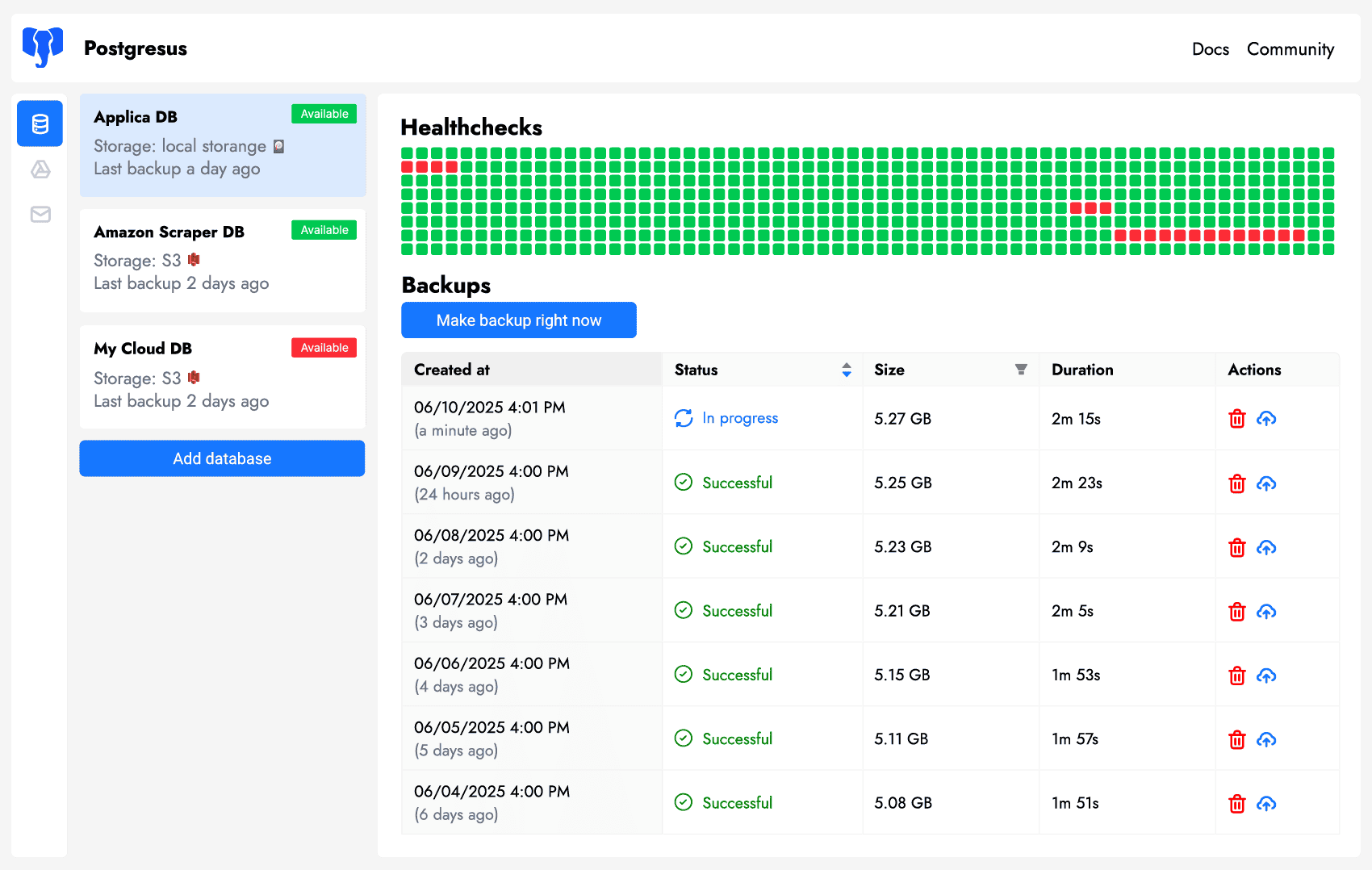
Despite the existence of cron and sqldump, I'm a sucker for web-based database backup solutions and Postgresus scratched that itch this year. The platform features automation via schedules, multiple storage destinations, notifications, and encryption – perfect for the peace of mind everyone looks for when self-hosting sensitive and important data.
Poznote
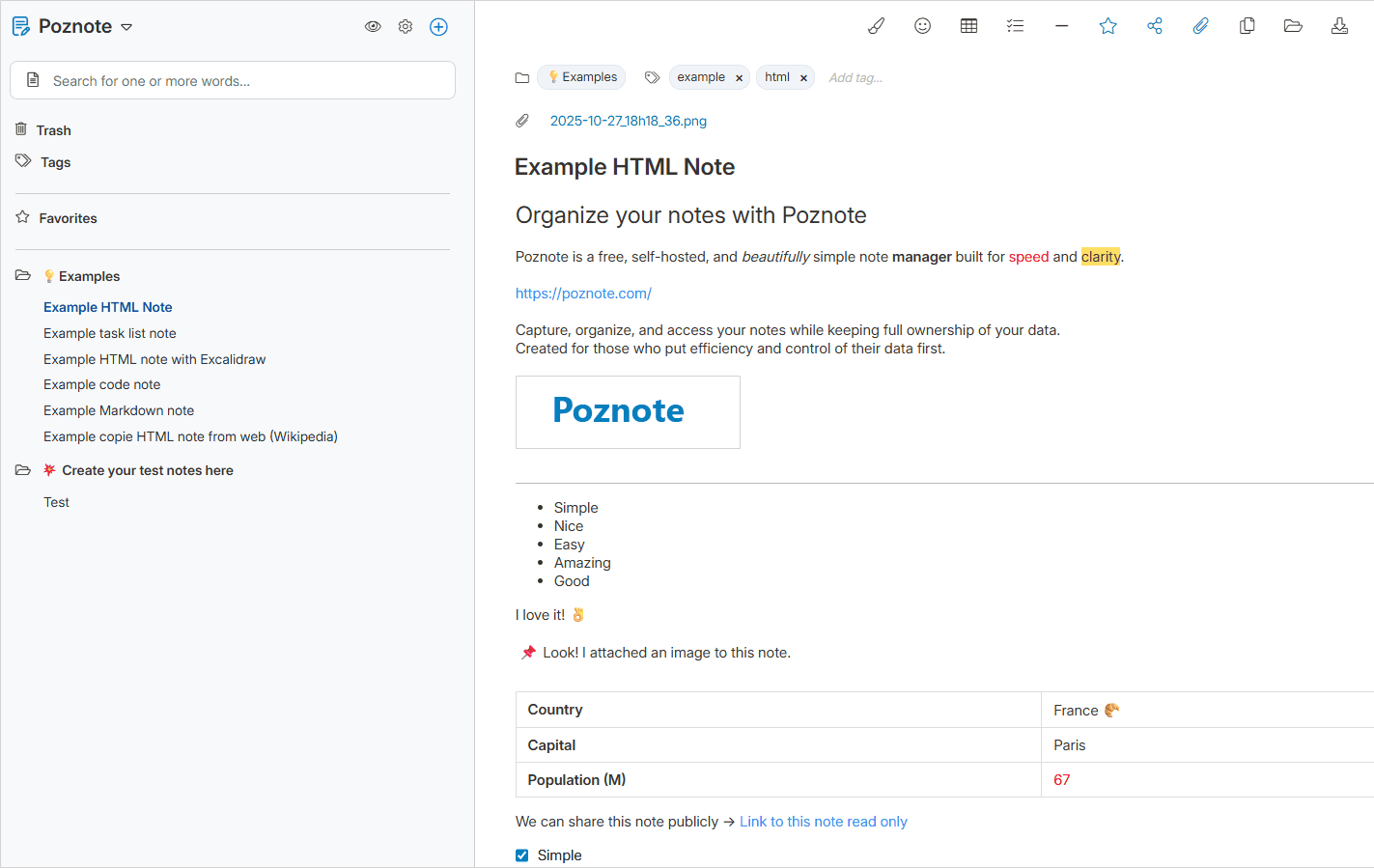
Poznote is the second note-taking app on this list, and for good reason – unlike many of its counterparts, it takes a lightweight, simplistic approach while still looking modern and clean (you'll know what I mean if you've seen enough vibe-coded interfaces). The app boasts itself as a note-taking platform, but its feature-set (outline tree, various note types, file attachments, and sharing) also makes it a more-than-adequate documentation tool.
Rybbit
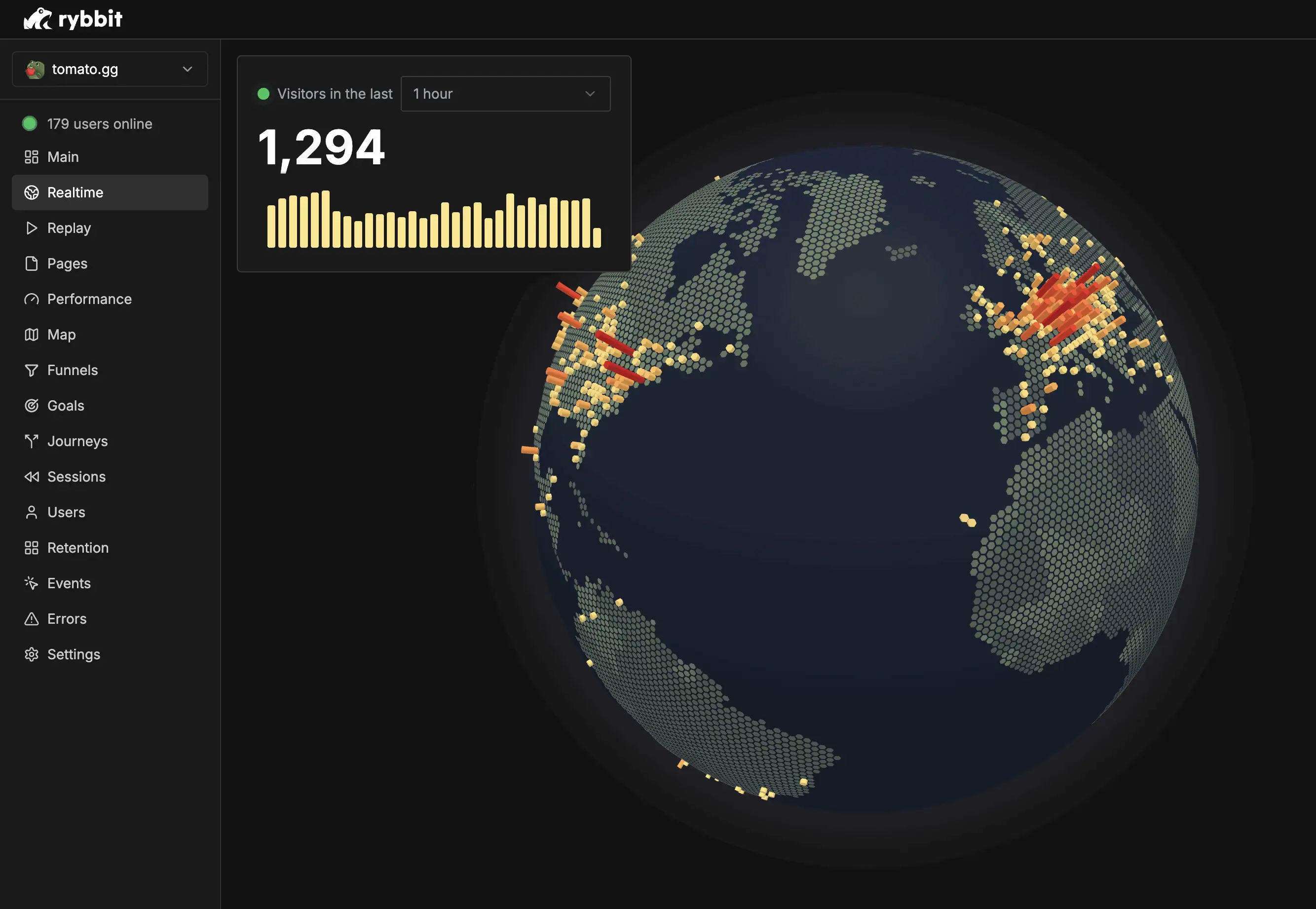
Rybbit is a lightweight web and product analytics platform that prides itself on out-of-the-box privacy features like cookie-less tracking and GDPR compliance. The app is designed to be much more intuitive than GA4 and also features a nifty globe view that's fun to play around with.
Sync-in
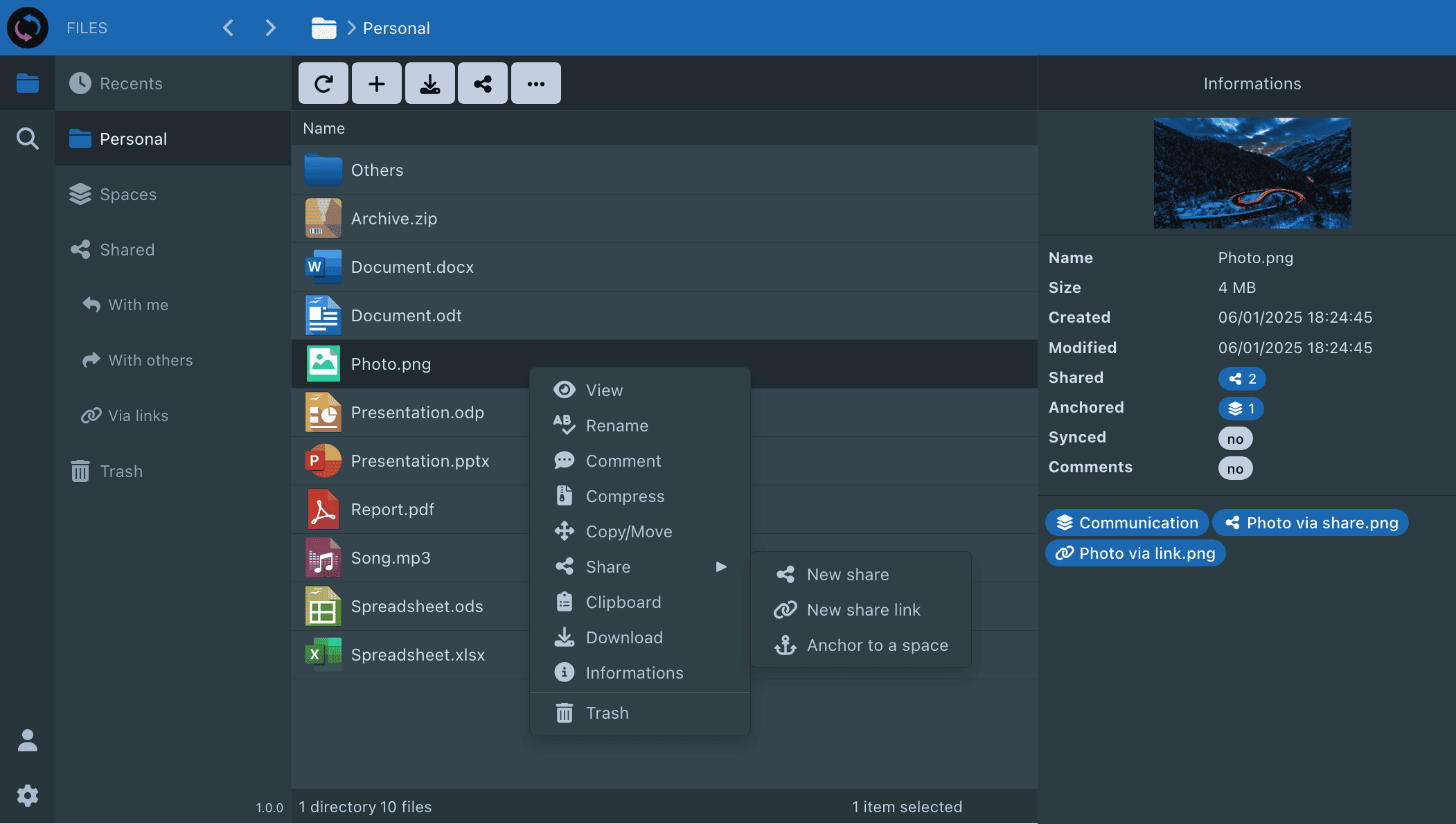
Sync-in is a cloud storage/sharing/collaboration platform that makes the list because it's a fantastic attempt at replacing the supposedly bloated Nextcloud that so many users in the community complain about. It might not be as pretty as its counterparts, but it's friendlier on resources and doesn't require external dependencies aside from a MariaDB database.
Tinyauth
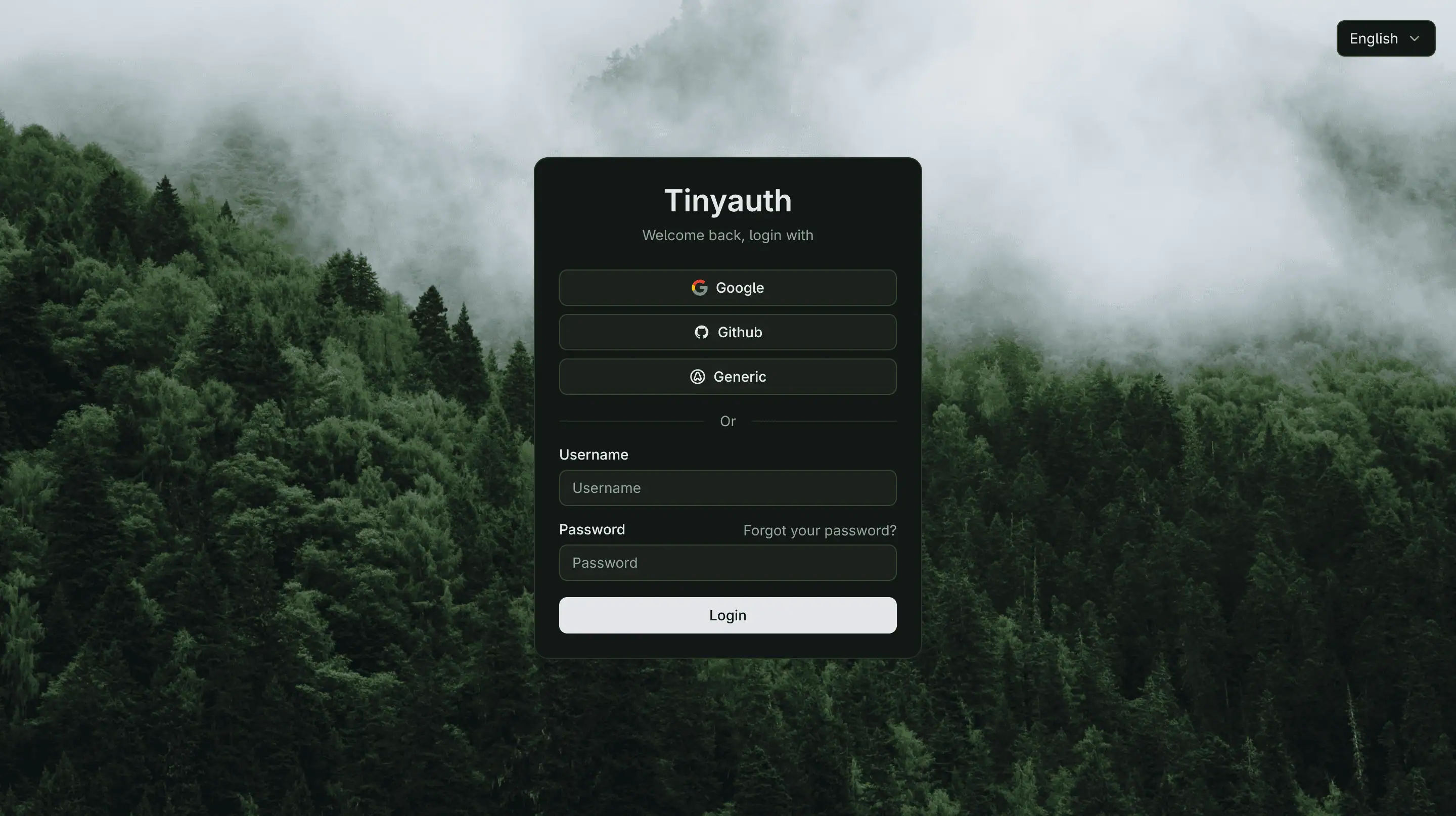
Tinyauth is a simplistic take on authentication middleware that makes it a perfect substitute for those looking to avoid the complexity of solutions like Authentik and Authelia. The platform relies on variables for configuration and supports various authentication providers (generic OAuth, Google, GitHub) that can be easily configured across popular proxies (Traefk, Nginx, and Caddy).
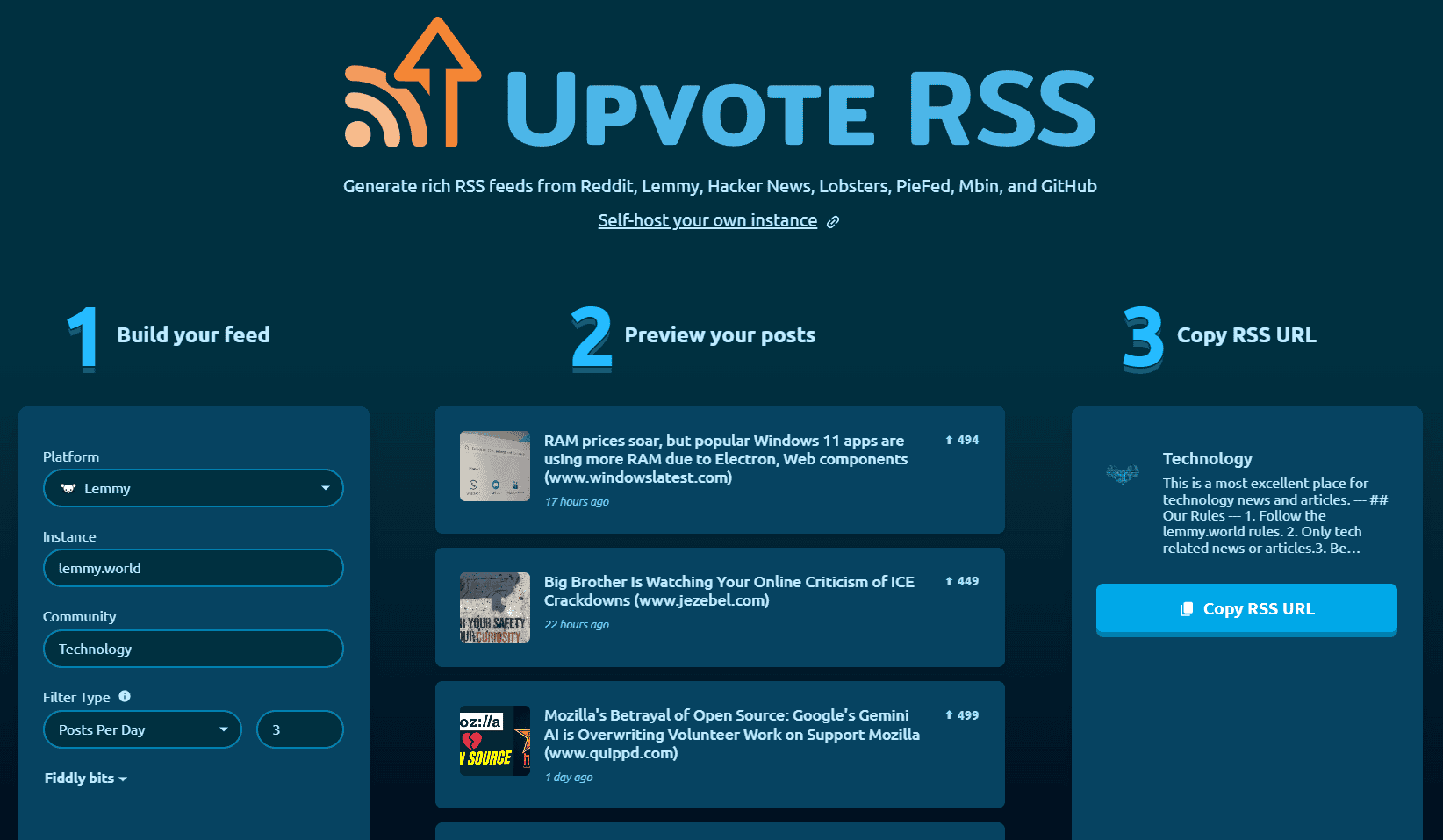
I'm a self-proclaimed RSS junkie, which is how I digest most of the content included in my weekly newsletter. And so naturally, any platform that streamlines the ability to parse large amounts of information via RSS is a winner in my book – which is how Upvote RSS made this year's list. The platform makes it easy to create and generate rich feeds (summarized via AI if desired) for popular social aggregation sites (Reddit, Lemmy, Hacker News, etc.) with fine-grained controls not offered by the sites' built-in feeds.
Warracker
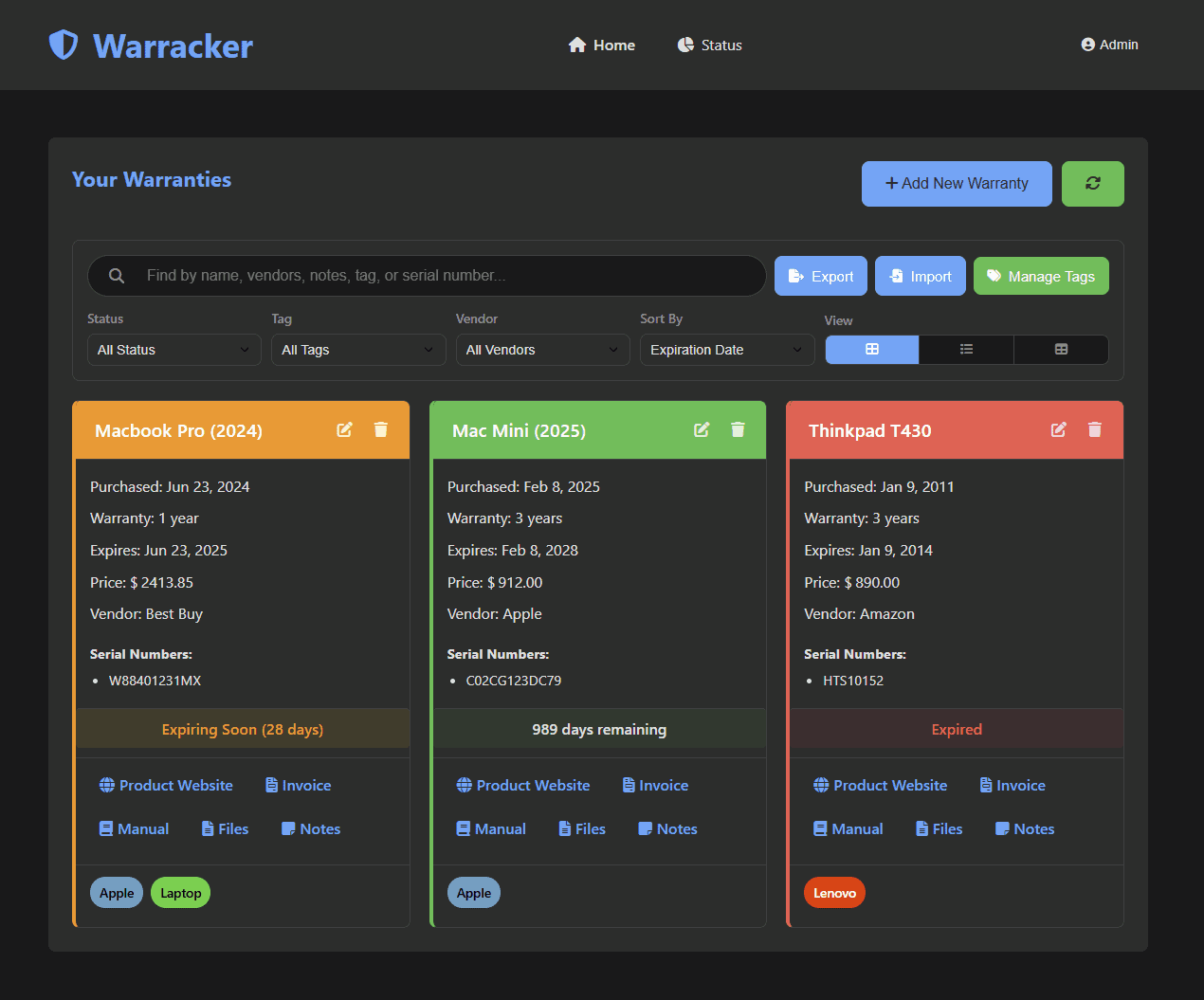
Warracker is a self-hosted platform for storing and tracking warranties, receipts, and expiration dates. The platform's alerting capabilities, SSO support, and integration with Paperless-ngx for document storage set it apart from the myriad of other alternatives in the space.
Zerobyte
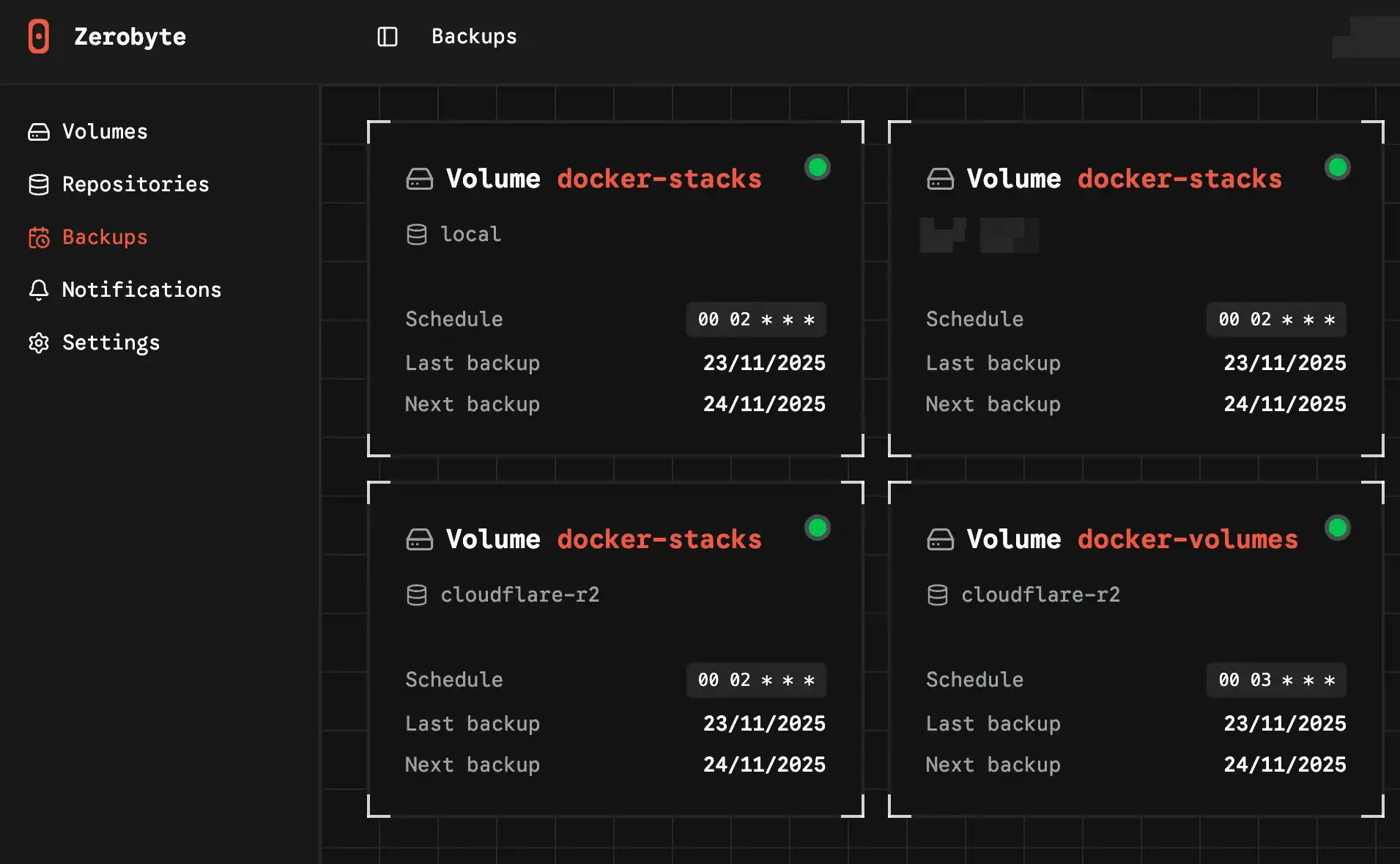
Zerobyte is a backup tool built on restic that gives users a clean, minimal interface for managing and automating data backups. The platform offers encryption, scheduling, and multiple storage backends that make it a no-brainer for those not already invested in the ecosystem of another backup platform.