Resurrect an ancient library from the ashes of a volcano.
Win Prizes. Make History.Vesuvius Challenge is a machine learning, computer vision, and geometry competition that is reading the carbonized Herculaneum scrolls & has awarded $1,700,000 in prizes.
Our current challenge is to grow from a few passages to entire scrolls. Join the community to win prizes and make history.
Open Problem: Representation
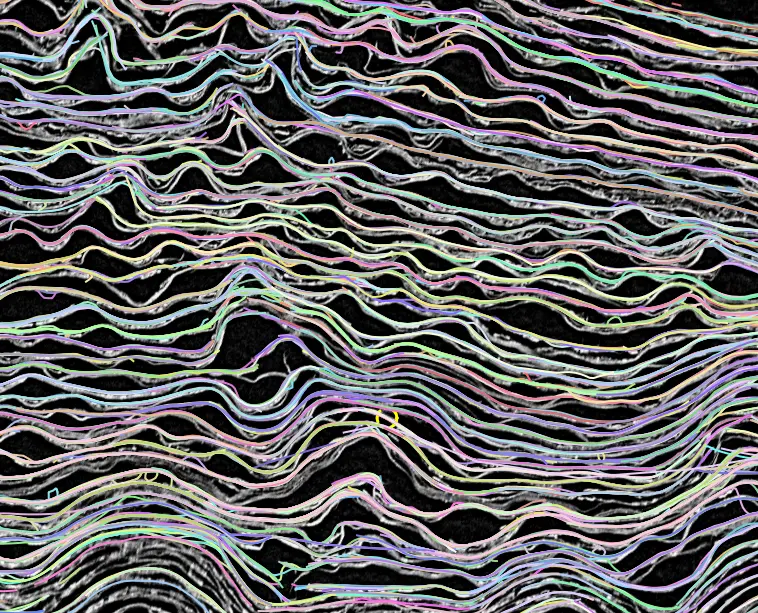
Carbonized and crushed under pyroclastic flow and debris, the scrolls are in rough shape. Tracing the 3D sheets through these damaged scrolls is nearly impossible in the raw scan data. More structured representations, like those obtained with semantic segmentation, simplify downstream tasks significantly.
Related skills: image annotation, computer vision, machine learning, medical imaging
Scan the Surface
Scan the Surface

Open Problem: Geometric Reconstruction
A better image representation alone does not an unrolled scroll make. We need methods to better map the surfaces, stitch them where necessary, and extract them into readable sheets of papyrus. For a primer on current autosegmentation methods and their progress, read the Virtual Unwrapping document.
Related skills: geometry processing, computer vision, machine learning, optimization
Chart the Path
Chart the Path
Open Problem: Ink Detection
We've so far recovered text from just two of our five scrolls. Is the ink fundamentally different in others? Is the papyrus surface? We're not yet sure. We are certain though that if it ever existed, it can be detected.
Related skills: image annotation, computer vision, machine learning, pattern recognition
Find a Letter
Find a Letter
What We're Building Towards
Accurate Surface Representation
We lack the accuracy to make the meshing step as simple as it could be.
Generalizable Ink Detection
Ink has been found in two scrolls, but remains elusive in our other scrolls.
High Quality Annotations
We need an abundance of high-quality annotations.
Robust Meshing
Methods that function where Surface Representation is unreliable are needed.
Our story ↓
79 AD
Mount Vesuvius erupts.
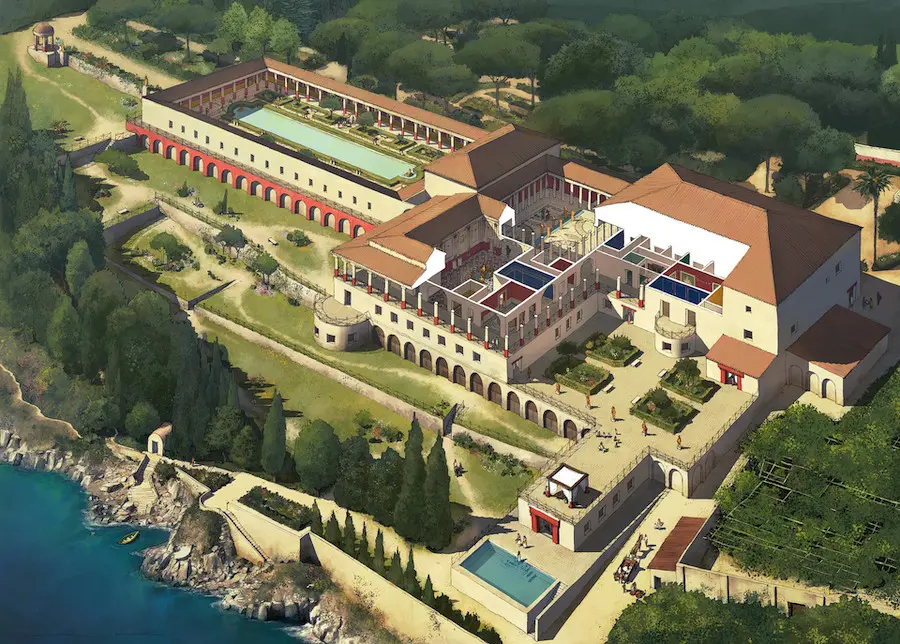
In Herculaneum, twenty meters of hot mud and ash bury an enormous villa once owned by the father-in-law of Julius Caesar. Inside, there is a vast library of papyrus scrolls.
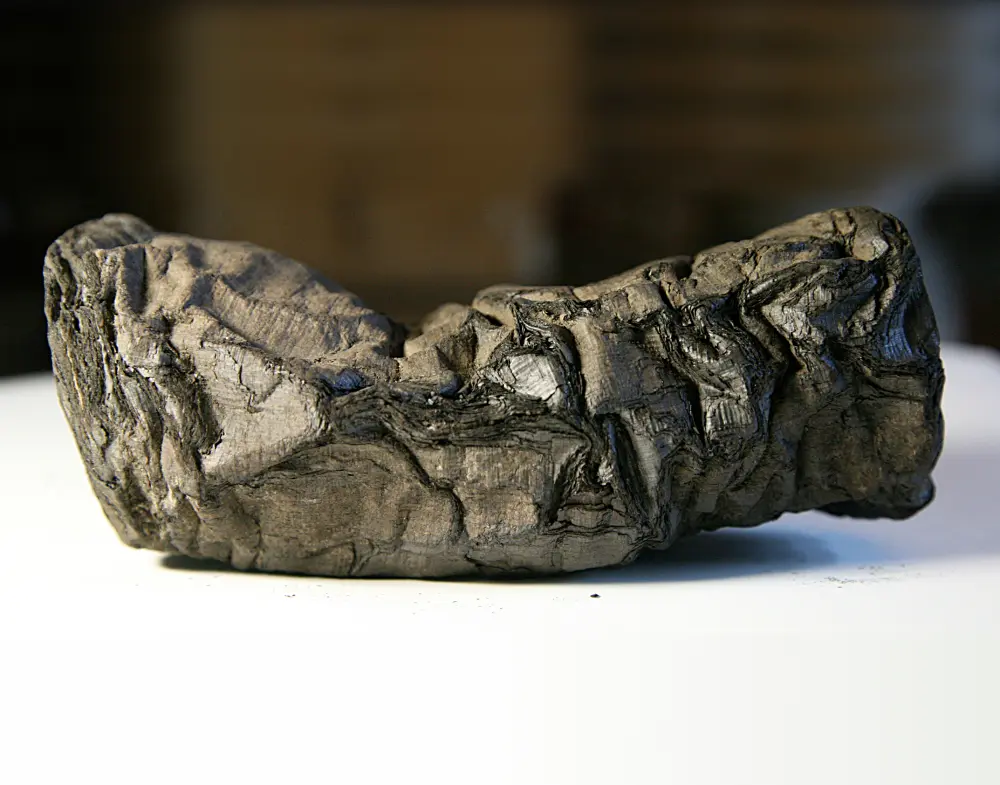
The scrolls are carbonized by the heat of the volcanic debris. But they are also preserved. For centuries, as virtually every ancient text exposed to the air decays and disappears, the library of the Villa of the Papyri waits underground, intact.
1750 AD
A farmer discovers the buried villa.
While digging a well, an Italian farmworker encounters a marble pavement. Excavations unearth beautiful statues and frescoes – and hundreds of scrolls. Carbonized and ashen, they are extremely fragile. But the temptation to open them is great; if read, they would significantly increase the corpus of literature we have from antiquity.
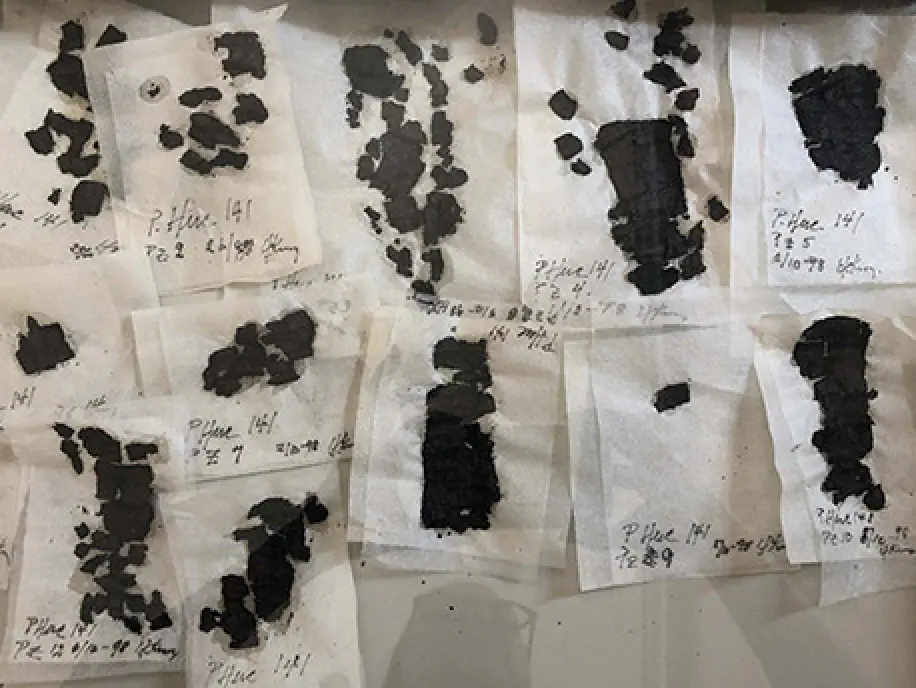
Early attempts to open the scrolls unfortunately destroy many of them. A few are painstakingly unrolled by a monk over several decades, and they are found to contain philosophical texts written in Greek. More than six hundred remain unopened and unreadable.
2015 AD
Dr. Brent Seales pioneers virtual unwrapping.
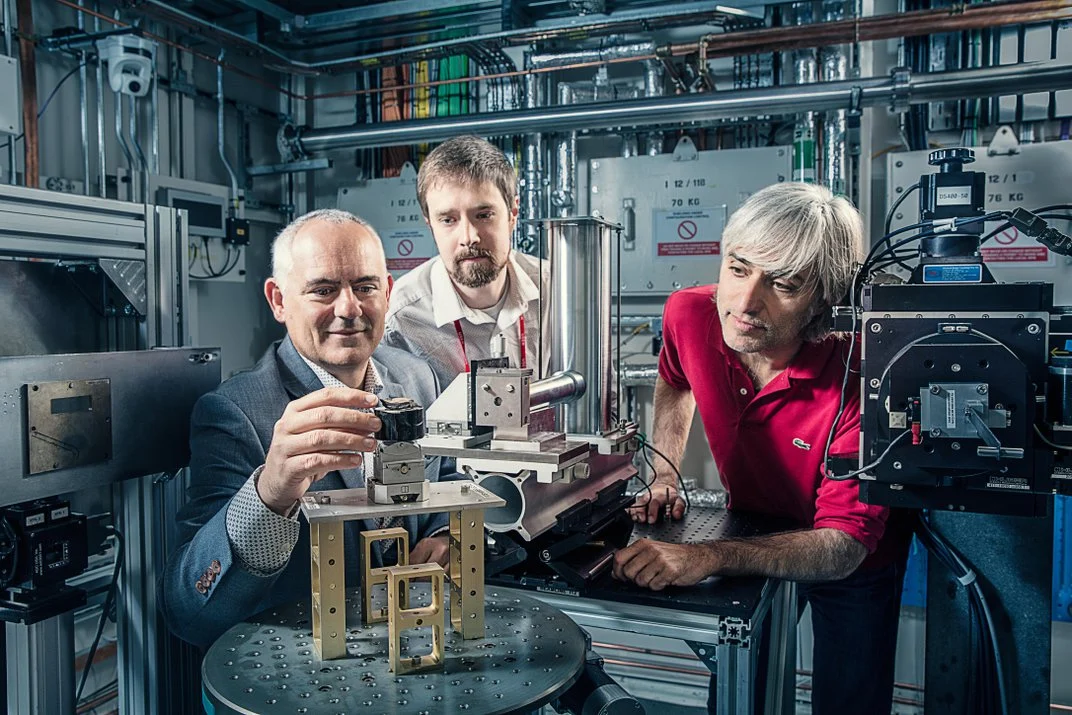
Using X-ray tomography and computer vision, a team led by Dr. Brent Seales at the University of Kentucky reads the En-Gedi scroll without opening it. Discovered in the Dead Sea region of Israel, the scroll is found to contain text from the book of Leviticus.
Virtual unwrapping has since emerged as a growing field with multiple successes. Their work went on to show the elusive carbon ink of the Herculaneum scrolls can also be detected using X-ray tomography, laying the foundation for Vesuvius Challenge.
2023 AD
A remarkable breakthrough.
Vesuvius Challenge was launched in March 2023 to bring the world together to read the Herculaneum scrolls. Along with smaller progress prizes, a Grand Prize was issued for the first team to recover 4 passages of 140 characters from a Herculaneum scroll.
Following a year of remarkable progress,
the prize was claimed. After 275 years, the ancient puzzle of the Herculaneum Papyri has been cracked open. But the quest to uncover the secrets of the scrolls is just beginning.

2024 AD
New frontiers.
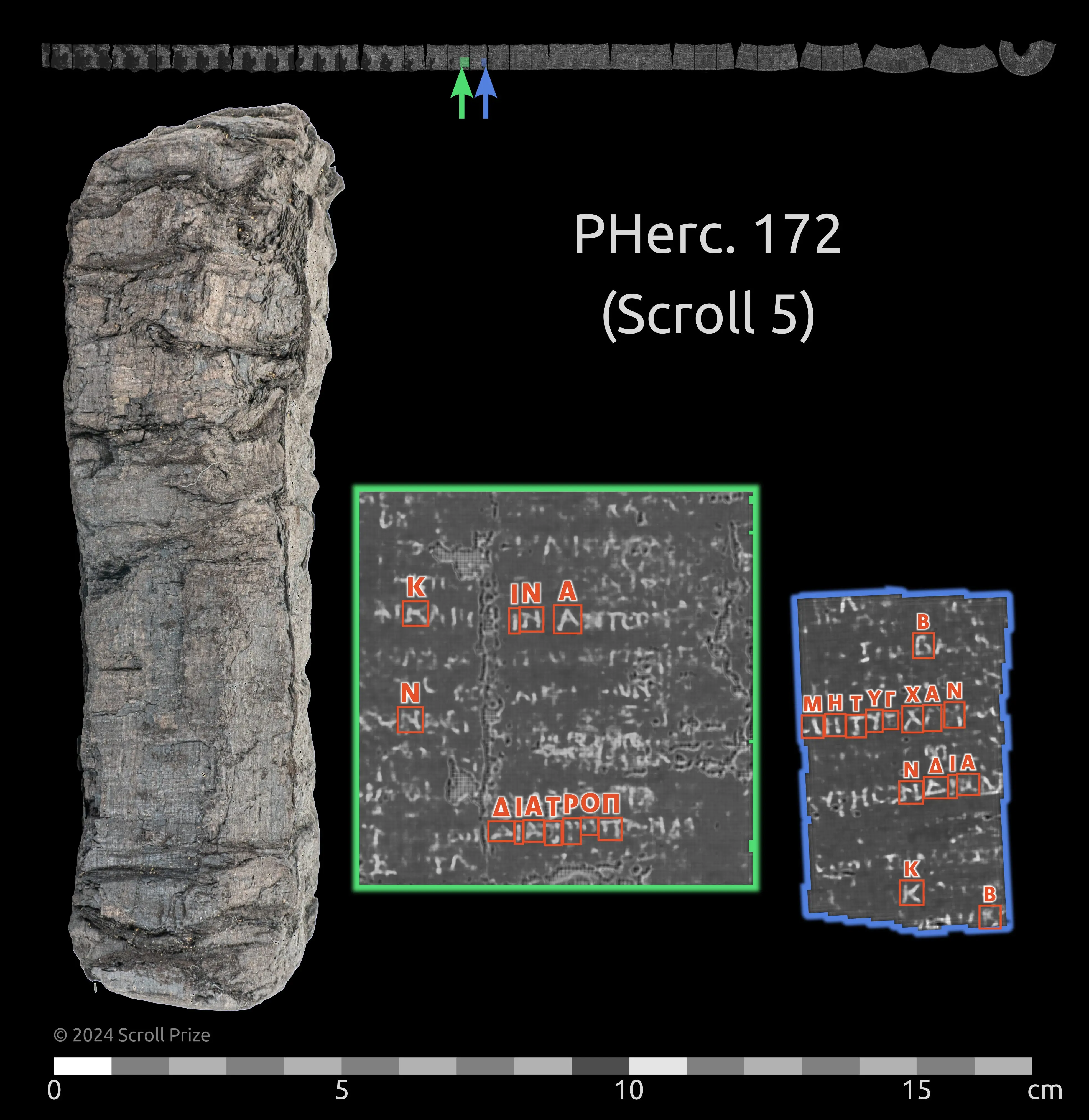
A widespread community effort builds on the success of the first scroll, automating and refining the components of the virtual unwrapping pipeline. Efforts to scan and read multiple scrolls are underway. New text is revealed from another scroll.
2026 AD
The Challenge Continues
Vesuvius Challenge moves onto its next stage of reading multiple entire scrolls. Read more about the prizes below, and on how they contribute towards the The Master Plan.
Awarded Prizes
Incredible teams of engineers are helping us unlock these secrets, providing unprecedented access to scrolls that have not been read in two millennia. Learn more about their accomplishments.
Created By
Caesars
Senators
Matt Mullenweg
$150,000
Emergent Ventures
$100,000
Matt Huang
$50,000
John & Patrick Collison
$125,000
Julia DeWahl & Dan Romero
$100,000
Eugene Jhong
$100,000
Anonymous
$100,000
Bastian Lehmann
$75,000
Tobi Lutke
$75,000
Guillermo Rauch
$50,000
Arthur Breitman
$50,000
Anonymous
$50,000
Anonymous
$50,000
Citizens
Aaron Levie
$25,000
Akshay Kothari
$25,000
Alexa McLain
$25,000
Anjney Midha
$25,000
franciscosan.org
$25,000
John O'Brien
$25,000
Mark Cummins
$25,000
Jamie Cox & Gary Wu
$15,000
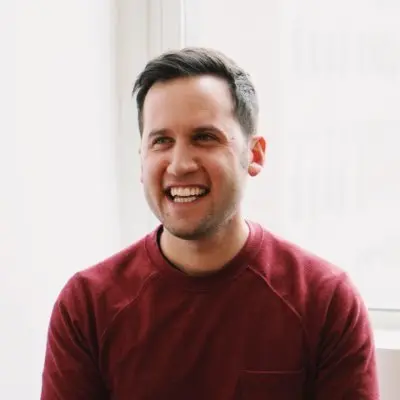
Mike Mignano
$15,000
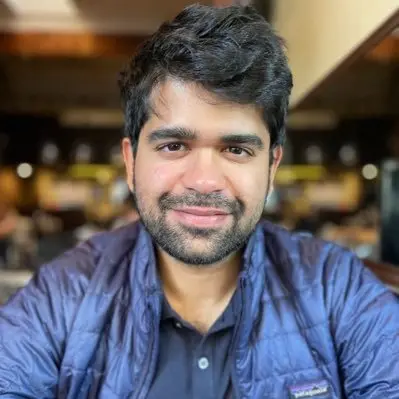
Aravind Srinivas
$10,000
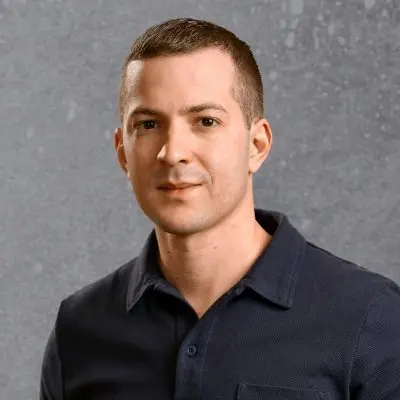
Brandon Reeves
$10,000
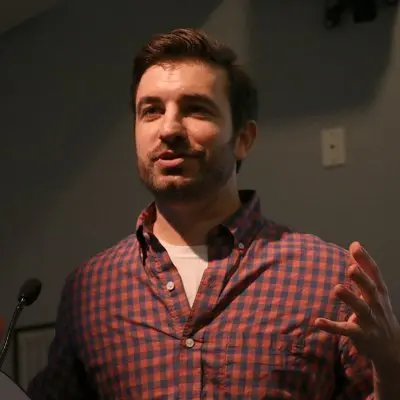
Brandon Silverman
$10,000
Chet Corcos
$10,000

Ivan Zhao
$10,000

Neil Parikh
$10,000
Stephanie Sher
$10,000
Raymond Russell
$10,000
Vignan Velivela
$10,000
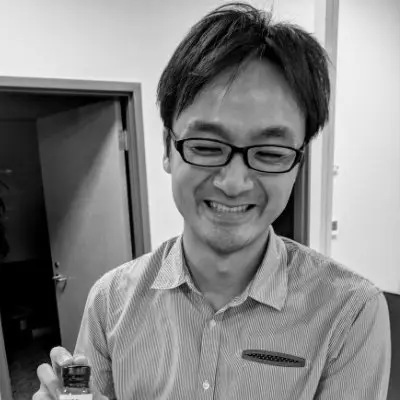
Katsuya Noguchi
$10,000
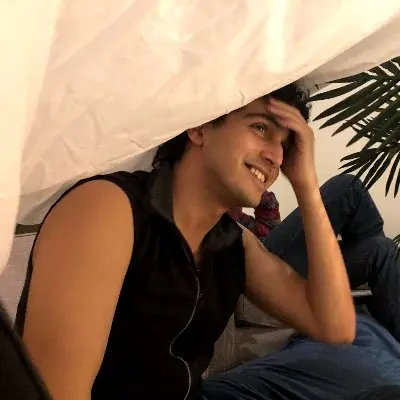
Shariq Hashme
$10,000
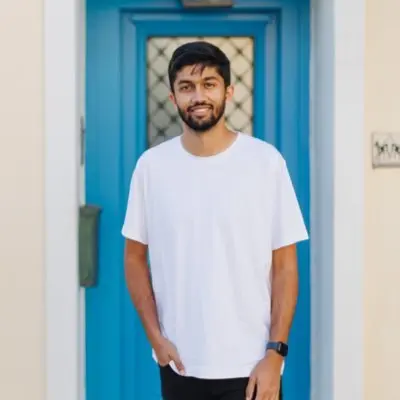
Sahil Chaudhary
$10,000
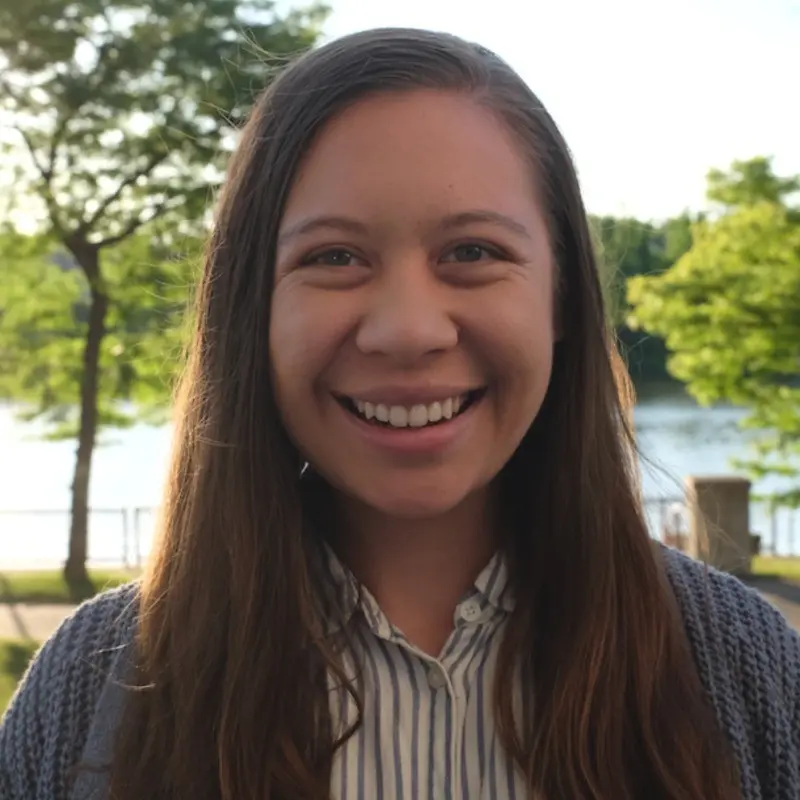
Maya & Taylor Blau
$10,000
Matias Nisenson
$10,000
Mikhail Parakhin
$10,000
Alex Petkas
$5,000
Amjad Masad
$5,000
Conor White-Sullivan
$5,000